October 29, 2025
Data Shows Endangered Palau Ground Doves Swiftly Recovering After Successful Palauan Island Conservation Effort
Astounding evidence of recovery on Ulong Island in Palau after just one year!
 Island Conservation
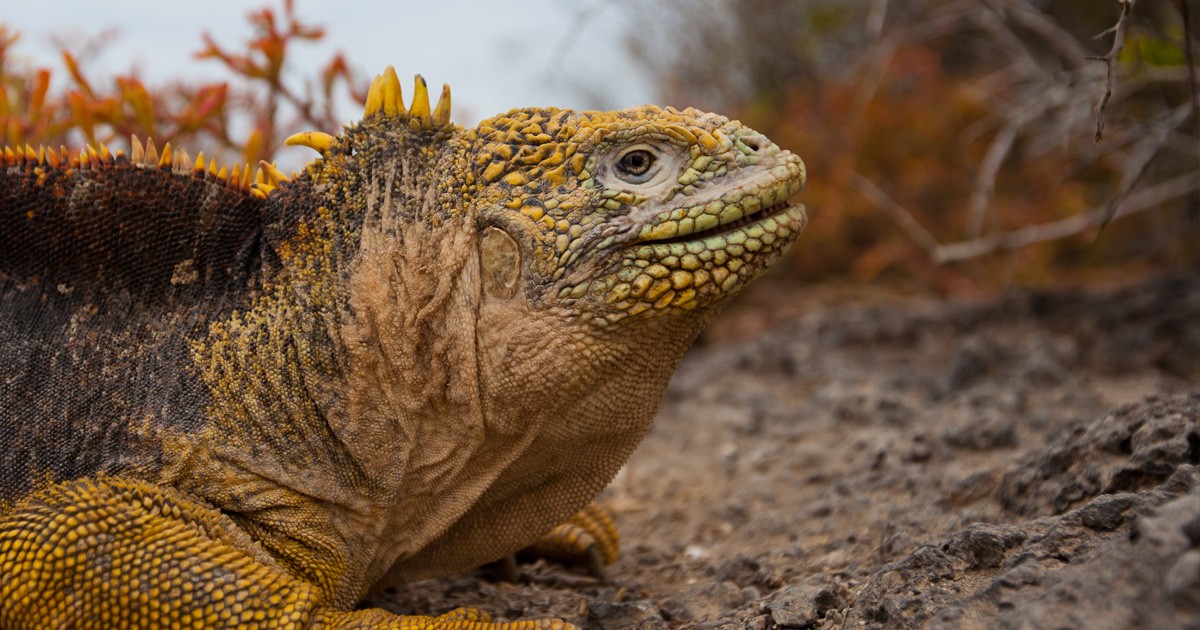
After a 180 year absence, Galápagos Land Iguanas are once again roaming free on Santiago Island. These important seed-dispersers were last recorded on the island in 1838 by Abel du Petit-Thouars and by Charles Darwin in 1835. Since then, the only signs of these iguanas have been skeletal remains. The reintroduction is all part of an effort by the Directorate of Galápagos National Park (DPNG), Island Conservation, and Massey University in New Zealand to revive the native ecosystem.
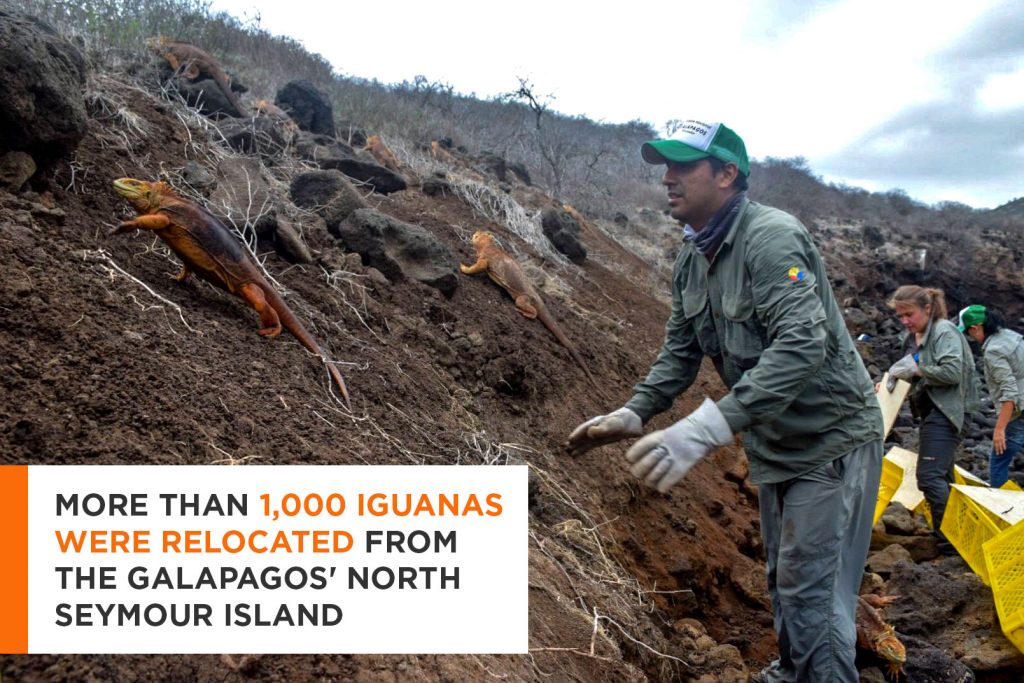
Galápagos Land Iguanas were sourced from Seymour Norte Island where they had been introduced in the 1930s but due to a skyrocketing population have faced food scarcity. The iguanas were then held in captivity for almost four weeks in order to ensure no seeds in their guts were passed from Seymour Norte Island to Santiago Island. Now that the iguanas have been released, the DNPG and Massey University will begin monitoring the population and plan to introduce up to a total of 2,000 individuals.
Read more about the reintroduction at BBC Wildlife
Featured photo: A Galápagos Land Iguana. Credit: Island Conservation
Check out other journal entries we think you might be interested in.

October 29, 2025
Astounding evidence of recovery on Ulong Island in Palau after just one year!
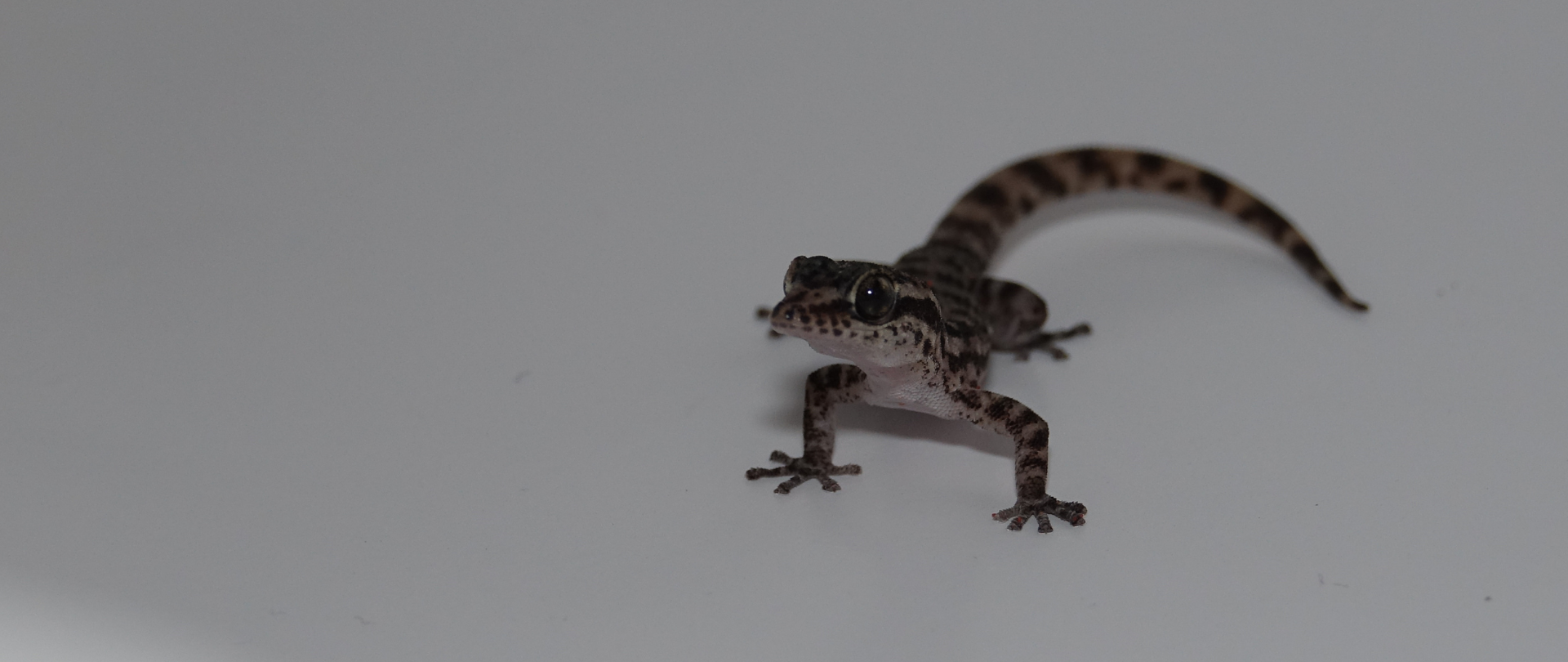
July 22, 2025
A species once thought extinct just made its comeback. A study published in PLOS ONE confirms the Leaf-toed Gecko has been rediscovered on Rábida Island in the Galápagos.
July 17, 2025
Great news from Tuvalu--our projects to restore Nukufetau Atoll, Tepuka, and Falefatu were successful!

June 17, 2025
Two new islands join the Island-Ocean Connection Challenge, linking terrestrial and marine conservation for maximum impact!
June 13, 2025
Our partner Conservation X Labs has joined the IOCC, committing to deploying transformative technology to protect island ecosystems!
May 19, 2025
Read our position paper on The 3rd United Nations Ocean Conference (UNOC 3) to see why we're attending and what we aim to accomplish!
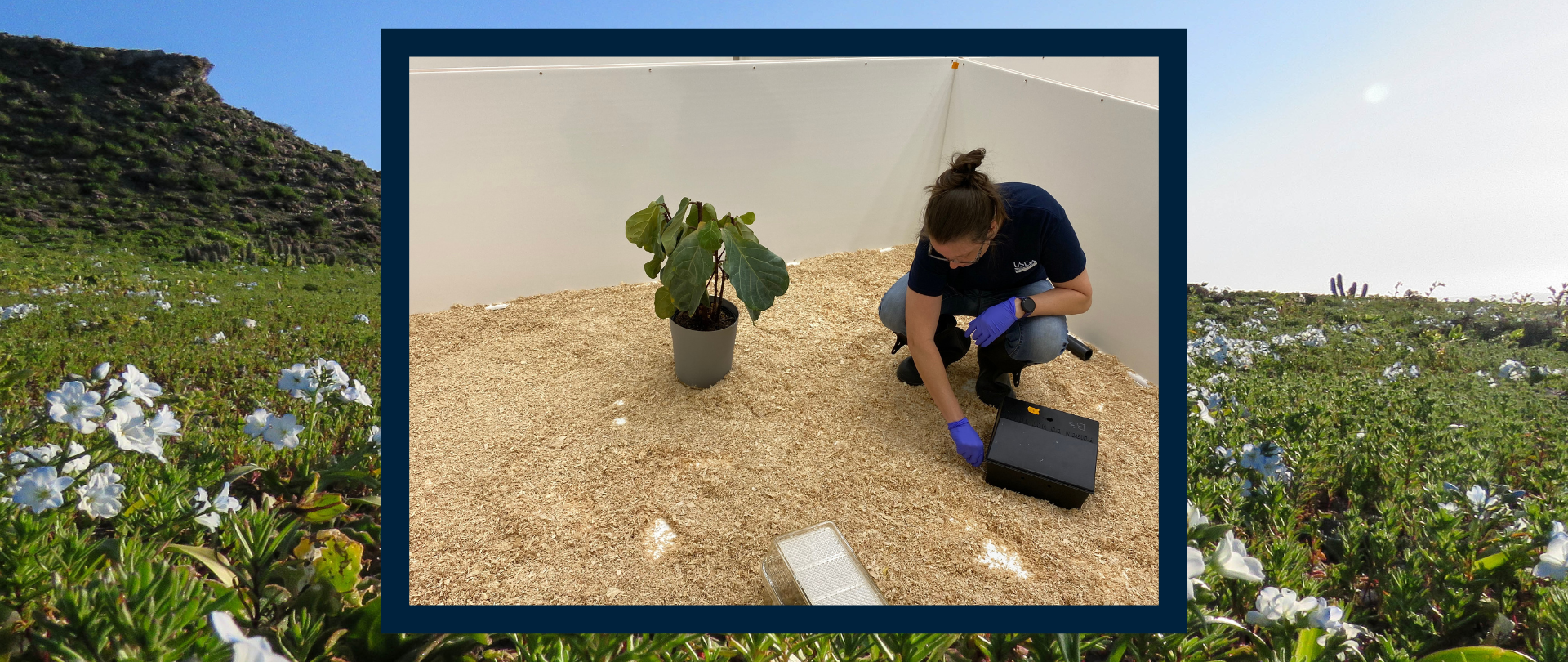
March 11, 2025
New environmental DNA technology can help protect vulnerable island ecosystems from destructive invasive species.
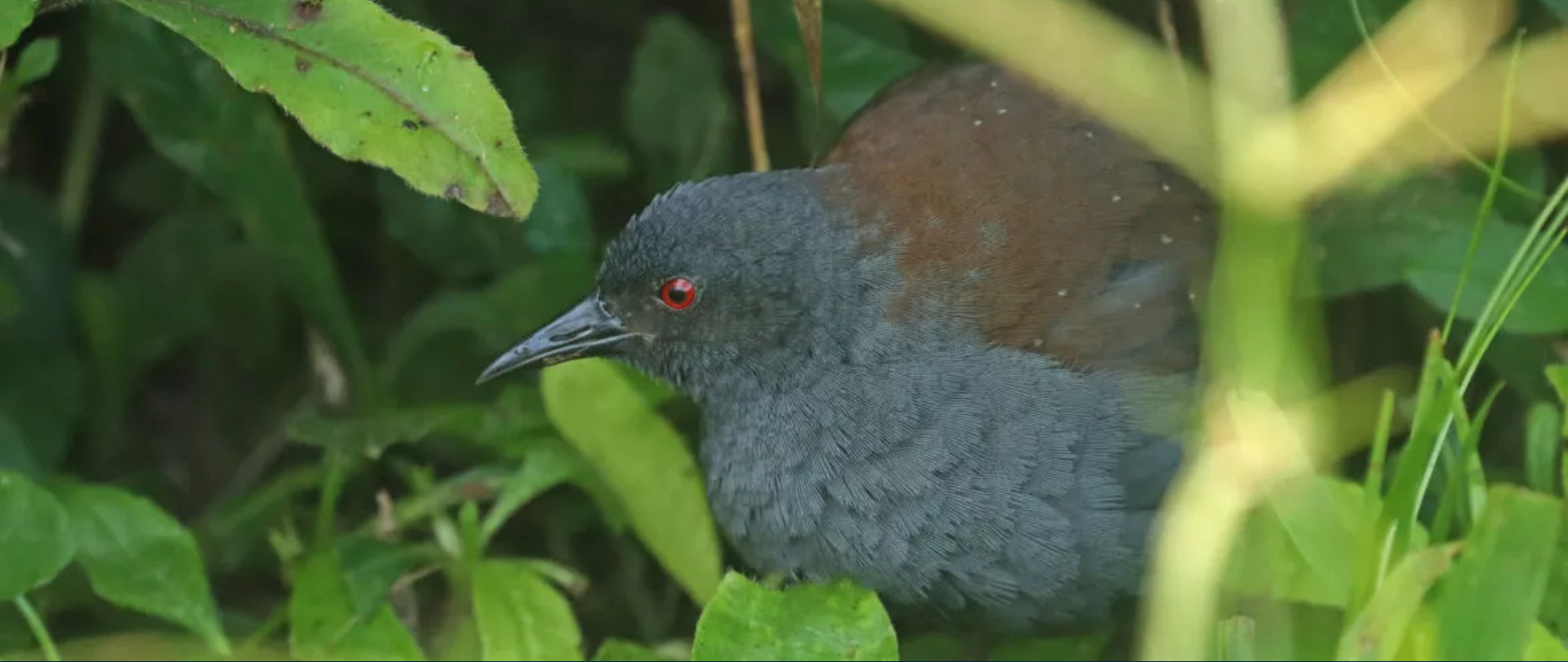
February 27, 2025
A locally-extinct species of ground-dwelling bird was found on Floreana Island!
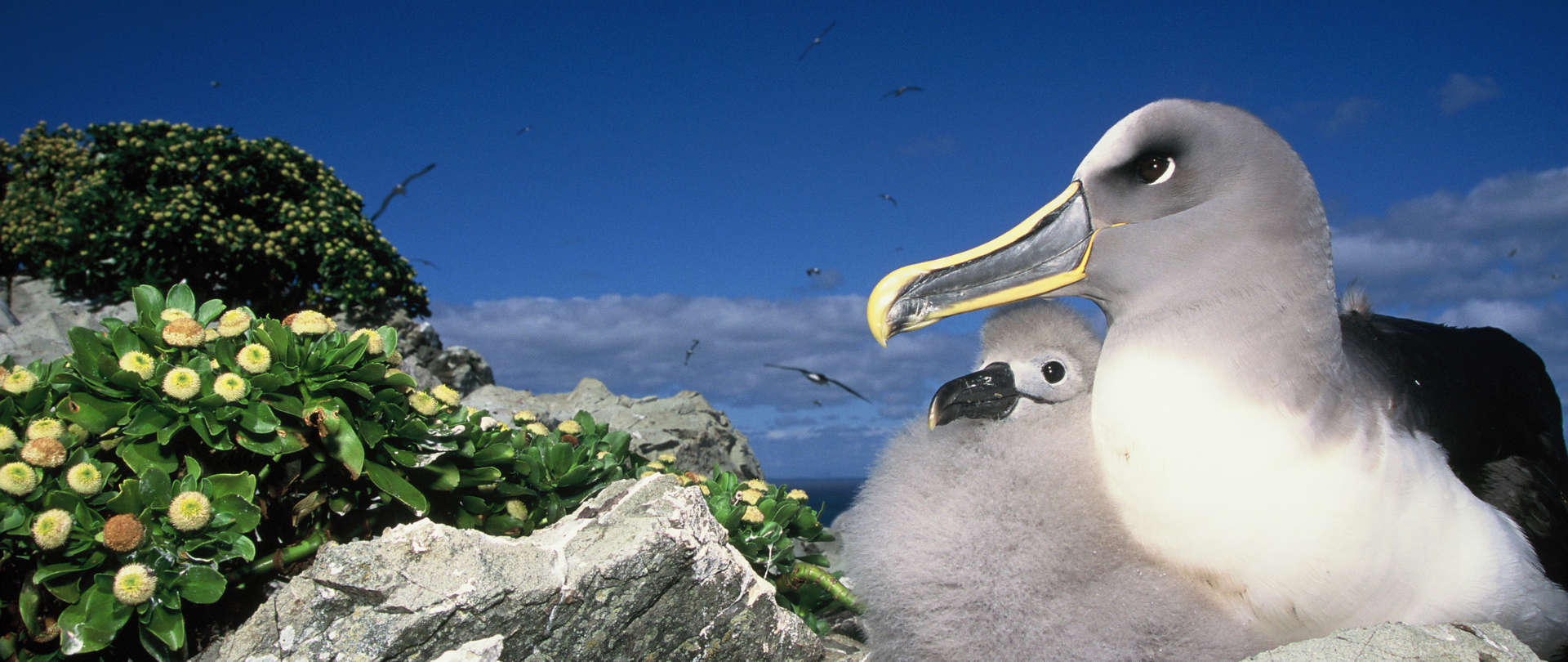
February 20, 2025
February 20, 2025, Bluff, New Zealand – The international conservation initiative, Island-Ocean Connection Challenge (IOCC), led by Island Conservation, Re:wild, and UC San Diego’s Scripps Institution of Oceanography, proudly welcomes three of New Zealand’s most ecologically rich islands into its…