March 3, 2026
What is holistic restoration?
What is holistic restoration? Read all about this incredible method to restore ecosystems for people and nature!
 Island Conservation
If you are passionate about environmental issues and want to learn more about the latest trends, challenges, and solutions, you’re probably in search of some awesome environmental blogs to follow. Reading widely from a variety of sources is the best way to keep updated about the latest in the environmental world!
These blogs are written by experts, advocates, scholars, and enthusiasts, and they cover a wide range of topics. Read about rewilding and conservation projects that restore natural habitats and protect biodiversity, books that inspire and educate us about environmental issues, eco tech that can help us reduce our environmental impact, interviews with conservation pros who share their insights and experiences, and essays about climate change and environmental justice that challenge us to take action. They feature frequent, high-quality updates, so you’ll never be without something amazing to read!
Join the conversation—check out these 9 fantastic environmental blogs today!

We had to start off with a birding blog—or, some might say, the birding blog. Good, consistent, frequently-updated birding blogs are hard to find; it’s hard to write when you’re off in search of the next sighting! Luckily, 10,000 Birds has a dedicated staff of awesome writers covering various beats from evolutionary biology to book reviews. A consistent and reliable source of writing about birds and the people who love them since 2003, 10,000 Birds will provide you plenty to read on conservation, natural history, and science. Not to mention the incredible photographs you won’t find anywhere else!
A post we love: In search of the Imperial Amazon—a heart-pounding tale that underlines just how hard conservationists and enthusiasts alike have to work just to see the animals we care so much about!

Edge Effects is the place for cool, thoughtful, provocative writing about a huge range of environmental issues. And they don’t just publish writing—photo essays, comics, and illustrations all find a home in this digital magazine, which is centered on platforming the voices of those who are often excluded or tokenized in environmental movements. Published by grad students at the University of Wisconsin-Madison, Edge Effects is experimental in form and content, showcasing stories about social responsibility, justice, kinship with animals, climate disasters, and—of course!—cultural productions like movies, games, and comic books. They publish extremely high-quality content with astonishing frequency, and you can dive into ideas that occur, as the magazine’s name suggests, at the “boundary”—and stay there for a nice, long time.
A post we love: Humanities at the Seabed—a call for renewed critical attention to the ecological, social, and cultural impacts of abyssal mining that occurs deep under the sea.
It’s not technically a blog—but it’s better, and an absolutely indispensable source of info on conservation and environmental science. A free news platform with 800 correspondents in 70 countries and plenty of issue-specific newsletters to subscribe to, Mongabay is independent, not-for-profit, and multilingual, publishing with the goal of making environmental science accessible and transparent for all audiences. The best part is that its global reach and reliable reporting has led to increased awareness of hidden environmental issues—and, in some cases, supported whistleblowers and anti-corruption cases!
A post we love: A rare Peruvian seabird nests on island freed of invaders—a profile of an incredible bird, an equally incredible island, and the 10-year project that made it safe for that bird to breed again. P.S. the organization that helped carry out the restoration effort with local partners is pretty cool …
In the scientific world, PLOS (Public Library of Science) is a vanguard for public, open-access publishing. If you don’t want to read scientific papers from one of their 12 free peer-reviewed journals, though, there’s Latitude: PLOS’ blog for environmental studies. This blog is truly incredible—its high-profile host means it attracts contributions from leading scientists in various fields, but it also features early-career scholars sharing their work. Here, you’ll find musings on the ins and outs of environmental publishing, interviews with scientists, summaries of important reports, and provocations to steer the field in new directions. Keeping on top of the science by reading the blog of its publisher—it doesn’t get any better than that!
A post we love: Applying inclusive authorship criteria: Two examples from PLOS Water. Can a river be listed as an author on a scientific paper?
 The Environmental Law Institute is a powerful research engine that, like PLOS, is a publisher for original research. In addition to ELI Press, which publishes monographs (including short story collections and handbooks on sustainable governance), the Environmental Law Reporter and The Environmental Forum are sites of lively environmental debate on key contemporary issues. But you’re here looking for blogs–and ELI delivers! Vibrant Environment is a great source for explainers on hard-to-understand research, packaged for a general audience of environmental enthusiasts. They share our mission to democratize environmental knowledge, so get your info right from the experts and read away!
A post we love: Leveraging Ecosystem Benefit Flows for More Effective and Inclusive Management—a thoughtful explanation of how land management could potentially contribute to environmental justice.
The ultimate enthusiast’s magazine. Where the Leaves Fall is dedicated to exploring the ways local and global knowledge can come together to help heal our relationship with our home, the Earth. Featuring writing, illustration, and photography from Indigenous leaders, environmentalists, scientists, and more, Where the Leaves Fall has a gorgeous digital magazine that accompanies its print publication, and the website is just a joy to look at and navigate. The richness and diversity of its coverage will delight any reader, and its careful attention to design means you’ll never want to look away!
A post we love: Biomimicry: Where Innovation and Nature Meet. We’re always on the lookout for new technologies that improve our lives, and when that tech is born from a love of the natural world, it’s all the more exciting!
 The California Academy of Sciences is one of the most powerful educational forces for natural science in the world. Their exhibits, research collections, and programs aim to “regenerate the natural world through science, learning, and collaboration.” Their magazine, bioGraphic, is now the home of team members from the recently-disbanded Hakai Magazine. With the power of Cal Academy behind it, bioGraphic publishes thrilling tales from around the world, accompanied by stunning wildlife photography. From international politics to on-the-ground conservation, bioGraphic is an excellent source for high-quality environmental news.
A post we love: Prowling for Pelicans—A restoration project featuring one of our favorite species of really large seabird!
 Doom and gloom is so not it. As conservationists, we believe so strongly in the resilience and adaptability of our natural world that it’s everything we do. The Climate Optimist shares this view–and is dedicated to spreading information that fills us with hope! A course, a book, and a major online presence, The Climate Optimist also publishes a blog that is full of recent, exciting, hopeful information that will help you shift your perspective on the future. This is the exact kind of reading you want to do if you’re afraid to get started on your environmental learning journey!
A post we love: Yes, Optimism Can Be Practiced—proof that you can learn to change the way you view the world just by practicing. We suggest getting started by practicing reading good, hopeful stories.
 If you’re looking for the best environmental blog to read up on biodiversity, climate justice, new technology, and the interconnectedness of terrestrial and marine ecosystems, we have great news—you’re reading it! At Island Conservation, we work to restore and rewild island ecosystems around the world, a method proven to increase climate resilience, promote sustainable development, and protect near-shore ecosystems like reefs and kelp forests. Here in our journal, you can read notes from our top scientists about the time they spend in the field, look at incredible pictures of rare and endangered species, learn about climate justice and indigenous knowledge, check out cutting-edge technology, and keep updated on new developments in the conservation field—all in the same place! Join us on our journey to restore and rewild islands for people and nature—and subscribe to our newsletter so you never miss a new post!
A post we love: well, it’s our blog, so of course we love all the posts! But if you want a taste of our on-the-ground work, take a look at Paul Jacques’ description of his time on Nadikdik Atoll, filled with stories and pictures that give you a good sense of what real conservation work looks and feels like!
[UPDATED 2025]
Check out other journal entries we think you might be interested in.
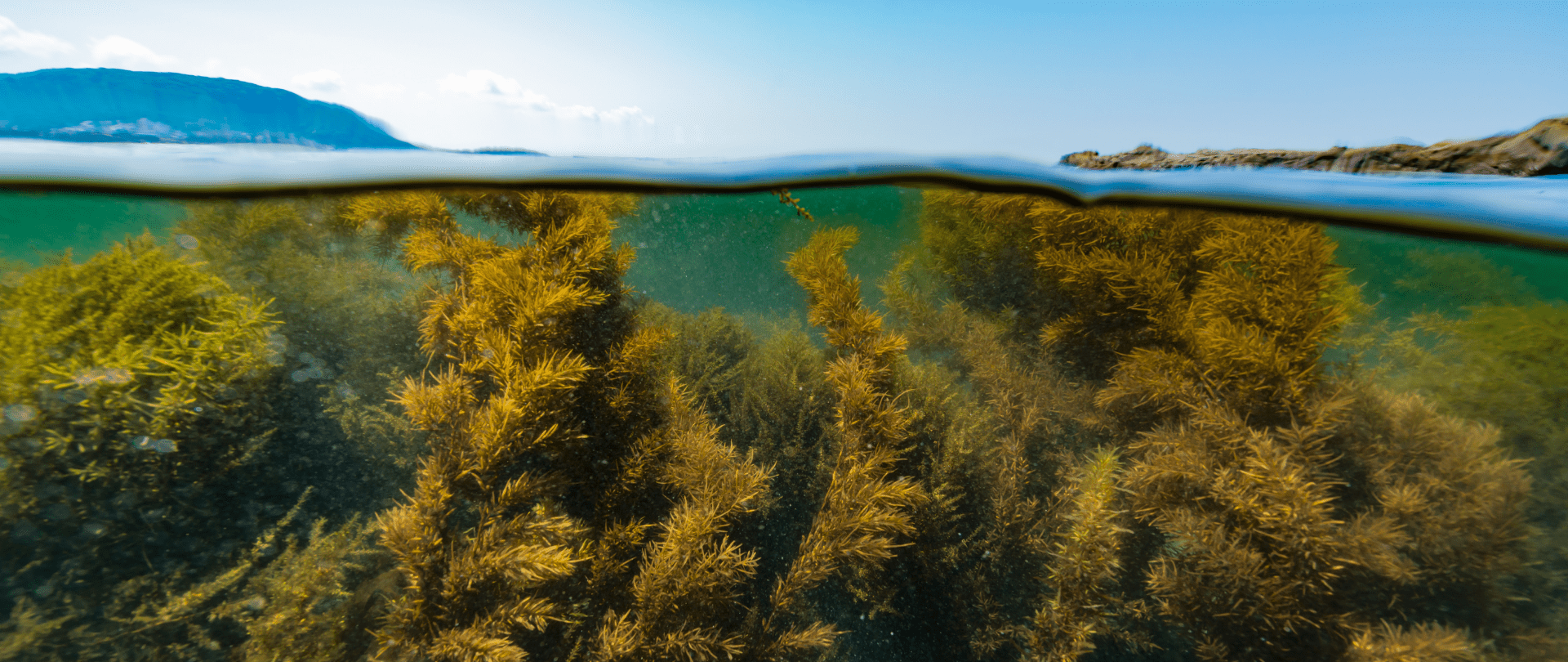
March 3, 2026
What is holistic restoration? Read all about this incredible method to restore ecosystems for people and nature!
February 6, 2026
¡Mira el video de Solange y lee una entrevista sobre Robinson Crusoe! Watch Solange's video and read an interview about Robinson Crusoe!

January 22, 2026
Our Senior Director of Impact & Innovation, David Will, explains the importance of the Circular Seabird Economy for nutrient transfer!

January 15, 2026
Not all Marine Protected Areas are equally effective. A new study shows how high-quality, well-implemented MPAs provide outsized impacts for biodiversity!
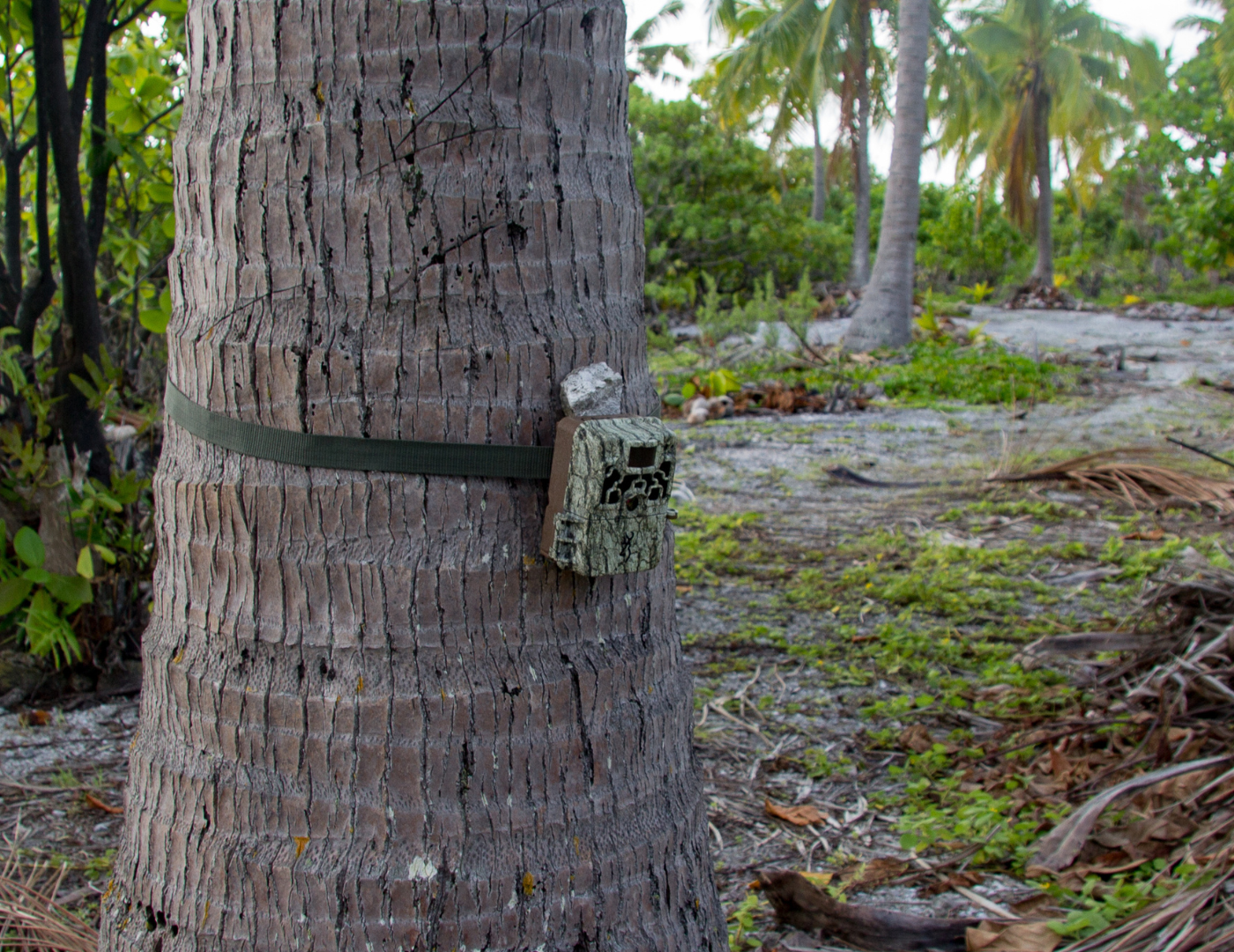
December 22, 2025
Elke Windschitl, our Conservation Impact Data Specialist, gives us the lowdown on
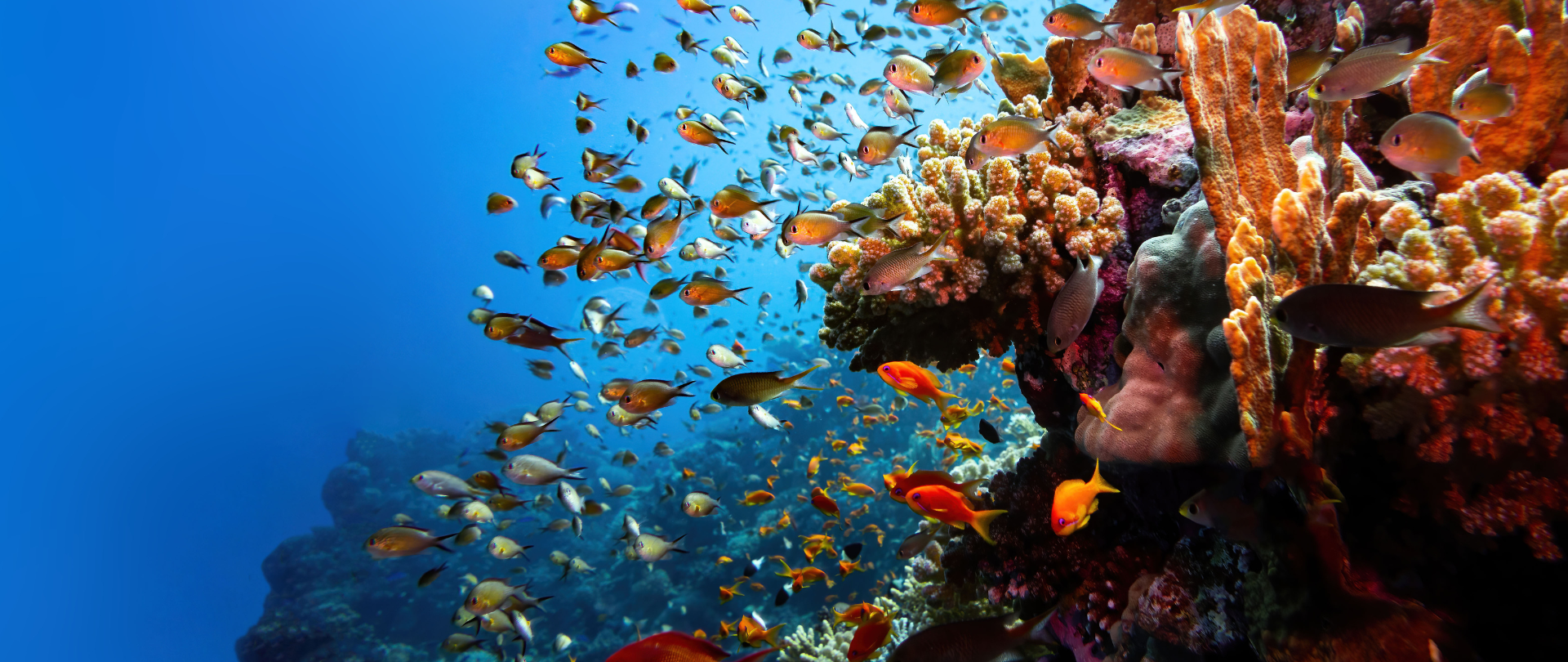
December 4, 2025
A new study reveals how seabirds, connector species between land and sea, play a huge role in the health of coral reefs!
November 25, 2025
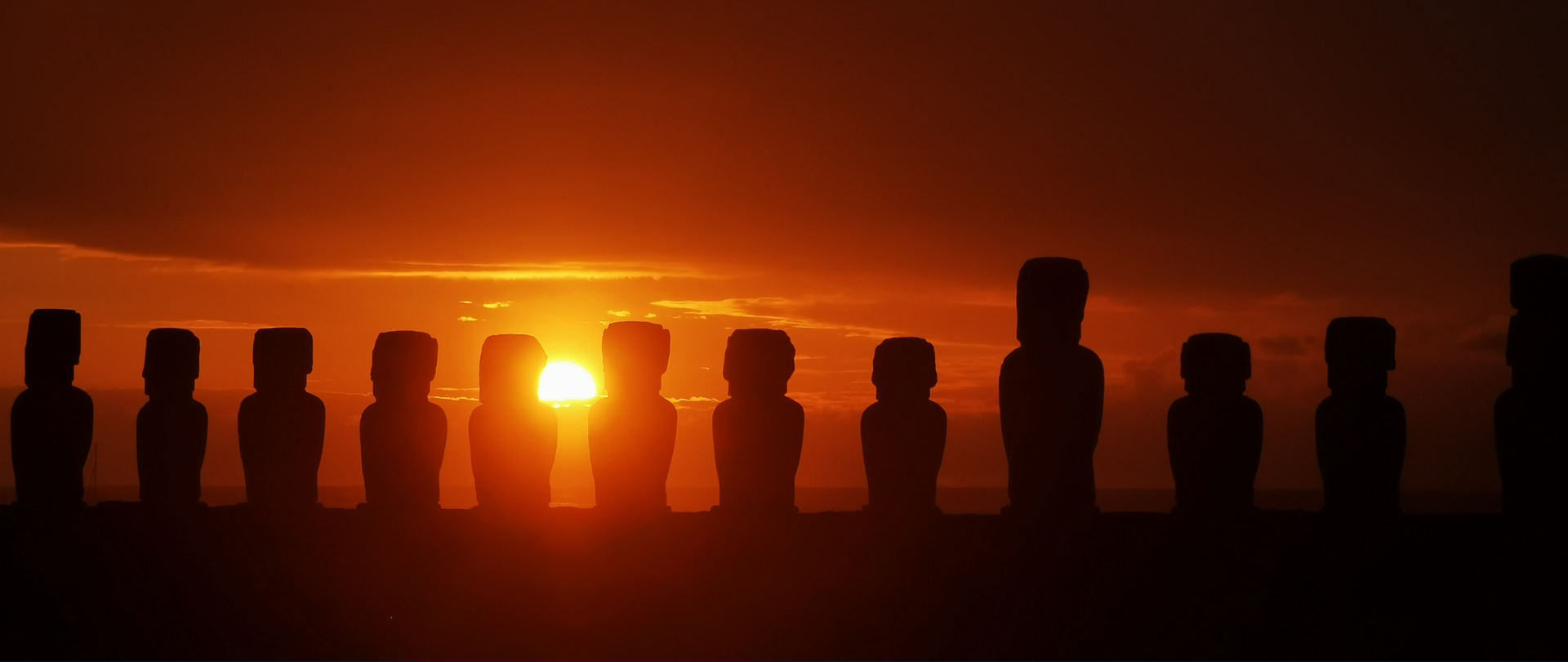
A new scientific paper is changing the way we understand Rapa Nui (Easter Island)'s ecological history!
November 21, 2025
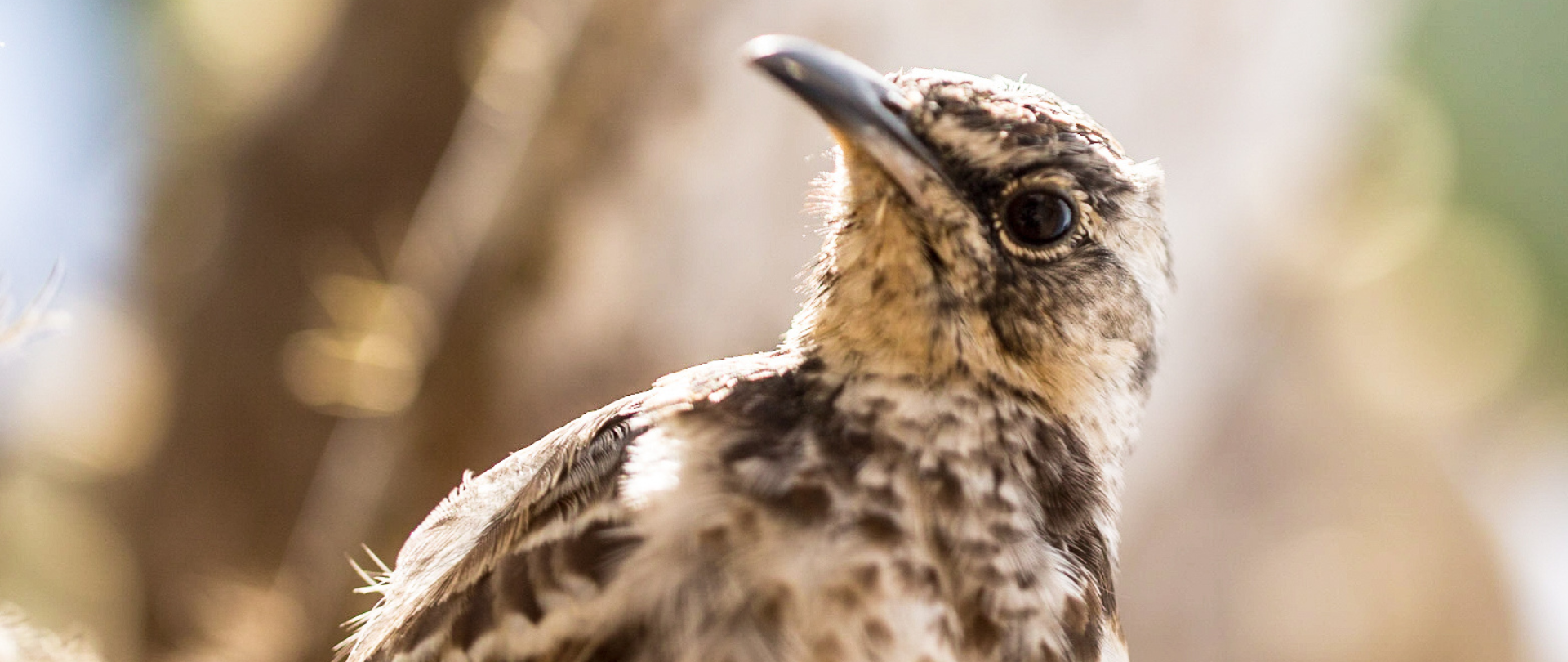
Holistic restoration is at work on Floreana Island, where the largest conservation project in the history of the Galápagos is underway!
October 30, 2025
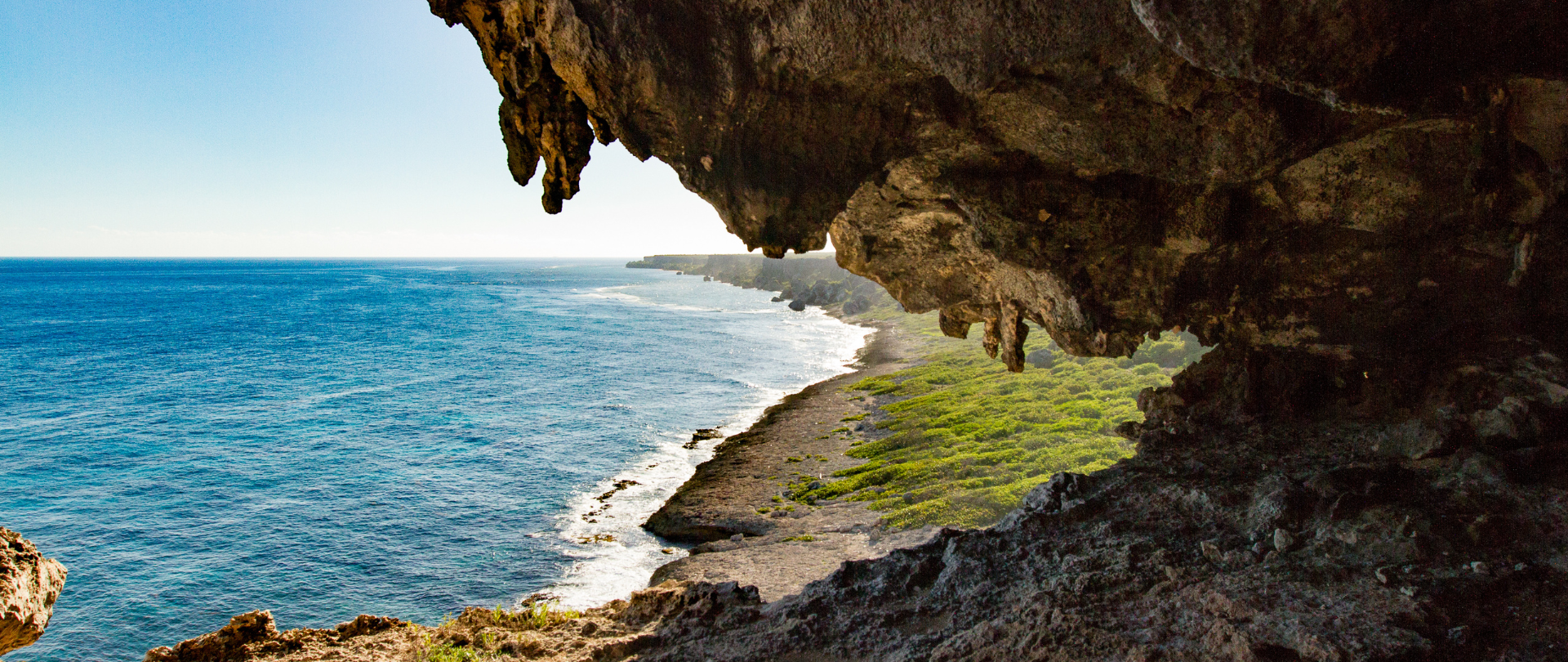
Our proposal for a United Nations-sanctioned Decade of Island Resilience spotlights the power of global small islands!
October 26, 2025
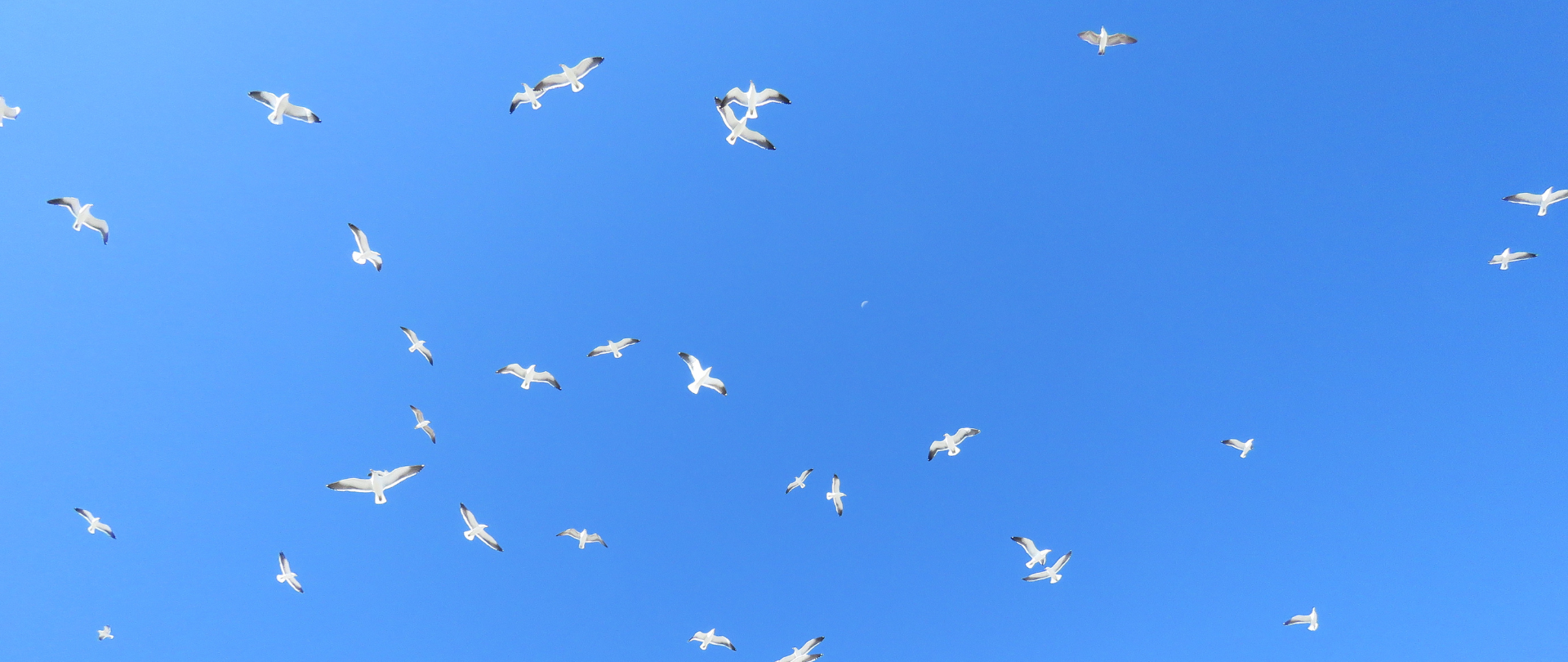
A new study shows the power of seabirds to drive entire ecosystems by circulating nutrients between land and sea!