September 9, 2026
Some Island Ecosystems Are More Resilient to El Niño
El Niño doesn't create weak ecosystems; it reveals them. Find out how resilient islands can survive and bounce back from stress caused by El Niño!
 Island Conservation
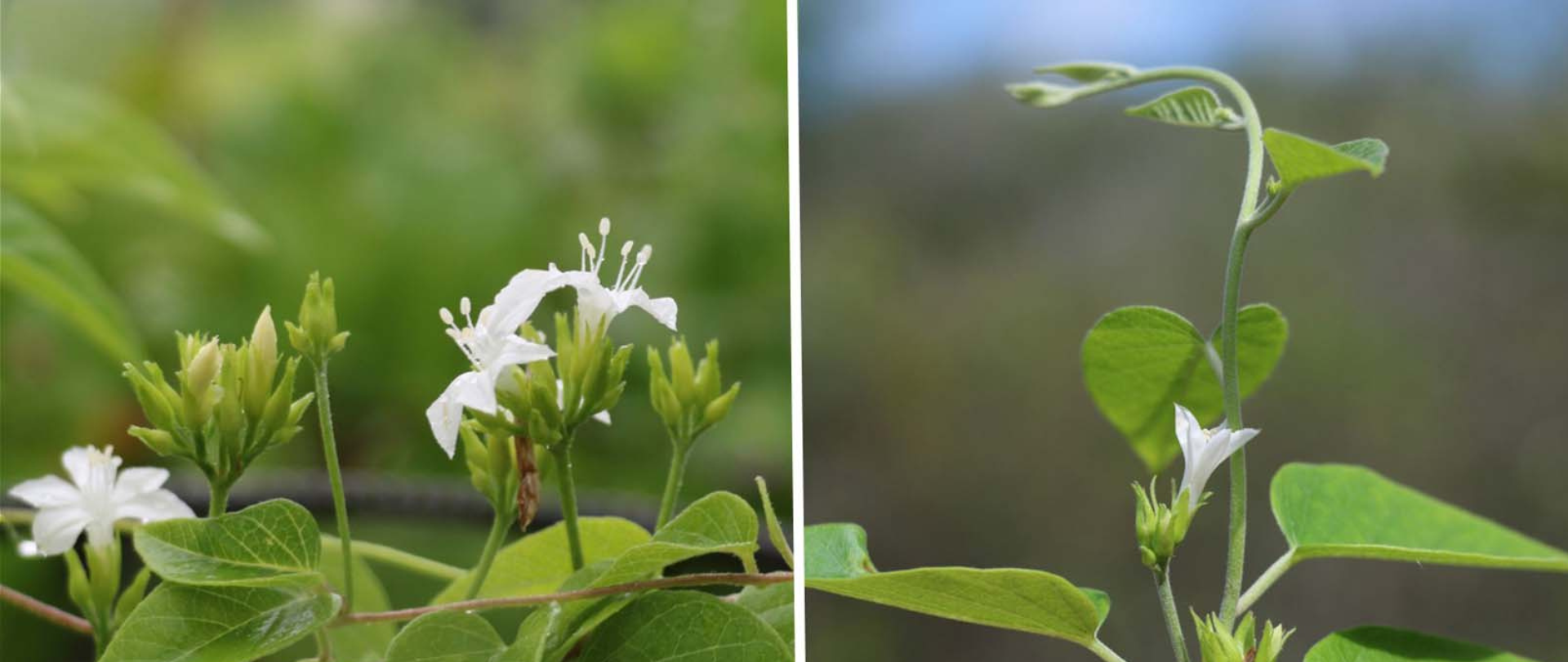
Island plants are special. Not only are islands the origin for almost a third of all plant species in the world, but about a fifth of all the Earth’s plants are found only on islands. And that number is growing: in 2018, a feasibility study co-led by Island Conservation and Société d’Ornithologie de Polynésie Manu (SOP Manu) facilitated the discovery of a new plant that has just been officially designated a new species!
In 2013 and 2015, while working on the “Flore de la Polynésie française” (Flora of French Polynesia) project, a researcher named George Staples discovered two unusual plant specimens from the Marquesas Islands, French Polynesia. These specimens were intriguing because they lacked flowers, making identification difficult. However, they hinted at a potentially new species of Jacquemontia—a plant that hadn’t been collected for nearly a century! One of the reasons this genus of plant is so little-known is that it thrives on islands that are largely uninhabited.
One such island is small, uninhabited Mohotani. With its vegetation decimated by invasive species, the soil of Mohotani is easily eroded away, because there are so few roots and plant structures to hold it down. As a result, the sea around the island is often stained red by soil runoff after rains.
Determined to find this elusive plant, another researcher, Jean-François Butaud, conducted field trips to the Marquesas from 2017 to 2019. During an intensive 10-day expedition on Mohotani in October 2018, Butard and his team searched tirelessly for the plant. Just as the trip was ending, Marquesan guide Nazario Kahueinui spotted the plant. Island Conservation’s very own Richard Griffiths took a photo and sent it to Butard, who confirmed it to be the mysterious Jacquemontia!
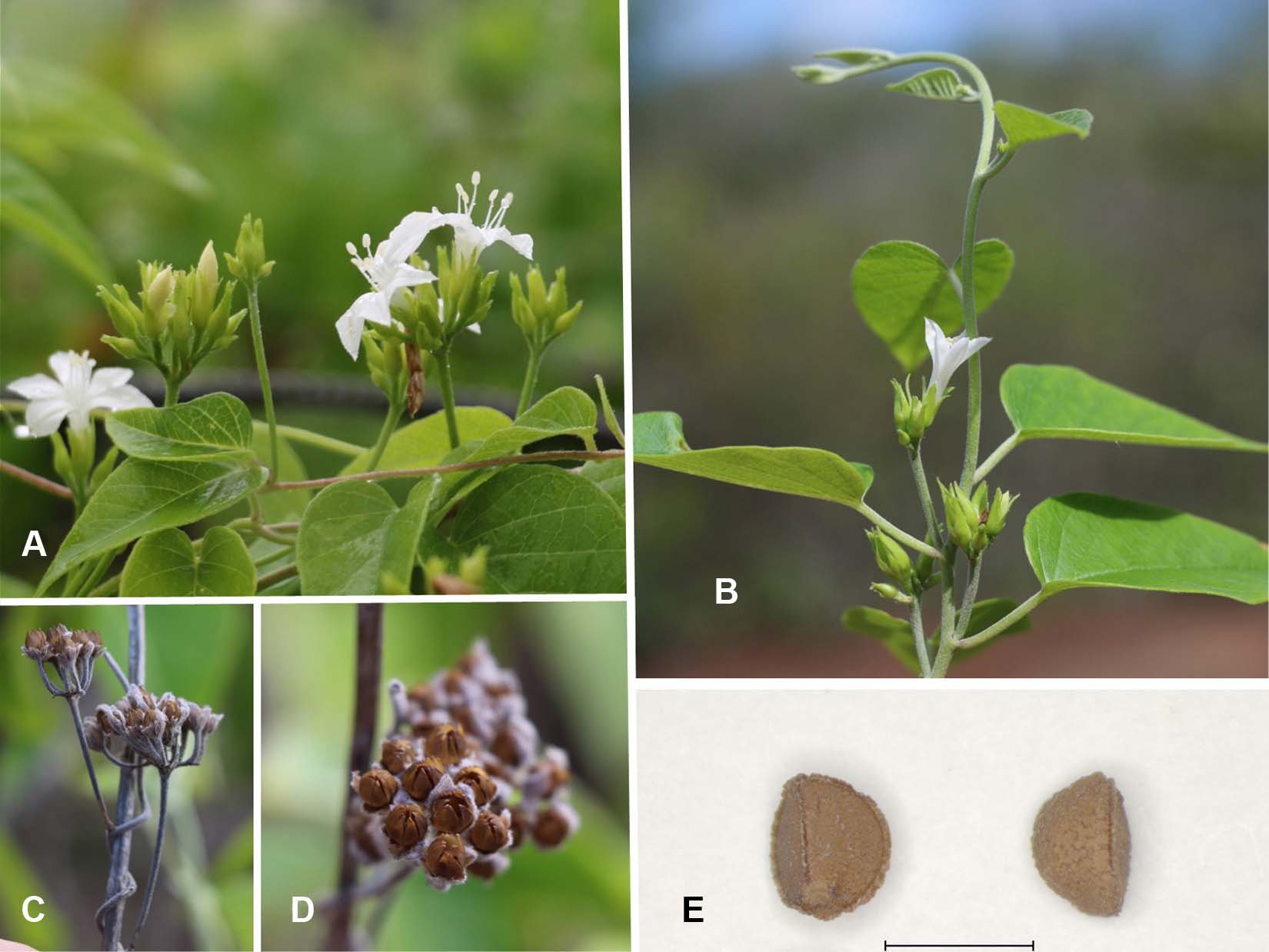
Verifying the existence of a new species is a complicated process. The team compared the specimens with all known Jacquemontia species from the Indo-Pacific region. They also consulted an expert on Neotropical Jacquemontia to rule out any other possibilities. The new species was named Jacquemontia mohotaniensis, underscoring the importance of protecting Mohotani, a designated conservation area in French Polynesia.
The story of Jacquemontia mohotaniensis is proof that collaboration between different environmental organizations is key to preserving and protecting these precious, fragile ecosystems. We still have so much to learn about the world’s remote islands. If it wasn’t for conservationists’ passion to protect these small, obscure places, we would never have known that Jacquemontia mohotaniensis existed. Who knows what else is still to be discovered?
To hear more exciting stories from some of the Earth’s most remote places, join our newsletter. To support Island Conservation’s collaborative efforts to holistically restore islands for nature and people worldwide, become a supporter today!
Check out other journal entries we think you might be interested in.

September 9, 2026
El Niño doesn't create weak ecosystems; it reveals them. Find out how resilient islands can survive and bounce back from stress caused by El Niño!

August 25, 2026
A new study reveals the role fungi play in the restoration and recovery of rare, resilient atoll ecosystems!

August 12, 2026
The new Phoenix Species Project highlights species on the brink of extinction that are primed for recovery--and a lot of them live on islands!
August 4, 2026
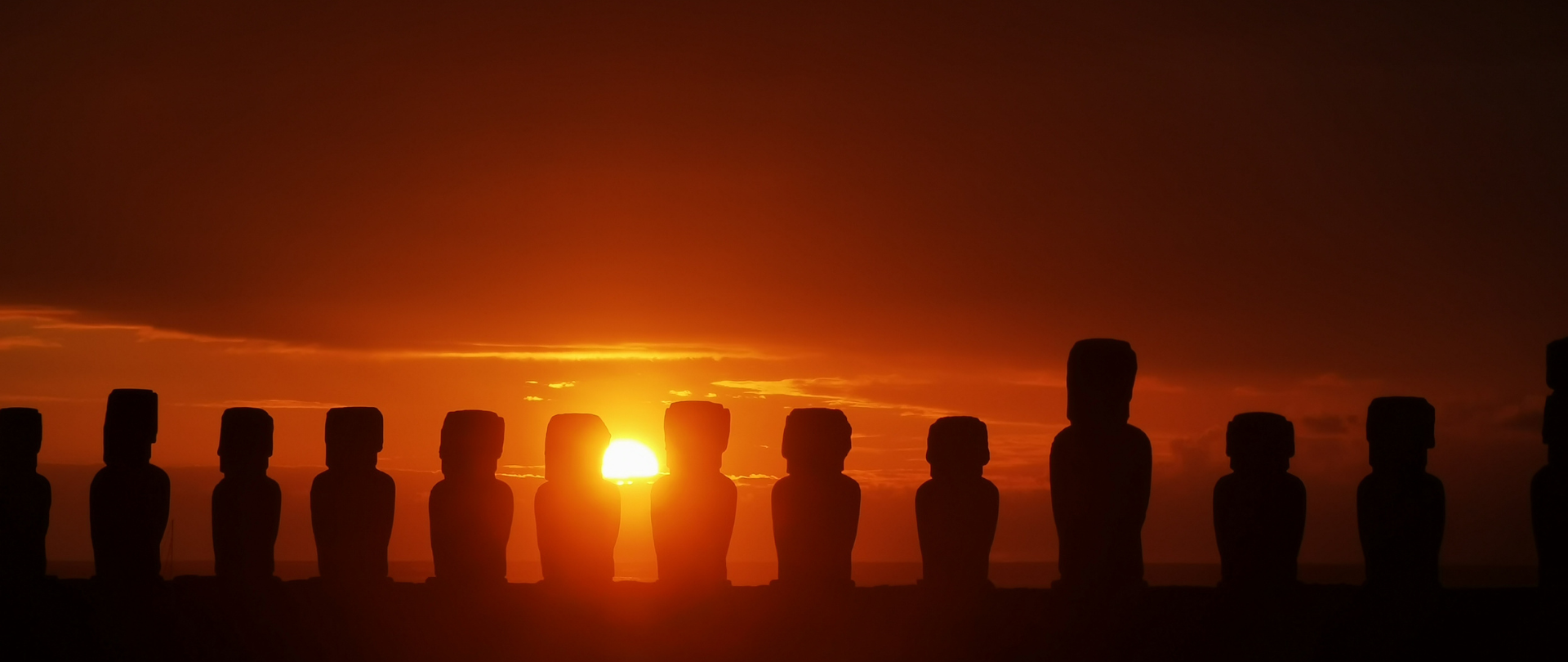
Indigenous-led conservation takes a leap forward with Rapa Nui (Easter Island)'s new partnership with Island Conservation!

July 31, 2026
We interviewed artist Laura Shape to learn about the luminous abstracts she creates from leather sourced from invasive species!

July 28, 2026
Happy World Nature Conservation Day! Read Penny Becker's article published by the Outreach Network for Gene Drive Research.
July 2, 2026
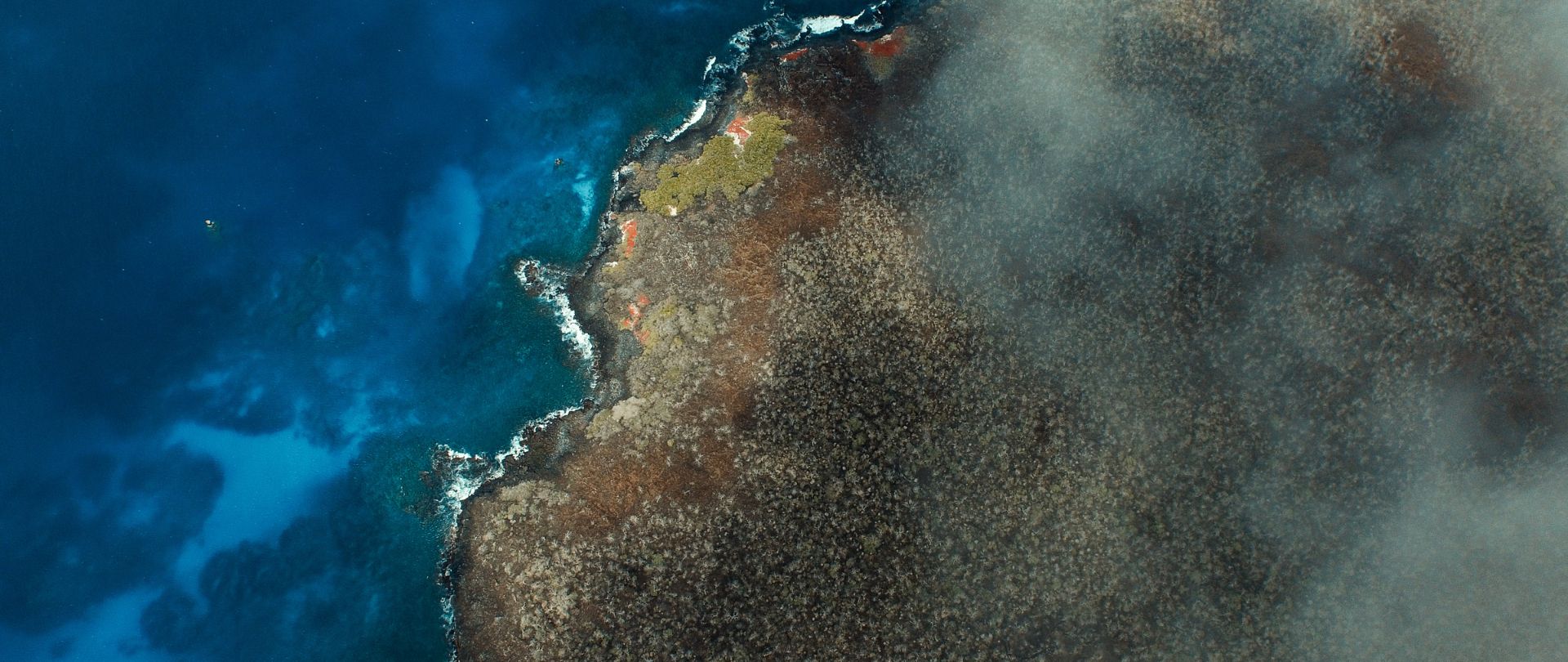
Invasive species have caused over $12 billion in damages to island ecosystems, creating an urgent need for strengthened biosecurity measures!

June 2, 2026
A new study argues that Hawaiian waterbird extinctions were driven by surprising non-human factors!
May 5, 2026
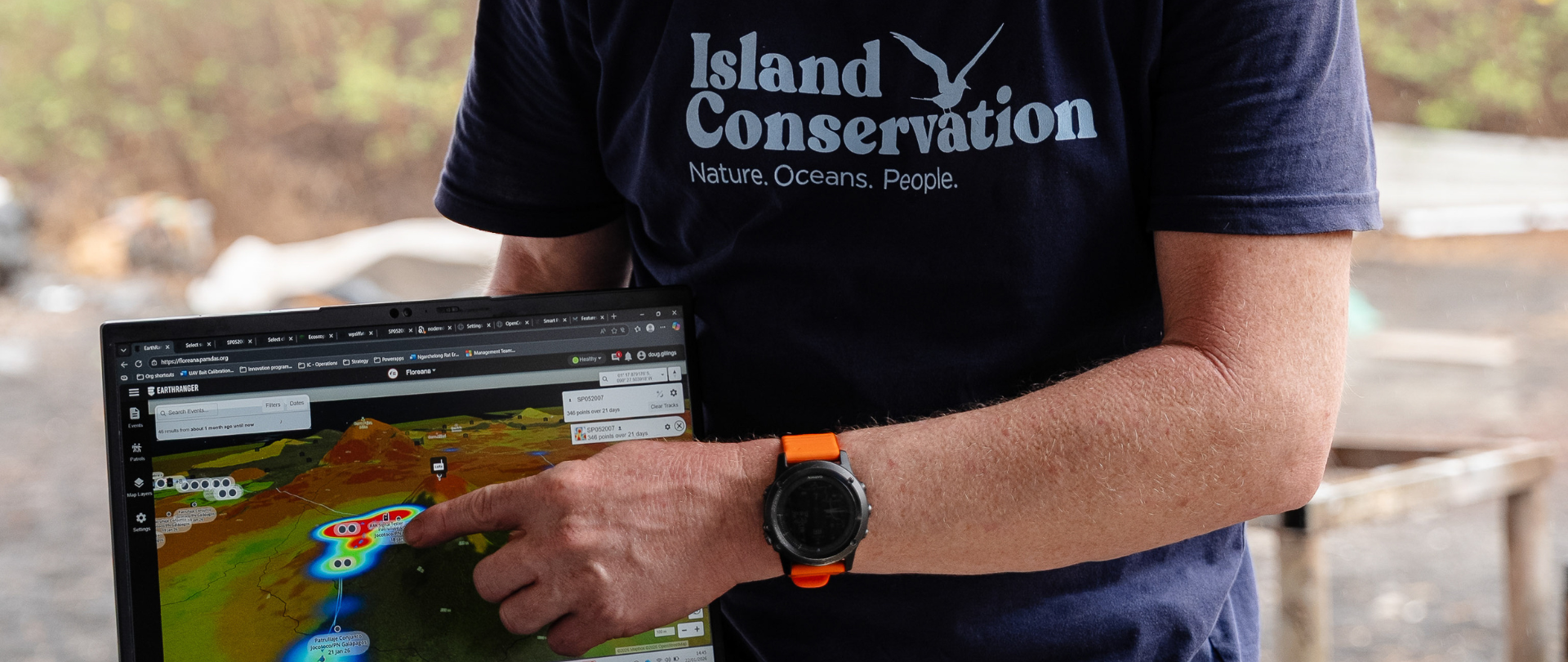
Thrilling new tech brings conservation solutions to a remote island in the Galápagos!

April 22, 2026
Happy Earth Day! Watch our beautiful Global Impact Video and feel inspired by the power of islands to garner hope for the planet.