October 14, 2026
The cost of saving a species
What makes a donation to Island Conservation such a great investment? Our CEO, Penny Becker, explains in an NPR podcast!
 Island Conservation
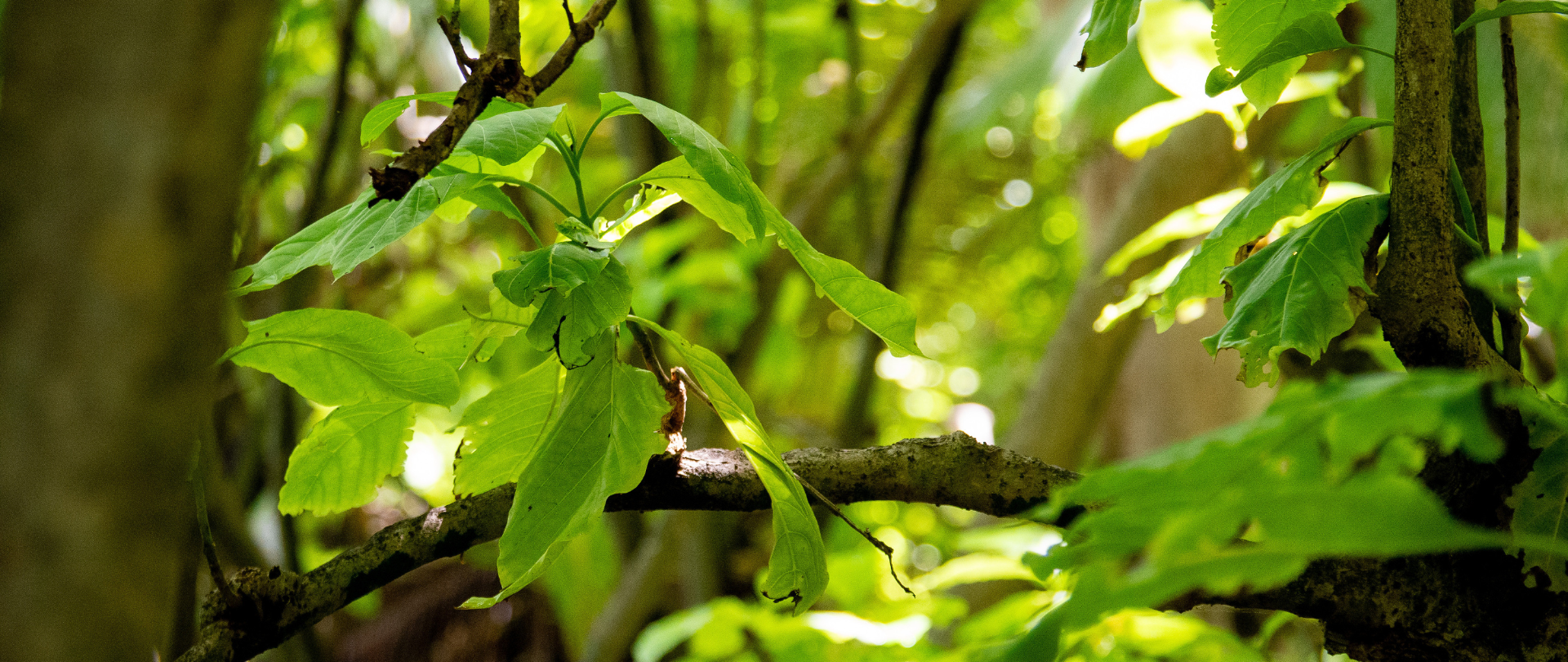
Plants are incredibly important to the health of island ecosystems. More than building habitats for our favorite species of birds, crabs, and other animals, they have the power to change the shape of an island’s coastline and even trap greenhouse gases from the atmosphere. Plant roots hold soil together, preventing erosion, and plants on islands capture millions of metric tons of carbon per year. They also provide essential food and materials to nearby island communities. But did you know that island plants make up a huge percentage of global plant biodiversity?
About 31%, or almost a third, of all plant species are endemic to islands (meaning they are only found there). These numbers come from a new study by scientists from around the world which tallies up all the vascular plant species (basically everything except lichen, moss, algae, and fungi) native to individual islands and archipelagos around the world. As many as 70,000 plant species worldwide could be endemic to islands—an extremely high number, considering the fact that islands only make up 5.3% of the world’s land area. This reinforces just how special islands are and what we stand to gain for global biodiversity when we restore them.

The study, titled “Islands are key for protecting the world’s plant endemism,” with lead author Julian Schrader of Macquarie University was published in Nature on the 24th of October. It’s full of incredible statistics that underscore the importance of plants for islands and for the planet. Here are just a few:
Island species face significant threats from habitat degradation, invasive species, and climate change. Their small populations and unique adaptations make them particularly vulnerable.
At Island Conservation, we’ve seen the knock-on effects of holistic restoration firsthand—and rebalancing even one variable can lead to astonishing results. On Palmyra Atoll, for example, we found that removing an invasive mammal species (invasive rats) led to a 5000% increase in native Pisonia seedlings.
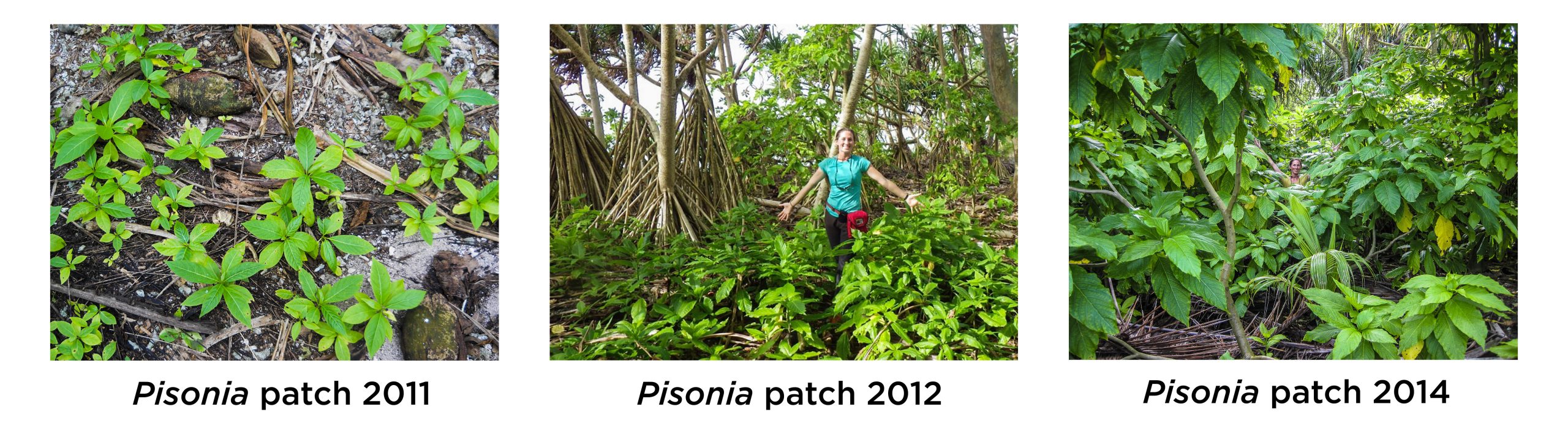
Research shows seabirds prefer nesting in native trees over introduced ones. The return of the native forest will provide more breeding opportunities for seabirds, which bring important nutrients from the sea to the island through their guano, which in turn supports healthy soil and runs off to support life in the nearshore marine environment.
Our commitment to holistic restoration means considering all aspects of ecosystem recovery from ridge to reef. Because everything is connected, highlighting island plants is key to showing the world the importance of island ecosystems in general. Join us as we work to restore islands around the world by making a donation today, and join our newsletter for updates and more exciting studies like these!
Check out other journal entries we think you might be interested in.

October 14, 2026
What makes a donation to Island Conservation such a great investment? Our CEO, Penny Becker, explains in an NPR podcast!

October 1, 2026
Mangrove forests are one-of-a-kind ecosystems--literally! Find out how conservationists can learn from mangroves and why it matters for islands.

September 24, 2026
Species extinctions don't just affect the ecosystems where they happen. Economies around the world depend on biodiversity, from local to international!

September 9, 2026
El Niño doesn't create weak ecosystems; it reveals them. Find out how resilient islands can survive and bounce back from stress caused by El Niño!

August 25, 2026
A new study reveals the role fungi play in the restoration and recovery of rare, resilient atoll ecosystems!

August 12, 2026
The new Phoenix Species Project highlights species on the brink of extinction that are primed for recovery--and a lot of them live on islands!
August 4, 2026
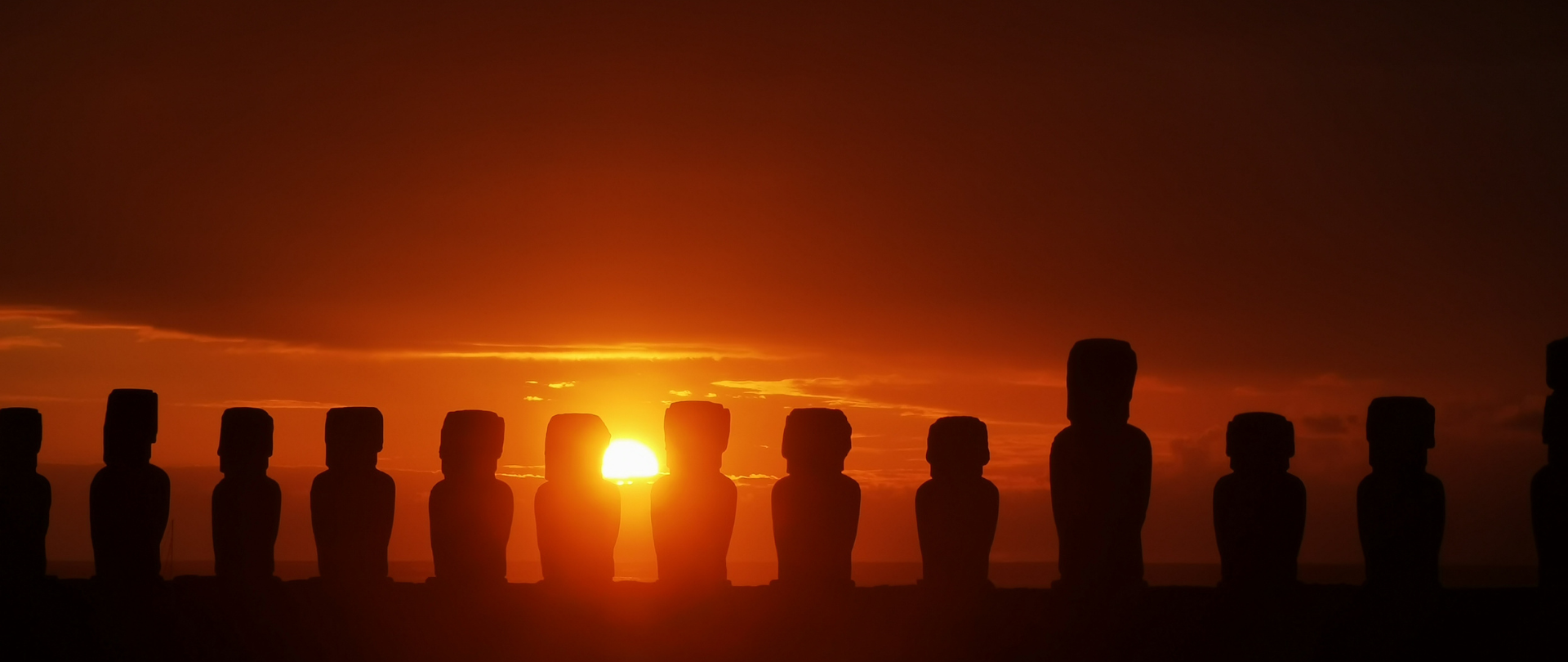
Indigenous-led conservation takes a leap forward with Rapa Nui (Easter Island)'s new partnership with Island Conservation!

July 31, 2026
We interviewed artist Laura Shape to learn about the luminous abstracts she creates from leather sourced from invasive species!

July 28, 2026
Happy World Nature Conservation Day! Read Penny Becker's article published by the Outreach Network for Gene Drive Research.

July 17, 2026
Three different animals show how connector species prop up island-ocean ecosystems!