September 17, 2026
Island Conservation and Robinson Crusoe Island, Chile: Growing Hope Together
On the island of Robinson Crusoe in Chile, a greenhouse feeds both a community and an islander-led conservation movement!
 Island Conservation
The global economy loses more than $423 billion every year to invasive species which threaten nature, food security, and human health.
A new report by the International Platform on Biodiversity and Ecosystem Services (IPBES) shows that invasive species pose a major threat to biodiversity, healthy ecosystems, and sustainable communities. Aimed at policymakers around the world, the report explains how invasive species threaten the quality of life and cultural identities of human communities.
“Invasive alien species … can cause irreversible damage to nature, including local and global species extinctions, and also threaten human wellbeing.”
Helen Roy, assessment co-chair

Islands receive unique attention in the report: both for the impact invasive species have on them and for the success rate of invasive species eradication projects. Species extinctions due to invasive animals and plants on islands are especially damaging, since islands are biodiversity hotspots and many native species that live on them can be found nowhere else in the world.
The report represents the cumulative work of 86 experts from 49 countries over four and a half years. It is the most comprehensive assessment of invasive species ever carried out, and its global scope includes the voices of indigenous people and local communities. As a result, it gives us the most complete picture of the impacts of invasive species have on people and nature—especially those for whom a healthy ecosystem is essential to their way of life.
Invasive species, the report argues, have an extremely detrimental effect on the lifeways and cultural identities of indigenous people and other vulnerable groups who rely on sustainable relationships with their natural environments.
85% of the documented impacts of invasive species are negative for people’s quality of life. The report gives the examples of malaria, Zika, and West Nile Fever, diseases spread by invasive species. Negative environmental effects also compound upon one another—for example, the report mentions invasive plants that can interact with rising temperatures to make wildfires more frequent and intense.

There is hope, though. The report highlights data indicating that islands are exceptionally effective points of intervention. While they may be more vulnerable to extinctions caused by invasive species, they also enjoy a higher success rate from projects to eradicate them and are able to recover. With their terrestrial ecosystems surrounded by water, removing an invasive species from an island can be permanent, as long as good biosecurity protocols (checking boats and gear for invasive species) remain in place.
“[T]hese are risks and challenges with global roots but very local impacts, facing people in every country, from all backgrounds and in every community.”
Anibal Pauchard, assessment co-chair
The report expounds on the importance of widespread cooperation between stakeholders, governments, indigenous peoples, and local communities to tackle the invasive species problem. After almost 30 years of restoring islands, we at Island Conservation have seen the multiple spillover effects of successful partnerships, motivating our launch of the Island-Ocean Connection Challenge to restore and rewild islands around the world. An island free from invasive species will circulate richer nutrients into its surrounding waters, which in turn become a safer home for corals and fish—boosting the sustainability of local fishers’ livelihoods. Similarly, island communities who rely on native species for survival—such as the copra harvesters on Nadikdik in the Marshall Islands—see their livelihoods threatened by invasive species that prevent these native plants from thriving. Overall, more native species and less invasive ones spell more climate resilience and sustainability for island ecosystems and communities.
Calling on state and non-state actors alike, IPBES’ report makes a compelling case for collaboration to manage, remove, and eradicate invasive species. By showing how invasive species threaten both people and nature, the report shows how removing them is key to good stewardship and sustainable development.
Check out other journal entries we think you might be interested in.
September 17, 2026
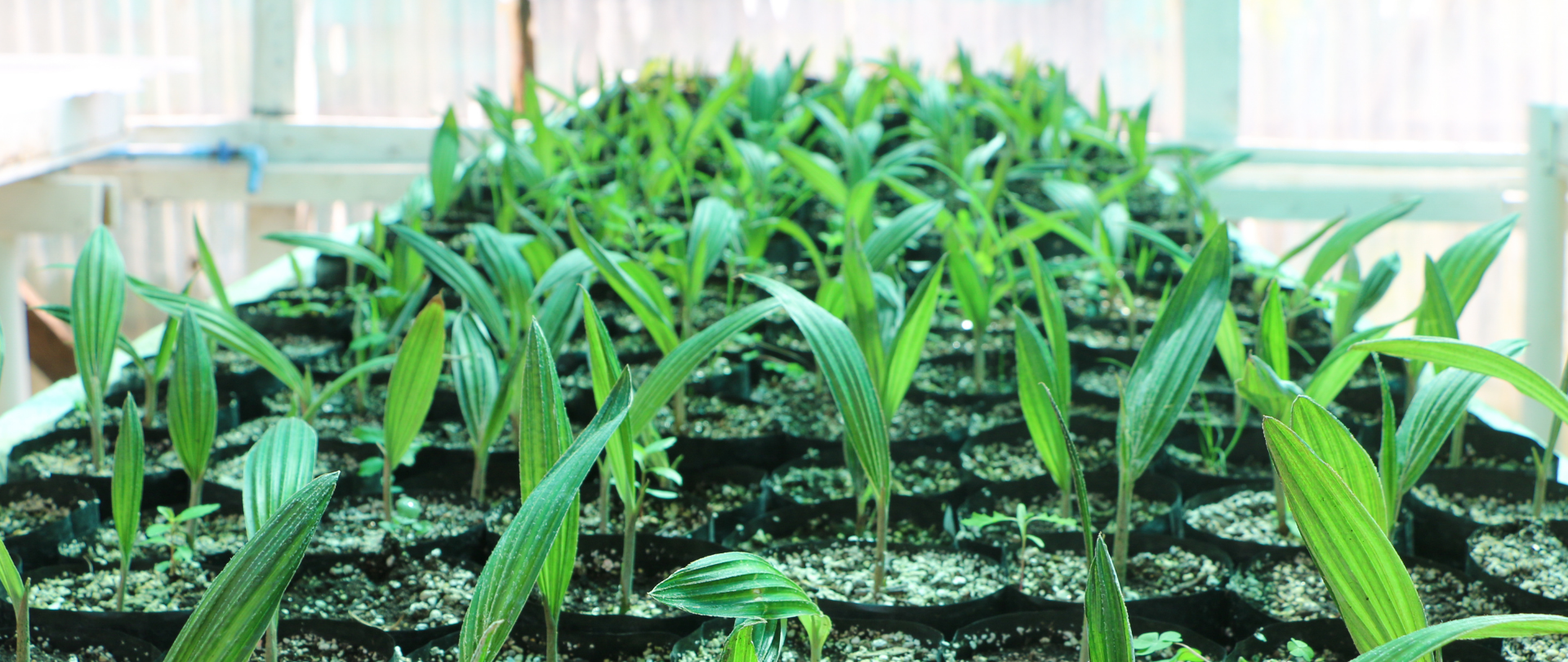
On the island of Robinson Crusoe in Chile, a greenhouse feeds both a community and an islander-led conservation movement!

September 9, 2026
El Niño doesn't create weak ecosystems; it reveals them. Find out how resilient islands can survive and bounce back from stress caused by El Niño!

August 25, 2026
A new study reveals the role fungi play in the restoration and recovery of rare, resilient atoll ecosystems!

July 28, 2026
Happy World Nature Conservation Day! Read Penny Becker's article published by the Outreach Network for Gene Drive Research.

July 17, 2026
Three different animals show how connector species prop up island-ocean ecosystems!
July 9, 2026
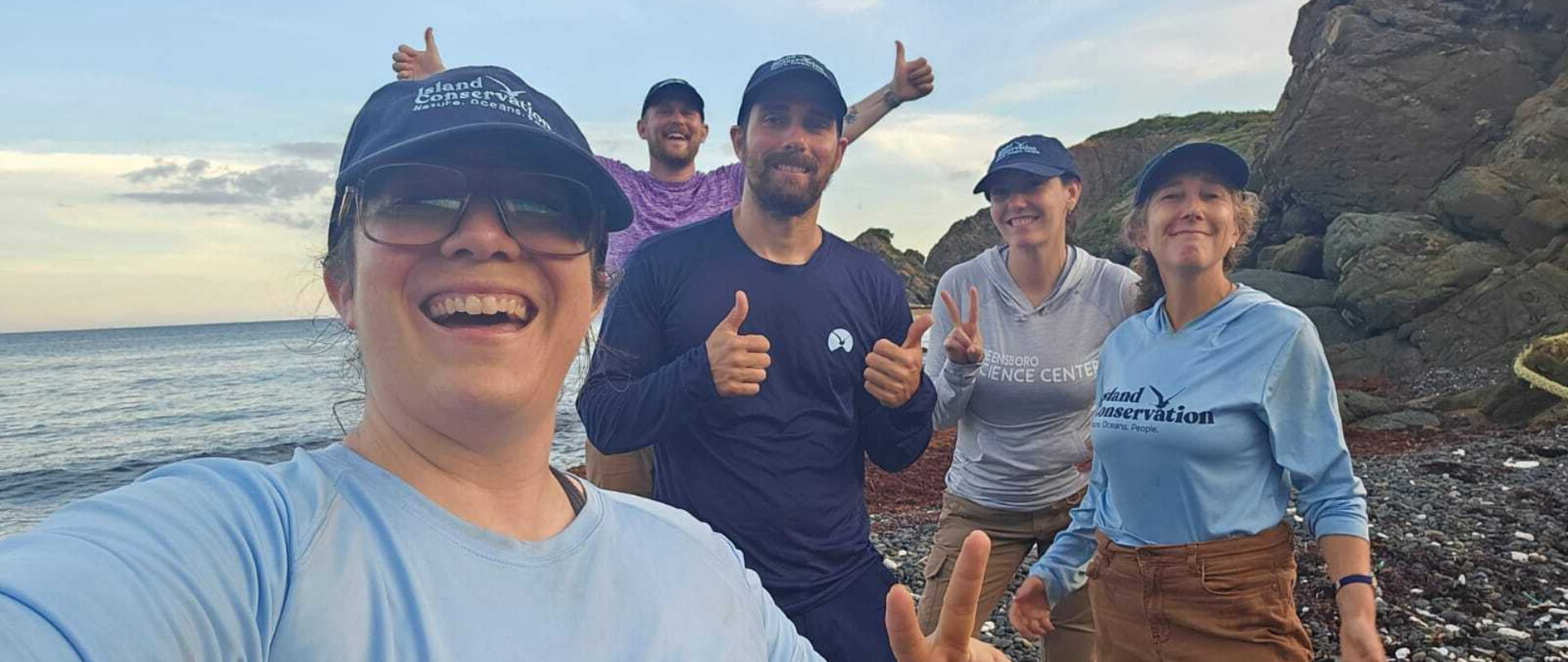
Senior Major Gifts Officer Jen Sachs shares her experience on one of Island Conservation's exciting restoration projects in the US Virgin Islands!
July 2, 2026
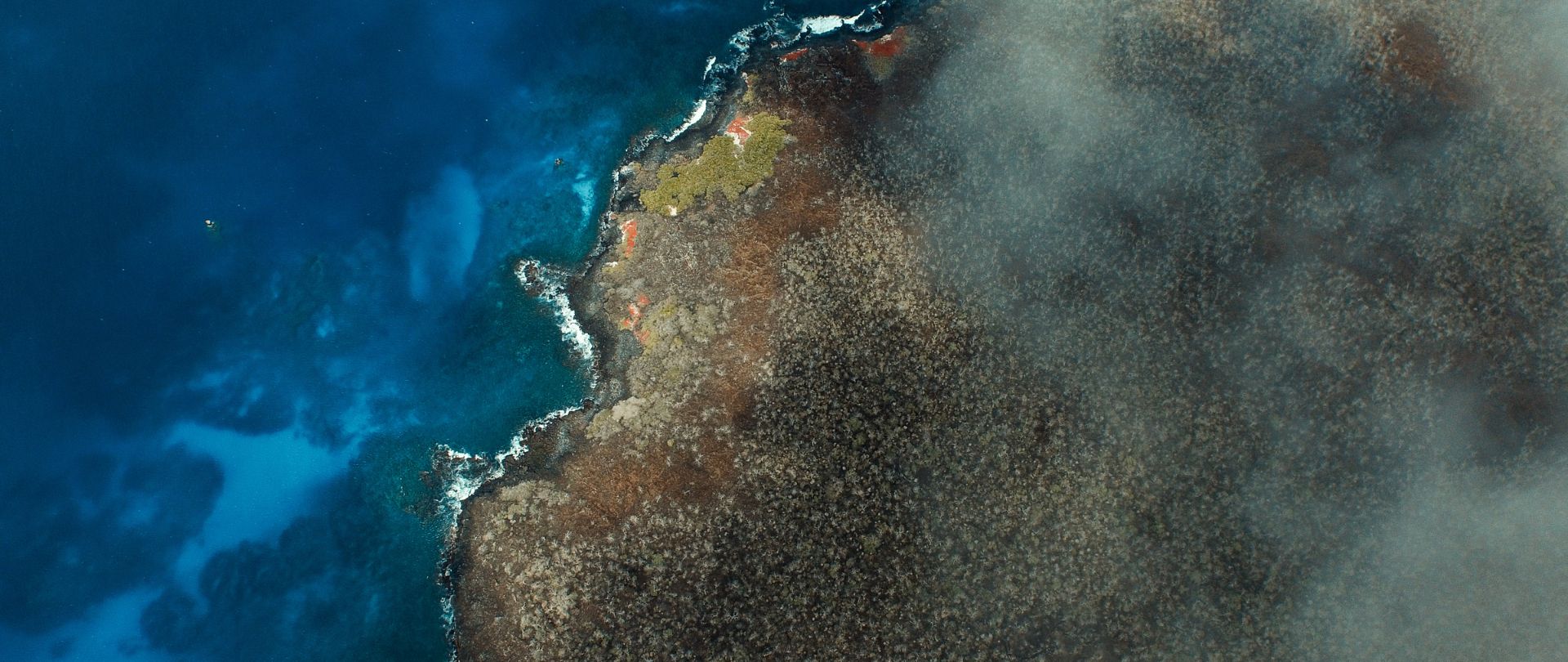
Invasive species have caused over $12 billion in damages to island ecosystems, creating an urgent need for strengthened biosecurity measures!
June 23, 2026
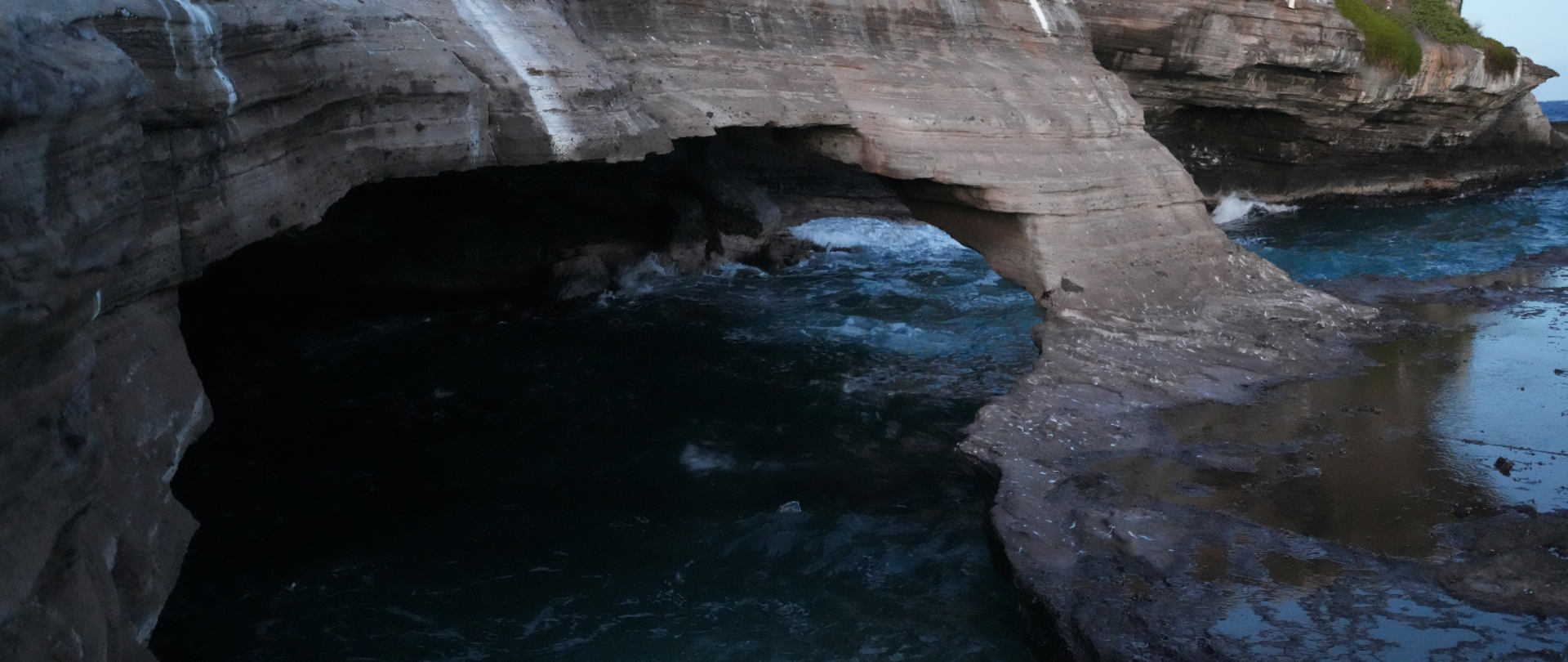
The Island-Ocean Connection Challenge announced four new restoration projects—Lehua, Tavolara, Grand Rouveau, and Zembra—at London Climate Week, expanding its global effort to restore 40 island-ocean ecosystems by 2030!
June 8, 2026
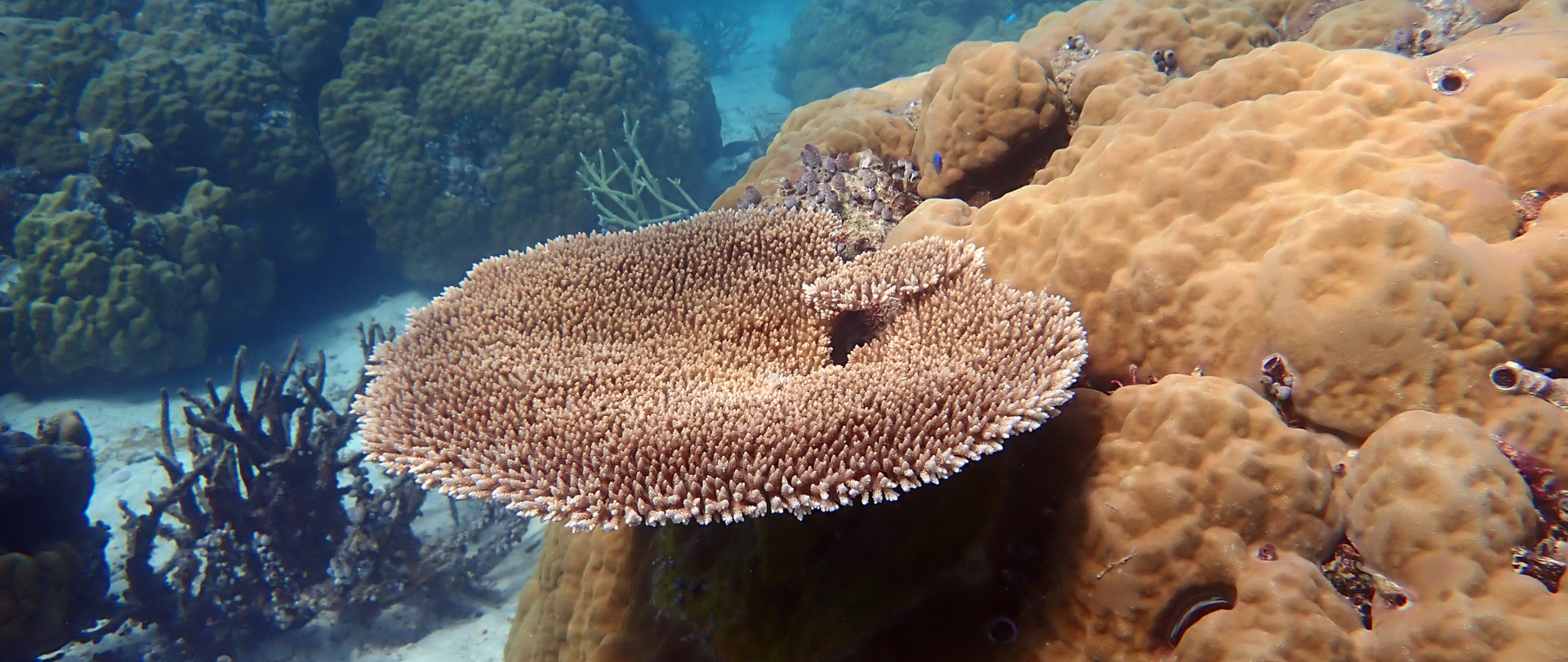
A world-first controlled experiment shows connection between seabird activity and marine health on Ulong Island!
April 14, 2026
A historic moment: Wake Atoll is restored and thriving!