August 4, 2026
Rapa Nui Advances Community-Led Management of Marine Protected Areas with New Conservation Partnerships
Indigenous-led conservation takes a leap forward with Rapa Nui (Easter Island)'s new partnership with Island Conservation!
 Island Conservation

FOR IMMEDIATE RELEASE
Contact: Emily Heber, Island Conservation, emily.heber@islandconservation.org
Invasive rodents are present on 80% of the world’s island groups and pose a significant threat to island and global biodiversity. Removing invasive rodents from islands is a proven way to prevent extinctions, but current technology is predicted to benefit only 15% of islands where invasive species are a threat. Gene drive technology has the potential to be a game-changing new tool and could help take us several steps closer to restoring the remaining 85% of islands.
A new study conducted by the Genetic Biocontrol of Invasive Rodents (GBIRd) program partners, led by John Godwin of North Carolina State University, has identified knowledge gaps and opportunities for further research in gene drives for house mice (Mus musculus). Although various gene drive mechanisms have been proposed for use in invasive mice, leading research focuses on the t-complex and synthetic drives. While synthetic drives have been successful in insects, they have proved challenging to apply in mammals.
The paper identifies a need for further research into the spatial limitations of gene drives to ensure mice with these mechanisms are restricted to their location and are unable to impact unintended populations. The behavior and ecology of invasive mice and gene drive mice is another area of interest where researchers must evaluate the evolutionary fitness of gene drive mice compared to their wildtype counterparts. These components, along with mathematical modeling, will advance and further inform ongoing research into the feasibility and application of this technology.
One of the key findings, and a cornerstone of the GBIRd program, is the necessity for a multidisciplinary approach aimed at increasing the technical feasibility, regulatory framework, and social acceptance of the technology. The authors identified the development of these processes as a vital complement to technical gene drive research.
GBIRd brings together world class geneticists, evolutionary biologists, ethicists, risk assessors, math modelers, regulatory experts, social scientists, and conservation professionals to engage one of the most serious threats to biodiversity today: unchecked invasive rodents on islands.
Our not-for-profit conservation and humanitarian mission engages experts from governments, NGOs, and research universities including CSIRO, Island Conservation, North Carolina State University (more resources), Texas A&M University, University of Adelaide, and USDA’s APHIS. Together, we are cautiously investigating the feasibility of, and assessing the social, ethical, and biological risks of, gene-drive modified organisms for eradication of island invasive species. While the science and partnership have been underway for several years, GBIRd’s formalized coordination and strategy emerged in 2016.
Islands represent both a unique conservation need and opportunity. Islands total only a small fraction of our planet’s land area and host a disproportionately higher rate of extinction and endangerment per unit area than continents. For this reason, investing limited conservation funds on islands provides a high return on investment.
Invasive alien species are a major driver of species extinctions on islands, particularly invasive mammals.
Islands offer hope that we can prevent extinctions and protect biodiversity.
Check out other journal entries we think you might be interested in.

August 4, 2026
Indigenous-led conservation takes a leap forward with Rapa Nui (Easter Island)'s new partnership with Island Conservation!
June 23, 2026
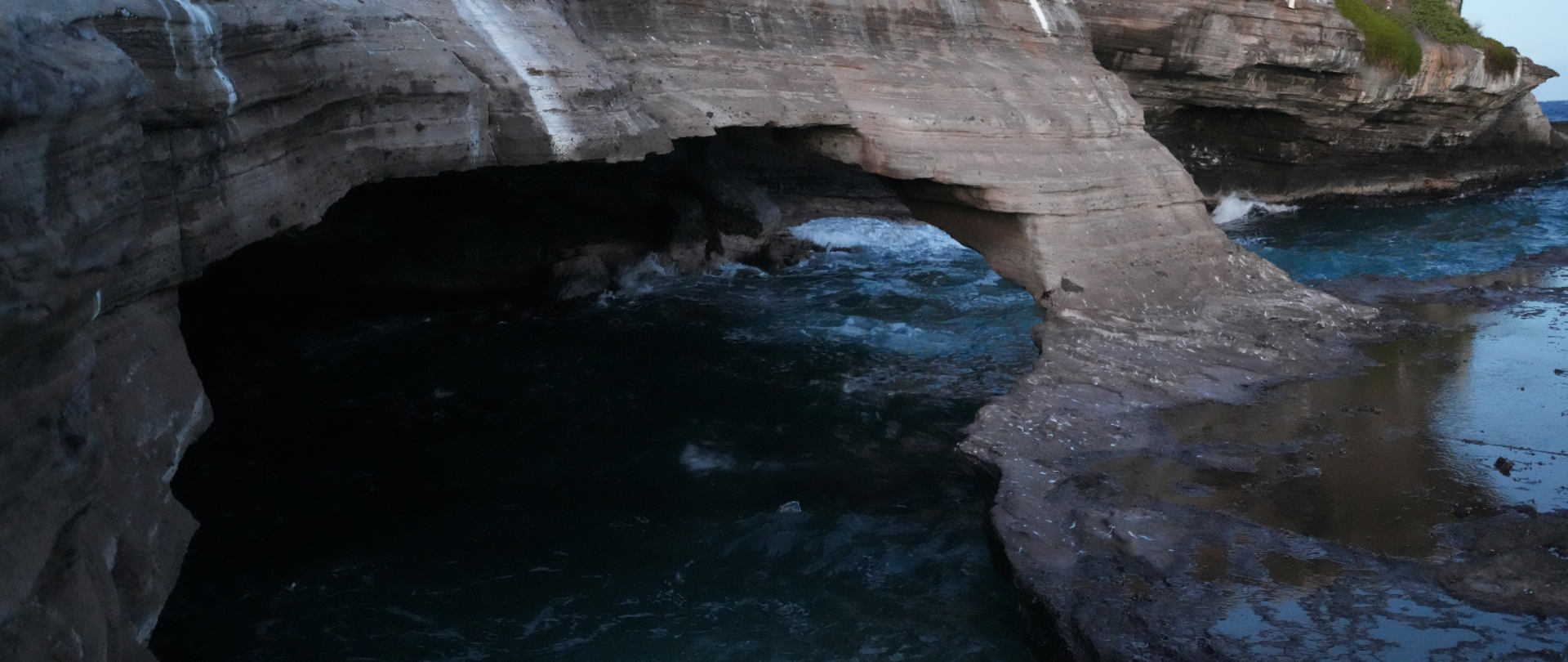
The Island-Ocean Connection Challenge announced four new restoration projects—Lehua, Tavolara, Grand Rouveau, and Zembra—at London Climate Week, expanding its global effort to restore 40 island-ocean ecosystems by 2030!
June 18, 2026
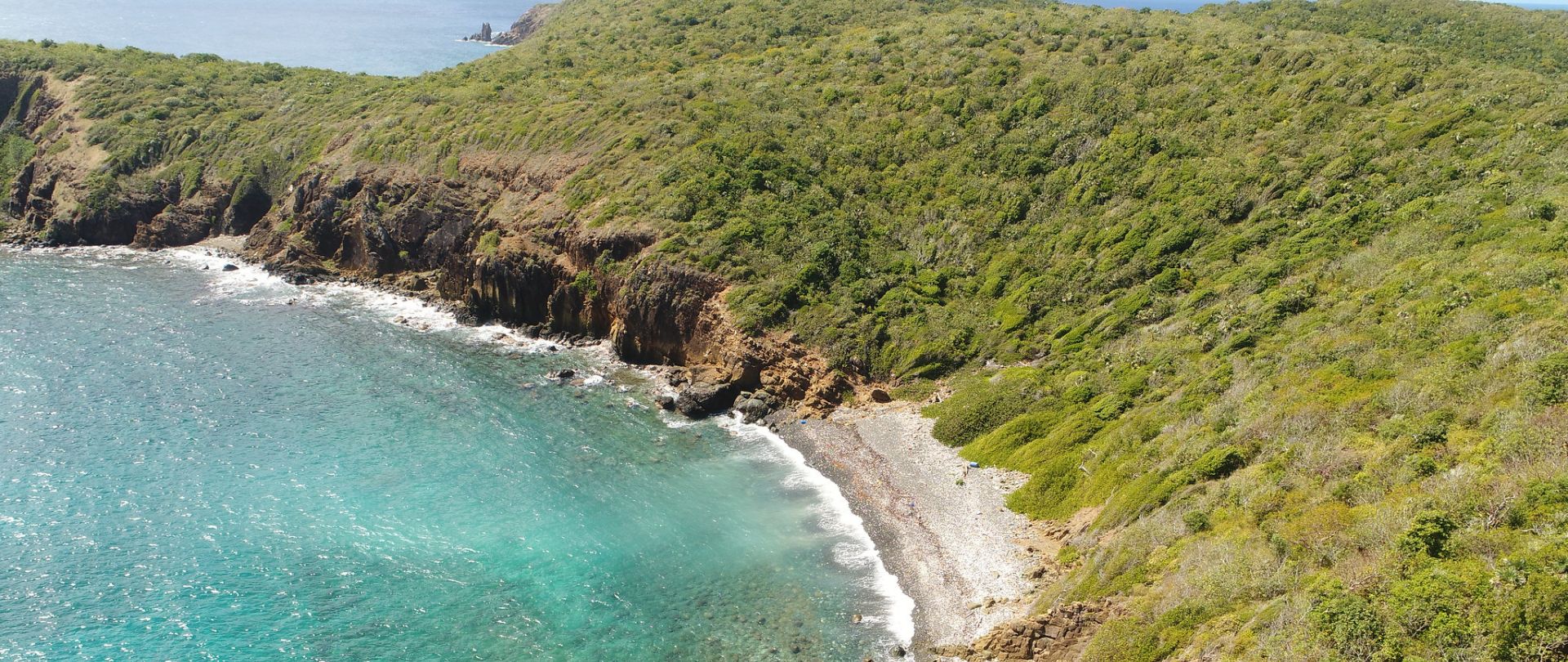
A new project to expand the range of an endangered Tree Boa is one step closer to completion!
June 8, 2026
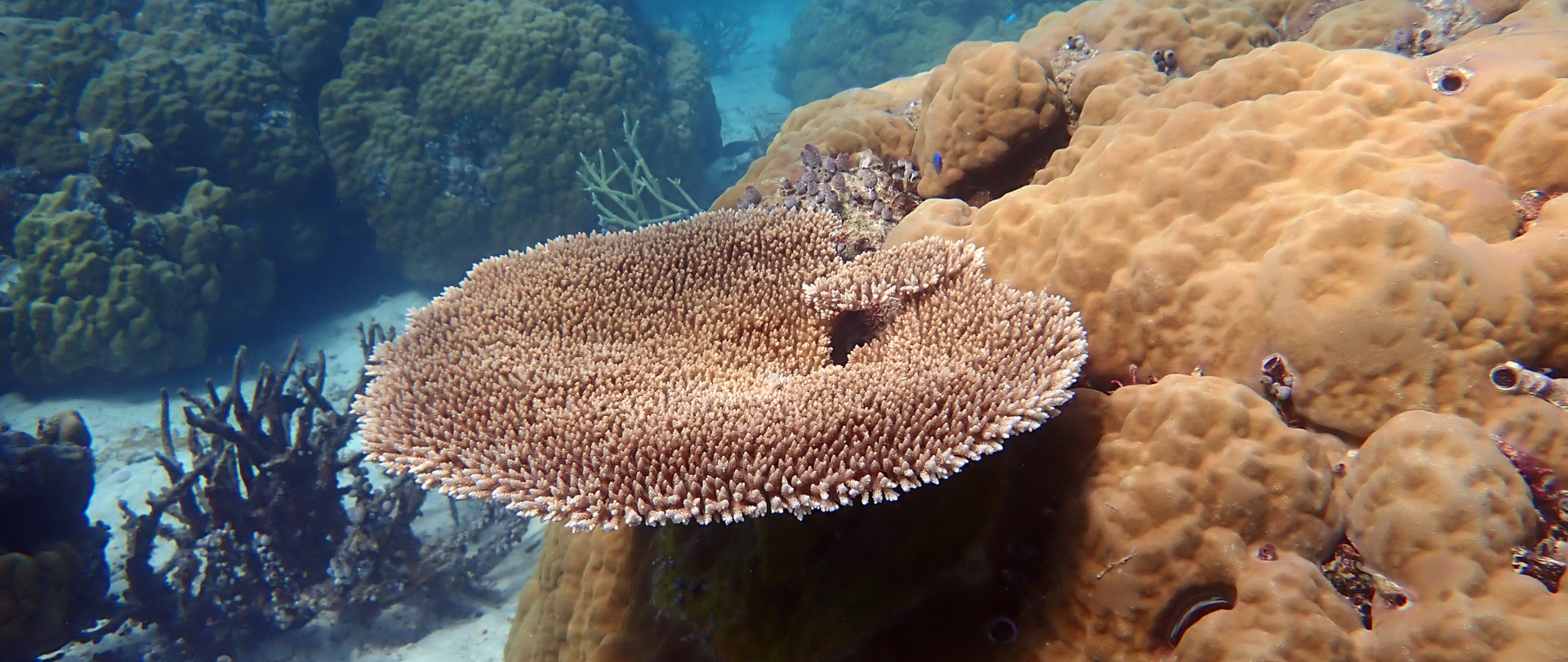
A world-first controlled experiment shows connection between seabird activity and marine health on Ulong Island!
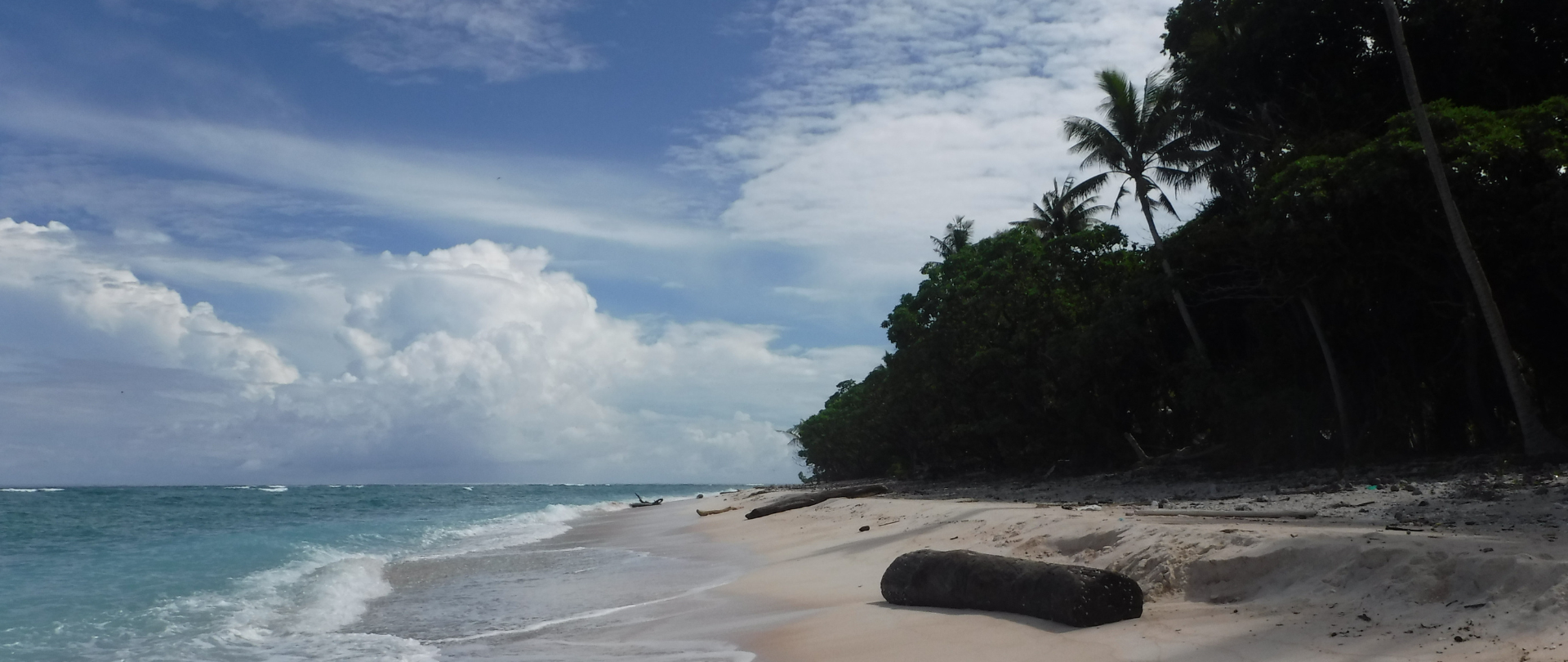
May 13, 2026
A new project in Sonsorol State, Palau aims to improve livelihoods and climate resilience through holistic environmental restoration!
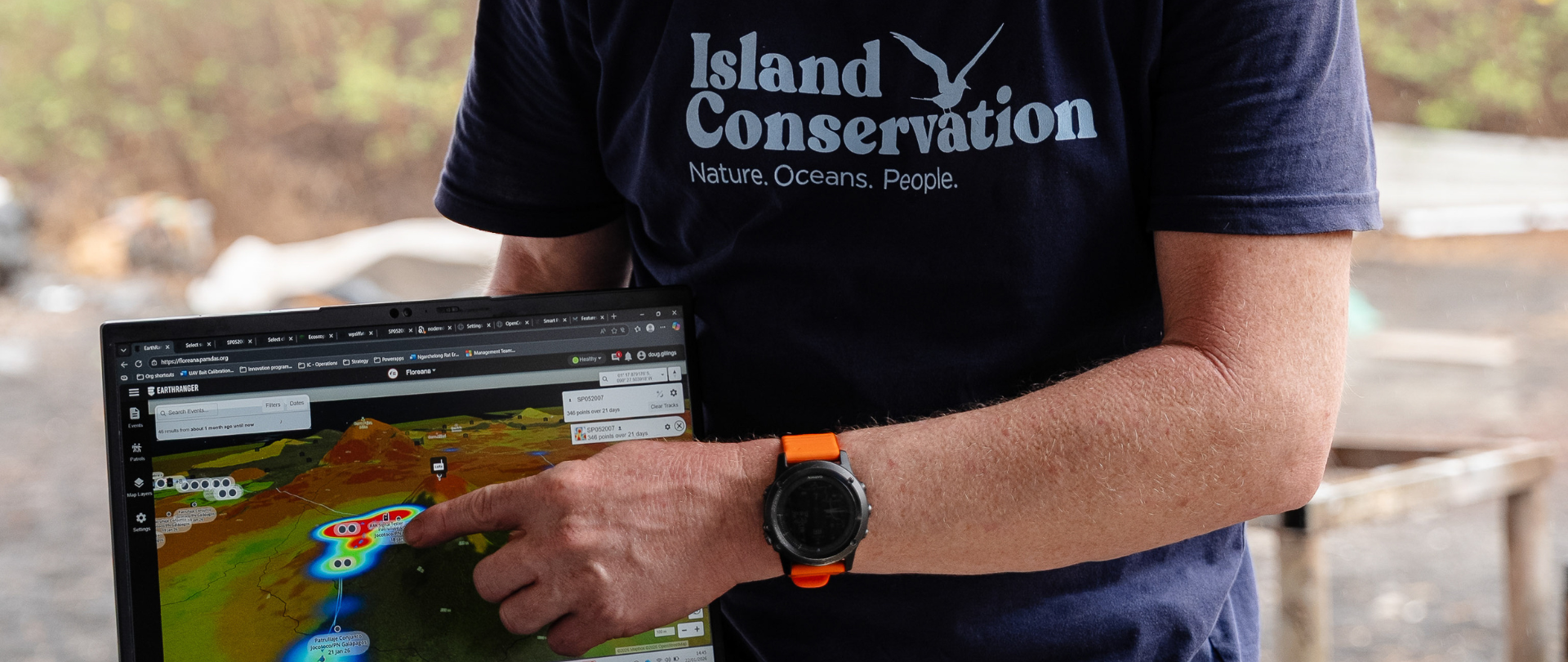
May 5, 2026
Thrilling new tech brings conservation solutions to a remote island in the Galápagos!
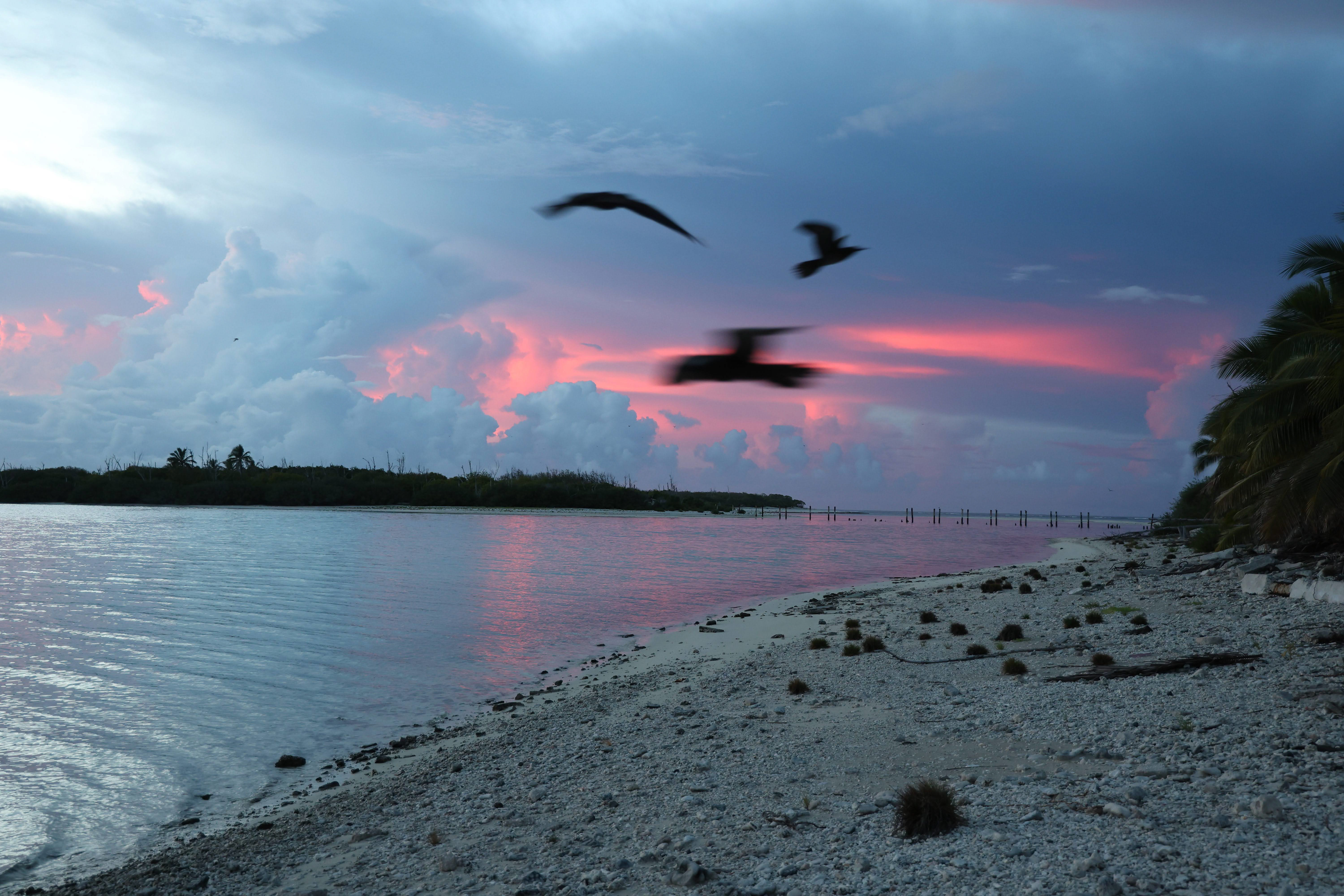
April 14, 2026
A historic moment: Wake Atoll is restored and thriving!
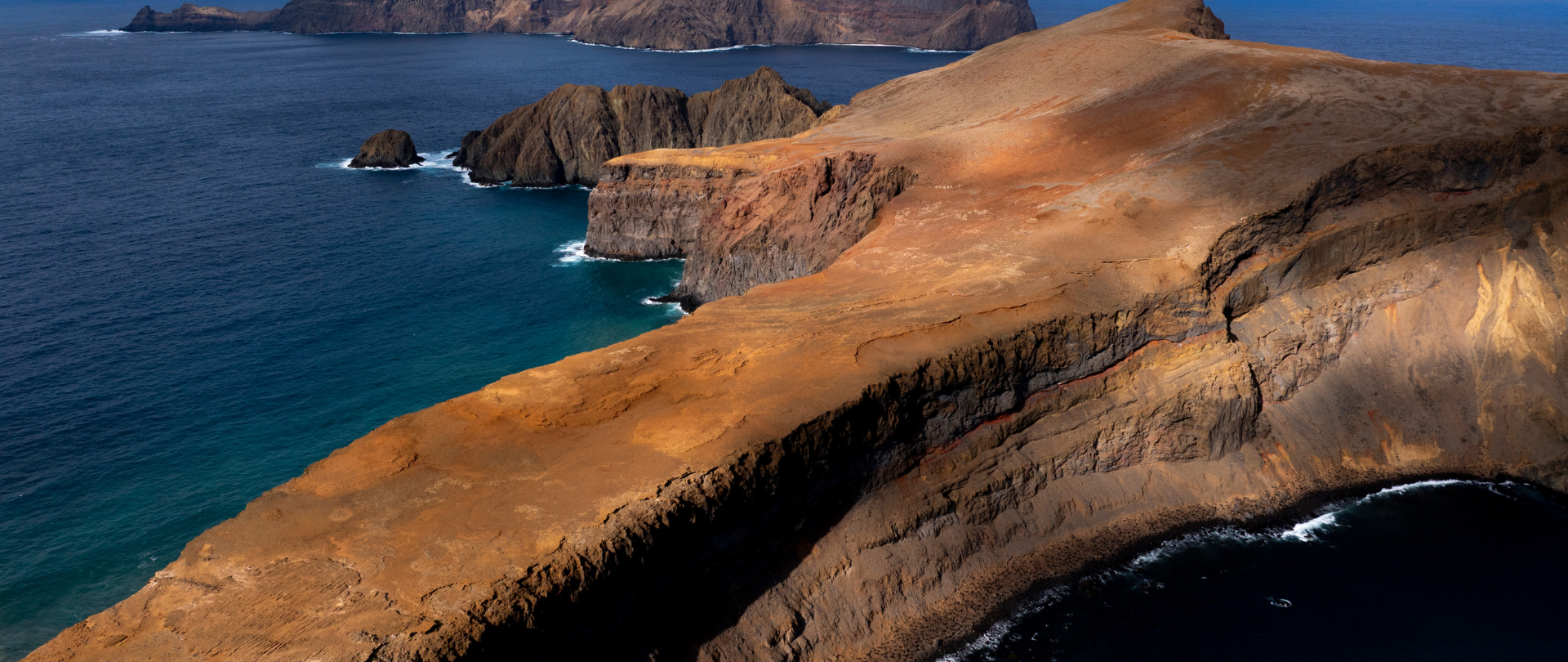
March 10, 2026
The Juan Fernández Archipelago is part of a new Marine Protected Area that protects the highest concentration of marine species found nowhere else on Earth!
February 20, 2026
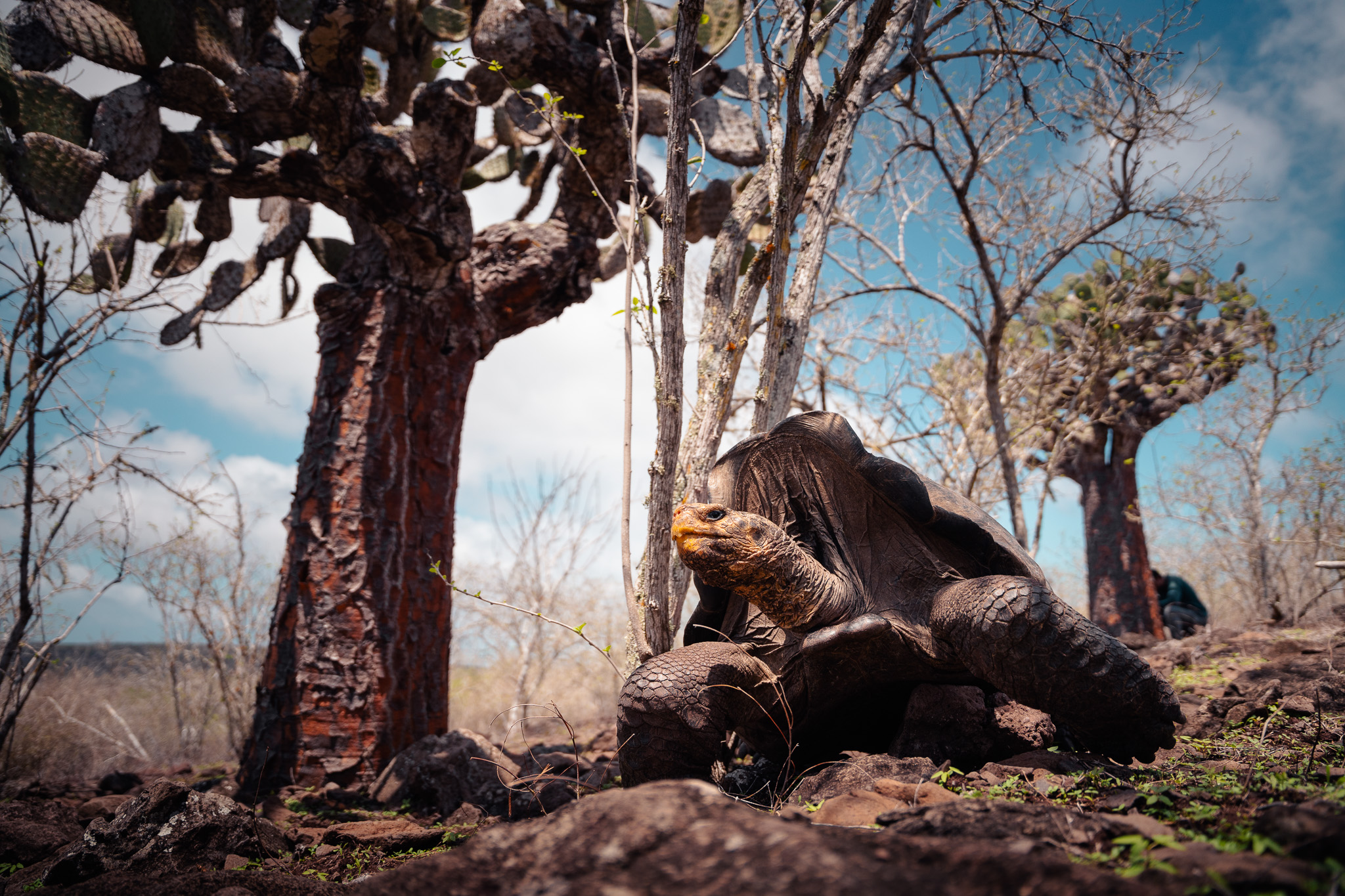
For the first time in more than 180 years, giant tortoises are once again walking the landscapes of Floreana Island!
October 30, 2025
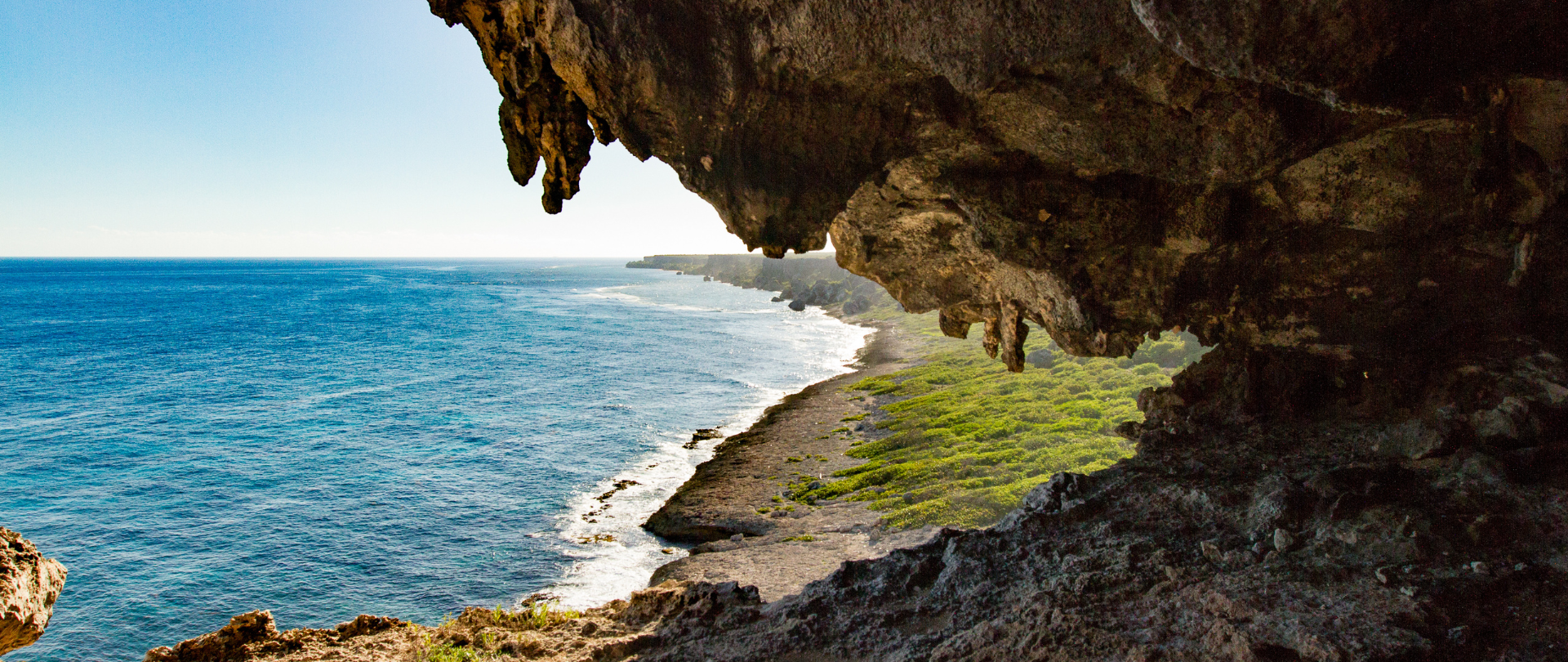
Our proposal for a United Nations-sanctioned Decade of Island Resilience spotlights the power of global small islands!