August 4, 2026
Rapa Nui Advances Community-Led Management of Marine Protected Areas with New Conservation Partnerships
Indigenous-led conservation takes a leap forward with Rapa Nui (Easter Island)'s new partnership with Island Conservation!
 Island Conservation

Read the WIRED article here.
The Directorate of the Galápagos National Park (Dirección del Parque Nacional Galápagos – DPNG) and Island Conservation have completed a world first by using drones to rid two Galápagos Islands of invasive rats. Island Conservation project director Chad Hanson spoke with WIRED about the project and what it means for island wildlife around the world.
To date, there have been over 400 successful invasive rodent removal projects on islands all around the world. Historically, this has required shipping helicopters and specially trained pilots to remote islands which
Small islands are no less valuable to the conservation of seabirds and endemic island species than large islands, but oftentimes
You can take a drone and pack it up and put it on a plane and you can go anywhere in the world with it. That’s effectively opening up a door to a whole new suite of islands that haven’t been feasible in the past.”
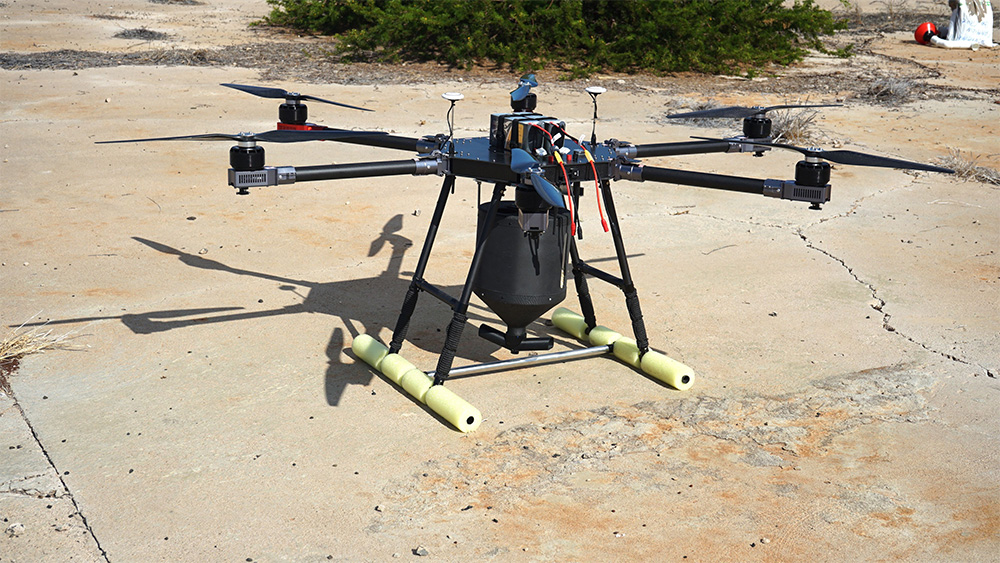
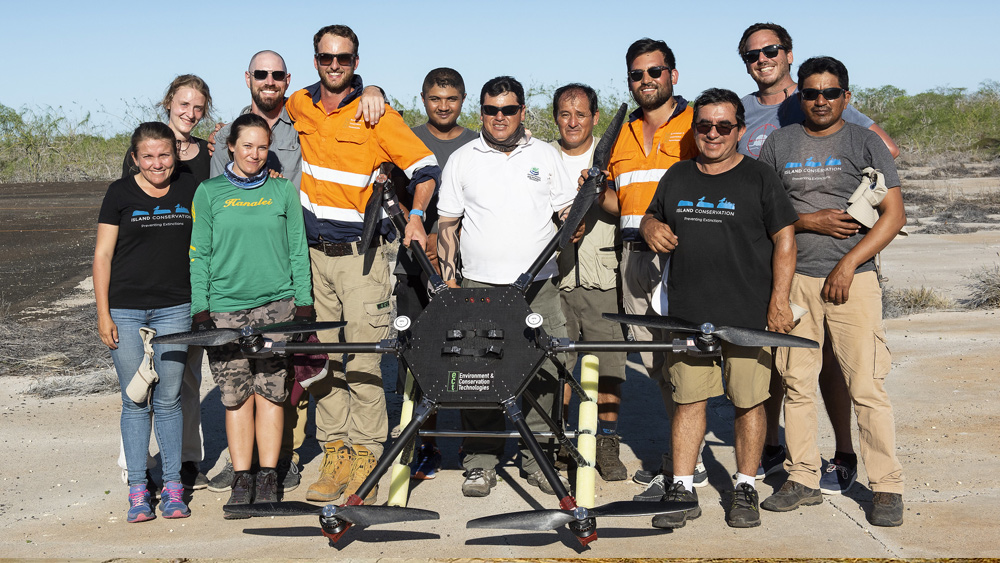
Two drones, each weighing 55-pounds, distributed conservation bait over Seymour Norte and Mosquera Islands. The drones were launched from a boat offshore where the operators tracked and controlled the flight-path according to predetermined transects over the island.
Seymour Norte Island is less than one square mile which made it a perfect location to implement this new technology. The small island requires a level of precision that was not previously available.
Drones are not the answer to all invasive species removal projects, but this new technology can and will help save island species around the world. Projects that previously seemed impossible such as small islands with rugged terrain could now benefit from the removal of invasive species.
This project was made possible due to support from Lindblad Expeditions-National Geographic Fund, Silversea Cruises, Galapagos Biodiversity & Education for Sustainability fund Ecoventura – Charles Darwin Foundation, Metropolitan Touring, Fondo Especies Invasoras Galapagos, Rapid Response Facility, Bell Labs, International Galápagos Tour Operators Association, individual donors that gave their support through the SOS North Seymour campaign, and other private and public donors.
Check out other journal entries we think you might be interested in.

August 4, 2026
Indigenous-led conservation takes a leap forward with Rapa Nui (Easter Island)'s new partnership with Island Conservation!
June 23, 2026
The Island-Ocean Connection Challenge announced four new restoration projects—Lehua, Tavolara, Grand Rouveau, and Zembra—at London Climate Week, expanding its global effort to restore 40 island-ocean ecosystems by 2030!
June 18, 2026
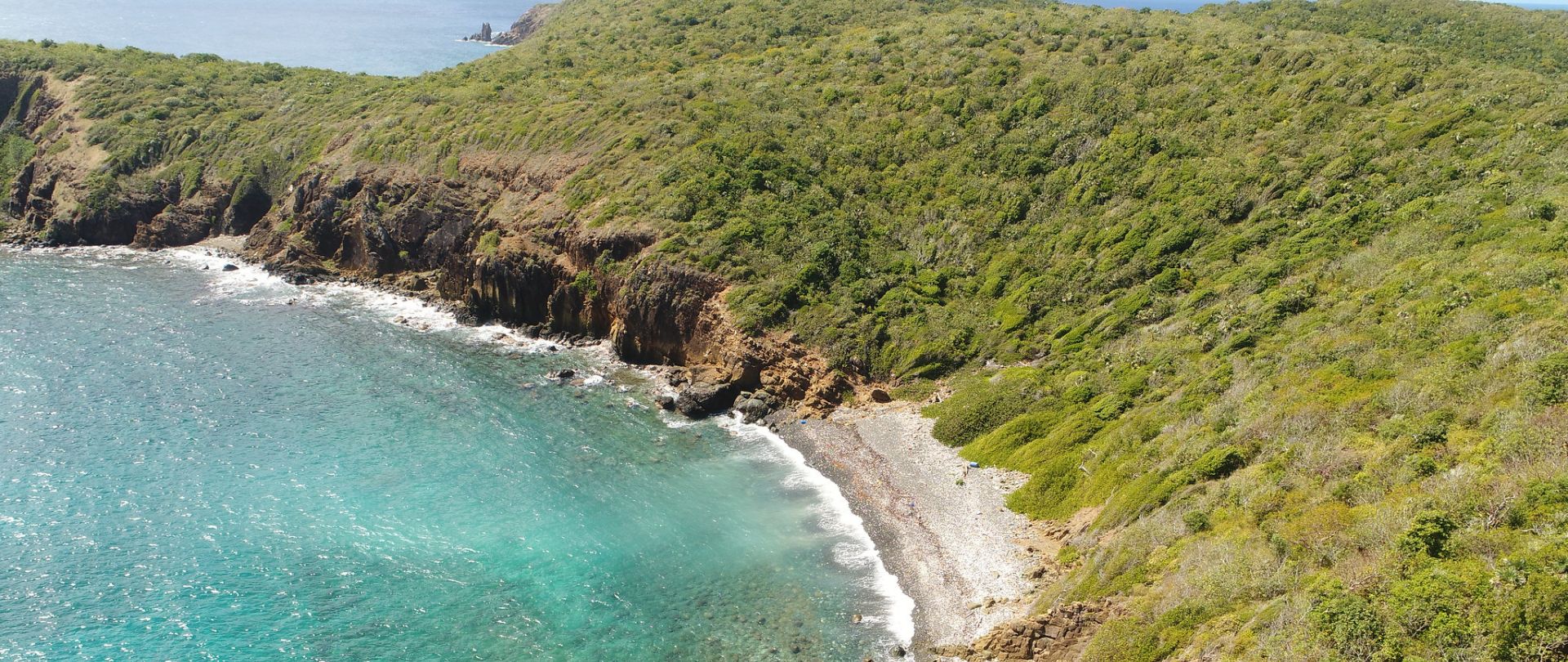
A new project to expand the range of an endangered Tree Boa is one step closer to completion!
June 8, 2026
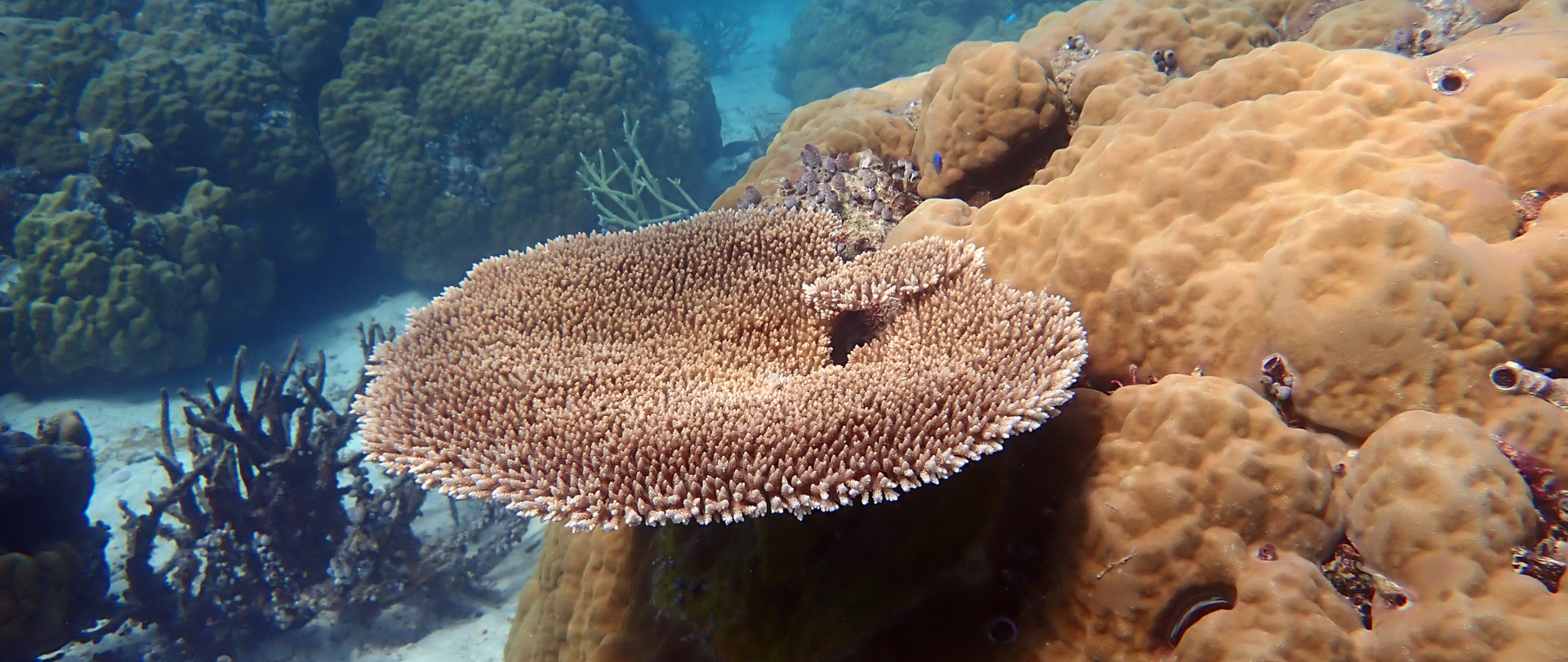
A world-first controlled experiment shows connection between seabird activity and marine health on Ulong Island!
May 13, 2026
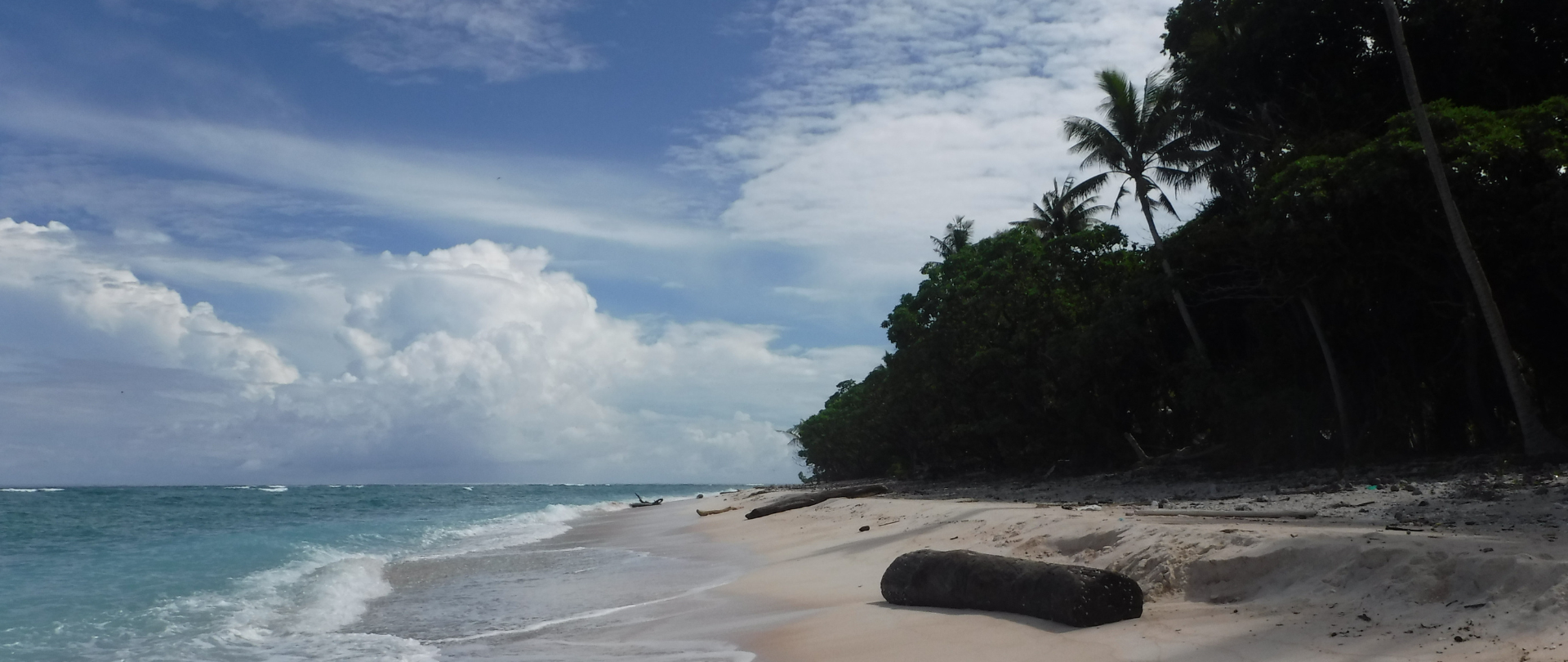
A new project in Sonsorol State, Palau aims to improve livelihoods and climate resilience through holistic environmental restoration!
May 5, 2026
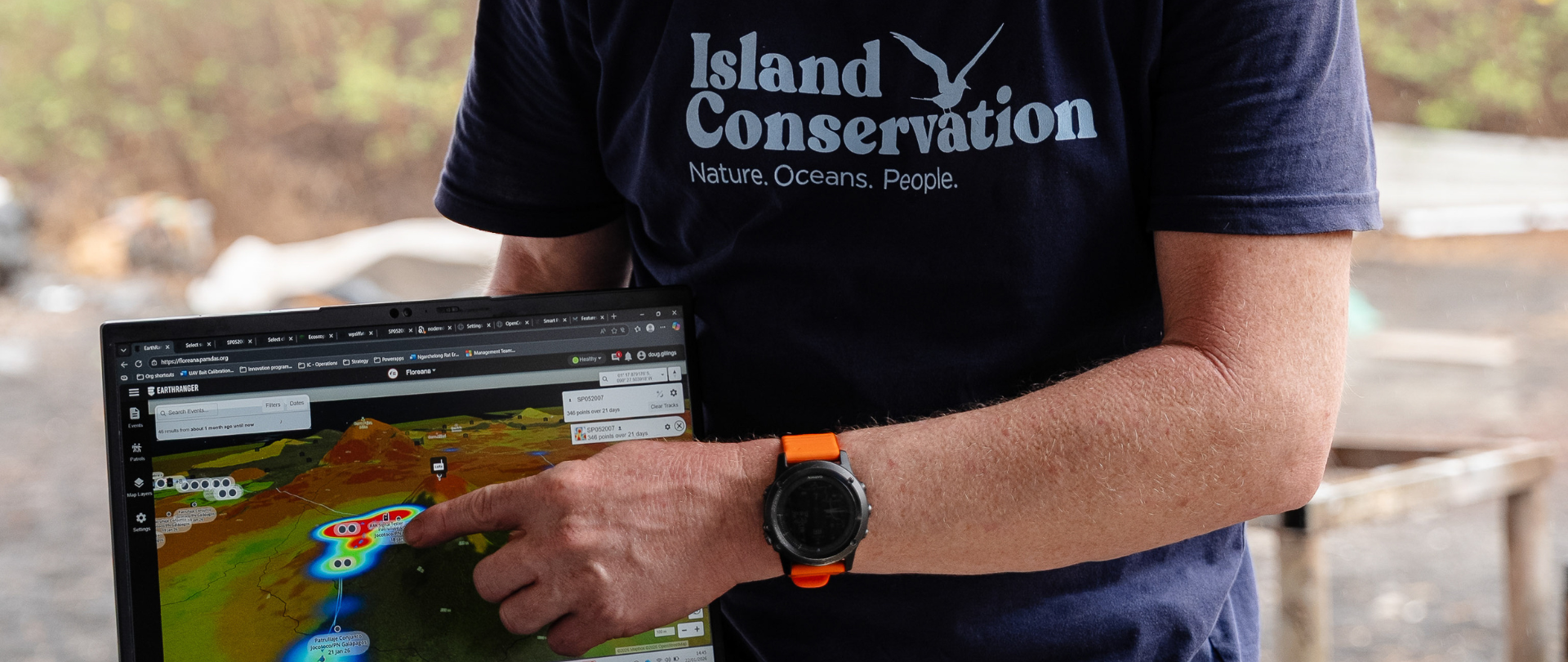
Thrilling new tech brings conservation solutions to a remote island in the Galápagos!
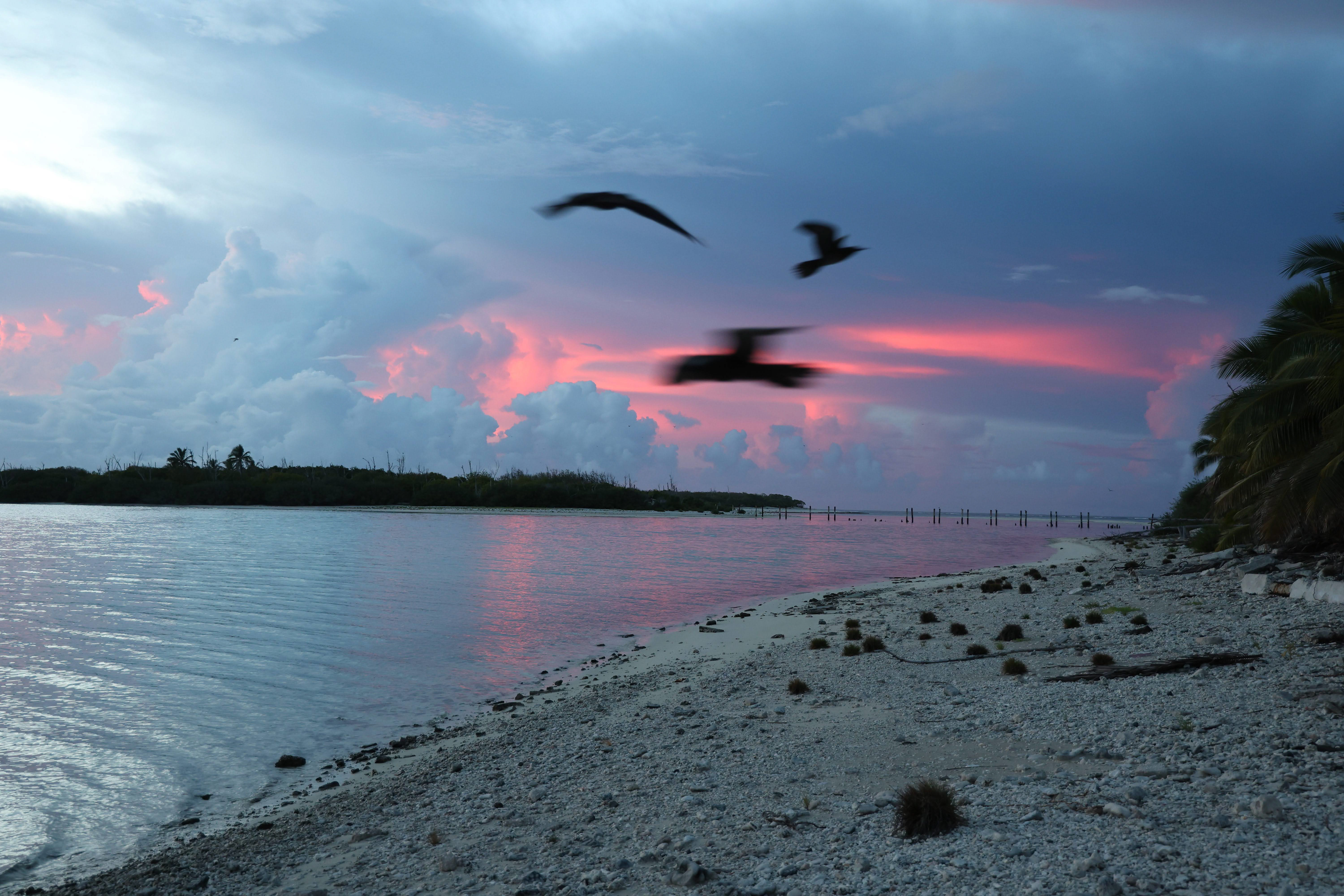
April 14, 2026
A historic moment: Wake Atoll is restored and thriving!
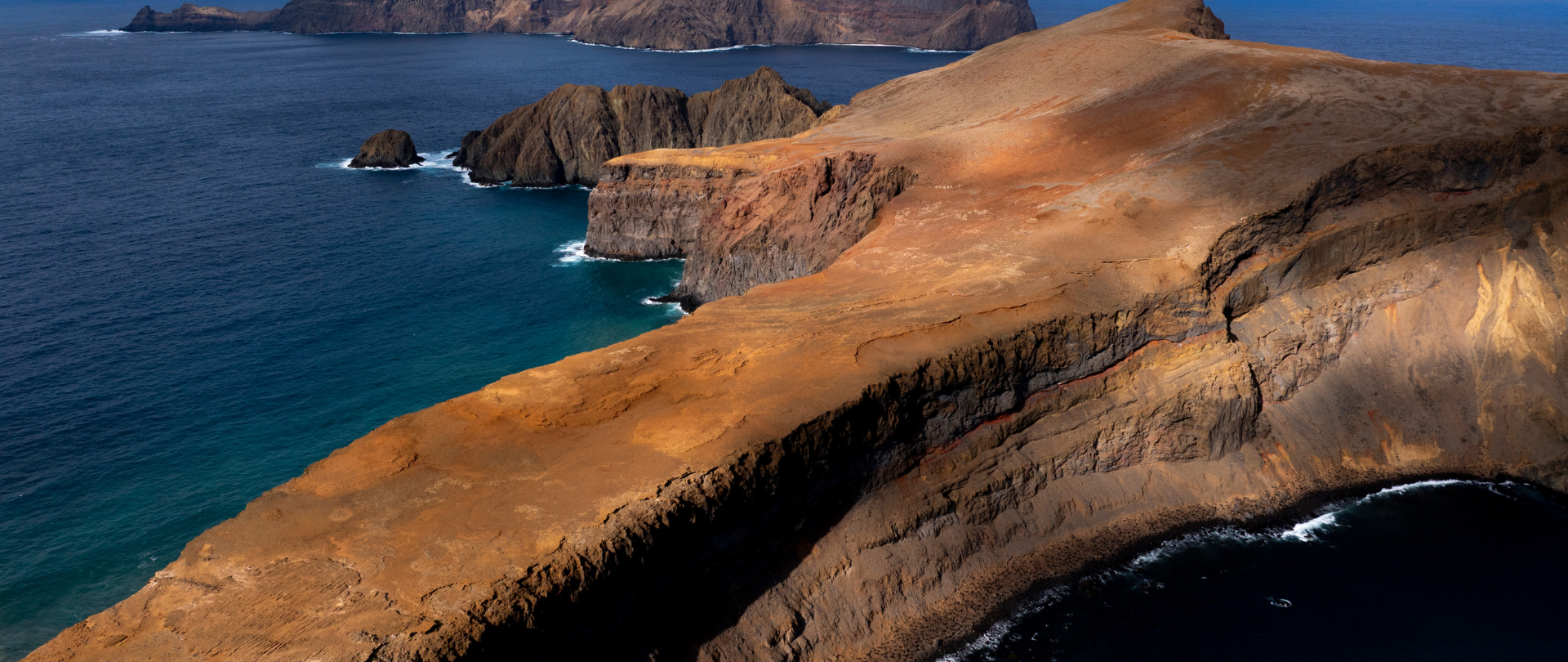
March 10, 2026
The Juan Fernández Archipelago is part of a new Marine Protected Area that protects the highest concentration of marine species found nowhere else on Earth!
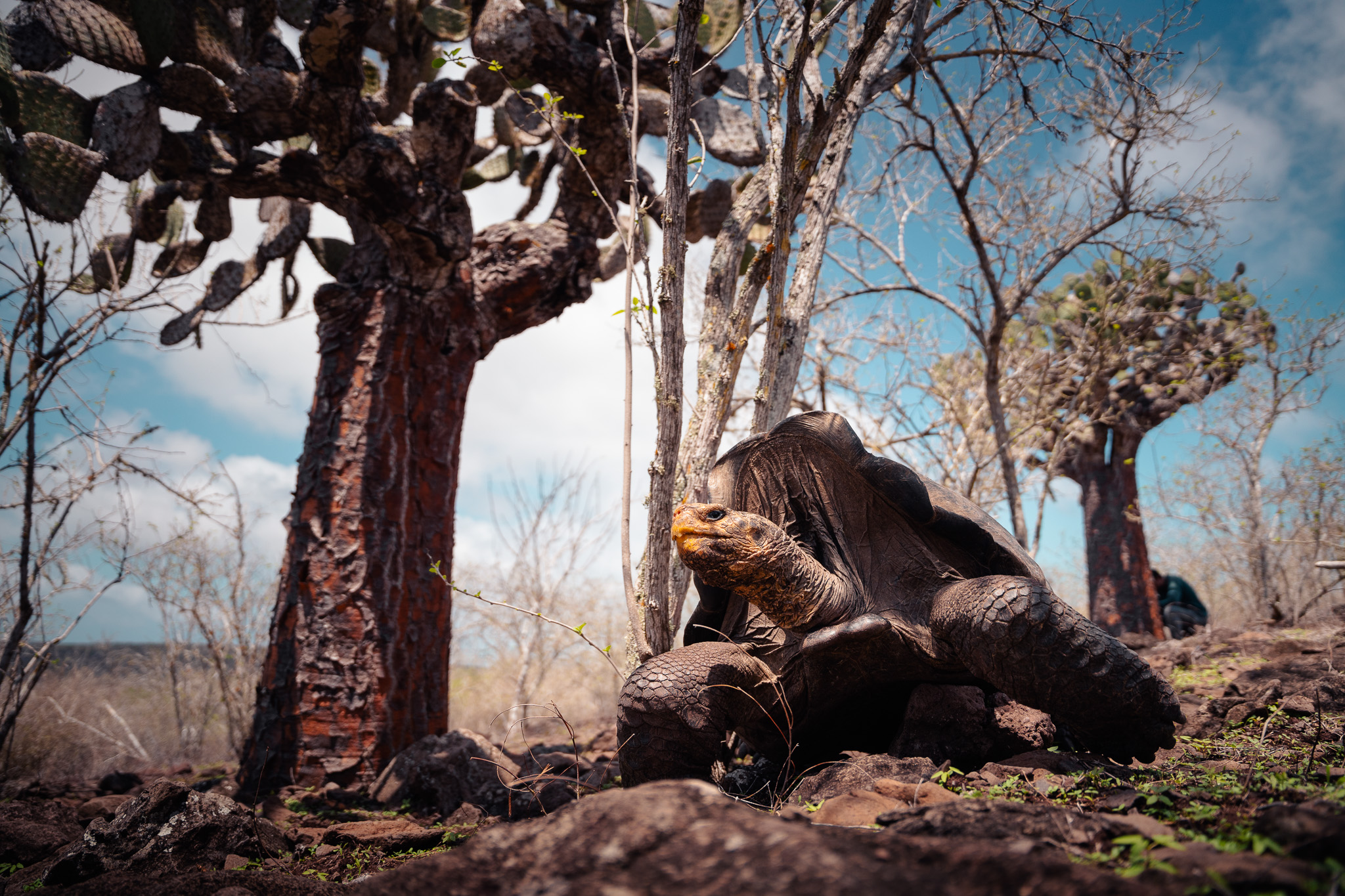
February 20, 2026
For the first time in more than 180 years, giant tortoises are once again walking the landscapes of Floreana Island!
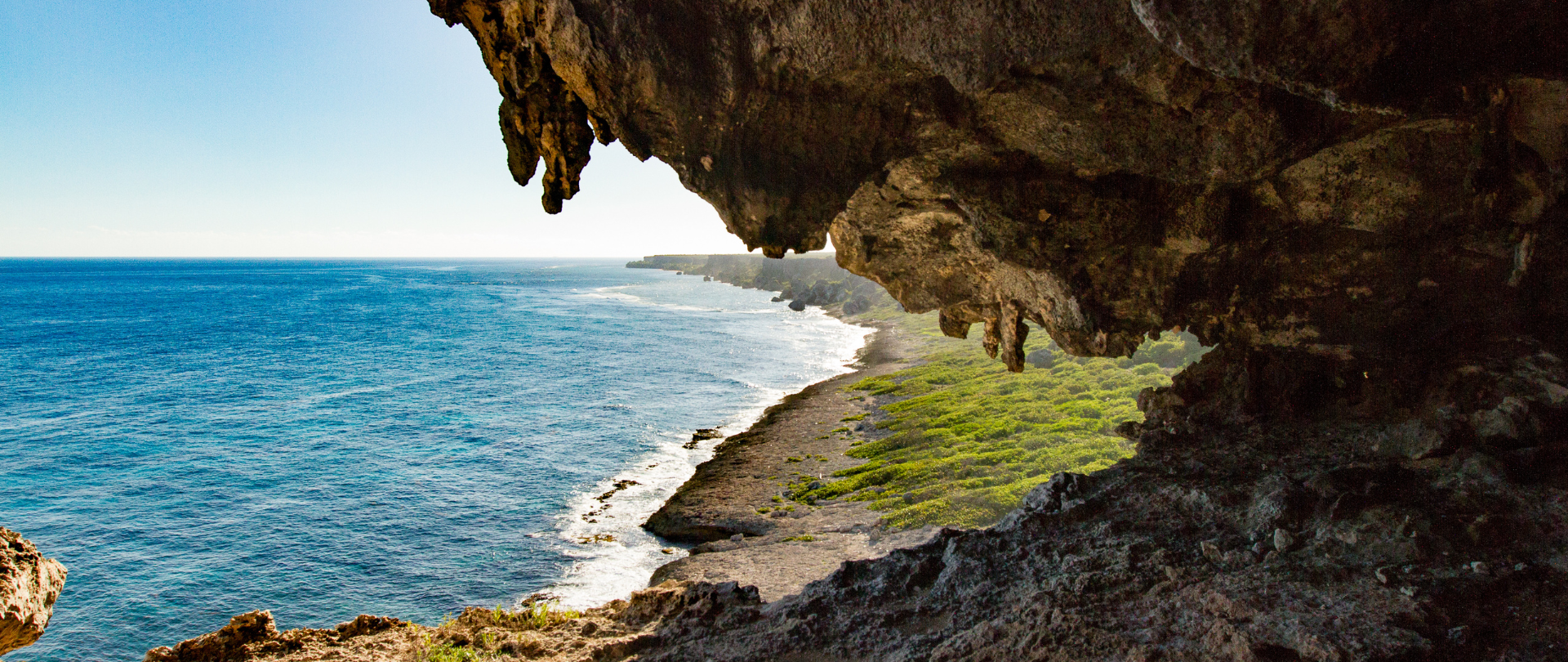
October 30, 2025
Our proposal for a United Nations-sanctioned Decade of Island Resilience spotlights the power of global small islands!