September 17, 2026
Island Conservation and Robinson Crusoe Island, Chile: Growing Hope Together
On the island of Robinson Crusoe in Chile, a greenhouse feeds both a community and an islander-led conservation movement!
 Island Conservation
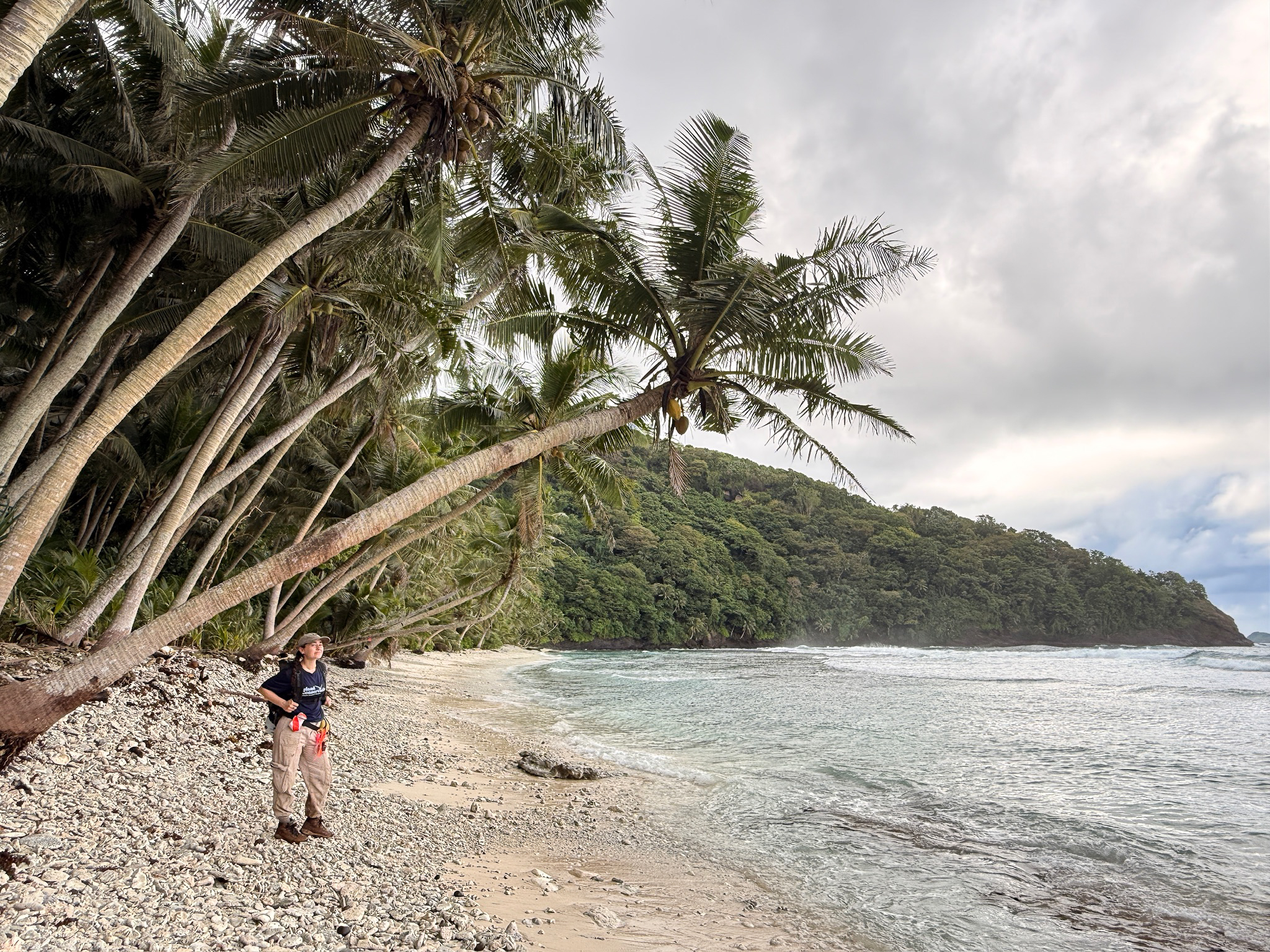
Apia, Samoa–October 20, 2026 — Nu’utele Island shows encouraging signs of ecological recovery, demonstrating how healthy island ecosystems strengthen climate resilience. The results come one year after Island Conservation, Samoa’s Ministry of Natural Resources and Environment (MNRE), the Pacific Regional Invasive Species Management Support Service (PRISMSS), and local community members removed invasive species from the island.
A Key Biodiversity Area and a conservation priority for Samoa’s government, Nu’utele sits within a marine protected area and holds Samoa’s best-preserved tropical forest, along with many native plants and animals. The island has never been cleared and has not been colonized by the invasive plants found on the mainland. It also shelters rare coastal species and ecological communities no longer found there. Like many Pacific islands, though, it has damaged forests, weakened food systems, and reduced capacity to withstand intensifying storms and other climate impacts. That trajectory is now reversing, and quickly.
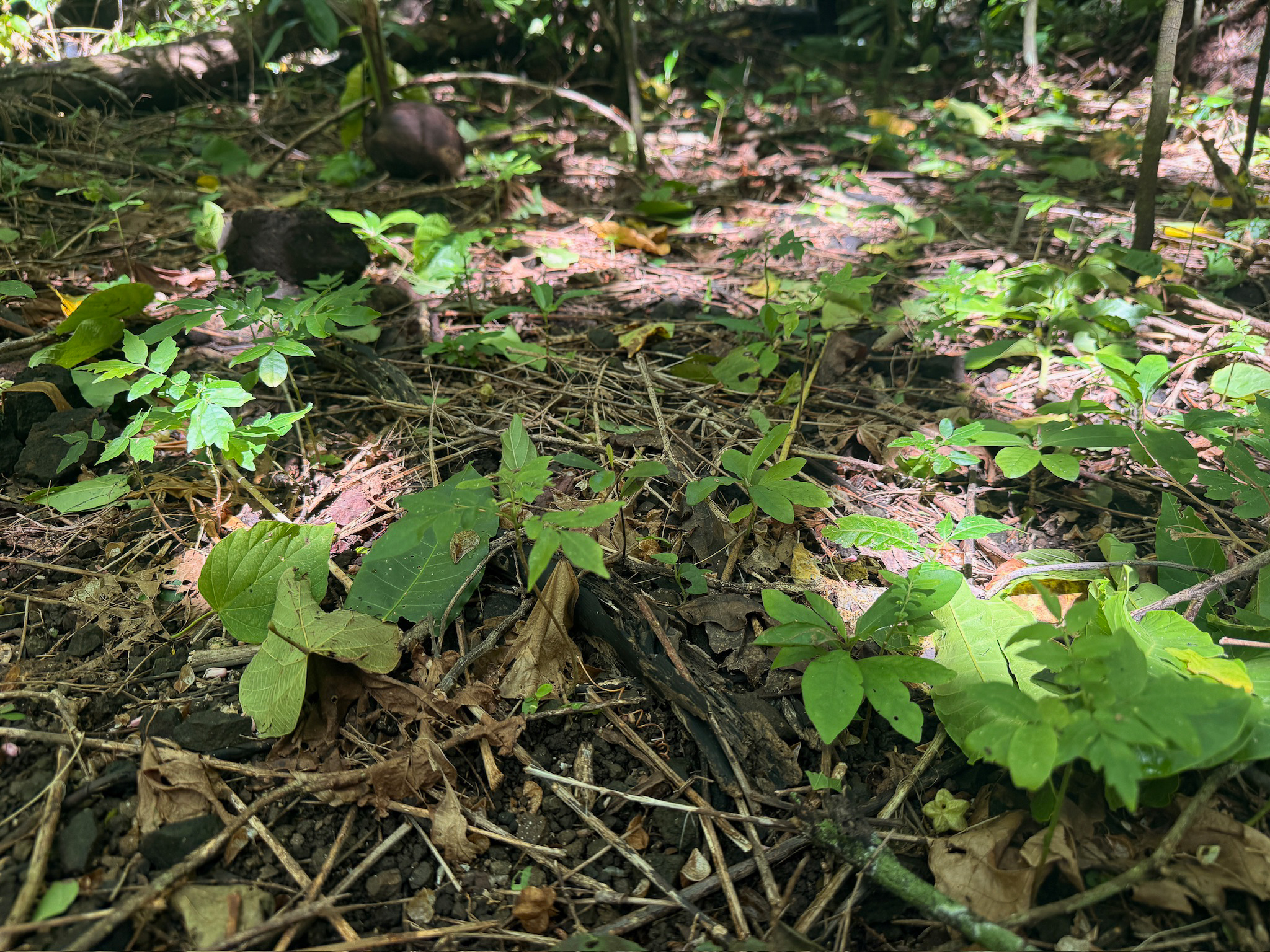
“In many areas, native seedlings are carpeting the forest floor,” said Paul Jacques, Project Manager for Island Conservation. “On recent visits, I saw knee-high seedlings growing where forest regeneration had previously been suppressed. People are now able to grow and harvest giant taro plants where crops would have failed previously. These changes point to the recovery of natural processes.”
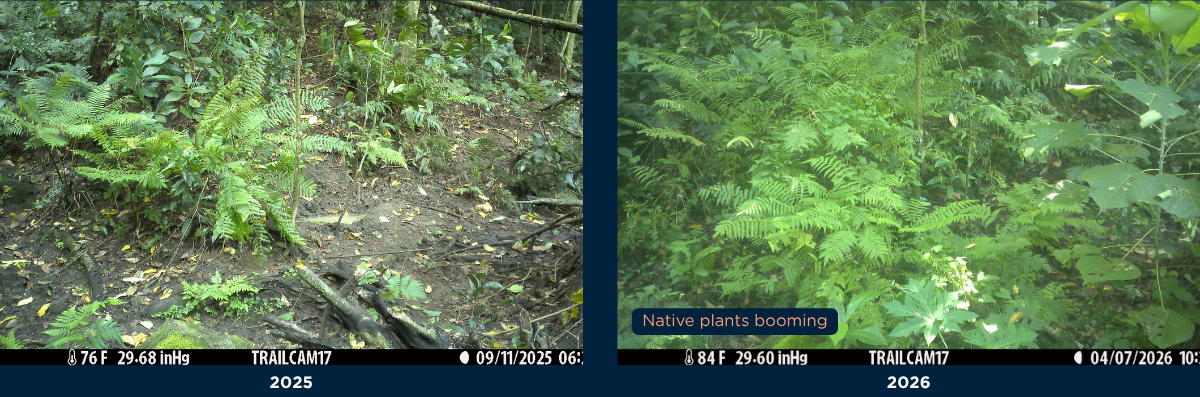
Life across taxa is responding. Sea turtles are nesting again after decades of absence, ground-doves are returning, and insects are reappearing. A local family now grows bananas, pineapples, papayas, and taro.
Recovery is also visible at the island-ocean boundary. Conservationists recorded a land crab species new to Nu’utele, and overall crab populations are expected to grow as pressure from invasive predators is lifted. Land crabs cycle nutrients between forests, reefs, and the open ocean, making landscapes healthier and more resilient, with expected benefits for climate and fisheries in the surrounding marine protected area (MPA).
Native forests and agroforestry systems act as natural infrastructure by anchoring soils, reducing erosion, improving watershed function, and supporting the biodiversity that keeps ecosystems stable. As Pacific islands face stronger storms and shifting rainfall, these benefits grow more important.
“Climate resilience starts with healthy ecosystems,” said Jacques. “When forests can regenerate naturally, they stabilize soils, retain water, support wildlife, and help communities withstand climate impacts. What we’re seeing on Nu’utele demonstrates how restoring nature can provide long-term benefits for both people and biodiversity.”
Nu’utele can serve as a refuge for species threatened with extinction on the mainland now that it is free of invasive rats and feral pigs. Forest recovery lays the groundwork for translocating the threatened Mao, a native Samoan forest bird vulnerable to habitat loss, invasive species, and extreme storms. Germany’s International Climate Initiative (IKI) supported baseline data collection for the introduction, and establishing a new Mao population is a critical component of Island Conservation’s 2026-2032 Restoring Pacific Islands for Nature and People Project.
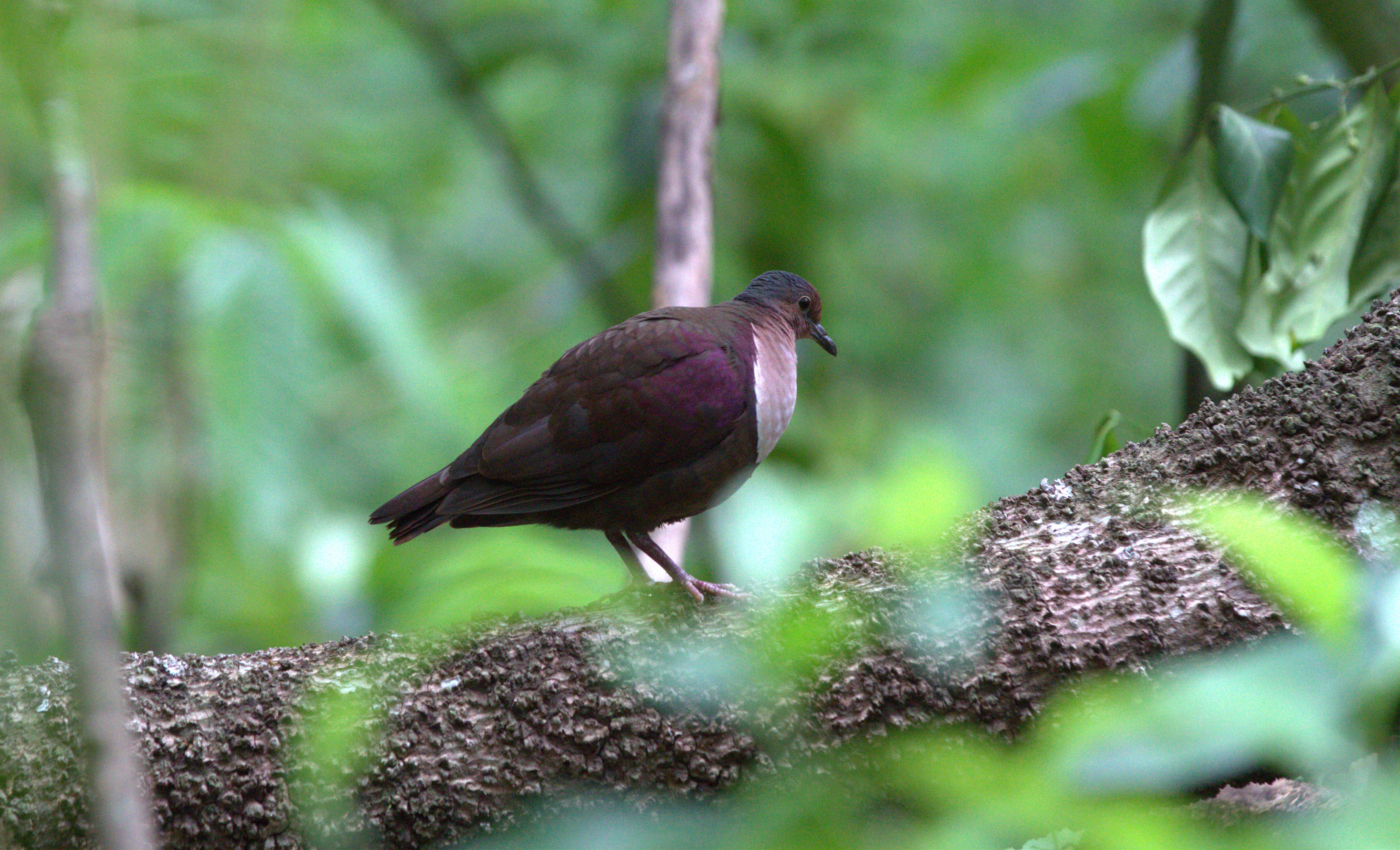
Nu’utele also hosts Samoa’s largest remaining population of the Shy Ground Dove, a species declining across the Southwest Pacific. One month after removing invasive species, researchers found several active nests with eggs in bird’s-nest ferns, sites previously highly vulnerable to invasives. They also recorded a nest of the endemic Samoan Starling and breeding activity among many other species, including the endemic Samoan Flycatcher and Whistler, further evidence that native birds are already benefiting from safer breeding conditions.
MNRE led the restoration in partnership with local landowners, Island Conservation (technical expertise), the Secretariat of the Pacific Regional Environment Programme (SPREP)-led PRISMSS (regional knowledge and support), and community members from Aleipata, with in-kind support from Bell Laboratories, Inc. Between March 2025 and May 2026, field teams ran 12 expeditions and spent more than 130 days implementing and validating the work across the island’s rugged terrain.
“Nu’utele shows what’s possible when communities, governments, and conservation partners work together towards a shared vision,” said SPREP Invasive Species Adviser, Mr. David Moverley. “We’re seeing forests regenerate, native wildlife return, food systems improve, and vital habitat expand for species that depend on healthy ecosystems. The lessons learned from this island can help guide restoration efforts across the Pacific and beyond.”
“We also acknowledge and thank the New Zealand Ministry of Foreign Affairs and Trade and the United Kingdom International Development for funding the PRISMSS Predator Free Pacific programme through which these significant invasive species management outcomes have been made possible.”
Island ecosystems play an outsized role in supporting biodiversity, protecting coastlines, and sustaining local communities. Nu’utele’s early results show island restoration as a climate adaptation strategy: once invasive species are removed, islands regain the natural functions that deliver biodiversity recovery, food security, and ecosystem resilience. Long-term monitoring will track forest regeneration, biodiversity recovery, and ecosystem health, generating data to guide future restoration and climate resilience work across the region.
Photos and B‑roll video available here
A related study that helps point to a broader story about restoration helping islands recover and build resilience was published this week in Science Advances: “Seabirds and native vegetation drive ecosystem processes that support atoll island resilience,” led by Nicholas Graham of Lancaster University.
Interviews available upon request.
Island Conservation
Sally Esposito, Senior Communications Director
sally.esposito@islandconservation.org
The Ministry of Natural Resources and Environment is dedicated to enhancing the quality of life for all Samoans through a strong commitment to sustainable development and the effective management of the nation’s natural resources and environment.
PRISMSS: The Pacific Regional Invasive Species Management Support Service (PRISMSS) is a service designed to facilitate the scaling up of operational management of invasive species in the Pacific. PRISMSS brings together experts to support the Pacific region, focusing on protecting indigenous biodiversity and ecosystem function. As a service provider, PRISMSS provides a comprehensive suite of support services to Pacific Island countries and territories in a cohesive, effective, efficient, and accessible manner.
Restoring Island Resilience (RIR): The PRISMSS – Restoring Island Resilience (RIR) is a New Zealand-PRISMSS collaboration project that aims to improve Pacific Island Countries and territories livelihoods and resilience to climate change by reducing the impact of invasive species on natural and agricultural ecosystems through the six PRISMSS programmes.
PRISMSS Powered by: New Zealand Foreign Affairs & Trade, United Kingdom International Development, GEF, United Nations Environment Programme & SPREP.
PRISMSS Partners: Bioeconomy Science Institute NZ, Birdlife International, Earth Sciences New Zealand, New Zealand Department of Conservation, Island Conservation, the Pacific Community and SPREP.
PRISMSS Programmes: Protect Our Islands (POI), Predator Free Pacific (PFP), War on Weeds (WOW), Natural Enemies Natural Solutions (NENS), Resilient Ecosystems Resilient Communities (RERC) and Protect Our Marine Areas (POMA).
For additional information please contact Mr Dominic Sadler, PRISMSS Manager on dominics@sprep.org or Mr Nitish Narayan, PRISMSS Communications & Liaison Officer on nitishn@sprep.org
About Island Conservation: Island Conservation‘s mission is to restore islands for nature and people worldwide. We are a United States–based 501(c)(3) charitable organization with a globally distributed team—often made up of local islanders who bring deep knowledge and connection to the places where we work. Together, we collaborate with local communities, government management agencies, and conservation organizations to holistically restore islands by bringing back biodiversity, the foundation of all healthy ecosystems. We do this by removing a primary threat (introduced, damaging invasive species) and accelerating the return of native plants and animals. We utilize innovative technology and techniques to work more efficiently and showcase the many benefits of holistically restored islands for biodiversity, climate resilience, ocean health, and sustainable development across the globe.
Check out other journal entries we think you might be interested in.
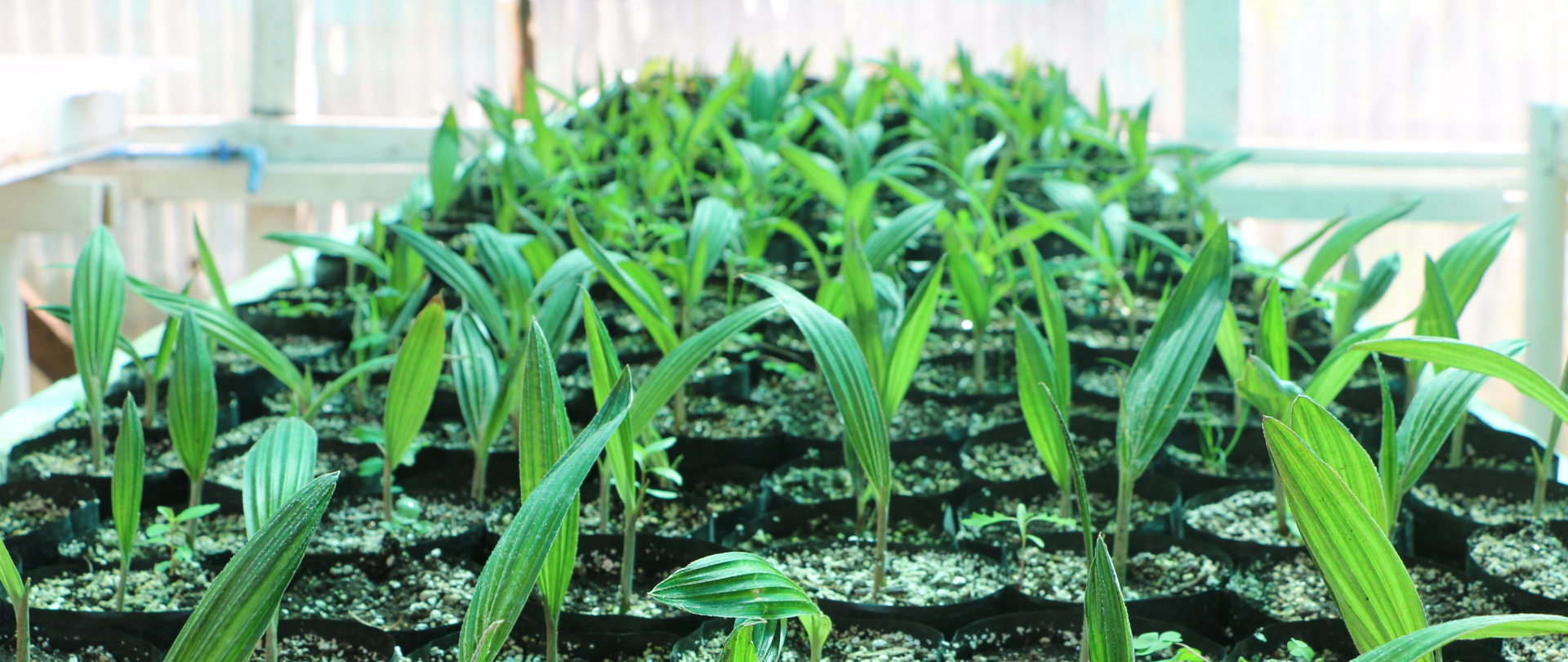
September 17, 2026
On the island of Robinson Crusoe in Chile, a greenhouse feeds both a community and an islander-led conservation movement!
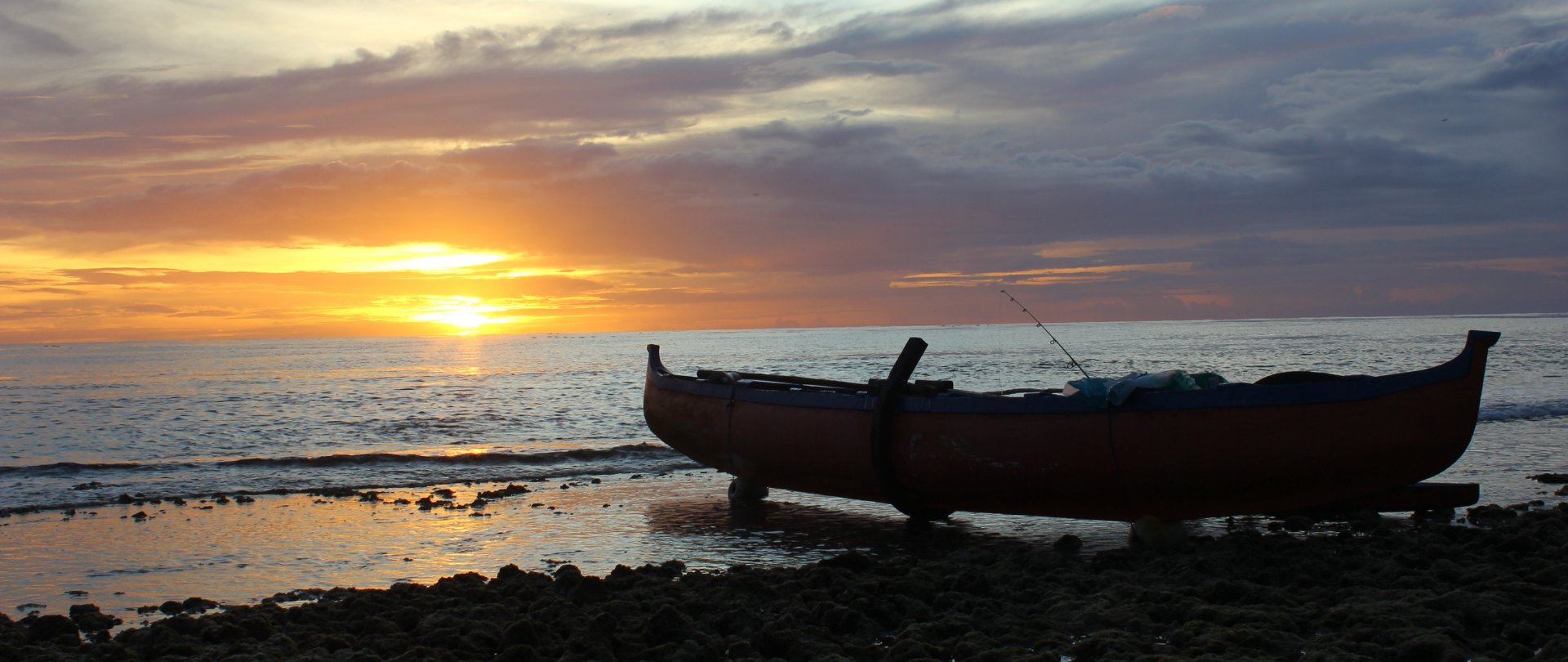
September 1, 2026
Linden Brown shares the incredible things he saw and experienced while working to restore islands in Sonsorol State, Palau!
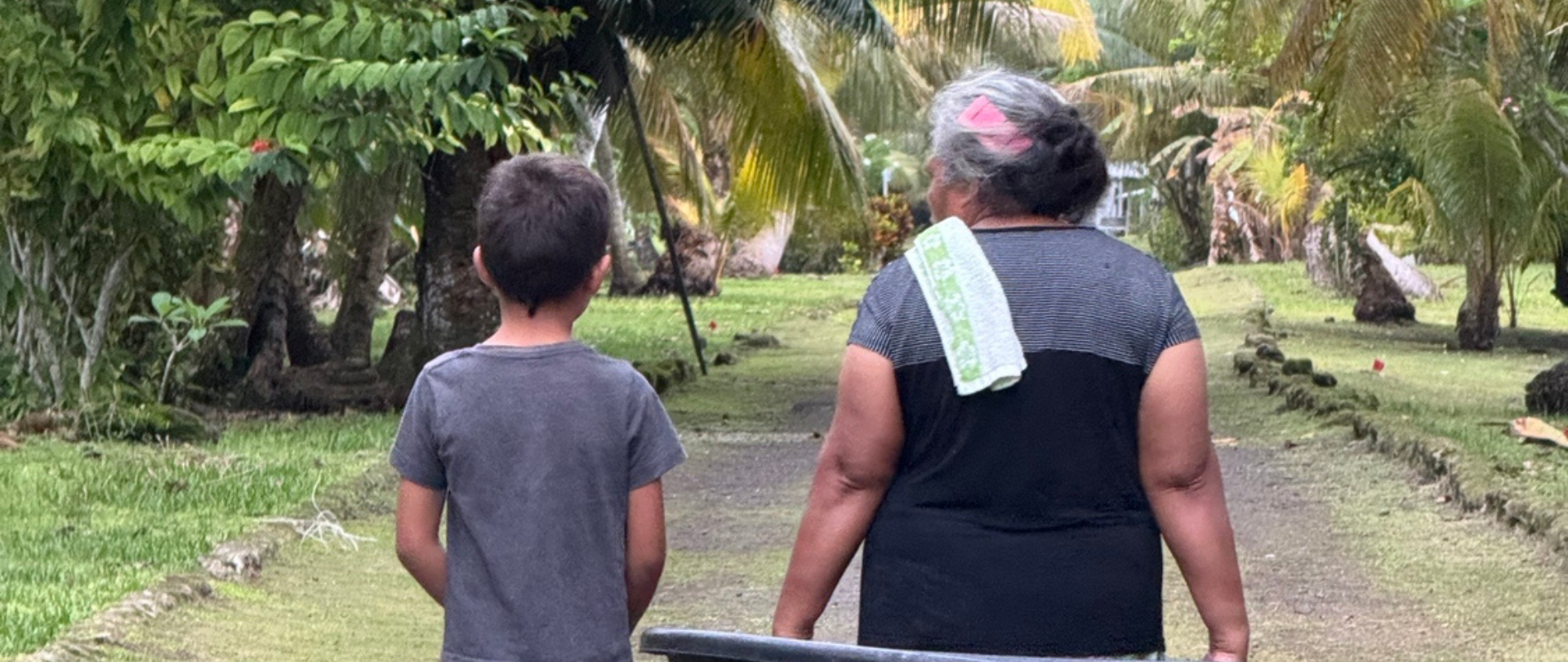
August 18, 2026
Meet Evelyn, one of the people who holds the wisdom of Sonsorol State, Palau in her lived experiences and stories.
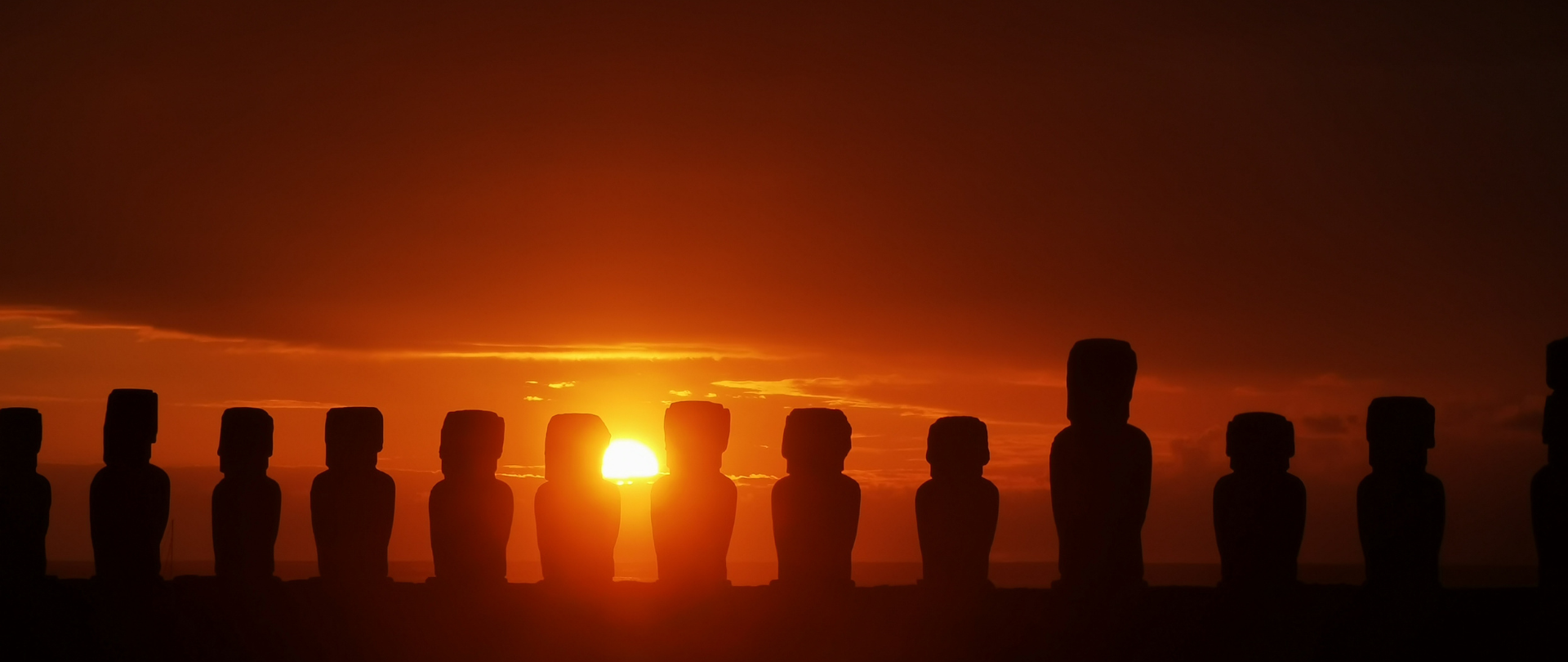
August 4, 2026
Indigenous-led conservation takes a leap forward with Rapa Nui (Easter Island)'s new partnership with Island Conservation!
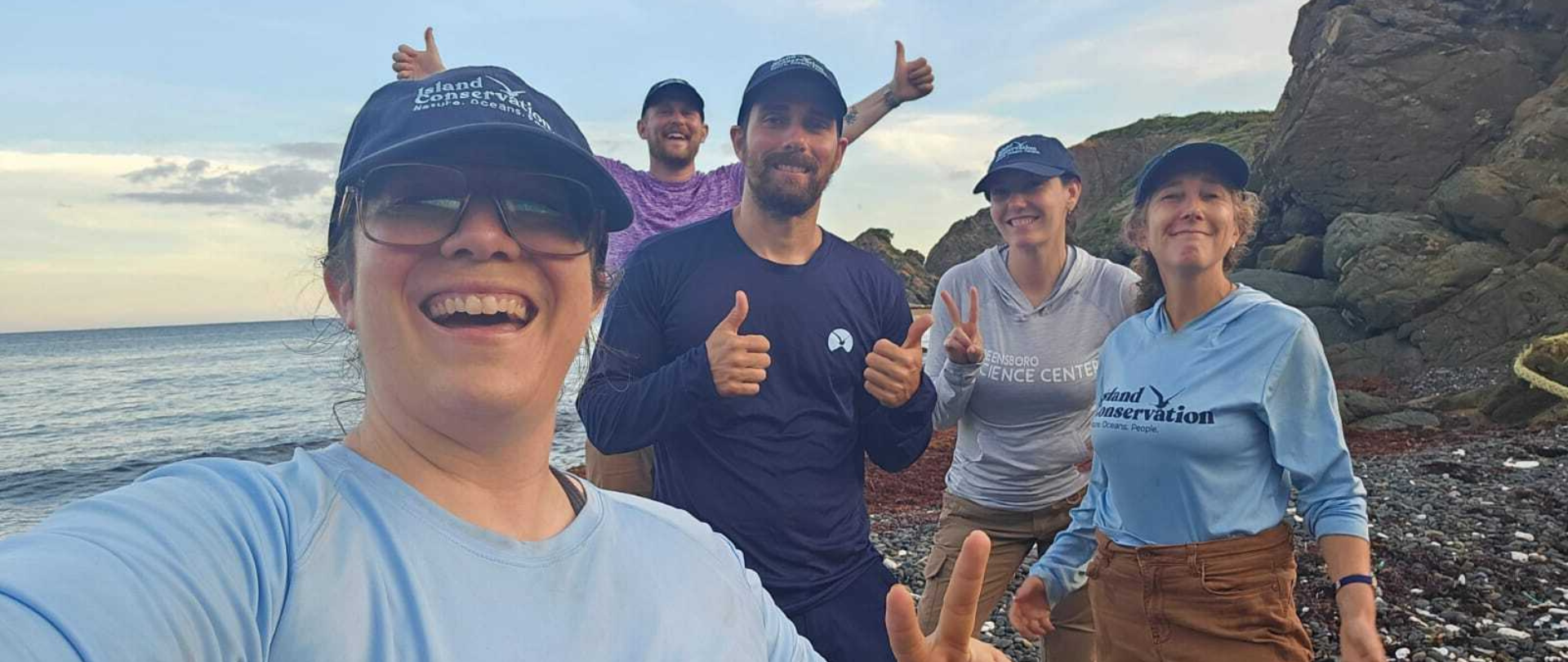
July 9, 2026
Senior Major Gifts Officer Jen Sachs shares her experience on one of Island Conservation's exciting restoration projects in the US Virgin Islands!
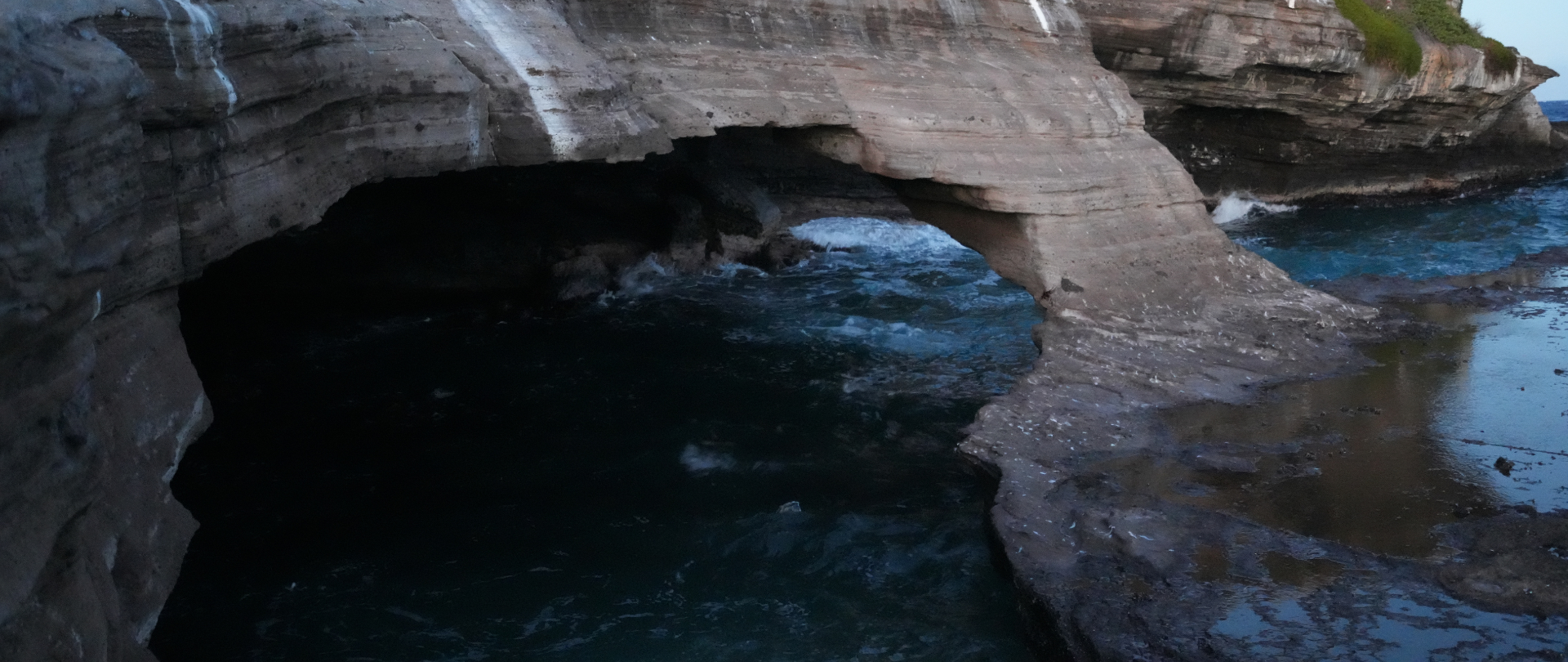
June 23, 2026
The Island-Ocean Connection Challenge announced four new restoration projects—Lehua, Tavolara, Grand Rouveau, and Zembra—at London Climate Week, expanding its global effort to restore 40 island-ocean ecosystems by 2030!
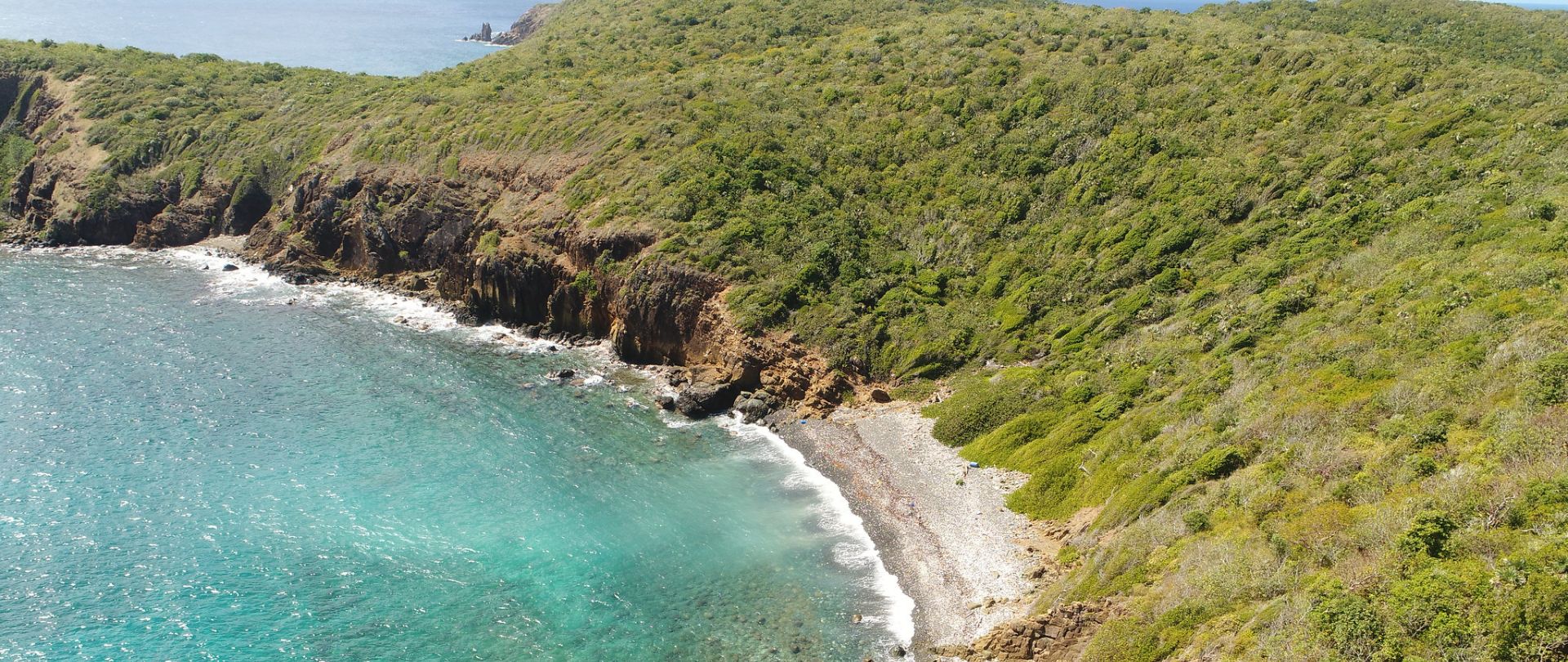
June 18, 2026
A new project to expand the range of an endangered Tree Boa is one step closer to completion!
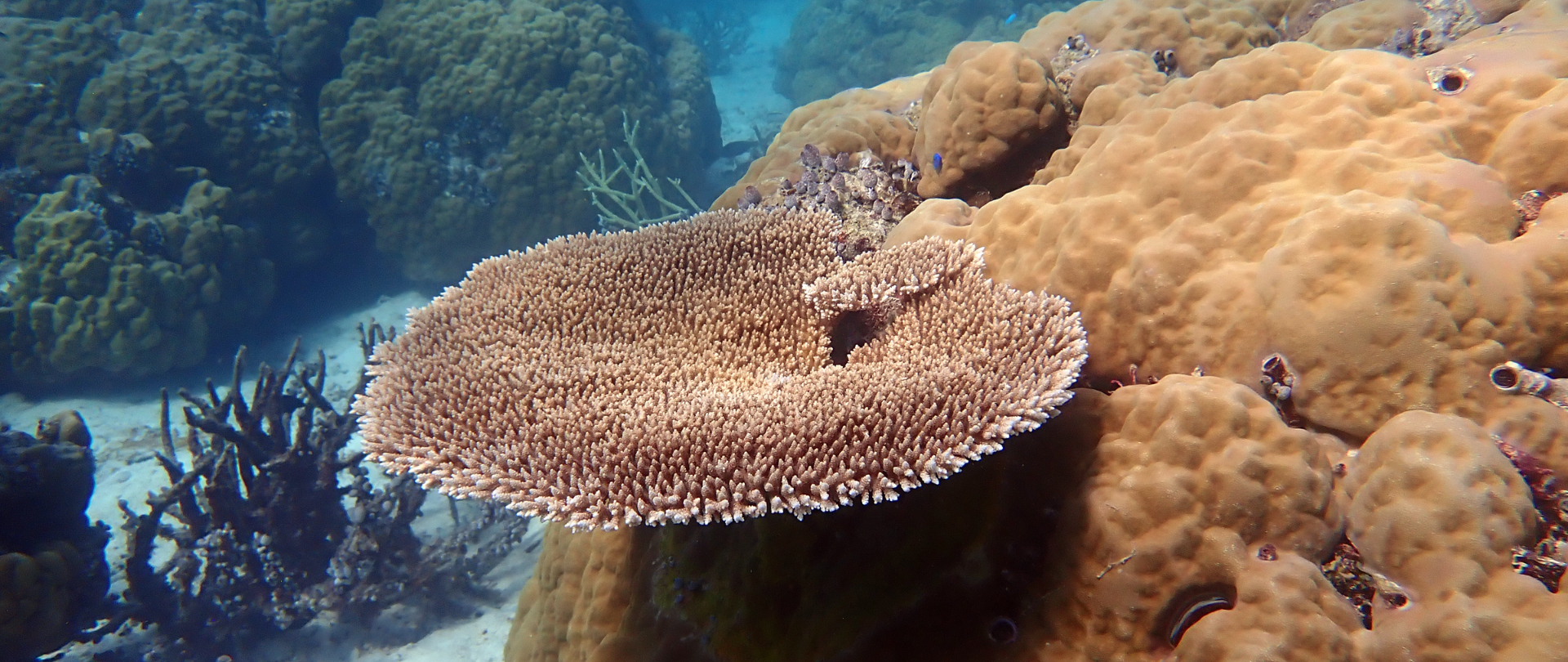
June 8, 2026
A world-first controlled experiment shows connection between seabird activity and marine health on Ulong Island!
May 20, 2026
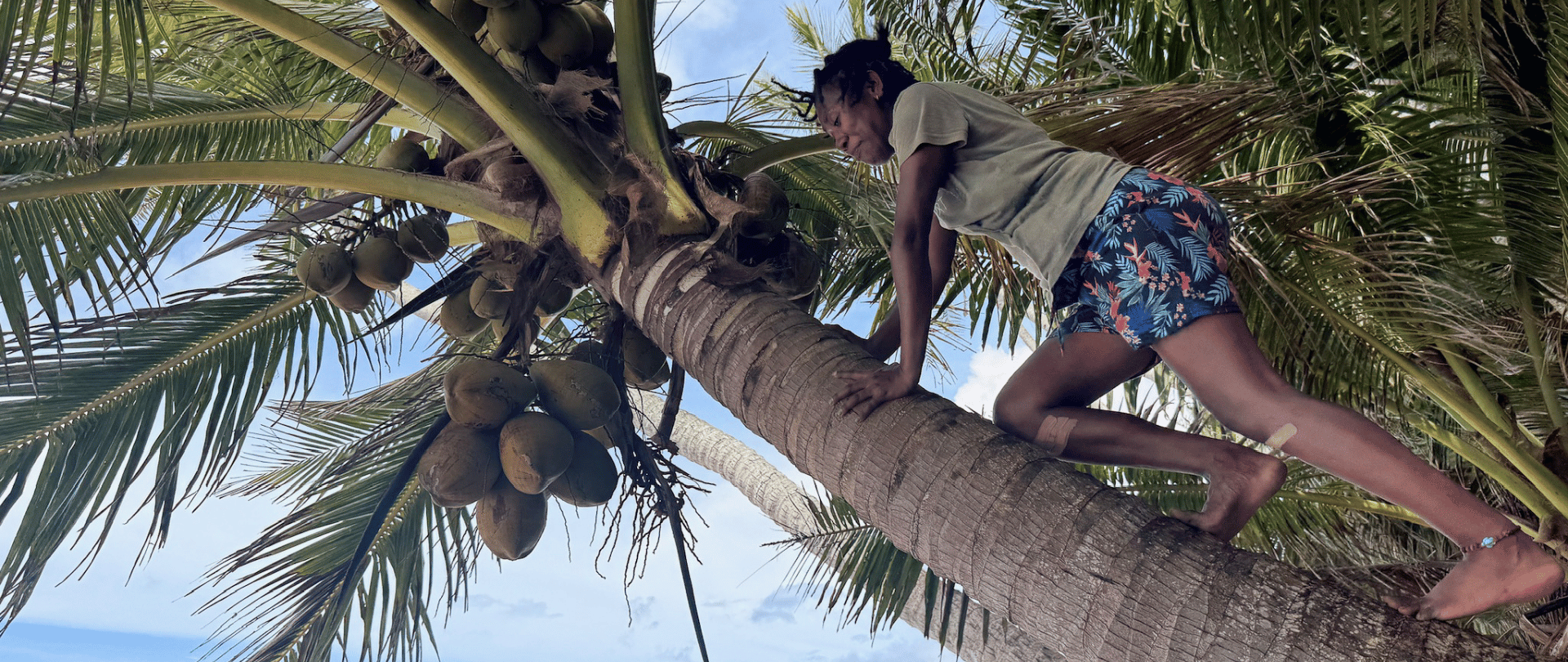
Seasonal Monitoring Specialist Cozette Romero writes about her time working and living on Niulakita in Tuvalu, helping protect the food security and livelihood of an island community!
May 13, 2026
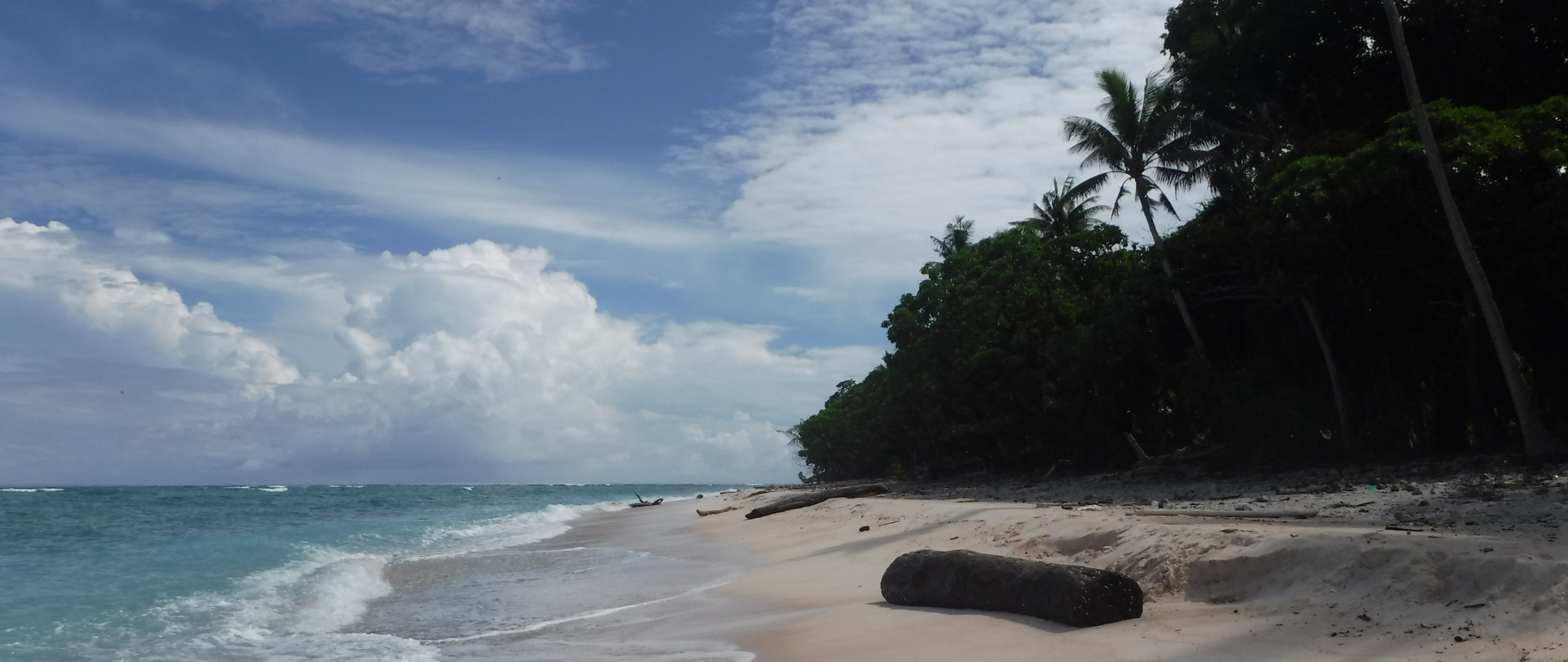
A new project in Sonsorol State, Palau aims to improve livelihoods and climate resilience through holistic environmental restoration!