August 18, 2026
Evelyn of Sonsorol: Culture, Environment, and Identity
Meet Evelyn, one of the people who holds the wisdom of Sonsorol State, Palau in her lived experiences and stories.
 Island Conservation
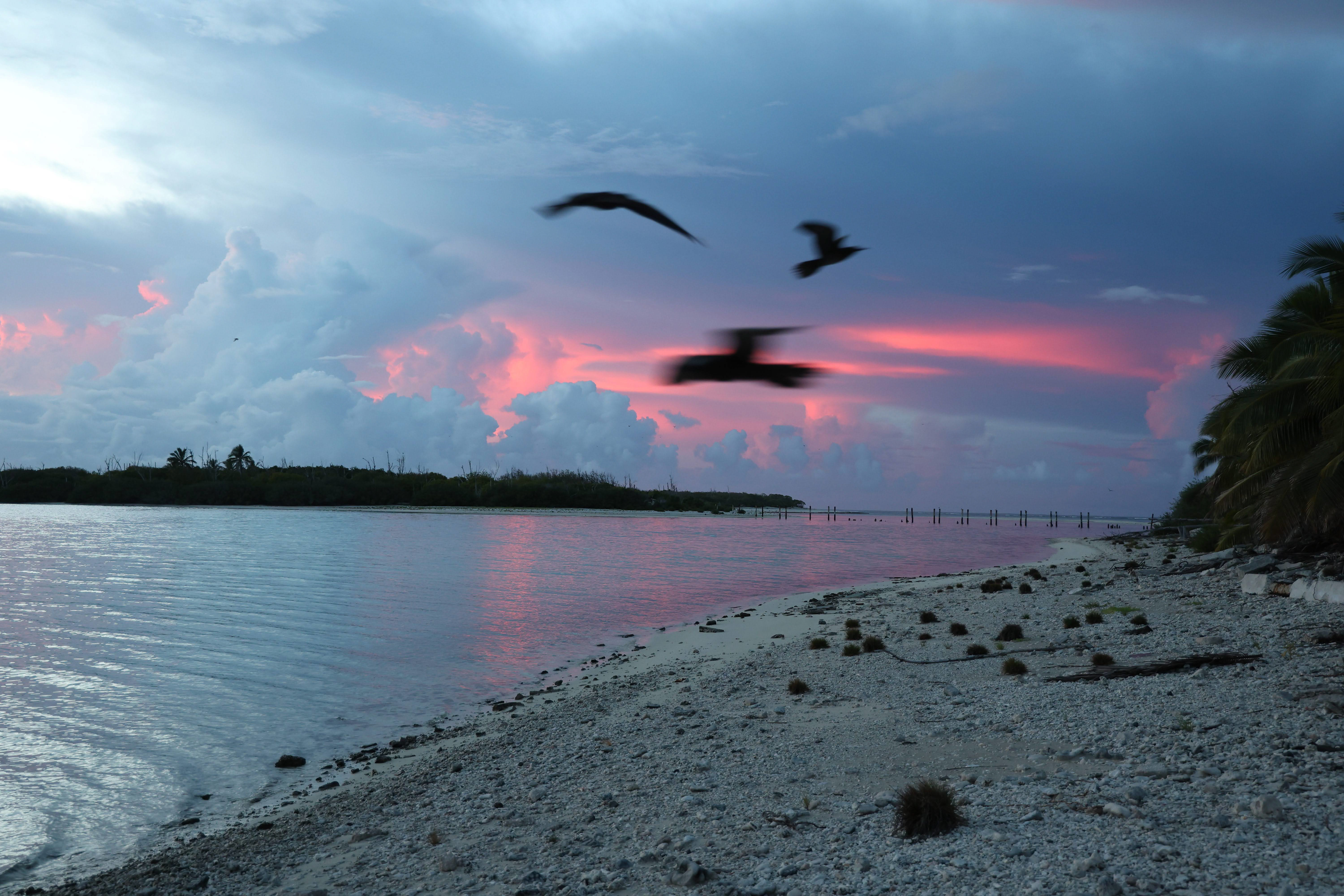
Wake Atoll, USA, Pacific Ocean—Wake Atoll, an unincorporated territory of the United States situated approximately 2,138 nautical miles west of Honolulu, Hawaii is experiencing a cascade of positive ecological, infrastructural, and human health and safety-related changes thanks to the successful eradication of introduced, damaging invasive rats—an outcome many once considered nearly impossible due to the island’s remoteness, harsh weather, sensitive infrastructure, and operational complexity. This multi-agency collaboration by Island Conservation, The United States Department of Agriculture (USDA), and the United States Air Force Civil Engineering Squadron has produced outcomes benefiting both nature and people, demonstrating how strong partnerships can deliver measurable, landscape‑scale conservation outcomes while reinforcing mission readiness and national security.
“We’re astonished—and thrilled—at the results of this work,” said Tommy Hall, Project Manager at Island Conservation. Hall, and this project, recently earned recognition from the U.S. Undersecretary of Agriculture for its astounding success, highlighting its importance as a model for collaborative conservation. “Wake Atoll’s recovery demonstrates what’s possible when organizations unite for a shared vision. These benefits will strengthen the island’s ecosystem, but they’ll also help Wake’s inhabitants thrive, now that we’ve removed the threat to important infrastructure, making food and water safe from contamination.”
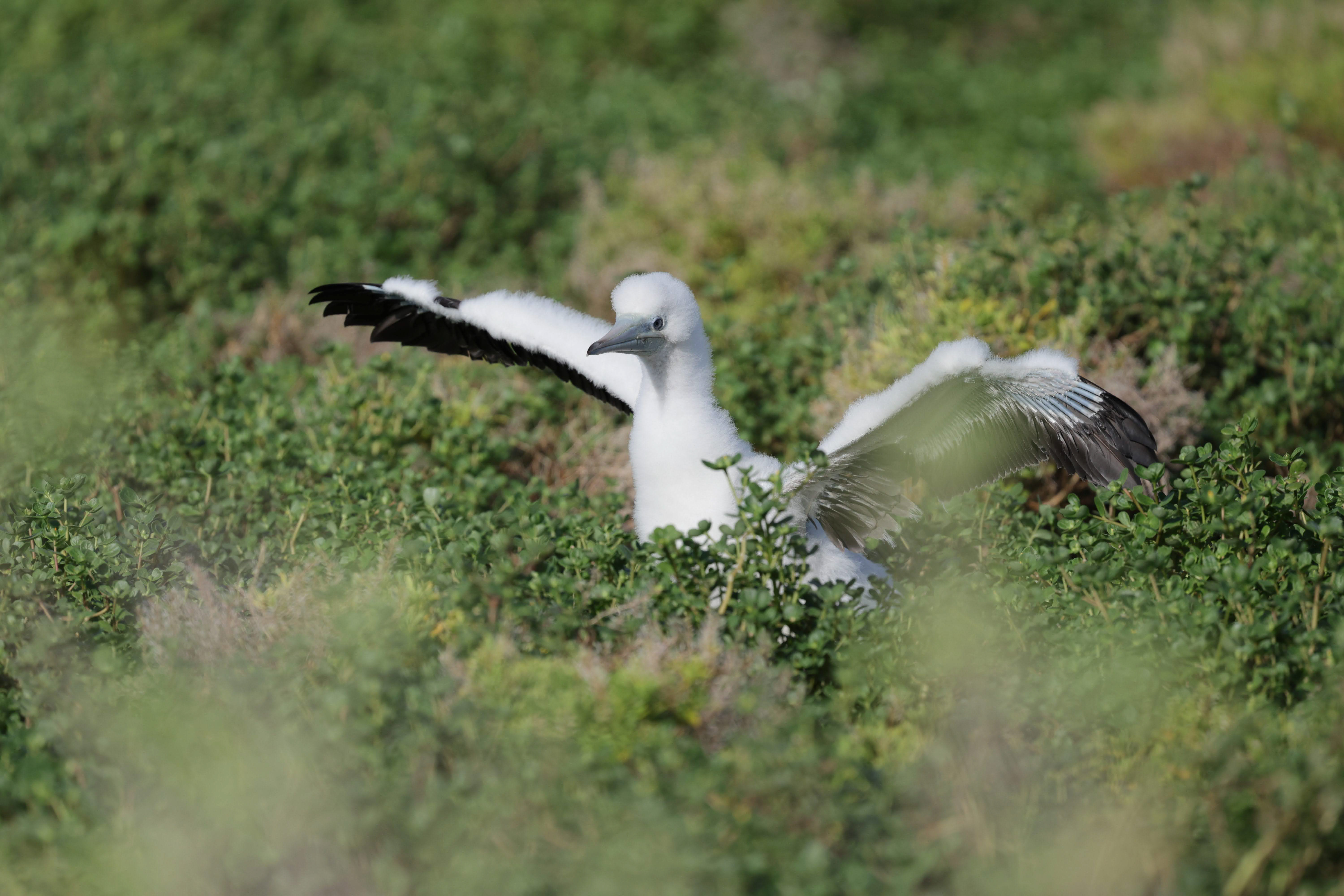
Sixteen species of nesting native birds are reappearing and increasing in number without invasive rodents devouring their eggs and young. A newly discovered Bonin Petrel (or Nunulu in Hawaiian) colony marks the first documented nesting of this species on Wake Atoll, while the atoll’s globally significant population of Sooty Terns enjoyed a record-breaking breeding season. Other native seabirds—including Laysan Albatross, Wedge-tailed and Christmas Shearwater, Black-footed Albatross, Red-footed Booby, and Red-tailed Tropicbird—are also showing early signs of increased nesting activity and improved reproductive success. Together, these responses underscore the rapid and far-reaching ecosystem improvements that can follow sustained conservation action.
Beyond seabirds, populations of geckos, skinks, spiders, moths, and hermit crabs have surged—all indicators of a healthy, recovering ecosystem. And the island’s vegetation is rebounding dramatically, with thousands of new native Pisonia tree seedlings emerging where none were previously seen.
“The rats consumed virtually all of the Pisonia seed—I had never seen a seedling before the rat eradication. Now there are hundreds, if not thousands, of Pisonia seedlings,” said John Gilardi, an ornithologist working with Island Conservation.
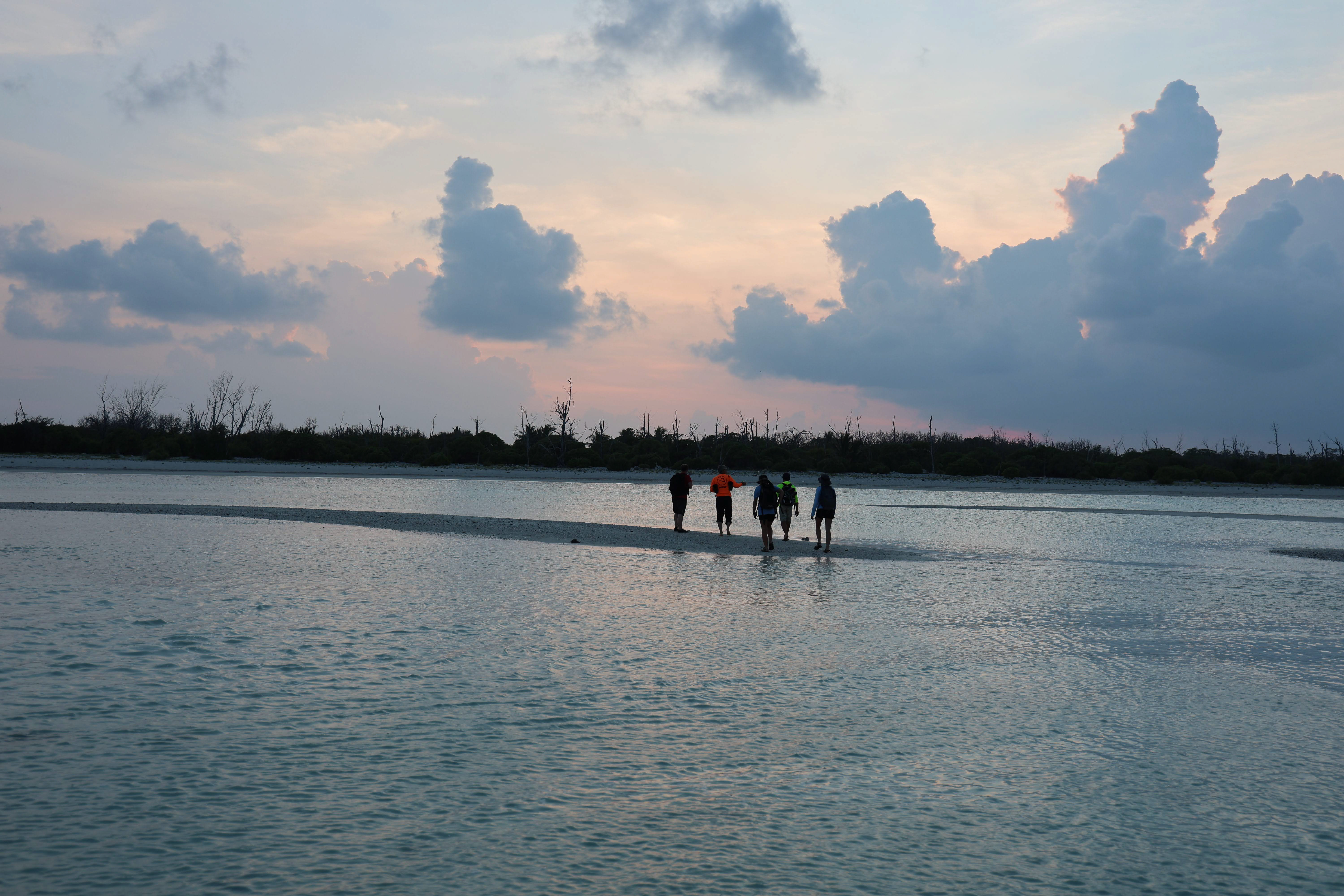
Personnel stationed on Wake Atoll are also benefiting from the island’s renewal. With the island free of invasive rats, the risk of disease transmission is significantly reduced, and critical infrastructure—including food-prep facilities, equipment storage, and living quarters—is now cleaner, safer, and more secure. Temporary personnel residing on the island report increased morale, reduced stress, and pride in their island home. Inspired by the island’s recovery, many have organized beach cleanups and other conservation activities.
The lessons learned at Wake—ranging from innovative operational logistics to refined application of restoration technologies—are expected to shape global best practices for complex, multi‑stakeholder island eradications. The project is already being referenced as a model for large‑scale ecological restoration in remote environments.
There’s more than one way to make an impact. Join our collective of dedicated supporters by donating today or signing up for our newsletter to stay informed.
Photos: https://drive.google.com/drive/folders/1pTpnBeh7s162YuT8zYNSWp3Yn2FgqGtk
Interviews available upon request.
Sally Esposito, Senior Communications Director, Island Conservation sally.esposito@islandconservation.org
Wake Atoll, which includes the three coral islands of Wake, Peale, and Wilkes, is part of the Pacific Remote Islands Marine National Monument and Wake Atoll National Wildlife Refuge. These waters are home to species depleted throughout much of the world, including Napoleon Wrasse and Bumphead Parrotfish. With no significant fishing since WWII, Wake’s reefs remain exceptionally healthy, supporting over 100 coral species, abundant Green Sea Turtles, and diverse marine megafauna. Historically significant for its role in World War II and designated as a National Historic Landmark in 1985, Wake Atoll is also an Important Bird Area due to its globally significant Sooty Tern population.
The Wake Island Rat Eradication Project was executed in collaboration between Island Conservation, USDA, USFWS, and USAF, with support from Colorado State University’s Center for Environmental Management of Military Lands. Funding for the work was provided by the USDA and the US Air Force.
Island Conservation’s mission is to restore islands for nature and people worldwide. We are a United States-based 501(c)(3) charitable organization with a globally distributed team—often made up of local islanders who bring deep knowledge and connection to the places where we work. Together, we collaborate with local communities, government management agencies, and conservation organizations to holistically restore islands by bringing back biodiversity, the foundation of all healthy ecosystems. We do this by removing a primary threat (introduced, damaging invasive species) and accelerating the return of native plants and animals. We utilize innovative technology and techniques to work more efficiently and showcase the many benefits of holistically restored islands for biodiversity, climate resilience, ocean health, and sustainable development across the globe.
The USDA provides leadership on food, agriculture, natural resources, rural development, nutrition, and related issues based on public policy, the best available science, and effective management in the United States.
The mission of the U.S. Fish and Wildlife Service is working with others to conserve, protect, and enhance fish, wildlife, plants, and their habitats for the continuing benefit of the American people. For more information on our work and the people who make it happen, visit https://www.fws.gov/program/southeast-region.
Check out other journal entries we think you might be interested in.
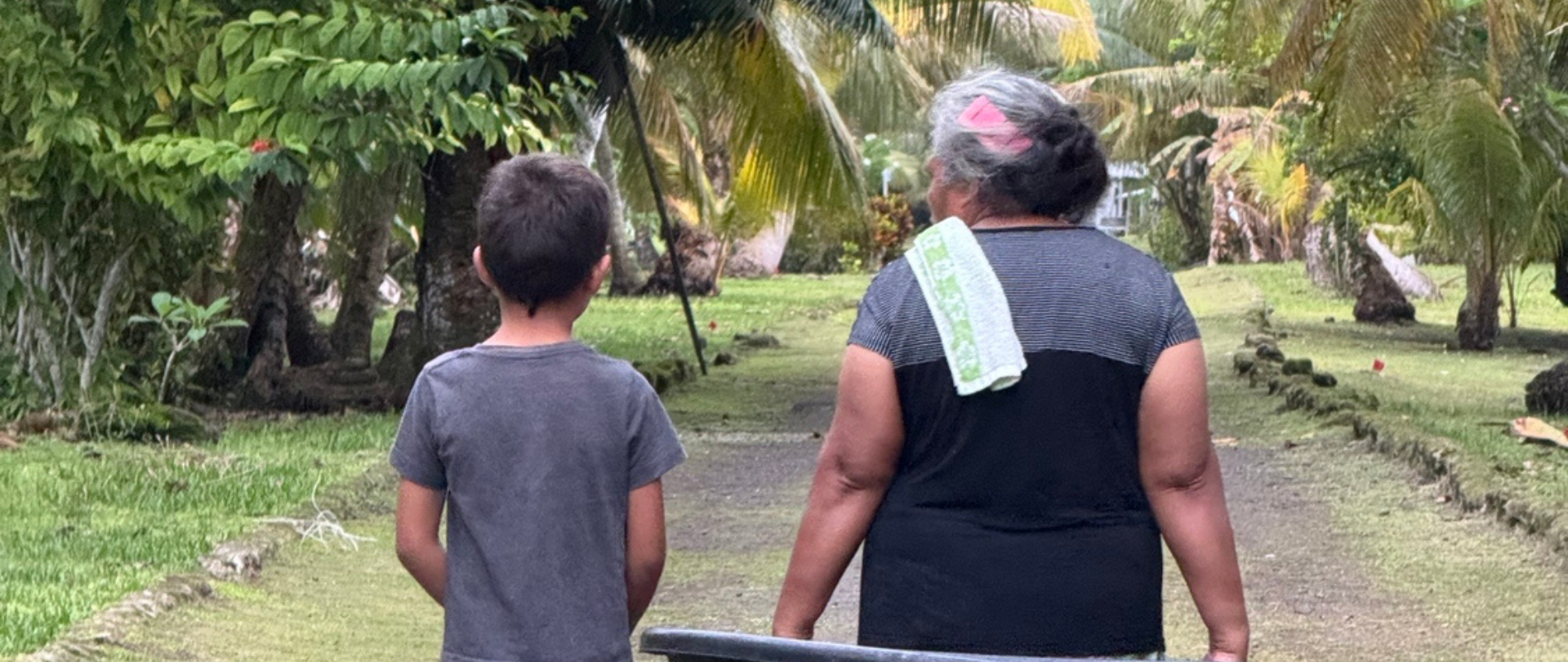
August 18, 2026
Meet Evelyn, one of the people who holds the wisdom of Sonsorol State, Palau in her lived experiences and stories.
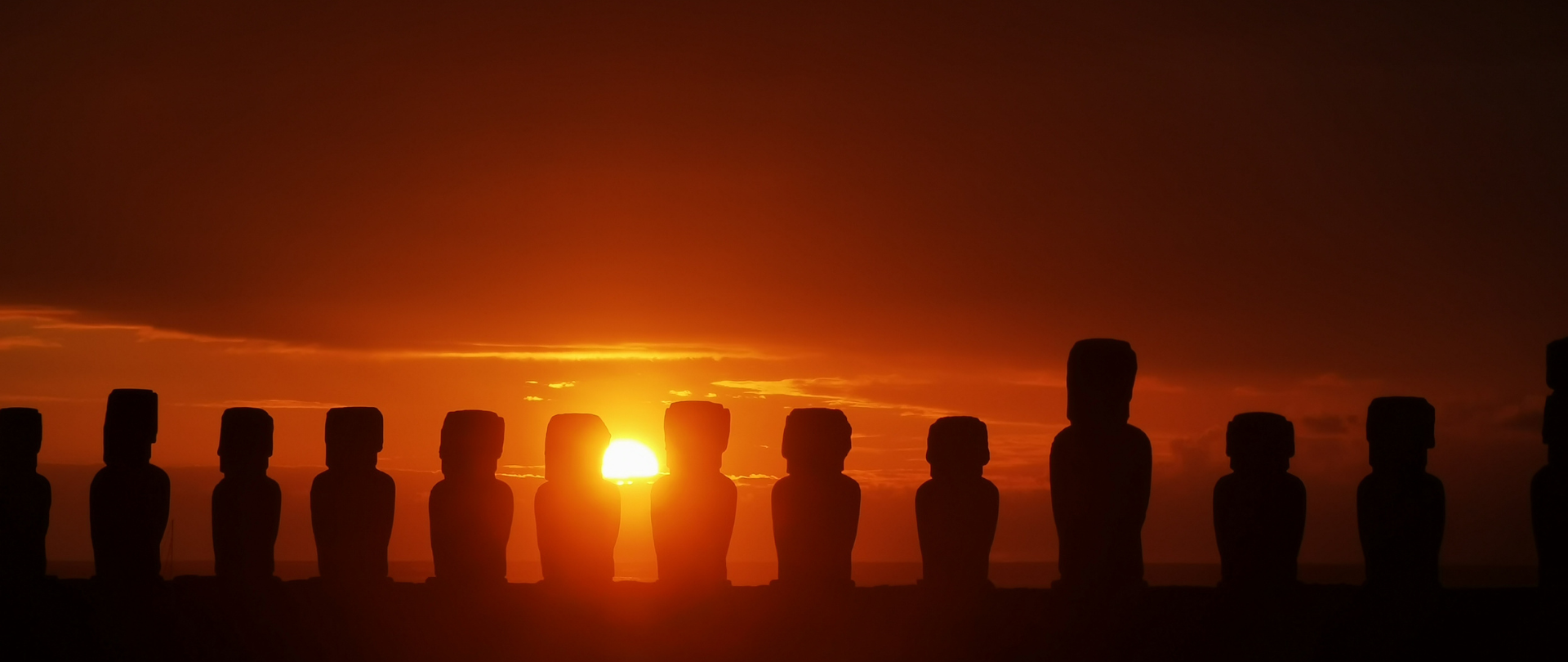
August 4, 2026
Indigenous-led conservation takes a leap forward with Rapa Nui (Easter Island)'s new partnership with Island Conservation!

July 28, 2026
Happy World Nature Conservation Day! Read Penny Becker's article published by the Outreach Network for Gene Drive Research.
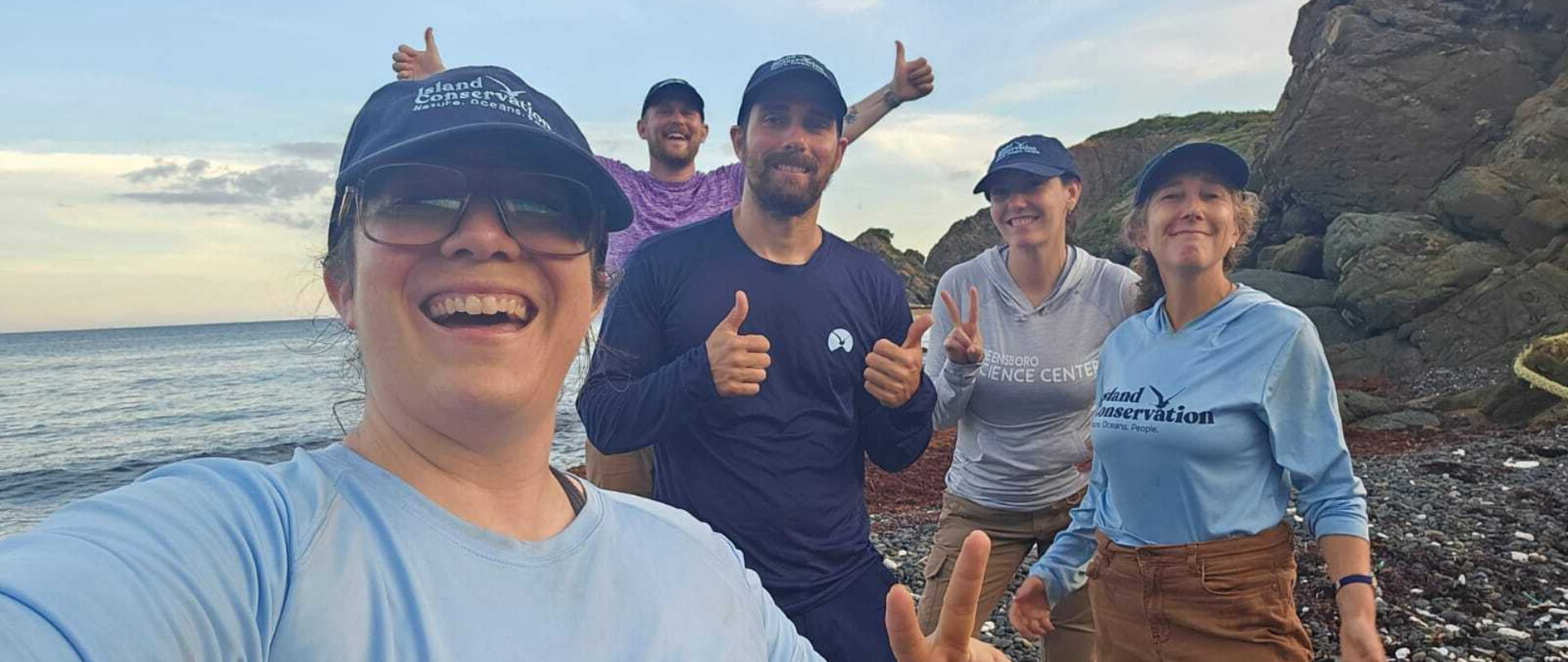
July 9, 2026
Senior Major Gifts Officer Jen Sachs shares her experience on one of Island Conservation's exciting restoration projects in the US Virgin Islands!
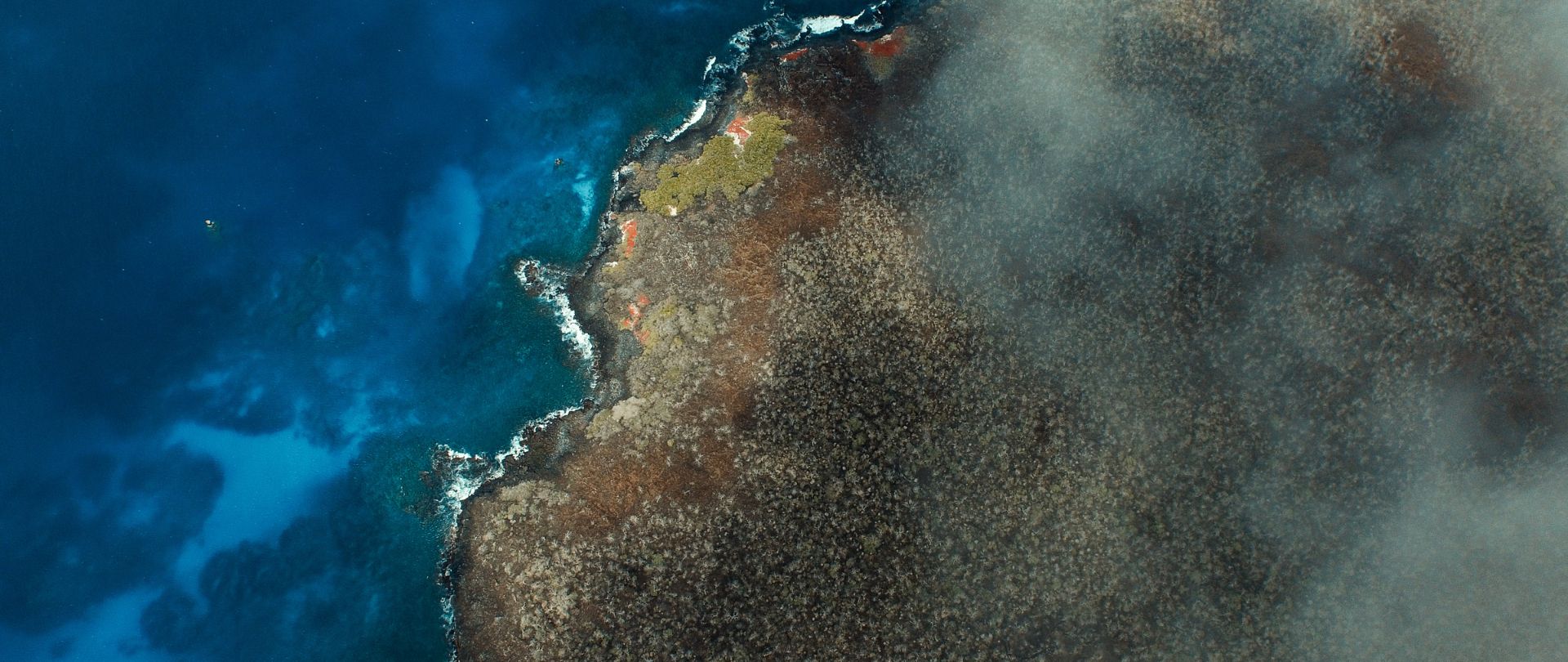
July 2, 2026
Invasive species have caused over $12 billion in damages to island ecosystems, creating an urgent need for strengthened biosecurity measures!
June 23, 2026
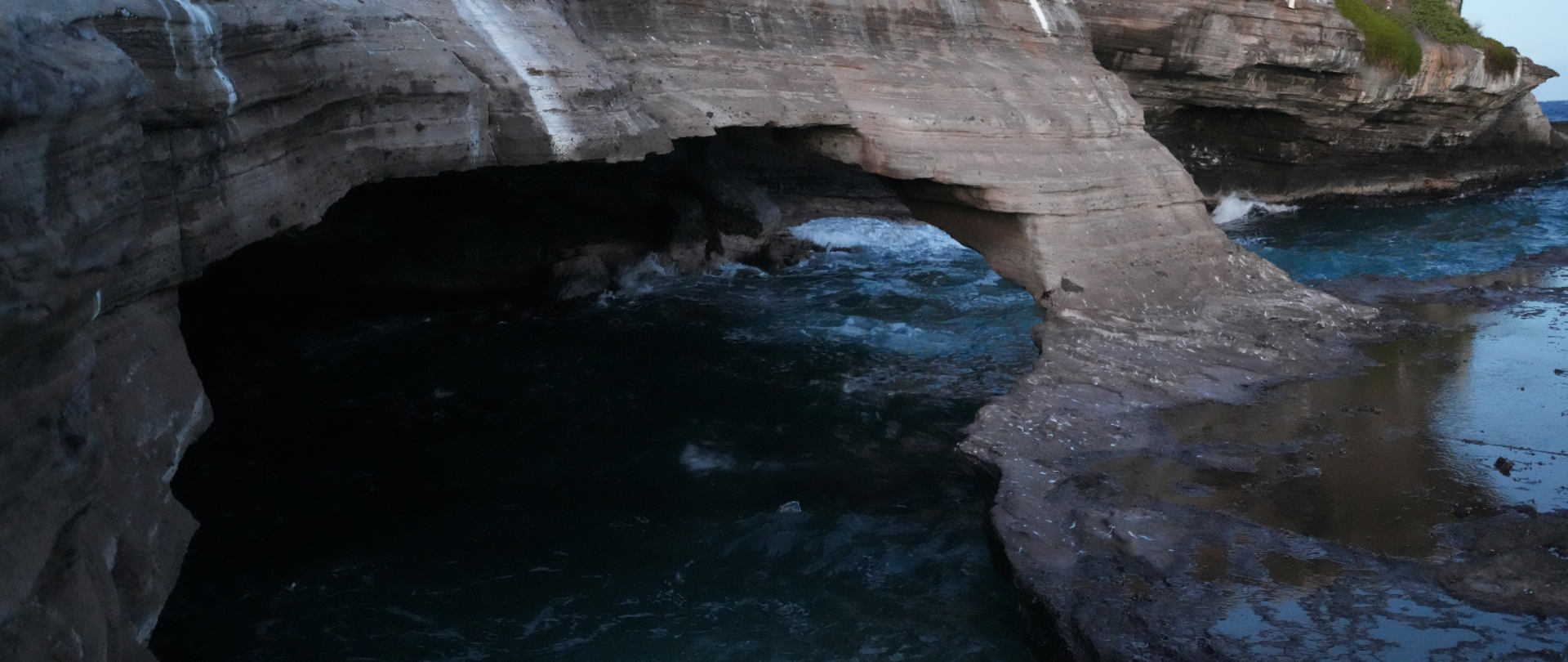
The Island-Ocean Connection Challenge announced four new restoration projects—Lehua, Tavolara, Grand Rouveau, and Zembra—at London Climate Week, expanding its global effort to restore 40 island-ocean ecosystems by 2030!
June 18, 2026
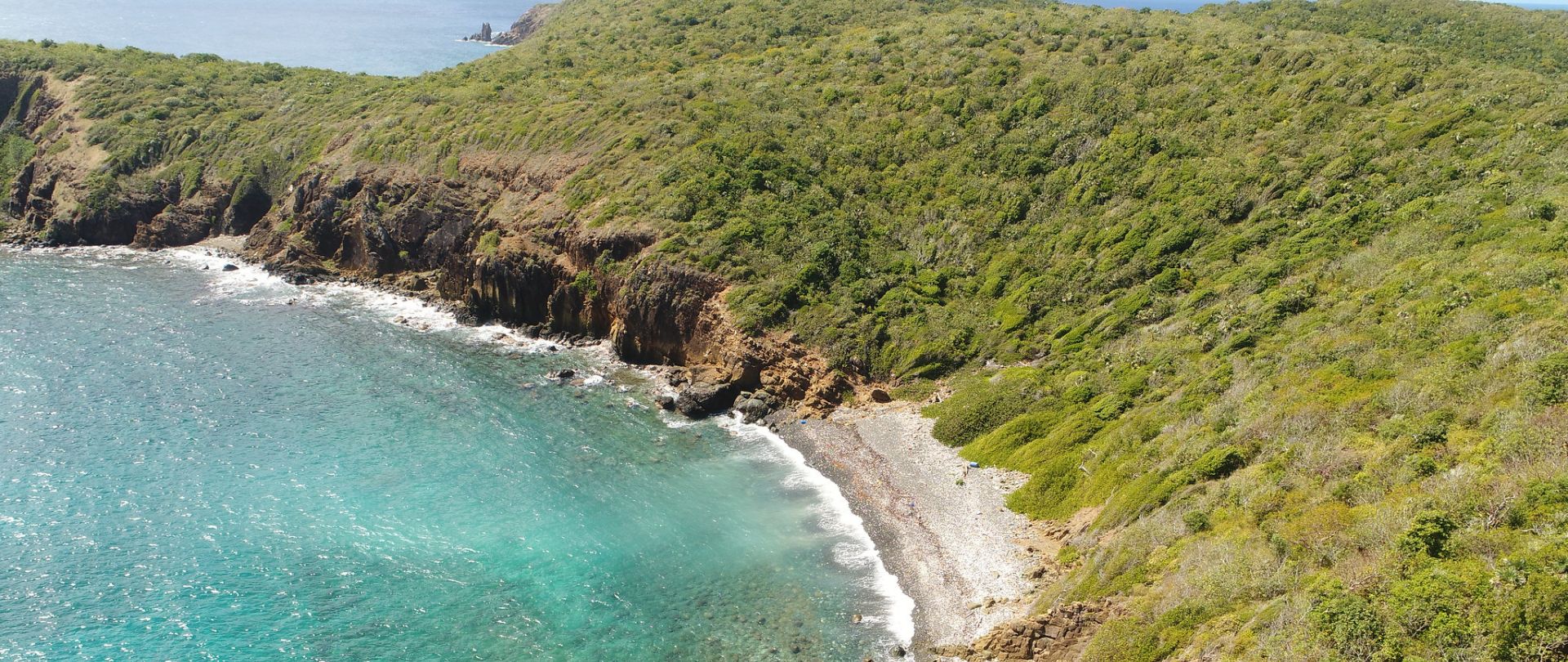
A new project to expand the range of an endangered Tree Boa is one step closer to completion!
June 8, 2026
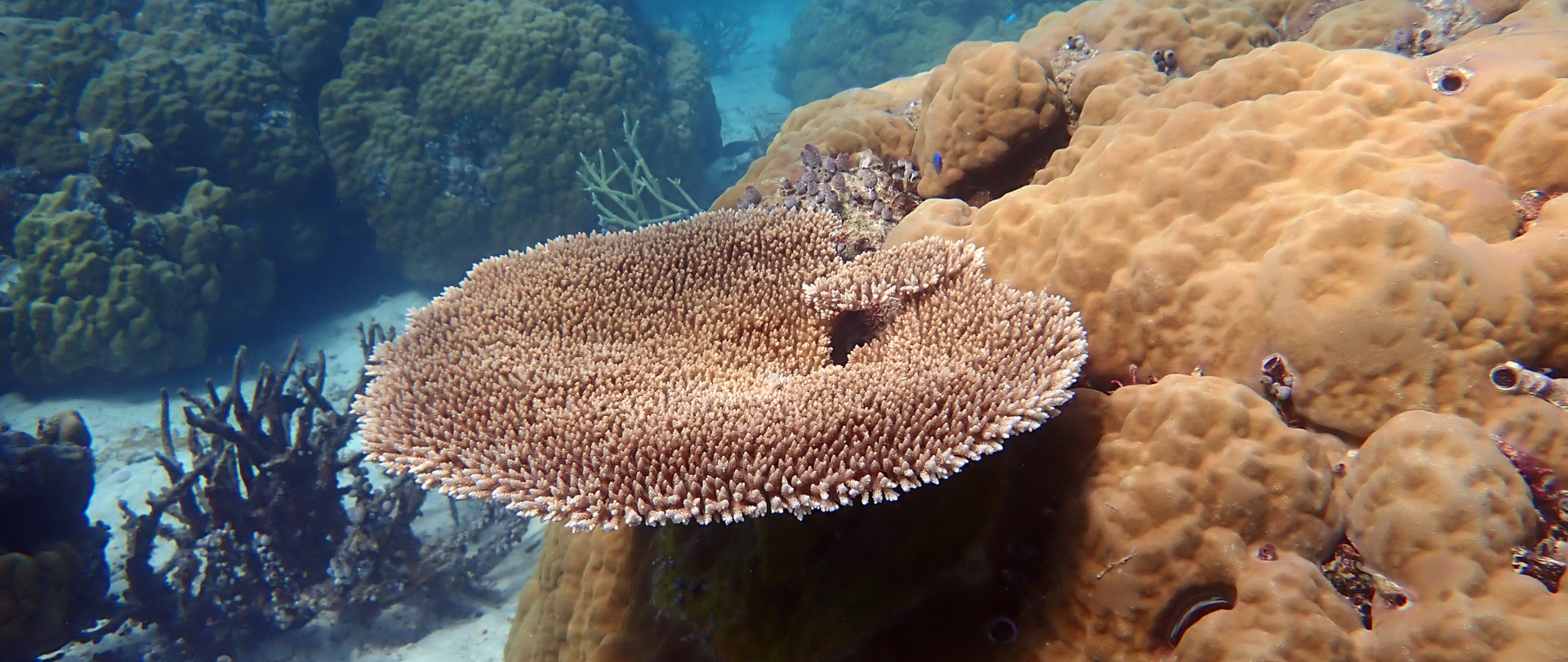
A world-first controlled experiment shows connection between seabird activity and marine health on Ulong Island!
May 20, 2026
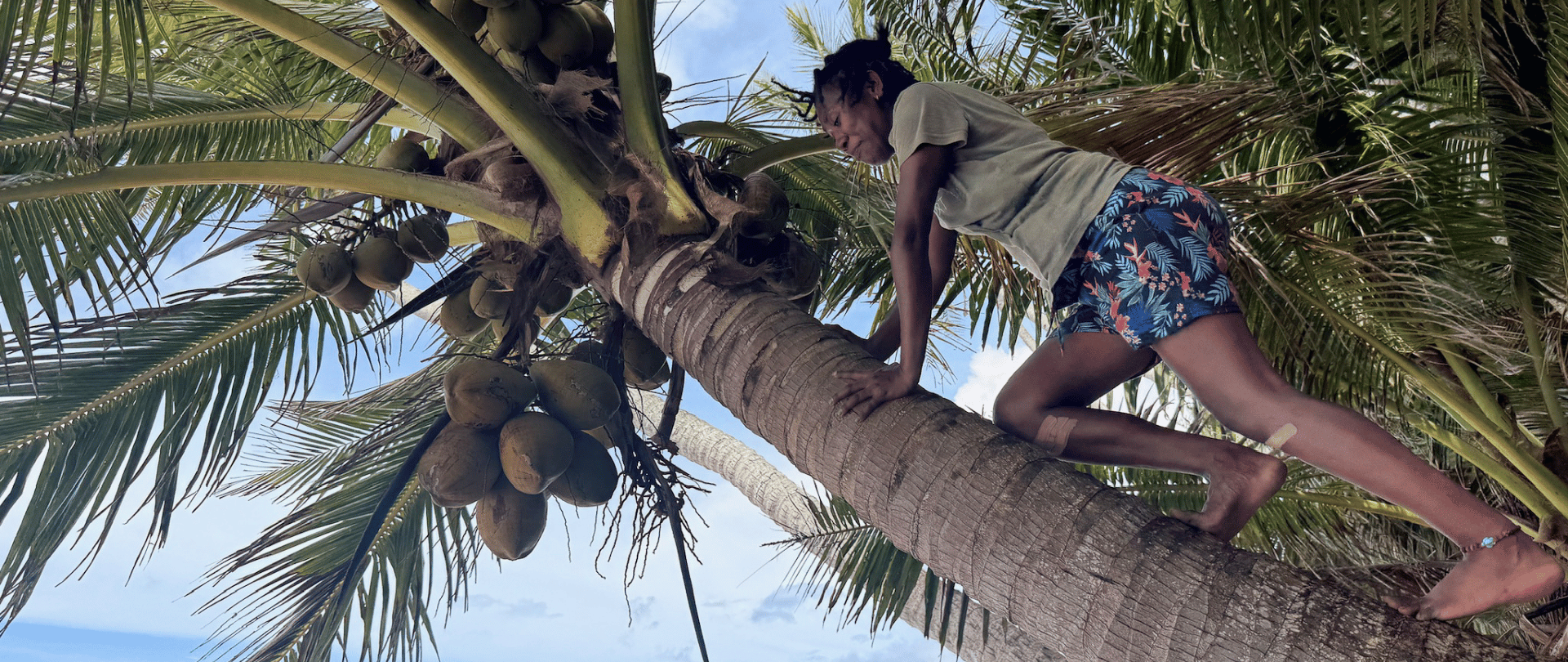
Seasonal Monitoring Specialist Cozette Romero writes about her time working and living on Niulakita in Tuvalu, helping protect the food security and livelihood of an island community!
May 13, 2026
A new project in Sonsorol State, Palau aims to improve livelihoods and climate resilience through holistic environmental restoration!