2024 – 2025 Impact Report

Hope is growing.

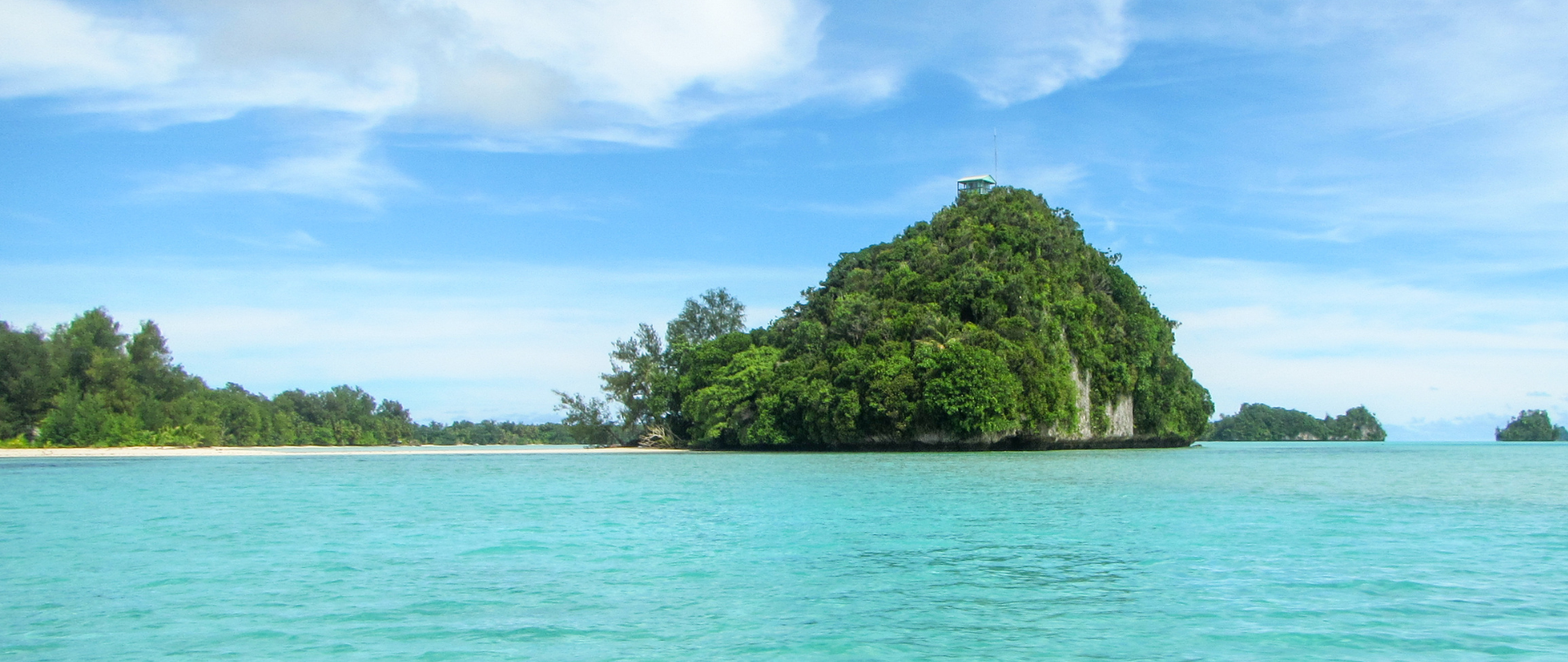
Hope is flourishing across our world’s ocean and the islands that rise from it. From the return of lost species to the revival of forests and reefs, the seeds of our efforts are taking root as communities, ecosystems, and species thrive once more.

Explore our 2025 Impact Report and the highlights of a year where restoration turned possibility into progress.

Dear Island Conservation Friends,

As we wrap up 2025, we are filled with gratitude for the incredible results we are seeing on islands around the world. With community-led conservation, holistic restoration, and partnerships as driving values, Island Conservation enabled dramatic recoveries. It is with great pride—and deep appreciation—that we share our 2025 Impact Report.

Thanks to the dedication of our team, partners and supporters, Island Conservation continues to be a world leader in environmental restoration.

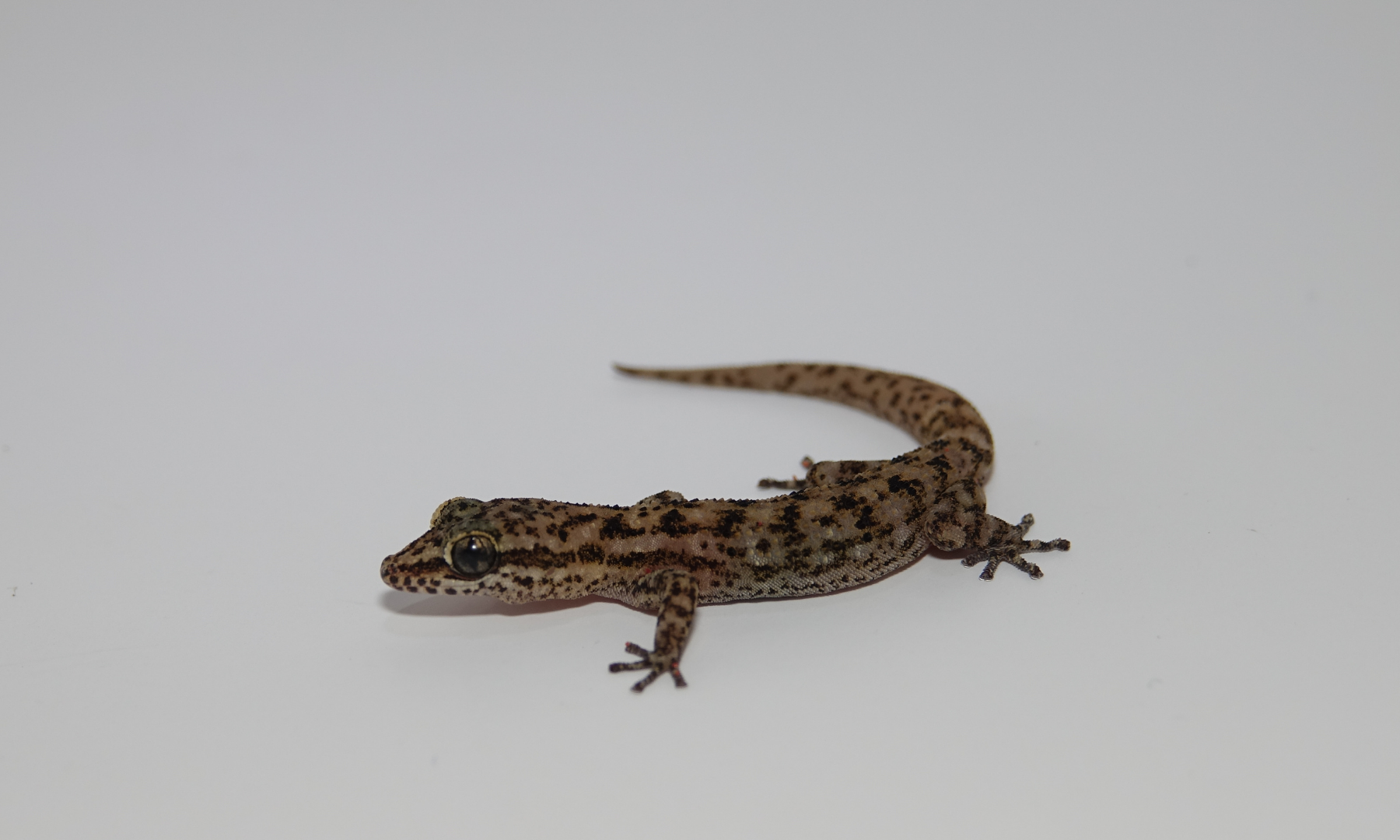
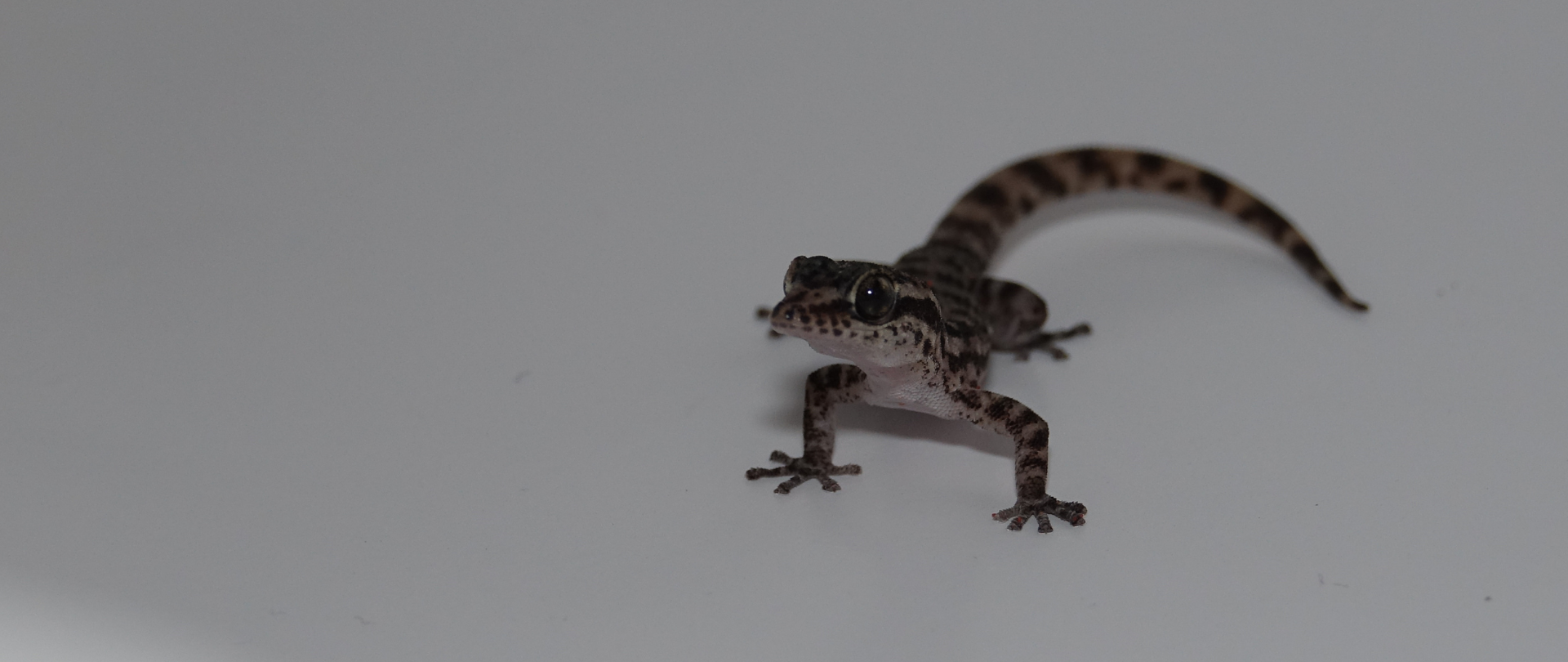
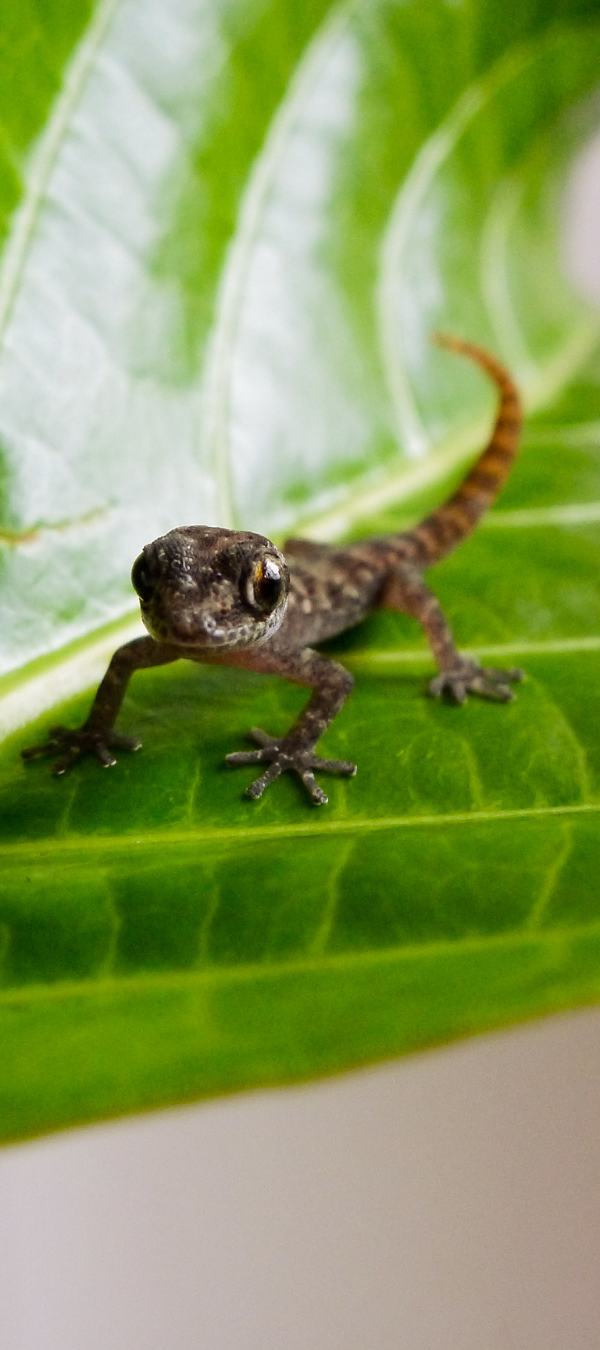
This year brought extraordinary breakthroughs. The Mares Leaf-toed Gecko, presumed extinct for 5000 years on Rábida Island in the Galápagos, was rediscovered thanks to our work there—proof that hope is never lost! In the Island Nation of Tuvalu, restoration work safeguarding biodiversity and building ecological resilience in one of the world’s most climate-threatened nations. And in the Republic of the Marshall Islands, thousands of birds are once again nesting and native seedlings are now anchoring coastlines and restoring life to fragile habitats. All of these victories benefit islands, oceans, and people around the world.
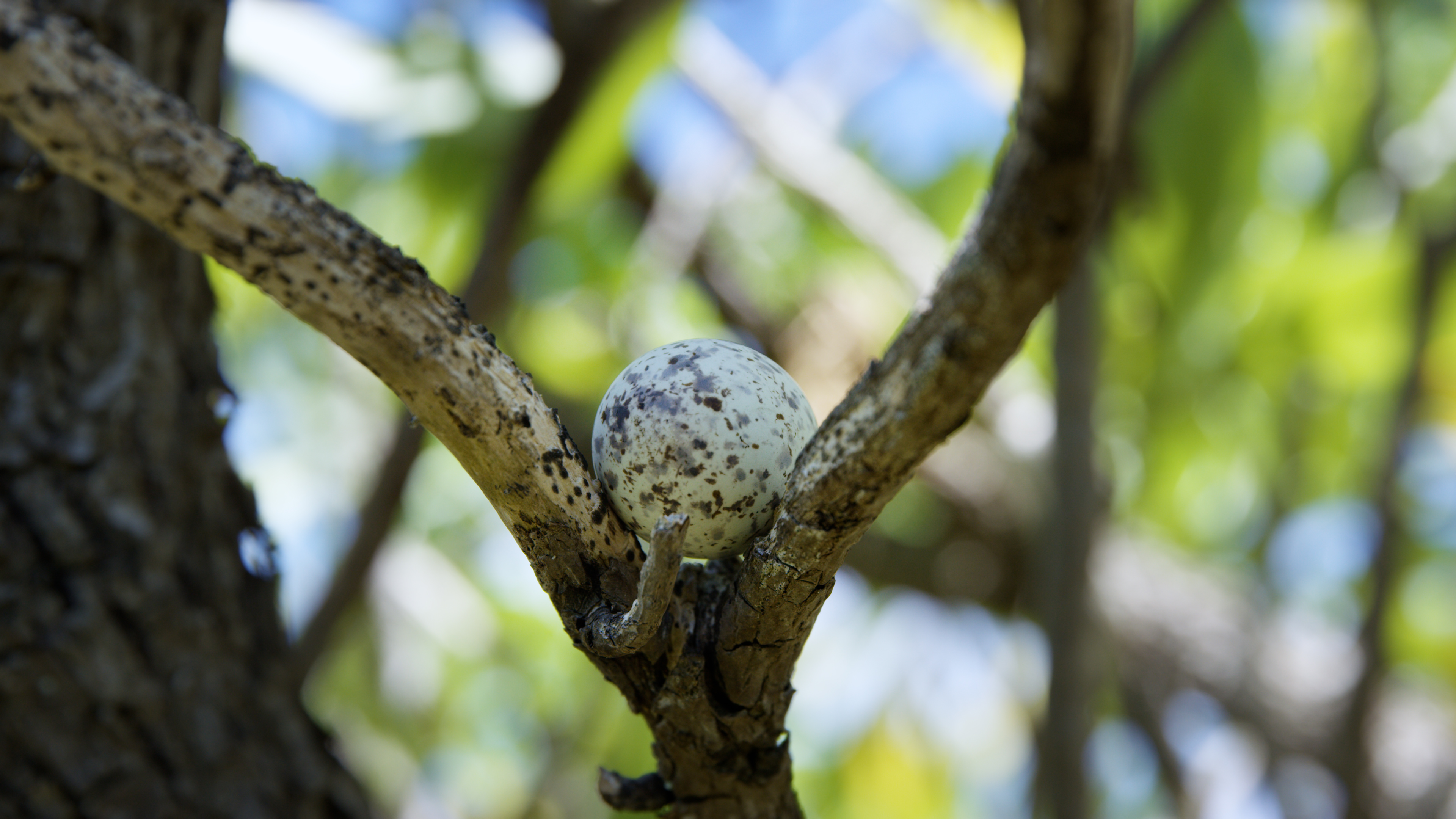


A new White Tern egg on Bikar Atoll in the Republic of the Marshall Islands.

Photo By Shaun Wolfe.

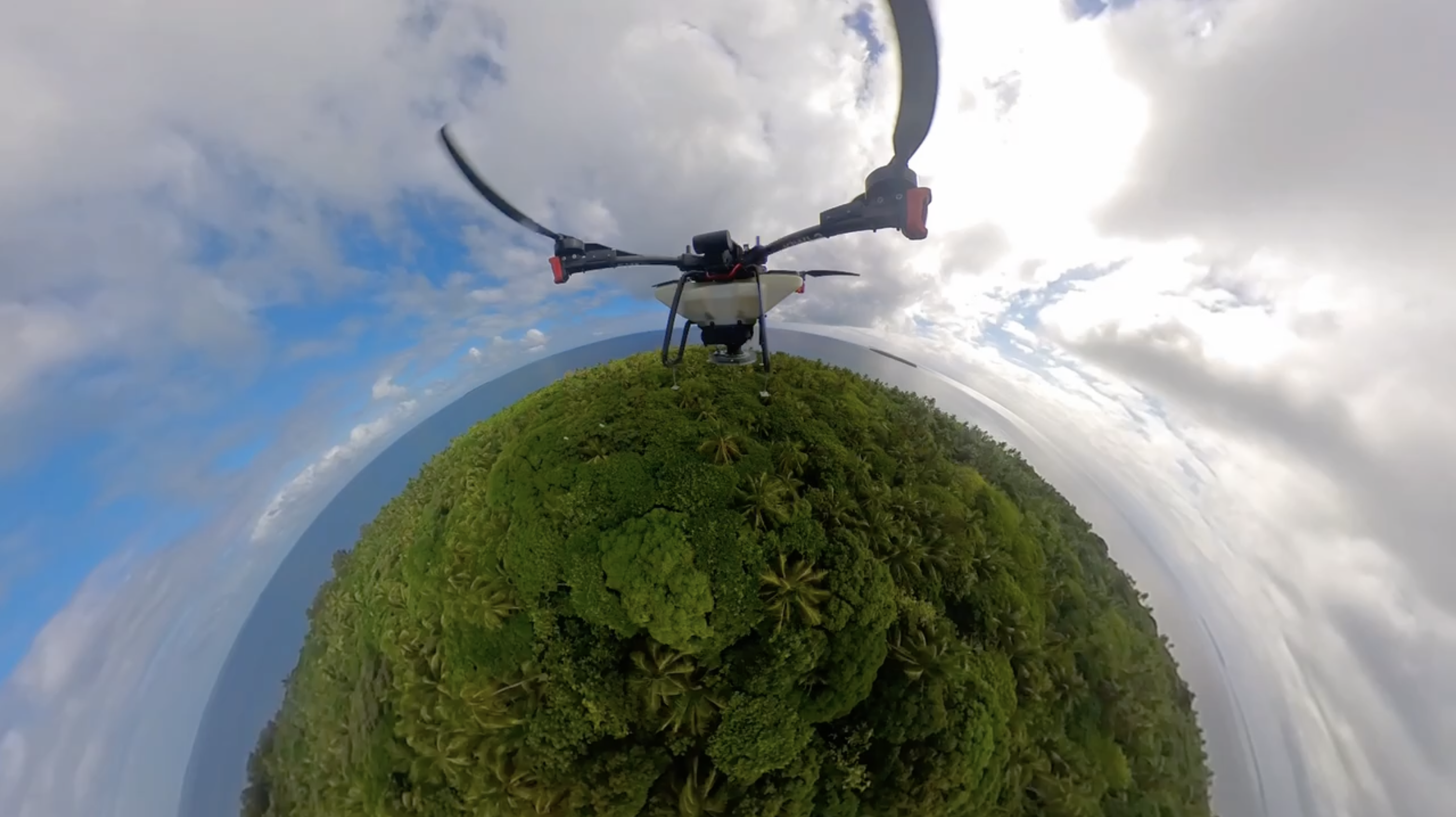
With innovative technologies, we are increasing the efficiency and effectiveness of our work. We started using drones and hyperspectral imaging to map remote terrains to document ecosystem health in vivid detail. And a new environmental DNA (eDNA) tool is enabling us to detect the species present on the island, sometimes within just an hour using a few liters of water or samples of soil. This exciting new tool can identify the presence of invasive species, or it can document the native biodiversity present over time as islands recover after our conservation interventions. And sophisticated AI-enabled cameras paired with drones have dramatically reduced staff time, efforts, and expense.

Island Conservation’s reach and ambition continues to grow—especially as we lead the charge to link healing islands to improving ocean health and coastal resilience. We are forging strategic alliances to elevate islands within global policy agendas, ensuring their unique challenges and contributions are recognized, addressed, and supported. Through the Island-Ocean Connection Challenge (IOCC), a volunteer collective that links land and sea conservation, we and our partners are demonstrating the multiple benefits of island restoration for nature, oceans, people, and climate resilience. And this is just the beginning. The International Union for the Conservation of Nature adopted our petition for a United Nations-sanctioned Decade of Island Resilience. Momentum is only growing.

As we look ahead, your support is more crucial than ever. Every donation helps us move faster, reach farther, and restore more.

Please take a moment to explore the full report and celebrate these milestones with us. Together, we will continue to advance Island Conservation’s mission of restoring islands for nature and people worldwide.
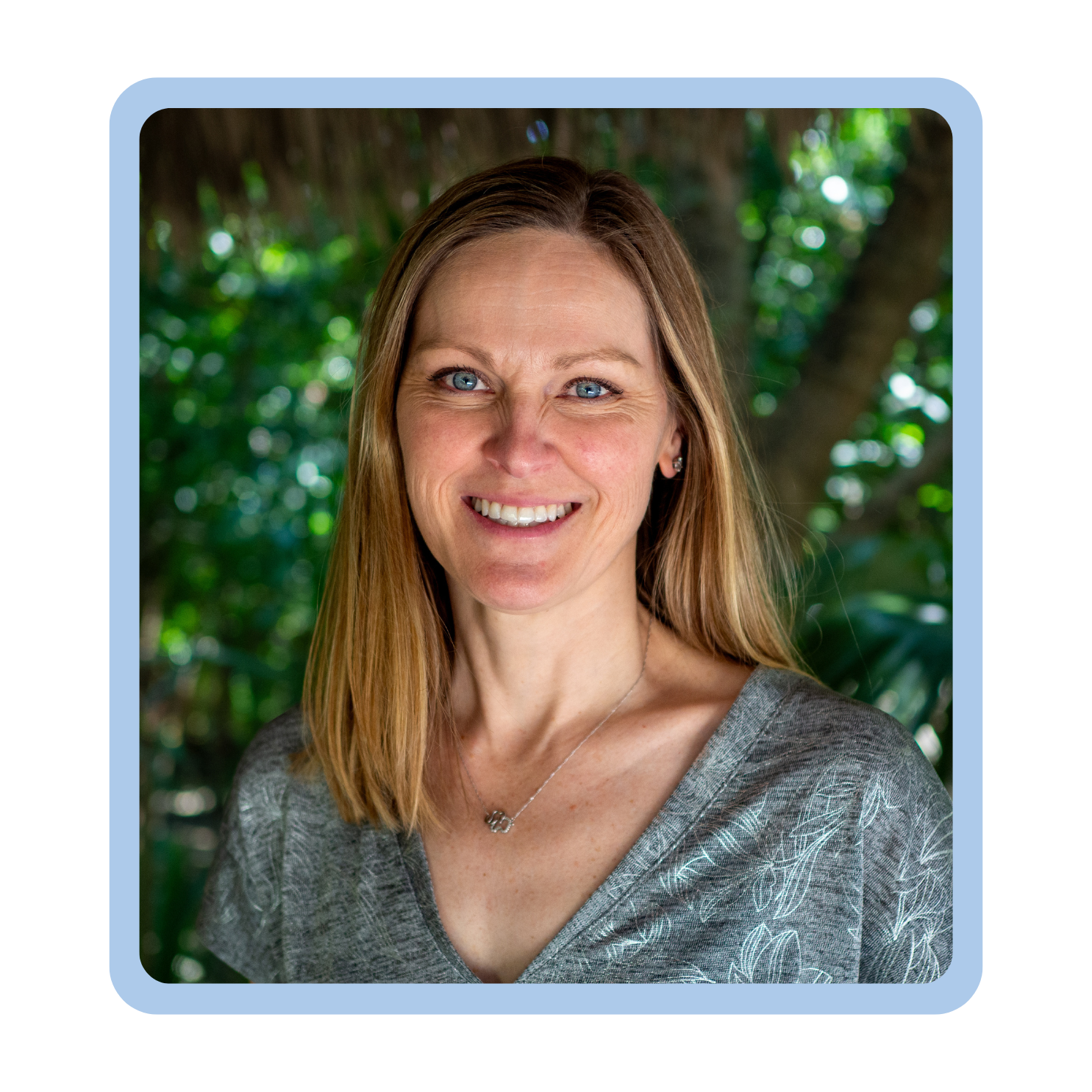
With gratitude,

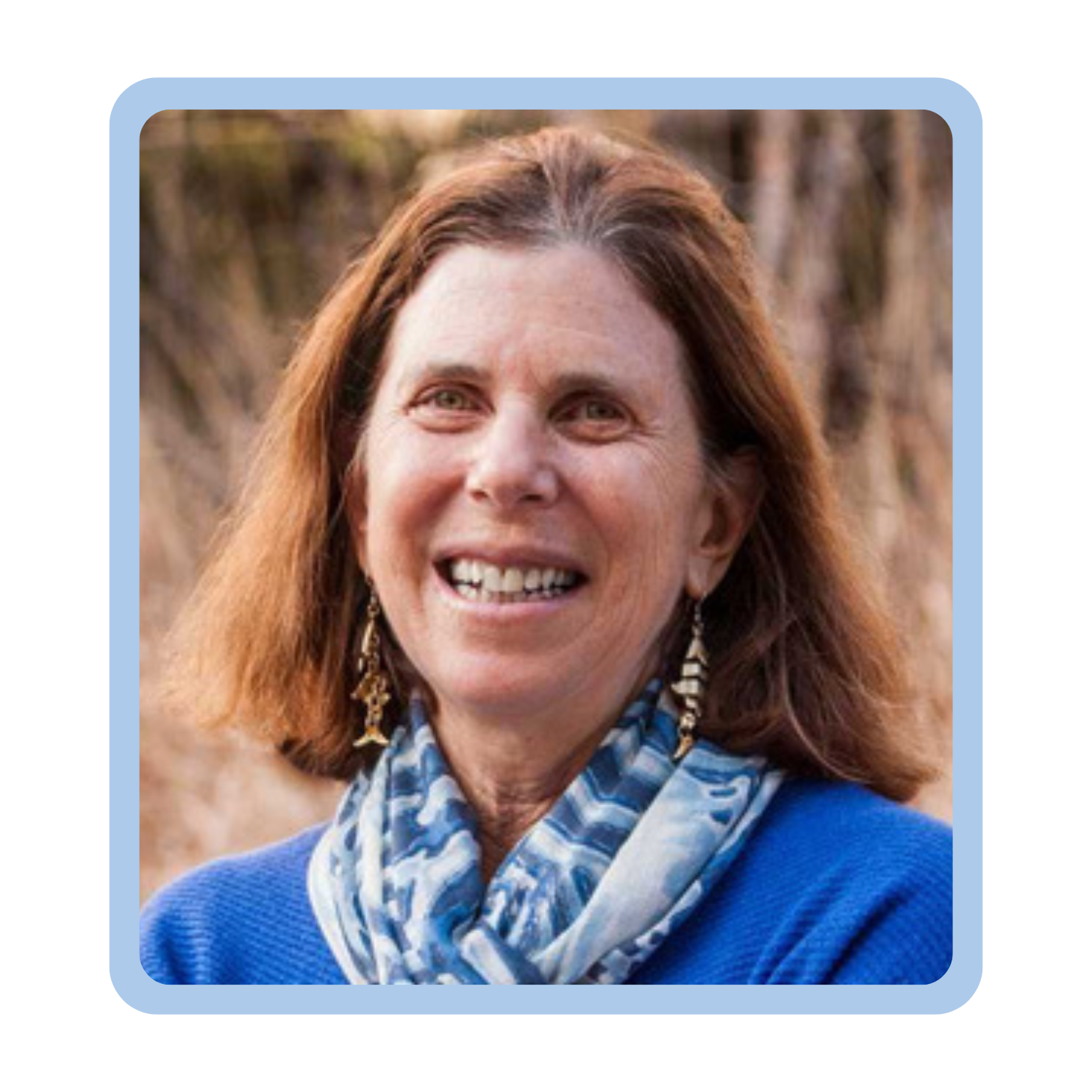
DR. PENNY BECKER

Chief Executive Officer

LYNNE ZEITLIN HALE

Board of Directors Chair

WHY ISLANDS?

50%

of marine life

Islands hold an extraordinary share of life on Earth. Home to 900 million people, 20% of global biodiversity, 31% of all plant species, and 50% of all threatened species. 50% of all marine life depends on healthy islands, with these unique ecosystems acting as anchors for ocean health.

At the same time, islands are on the frontlines of the triple planetary crisis — biodiversity loss, failing ocean health, and climate change. Yet, they are also inherently resilient. As quickly as ecosystems can unravel, they can recover and rapidly transform to generate outsized benefits for nature and people. Restored island forests, for example, can lock away tens of millions of metric tons of carbon, strengthening the natural climate resilience that protects island communities and the planet.

By investing in island restoration, we’re addressing the crises of our time and advancing proven, scalable solutions for a thriving future.
1,000 miles hiked?

Over the course of the year, our field staff spent thousands of hours and hiked hundreds of miles. They camped along the coast, on boats, at the summit of a number of islands, and made makeshift campsites in the rain with tarps. They collected thousands of hours of camera trap and acoustic recording data, conducted seabird counts, took hundreds of soil and plant samples to show increase in nutrients after seabird colonies are restored, and observed wildlife across wide ranges of habitats on land and by boat. We even had one staff member claim they hiked 1,000 miles scouting for Tongan Petrels (and said there was no need to fact check).

Keep swiping to see what all of this hard work added up to. →

60+ miles (100 km) of coastline and
7,400+ acres (3,000 hectares) of island habitat restored across
13 islands

Between June 2024 and August 2025, we began 21 interventions on 13 island groups. Of those, 16 are already showing signs of recovery, and 5 are currently underway.


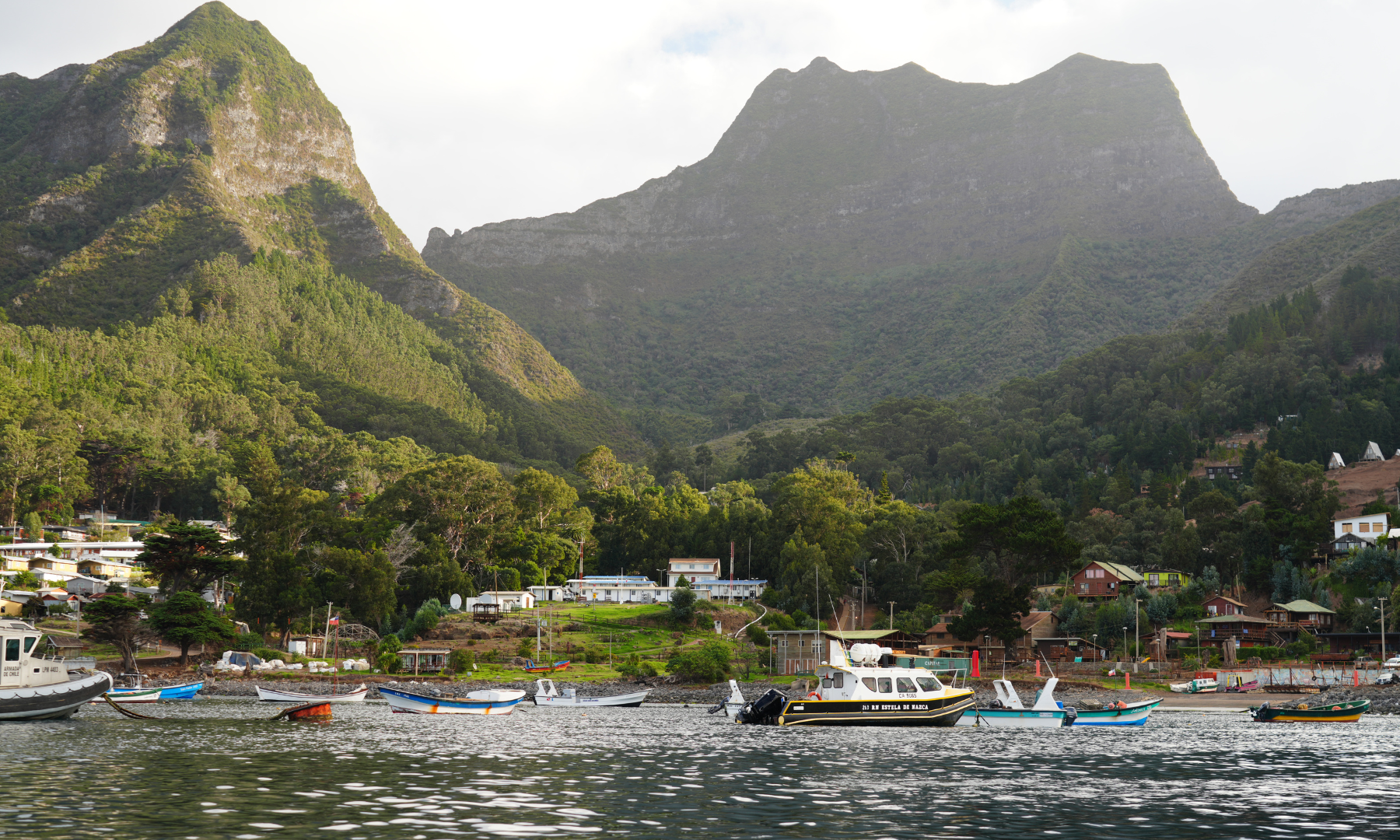
Robinson Crusoe Island, Juan Fernández archipelago, Chile. Photo by Jose Luis Cabello

3 extinctions prevented

Over 100 years later, 2 locally extinct species are back from the brink and have returned home for the first time. Galápagos Rails return to Floreana Island in the Galápagos archipelago after 190 years and Polynesian Storm-petrels return to Kamaka Island in French Polynesia after a century.

Plus, the Mares Leaf-toed Gecko which was thought to be extinct for over 5,000 years (yes, 5 millennia) returns!


Polynesian Storm-petrel. Photo by Tehani Withers, SOP Manu.

150 island farmers and harvesters food secured across
4 island nations

By removing invasive species that threaten locally important crops and natural resources we have begun to directly benefit local farmers and landowners in the Cook Islands, Tonga, Tuvalu, and Samoa.

These interventions lay the foundation for improved food security and could indirectly benefit thousands of island residents in the future.


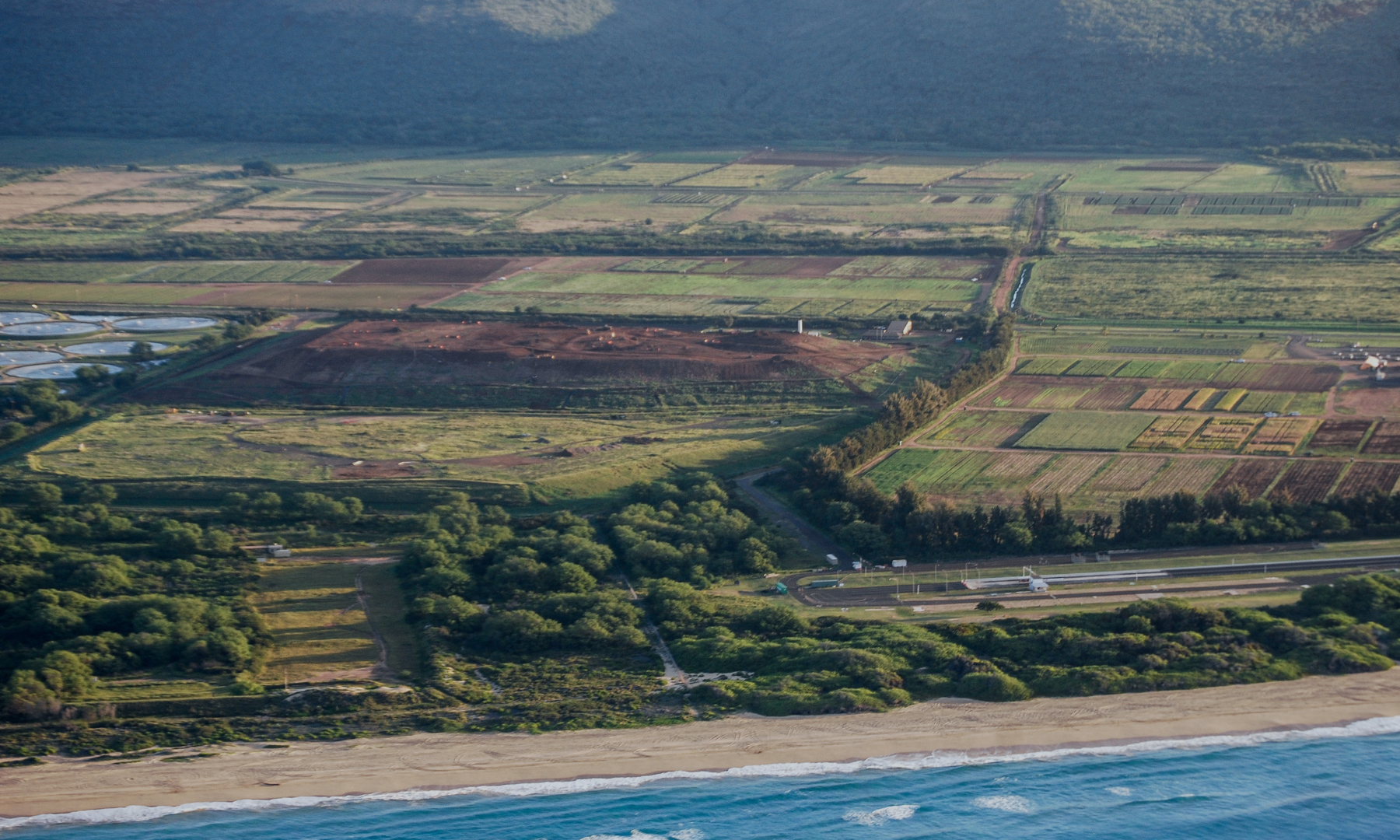
Farmland in Hawai’i.

640,000+ acres (260,000 hectares) of
50 islands using NASA satellite data to measure climate resilience

We initiated large-scale climate resilience monitoring across 50 islands, leveraging NASA satellite data from 1984 to present. This effort tracks long-term changes in vegetation structure and health to demonstrate how island restoration strengthens natural defenses that enhance the resilience of biodiversity and island communities.

Field data collected in Samoa, Tonga, Wallis and Futuna, and the Dominican Republic is documenting the potential for tropical forest regeneration to better withstand cyclones, drought, and warming.


View from Alto Velo Island, Dominican Republic.

5 marine connector species returned across
13 islands

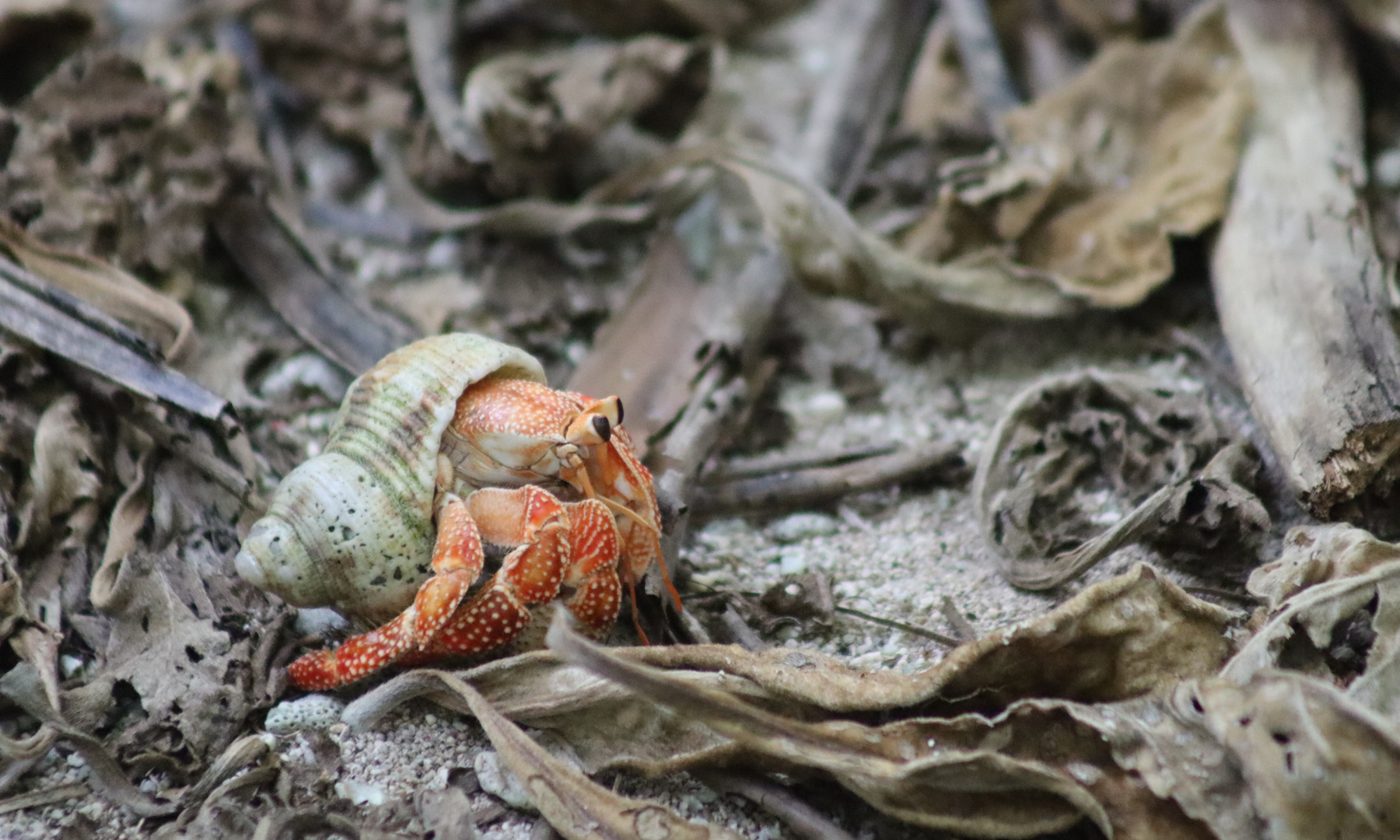
Seabirds, crabs, and turtles nested free from predation for the first time in decades on more than 13 islands, and we documented the return of three land crabs and two seabirds. These species are critical to boosting nutrient flows that increase fish biomass and coral resilience.


Strawberry Hermit Crab on the beach in Loosiep Island in Ulithi Atoll, Yap State.

70,000 hours of wildlife acoustic recordings processed using AI

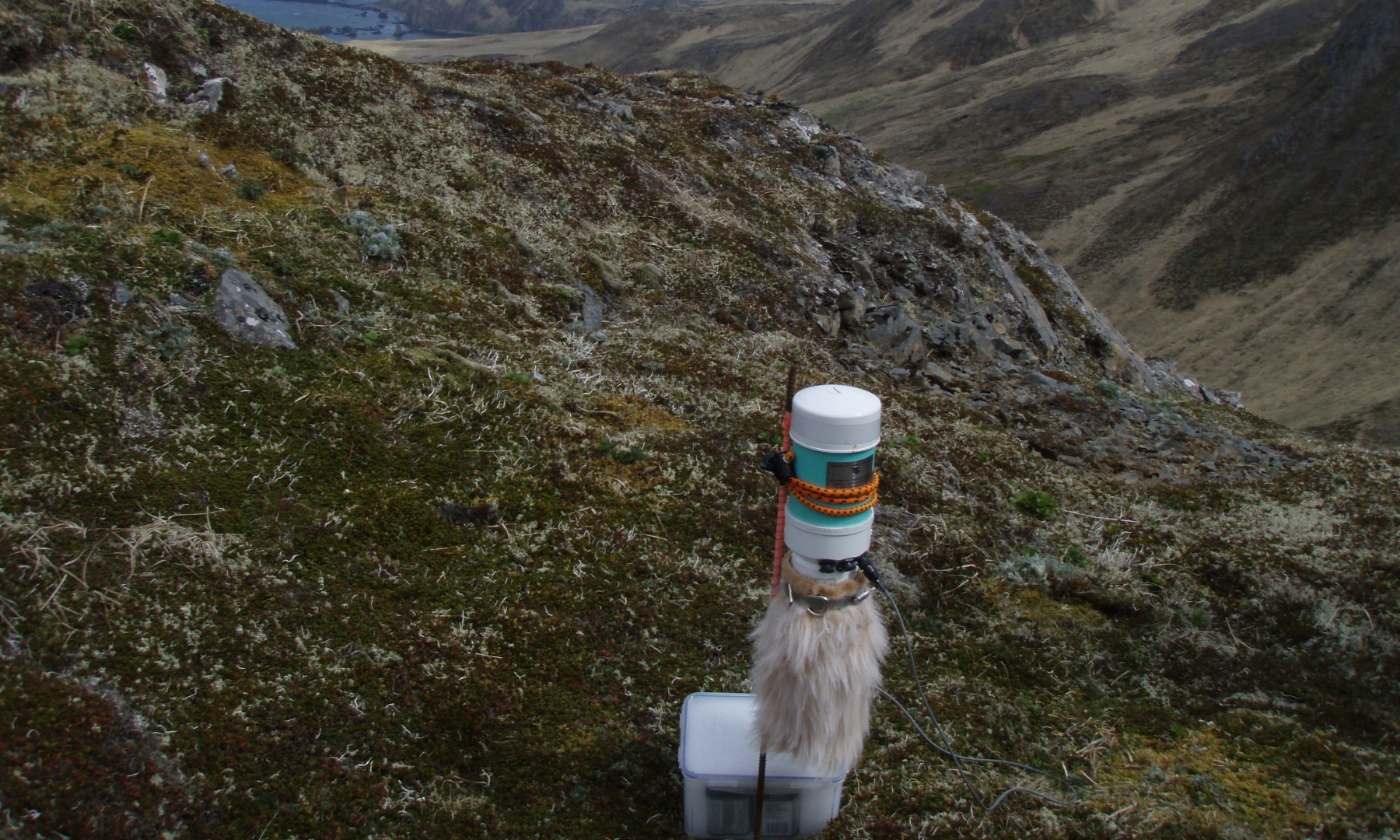
We processed over 70,000 hours of acoustic recordings — a dataset so vast it would take nearly a decade to listen to it all — across 6 islands, identifying 74 species calls with our partners at Conservation Metrics. By training their algorithm and machine learning tool to recognize specific species calls, we can quickly process large volumes of data that would take years to review manually.

This helped document the presence of 7 species for the first time and monitor nocturnal species on Late Island and Tofua Island in Tonga.


An early Acoustic Recording Unit (ARU) on Hawadax Island, Alaska from June 2008, reflecting years of commitment to understanding and restoring island ecosystems through sound.

 400% reduction in operational costs 

Plus, we published 5 innovation papers to influence the sector to do the same.

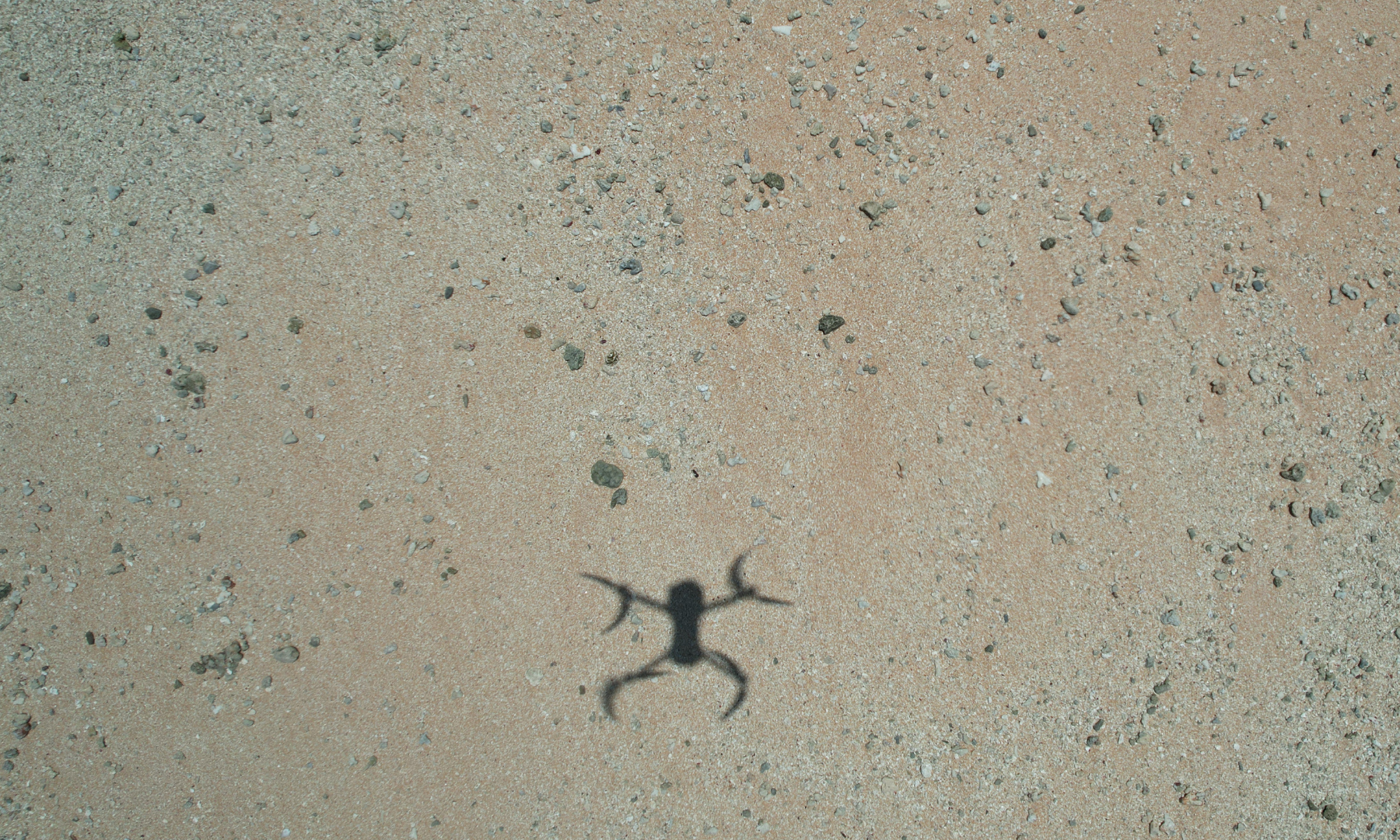
Innovative technology is transforming efficiency, and we are paving the path forward. A new eDNA tool can detect invasive rodents within an hour. Drones enabled restoration on six islands previously unattainable due to terrain and other variables.

And AI-enabled cameras paired with drones are reducing operational costs by 400%, meaning donor dollars stretch farther than ever.

IMPACT IN ACTION

Looking for a little more hope?

Check out the stories that made the years of preparation worth it.

Staggering recovery in the Marshall Islands

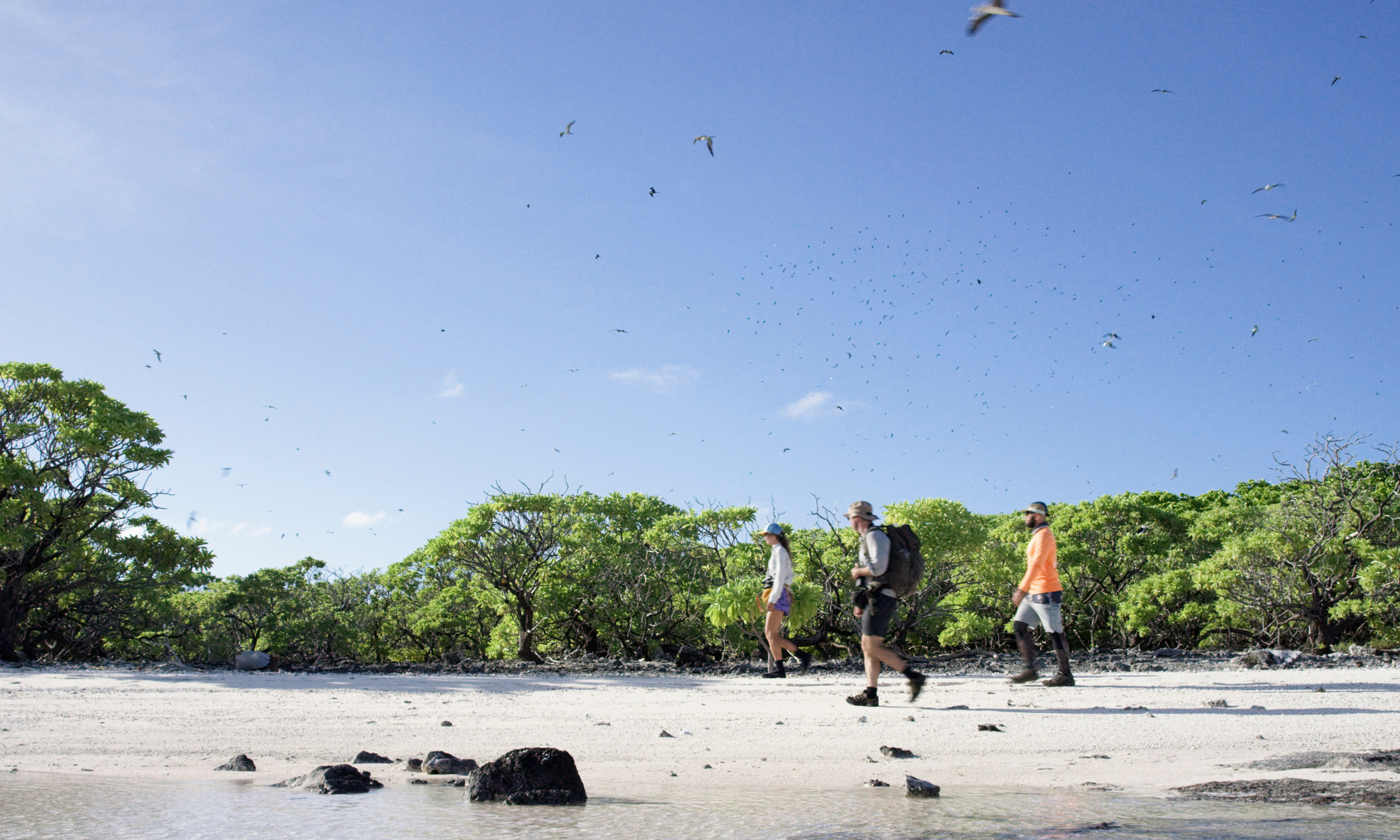
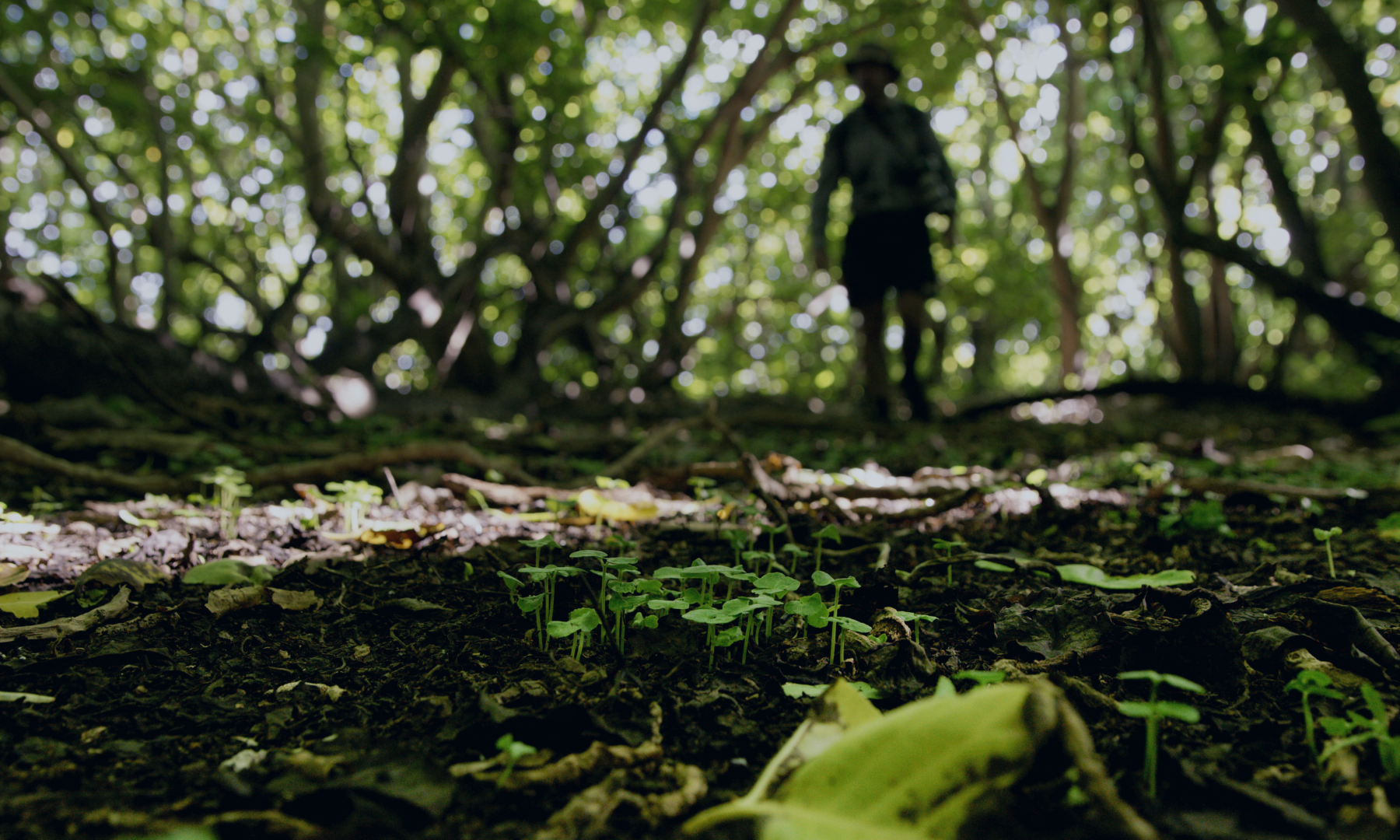
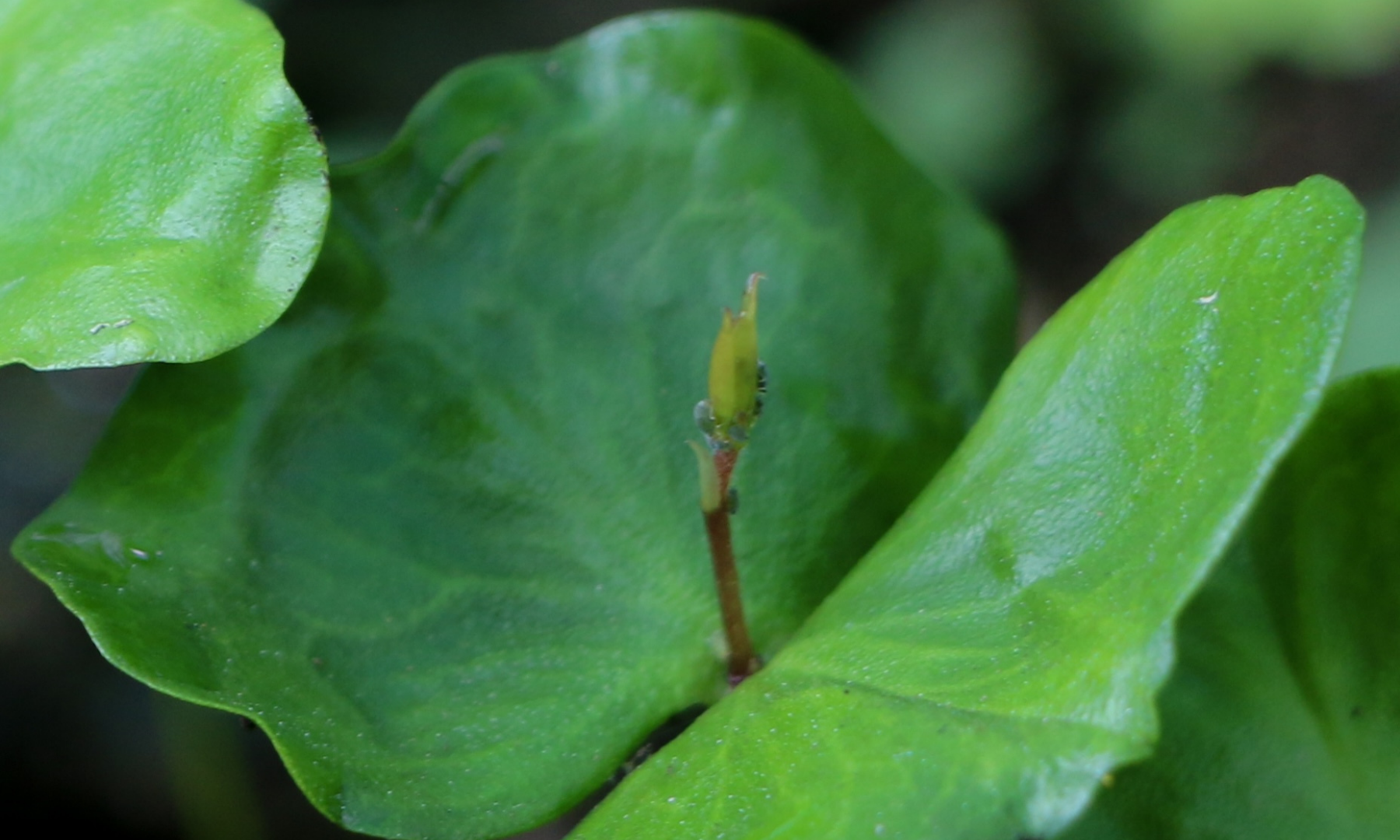
In just one year, we saw an amazing transformation. In 2024, we saw a dying forest on Jemo Islet and Sooty Terns were absent from Bikar Atoll where a colony of over 27,000 was recorded in the 1960’s. In 2025, thousands of Pisonia grandis seedlings were sprouting from the newly regenerated forest, and 2,000 Sooty Terns were feeding hundreds of chicks.

Keep swiping to read more inspiring stories from the year. →


LEARN MORE


Photo by Shaun Wolfe

They’re back!

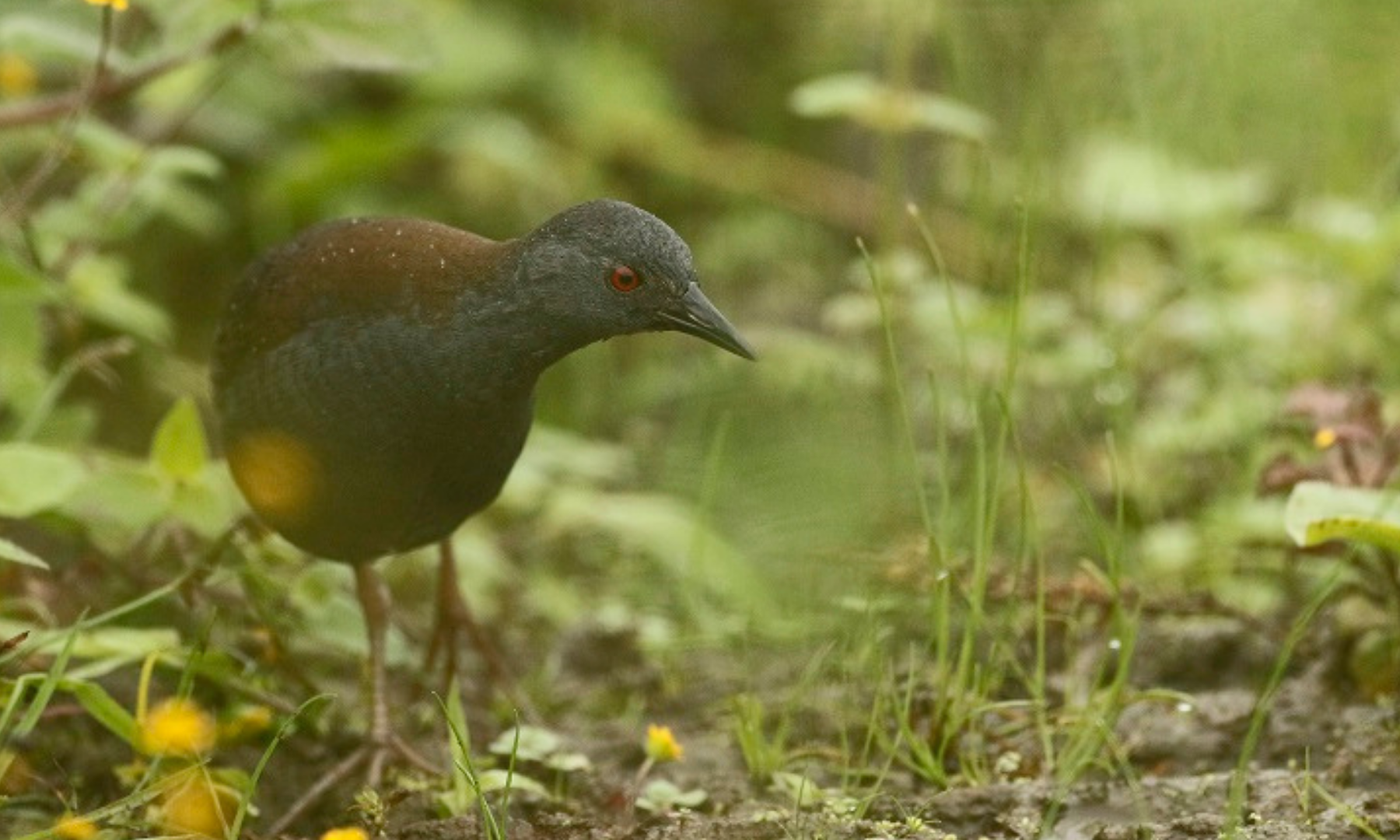
For the first time in decades, Galápagos Rails have returned to their native island habitat on Floreana Island in the Galápagos archipelago. This is a major sign of renewed ecological balance as these are one of the first locally-extinct species to reappear along with the Cactus Finch which was reintroduced in 2024.

Islands are home to half of our world’s biodiversity but face a disproportionate share of global extinctions. The swift return of the Galápagos Rail demonstrates that when we restore islands, we give some of the planet’s most vital ecosystems and at-risk species a chance to recover. In many cases, these rebounds happen astonishingly fast, showing just how quickly nature can respond when given the opportunity.

LEARN MORE

Community collaboration to protect threatened plants

Every household on Robinson Crusoe Island in the Juan Fernández Archipelago participated in a community project funded by Fondation Franklinia to add 4,000 native plants inside 54 protected areas across five forests.

3,331 trees, 292 shrubs, and 287 ferns were added, protecting 17 IUCN-threatened species. 26 community members were trained to safeguard the new plants and seedlings, with nurseries expanded on two islands and biosecurity systems implemented.

LEARN MORE


Photo by Cece King

Innovating for impact

After years of development, we’ve onboarded our first new drone vendor, introducing a completely new platform and company to the conservation technology landscape. This milestone represents more than operational efficiency: it’s about breaking down barriers to access by ensuring these critical tools are commercially available for any organization to purchase.

By catalyzing a competitive marketplace with multiple service providers, we’re making advanced conservation technology accessible to practitioners everywhere. This work shifts the paradigm from proprietary systems to a democratized approach where any conservation team can access the tools they need.

MORE INNOVATION UPDATES

Swift recovery on Ulong Island

Partners recently confirmed that the ecosystem is rapidly recovering after removing invasive rats from Ulong Island in 2023-2024. Acoustic monitoring reveals dramatically increased seabird calls from Brown Noddies, White Terns, and Bridled Terns, while Endangered Palau Ground Doves (including chicks) are now spotted in areas where they were never previously recorded.

As part of the Island-Ocean Connection Challenge, Ulong demonstrates that restoring ecosystems also protects the irreplaceable cultural heritage within them, including ancient caves with pre-colonial paintings and pictographs that tell the story of Palau’s history.

LEARN MORE

Extinct gecko returns after 5,000 years

A gecko species previously known only from ancient fossils has been found reappearing on Rábida Island in the Galápagos, confirmed through peer-reviewed research published in PLOS ONE in June 2025.

The Leaf-toed Gecko reappeared just one year after invasive rodents were removed from the island in 2011, and genetic analysis now reveals the population is an evolutionarily distinct unit critical for conservation.

LEARN MORE

Safeguarding biodiversity and cultural heritage

The Island Nation of Tuvalu restored critical habitats for Endangered Green Sea Turtles, native seabirds, and the coconut agroforests that support local livelihoods after successfully removing invasive rats from six islets across Nukufetau Atoll and Funafuti.

Communities are already seeing the difference. Birds and coconut crabs are flourishing again, mosquito populations have collapsed, and yellow crazy ants have nearly disappeared. This community-led initiative shows how Island Nations are driving transformative impact across the globe.

LEARN MORE

Where in the world?!

Our team traveled to a number of conferences this year including the United Nations Ocean Conference, the IUCN World Conservation Congress, RedLAC in Chile, and more. Throughout it all, we shared inspiring messages of hope proving that islands are solutions.

These gatherings are essential to attend so we can ensure that islands are represented in global policy decisions and that island voices and needs are heard.

More stories to uncover

Check out our Journal for more Field Notes, updates, op-eds, and more.

LEARN MORE


Critically Endangered Cabbage Tree endemic to Robinson Crusoe Island, Chile. Photo by Jose Luis Cabello/Island Conservation.

What does restoration sound like?

See and hear the difference just one year makes after an ecosystem has a chance to recover.

Seabirds, including a colony of Sooty Terns, are dramatically recovering.

The seed of hope is taking root, but we need you to help spread it.

Are you ready to make your impact?

YES, LET’S DO IT! I’M READY TO DONATE.

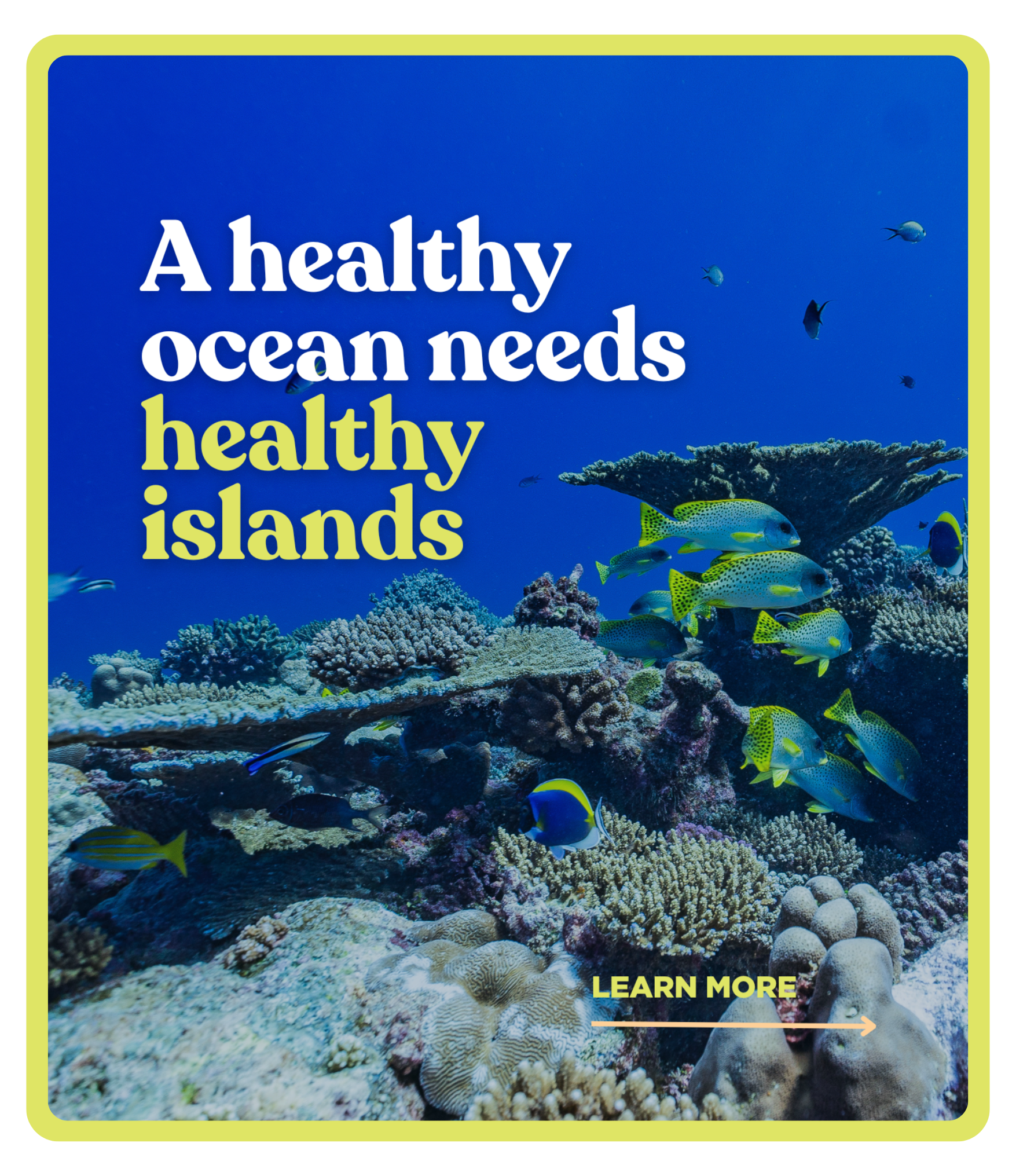
Healthy oceans need healthy islands

Islands are home to more than half of the world’s marine biodiversity and seven of the planet’s ten coral reef hotspots.

When island ecosystems thrive, they feed reefs, fisheries, and communities that depend on them. Our restoration work this year strengthened over 100 km (~ 62 miles) of coastline and we launched two monitoring programs to track how island restoration makes coastal ecosystems more productive and resilient to climate change.
Island-Ocean Connection Challenge

The Island-Ocean Connection Challenge (IOCC) is a volunteer collective of partners with a goal to restore and rewild at least 40 globally significant island-ocean ecosystems from ridge to reef by 2030. This year, we announced five new islands, including three in Aoteroa New Zealand, Chincha Norte Island in Peru, and Robinson Crusoe Island in Chile. This brings us to a total of 22 islands, making us half way to our goal. As co-founders of this global movement, we are incredibly proud of the strides we’ve made this year.

We are also thrilled to welcome new partners like Conservation X Labs to the fold.

Check out our first ever IOCC Impact Report.
THE FULL REPORT

Decade of Island Resilience

Islands don’t usually get the spotlight they deserve. We’re trying to change that.

The urgent challenges of the triple planetary crisis — biodiversity loss, declining ocean health, and climate change — are sparking bold innovation, deep collaboration, and some of the most remarkable ecological recoveries on Earth. Island Nations and communities are leading a vast number of these initiatives, showing their unwavering resilience, hope, and leadership.

In response to this, we introduced an official motion in 2025 for a United Nations Decade of Island Resilience. Islands are biodiversity hotspots and hope spots for the planet, and our goal is to shine a light on the planet’s most vulnerable and invaluable ecosystems. Our call is being answered, the motion was adopted and is moving through the official IUCN process with 767 affirmative votes.
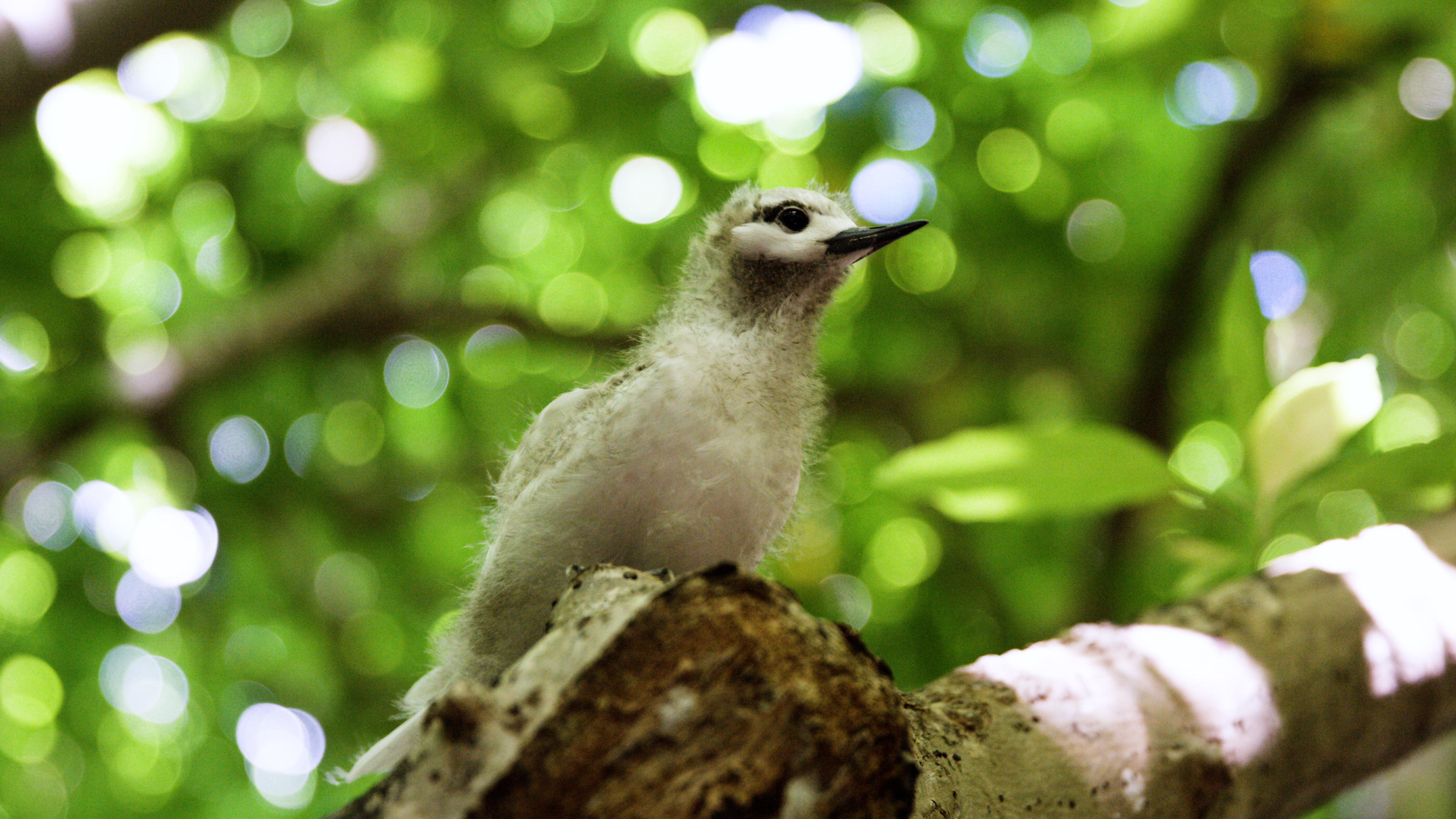


Juvenile White Tern on the Marshall Islands.

Photo By Shaun Wolfe.

In the news

We’ve been conservation’s best kept secret for 31 years. Now, millions are learning about our work from top journalists and agencies around the globe as we hit record breaking news coverage in 2025.

There’s a charity called Island Conservation. They tick nearly all of the boxes.

NPR’S PLANET MONEY

The Cost of Saving a Species

Also featured in…

National Geographic    |    Mongabay    |    BBC Wildlife    |    Forbes    |    Yahoo

“It shows us that it only takes a few people, government willingness, and funding support to help these remarkable ecosystems recover and bring species back from the brink of extinction.”

MONGABAY

How a gecko species defied extinction on a Galápagos island

“…eradication programs are cost-effective and have a high success rate of 88%. If a problematic invasive species can be removed, it’s a gift that keeps on giving.”

CNN

Islands Restored to Former Paradise After Rats Removed

BEFORE AND AFTER

What difference can just one year make?

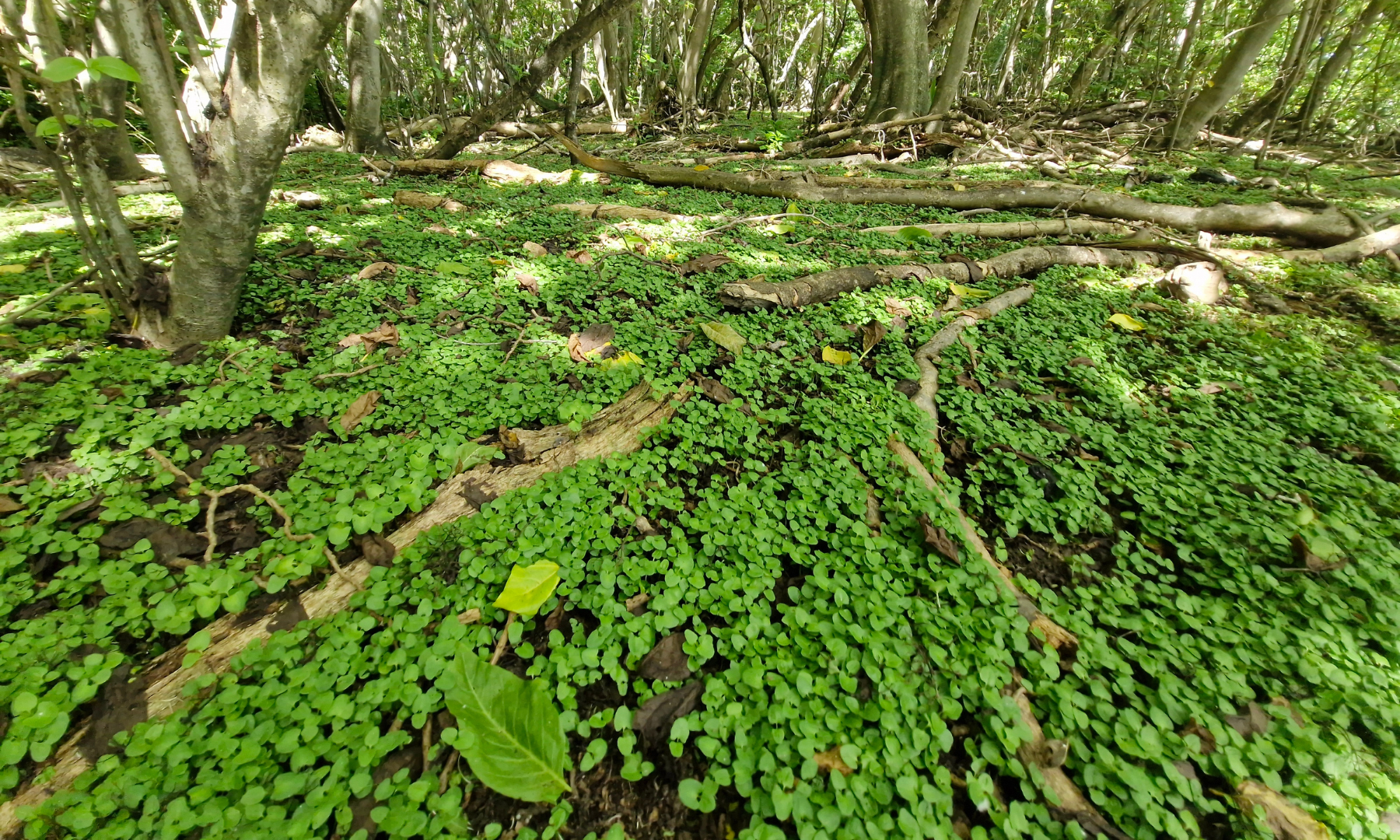
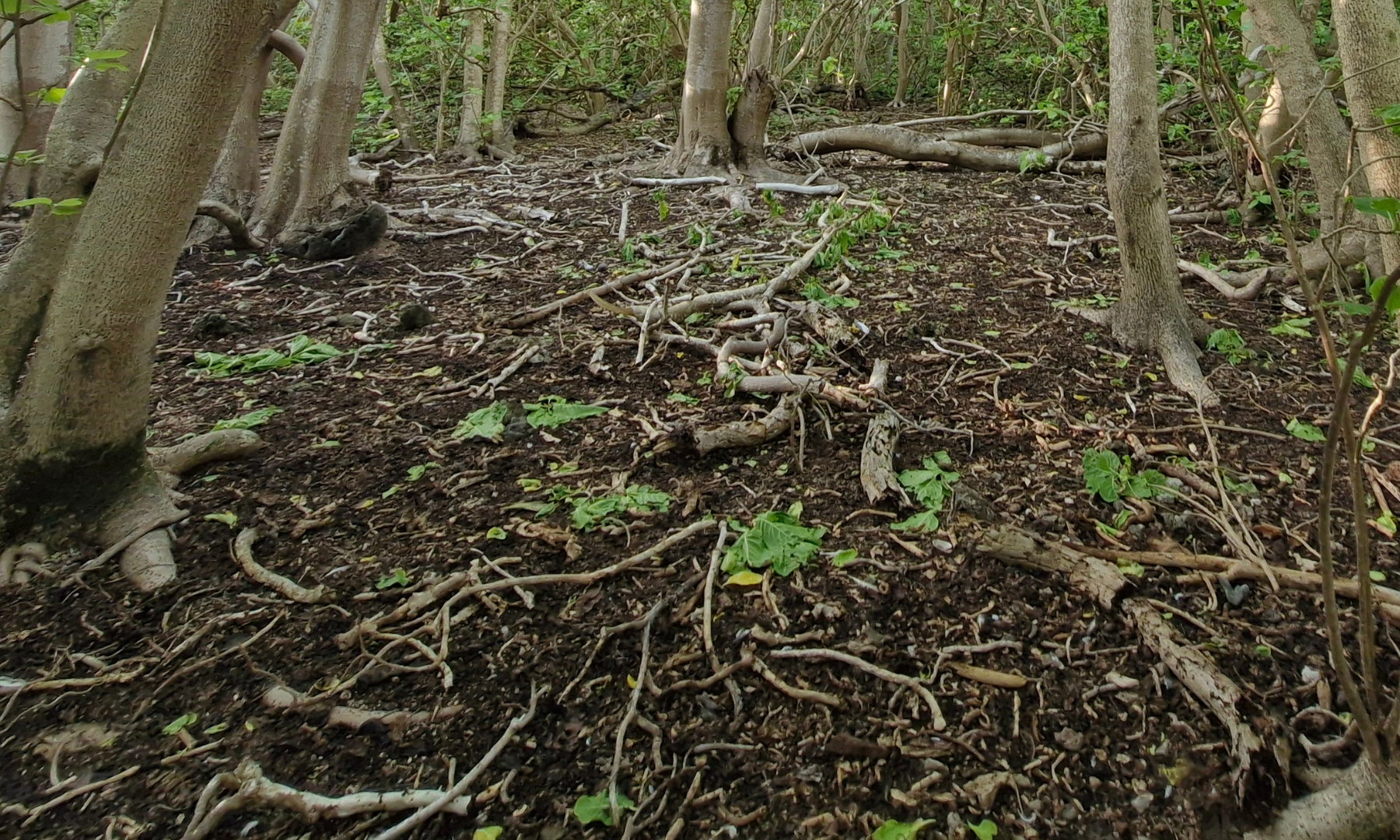
In 2024 we saw a dying forest with absolutely no new forest regeneration. Now, it’s filled with thousands of Pisonia grandis seedlings signaling new growth, rapid recovery, growing climate resilience, and renewed food security.

Use the slider below to move between the forest in July 2024 and August 2025
BEFORE AFTER

Hope grows with you

Every restored island begins with a seed of hope — a partnership, an idea, a shared vision. Your support helps that hope take root and grow, restoring ecosystems, strengthening communities, and creating a more resilient planet for all.
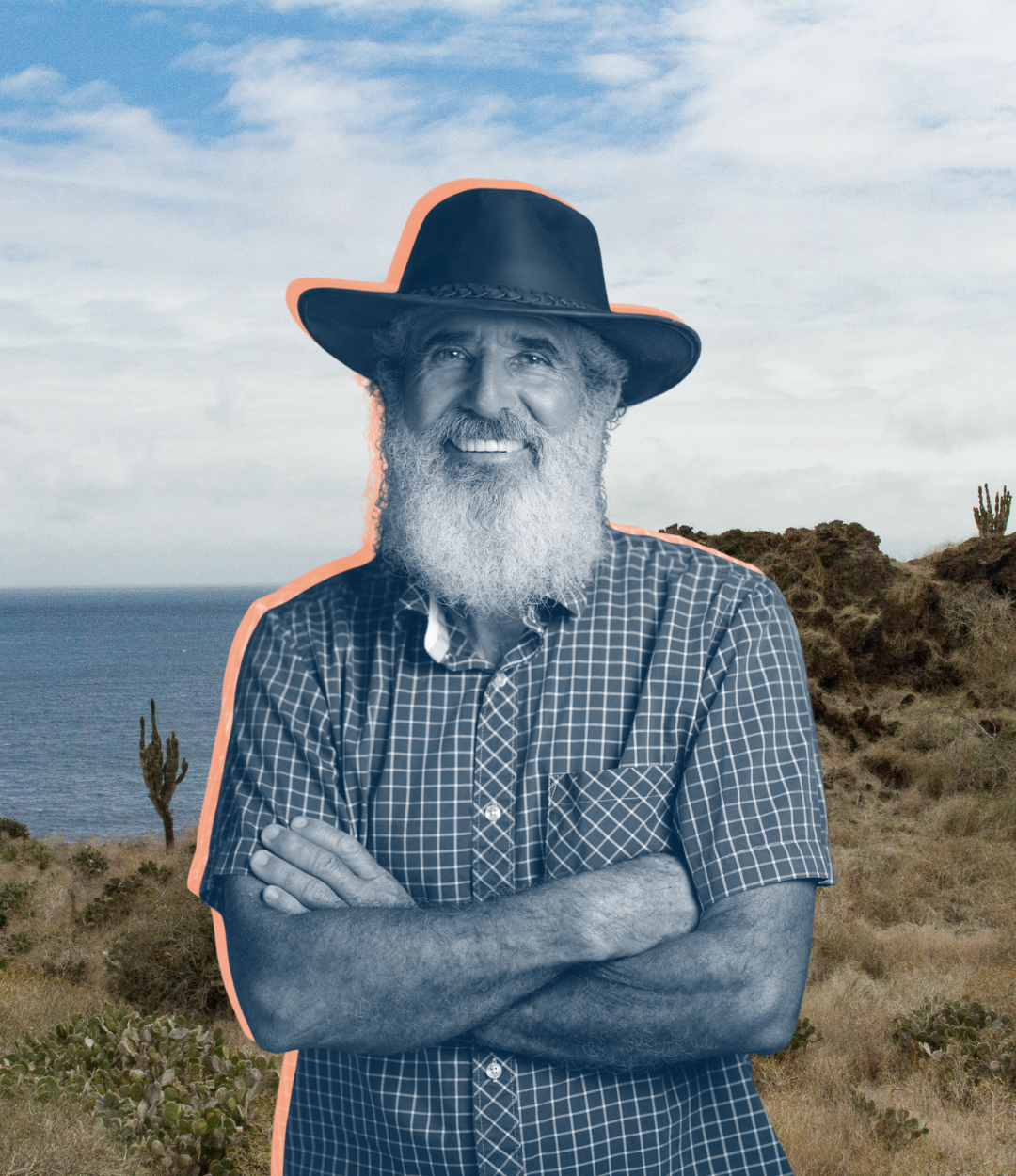
“It was very emotional, very exciting to find the Pachay (Galápagos Rail), since after so many years, it has been seen again here in Floreana. It’s something truly, truly beautiful — there are no words to explain it.”

CLAUDIO CRUZ

Floreana Community Member

Supporting studies

Each year, new research deepens global understanding of how restoration drives resilience. The studies below, some co-authored by our team and our partners, highlight island restoration as one of the most effective nature-based solutions for people and the planet. See our full list of publications co-authored by our staff.
Connecting globally

This year we reached hundreds of thousands of people through new and engaging content on social media with nearly 20,000 post interactions and over 7,000 new followers brought into the fold over the last year.

Follow us on Instagram and LinkedIn and let us know what you like!


Community member on Jemo Islet in the Republic of the Marshall Islands.

Photo by Shaun Wolfe.
Financials

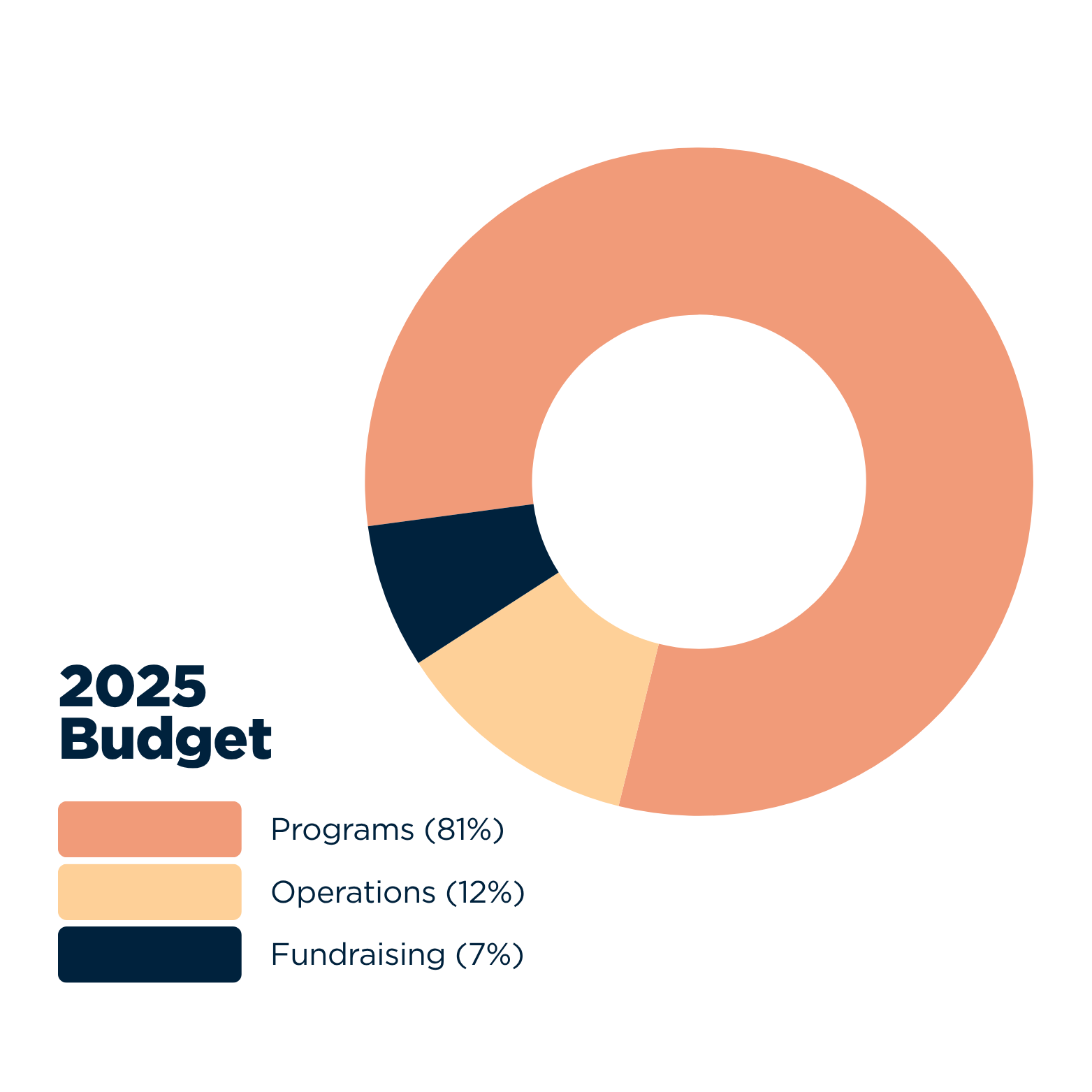
There’s more than one reason why we were deemed the most cost-effective way to save biodiversity. Every dollar goes farther with Island Conservation, not only because of our methods, but because we put more dollars on the ground than almost any other conservation organization out there.

We were also awarded a four-star rating from Charity Navigator, backing our proven track record of financial health and responsibility.

Learn more about out finances and spending practices.

Donor Partners


Thank you to our collective of dedicated supporters that make this work possible.

  • Aaron Davies
  • Adam Winer
  • Adrien Thrum
  • Adrienne Skinner
  • Aik Hong James Loh
  • Alejandro Ortiz Libran
  • Alex Binford-Walsh
  • Alex Clark
  • Alex D’Albertanson
  • Alexander and Carol Vietor
  • Alexander Foundation
  • Allegra Molatore
  • Allison Henke
  • Amy Yan
  • Andresen Giving Fund
  • Andrew Goodale
  • Andrew Joncus
  • Andrew McDonough
  • Andrew Stein
  • Angie and Dave Snyder
  • Angie Barton
  • Ann Waterman
  • Ann Wiley
  • Anonymous Donors (40)
  • Anthony Brake and Yvonne McHugh
  • Anthony Tyson
  • Apple
  • Ashay Satav
  • Aubrey Valentine Cloud
  • Auckland Council
  • Audrey Newman
  • Austin Schaefer
  • Avery Amerson
  • Avery Faller
  • Ayaka Hosoi
  • Ayenna Caganan
  • Barry Brezan
  • Bell Laboratories, Inc.
  • Ben Goldsmith
  • Benjamin Valentine
  • Bernardita Allen
  • Bigelow-Teller Family
  • Birdlife International Pacific Partnership
  • Blake Keogh
  • Blue Action Fund
  • Blue Nature Alliance
  • Bobbie Mayer
  • Boeing
  • Boglárka Bognár
  • Bonfire Funds, Inc
  • Brenda Richmond
  • Brenna Ram
  • Breton Fischetti*
  • Brionna Belcher
  • Bruce Boyd
  • Bruce Posthumus
  • Bruce Weissgold
  • Bruno Lopez
  • Cabin Fund
  • Caleb Stephenson
  • Calvin Parsons
  • Camila Honorio
  • Camryn Cooper
  • Caren Loebel-Fried
  • Carla and David Crane Foundation of the Jewish Community Federation and Endowment Fund
  • Carman Lim Lim Kar Mun
  • Carol and Clark Mitchel
  • Carol Deshich
  • Carole Childs
  • Cathy Granholm
  • Chad Hanson**
  • Chai Blair-Stahn
  • Charles and Yvonne Richards
  • Charter Oak Federal Credit Union
  • Chris Kirkland
  • Chris McCrum
  • Christa McLeod
  • Christian De Hoyos
  • Christine Fischetti
  • Christopher Overall
  • Cindy Li
  • Claire Shih
  • Clay Kempf
  • Colin Dorner
  • Conservation International
  • Corey Duncan
  • Corey Raffel
  • Dale Aultman
  • Daniel Crawford
  • Daniel Moynihan
  • Daniel Richards
  • Daniel Tomas Csicsmany
  • Darwin Initiative
  • Dave Hilliard
  • Dave Kwinter
  • David Gagne
  • David M. Burwen & Susan Jo Burwen
  • David Simeon de Rijke
  • David Zippin
  • Debbie Kahn
  • Debbie Myers
  • Debbie Parobok
  • Deborah Brown
  • Deepwater Horizon Natural Resource Damage Assessment Trustee Council
  • Delia Kulukundis*
  • Dene Oliver
  • Denis De Ceuster and Jane Manning
  • Dennis L Pearson
  • Diana Hanes
  • Diarra Jerome
  • Dierdre Sheerr-Gross
  • Division of Forestry and Wildlife – Hawaii
  • Dominic Chaplin
  • Dominika Lukacova
  • Doria Gordon*
  • Douglas Levison
  • Douglas W. Feltz
  • Doyeon Kwak
  • Dr. Daniel Simberloff* and Mary Tebo
  • Dr. David Weissman
  • Dr. Hilary Swain
  • Dr. John and Mary Wegmann
  • Durrell Wildlife Conservation Trust
  • Eilidh Hall
  • Elaine Bernstein
  • Elaine E Johnson
  • Eleanor Stephens
  • Ella Mitchell
  • Elvis Ka Fai Lee
  • Elyse Marzolf
  • Emerson Bueno Sanches
  • Emmett Foundation
  • Ayenna Cagaanan
  • Enrique de la Cruz
  • Eric Sheets
  • Eric Spagnoli
  • Ethan Andersen
  • Evan Holm
  • Evelyn and Thomas Steiner
  • Eydís Björk Einarsdóttir
  • F R Schaer
  • Federico Coppo
  • Federico Teveles
  • Filip Redenkovic
  • Florian Richter
  • Fondation Franklinia
  • Francisco Alejandro Wido
  • Frank Heinrich
  • Franklin Templeton and Fiduciary Trust International
  • Frans Lanting and Christine Eckstrom
  • French Foundation
  • Friends of Virgin Islands National Park
  • Fundación Jocotoco
  • G. Unger Vetlesen Foundation
  • Gabriela Zuñiga
  • Galapagos Conservation Trust
  • Gavin Shire
  • Gina Salgado
  • Ginger and Carlos Iglesias
  • Giuliana Lacobucci
  • Glen Tepke
  • Glenn Bradley
  • Glenn DeVan
  • Global Environment Facility
  • Google
  • Gordon Hardman
  • Graham Mannion
  • Great Barrier Reef Foundation
  • Greensboro Science Center
  • Gregg Goolsby*
  • Gregory Schoolfield
  • Gretel Ehrlich
  • Guadalupe Santiago
  • Harold Howell
  • Hawking Chuang
  • Heath Packard** and Laurel Walters
  • Heidi Kearns
  • Henry Vandervelde
  • Herrmann York Wine
  • Hiromi Takei
  • Holbrook R. & Sarah M. Davis Foundation, Inc.
  • Holdfast Collective
  • Ian Roehrl
  • Ian Simpson
  • Ingrid Parker
  • Institut Louis Malardé
  • International Climate Initiative (IKI)
  • International Galápagos Tour Operators Association
  • Ivan Samuels*
  • Ivan Viramontes
  • Ivona Vajdova
  • J. Bailey Smith
  • Jack and Rikki Swenson
  • Jack Craw
  • James Gibbs*
  • James Grant
  • James Michael Eros
  • James Torgerson*
  • Jana Rybanska
  • Jane Condon
  • Janell Hillman
  • Janet Eyre
  • Jason Best
  • Jason Chan
  • Jay Bartle
  • Jeff Smith
  • Jennifer Rycenga
  • Jennifer Steele* and Jonathan Hoekstra
  • Jens Iverson
  • Jeremy Miles
  • Jeremy Taylor
  • Jing Yuan
  • JJ Month
  • Joan Slottow
  • Joanne Shipley
  • Jody Williams Garcia
  • Joe and Nancy Snyder
  • Johanna Dawes
  • Johannes Foufopoulos
  • John Fiege
  • John Thibault
  • Jon Potter
  • Jonathan Begue
  • Jonathan Franzen and Kathryn Chetkovich
  • Jordan Combs
  • Joseph Grote
  • Joseph Morlan
  • Josh Bishop
  • Joyce and Brian Bender
  • Joyce Warriner
  • Judy Stern
  • Julie Astor
  • Julie O’Grady
  • Julie Robinson
  • Julien Levy
  • June Yong Siew Choo
  • Kairos Philanthropy
  • Kara and Isaac Frisina**
  • Karthik Handady
  • Kasamon Tarnsee
  • Kate Brown*
  • Katherine Kane
  • Kathy Shimata
  • Kazuhide Takikawa
  • Kazuma Toya
  • Kazuyoshi Tomizawa
  • Keiko Kokubun
  • Kel Christensen
  • Kelley Hall
  • Kelly and Denis Marriott
  • Kenneth Korb
  • Kevin and Sabrina McDonald Family Fund
  • Kirk Elwell
  • Kiyoshi Nakagawa
  • Krista Kostansek
  • Kristel Topalova
  • Kristen Starr
  • Kristine Bisgard
  • Kristof Houben
  • Kruse Family Charitable Fund
  • Kunio Matsunami
  • Kyle Richardson
  • Lane Farrar
  • Larisa Stephan
  • Laura Diver
  • Lauren Dykman
  • Laurent Pilet
  • Lenka Netikova
  • Lenovo
  • Lenovo Group Limited
  • Leslie & Dan Carlson
  • Lew, Robert and Tyler Davies
  • LGA Family Foundation
  • Lindblad Expeditions-National Geographic Fund
  • Lora Eckler
  • Luis Cebamanos
  • Luis Javier Villegas
  • Lyda Hill Philanthropies
  • Lydia Garvey
  • Lynne Hale*
  • Mackinnon Family Charitable Foundation
  • Madeleine Pott**
  • Madison Lotierzo**
  • Marcel Hoehne
  • March Conservation Fund
  • Margie Kim* & Adolfo Bermeo
  • Mario Fischetti
  • Mario Garcia Armas
  • Marisa Slomich
  • Marisla Foundation
  • Mark Foxx
  • Mark Grantham
  • Mark Shwartz
  • Martha and Gregg Raber
  • Mary Kleinschmidt
  • Masumi Inui
  • Matt Conte
  • Maurice Robichaux
  • Mauro Sahanaja
  • Max and John Wilson
  • Meg Caldwell 
  • Melissa Greene
  • Michael Christopher
  • Michael Forwood
  • Michael Kolodziej
  • Michael Laris
  • Michael Puente
  • Midori Simg Gutierrez
  • Mike Chu
  • Milkweed Foundation
  • Ministère de l’intérieur et des outre-mer (France): Terres australes et antartiques françaises
  • Ministerio del Medio Ambiente (Chile)
  • Miranda Zhou
  • Moores Futures Fund
  • Muhyun Lee
  • N1234 
  • Nancy Evans
  • Naomi Lehman
  • National Aeronautics and Space Administration (NASA)
  • National Fish and Wildlife Foundation, Pelagic Bird
  • National Geographic Society
  • National Philanthropic Trust
  • New Zealand Consulate-General, Hawaii
  • New Zealand Ministry of Foreign Affairs and Trade
  • Niamth Gethings
  • Nicholas Graham
  • Nicola MacLaren
  • Noa Britto
  • Noah Lipshutz
  • Noayuki Maruyama
  • Nolan Hayden
  • Oliver Glenister
  • Once Upon a Time…
  • Open Door Foundation
  • Oracle
  • Otavio Marelli Marques
  • Patricia and Clarke Bailey Foundation
  • Patricia Matthews
  • Patrick Healy
  • Patrick Horan
  • Patrick McLamb
  • Patrick Rabau
  • Patrick Reynolds
  • Paul Heiple
  • Paul M. Angell Family Foundation
  • Paul Sanfilippo
  • Paula Warren
  • PayPal Giving Fund
  • Penelope Packard
  • Penny Becker**
  • Perry Bezemer
  • Peter Boerma
  • Peter Kleinhenz
  • Peter Rigsbee
  • Peter Schuyler
  • Philip Cleary
  • Ping Ren
  • Pledge Foundation at The Giving Back Fund
  • Pockets – A Family Foundation
  • Prasann Patel
  • Predator Free 2050 Ltd.
  • Puerto Rico Department of Natural and Environmental Resources
  • Qianya Liu
  • Radhika and Ambarish Malpani Foundation Inc.*
  • Radoslav Valka
  • Re:wild
  • Rebecca Abel
  • Rebecca and David Perry
  • Rebecca Rubinson
  • Rene Donaldson
  • Renee Chalfin
  • Renna Ulvang
  • Resin LLC
  • Richard Levi
  • Richard MacIntyre
  • Richard Mack
  • Richard Openshaw
  • Robbert Tan
  • Robert Chavez
  • Robert Feldman
  • Robert L Broeren
  • Robert Martin
  • Robert Mulvihill
  • Robert Patrick
  • Robert W Stewart
  • Robin Spring
  • Robinson Beck Charitable Fund
  • Rod Tracey
  • Rodrigo Helo
  • Roman Bodinek
  • Roman Pek
  • Ron and Joanne Lane
  • Ronald Unrau
  • Ronnie Askholm
  • Ronny Jumeau*
  • Ross Silcock
  • Ruby Ramos
  • Russell Investments
  • Ryan Utz
  • Ryotaro Kawabata
  • Sachin Kadu
  • Sally Esposito**
  • Sally Reinholdt
  • Sam F Stoeltje
  • Sandra Less
  • Sarah Mackson
  • Saskia Janes
  • Scott and Vicki Fields
  • Secretariat of the Pacific Regional Environment Programme (SPREP)
  • Sharon Billesdon
  • Shawn Zack
  • Shermaine Ong
  • Société d’Ornithologie de Polynésie – Manu
  • Sofia Andrasekova
  • Sorin Matei
  • Stafford Marquardt
  • Stefanie Vorleiter
  • Stephen Strachan
  • Steve Altman
  • Steve and Susan O’Byrne
  • Steven Alexander
  • Steven Reneau
  • Stewart Brand and Ryan Phelan
  • Sukh Dhillon
  • Susan Babcock
  • Susan Hsiao
  • Susan Packard Orr
  • Takayuki Yuge
  • Tanya Atwater
  • Ted Haffner Family Fund at The Chicago Community Foundation
  • Teri and Thomas Evons
  • Tess Rodgers
  • Tetsuji Oya
  • Texas Instruments Foundation
  • The David and Lucile Packard Foundation
  • The Jach Charitable Fund
  • The Katherine and Peter Dolan Family Foundation*
  • The McGreevy and Winer Family Fund
  • The Miranowski Family Charitable Fund
  • The National Geographic Society
  • The Nature Conservancy
  • The Nature Conservancy – California Chapter
  • The Poha Fund
  • The Repass Rodgers Family
  • The Seaver Institute
  • The Wanderlust Fund
  • Timothy and Eliza Earle
  • Tokuko Takeshita
  • Tom Leppard
  • Tony Stayner and Beth Cross
  • Trudy Marsolini
  • U.S. Department of the Interior, Office of Insular Affairs
  • U.S. Army Corps of Engineers
  • U.S. Fish and Wildlife Service – Alaska Region 7
  • U.S. Fish and Wildlife Service – Gulf Restoration Office
  • U.S. Fish and Wildlife Service – Pacific Region 1
  • U.S. Fish and Wildlife Service – Southeast Region 4
  • U.S. Virgin Islands Department of Planning and Natural Resources
  • USDA – Wildlife Services
  • USFWS – Northeast (Region 5)
  • USFWS – Pacific Islands Fish and Wildlife Office
  • Vanderpoel Conservation Foundation
  • Virginia Carter*
  • Wai-Ming Lai
  • Warren B. King
  • Wei Wang
  • Wendy and Doug Robbins
  • Wenqian Wang
  • White Buffalo, Inc.
  • Wilkin Wilkin
  • Will Darwent
  • William Delveaux
  • William Haffner
  • William J. Fine
  • Winkler Family Foundation
  • Wolf Creek Charitable Foundation
  • Xian Han Wong
  • Xiyao Cui
  • Yahoo
  • Yang Wang

*100% of Island Conservation’s Board of Directors support us annually

**Many Island Conservation staff are also donors!

“In a day and age where change is so slow, there’s almost immediate gratification in Island Conservation’s work.”

TED HAFFNER

Island Conservation Supporter

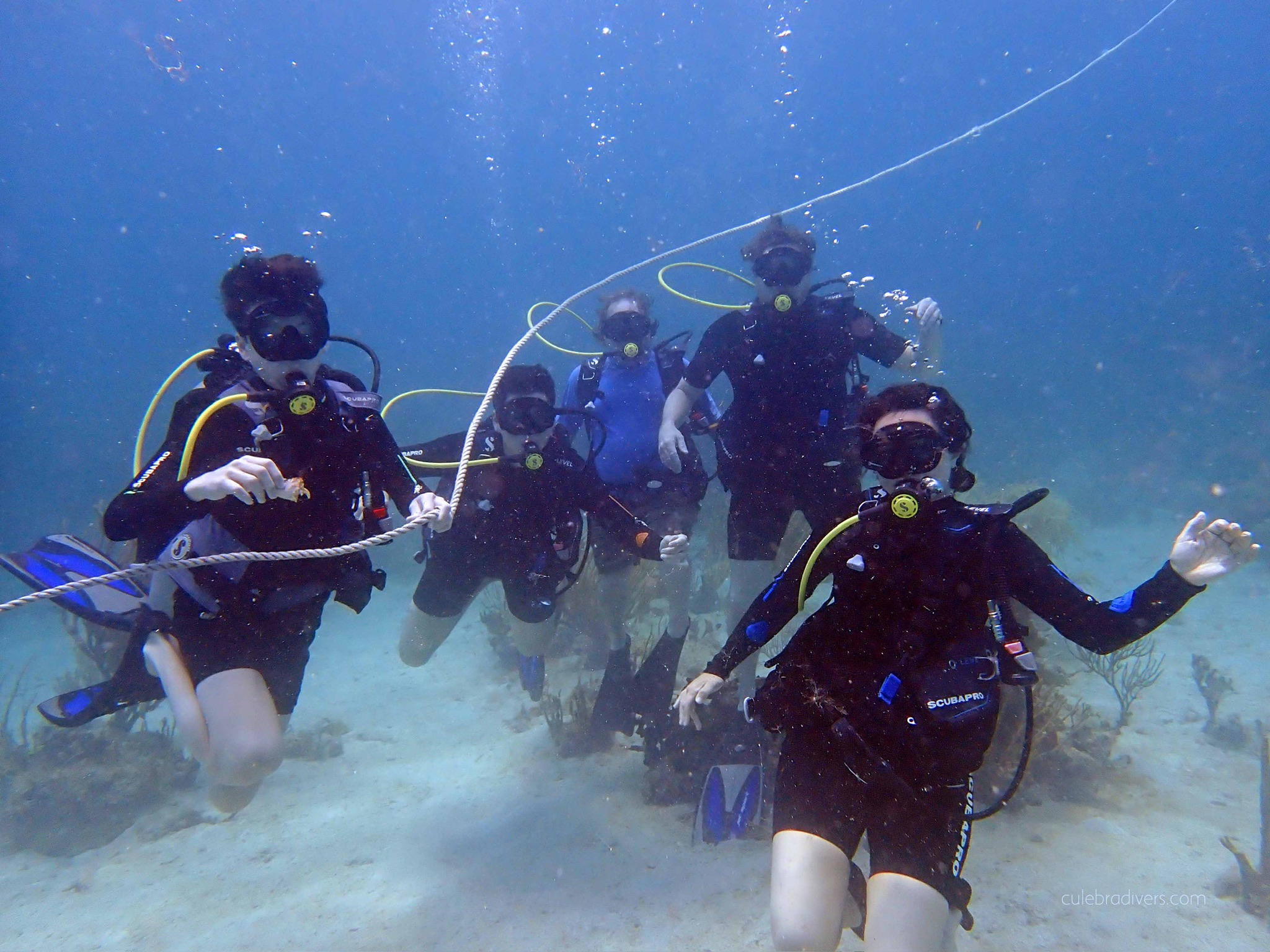
This year Ted Haffner and his family joined us on a trip to Puerto Rico where they visited Culebra and Vieques Islands. Guided by our staff and partners, they were able to roll up their sleeves for some hands-on conservation work like working to help protect sea turtles and monitoring shorebird nests.
READ MORE

Global Hope

Global progress for ocean protection is accelerating. The High Seas Treaty is moving toward implementation, setting the stage for safeguarding marine life in international waters. In the Pacific, French Polynesia designated its largest marine protected area yet, and The Soloman Islands, Vanuatu, and Papua New Guinea announced the world’s largest Indigenous-led MPA.

Across the sea, Chile announced the 350,000 km2 expansion of two of the world’s largest designated Marine Parks, Nazca-Desventuradas and Mar de Juan Fernández.

These milestones were achieved thanks to the unwavering dedication of island communities and partners around the world.

There's power in partnership

We work in partnership with local communities, nonprofit organizations, governments, scientists, and landowners to create lasting change for nature and people. Together, we combine knowledge, resources, and dedication to maximize impact.

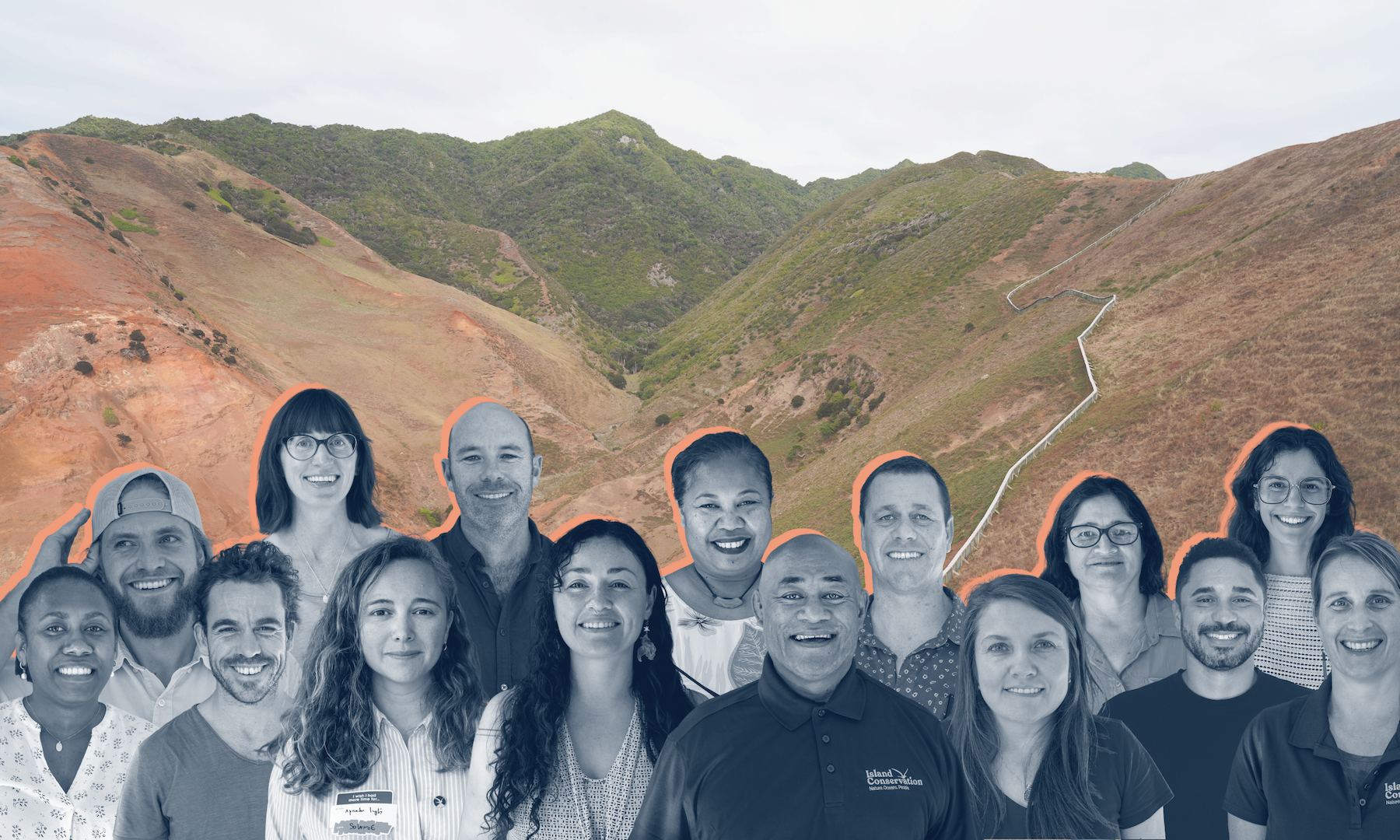
Meet the team

Want to see the people behind the scenes? We’re a group of passionate, mission-driven individuals working to transform ecosystems that are on the brink of collapse. But we can’t do this work alone, it takes a team.

Meet our Staff, Board of Directors, and Advisory Council.
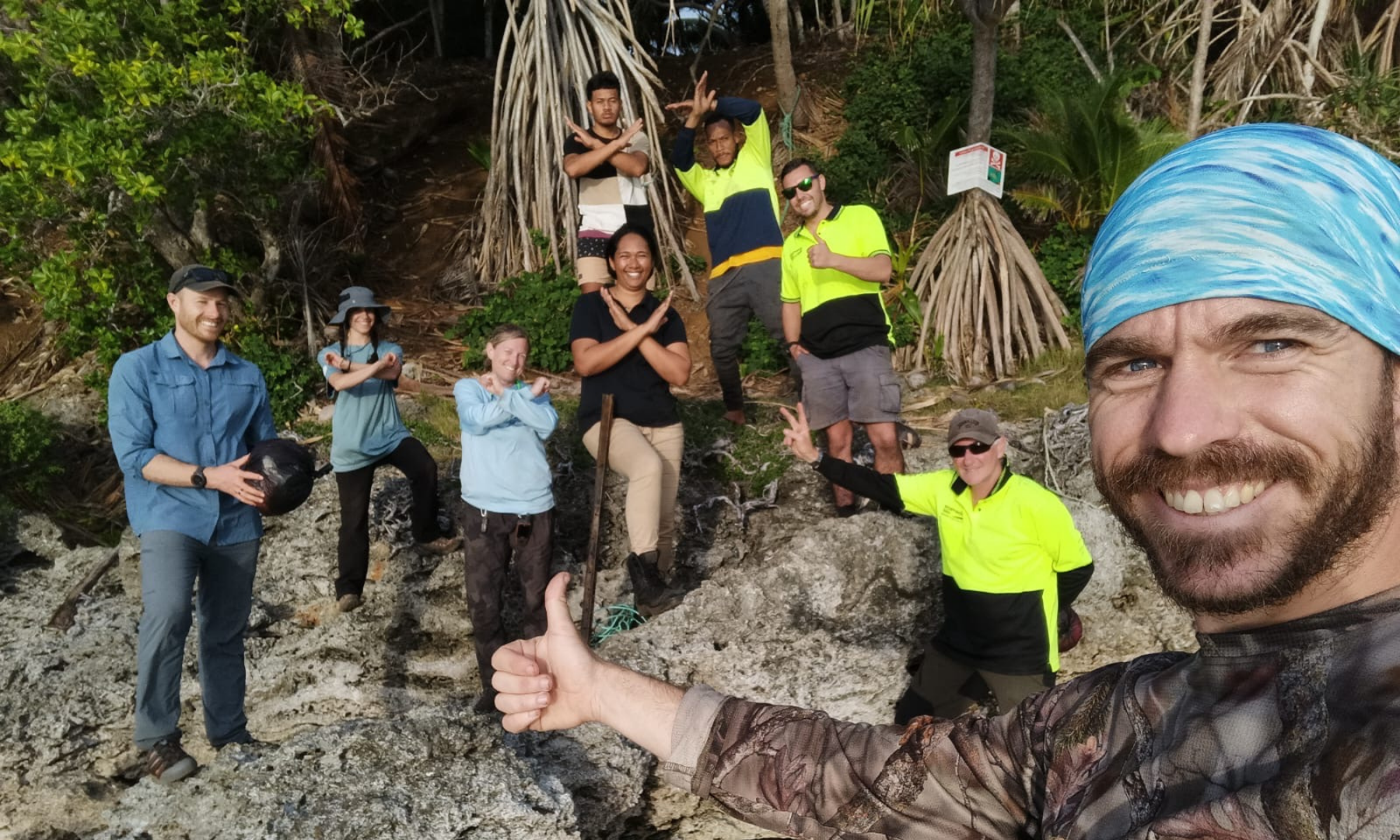
Check out our team in action this year

A roundup of some of our favorite WhatsApp updates from the year.


Paul Jacques on Bikar Atoll in the Marshall Islands admiring the revived seabird colonies. Photo by Shaun Wolfe.


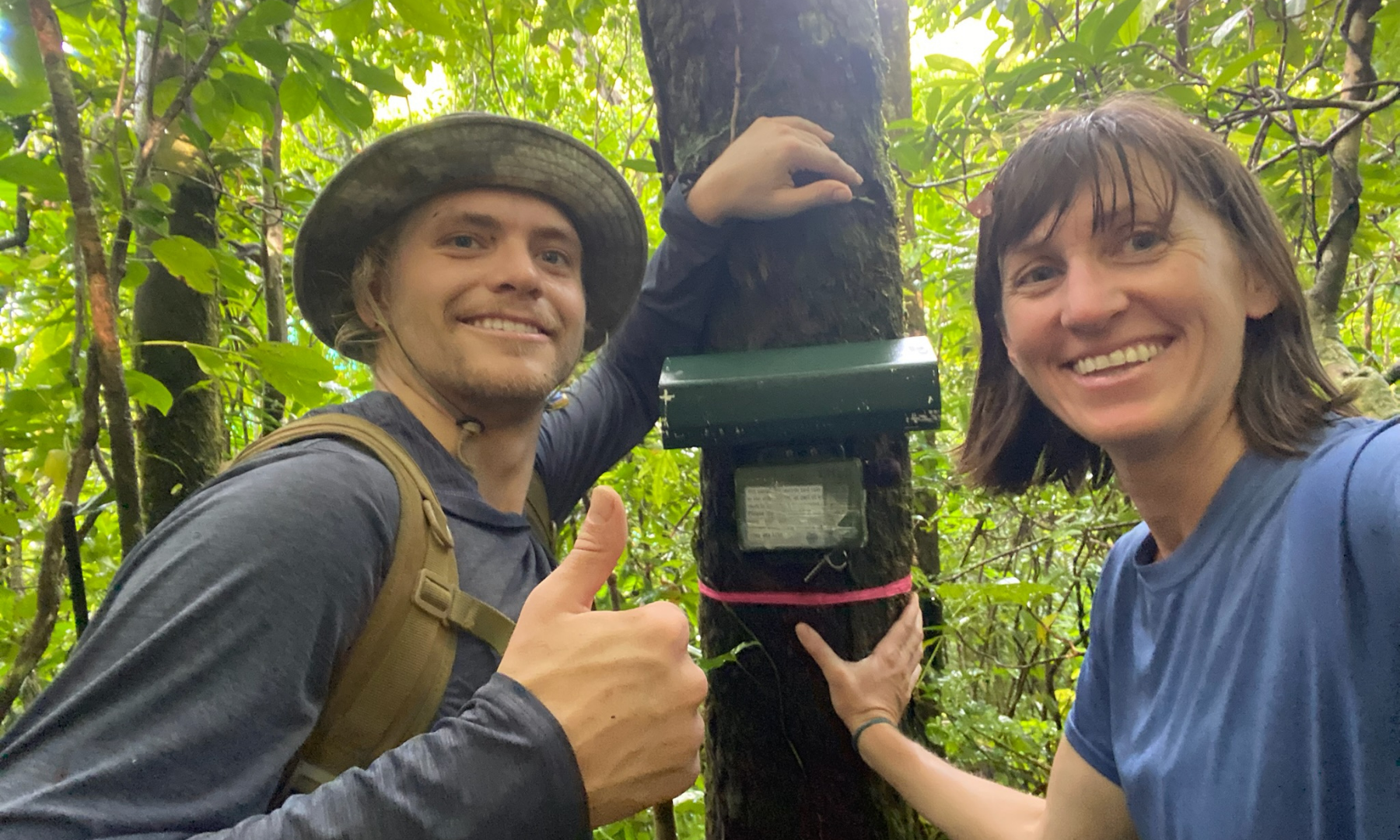
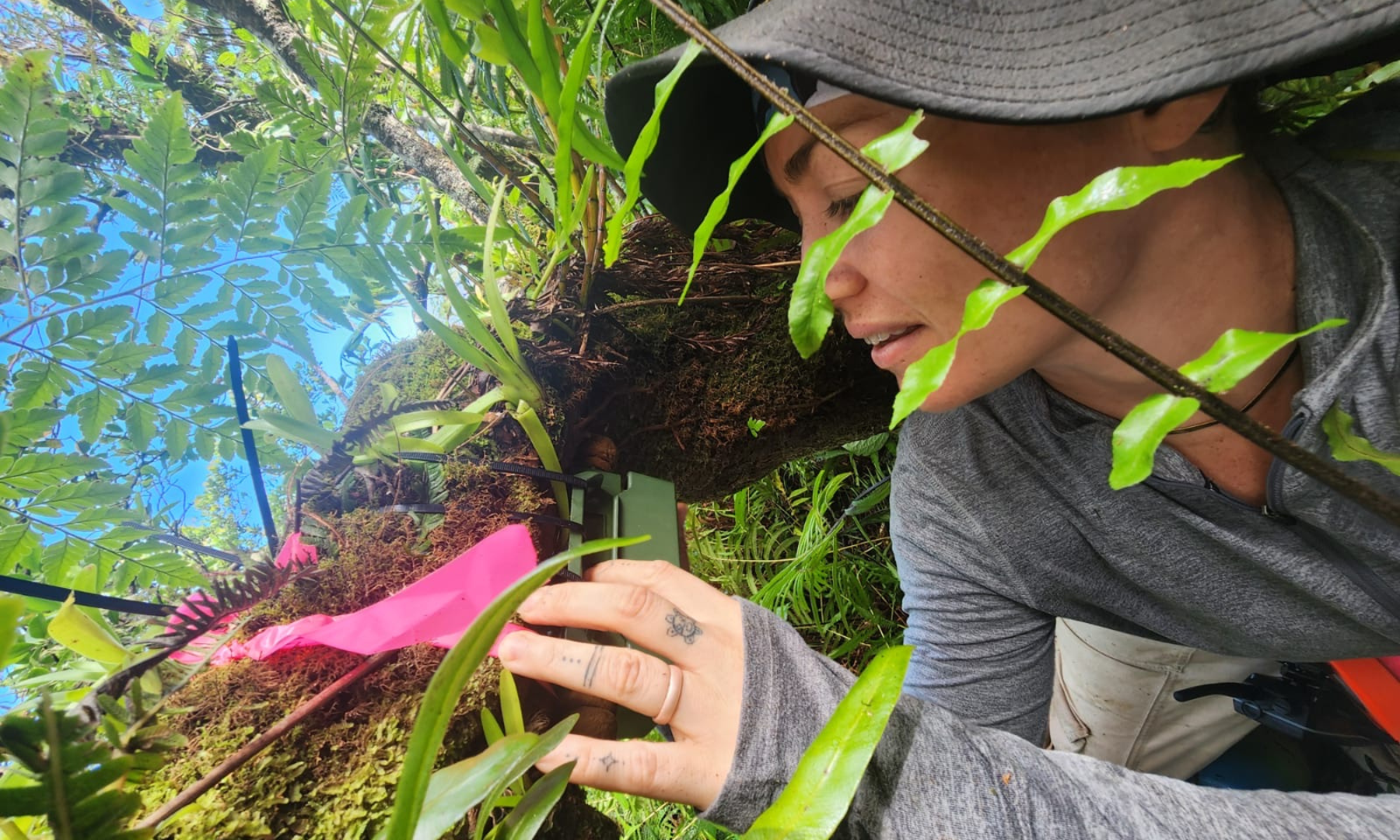
Austin and Coral installing a song meter in Palau to track wildlife calls.


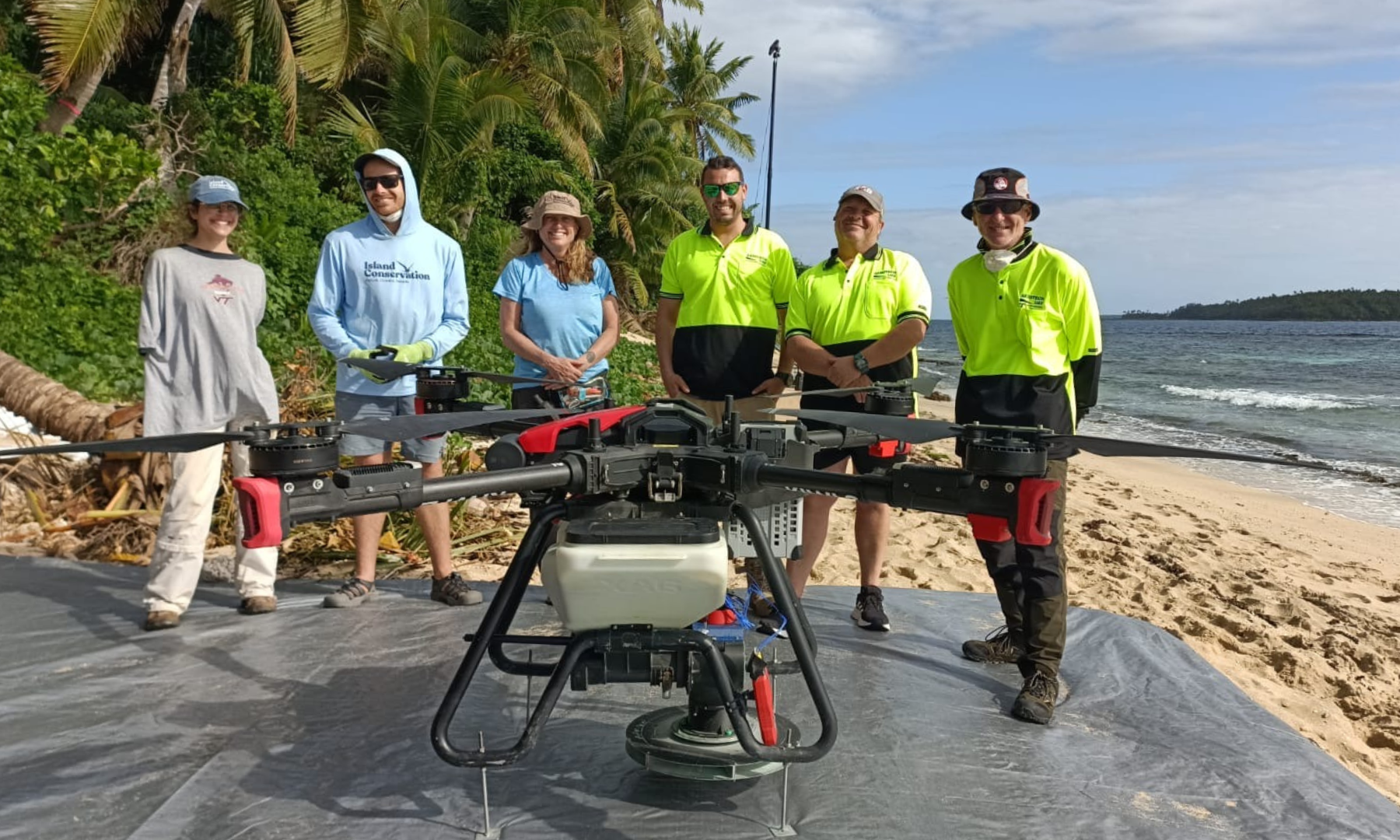
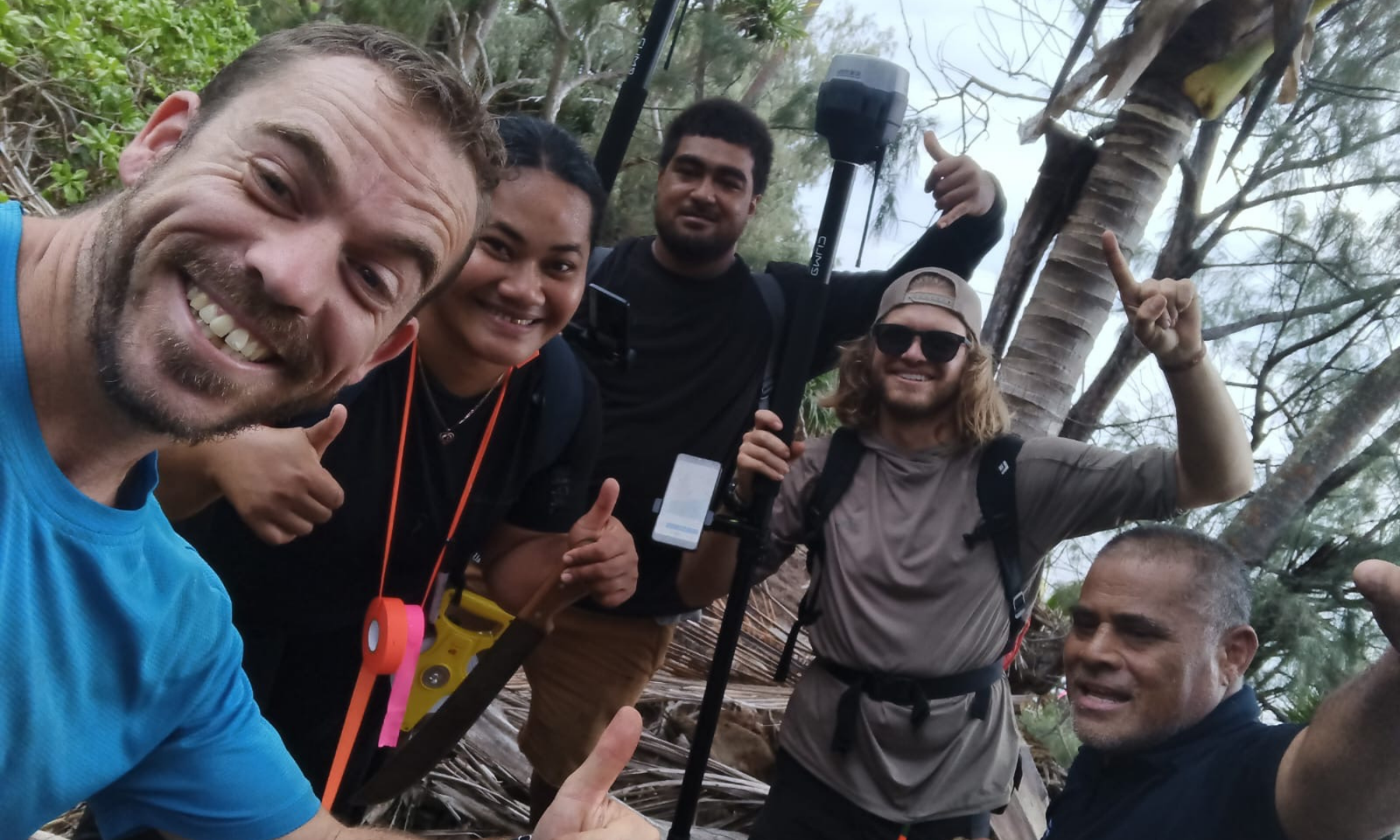
Sierra, Jesse, Amy, and partners working with new drone partners on Fetoa Island, Ha’apai, Tonga.


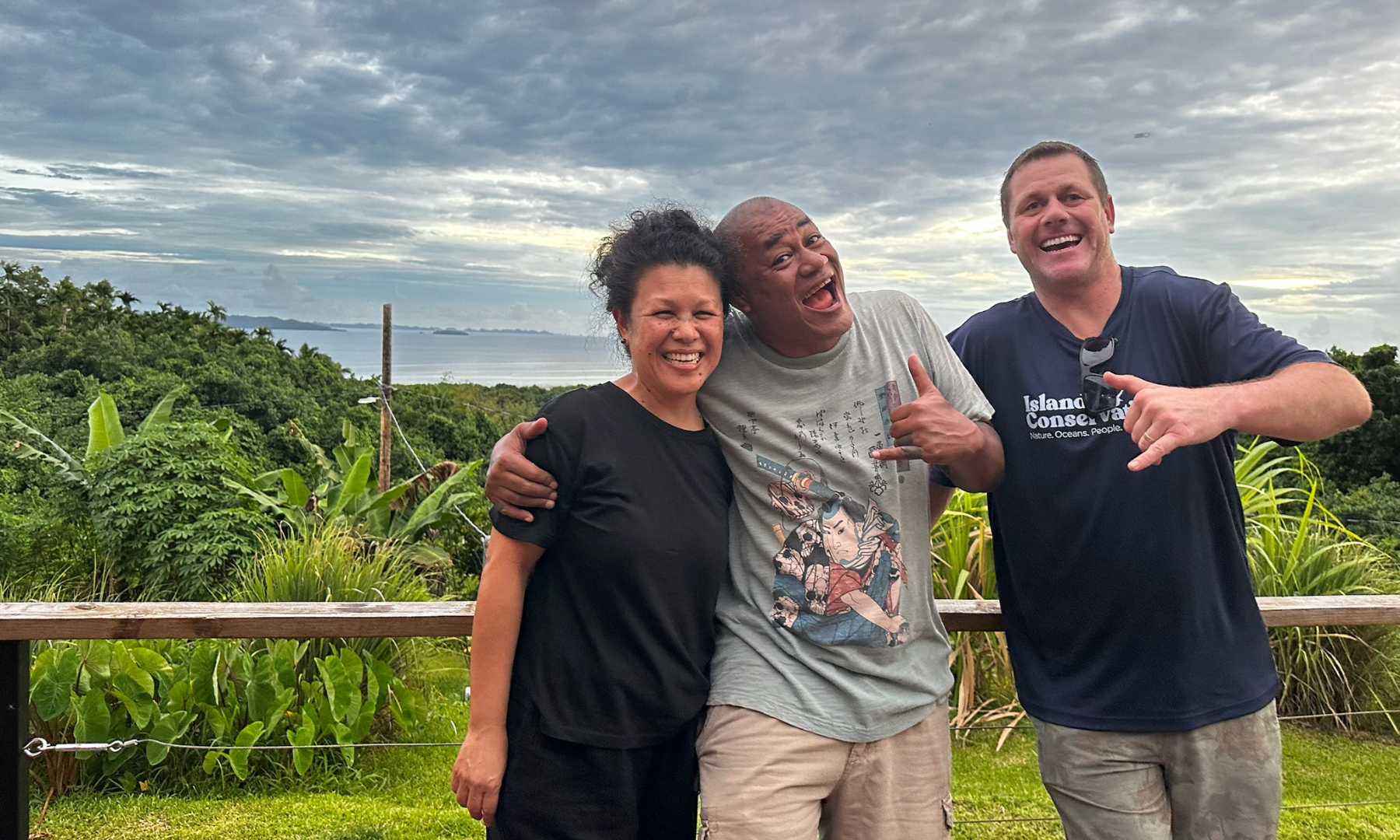
Klouldil, Tutii, and Tommy in Palau for a monitoring trip.


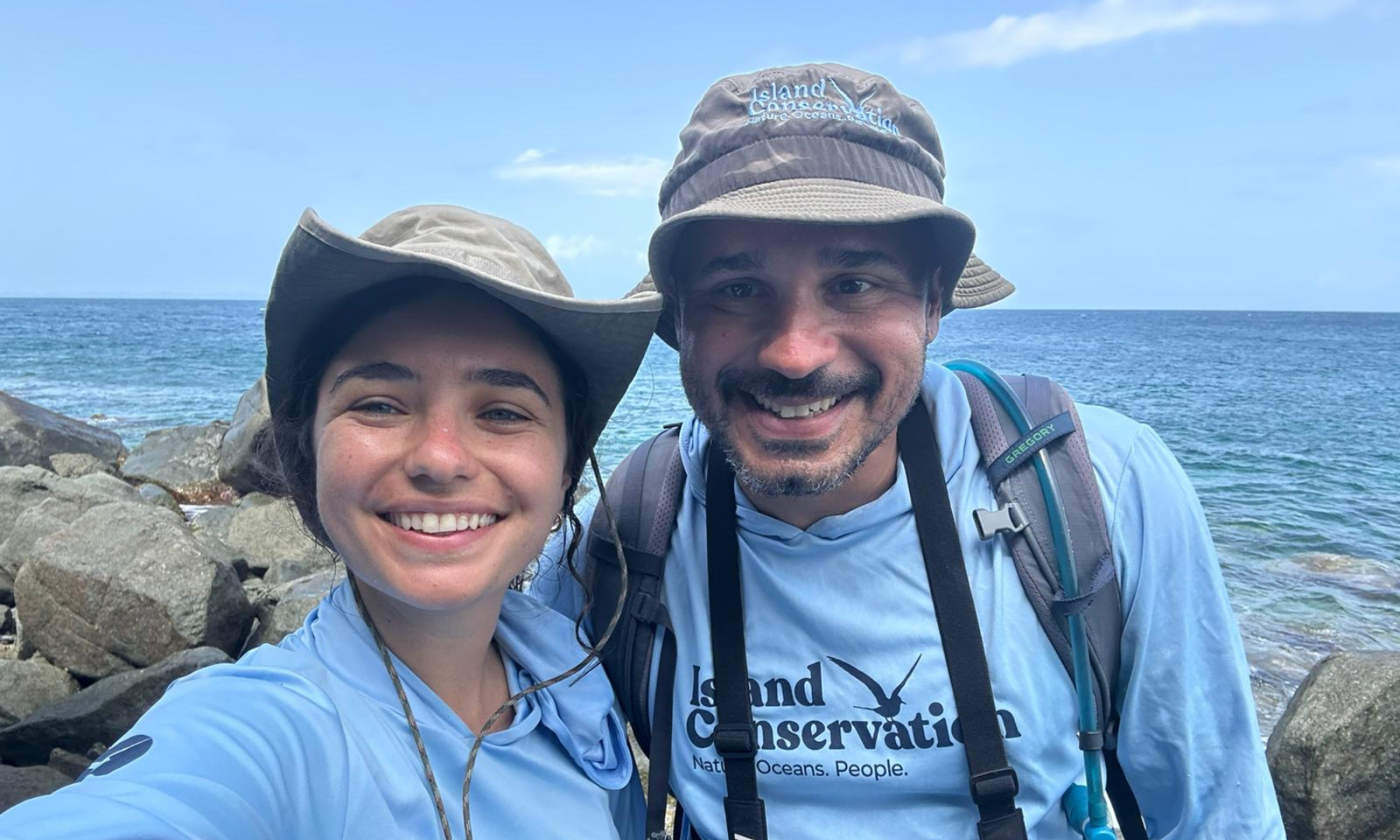
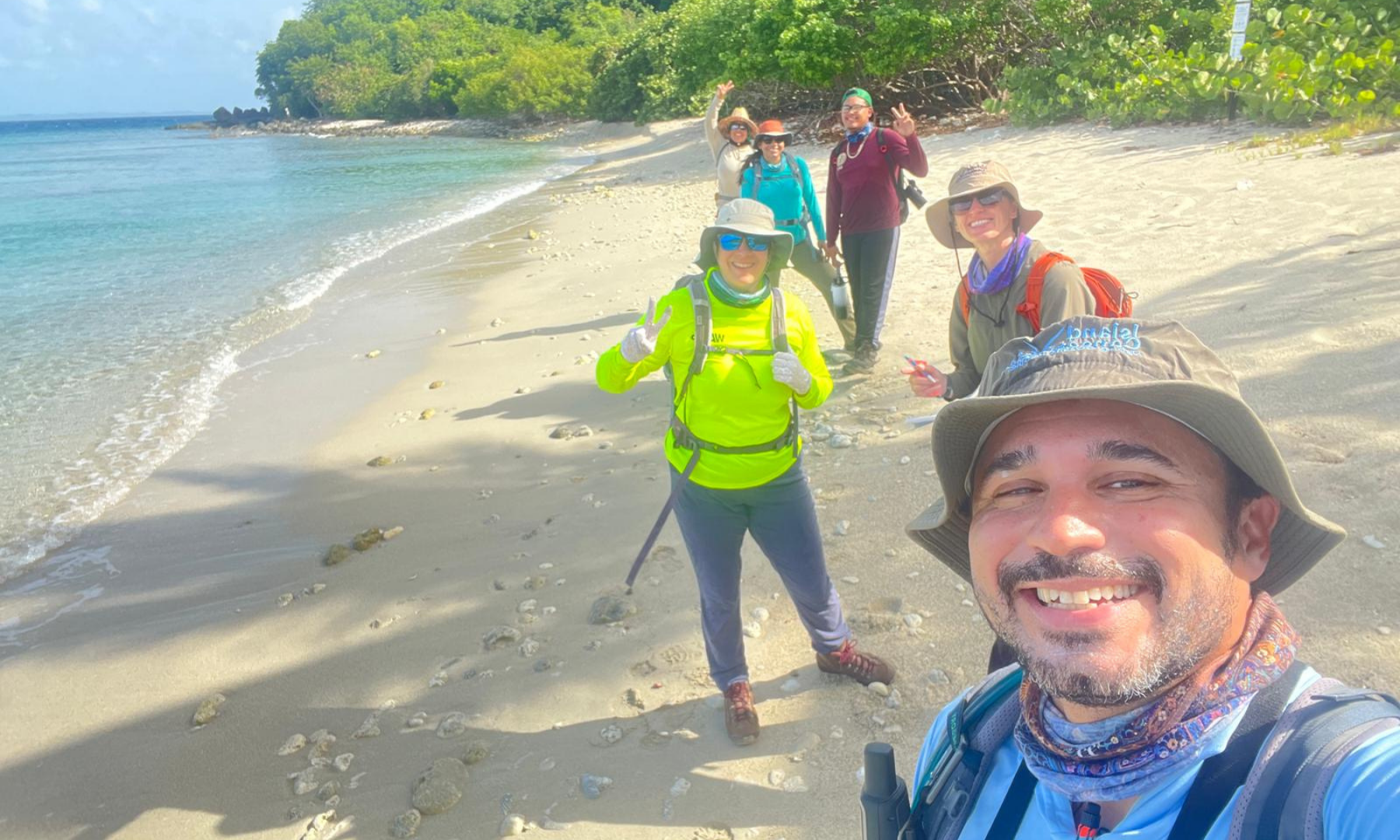
Kara and Jose Luis on Culebrita Island, Puerto Rico.


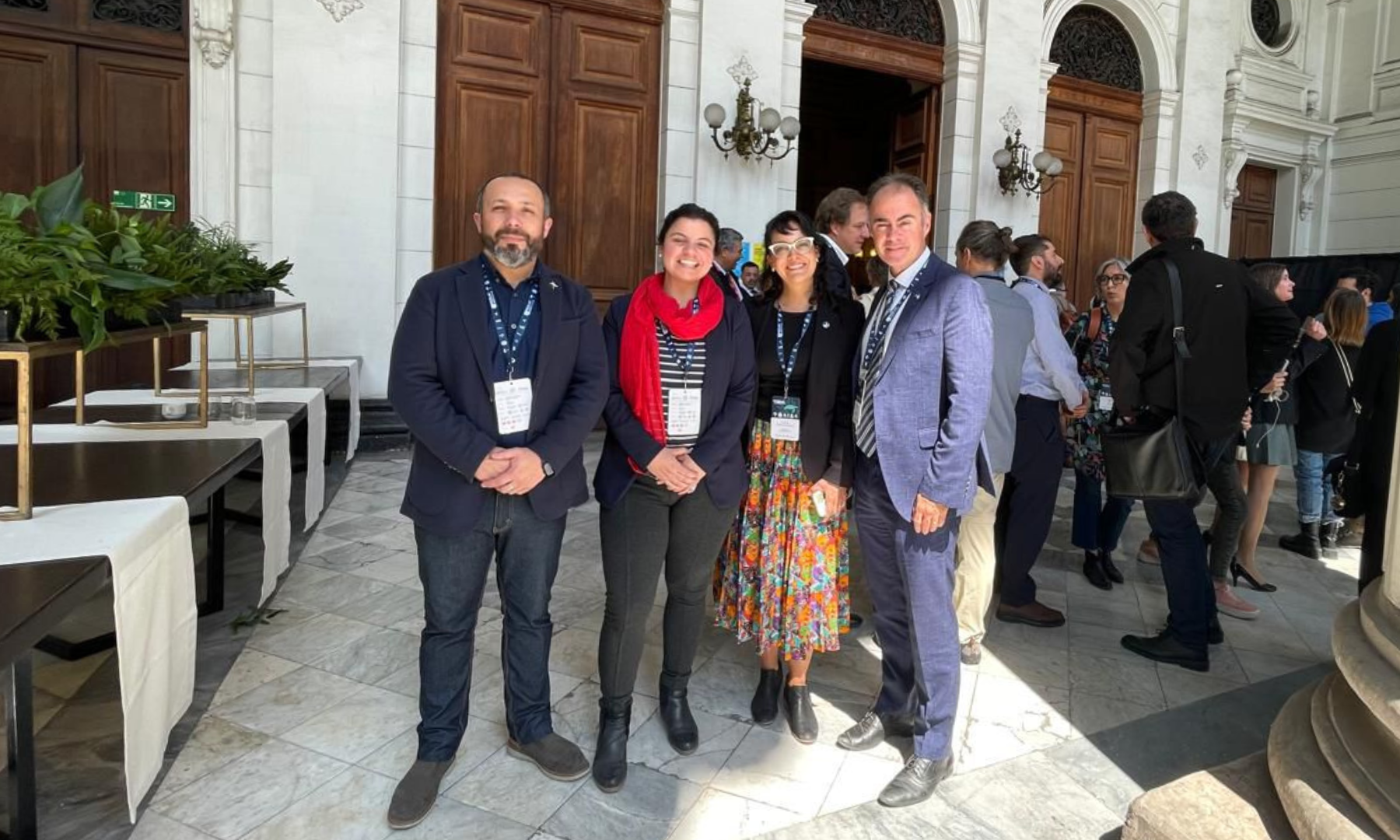
Jose Luis, Cote, Valeria, and Cameron at the 2025 RedLAC conference in Santiago, Chile.


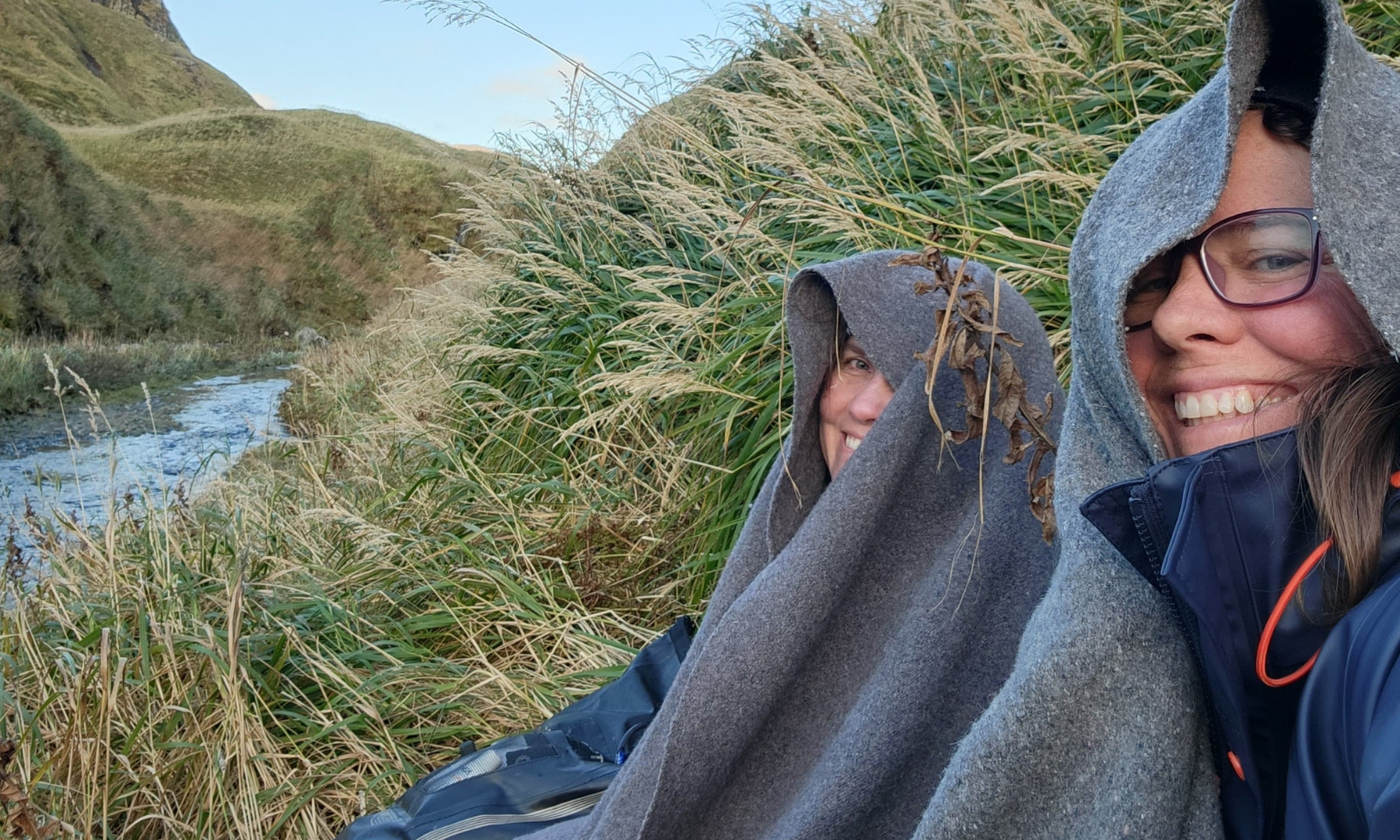
Julie and Paula in windy weather on Adak in the Aleutian Islands, Alaska.


Baudouin, Austin, and partners on Fetoa Island, Ha’apai, Tonga


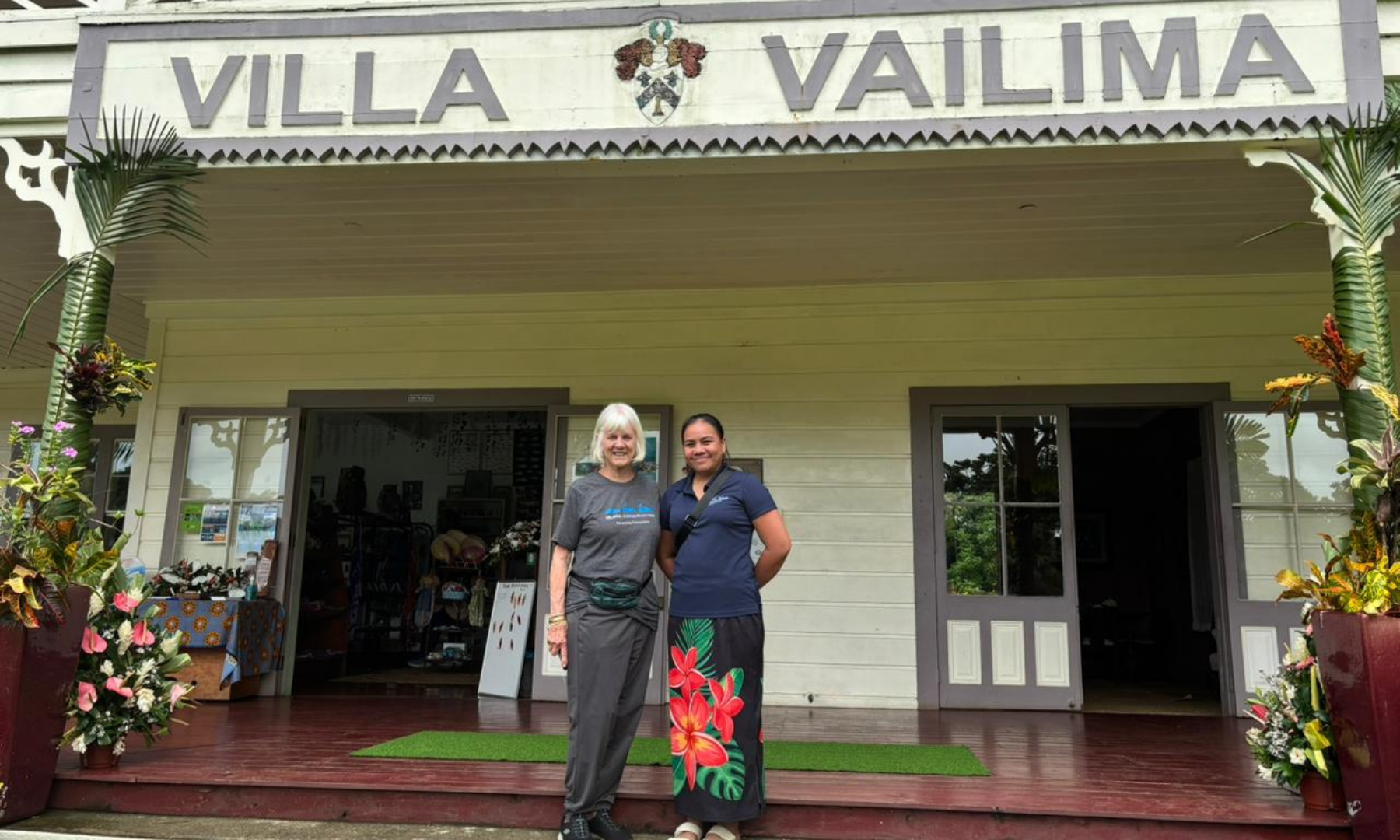
Grace and long-time Island Conservation supporter Balbi Brooks in Apia, Samoa.


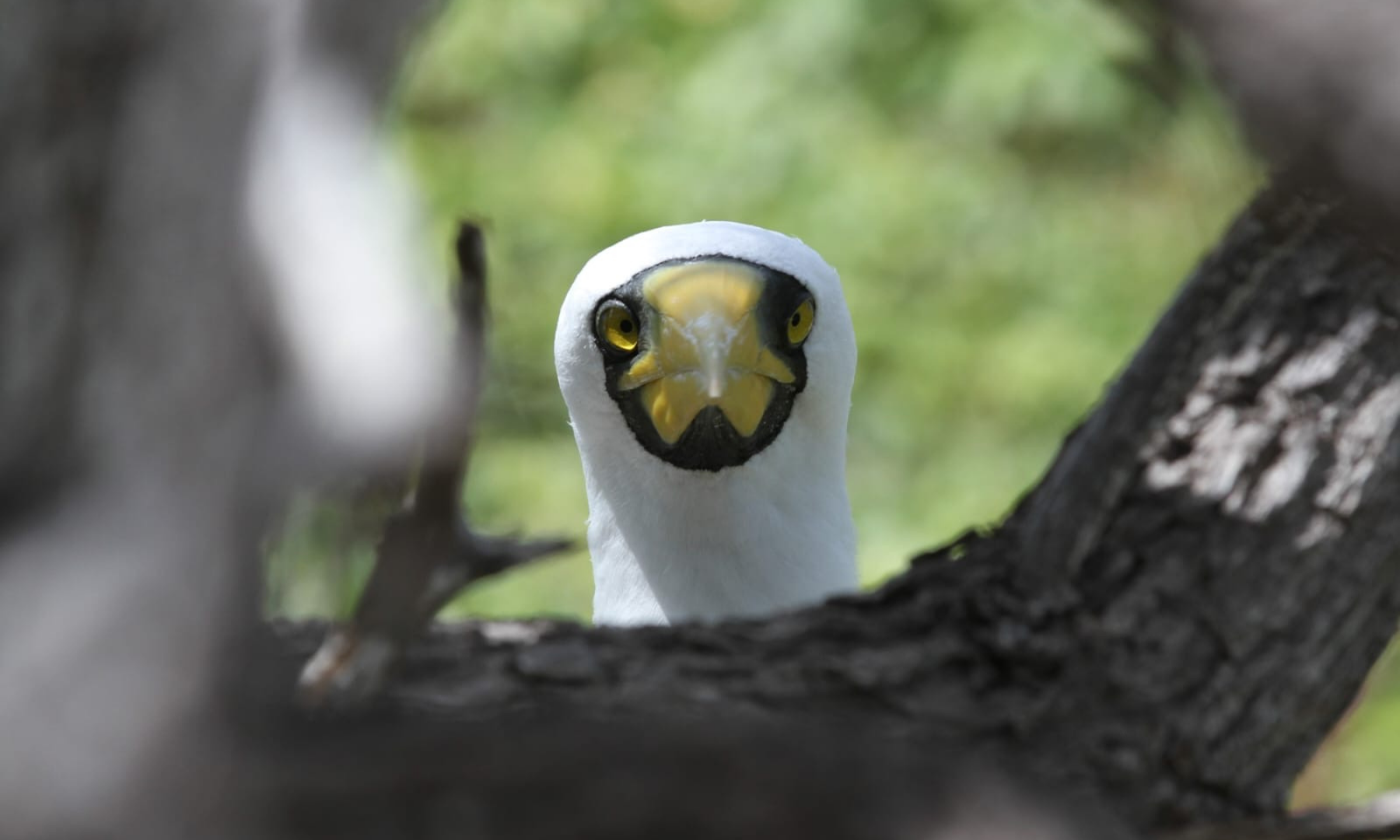
Masked Booby saying hello on Bikar Atoll in the Marhsall Islands. Photo by Paul Jacques.


Maddy on Alto Velo Island, Dominican Republic.


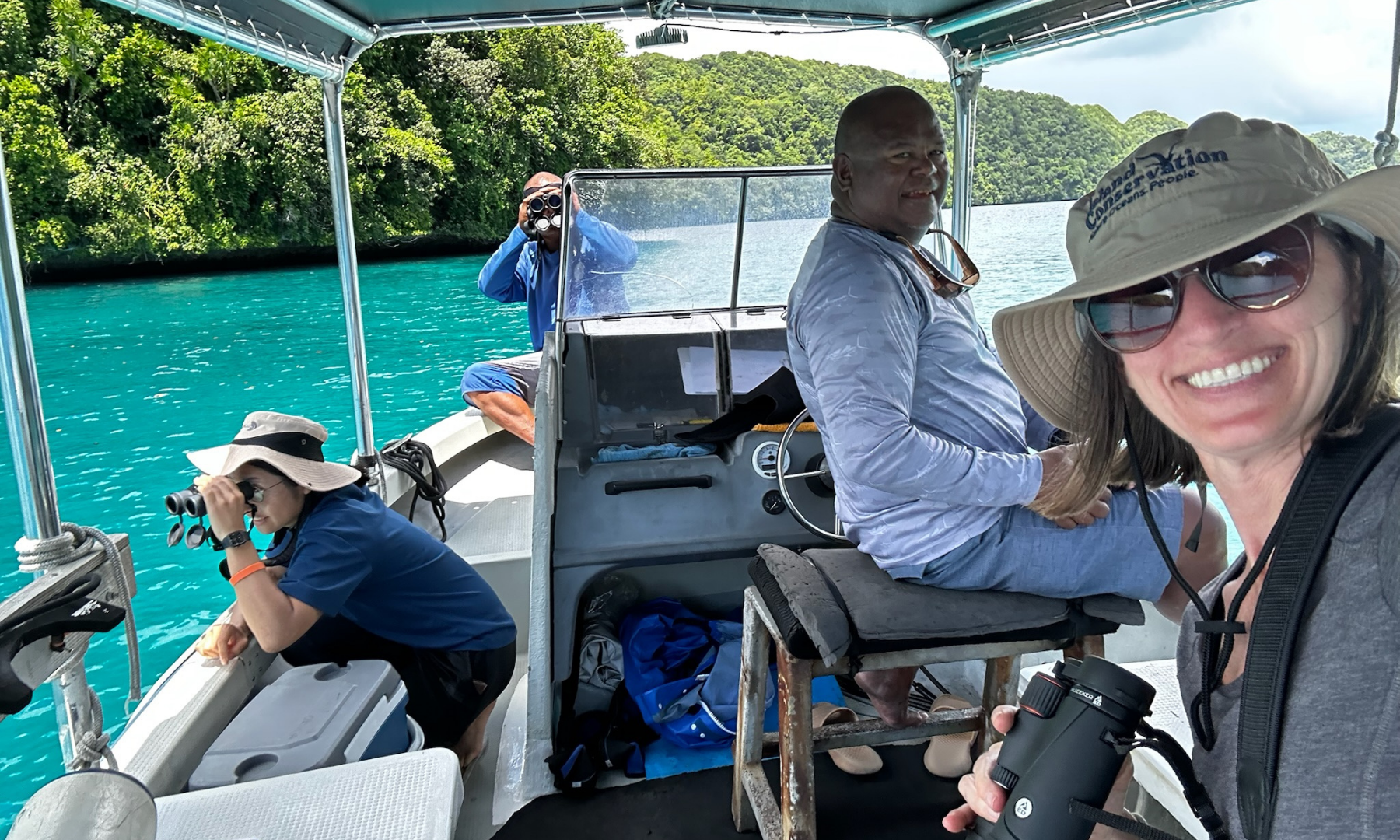
Coral, Tutii, and partners in Palau scouting for seabirds.


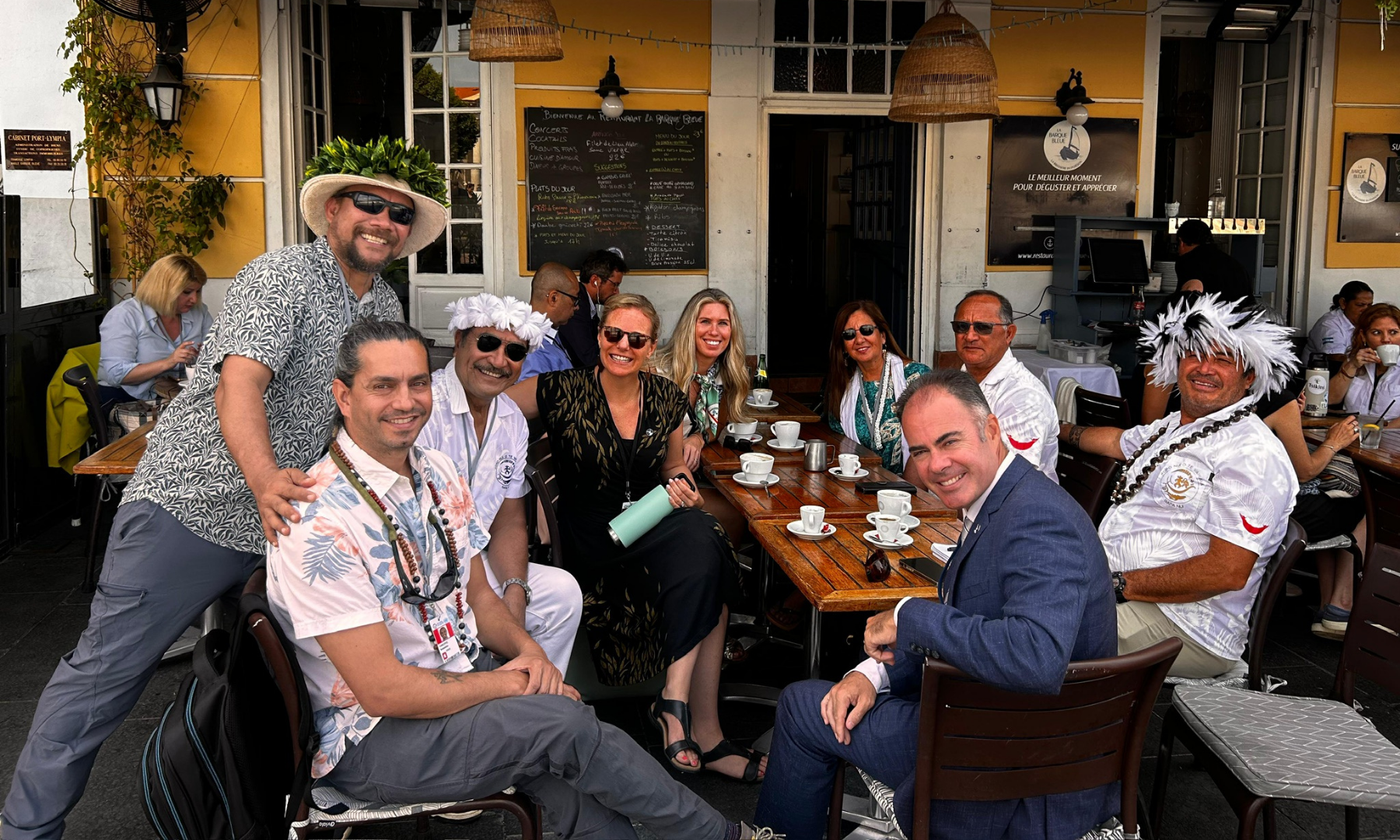
Rapa Nui Sea Council members with our team at the United Nations Ocean Conference in Nice, France.


Bauduoin, Jesse, Sierra, Amy, and partners on the final day of an implementation trip on Fetoa Island, Tonga.


Cozette setting up a camera trap during her trip in Tonga.


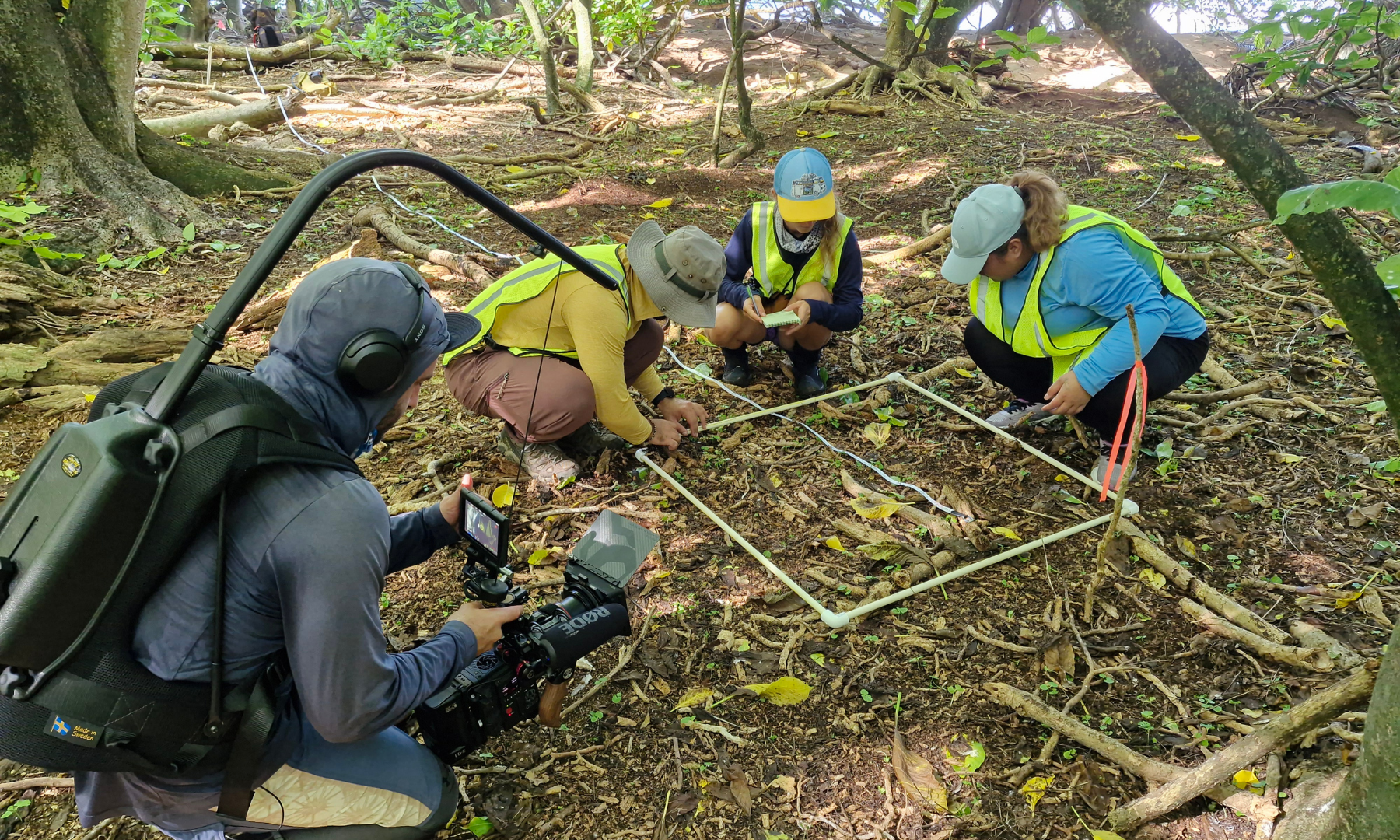
Team conducting seedling transect surveys on the Marshall Islands with Shaun Wolfe filming for an upcoming project (stay tuned in 2026)!


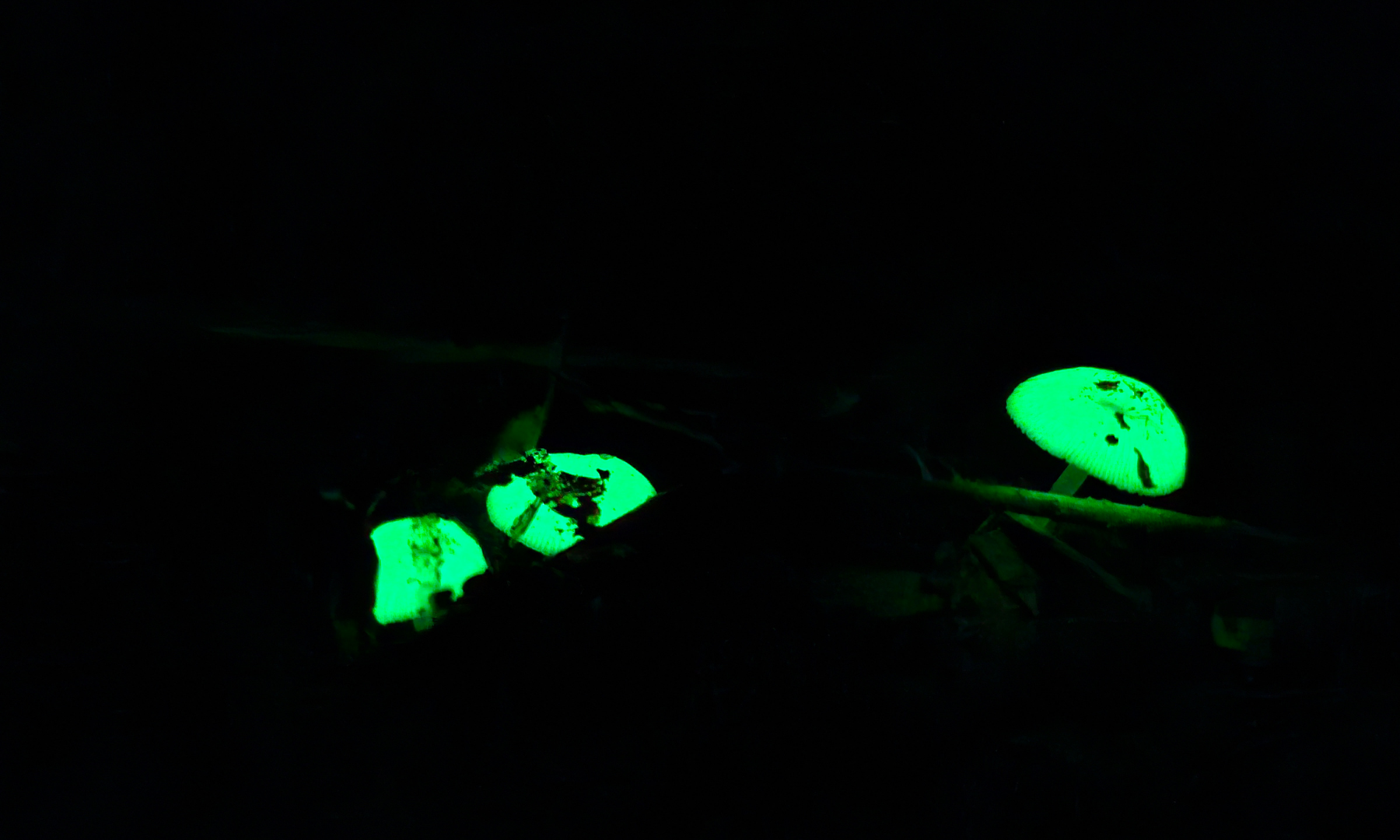
Bioluminescent mushrooms on Nu’utele Island, Samoa.


Jose Luis and team on Culebra Island, Puerto Rico.


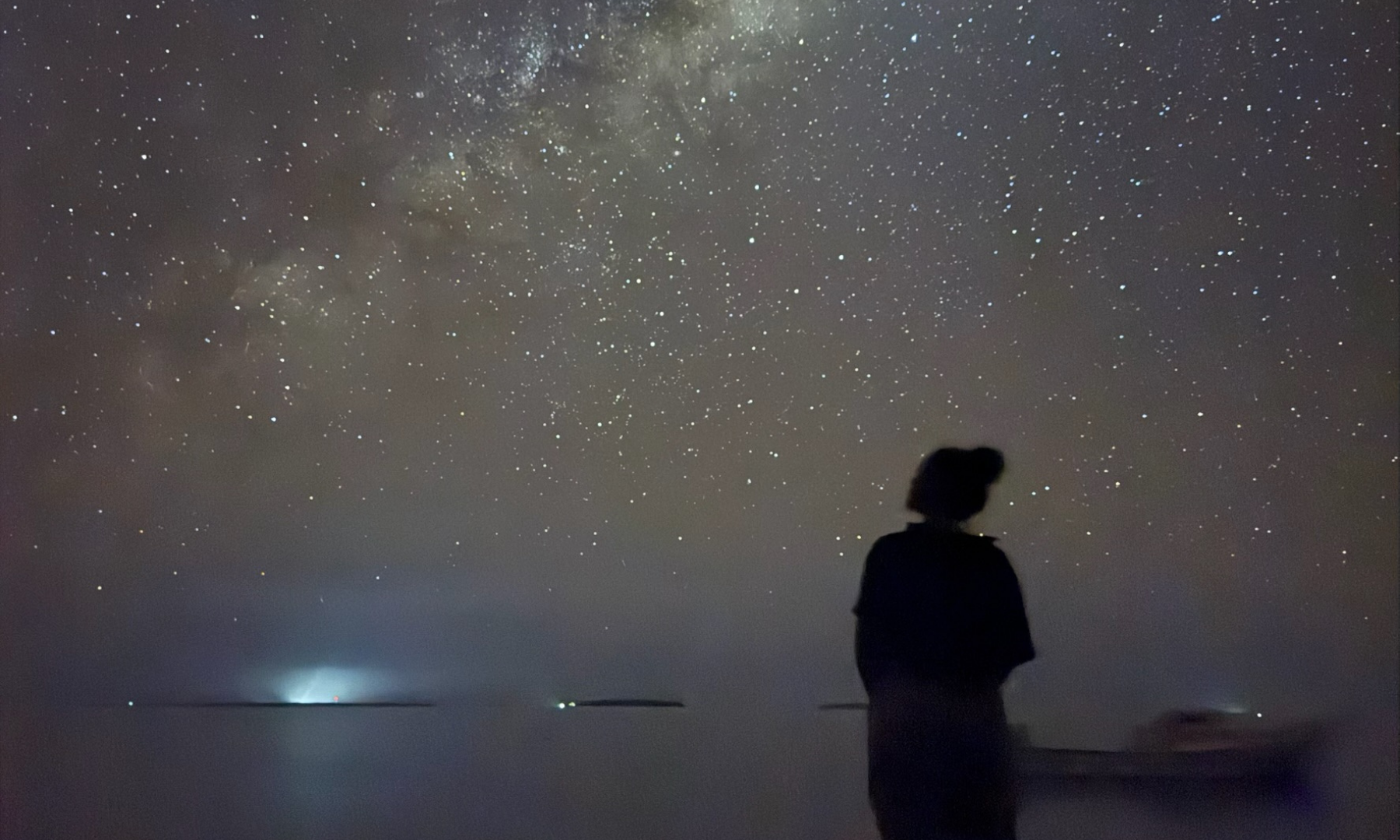
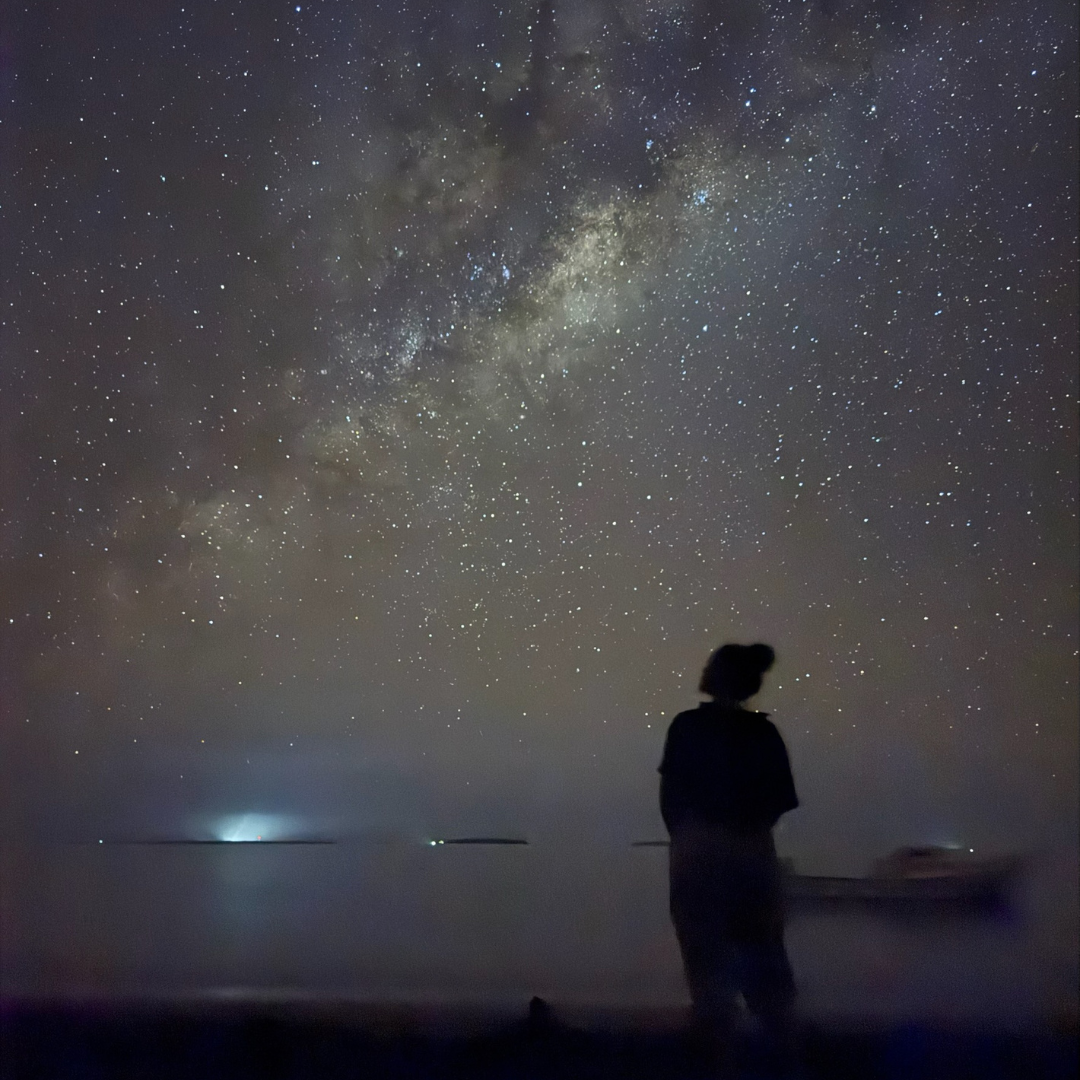
Cozette admiring the night sky in Tonga.

Your field guide to gift planning

The future begins with you.

The Islands Forever Society is a club of supporters who want to sustain Island Conservation’s work restoring islands around the world by including our organization in their will, living trust, or other estate plans. Members have the opportunity to participate in an array of offerings, exclusive events, donor trips, and more all while reducing tax burdens and supporting tangible, positive impacts worldwide.

A special thank you to our inaugural Islands Forever Society members: Amy Belledin, Scott and Vicki Fields, Alice Hoffman, Richard and Nancy Mack, J. Bailey Smith, and James Torgerson
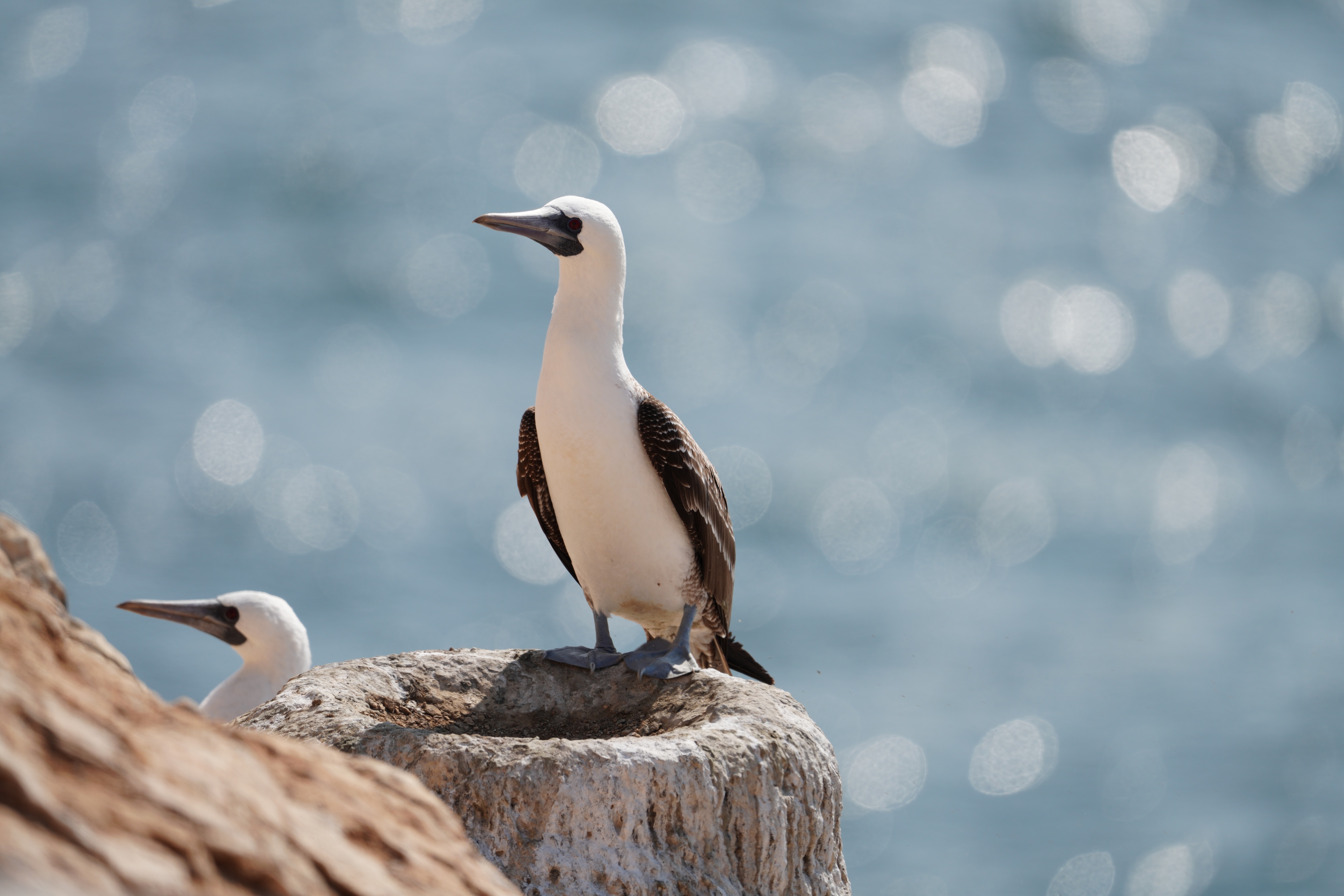
While the accelerating rate of climate change can invite despair, there are ways to respond. In my judgement, investing in the work of Island Conservation is one of the most effective possible responses.

Jim Torgerson

Islands Forever Society Inaugural Member

JOIN JIM!

Wear your impact

This is more than a shirt.

It’s a chance to spark conversations and raise awareness. Whether you choose our classic Island Conservation hoodie or our re-released Marshall Islands tee (that’s back for a limited time!), you’re bringing new people into the fold simply by wearing your impact.
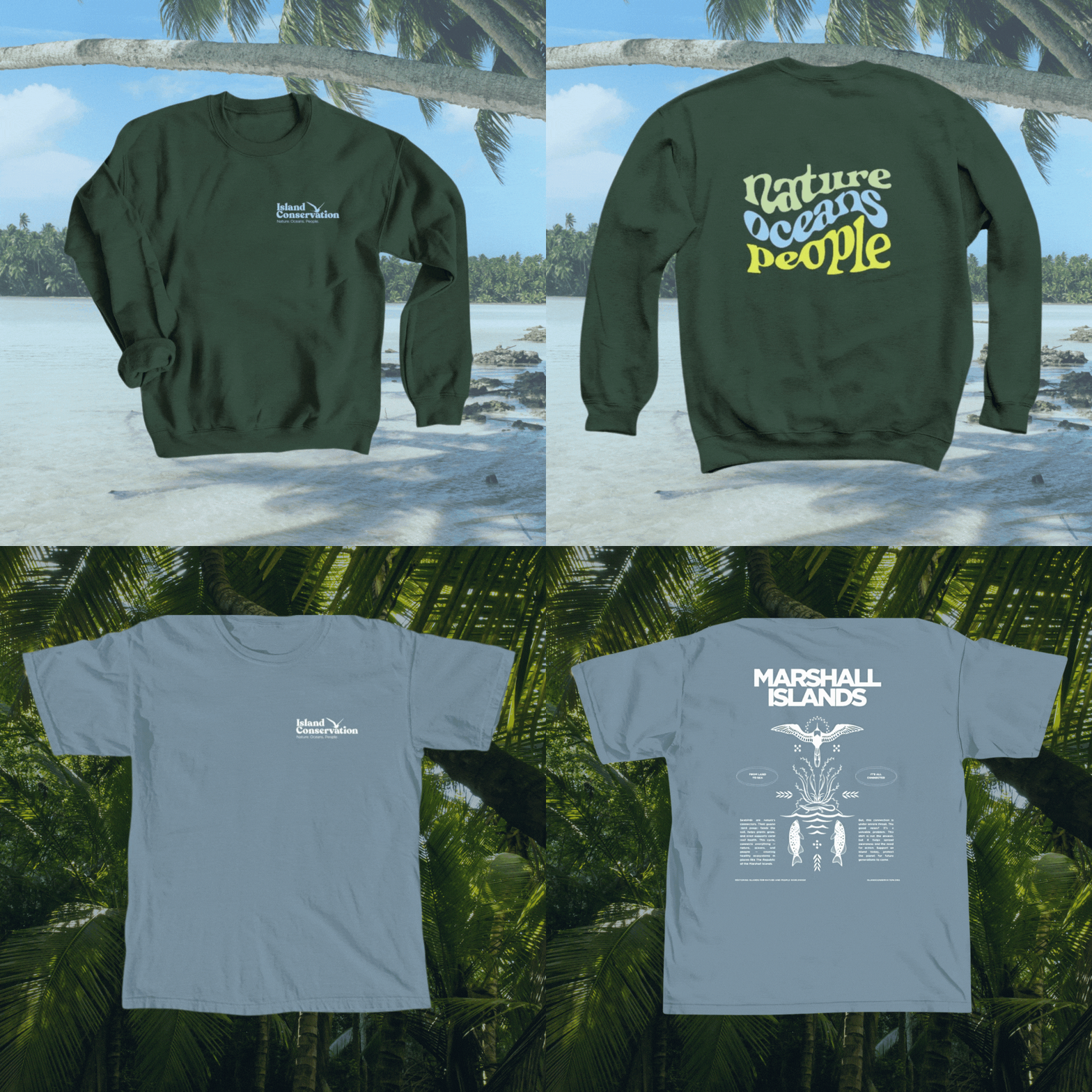
Island Conservation Merch Store

More ways to help

There’s more than one way to make an impact, and support looks different to everyone. We’re here to find the right option for you.

Whether you become a monthly donor and subscribe to create impact, donate stock, or give via cryptocurrency, you’re making a difference and leaving a legacy across the globe.

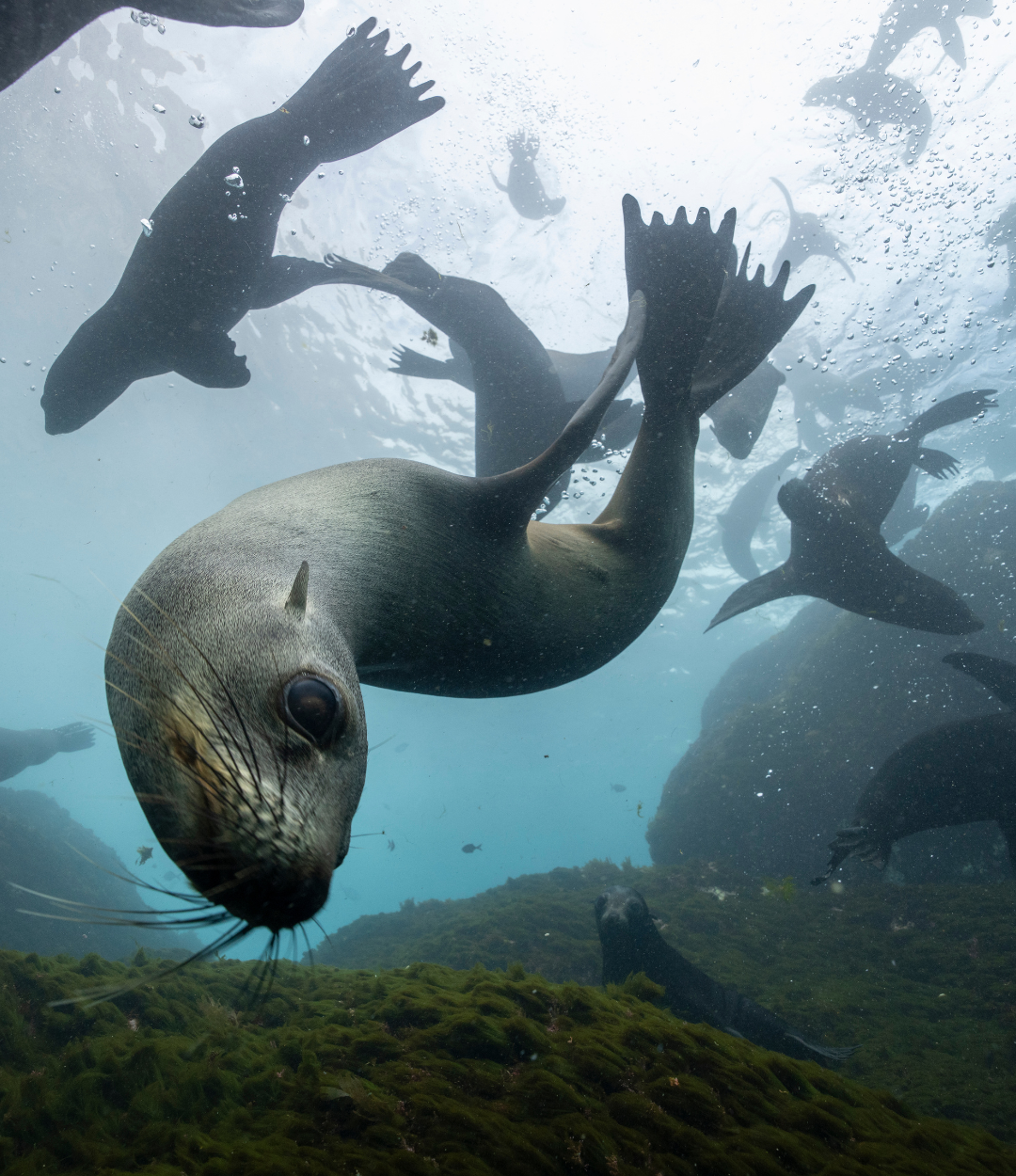
Photo by National Geographic photojournalist Andy Mann in the Juan Fernández archipelago in collaboration with National Geographic.

Stories of hope, straight to your inbox

The world can feel heavy, but there’s so much good happening. Get monthly updates on island restoration and environmental wins that remind you what’s possible.

All good news. No doom.

Thank you!

Thirty years ago, this organization began with two college professors and a clear goal: prevent extinctions by removing the primary threat. We’re grateful to have grown into the organization that we are today, one that goes above and beyond what our founders set out to do. And this is all thanks to our amazing supporters.

As more science emerges confirming what Indigenous people have known for centuries, we’re pushing the boundaries of innovation together, revealing the profound impact islands and Island Nations can have on our collective future.

Hope doesn’t just fall into your lap, hope is created — from a bold idea, from someone like you deciding to take action, from dedicated teams doing conservation work that’s proven to transform entire ecosystems and livelihoods.

We’re doing more than restoring islands for nature, oceans, and people.
We’re restoring hope.

JOIN US?


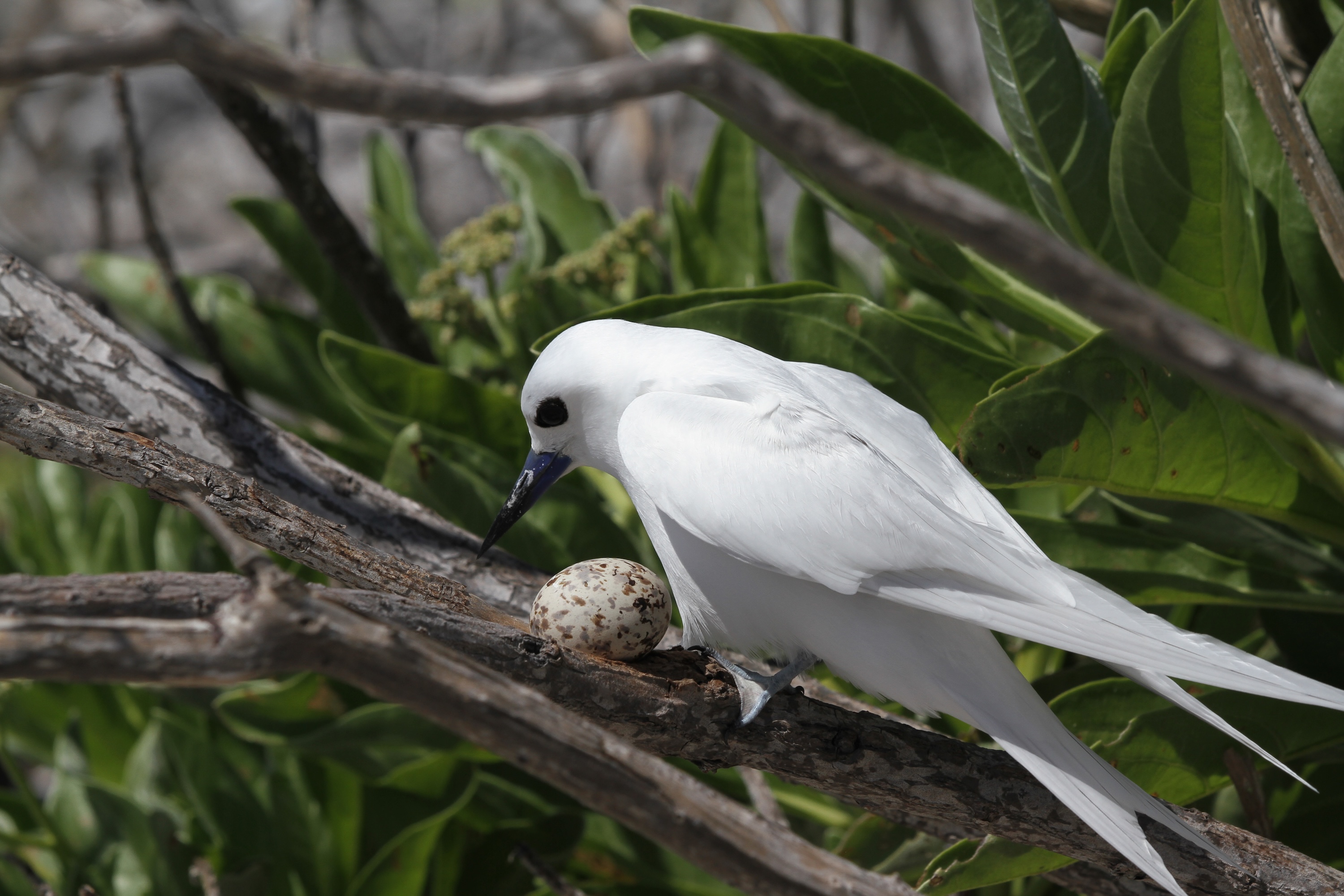
Adult White Tern with a new egg on the Republic of the Marshall Islands.

More proof that hope is growing.

Photo By Shaun Wolfe.