April 2, 2026
What is eDNA (Environmental DNA)?

At Island Conservation, we never innovate alone. Our Innovation Team is lucky to get the chance to meet and talk with experts doing cutting-edge research all over the world. We recently got the chance to meet Gracie Kroos, a PhD candidate at the University of Otago/Ōtākou Whakaihu Waka, who studies a tool Island Conservation is using to help holistically restore island ecosystems around the world: Environmental DNA, or eDNA! We asked her to tell us all about this emerging technique and how it can help conservationists learn more about and protect the ecosystems we love. Read her explanation and see some awesome photos she took performing experiments out in the field!
What is Environmental DNA?
By: Gracie Kroos, University of Otago/Ōtākou Whakaihu Waka
The environment is like a guestbook. Every organism that swims, walks, or flies through signs its name in microscopic genetic fragments, shed through skin cells, mucus, hair, and other biological traces. This genetic debris can be collected from water, soil, or even the air, allowing us to identify which species are present using a method called environmental DNA.
Why does it matter?
Many animals are seldom seen. They may live underwater, sit high in the treetops, hide in dense vegetation, move at night, or exist in very low numbers. Even after spending days in the field, these species can easily go undetected.
Environmental DNA allows researchers to quickly scan an area and detect species without needing to see, trap, or disturb them. This makes it a powerful tool for biodiversity monitoring, helping us build a clearer picture of which species live in an ecosystem. With just one sample, many living things can be discovered at the same time, from tiny microbes all the way to large mammals. This information can be used to track how species interact, compare biodiversity across different habitats, monitor ecosystem health, or record changes over time.
Environmental DNA is also valuable for detecting rare species. Using environmental DNA, even small traces of DNA can confirm a species presence. At the same time, eDNA can provide an early warning system for invasive species, enabling the detection of new arrivals before they spread widely.
Together, these capabilities make environmental DNA an increasingly important tool for conservation, particularly on islands, where unique species often exist in small populations, and ecosystems can be especially vulnerable to change.
How does it work?
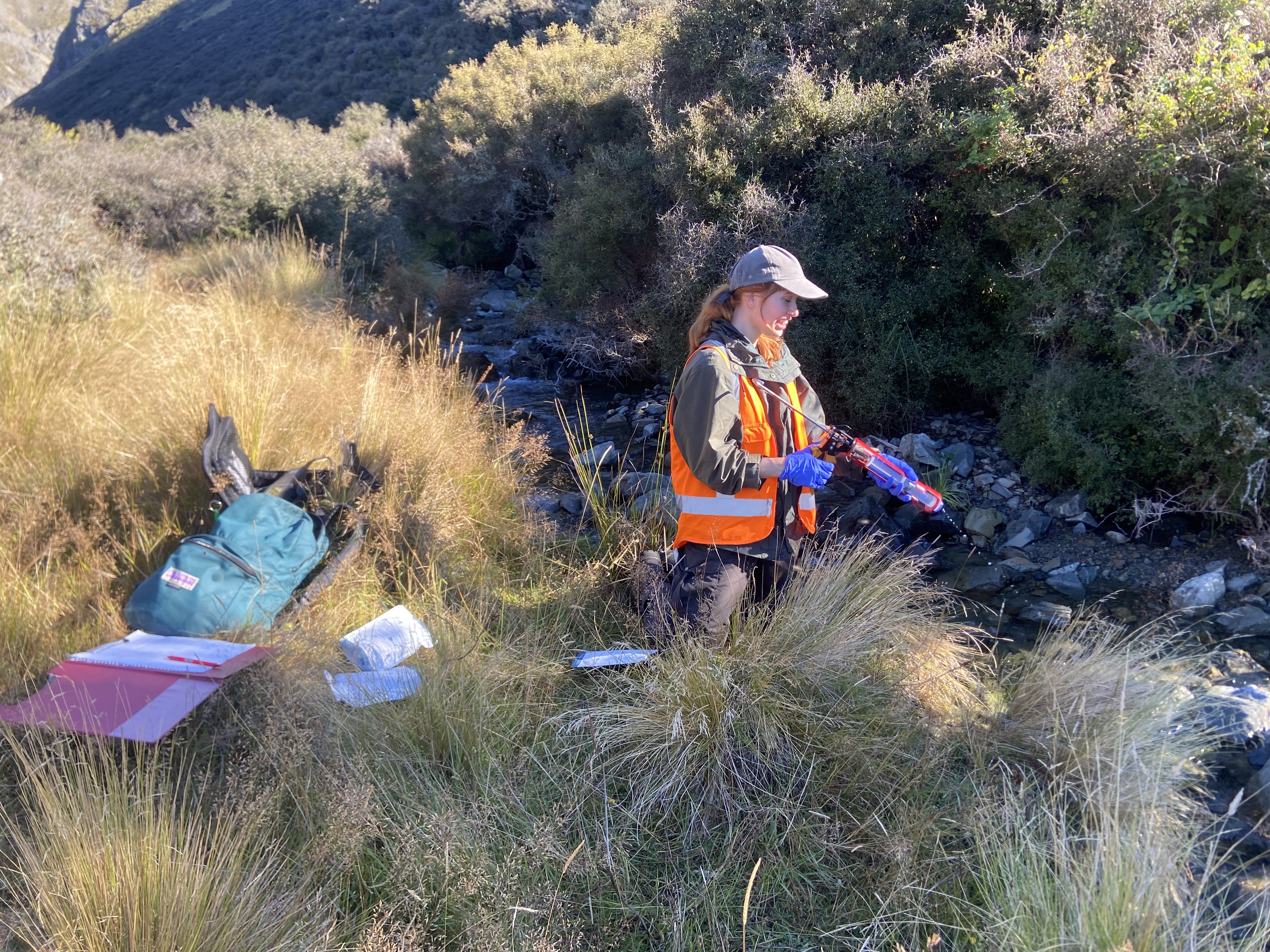
First, samples are collected from the environment. Anywhere a species might spend time is a likely place for DNA to be shed, through activities such as breathing, eating, drinking, reproduction, or movement. For aquatic species, this often means taking water from streams, rivers, or the ocean. For land-dwelling species, samples might come from soil, vegetation, surfaces, ponds, spiderwebs, or the air.
Often, the main tool for collecting DNA is a filter. Filters act like a sieve, trapping tiny particles that may carry genetic material. For example, liters of water can be poured through a filter, which holds onto the DNA while returning the water to the environment. Sometimes, scientists use swabs instead, picking up traces from surfaces like tree trunks, rocks, or leaves.
Once the samples are collected, any DNA contained in the sample needs to be matched to the species it came from. Like a barcode, every species carries its own unique DNA sequences, making it possible to tell them apart.
Answers in the air: a case study in New Zealand
A powerful example of environmental DNA at work comes from research at the University of Otago in New Zealand, funded by the Ministry for Primary Industries on behalf of the Tipu Mātoro National Wallaby Eradication Programme. Novel airborne sampling methods are being used to detect the presence of elusive mammalian pest species.
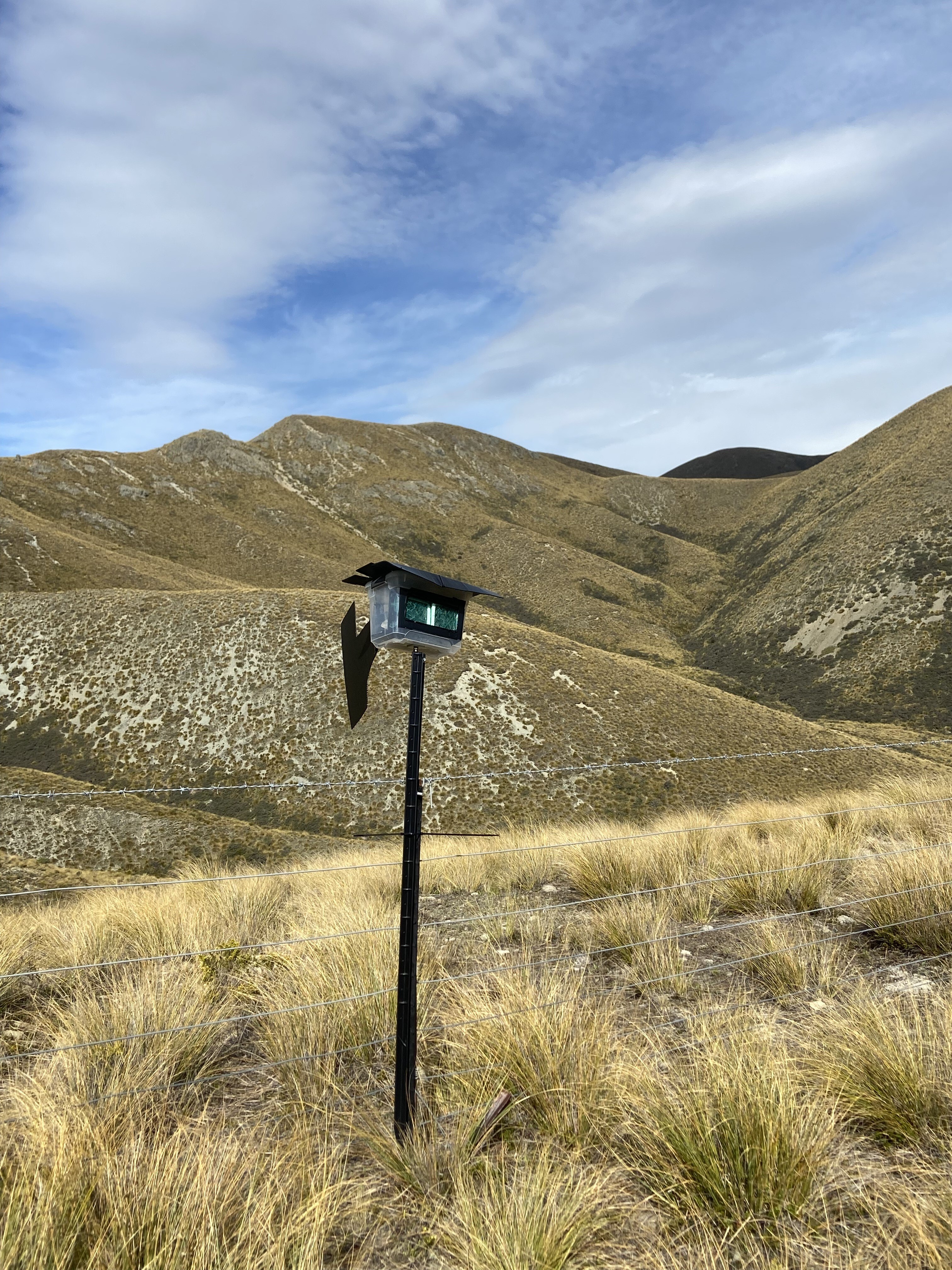
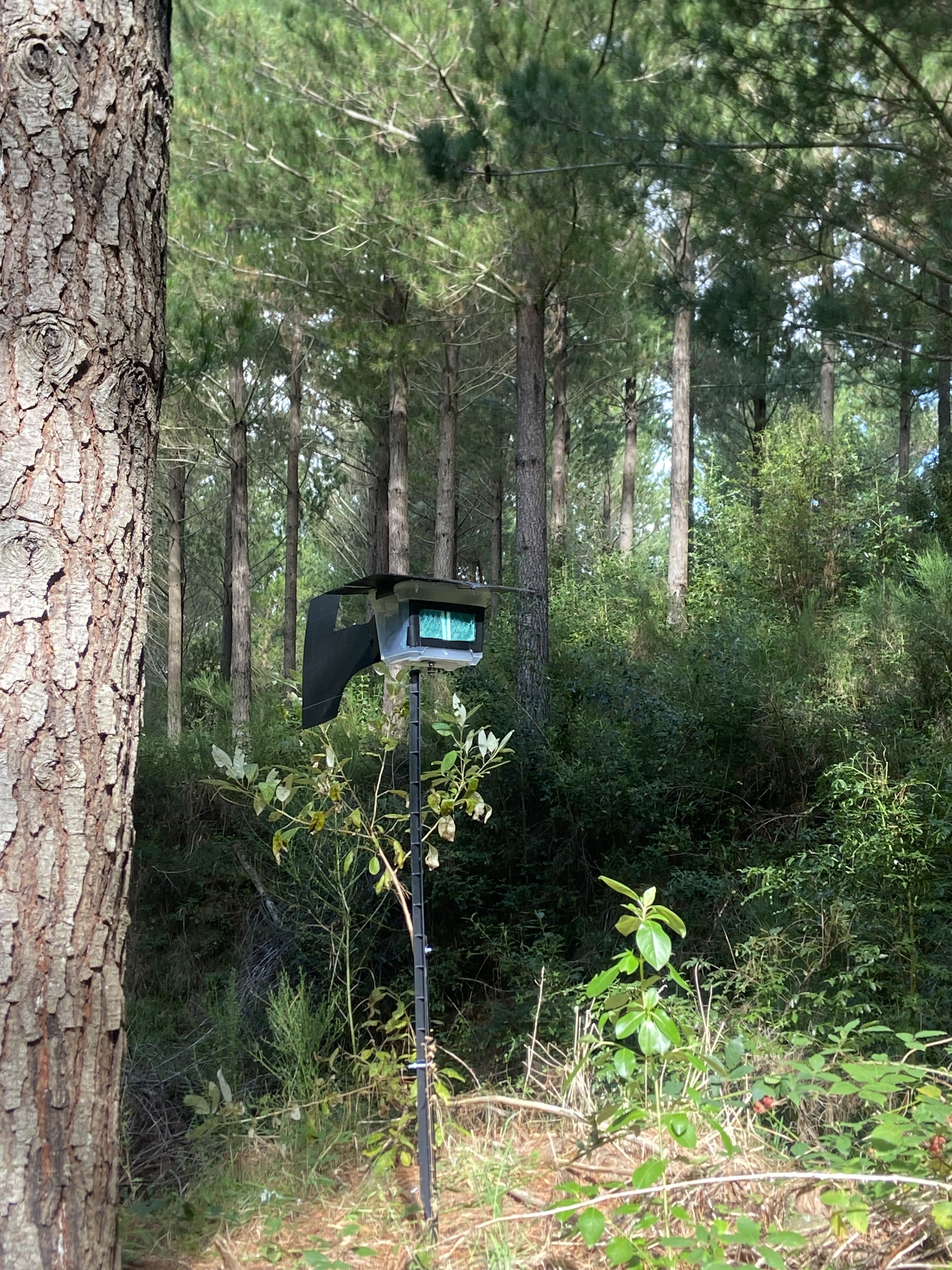
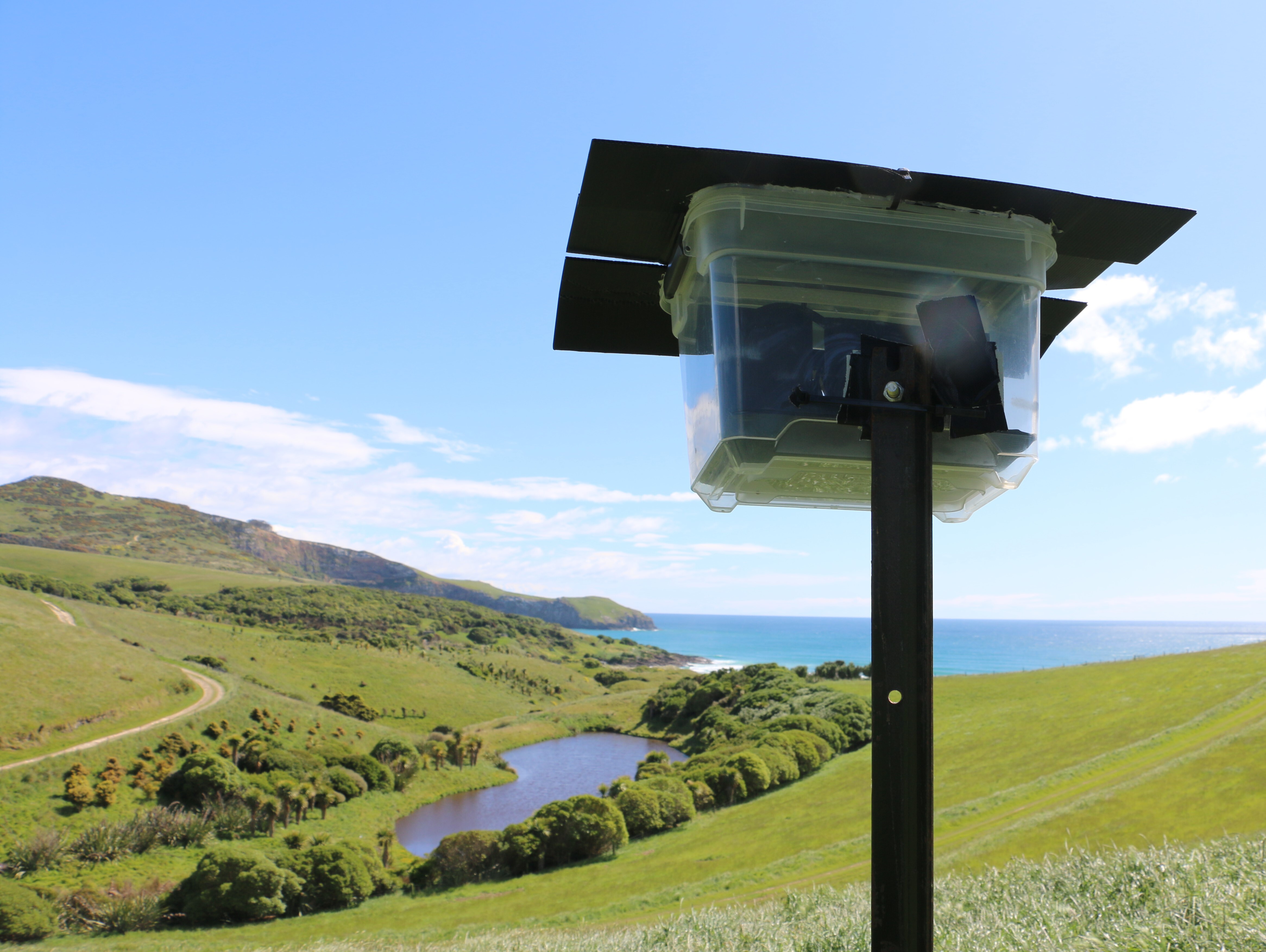
Each airborne sampling device is made from readily available materials. A metal stake positions the device 1.5 metres above the ground to intercept air flow. On top sits a plastic container that rotates to face the prevailing wind, capturing air from all directions. Inside, battery-powered fans help to pull air through filter material exposed to the open air. These filters are usually deployed in ventilation systems, and are specially designed to trap tiny airborne particles. The devices are left in place for 24 hours before the filters are collected and taken to the lab for analysis. While these devices are simple, they deliver powerful results, representing a monitoring technique that is readily scalable and accessible.
To find out more, you can read this newly published article in Environmental DNA journal.
Reading Nature’s Signatures
Environmental DNA is improving how we track the life around us. Compared with traditional methods like camera traps, trained detection dogs, or aerial drone surveys, environmental DNA can be faster, require less labour, and reduce monitoring costs. A few stream water samples can have the same detection success rate as weeks of camera-trap surveys. Pond water can detect small, elusive mammals where camera traps and traditional field surveys fail (Harper paper). For large landscapes, environmental DNA from the air could provide a powerful new way to monitor all walks of life (Lynggaard paper).
Sometimes, wildlife reveals itself without ever being seen. Environmental DNA is transforming how we detect elusive species, monitor ecosystems, and protect biodiversity, opening exciting doors for conservation.
At Island Conservation, we use eDNA all over the world to monitor and restore ecosystems. Our recent partnership with Minderoo Foundation aims to put this science in the hands of island communities facing biodiversity loss, invasive species, and the growing impacts of climate change. Read about how eDNA can elevate islander voices here!
How to Help
There’s more than one way to make an impact. Join our collective of dedicated supporters by donating today or signing up for our newsletter to stay informed.
Want to learn more?
Check out other journal entries we think you might be interested in.

January 22, 2026
The circular seabird economy is critical for oceans, islands and people
Our Senior Director of Impact & Innovation, David Will, explains the importance of the Circular Seabird Economy for nutrient transfer!
December 22, 2025
Remote Sensing on Islands: Seeing Ecosystems Through Data
Elke Windschitl, our Conservation Impact Data Specialist, gives us the lowdown on
March 11, 2025
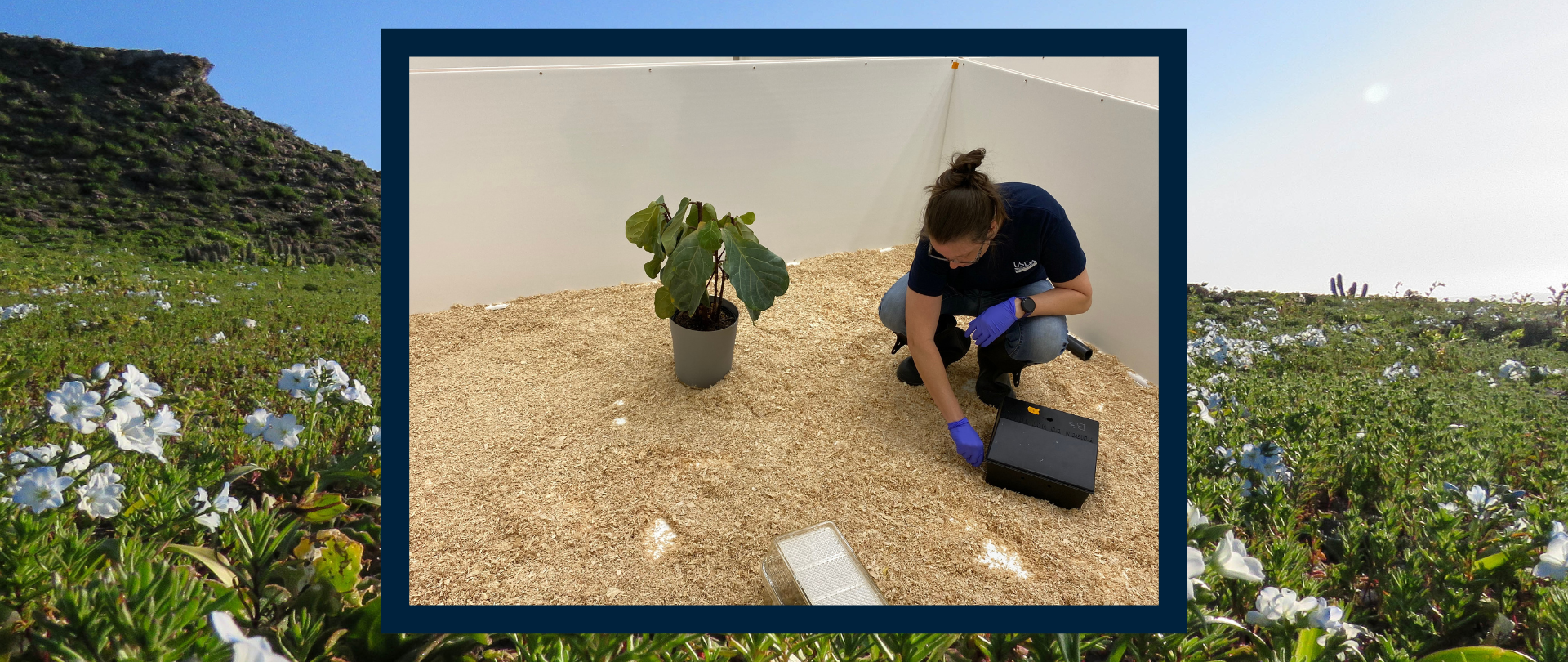
Press Release: New eDNA Tool Can Detect Invasive Rodents Within an Hour
New environmental DNA technology can help protect vulnerable island ecosystems from destructive invasive species.
December 10, 2024
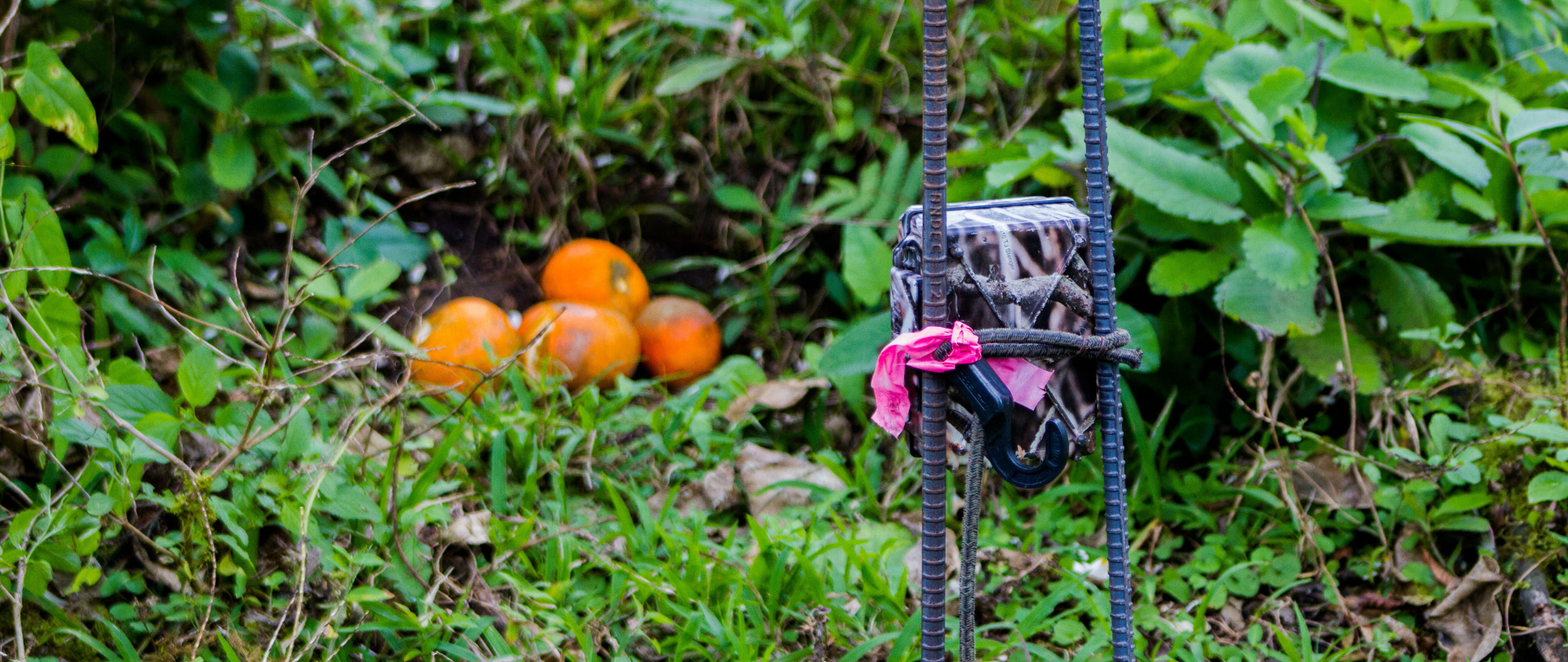
New Tech for Island Restoration: Sentinel Camera Traps
We're using a cutting-edge new tool to sense and detect animals in remote locations. Find out how!
December 9, 2024
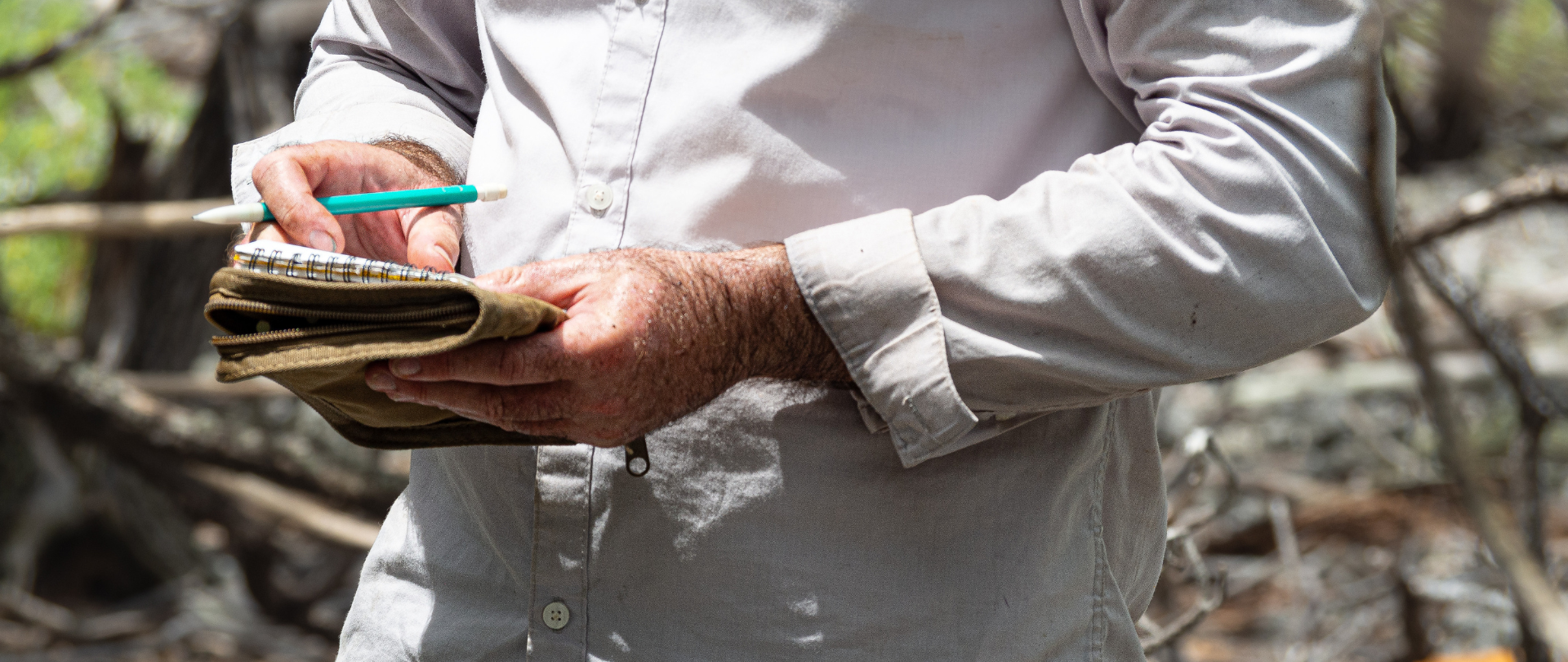
New Paper Demonstrates Quality of eDNA Monitoring for Conservation
Groundbreaking research has the potential to transform the way we monitor invasive species on islands!
May 20, 2024
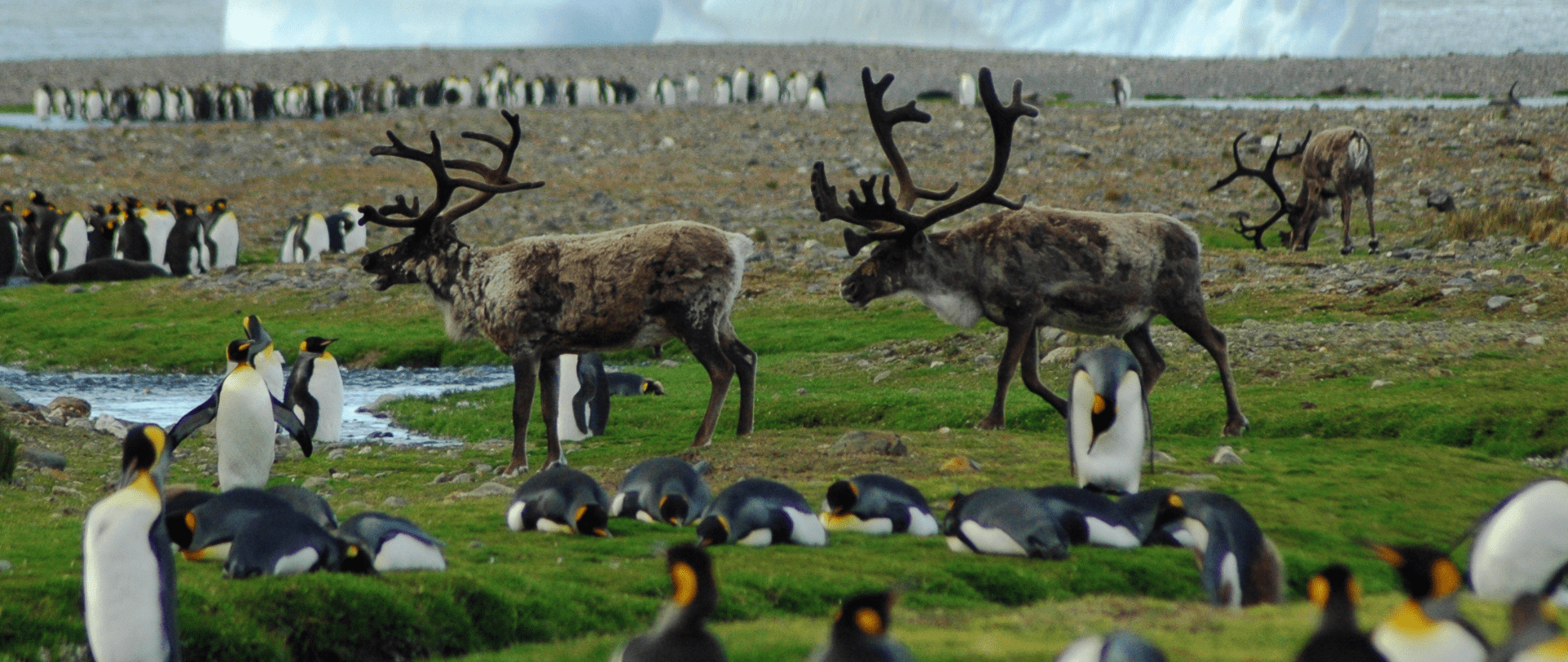
International Biodiversity Day: Harnessing innovation to reverse biodiversity loss
Happy International Day for Biological Diversity! We're using innovation to accelerate recovery on islands around the world. Find out how!
May 6, 2024
Late Island, Tonga: Implementing and Monitoring Conservation Actions that Work!
Our team returns from Late Island, Tonga with reports that our conservation actions work! Read notes from our Conservation Impact Director!
March 18, 2024
Thirty, Birdy and Thriving
Island Conservation turns 30! Three decades of work add up to an immeasurable number of positive impacts.