January 22, 2026
The circular seabird economy is critical for oceans, islands and people
Our Senior Director of Impact & Innovation, David Will, explains the importance of the Circular Seabird Economy for nutrient transfer!
 Island Conservation

Have you heard your favorite ecosystem described as a “biodiversity hotspot?” It’s a helpful term that describes some of the most amazing—and most vulnerable—regions on our planet.
In order to qualify as a biodiversity hotspot, a region must meet the following two criteria:
These two criteria mean that all biodiversity hotspots are not only rare, unique, and irreplaceable, but they are also under threat from disappearing from the Earth. Although they make up only 2.3% of the world’s land surface, 44% of the world’s plants and 35% of land vertebrates live in biodiversity hotspots.
Although the criteria only specify plants, biodiversity hotspots are also rich in endemic vertebrates and fungi. Floreana’s Medium Tree-finch, the Lesser Antilles’ Montserrat Oriole, Rabida’s once-thought-extinct geckos, and many more of our favorite species are endemic—and they live on islands!

Islands are fascinating in their biodiversity. They are home to 20% of the world’s bird, reptile, and plant species, despite making up only 5% of the Earth’s land area. This is because islands act as isolated laboratories of evolution, where species can develop unique traits and fill ecological niches without the competition found on larger landmasses. Of the 36 officially-listed biodiversity hotspots, most are coastal and include islands, with more than 10 exclusive to islands.
However, these ecosystems are highly vulnerable. The introduction of invasive species is one of the greatest threats to island biodiversity. Invasive species are organisms that are not native to an ecosystem and cause harm when introduced. They can outcompete, prey upon, or bring diseases to native species, often leading to drastic ecological changes and even extinctions. For instance, the introduction of rats to islands has historically led to the decline of native bird populations due to predation on eggs and chicks.

But luckily, the problem has a solution. Removing invasive species from islands downlists endangered species, stops extinctions, and restores nutrient flows that can revitalize entire ecosystems.
Understanding and protecting biodiversity hotspots, especially on islands, is vital for maintaining the planet’s health and ecological balance. It’s a delicate task that requires global awareness and cooperation—Island Conservation’s specialty! You can help protect these unique regions by supporting us today.
Check out other journal entries we think you might be interested in.

January 22, 2026
Our Senior Director of Impact & Innovation, David Will, explains the importance of the Circular Seabird Economy for nutrient transfer!

January 15, 2026
Not all Marine Protected Areas are equally effective. A new study shows how high-quality, well-implemented MPAs provide outsized impacts for biodiversity!
December 22, 2025
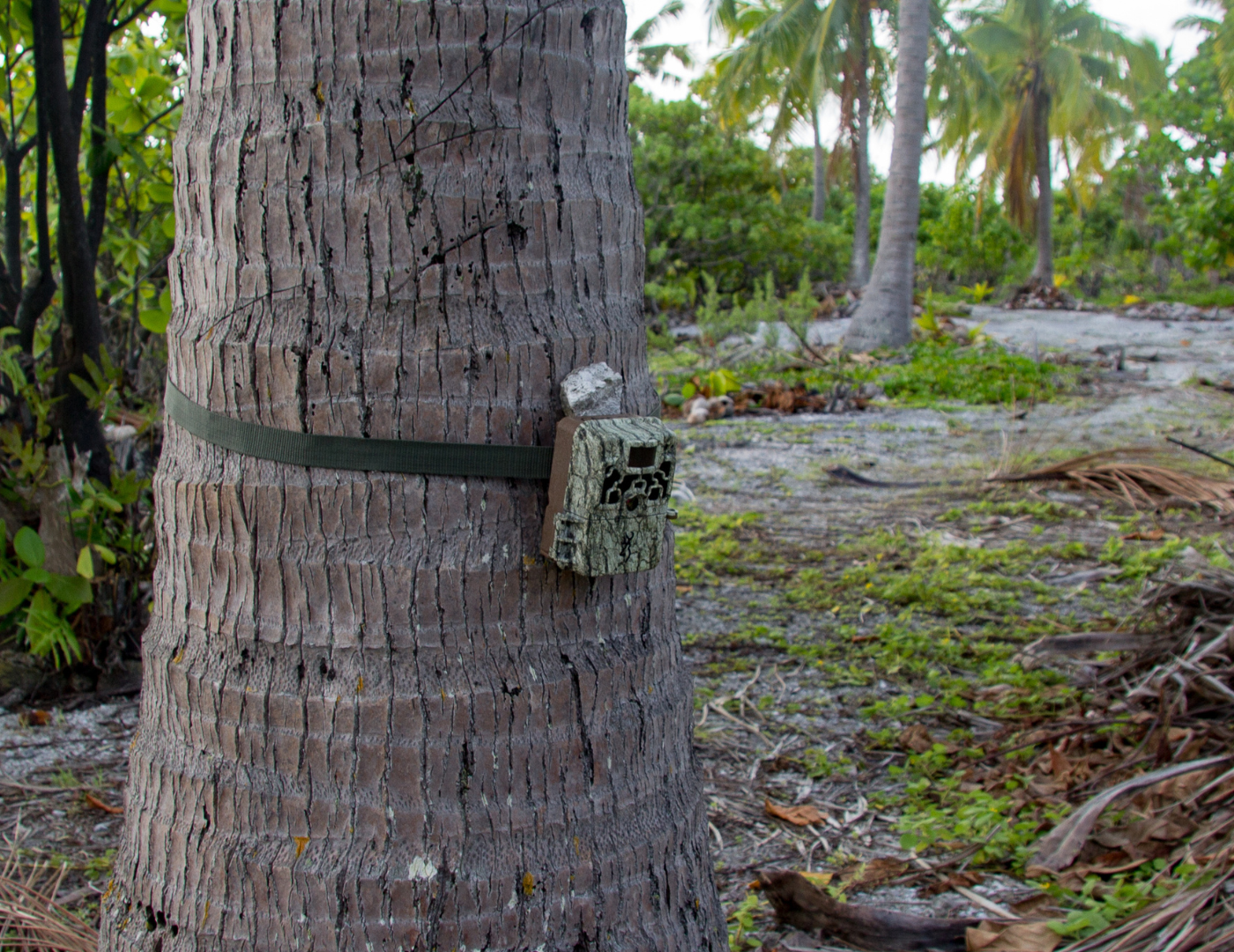
Elke Windschitl, our Conservation Impact Data Specialist, gives us the lowdown on
December 4, 2025
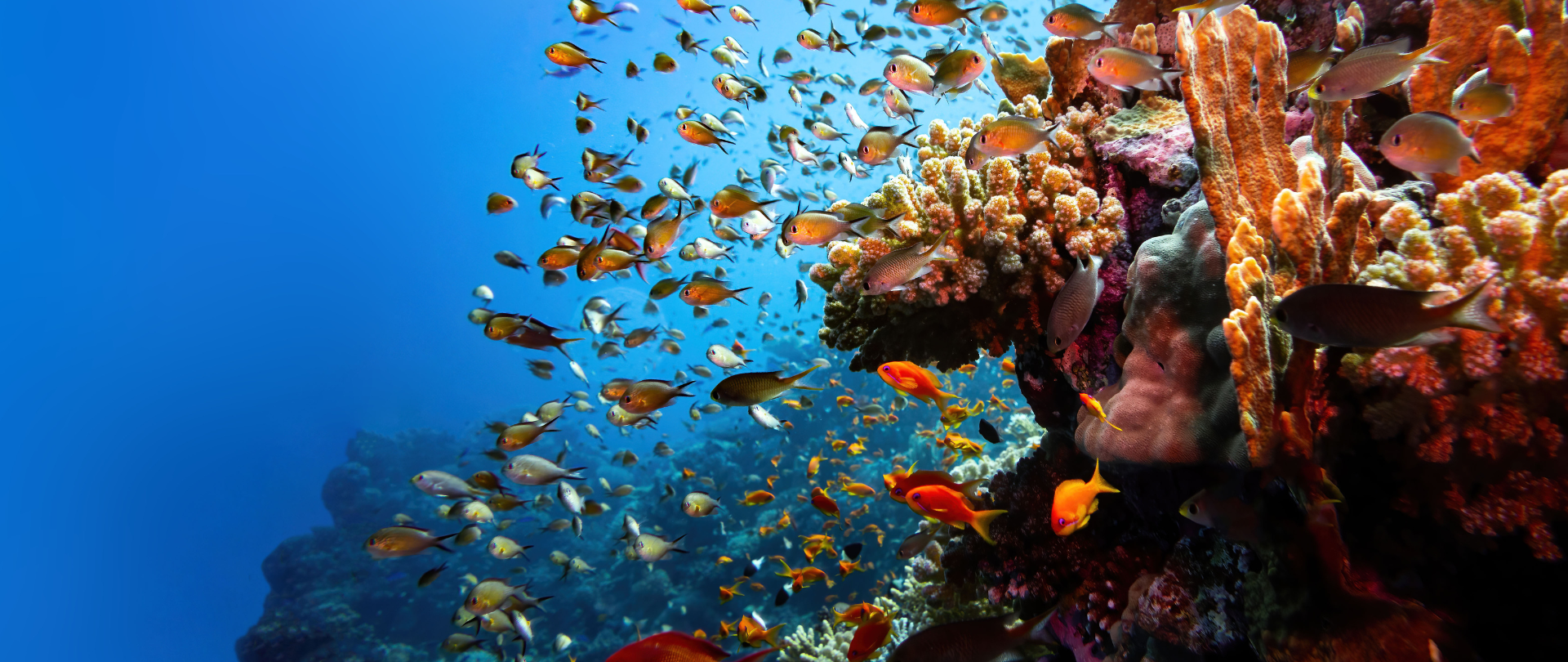
A new study reveals how seabirds, connector species between land and sea, play a huge role in the health of coral reefs!
November 25, 2025
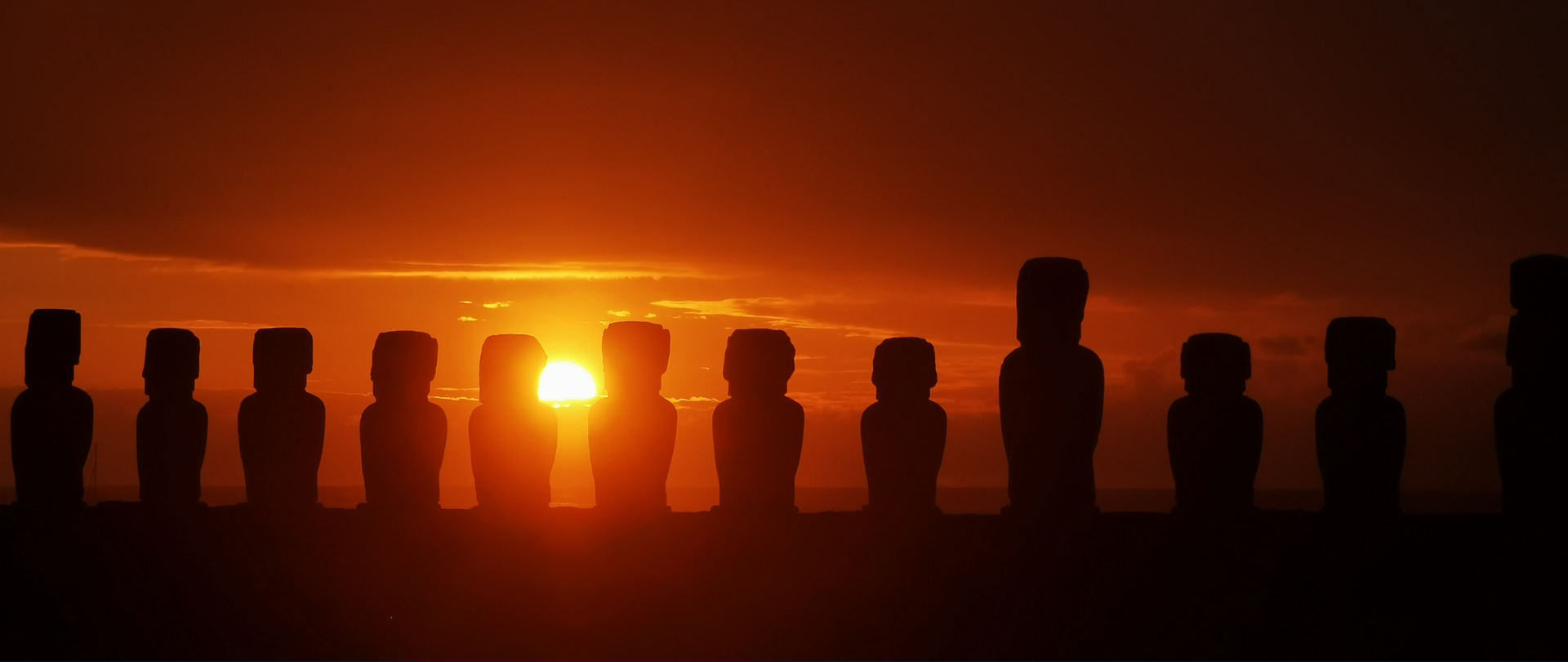
A new scientific paper is changing the way we understand Rapa Nui (Easter Island)'s ecological history!
November 21, 2025
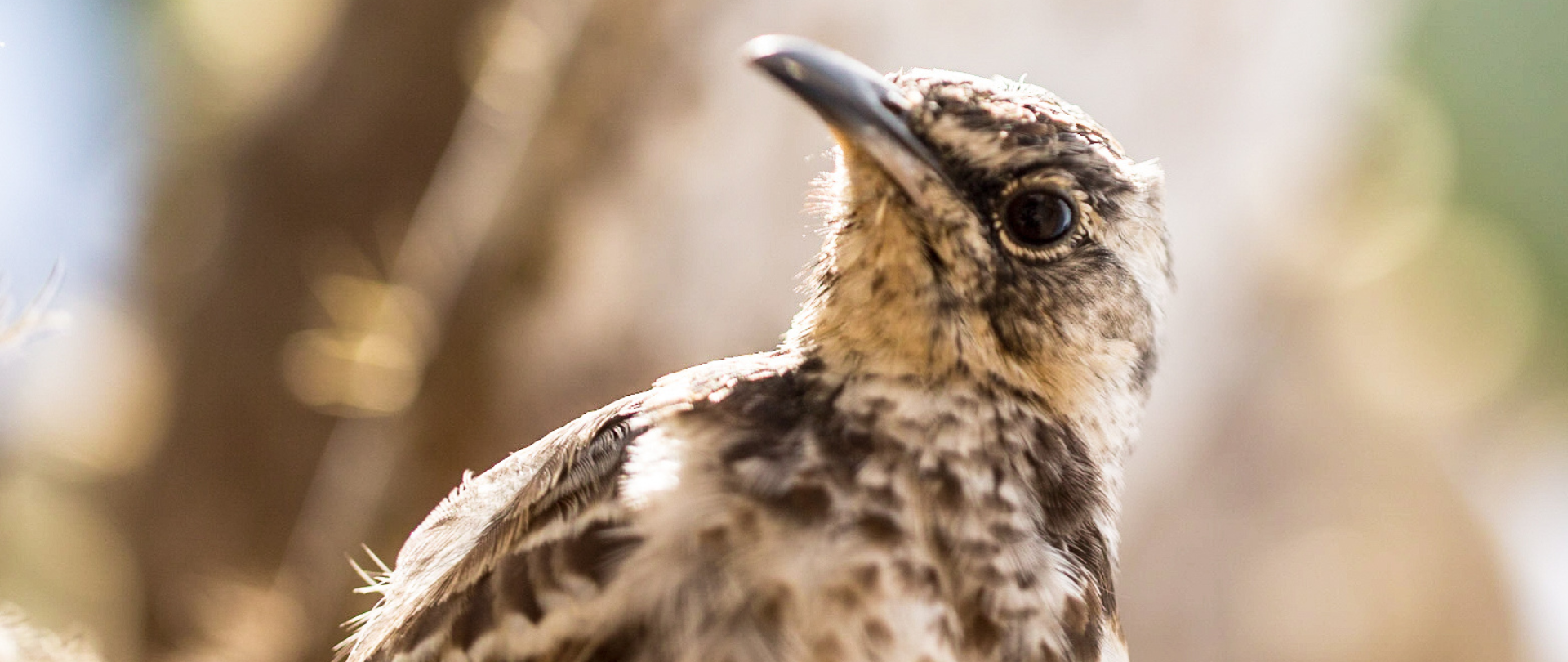
Holistic restoration is at work on Floreana Island, where the largest conservation project in the history of the Galápagos is underway!
October 30, 2025
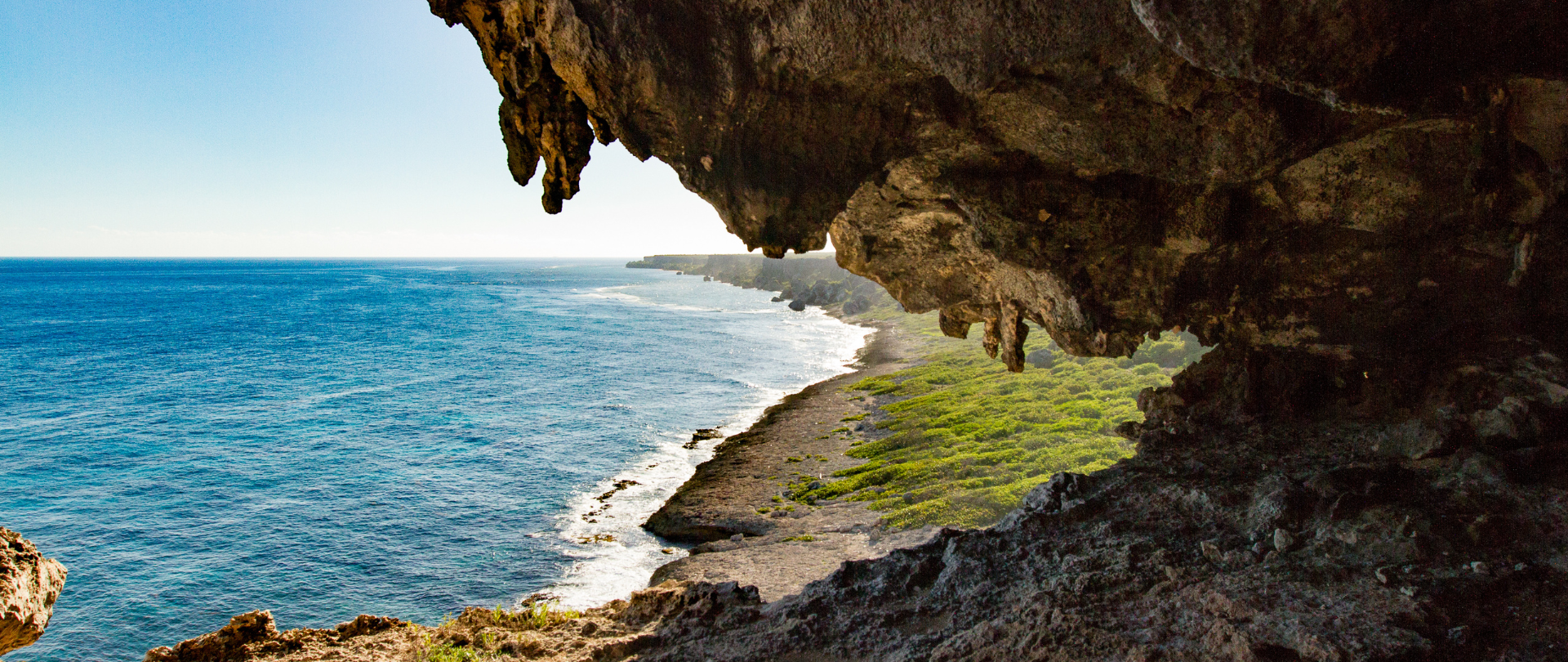
Our proposal for a United Nations-sanctioned Decade of Island Resilience spotlights the power of global small islands!
October 26, 2025
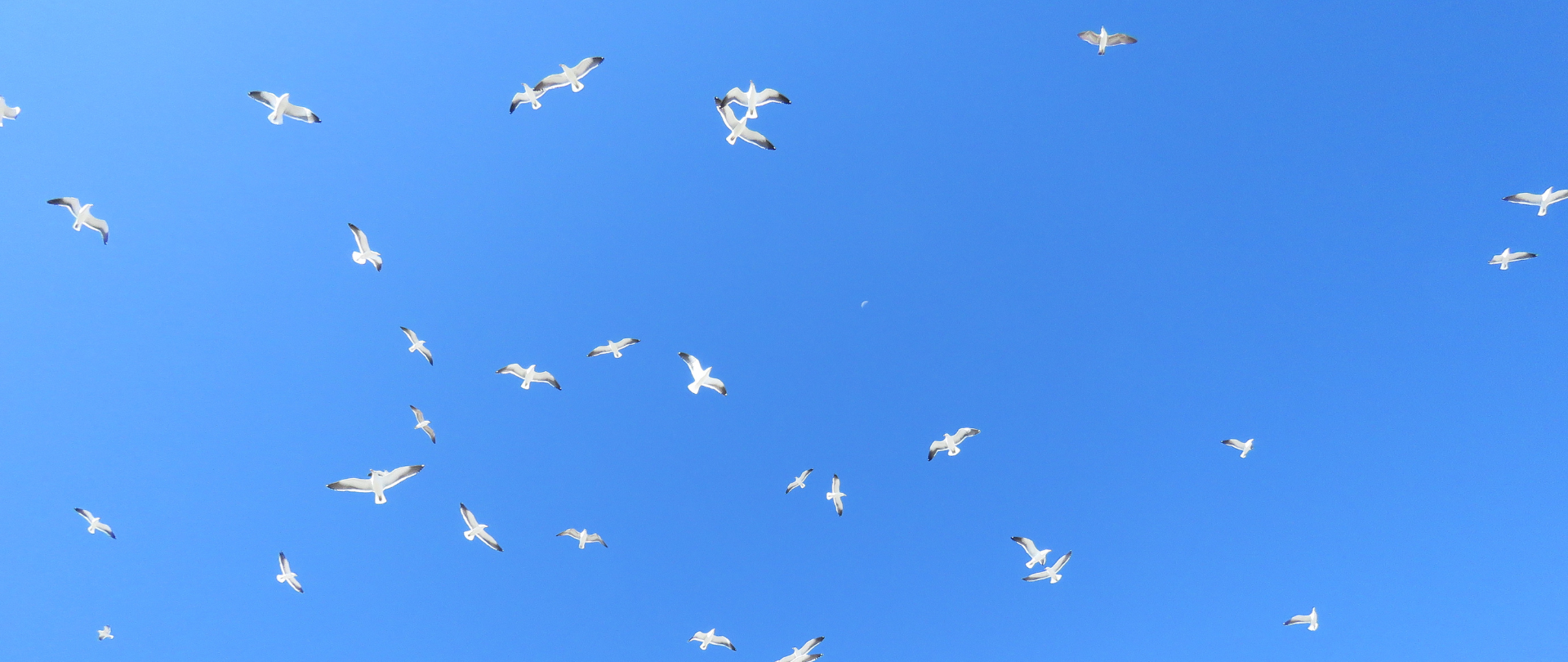
A new study shows the power of seabirds to drive entire ecosystems by circulating nutrients between land and sea!
September 12, 2025
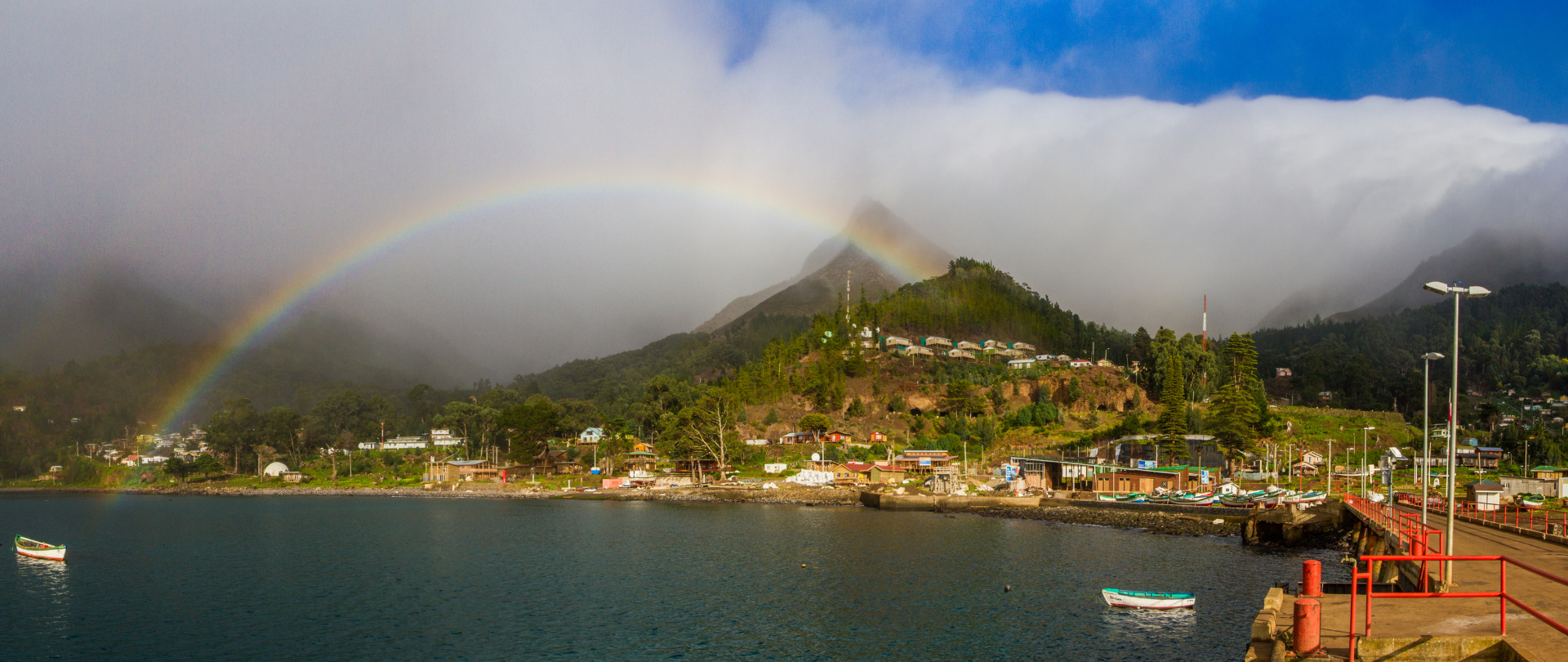
How can you make the maximum impact on the planet with your donation? Some conservation actions are most cost-effective than others!

August 28, 2025
A new paper reveals the benefits of holistic restoration on Australia's Lord Howe Island!