April 14, 2026
Nature and People Win Thanks to Successful Restoration Collaboration on Wake Atoll
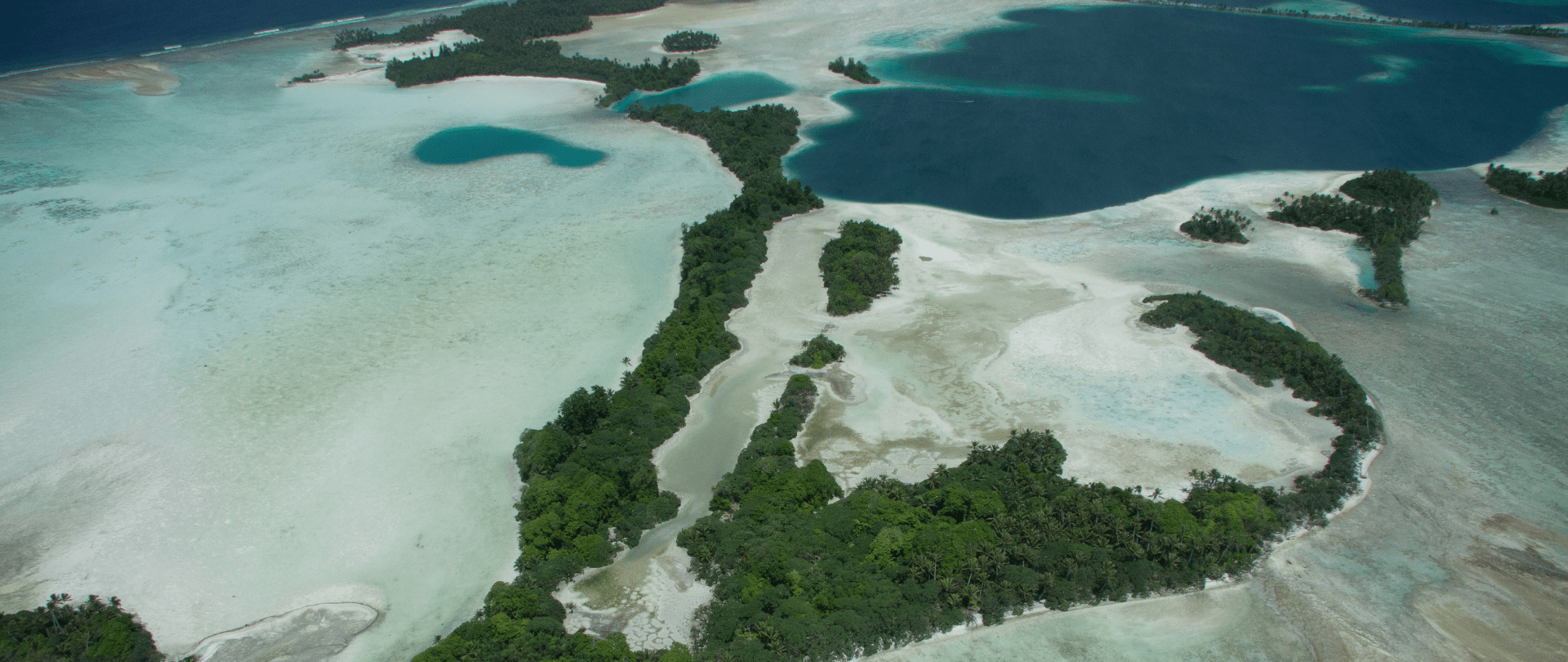
A historic moment: Wake Atoll is restored and thriving!
 Island Conservation

Predator control specialists train local people in conservation methods to protect native wildlife, including the Kakerori.
The Kakerori, or Rarotonga Flycatcher, is a colorful bird native to the Cook Islands. Once abundant in the region, the bird suffered population collapse due to predation by invasive species. The bird was believed to be extinct in the first half of the 20th century.

Luckliy, it wasn’t extinct. Just really, really rare. Upon discovering a small population of the endangered bird, New Zealand and Cook Island biodiversity expert Gerald McCormack launched the Kakerori Recovery Programme, with kiwi Ed Saul supporting the operations. Also lucky for the Kakerori was that the threat to its survival was straightforward: invasive rats were preying on individuals and eggs. The Recovery Programme worked by supporting breeding and removing the invasive rats.

The program was a success. Kakerori population grew from 29 individuals to over 400 today. A small population that had been moved to a neighboring island more than doubled–a success highlighting the importance and value of predator-free islands for endangered wildlife conservation. While the population growth is impressive and exciting, 400 is still an extremely low number. The bird will continue to benefit from support until its numbers are much higher. Ipukarea Society project officers received training from experts from New Zealand Department of Conservation. They learned techniques for monitoring the birds as well as removing invasive predators.
Passing on the expertise to a new generation of conservation leaders is essential to continuing the progress made in saving the threatened birds and nature of the Pacific.

Featured photo: A Rarotonga Flycatcher perched in a tree. Credit: Russel Docksteader
Source: Birdlife Pacific News
Check out other journal entries we think you might be interested in.
April 14, 2026
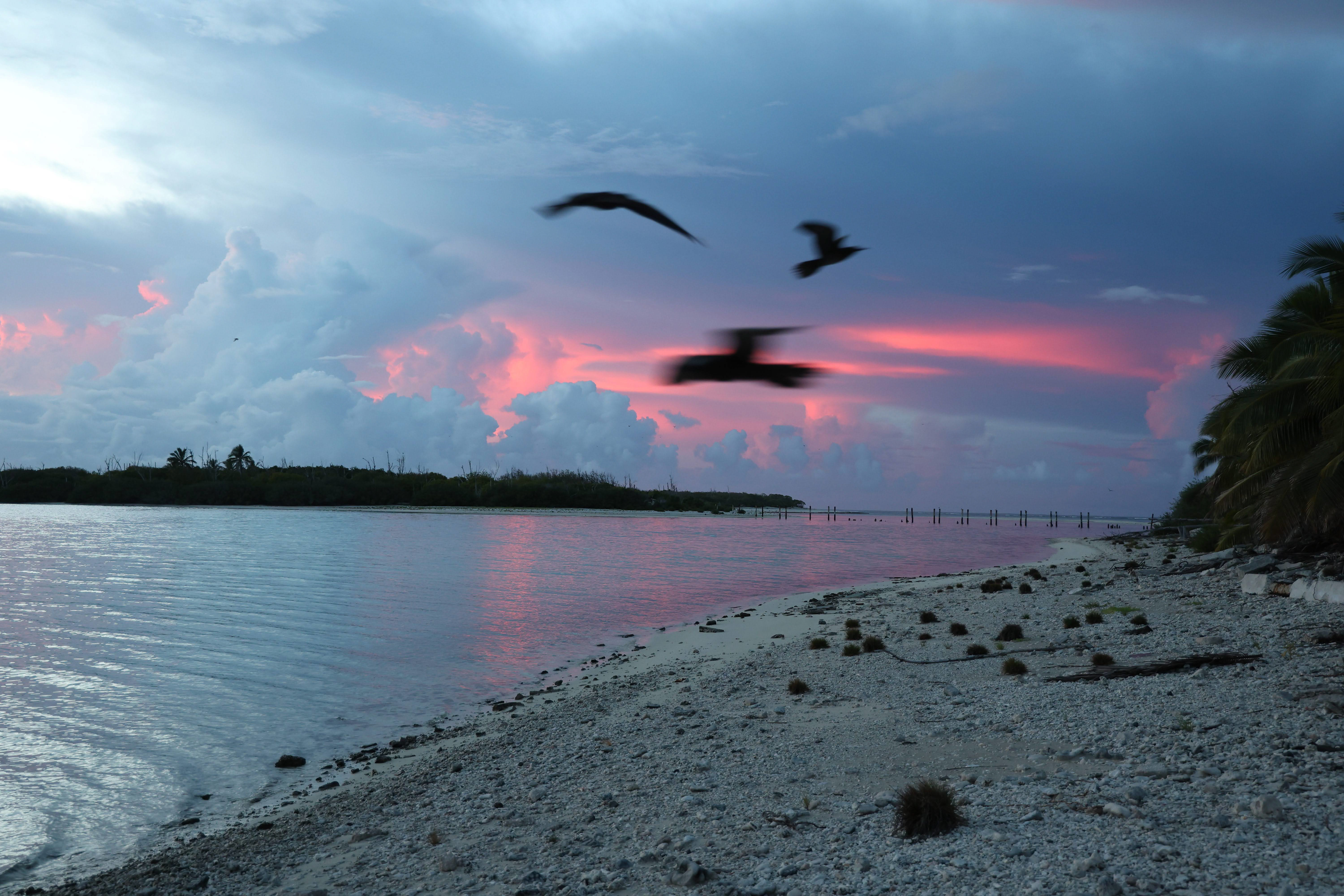
A historic moment: Wake Atoll is restored and thriving!

October 29, 2025
Astounding evidence of recovery on Ulong Island in Palau after just one year!
May 19, 2025
Read our position paper on The 3rd United Nations Ocean Conference (UNOC 3) to see why we're attending and what we aim to accomplish!
December 4, 2024
Ann Singeo, founder of our partner organization the Ebiil Society, shares her vision for a thriving Palau and a flourishing world of indigenous science!
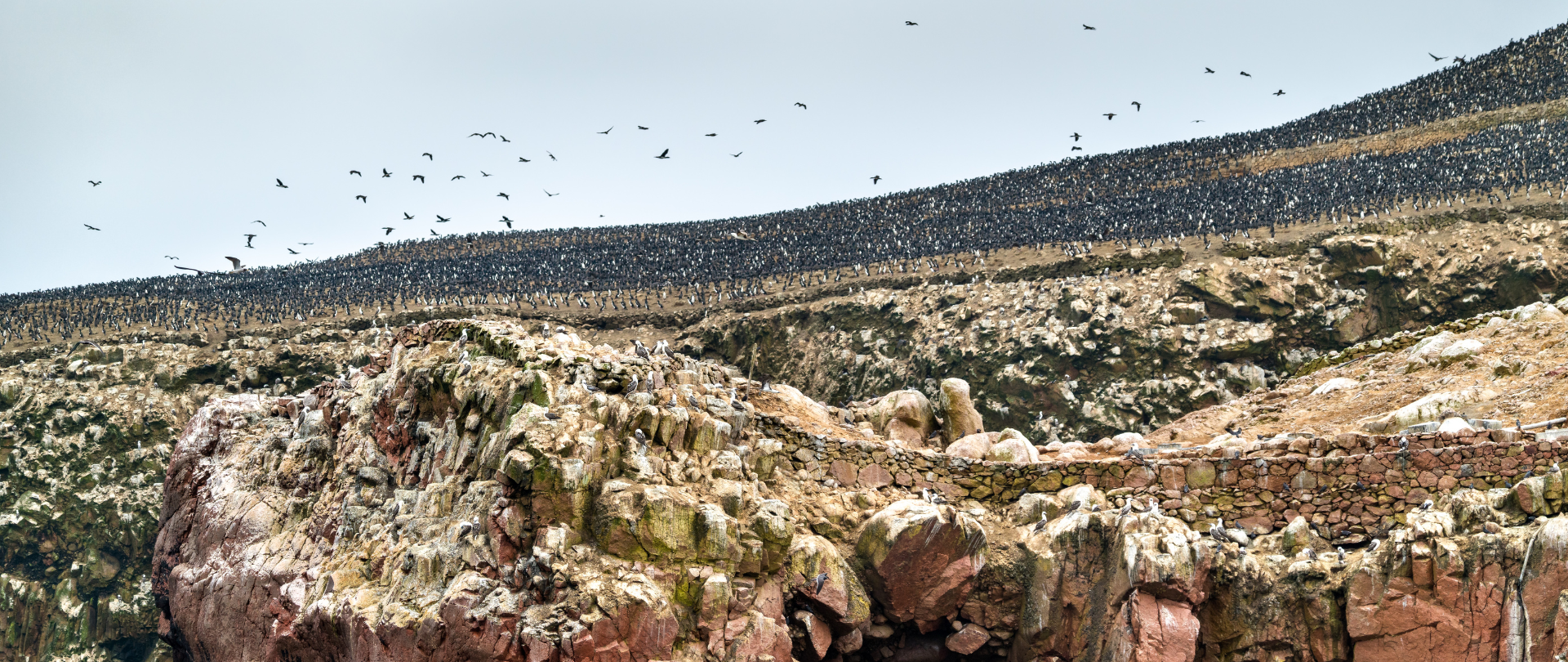
November 22, 2024
This historic agreement aims to protect the marine and coastal areas of the Southeast Pacific.
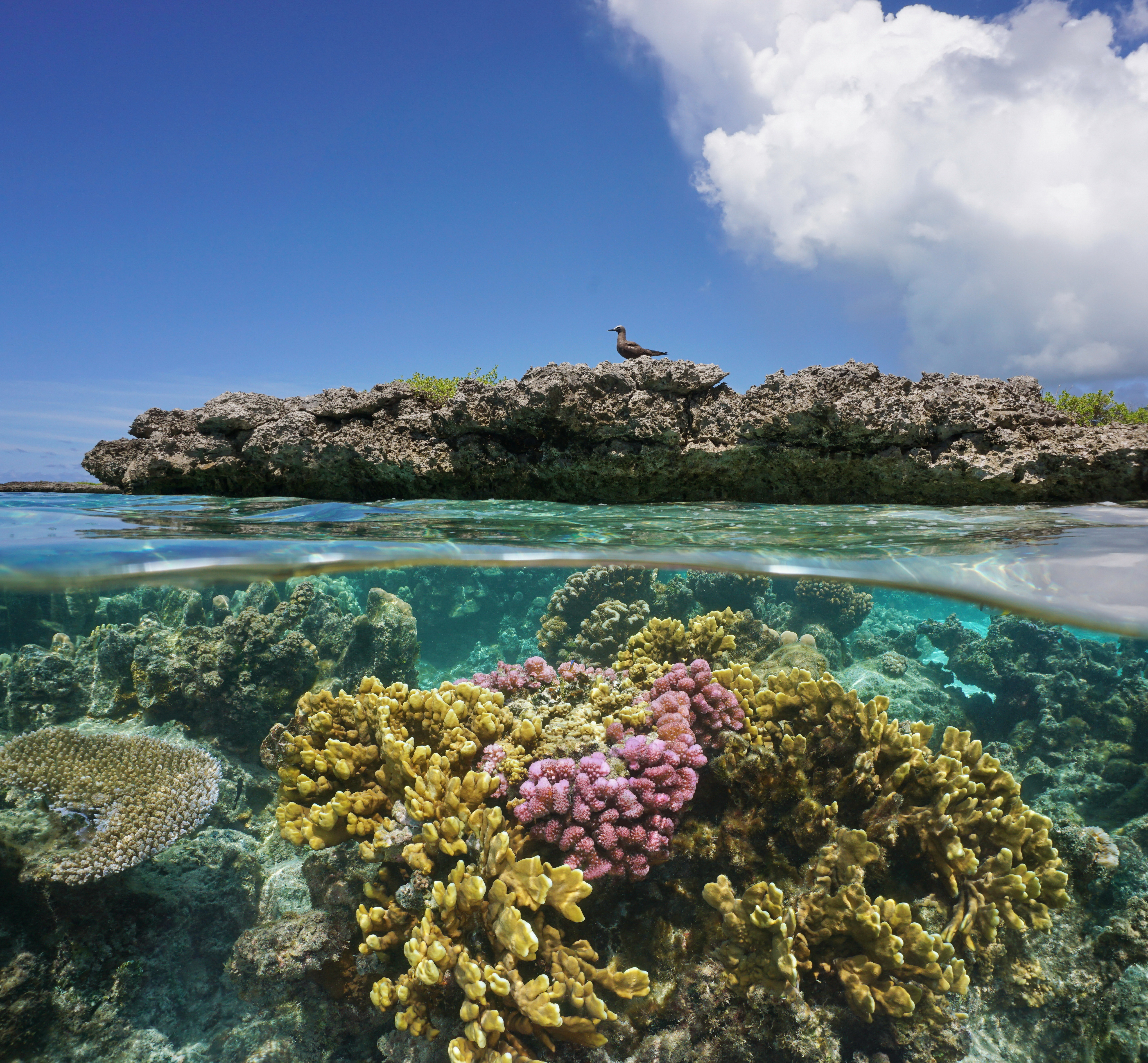
November 18, 2024
Our projects to restore key islets in Nukufetau Atoll forecast climate resilience and community benefits in Tuvalu!
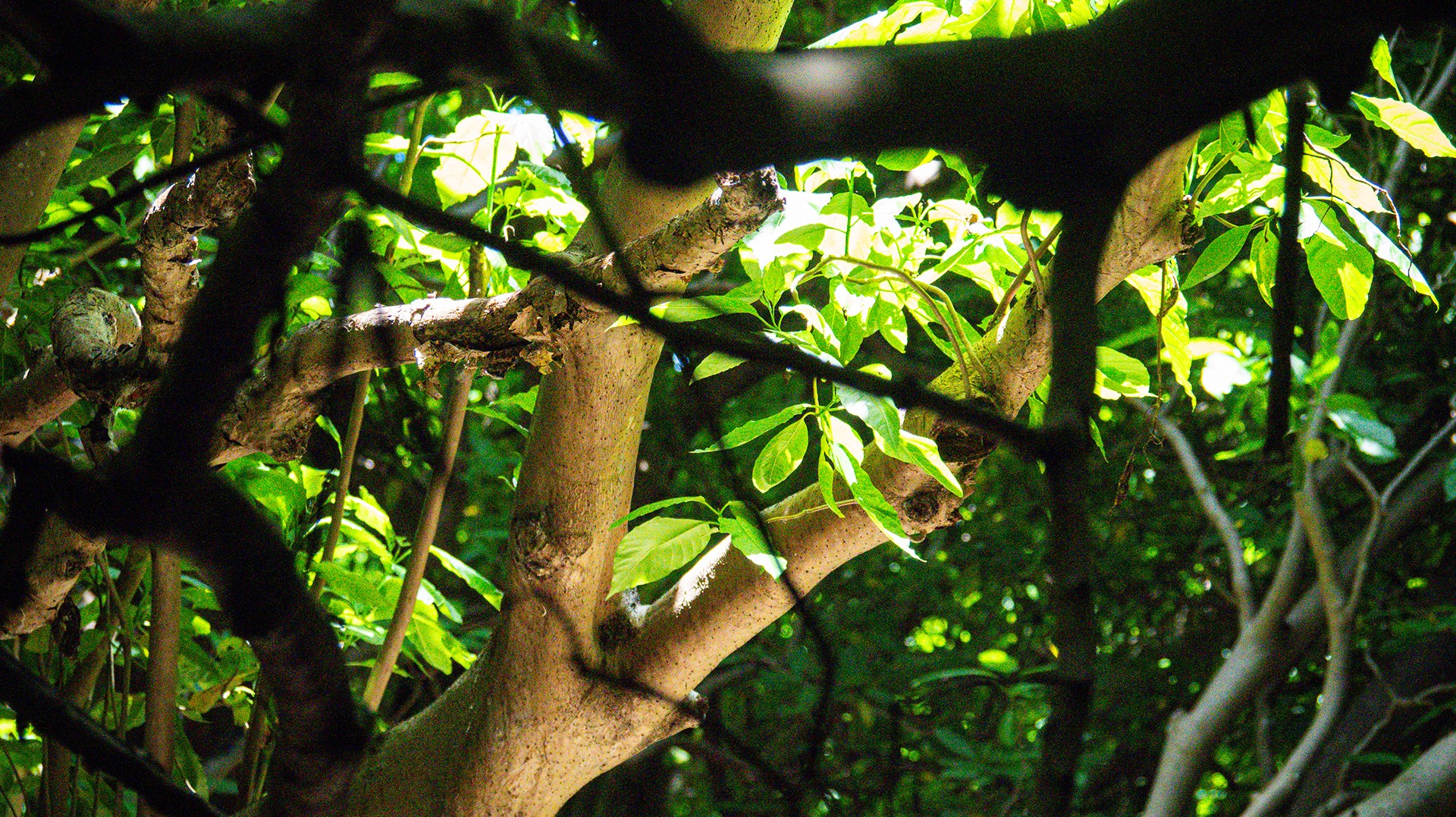
October 3, 2024
Island Conservation and partners have published a new paper quantifying ecosystem resilience on restored islands!
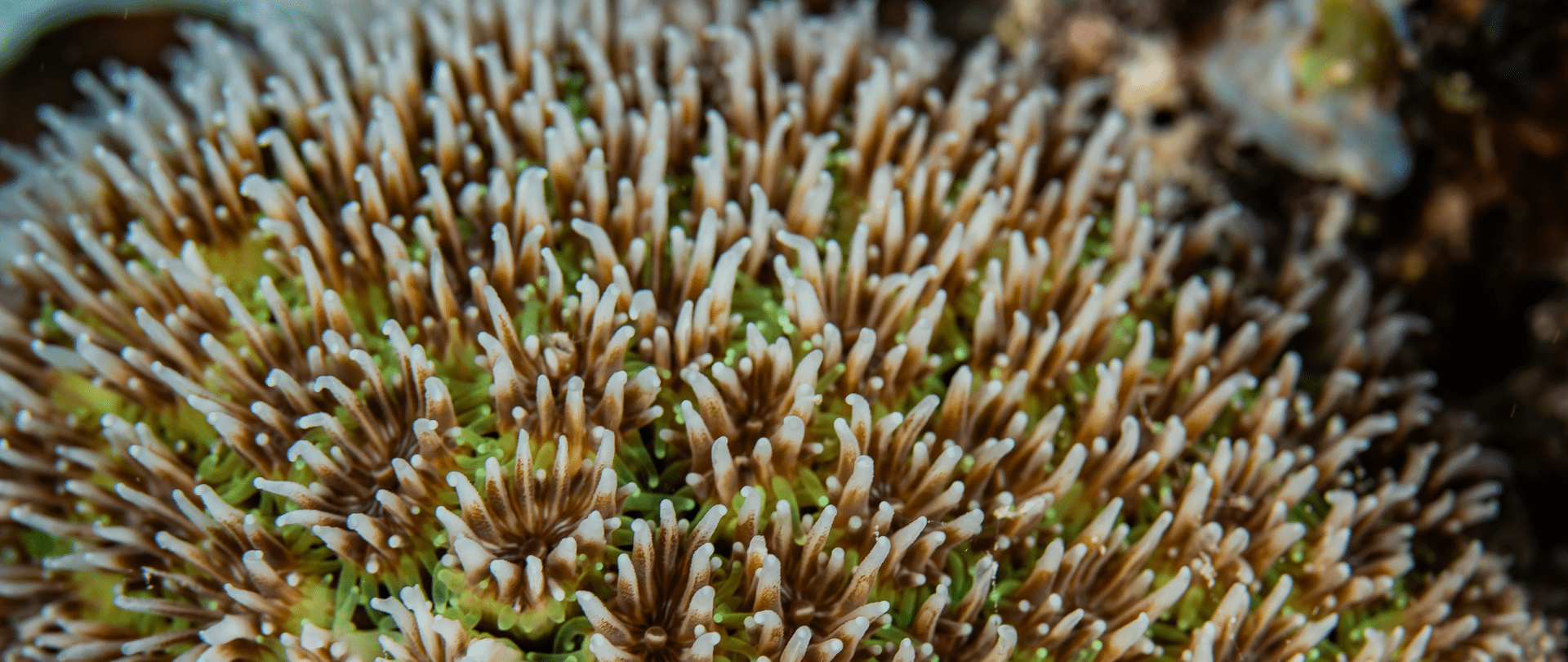
September 10, 2024
Climate Week NYC: what is it and why is it important? Read on to find out why Island Conservation is attending this amazing event!
September 5, 2024
With sea levels on the rise, how are the coastlines of islands transforming? Read on to find out how dynamic islands really are!

December 14, 2023
Join us in celebrating the most amazing sights from around the world by checking out these fantastic conservation photos!