January 28, 2026
Island Conservation and Blue Action Fund Celebrate Success in Marine Protection for the Eastern Pacific
We worked with Blue Action Fund to expand marine protection in the Eastern Pacific--read about our success!
 Island Conservation
At Island Conservation, holistic restoration of islands is what we do best. Removing harmful invasive species from islands is proven to be one of the most successful methods for restoration and rewilding these delicate ecosystems. On Palmyra Atoll, for example, removing invasive rats in 2011 led to a 5000% increase in native plants.
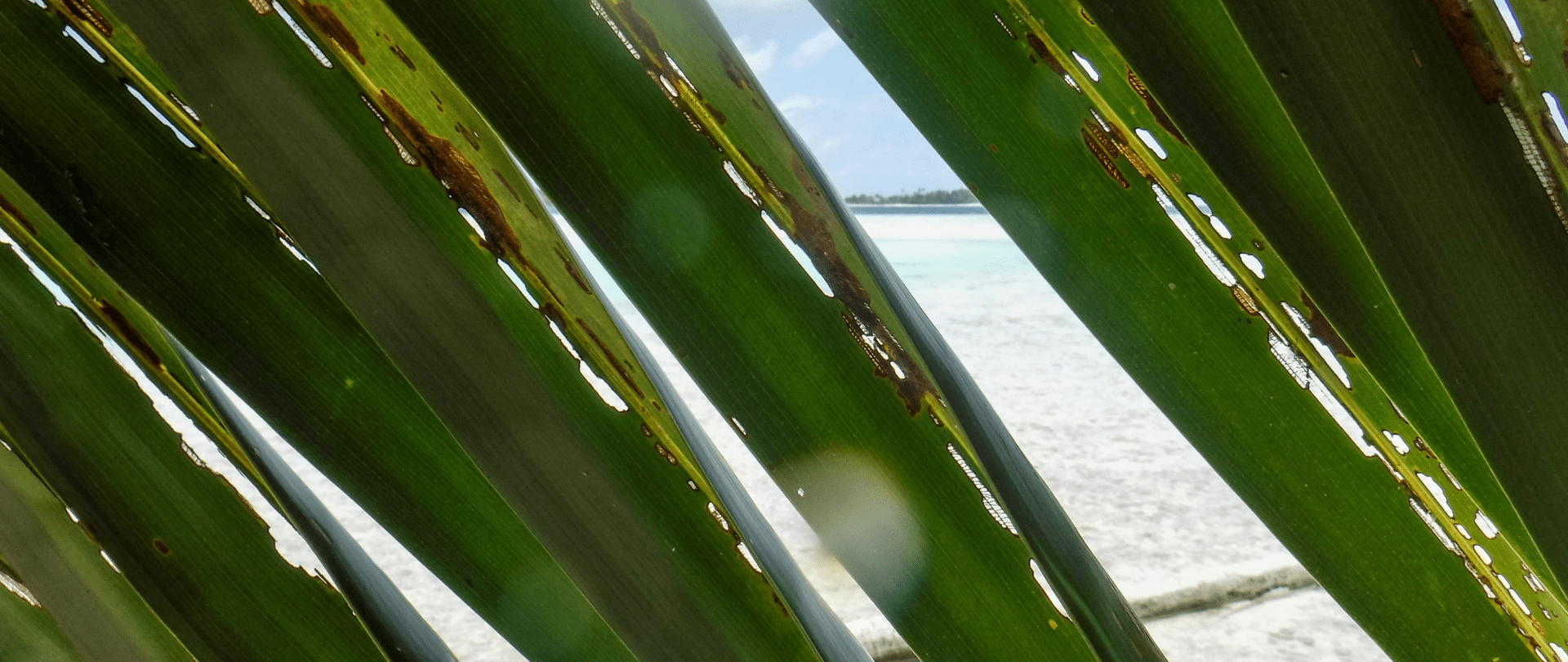
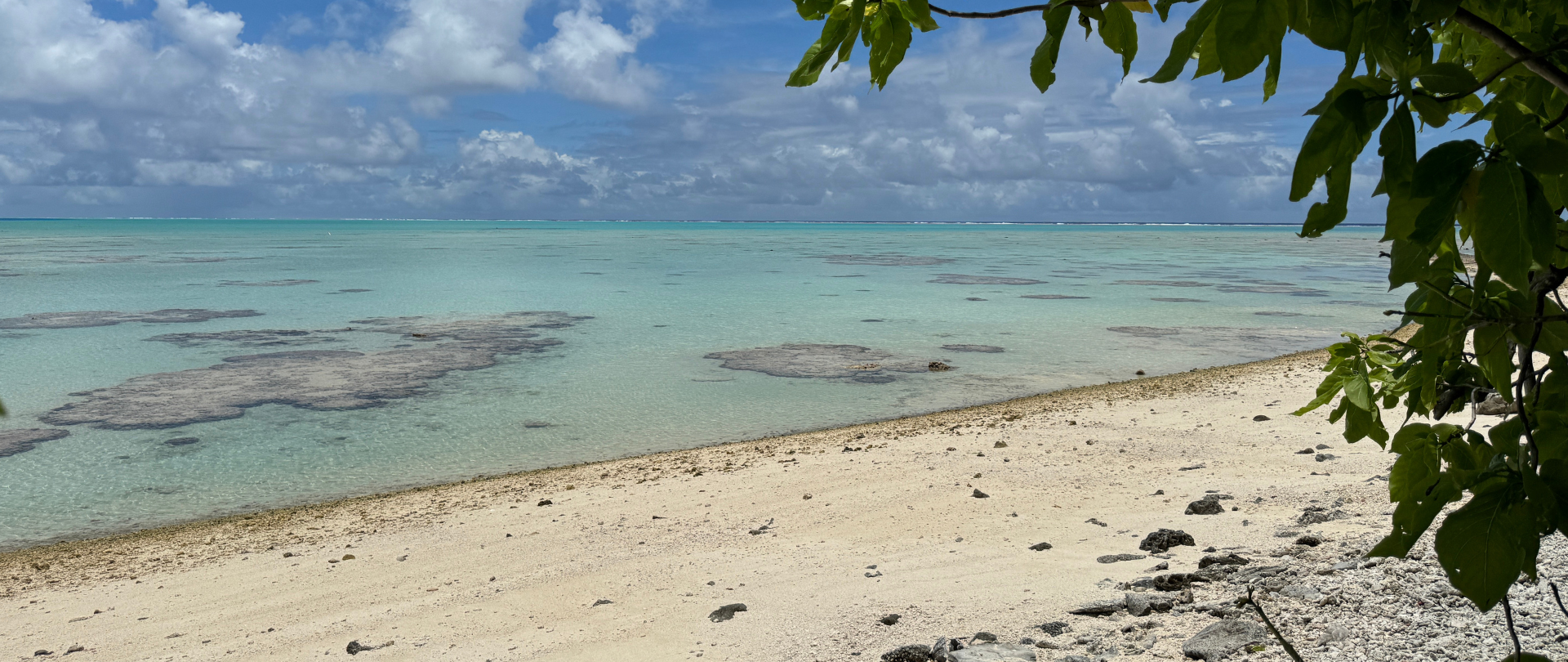
Imagining this restored ecosystem could evoke images of sandy beaches, crystal-clear waters, and swaying palm fronds. However, beneath the picturesque appearance of these coconut palms lies an ecological challenge.
Copra, the dried, white flesh of the coconut, is a common crop that helps sustain island communities. However, coconut palms can become invasive when they dominate island plant communities. Their aggressive growth outcompetes native plants for resources both above and below ground. Furthermore, when coconut palms displace native plant species preferred by seabirds for roosting and nesting habitats, they disrupt nutrient pathways in marine and terrestrial ecosystems.
On Palmyra Atoll, located in the Northern Line Islands of the Pacific Ocean, an abandoned copra plantation has made the terrestrial ecosystem unfriendly to seabirds and other native species. Alongside partners at The Nature Conservancy, the US Fish and Wildlife Service, and the Zoological Society of London, our researchers have been working to develop the most successful methods for removing these harmful plants.
Under the banner of the Palmyra Atoll Rainforest and Reef Resilience Project (PARP), researchers evaluated three methods for controlling coconut palm seedlings: foliar herbicide application, cut-stem treatment, and a combination of cut-stem with herbicide. The findings of a paper recently published in Conservation Evidence revealed that the cut-stem combined with herbicide application resulted in the highest mortality rate among seedlings.
At the end of 2022, PARP had achieved control of over 1.1 million coconut palms across 115 hectares of land at Palmyra–thanks to approximately 6 thousand hours of hands-on work!
These efforts have led to significant progress in managing invasive coconut palms on Palmyra Atoll. By strategically applying herbicides and employing effective control methods, humans can significantly reduce the impact of these invaders on native ecosystems. Seabird populations now have more native tree nesting habitats, and we can expect that richer nutrient cycling will bring multiple benefits to the land and sea. What a win for conservation science!
Check out other journal entries we think you might be interested in.
January 28, 2026
We worked with Blue Action Fund to expand marine protection in the Eastern Pacific--read about our success!

January 15, 2026
Not all Marine Protected Areas are equally effective. A new study shows how high-quality, well-implemented MPAs provide outsized impacts for biodiversity!
December 30, 2025
Our roundup of the best photos from our team out in the field this year! On to 2026!
December 4, 2025
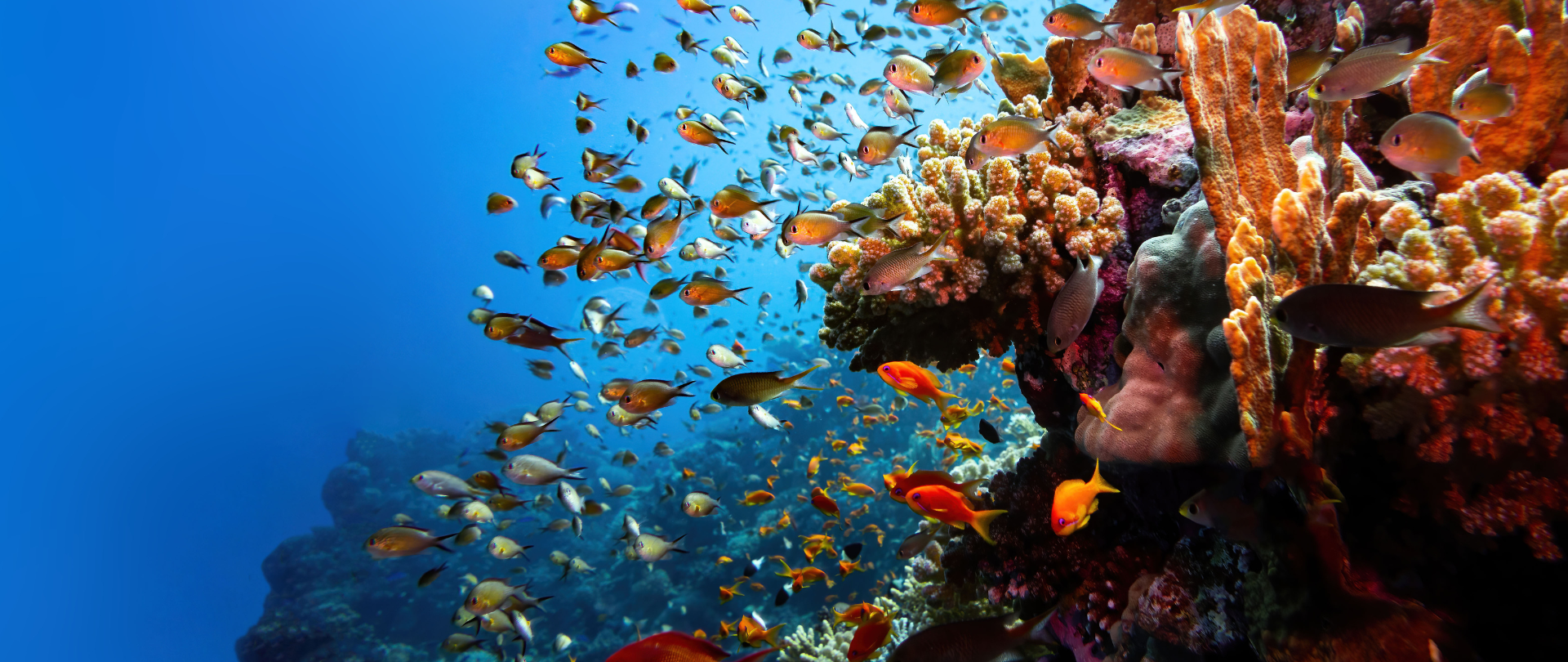
A new study reveals how seabirds, connector species between land and sea, play a huge role in the health of coral reefs!
October 30, 2025
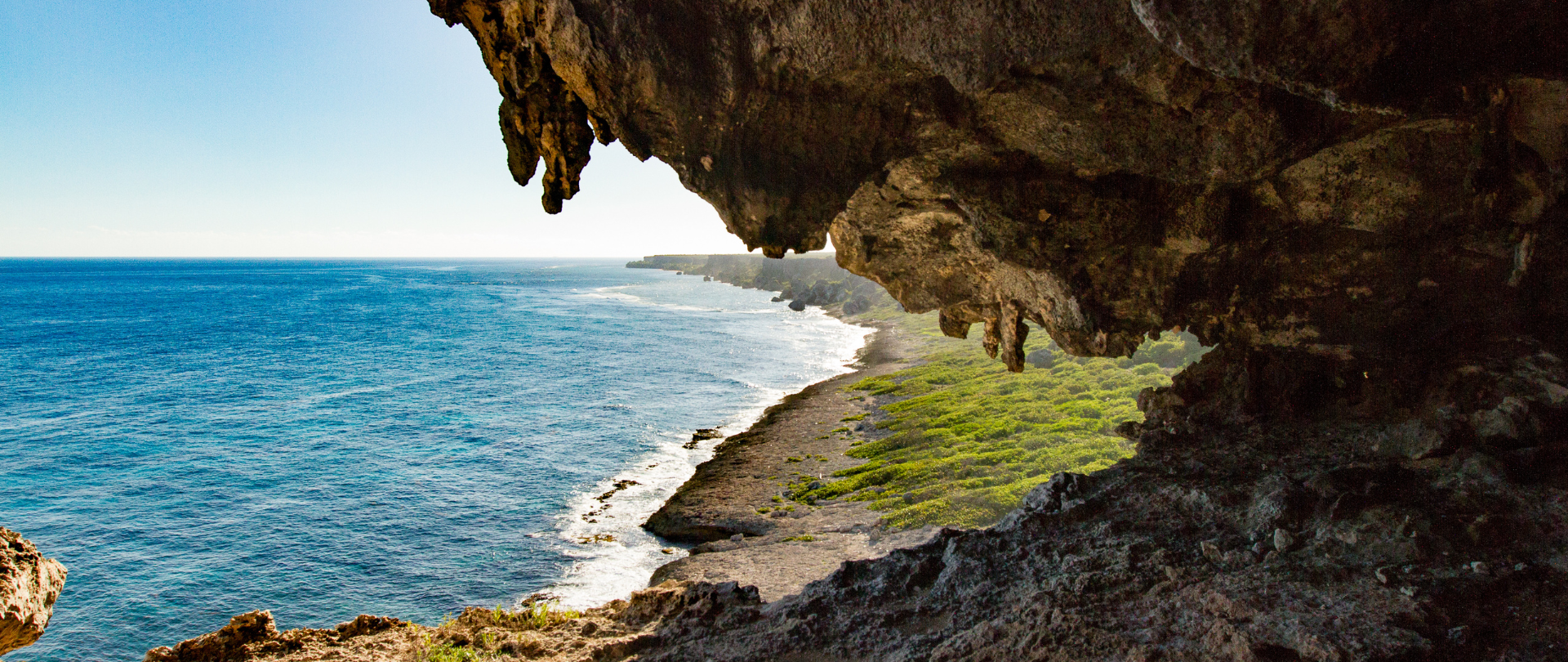
Our proposal for a United Nations-sanctioned Decade of Island Resilience spotlights the power of global small islands!
June 26, 2025
The United Nations Ocean Conference was an opportunity for incredible collaborations and coalitions. Joining Ocean Action 2030 was one of many incredible partnerships we forged!
May 19, 2025
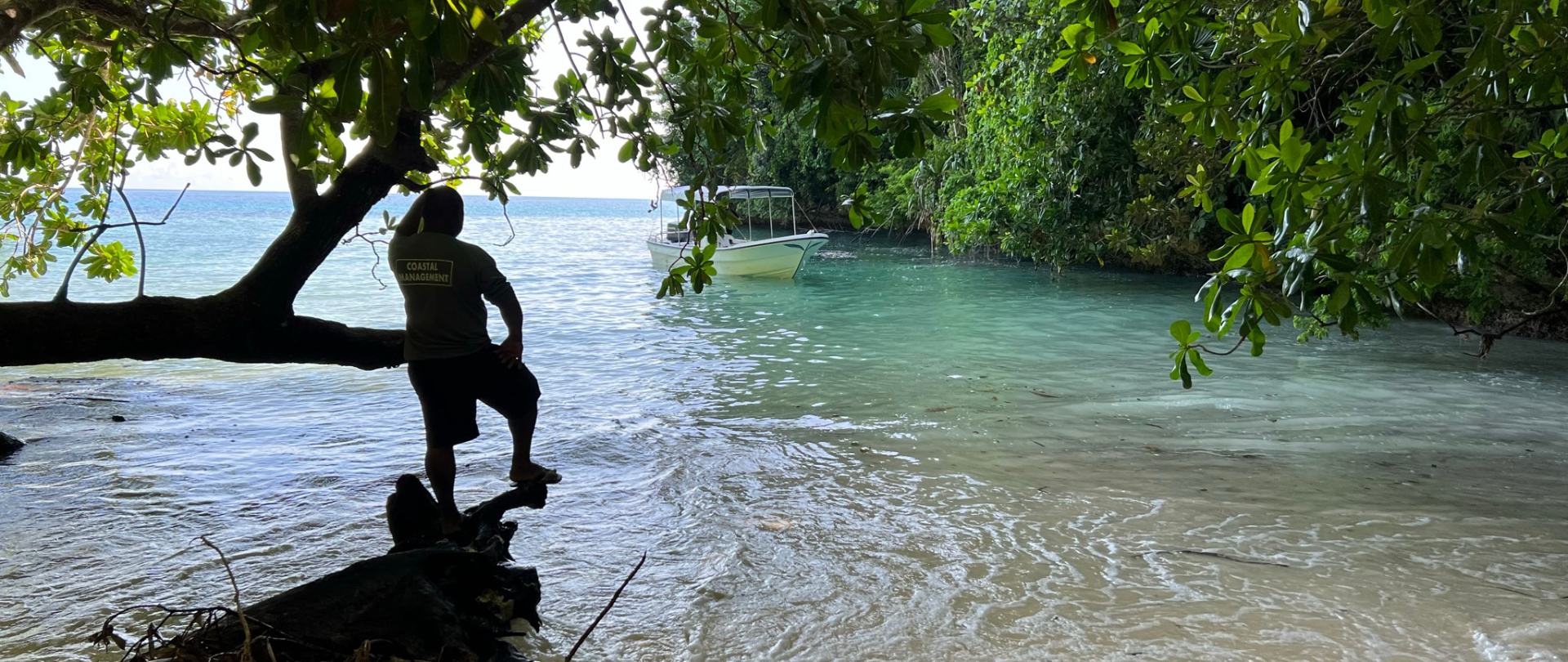
Read our position paper on The 3rd United Nations Ocean Conference (UNOC 3) to see why we're attending and what we aim to accomplish!
May 6, 2025
Our resolution calls for a United Nations sanctioned Decade of Island Resilience. Read the full resolution here!

May 6, 2025
Read our concept proposal for our proposal to the United Nations for to create a Decade of Island Resilience!
April 16, 2025
Conservation works to save species from extinction--and it works really, really well!