January 28, 2026
Island Conservation and Blue Action Fund Celebrate Success in Marine Protection for the Eastern Pacific
We worked with Blue Action Fund to expand marine protection in the Eastern Pacific--read about our success!
 Island Conservation
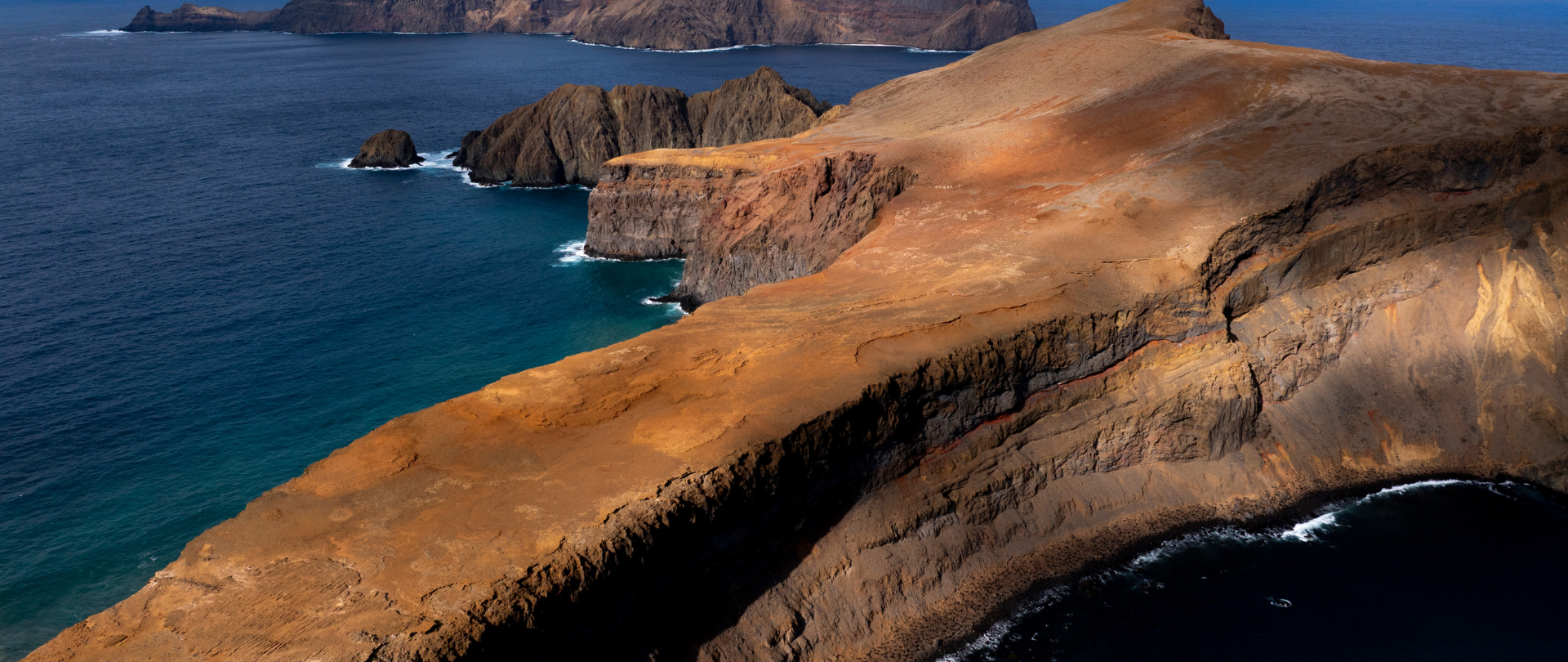
SANTIAGO, Chile—Island Conservation today celebrates Chile’s expansion of two marine protected areas around remote island chains in the southeastern Pacific Ocean that scientists say harbor the highest concentration of marine species found nowhere else on Earth.
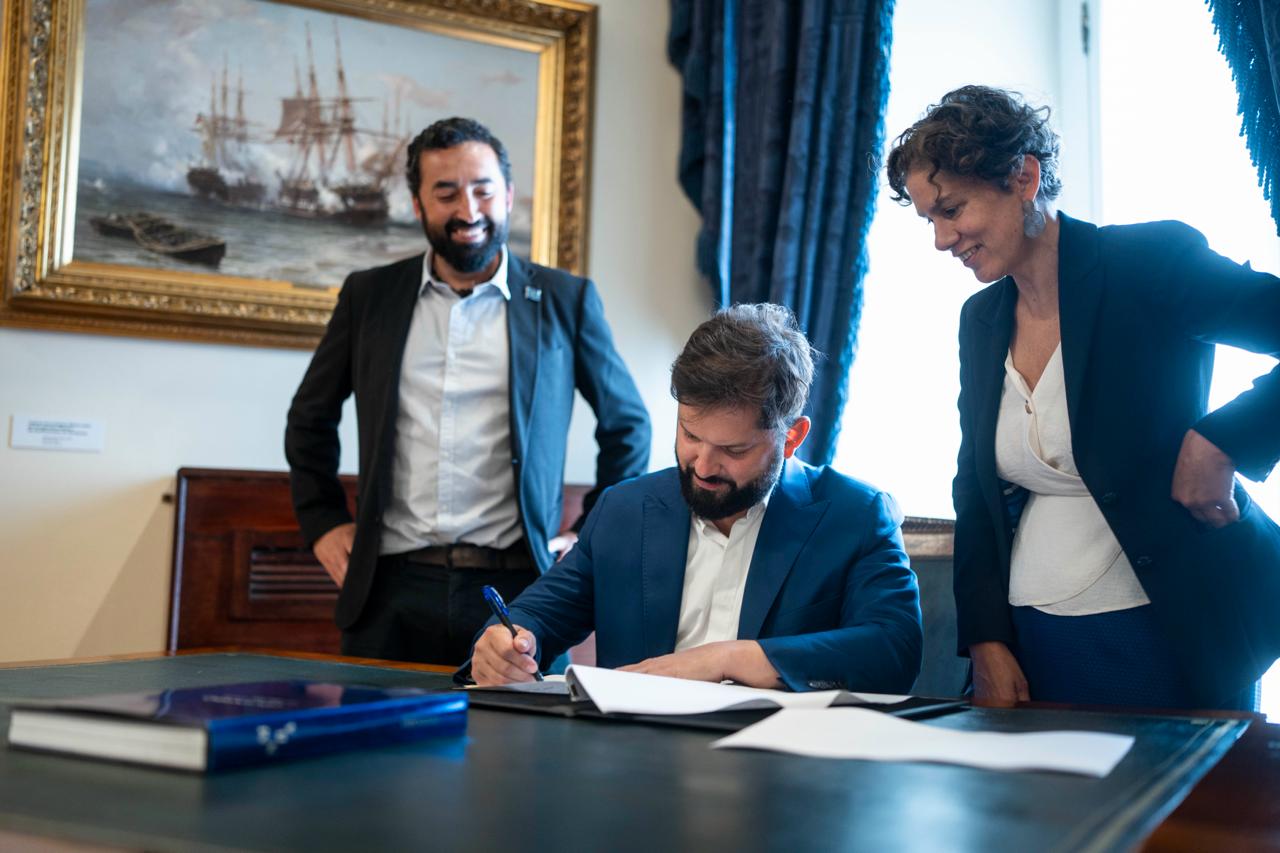
On March 10, 2026, Chilean President Gabriel Boric signed a decree that fully protects approximately 130,000 square miles (337,000 square kilometers) of waters around the existing Juan Fernández and Nazca-Desventuradas marine parks.
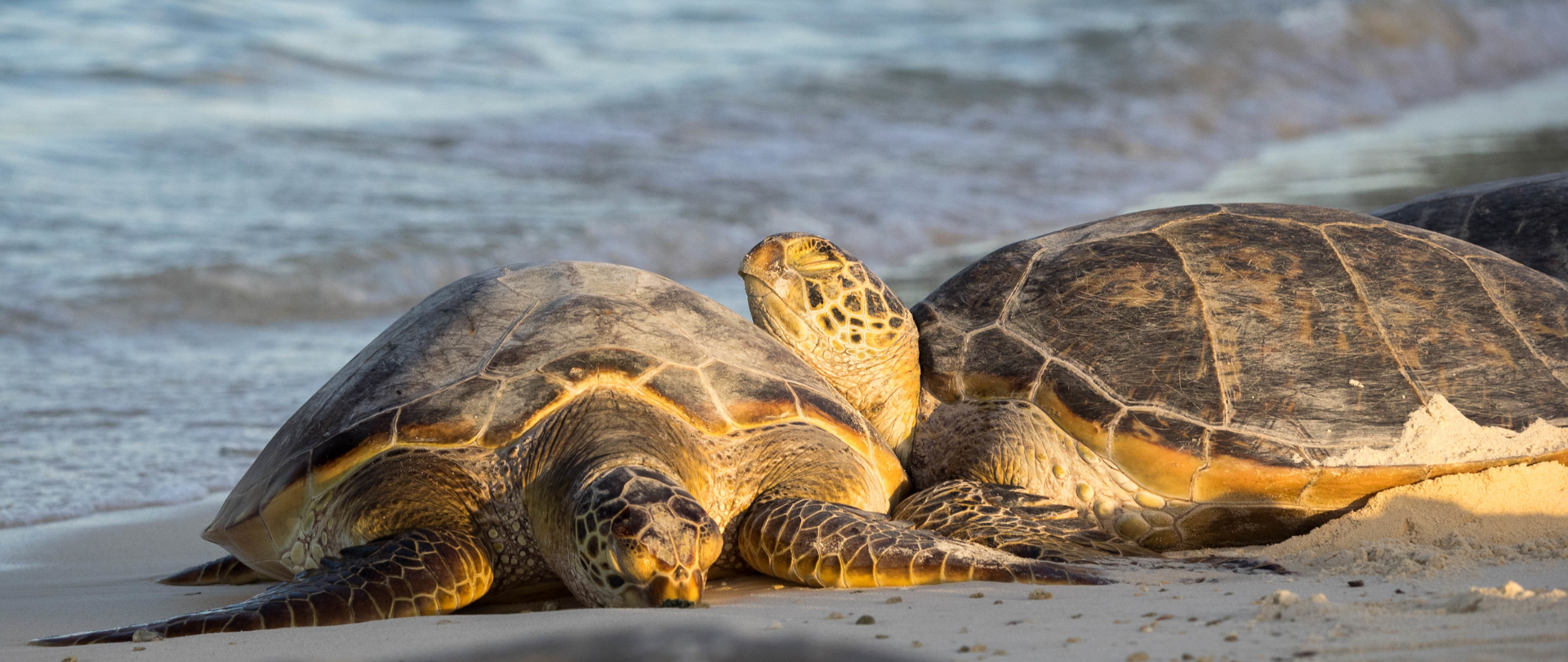
In September, the Juan Fernández community presented the government with a plan to better conserve marine ecosystems and habitats for migratory species, including whales, dolphins, endangered turtles, seabirds, and fish such as horse mackerel and swordfish. The fully protected areas will prohibit all forms of extraction, including fishing and mining.
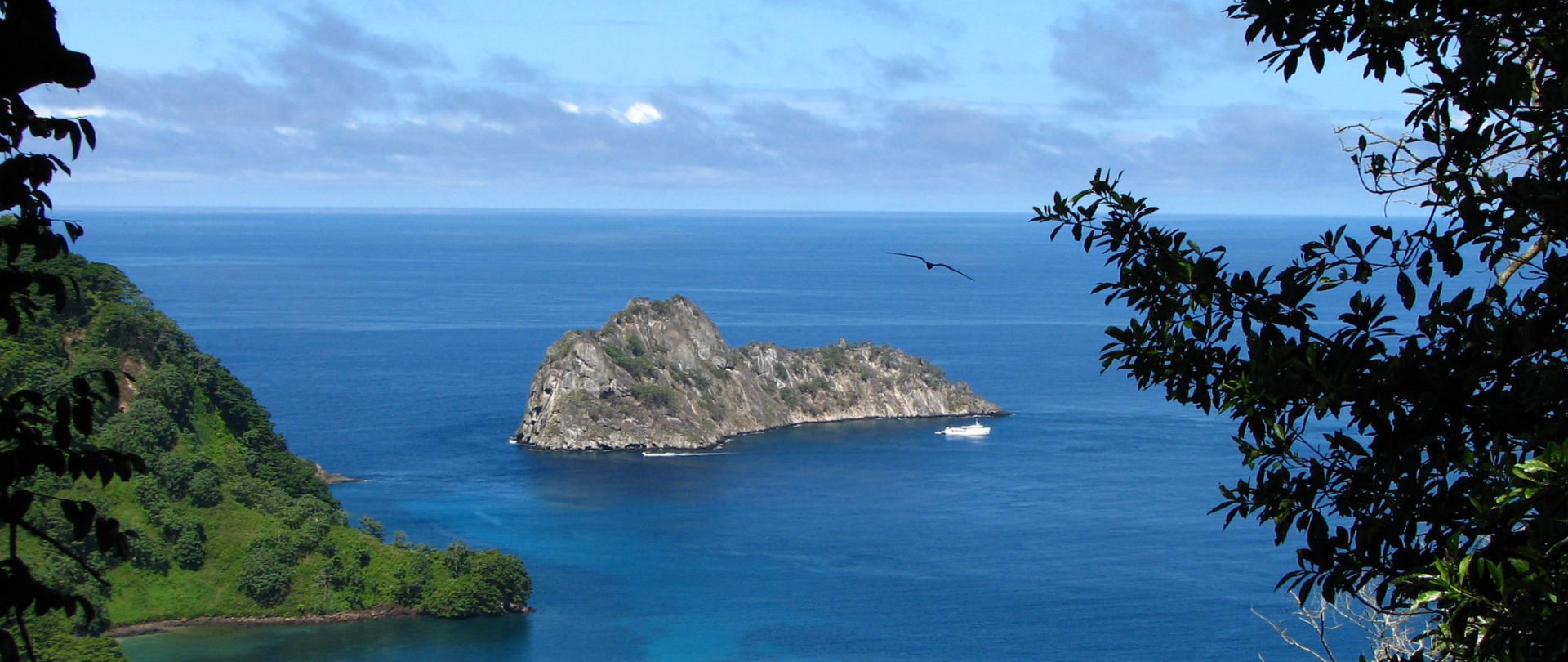
Located about 415 miles (670 kilometers) west of central Chile’s coast, the Juan Fernández Archipelago is made up of three volcanic islands with the majority of the population residing on Robinson Crusoe Island. Fewer than 1,000 people live in the region, with many supported by tourism and the lobster fishery. The Desventuradas Islands of San Félix and San Ambrosio, which have no civilian inhabitants, sit approximately 530 miles (853 kilometers) north of the archipelago.
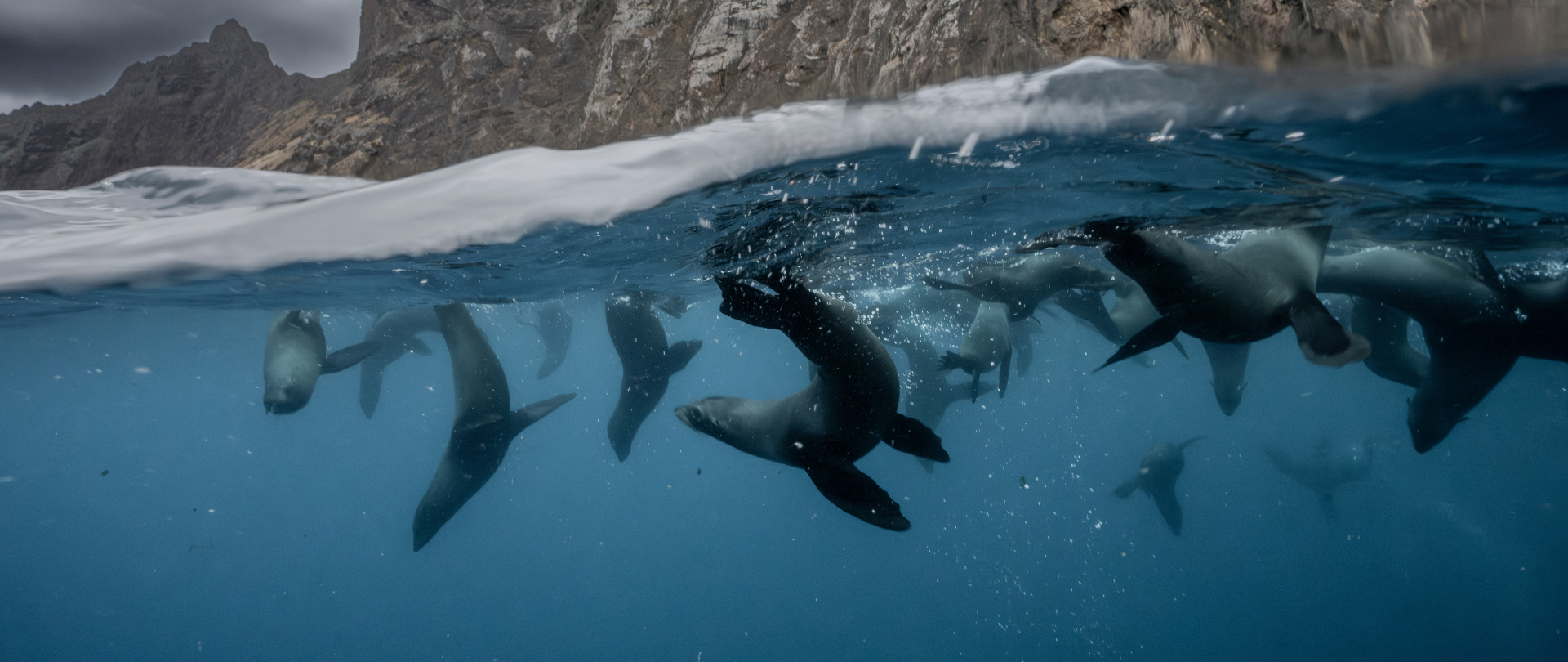
The Juan Fernández and Desventuradas island chains are part of seamount, or underwater mountain, systems that provide refuge and foraging grounds to an extraordinary level of endemic species, including the Juan Fernández fur seal, the Juan Fernández lobster, and the Juan Fernández octopus.

Over nearly two decades, the community of the Juan Fernández and Desventuradas islands, now represented by an organization called the Organización Comunitaria Funcional Mar de Juan Fernández, led the effort to establish a network covering more than 223,939 square miles (580,000 square kilometers), which happened in 2016 and 2018. With broad support from the community, that organization also headed the effort on the expansion of increased protections. Once implemented, the fully protected waters will cover a total of about 356,008 square miles (922,058 square kilometers) between the two ecoregions. Chile’s protected waters now represent more than 50% of the country’s exclusive economic zone.
This designation demonstrates that Chile continues to be a global leader in ocean protection. Chile has significantly contributed to the “30 by 30” agreement in the Kunming-Montreal Global Biodiversity Framework in which nations have committed to protect at least 30% of the global ocean by 2030 to reverse biodiversity loss.
Julio Chamorro Solís, president of the Organización Comunitaria Funcional Mar de Juan Fernández, said: “For generations, our community has lived in harmony with the sea, relying on it for food, livelihoods, and identity. By expanding our marine protections, we ensure that future generations will inherit healthy oceans, thriving fisheries, and the cultural traditions that bind us to our home.”
“Chile’s new protections around such a remarkable marine ecosystem with so many endemic species shows that the country continues to be a global leader in ocean conservation. Enhancing marine protections in the Juan Fernández and Desventuradas islands will further protect Chile’s iconic migratory species, unique ecosystems, and artisanal fishing practices that are important to the community.”
Tom Dillon, senior vice president of environment and crosscutting initiatives for The Pew Charitable Trusts, said: “Chile’s expansion of marine protections serves as a powerful reminder that effective conservation is strongest when efforts are led by island communities that have long understood that the health of the ocean is inseparable from their own well-being. By uplifting the voices of the Juan Fernández community, Chile is charting a path where marine protected areas not only conserve extraordinary biodiversity, but also honor culture, strengthen livelihoods, and leave a living legacy for future generations.”
Kayleigh Michaelides, officer of Pew Bertarelli Ocean Legacy, said: “The Juan Fernández community’s leadership has been extraordinary. Their vision and stewardship have shown the world that local action can drive global impact. This expansion of protections reflects their commitment to sustain both ocean health and cultural heritage. Pew Bertarelli Ocean Legacy is proud to support them in this effort.”
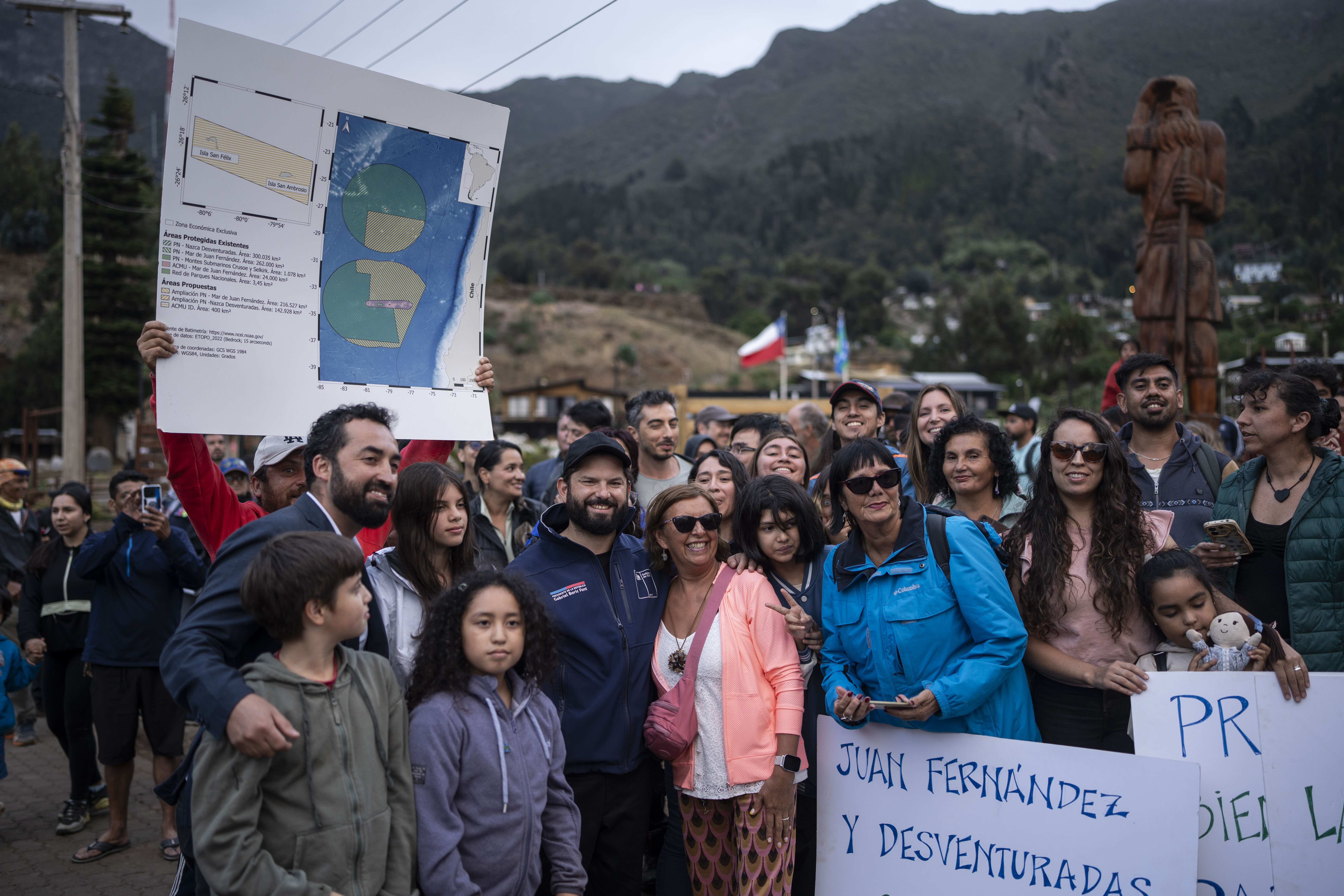
The Juan Fernández community has historically taken action to care for the environment. Since 1893, the region’s lobster fishery has thrived due to local fishers using sustainable fishing gear and following self-imposed regulations to support the lobster population.
The community has seen benefits to ocean health from the Nazca-Desventuradas and Juan Fernández marine parks and would like to increase the effectiveness against growing ocean threats such as harmful industrial fishing, marine pollution, and potential seabed mining activities, and to build resilience against climate change and ocean acidification.
Pew Bertarelli Ocean Legacy, in partnership with Blue Marine Foundation, Island Conservation, and Fundación Patagonia Azul, has supported Organización Comunitaria Funcional Mar de Juan Fernández and the Juan Fernández community’s efforts to expand ocean protections.
Pablo Manríquez Angulo, mayor of Robinson Crusoe Island in the Juan Fernández Archipelago, said: “This commitment reflects the heart of our community. Expanding marine protections is not only about conserving biodiversity, it’s about safeguarding our culture, our traditions, and the future of our children. We are proud to have led the way in this globally significant contribution.”
There’s more than one way to make an impact. Join our collective of dedicated supporters by donating today or signing up for our newsletter to stay informed.
Pew Bertarelli Ocean Legacy is a partnership between The Pew Charitable Trusts and Dona Bertarelli. Building on more than a decade of effort, they have worked with communities, governments, Indigenous groups, scientists, and other partners to establish the first generation of marine protected areas, conserving more than 16 million square kilometers (6 million square miles), of which nearly 12 million square kilometers (5 million square miles) are highly and fully protected areas.
Island Conservation’s mission is to restore islands for nature and people worldwide. We are a United States–based 501(c)(3) charitable organization with a globally distributed team—often made up of local islanders who bring deep knowledge and connection to the places where we work. Together, we collaborate with local communities, government management agencies, and conservation organizations to holistically restore islands by bringing back biodiversity, the foundation of all healthy ecosystems. We do this by removing a primary threat (introduced, damaging invasive species) and accelerating the return of native plants and animals. We utilize innovative technology and techniques to work more efficiently and showcase the many benefits of holistically restored islands for biodiversity, climate resilience, ocean health, and sustainable development across the globe.
Check out other journal entries we think you might be interested in.
January 28, 2026
We worked with Blue Action Fund to expand marine protection in the Eastern Pacific--read about our success!

January 15, 2026
Not all Marine Protected Areas are equally effective. A new study shows how high-quality, well-implemented MPAs provide outsized impacts for biodiversity!
December 30, 2025
Our roundup of the best photos from our team out in the field this year! On to 2026!
December 4, 2025
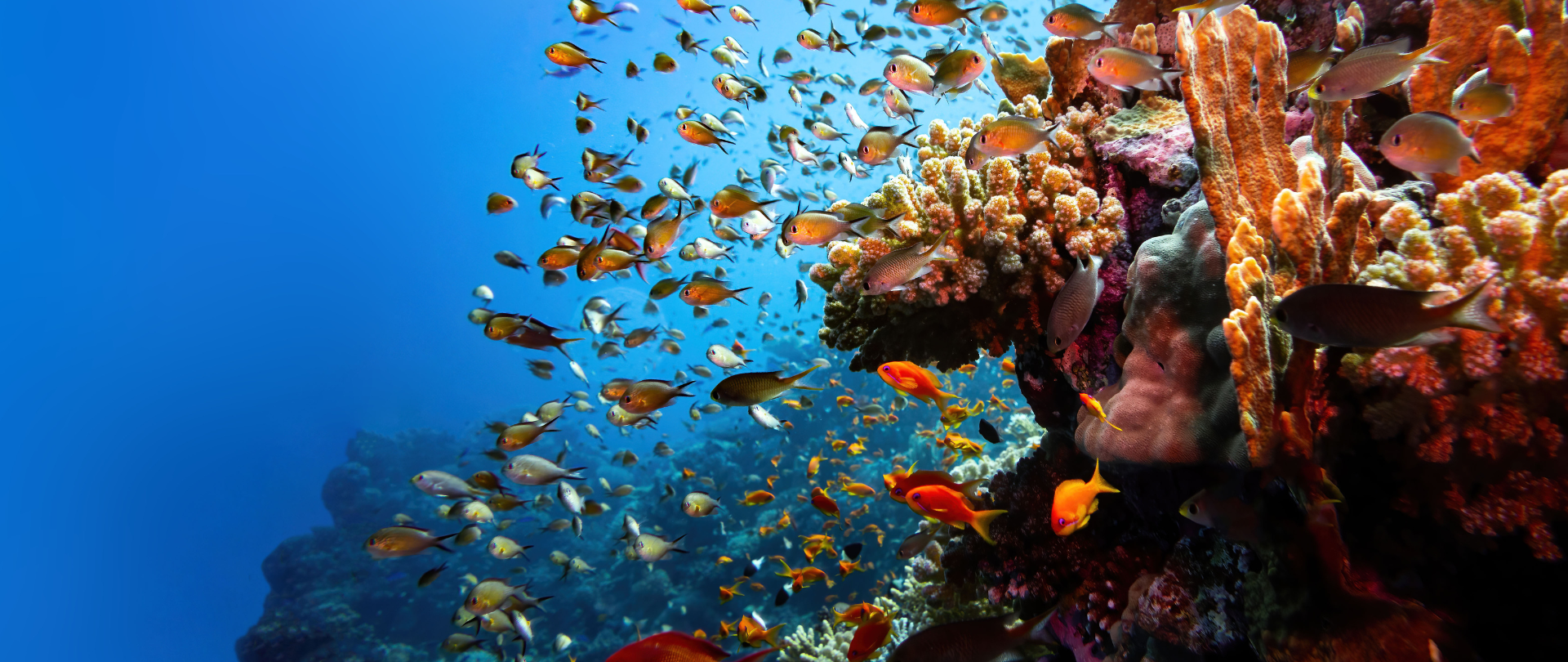
A new study reveals how seabirds, connector species between land and sea, play a huge role in the health of coral reefs!
October 30, 2025
Our proposal for a United Nations-sanctioned Decade of Island Resilience spotlights the power of global small islands!
June 26, 2025
The United Nations Ocean Conference was an opportunity for incredible collaborations and coalitions. Joining Ocean Action 2030 was one of many incredible partnerships we forged!
May 19, 2025
Read our position paper on The 3rd United Nations Ocean Conference (UNOC 3) to see why we're attending and what we aim to accomplish!
May 6, 2025
Our resolution calls for a United Nations sanctioned Decade of Island Resilience. Read the full resolution here!

May 6, 2025
Read our concept proposal for our proposal to the United Nations for to create a Decade of Island Resilience!
April 16, 2025
Conservation works to save species from extinction--and it works really, really well!