April 14, 2026
Nature and People Win Thanks to Successful Restoration Collaboration on Wake Atoll
A historic moment: Wake Atoll is restored and thriving!
 Island Conservation
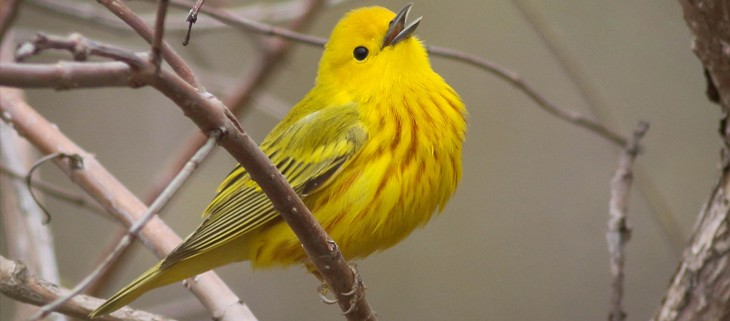
A recent study in Ecology Letters found that in Costa Rica, native vegetation attracts pest-eating birds to plantations.
Pests are a pervasive and expensive problem for farmers. Invasive insects are detrimental to crop yields around the world. The Borer Beetle, originally from Africa, is an invasive pest wreaking havoc on Costa Rica plantations. The beetle is the only insect threatening the coffee bean plants, and causes about $500 million in damage each year.
But exciting new research by Stanford biologists has yielded promising findings for pest management. Researchers wanted to know what happens when patches of rainforest are scattered throughout coffee plantations in Costa Rica. They found that the presence of native vegetation attracts native birds into the plantation. This turns out to be a game-changer for farmers, because the native birds love to eat the borer beetles that are destroying coffee crops. Lead author of the study Daniel Karp comments,
There’s lots of unrealized value in these small patches of rainforest. This looks like a sustainable, win-win opportunity for pest management.

The financial savings achieved by this natural form of pest management are impressive. Coffee bean crop loss was cut in half thanks to five bird species drawn to the plantations by the patches of native vegetation. According to Karp,
Depending on the season, the birds provide $75 to $310 increases in yield per hectare of farmland.

The researchers plan to generalize the results so that conservationists, farmers, land managers and governments can estimate the potential gains of integrating native plants into crop fields. The research findings are promising, with substantial potential gains for native species and farmers alike.
Featured photo: Yellow Warbler. Skip Russell
Photos and captions from the original article: Stanford News
Check out other journal entries we think you might be interested in.
April 14, 2026
A historic moment: Wake Atoll is restored and thriving!

October 29, 2025
Astounding evidence of recovery on Ulong Island in Palau after just one year!
May 19, 2025
Read our position paper on The 3rd United Nations Ocean Conference (UNOC 3) to see why we're attending and what we aim to accomplish!
December 4, 2024
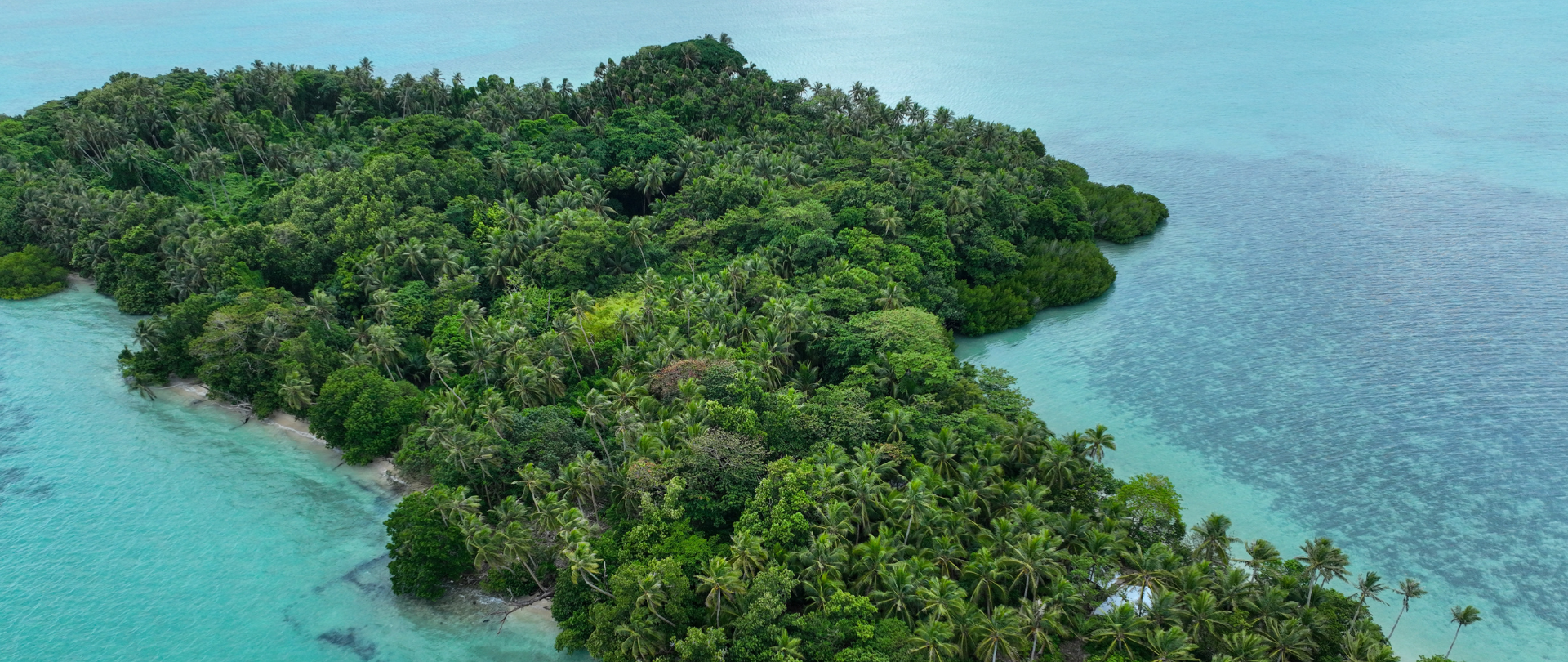
Ann Singeo, founder of our partner organization the Ebiil Society, shares her vision for a thriving Palau and a flourishing world of indigenous science!
November 22, 2024
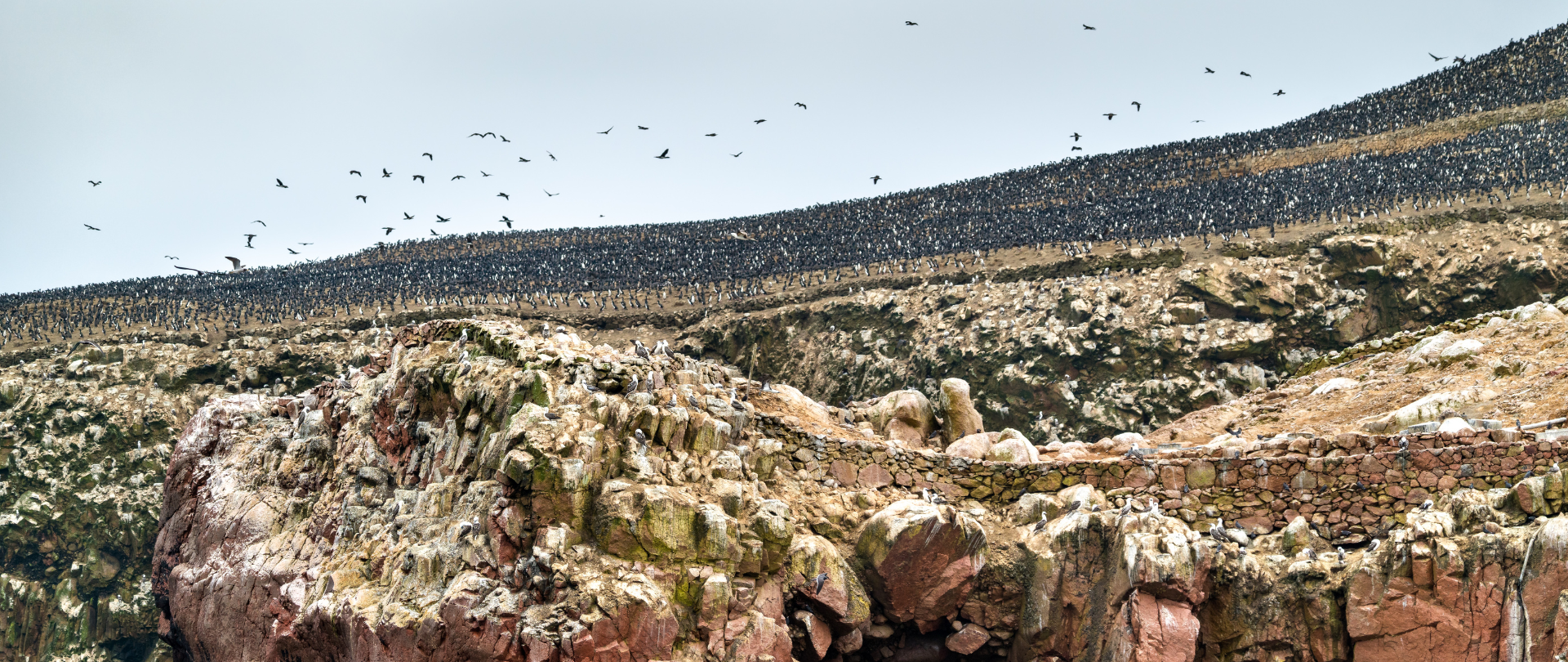
This historic agreement aims to protect the marine and coastal areas of the Southeast Pacific.
November 18, 2024
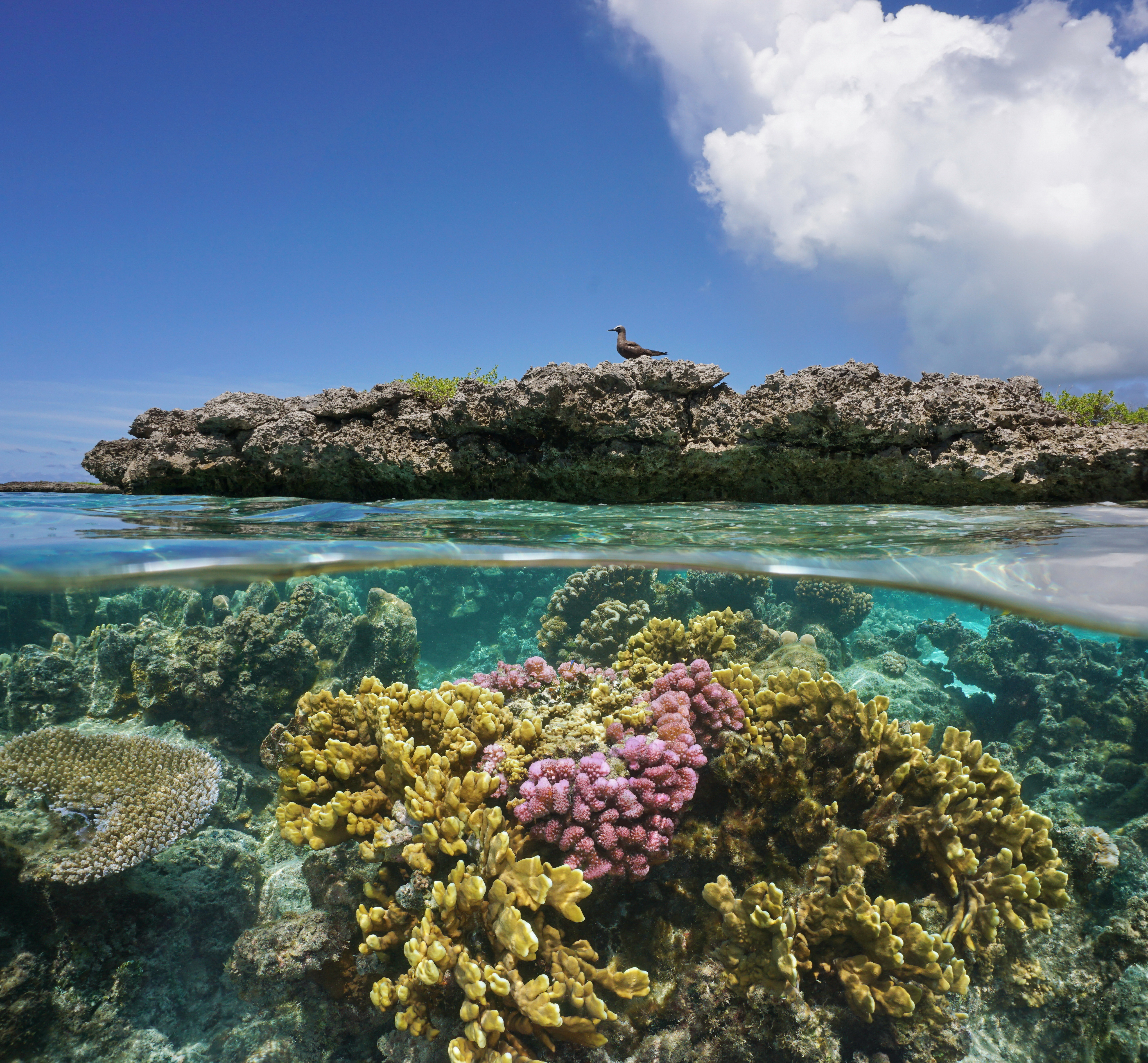
Our projects to restore key islets in Nukufetau Atoll forecast climate resilience and community benefits in Tuvalu!
October 3, 2024
Island Conservation and partners have published a new paper quantifying ecosystem resilience on restored islands!
September 10, 2024
Climate Week NYC: what is it and why is it important? Read on to find out why Island Conservation is attending this amazing event!
September 5, 2024
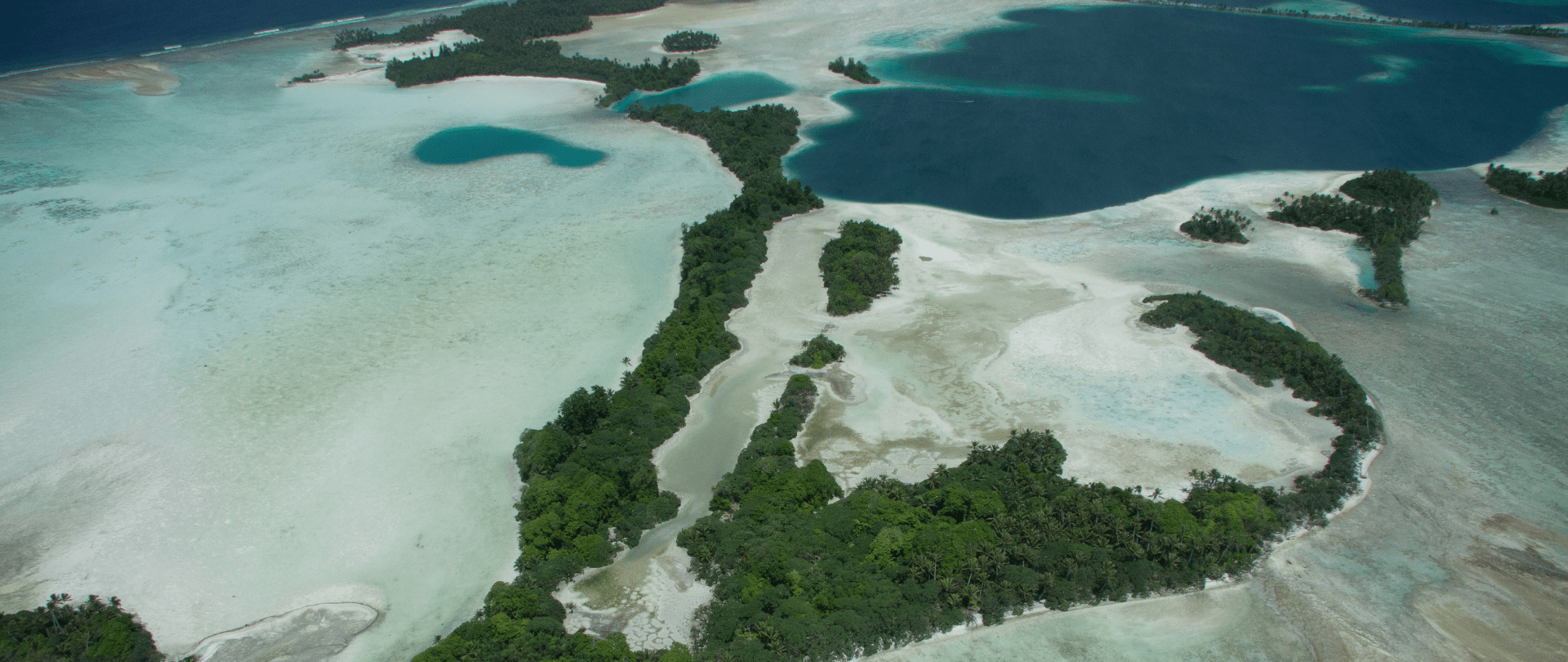
With sea levels on the rise, how are the coastlines of islands transforming? Read on to find out how dynamic islands really are!

December 14, 2023
Join us in celebrating the most amazing sights from around the world by checking out these fantastic conservation photos!