October 29, 2025
Data Shows Endangered Palau Ground Doves Swiftly Recovering After Successful Palauan Island Conservation Effort
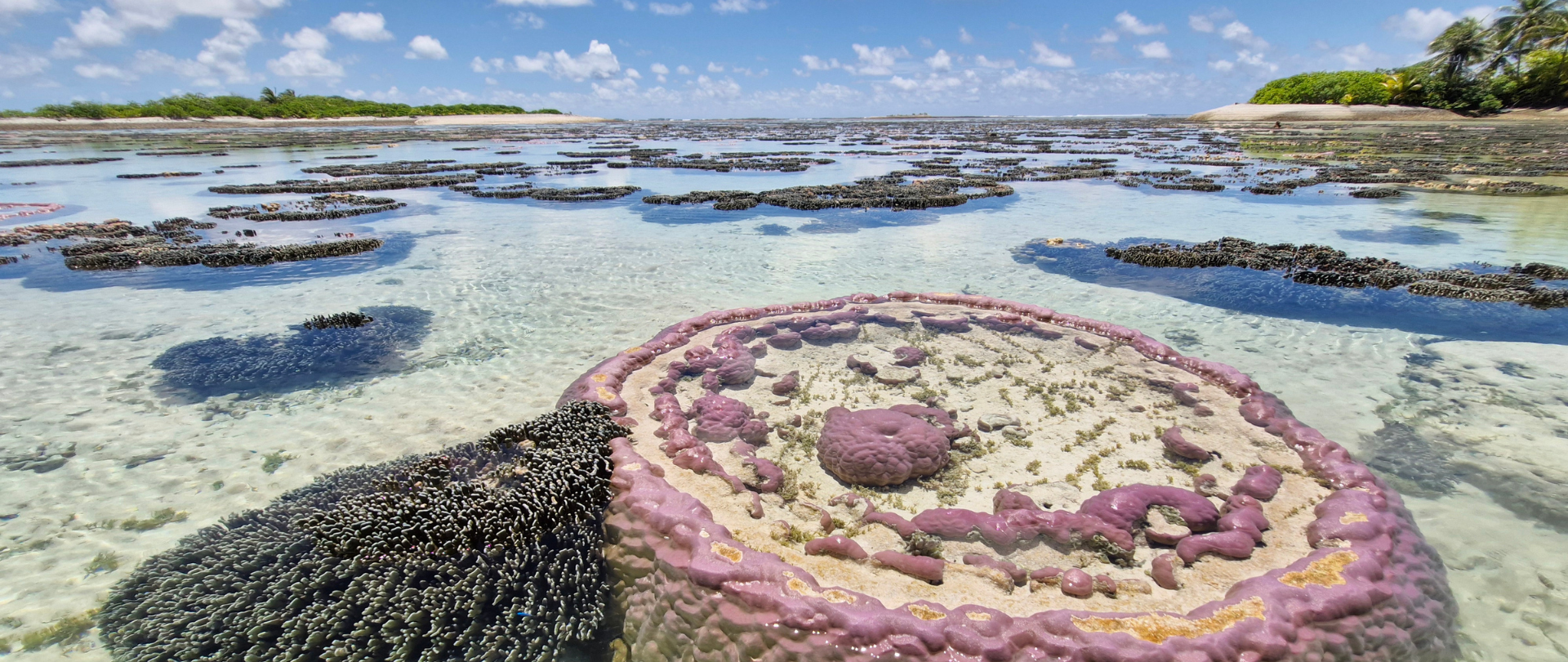
Astounding evidence of recovery on Ulong Island in Palau after just one year!
 Island Conservation
January 28, 2013


Joan Jewett, U.S. Fish and Wildlife Service, 503-231-6211
Removing non-native rats was the top priority for the Palmyra Atoll Restoration Project, a multi-year effort to protect 10 nesting seabird species, migratory shorebirds, the rare coconut crab, and one of the largest remaining native Pisonia grandis forests (a rare flowering tree in the Bougainvillea family) in the tropical Pacific.
Palmyra Atoll, approximately 1,000 miles south of Honolulu, Hawai‘i, is cooperatively managed by the U.S. Fish and Wildlife Service and The Nature Conservancy as a National Wildlife Refuge and a scientific research station. The area includes 25 islets covering 580 acres of land, and thousands of acres of healthy coral reefs. In 2009, the refuge and waters surrounding it were also included in the Pacific Remote Islands Marine National Monument.
Non-native black rats were likely introduced to the atoll during World War II, and the population grew to as many 30,000 rats. The invasive rodents eat eggs and chicks of ground and tree-nesting birds, particularly sooty and white terns. Rats also eat land crabs and the seeds and seedlings of native tree species.
Using the same proven methods that were used years before to detect the extent of the rat problem on Palmyra, scientists conducted surveys over a month-long period this summer and confirmed that the entire atoll is currently rat-free. In the tropical climate at Palmyra, rats reproduce approximately once every 3-4 months, so conducting surveys one year after the removal effort is sufficient time to detect rats remaining on the atoll. During the summer, the project partners established a network of 286 rat detection stations that covered the entire atoll. Each station was checked four times during the course of one month. Aside from the detection stations, team members spent hundreds of hours scouring the atoll for natural indicators of rat presence. In accordance with observations of the recovery of native species over the past year that suggested that the project was successful, the recent monitoring found no rats after one year.
“Millions of seabirds, trees, crabs and other native species can now thrive in their home without the threat of being eaten by rats. Staff and visitors to the atoll have seen a large increase in the numbers of crabs, insects, seedlings and seabirds. Our collective efforts to bring balance back to Palmyra are working. The scientific rigor, attention to detail, and collaboration is a testament to the integrity and cooperative nature of our partnership,” said Suzanne Case, Executive Director of The Nature Conservancy’s Hawai’i program.
The University of California Santa Cruz Coastal Conservation Action Lab (UCSC-CCAL) is monitoring the response of Palmyra’s terrestrial ecosystem by comparing measures of seabird, shorebird, and plant populations taken before and after rat removal. In the summer of 2012 they found dramatic increases, including:
· Over 130% increase in native tree seedlings (Palmyra has ten locally rare native tree species), and the first record of Pisonia seedlings (no seedlings were observed in 2007 prior to rat removal);
· A 367% increase in arthropods (such as insects, spiders, and crabs); and
· No change in Bristle-thighed Curlews found at Palmyra (special care was taken to ensure this imperiled species was not negatively impacted by the rat removal project)
“With the atoll free of rats, we are already seeing a dramatic increase in many things that rats preyed upon: nesting seabirds, migratory shorebirds, native tree seedlings, and small invertebrates like fiddler crabs. The island is truly rebounding,” said Gregg Howald, North America Regional Director, Island Conservation.
Although Palmyra is rat-free today, the threat of re-introducing rats or other invasive species is present anytime a boat or airplane travels to the atoll. A detailed prevention plan is in place to minimize the threat of non-native species being introduced to the atoll.
The removal of introduced species such as black rats is a proven, effective conservation tool that has been successful on numerous islands across the globe, including the Galapagos archipelago, a multitude of islands in New Zealand, the Channel Islands off the coast of California, and Hawadax Island (formerly ‘Rat Island’) of the Aleutian Island chain in the Alaska Maritime National Wildlife Refuge.
Additional Resources Available:
You can download a copy of this press release here
Check out other journal entries we think you might be interested in.

October 29, 2025
Astounding evidence of recovery on Ulong Island in Palau after just one year!
July 22, 2025
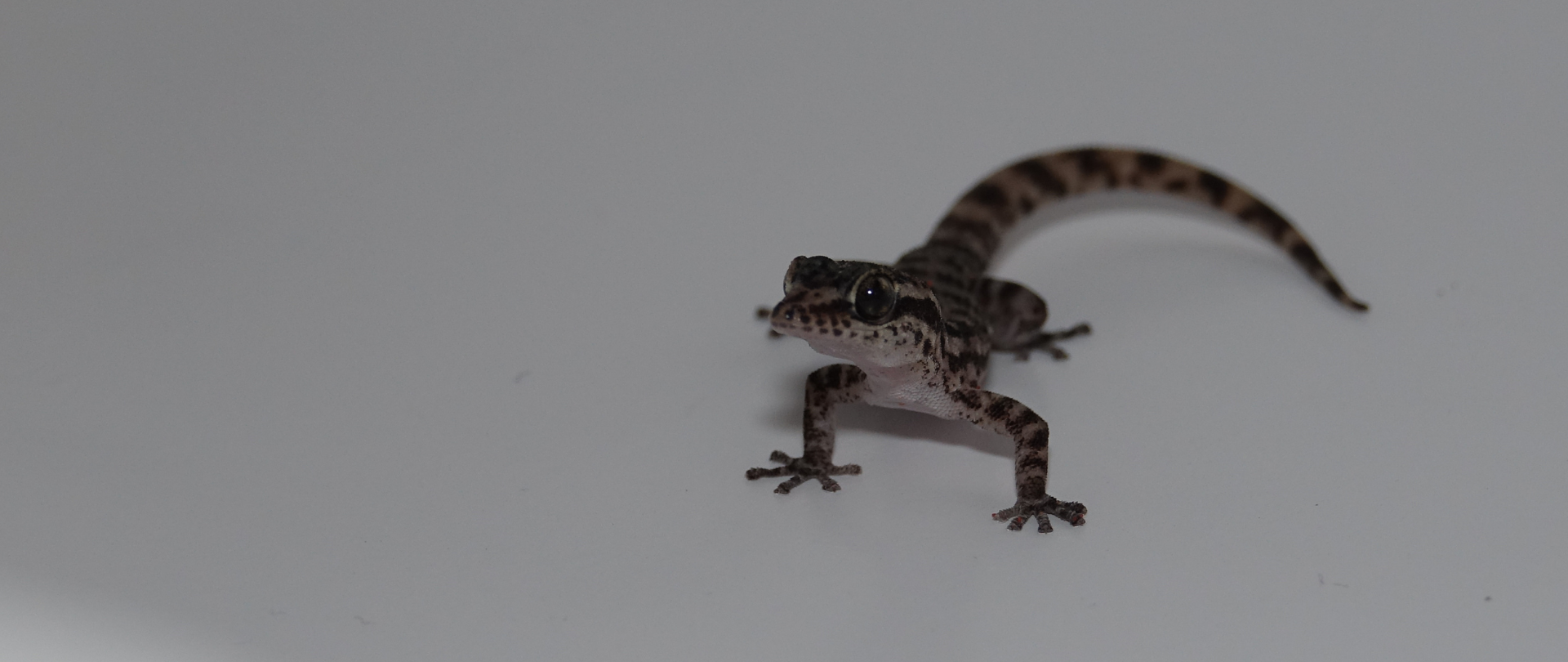
A species once thought extinct just made its comeback. A study published in PLOS ONE confirms the Leaf-toed Gecko has been rediscovered on Rábida Island in the Galápagos.
July 17, 2025
Great news from Tuvalu--our projects to restore Nukufetau Atoll, Tepuka, and Falefatu were successful!

June 17, 2025
Two new islands join the Island-Ocean Connection Challenge, linking terrestrial and marine conservation for maximum impact!
June 13, 2025
Our partner Conservation X Labs has joined the IOCC, committing to deploying transformative technology to protect island ecosystems!
May 19, 2025
Read our position paper on The 3rd United Nations Ocean Conference (UNOC 3) to see why we're attending and what we aim to accomplish!
March 11, 2025
New environmental DNA technology can help protect vulnerable island ecosystems from destructive invasive species.
February 27, 2025
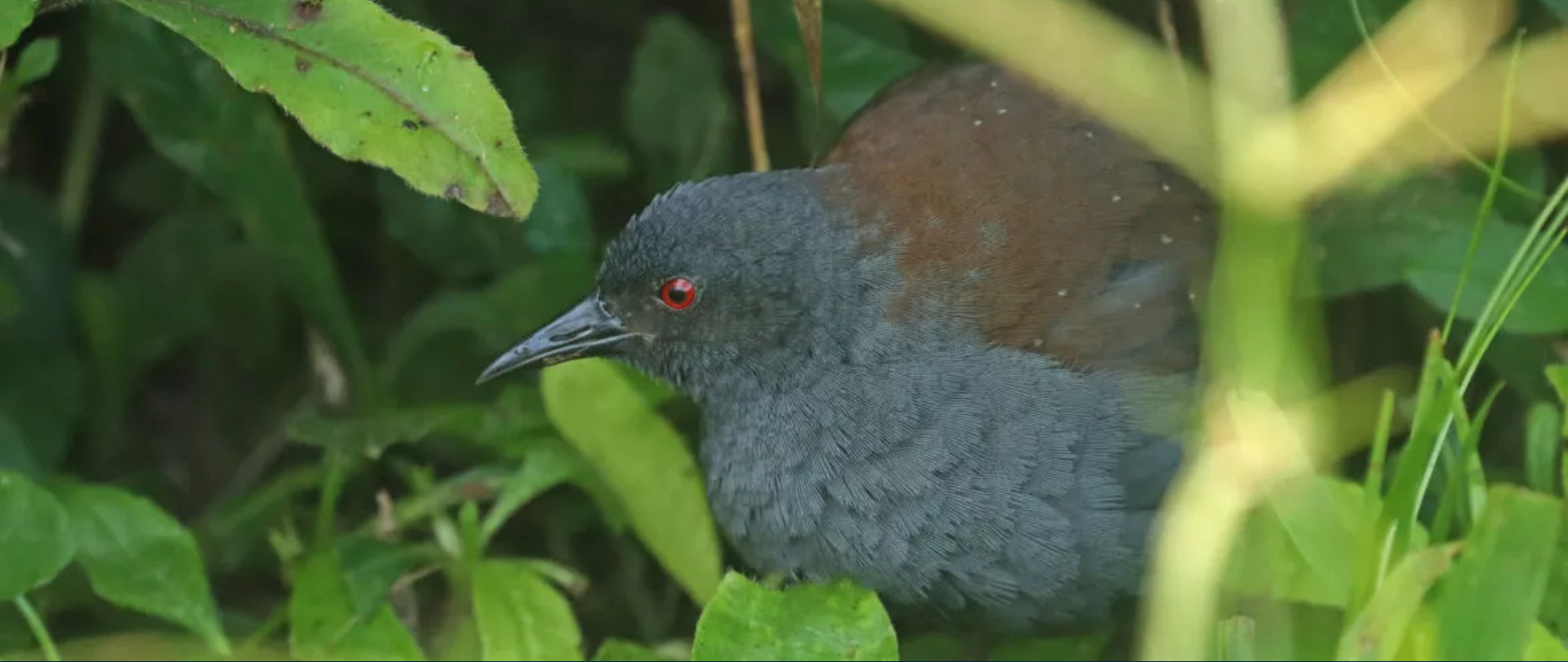
A locally-extinct species of ground-dwelling bird was found on Floreana Island!
February 20, 2025
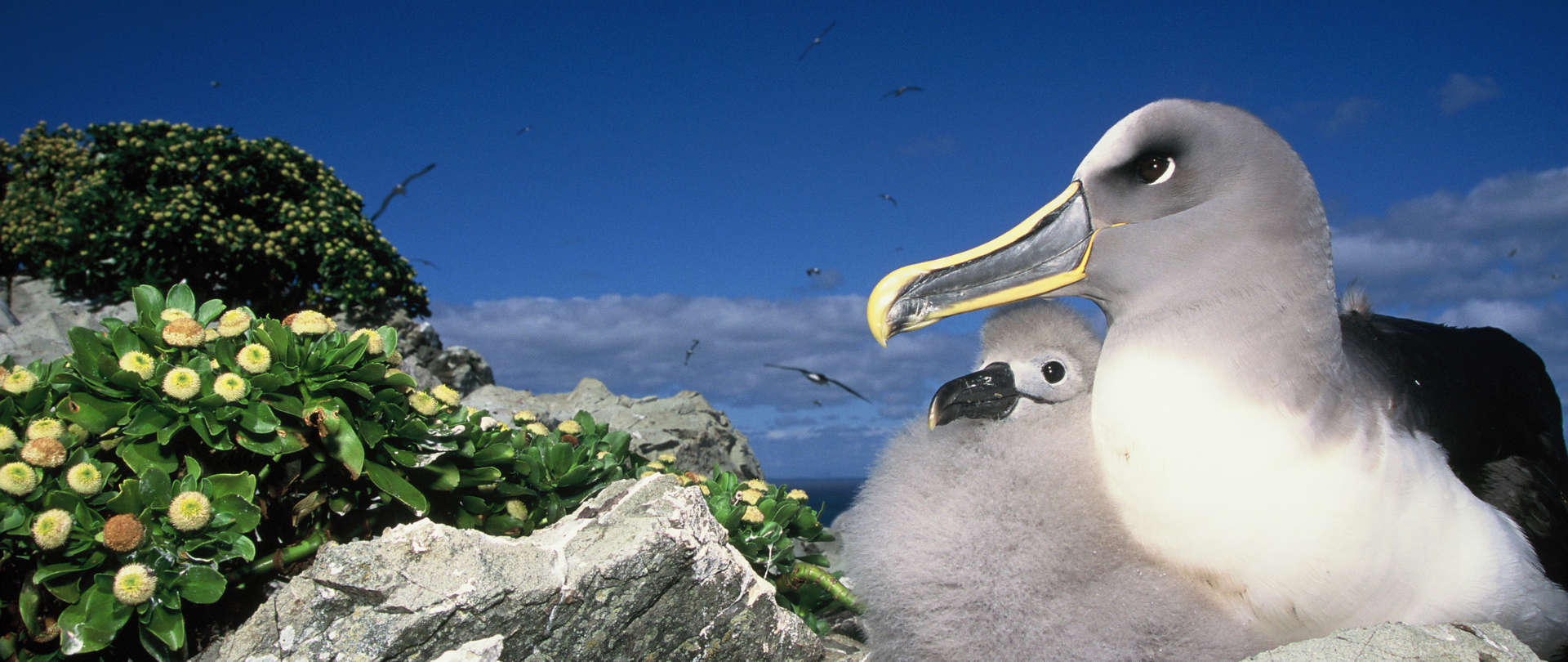
February 20, 2025, Bluff, New Zealand – The international conservation initiative, Island-Ocean Connection Challenge (IOCC), led by Island Conservation, Re:wild, and UC San Diego’s Scripps Institution of Oceanography, proudly welcomes three of New Zealand’s most ecologically rich islands into its…