March 3, 2026
What is holistic restoration?
What is holistic restoration? Read all about this incredible method to restore ecosystems for people and nature!
 Island Conservation
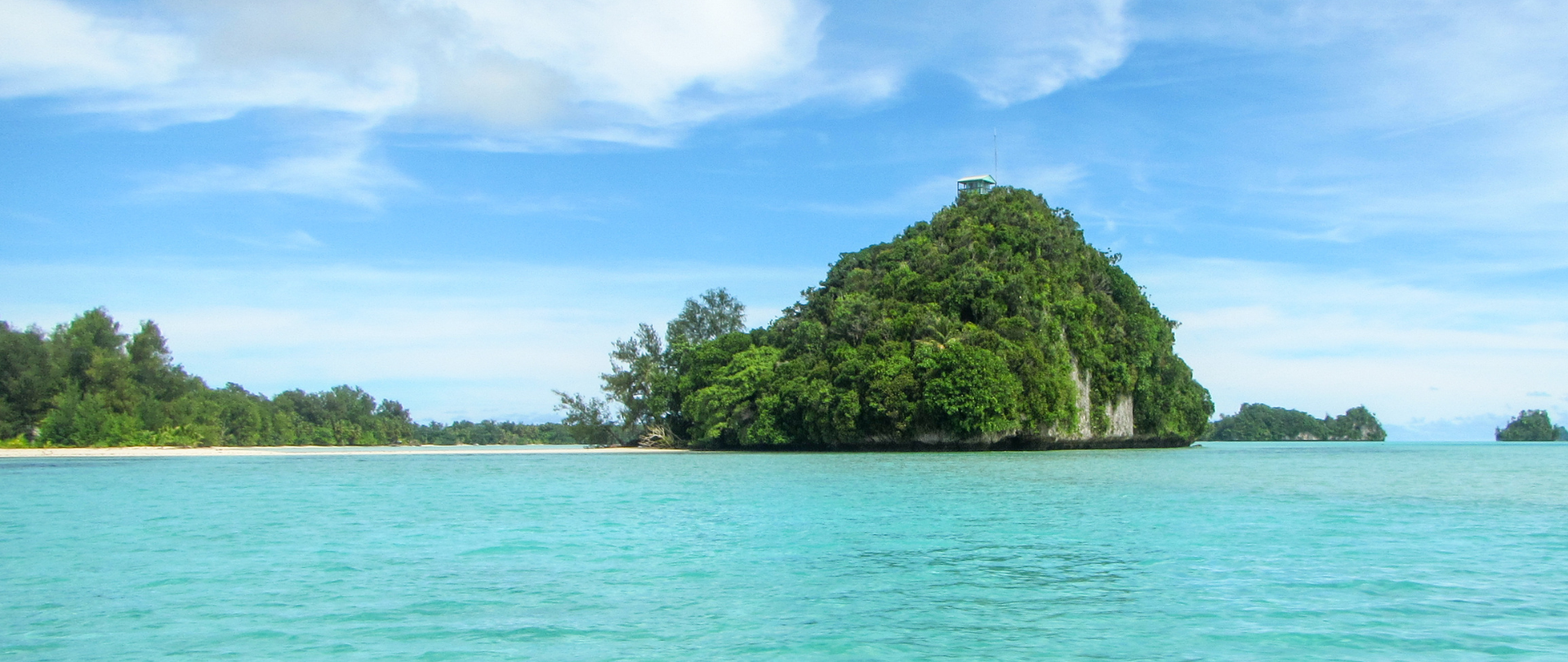
At Island Conservation, we’ve long known that restoring island ecosystems has spillover benefits that revitalize entire landscapes and seascapes. A new study published in PLOS Biology confirms what we’ve seen firsthand: seabirds play a vital role in enhancing coral reef health through nutrient connectivity.
The study, titled “Nutrient connectivity via seabirds enhances dynamic measures of coral reef ecosystem function,” reveals how seabird-derived nutrients—delivered via guano, or poop—fuel productivity in coastal ecosystems. These nutrients are recycled into the sea, boosting the growth of turf algae, which in turn supports herbivorous fish populations. This dynamic nutrient cycling is key to reef resilience.
But why do herbivorous fish matter for the overall health of coral reefs?
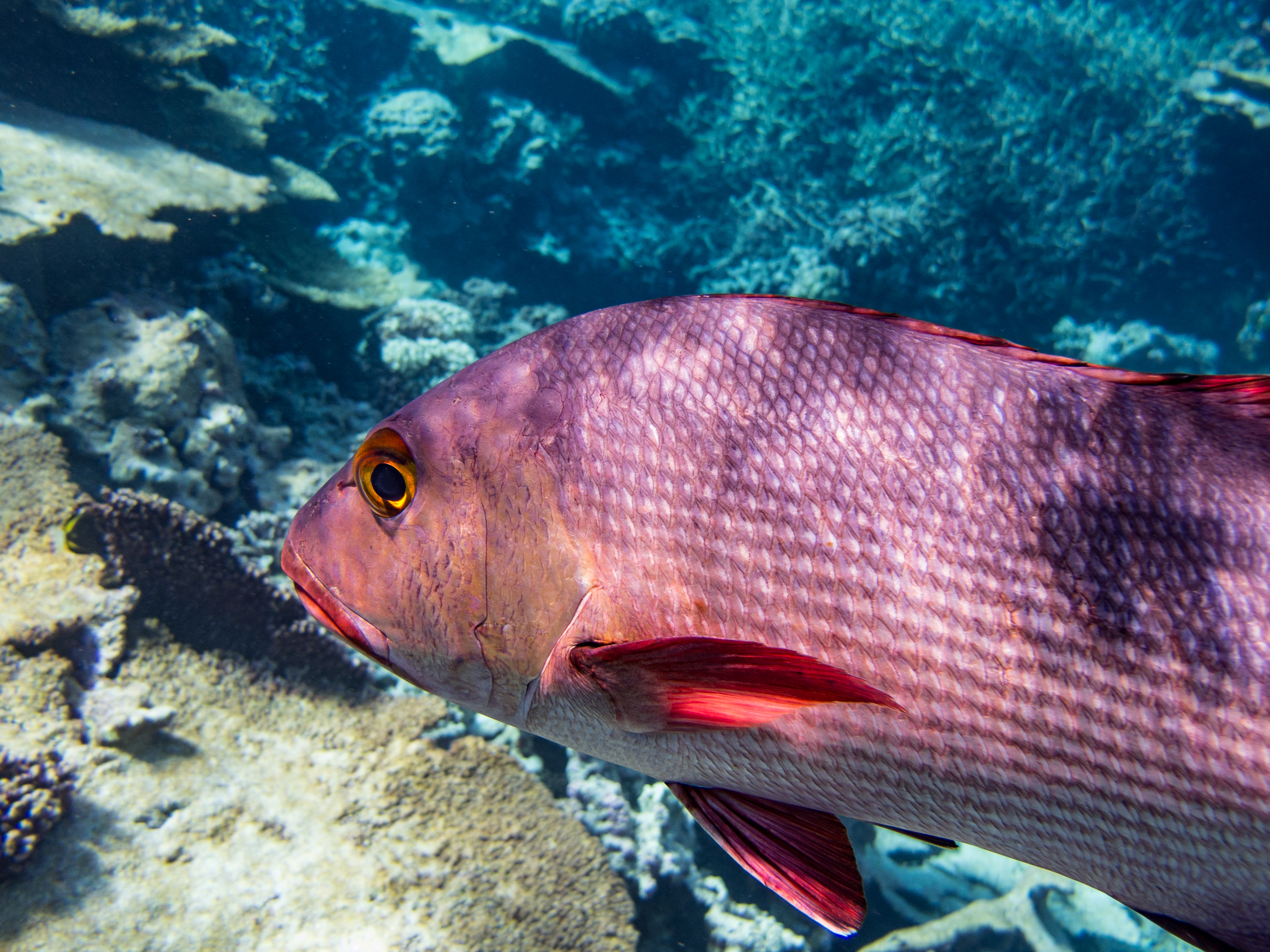
These fish, such as Parrotfish, Surgeonfish, and Damselfish, are the unsung heroes of coral reefs. Their grazing keeps fast-growing algae like turf in check, preventing it from smothering corals. The study found that for every 0.1 mm/day increase in turf algal growth (driven by seabird nutrients), herbivore productivity increased by 1.57x and fish biomass by 1.94x. This means more energy is moving up the food chain — a sign of a thriving ecosystem!
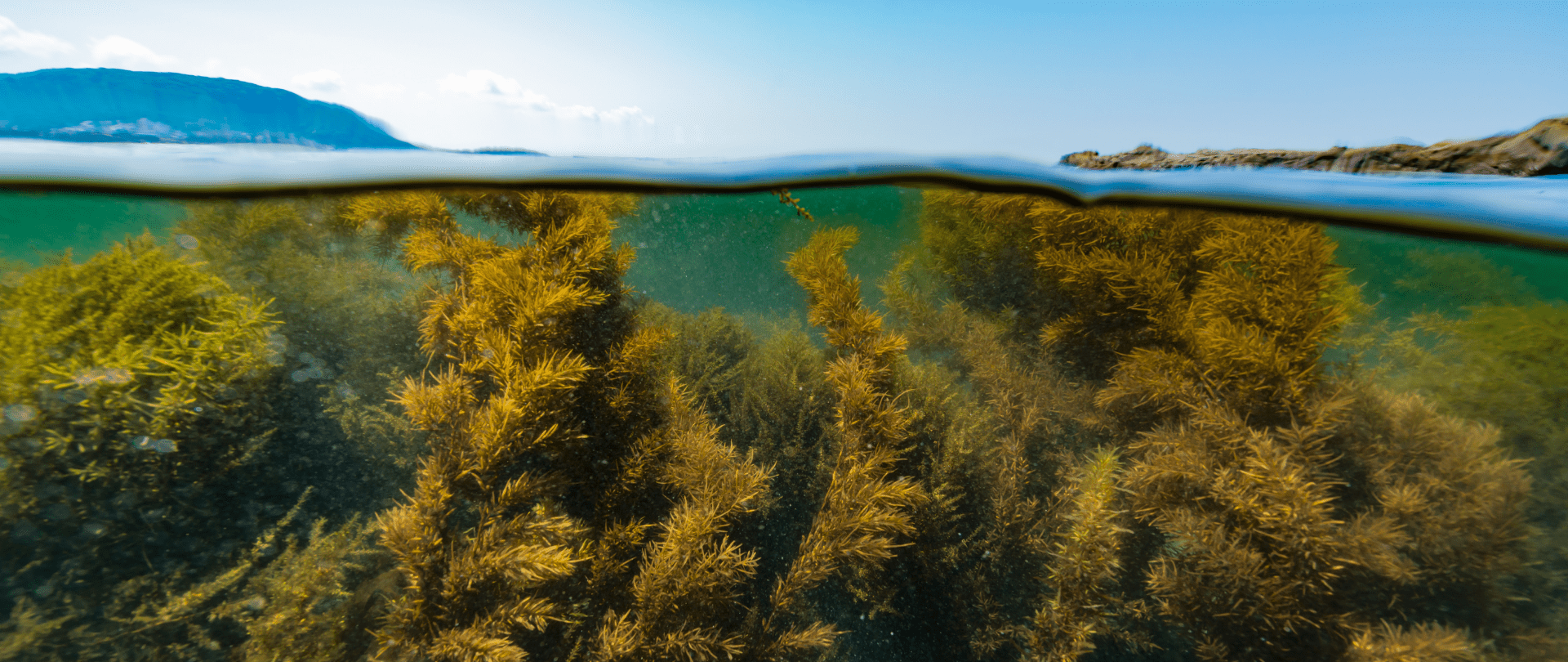
It’s easy to mistake lush turf algae for a healthy reef. But high turf cover often signals degradation. What matters more is productivity—how fast the algae grow and how efficiently herbivores graze it down. This balance between growth and grazing creates space for coral settlement, essential for reef recovery.
And it captures carbon, too—turf algae pulls carbon out of the environment and makes it available for bigger fish to eat, moving it up through the food chain and helping rebalance our environment.
Seabird biomass varied dramatically across study sites, depending on whether invasive rats were present. Islands free of these harmful rats had thriving seabird populations, which led to:
These findings highlight the profound impact of seabird-driven nutrient flow on reef function—and the damage caused when invasive species disrupt this connection.
At Island Conservation, one of our most impactful tools in holistic ecosystem restoration is the removal of invasive species like rats from islands. With over 1,000 successful invasive-removal operations worldwide and a 90% success rate, we’ve seen native plants and animals return, seabird populations rebound, and marine ecosystems flourish. As this paper shows, invasive species removal is just the beginning of a cascade of benefits that scale up the trophic chain.
Learn more about our mission and success stories—from the Galápagos to Alaska—by subscribing to our newsletter, and support us by making a donation today! Together, we can restore islands for nature and people.
Check out other journal entries we think you might be interested in.
March 3, 2026
What is holistic restoration? Read all about this incredible method to restore ecosystems for people and nature!
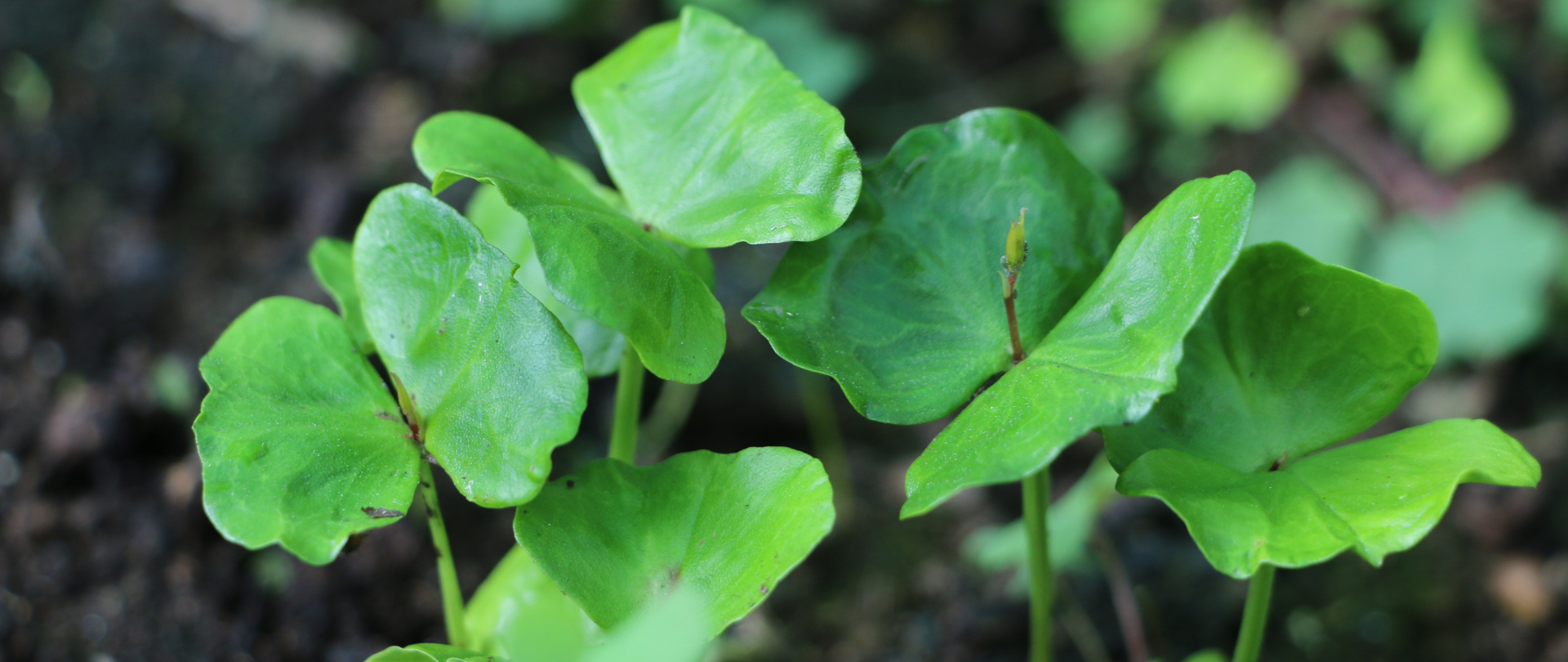
February 6, 2026
¡Mira el video de Solange y lee una entrevista sobre Robinson Crusoe! Watch Solange's video and read an interview about Robinson Crusoe!

January 22, 2026
Our Senior Director of Impact & Innovation, David Will, explains the importance of the Circular Seabird Economy for nutrient transfer!

January 15, 2026
Not all Marine Protected Areas are equally effective. A new study shows how high-quality, well-implemented MPAs provide outsized impacts for biodiversity!
December 22, 2025
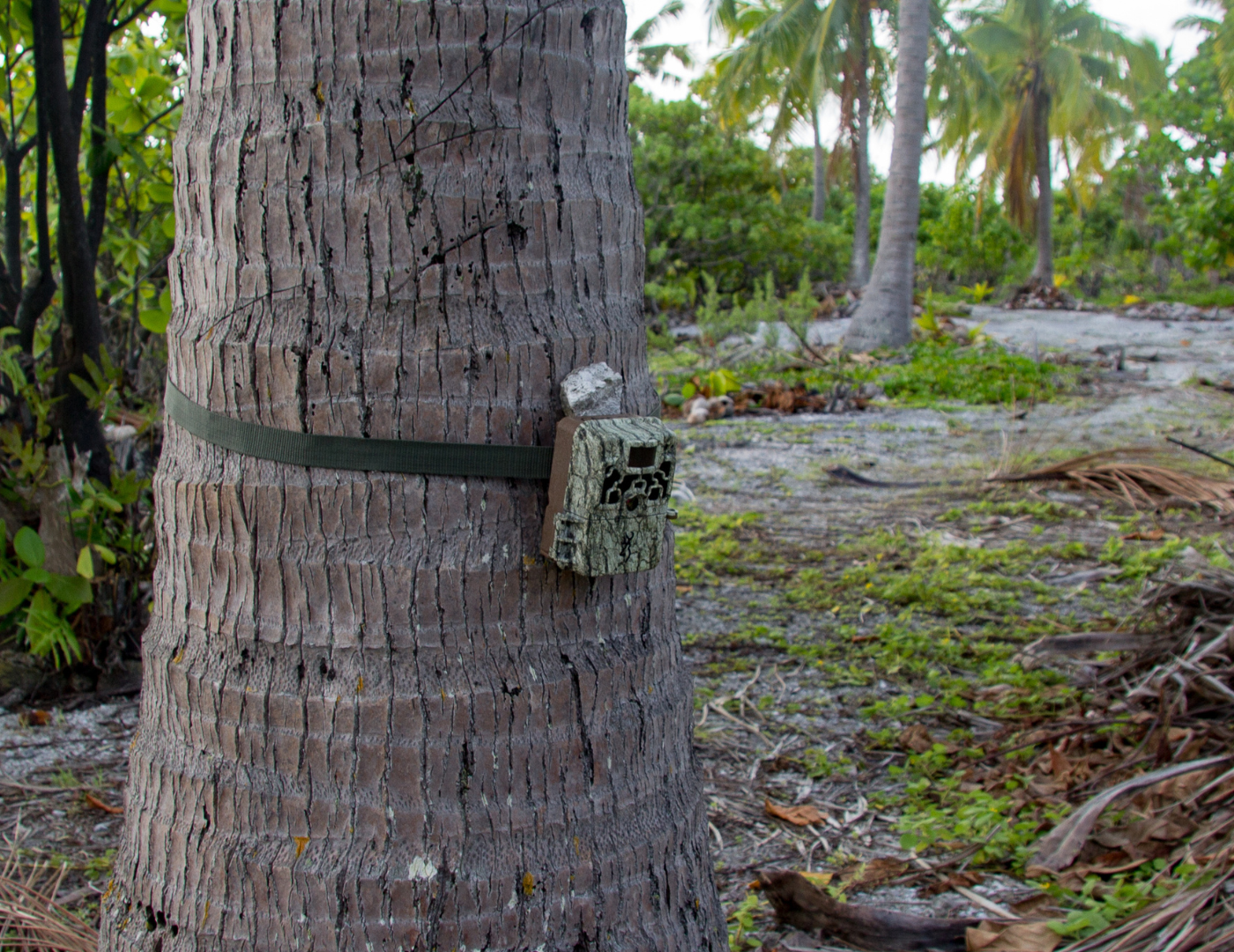
Elke Windschitl, our Conservation Impact Data Specialist, gives us the lowdown on
December 4, 2025
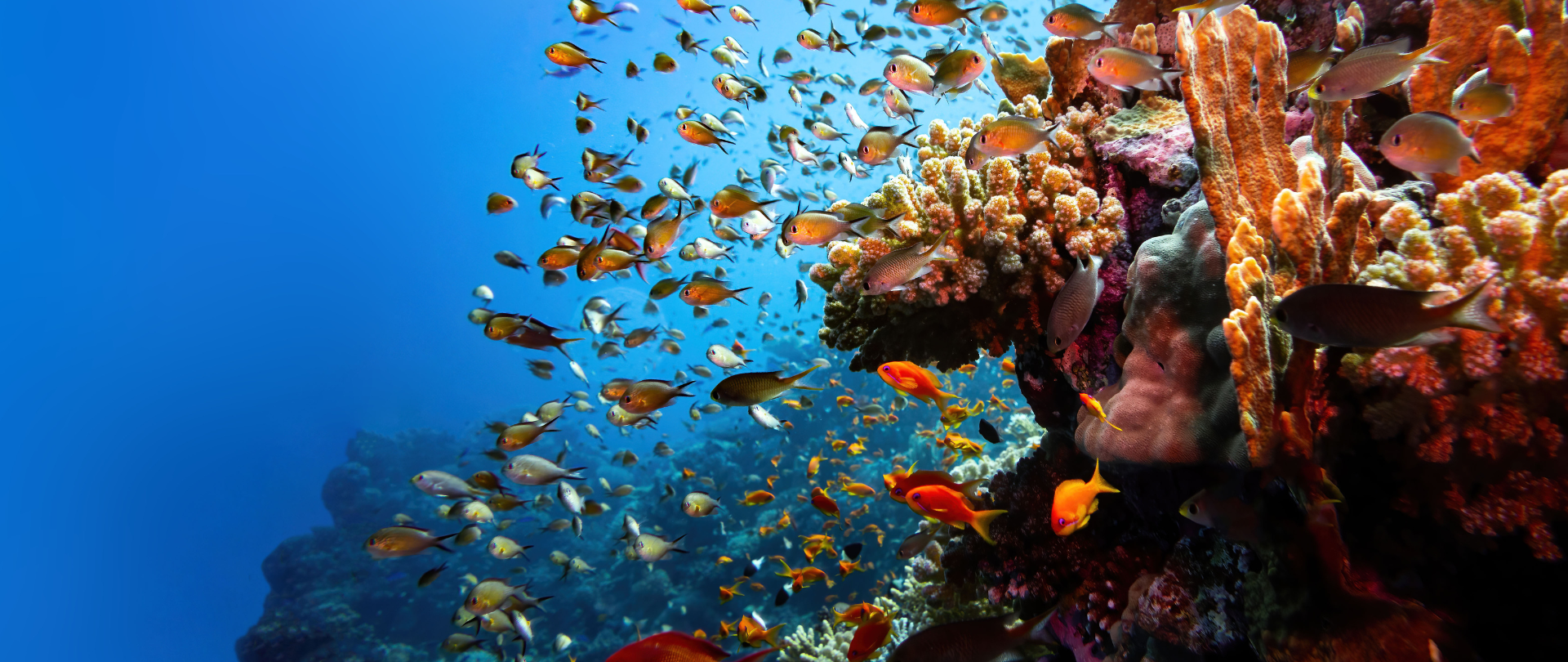
A new study reveals how seabirds, connector species between land and sea, play a huge role in the health of coral reefs!
November 25, 2025
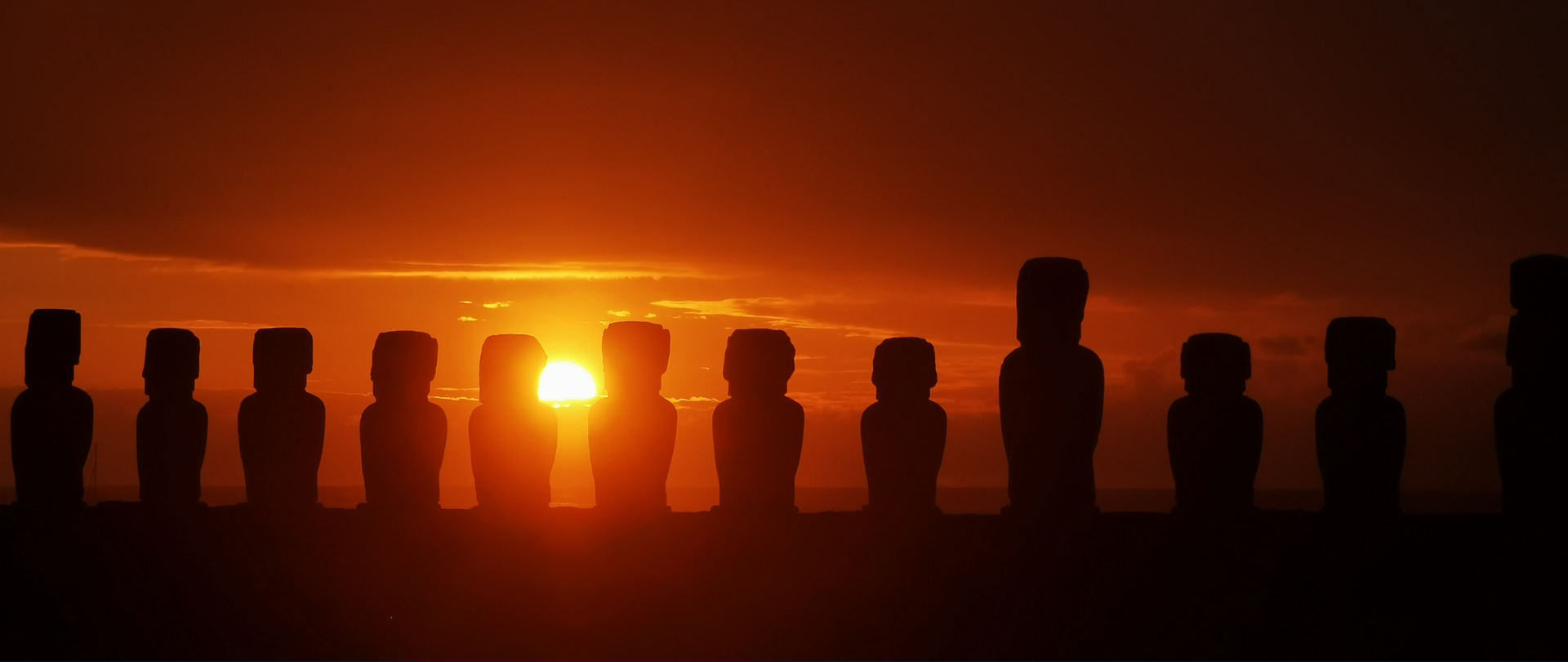
A new scientific paper is changing the way we understand Rapa Nui (Easter Island)'s ecological history!
November 21, 2025
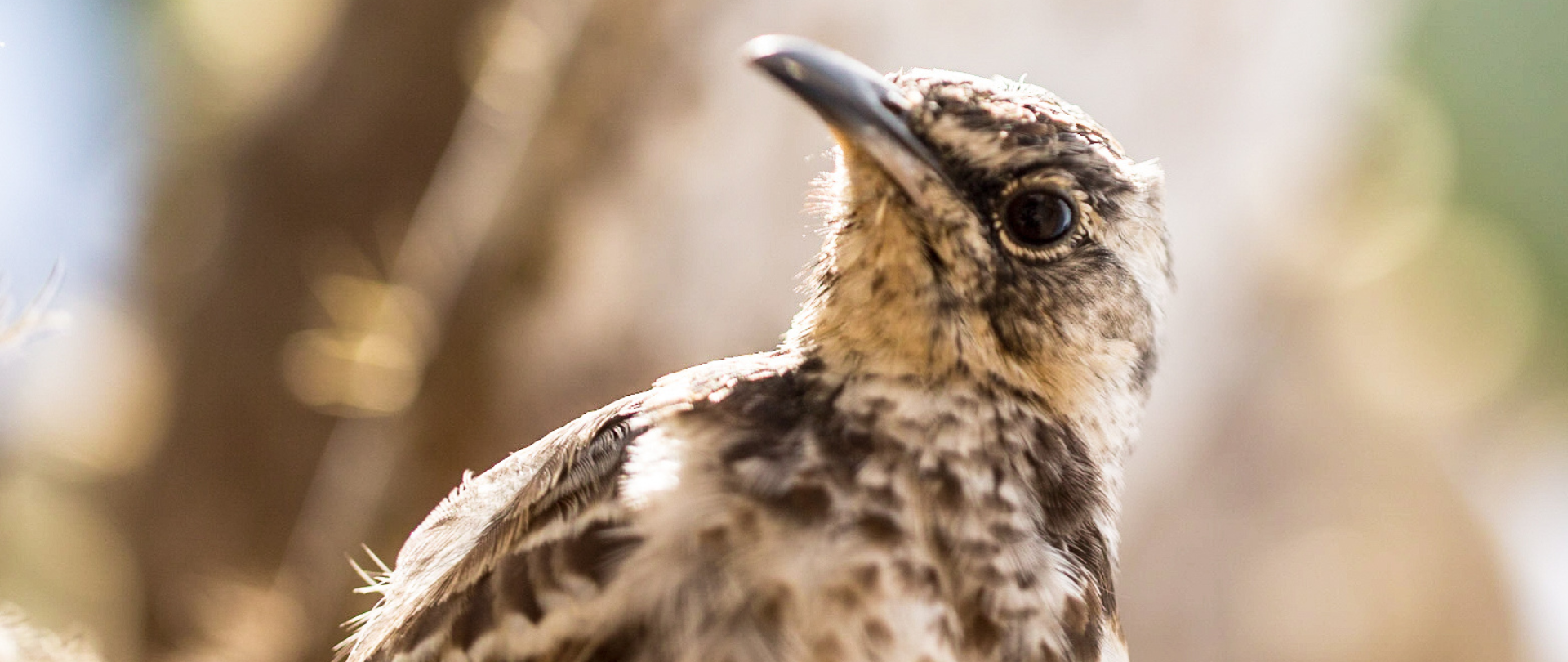
Holistic restoration is at work on Floreana Island, where the largest conservation project in the history of the Galápagos is underway!
October 30, 2025
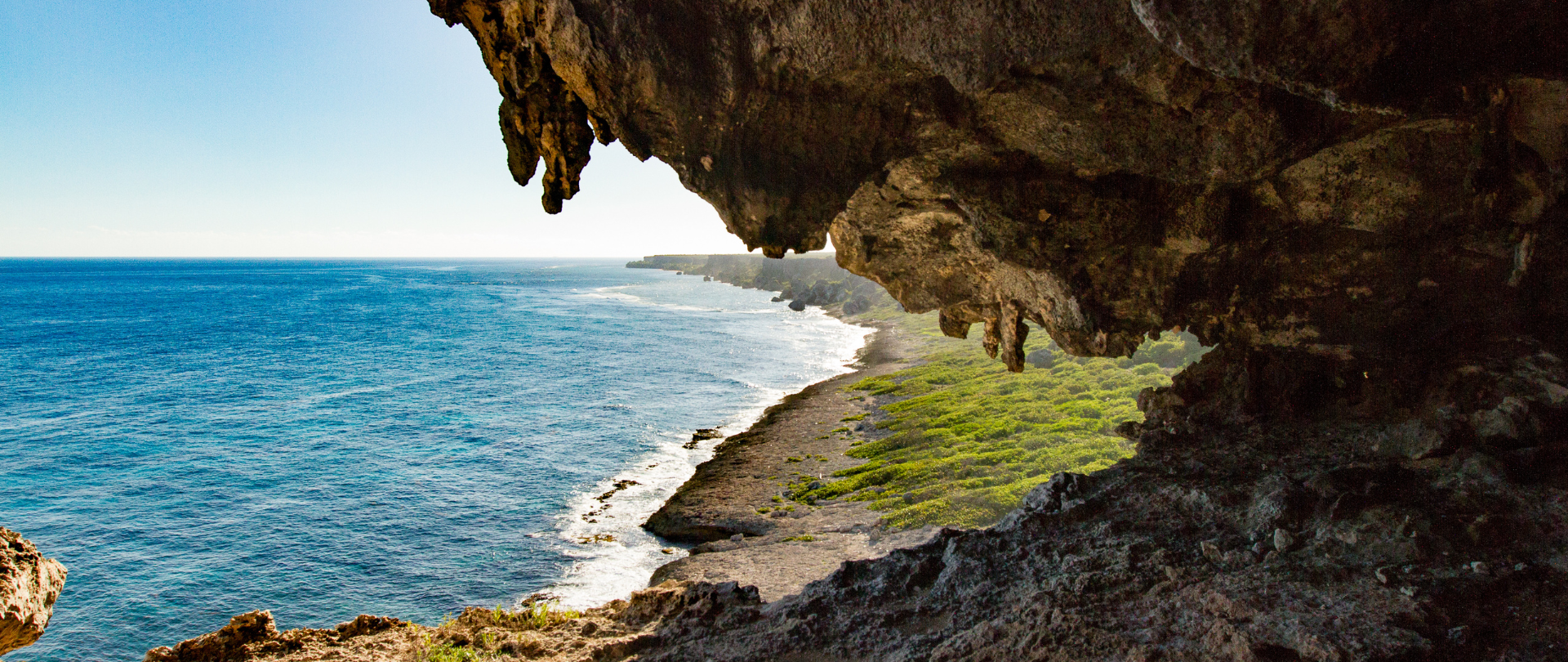
Our proposal for a United Nations-sanctioned Decade of Island Resilience spotlights the power of global small islands!
October 26, 2025
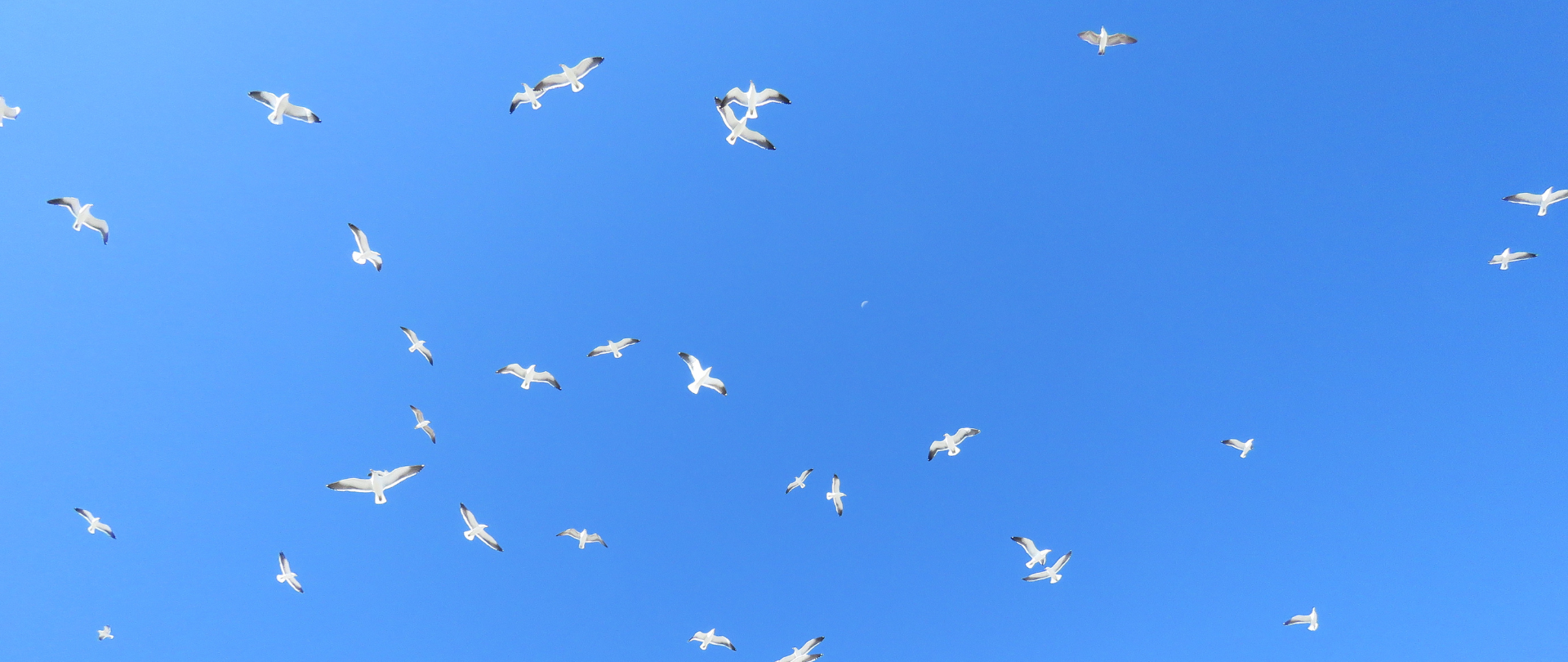
A new study shows the power of seabirds to drive entire ecosystems by circulating nutrients between land and sea!