November 21, 2025
Holistic Ecological Restoration on Floreana Island: A Model for the Future
Holistic restoration is at work on Floreana Island, where the largest conservation project in the history of the Galápagos is underway!
 Island Conservation
FOR IMMEDIATE RELEASE
Puerto Ayora, October 2, 2023
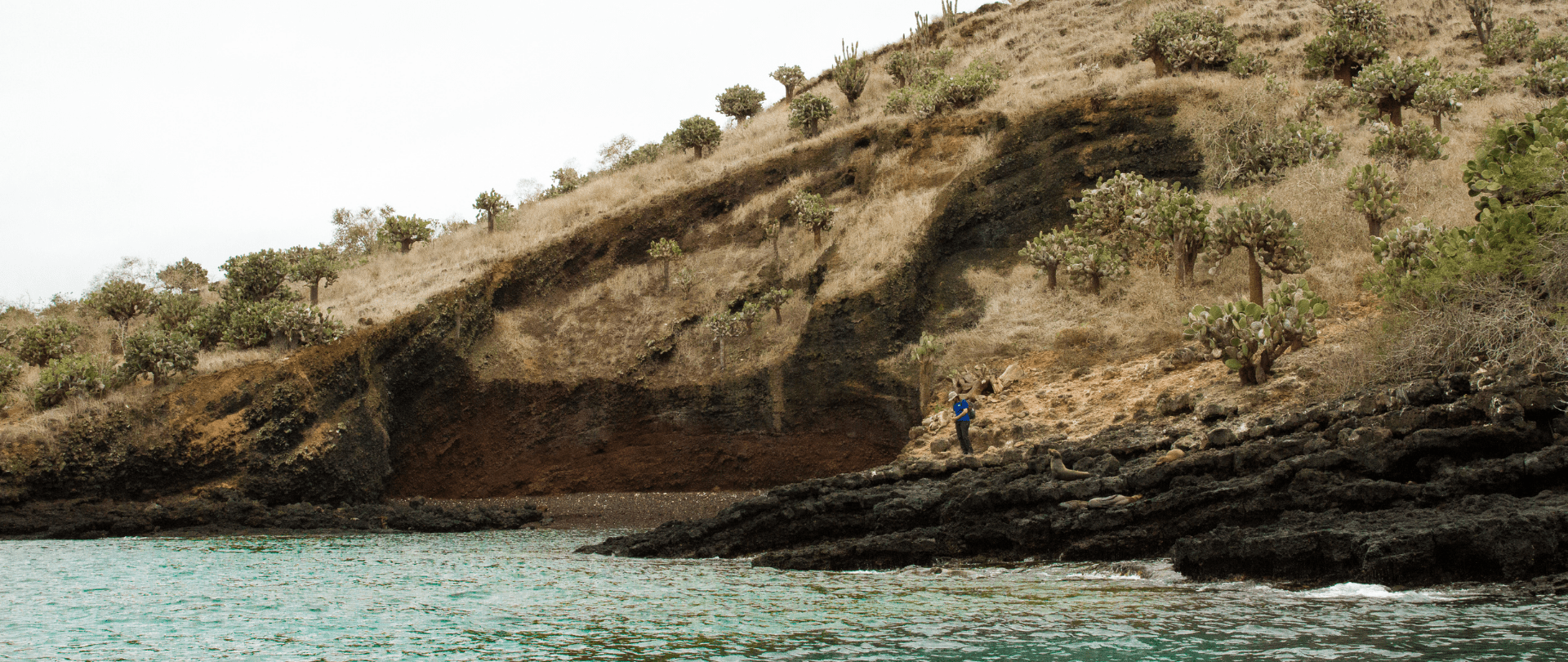
Floreana Island, located in the iconic Galapagos archipelago, is poised to make ecological history as one of the greatest conservation interventions of all time. After nearly 12 years of planning, the Floreana community, Galapagos National Park, Galapagos Biosecurity Agency, and a suite of international partners are restoring Floreana’s many native and endemic species by removing damaging, invasive (non-native) species. After this, the partners will reintroduce twelve locally extinct species to the island. This ambitious initiative, the largest ever undertaken in the Galapagos, required years of meticulous planning and coordination and represents a unique fusion of conservation and sustainable development.
Fifty-four IUCN-listed species are threatened by the presence of invasive rodents and feral cats on Floreana Island. These invasive species also impact the local community that depends on healthy biodiversity for a sustainable future. Removing invasive species will allow biodiversity the opportunity to recover and thrive – repairing important ecosystem links and building climate resilience.
“Every action has a reaction, and it has been well established that removing invasive species from islands paves the way for ecosystem recovery,” says Chad Hanson, deputy vice president conservation at Island Conservation, a key partner in the project. “The vision is for Floreana Island to not only recover but that the community, wildlife, as well as the immediate marine environment thrive as a result of this holistic intervention. As the restoration project moves from imagination to implementation, we’re excited to demonstrate what can be achieved by a community committed to their island home’s well-being.”
Starting October 3, two helicopters will disperse conservation bait at predetermined transects at low altitude to ensure precise distribution. The initial bait application will span 10 days, covering the entire 17,000-hectare Floreana Island. Three planned applications are necessary to achieve the desired effectiveness in the process.
The Floreana community, of about 160 residents, has been dedicated to the the project’s construction and decision-making process. Together the community and partners developed and executed eight management plans to mitigate social risks, even considering perception risks, such as the management of water sources. For this, various measures have been taken, including the use of a desalination plant to provide the population with this vital resource during the bait application process. Pets also have a specific plan; as a precautionary measure, spaces have been built and adapted within each property that has companion animals, dogs and cats. Risk management for livestock has also been considered. To this end, agricultural and livestock activities have been strengthened with training, guidance, and modernization.
The project also included the mitigation of risks to non-target species, for which several plans were developed. Among these plans are measures to mitigate the impacts on five species of Galapagos finches and the short-eared owl, all of which are endemic to Galapagos.
“The Floreana Ecological Restoration Project represents the most significant endeavor in the history of the Galapagos National Park. Its success symbolizes a global conservation milestone that exemplifies the synergy between conservation and sustainable development, serving as an inspiring model for protected areas worldwide,” emphasized José Antonio Dávalos, the Minister of Environment, Water, and Ecological Transition.
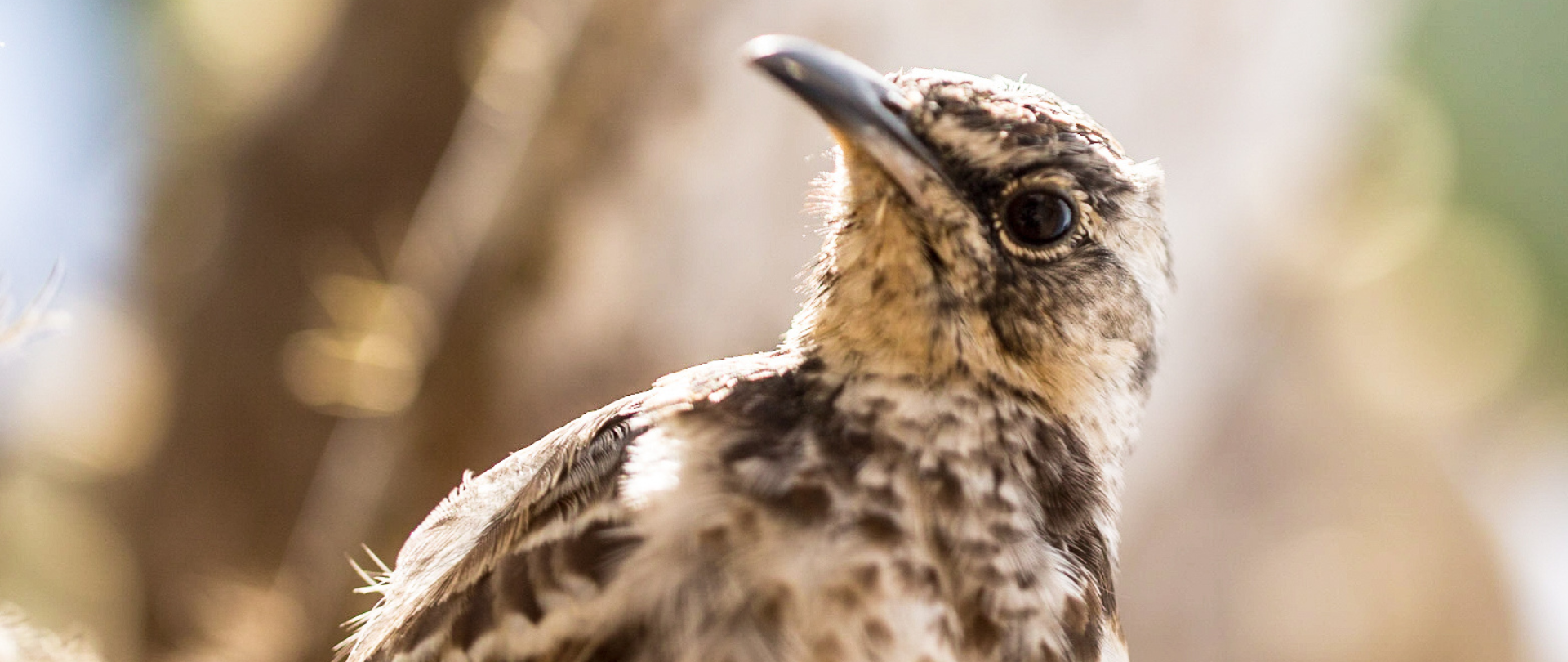
The controlled bait application is scheduled to continue until mid-December 2023. The reintroduction of the first locally extinct species, the giant tortoise, is planned for early 2024. Subsequently, as the ecosystem regenerates, the project will reintroduce the other eleven identified species for reintroduction, including Floreana Racer, Floreana Mockingbird, Vermilion Flycatcher, Gray Warbler Finches, Large Ground Finches, Vegetarian Finches, Sharp-beaked Ground Finches, Barn Owls, Galapagos Rail, Lava Gulls, and Galapagos Hawks. This phased process is expected to span at least seven years, according to Danny Rueda Córdova, the director of the Galapagos National Park.
Eliecer Cruz, director of the Galapagos Program at the Jocotoco Conservation Foundation, the project’s executing organization, highlighted, “We are at this crucial phase of the Floreana Project today because of the community’s many years of continued dedication to ecological restoration as a priority. This project will be a shining example of achieving a win-win situation between the community and conservation.”
The Floreana Ecological Restoration Project is directed by the Ministry of Environment, through the Galapagos National Park Directorate, in collaboration with the Agency for Biosecurity for Galapagos. It is executed in collaboration with the Jocotoco Conservation Foundation and Island Conservation, and receives support from various national and international, public and private organizations, including the Floreana Parish Council, the Municipality of San Cristobal, the Galapagos Government Council, the Ministry of Agriculture, among others.
Countless individuals and the following organizations generously supported this monumental project along the way: Bell Laboratories, Inc., Blue Action Fund, Global Enviromental Facility, Charities Aid Foundation Canada, Charles Darwin Foundation, Conservation International Foundation, Corporacion Andina de Fomento (Development Bank of Latin America), Durrell Wildlife Conservation Trust, Ecoventura, Fondation Ensemble, Fondo Especies Invasoras Galápagos, Fundación de Conservación Jocotoco, Fundación Galápagos, Galápagos Conservancy, Galápagos Conservation Trust, Global Environment Facility, Island Conservation, Konrad Lorenz Research Center – Vienna University, Kreditanstalt für Wiederaufbau (German Development Bank), Lindblad Expeditions-National Geographic Fund, The Mohamed bin Zayed Species Conservation Fund, Once Upon a Time Foundation, Scripps Institution of Oceanography, Silversea Cruises, Texas Parks and Wildlife Foundation, The Conservation Foundation, The David and Lucile Packard Foundation, The International Galápagos Tour Operators Association, The Leona M. and Harry B. Helmsley Charitable Trust, the U.K. Government (through The Darwin Initiative), Tourism Cares, Re:wild, The Raptor Center, Unigalapagos, Willow Grove Foundation, and other anonymous donors.
About Floreana
Floreana was one of the first islands in the Galapagos archipelago to be colonized, with the earliest human settlements dating back to 1832. Colonization introduced invasive species that, over the past two centuries, have led to the collapse of populations of endemic species, which are now locally extinct. Consequently, this has impacted tourism, agriculture, livestock, and human health, hindering sustainable development and progress in this small community. According to the International Union for Conservation of Nature, Floreana Island has the highest concentration of threatened species in the archipelago, at 55%.
This project is part of the Island-Ocean Connection Challenge, an ambitious campaign to restore 40 globally significant islands from ridge-to-reef by 2030.
Media Contact:
Island Conservation: Sally Esposito, Strategic Communications Director, sally.esposito@islandconservation.org
Lindblad Expeditions: Bradley Norman, Lead PR Manager, bradleyn@expeditions.com
Resources: photos, interviews available by request
Check out other journal entries we think you might be interested in.
November 21, 2025
Holistic restoration is at work on Floreana Island, where the largest conservation project in the history of the Galápagos is underway!

October 29, 2025
Astounding evidence of recovery on Ulong Island in Palau after just one year!
September 30, 2025
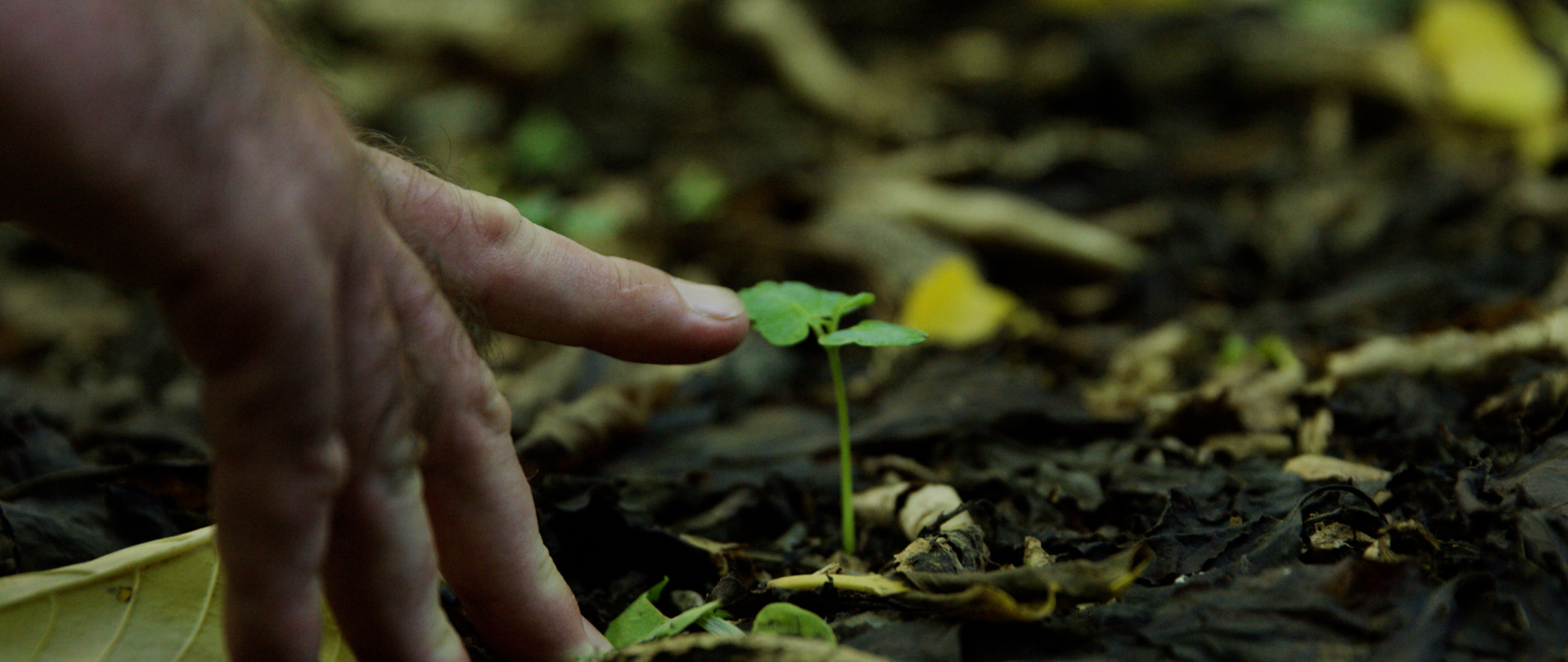
Astonishing results from our work to restore sites in the Republic of the Marshall Islands, boosting climate resilience and ocean health!
September 24, 2025
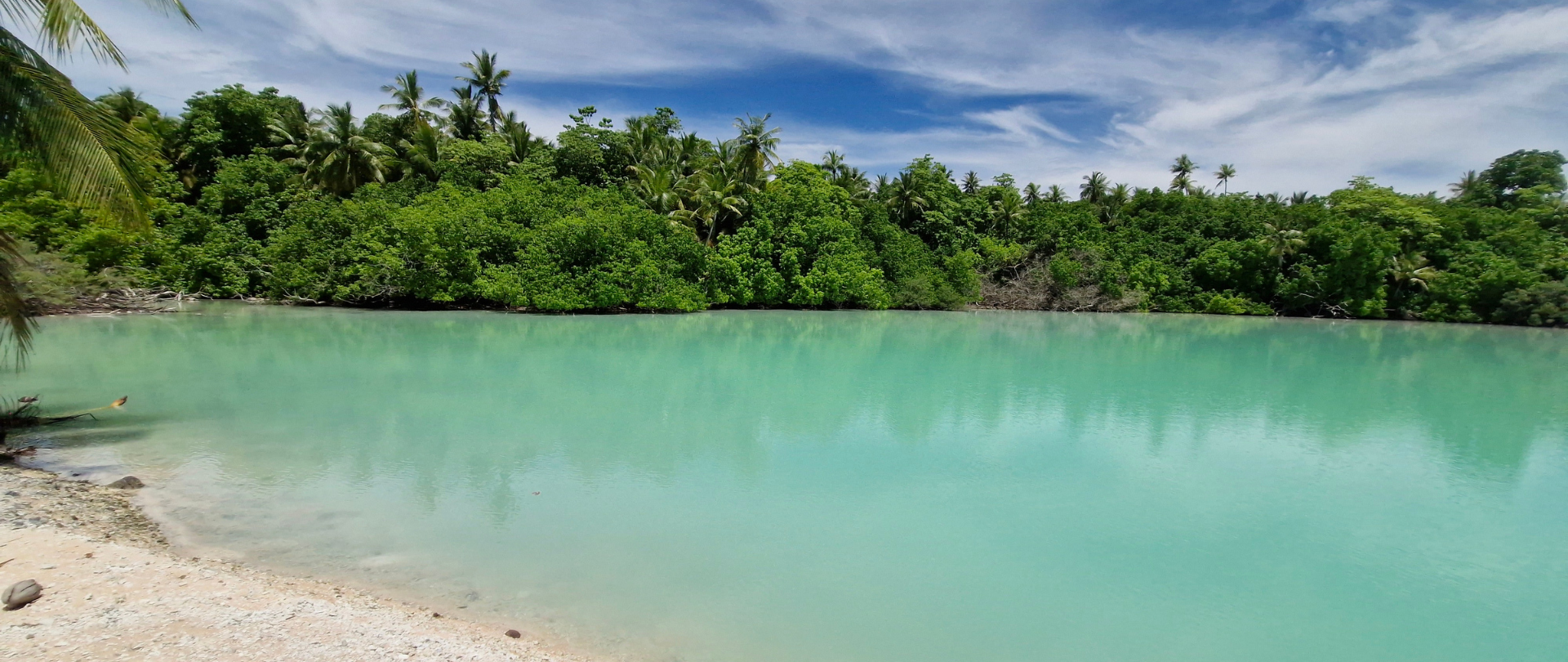
Don't let its comparatively small land area fool you--Tokelau is a world leader in conservation!
September 4, 2025
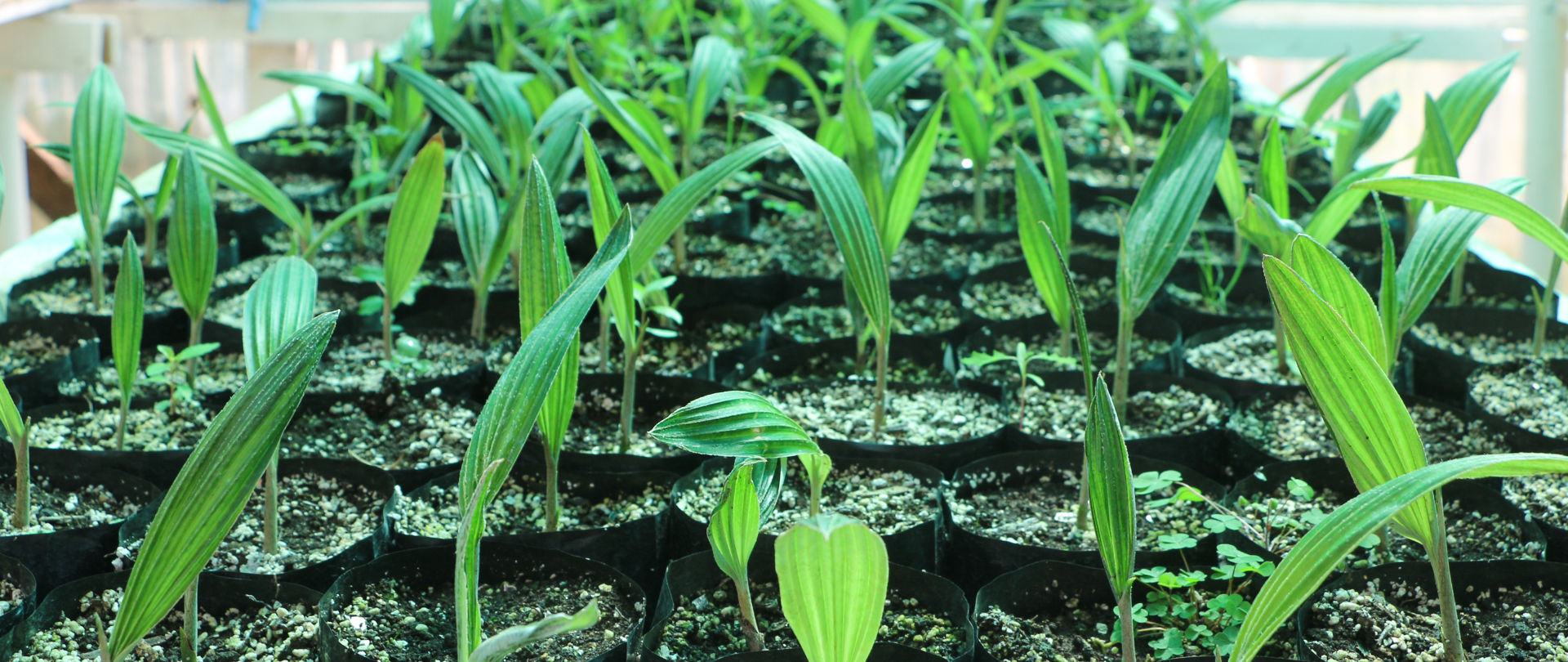
Incredible collaboration and success in the Juan Fernández Archipelago, with thousands of threatened trees benefiting from bold conservation action!

August 28, 2025
A new paper reveals the benefits of holistic restoration on Australia's Lord Howe Island!
August 19, 2025
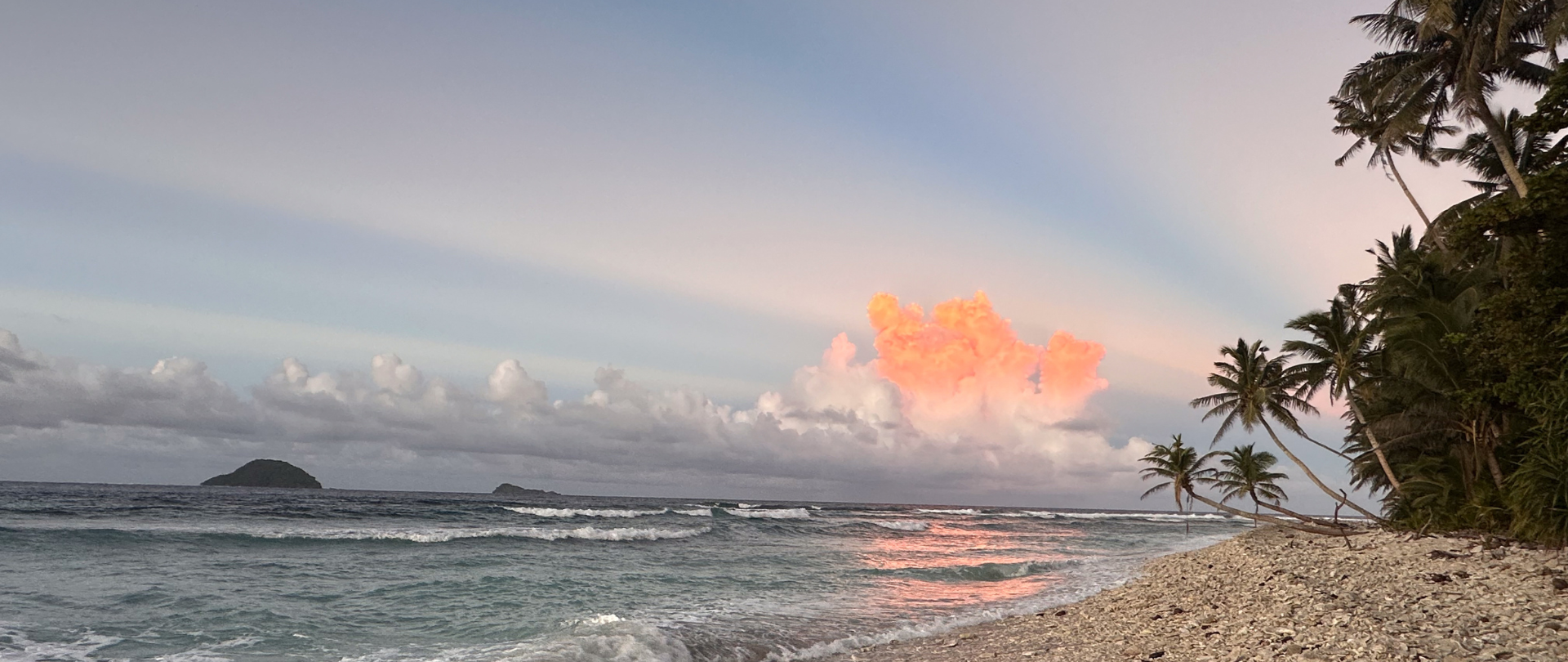
Nu'utele is a Key Biodiversity Site for Samoa. Our work there with our collaborators will help revitalize the island's rare, precious species and boost its resilience to climate change!
August 7, 2025
Sonsorol State, Palau is a unique, vibrant group of islands with a rich history. We're excited to partner with the community to help achieve their vision of a Sonsorol free from harmful invasive species!
July 31, 2025
Our Seasonal Monitoring Specialist, Cozette Romero, shares her experience on Tofua in Tonga!