October 29, 2025
Data Shows Endangered Palau Ground Doves Swiftly Recovering After Successful Palauan Island Conservation Effort
Astounding evidence of recovery on Ulong Island in Palau after just one year!
 Island Conservation

Conservationists are systematically surveying atolls in search of invasive and native ant species.
Ants are some of the best hitchhikers in the world. – Conservation biologist Dr. James Russell
In an age of increasing globalization and mobilization, transportation of invasive species–intentional or not–has become an urgent problem. Even the smallest of invasives can cause profound ecological damage. Ants, which are carried across borders via potted plants, have colonized swaths of mainland and entire islands. The Channel Islands, Hawaii, and atolls throughout the Pacific are a few of the many habitats changing under the influence of invasive ants.
There is good news, however. Scientists are developing tools and methods for removing invasive ants from island ecosystems. Dr. James Russell, conservation biologist and regular writer for National Geographic, is on a mission to systematically survey ants on Tetiaro Atoll and its surrounding motu (islands) in the Pacific. Russell explains:
On each motu we set-up pitfall traps across the motu to maximize spatial coverage as much as possible, and also undertook visual surveys to identify ants. Where time allowedm bait cards were also used to attract ants into the open.

Dr. Russell’s research will inform biosecurity policies and conservation actions to prevent further spread of the invasive ant species. Conservationists have successfully cleared Tiritiri Matanga Island in New Zealand of invasive ants. Russell adds:
If we are really lucky, we may even find a rare potentially native ant species in this far-flung corner of the Pacific.
Strong biosecurity policy can support native wildlife and global biodiversity. Preventing the further spread of invasive species is an excellent and proven way to take care of the natural environment.
Featured photo: Teti’aroa Island, French Polynesia. Photo credit: Pierre Lasage
Source: National Geographic
Check out other journal entries we think you might be interested in.

October 29, 2025
Astounding evidence of recovery on Ulong Island in Palau after just one year!
May 19, 2025
Read our position paper on The 3rd United Nations Ocean Conference (UNOC 3) to see why we're attending and what we aim to accomplish!
December 4, 2024
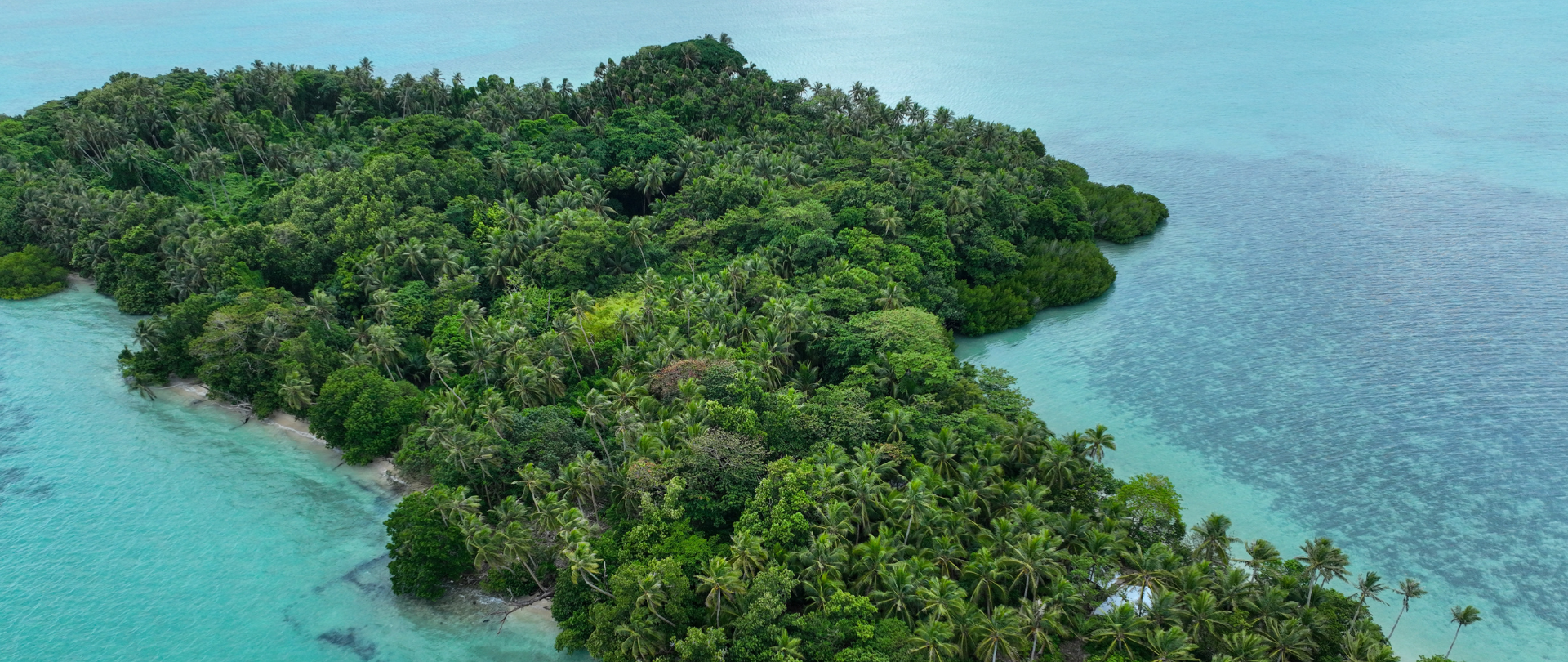
Ann Singeo, founder of our partner organization the Ebiil Society, shares her vision for a thriving Palau and a flourishing world of indigenous science!
November 22, 2024
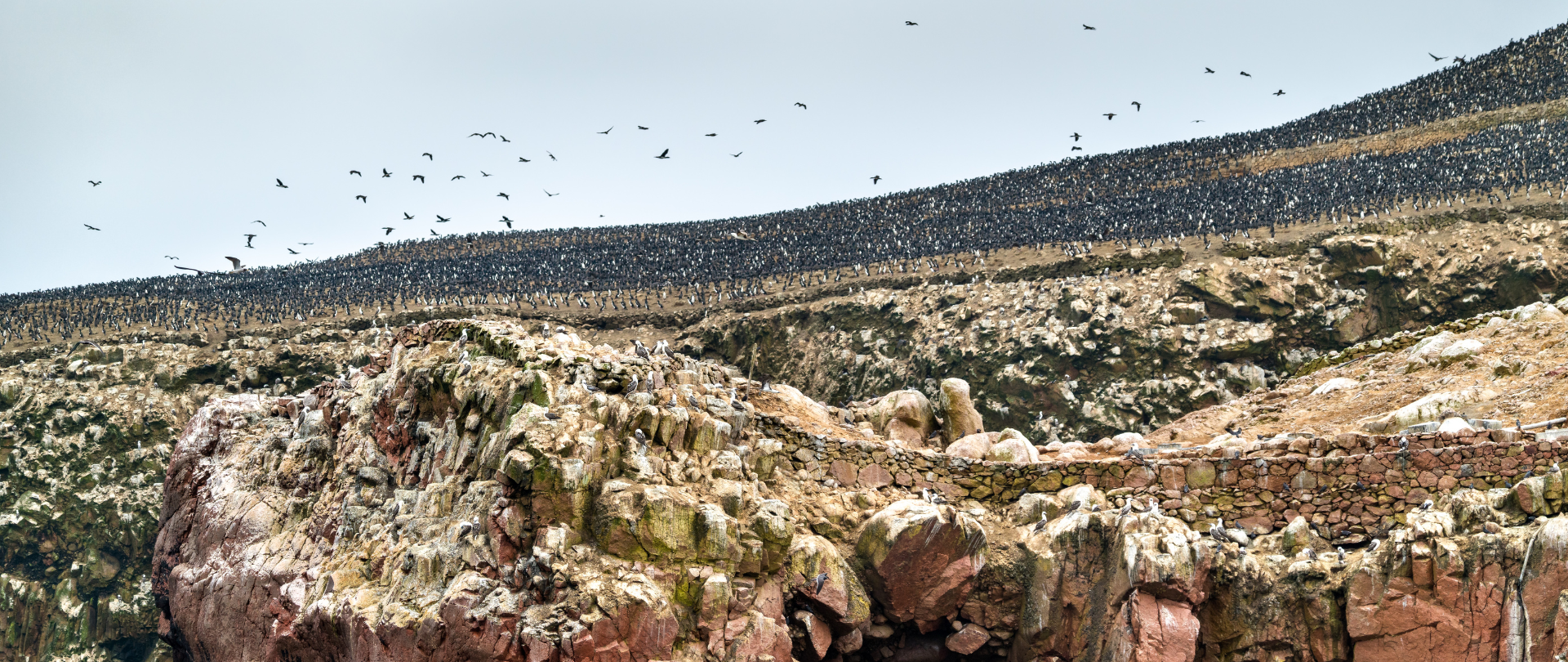
This historic agreement aims to protect the marine and coastal areas of the Southeast Pacific.
November 18, 2024
Our projects to restore key islets in Nukufetau Atoll forecast climate resilience and community benefits in Tuvalu!
October 3, 2024
Island Conservation and partners have published a new paper quantifying ecosystem resilience on restored islands!
September 10, 2024
Climate Week NYC: what is it and why is it important? Read on to find out why Island Conservation is attending this amazing event!
September 5, 2024
With sea levels on the rise, how are the coastlines of islands transforming? Read on to find out how dynamic islands really are!
December 14, 2023
Join us in celebrating the most amazing sights from around the world by checking out these fantastic conservation photos!
November 28, 2023
Rare will support the effort to restore island-ocean ecosystems by engaging the Coastal 500 network of local leaders in safeguarding biodiversity (Arlington, VA, USA) Today, international conservation organization Rare announced it has joined the Island-Ocean Connection Challenge (IOCC), a global effort to…