April 14, 2026
Nature and People Win Thanks to Successful Restoration Collaboration on Wake Atoll
A historic moment: Wake Atoll is restored and thriving!
 Island Conservation
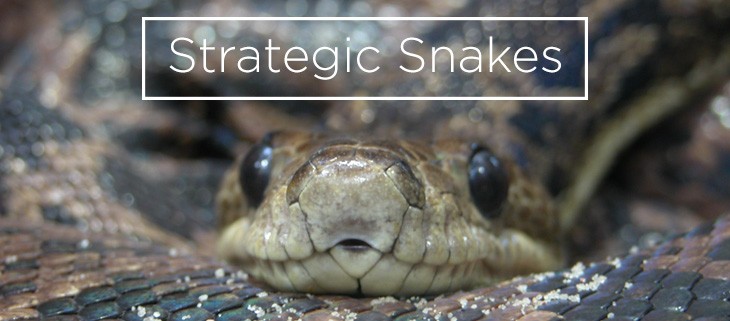
A recent study conducted by Vladimir Dinets, a professor of psychology from the University of Tennessee, Knoxville, indicates that the Near Threatened Cuban Boa hunts in packs. Never before has such a collective hunting strategy been observed among reptiles. Normally, snakes are solitary hunters, but the observed behavior of the endemic Cuban Boa suggests “coordinated hunting.”
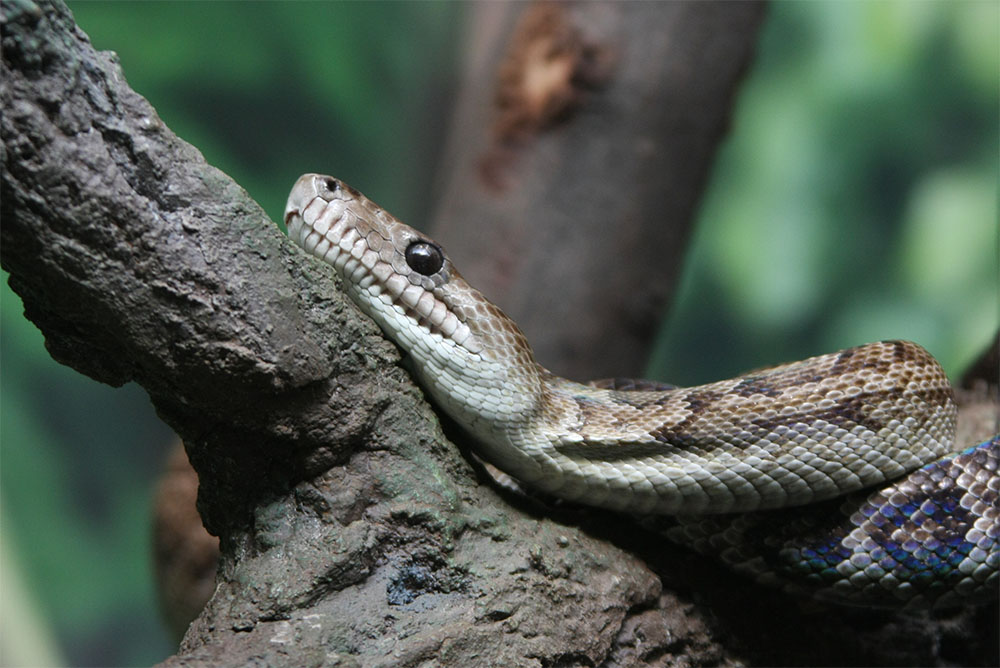
Cuban Boas feed primarily on Fruit Bats, and form groups at the mouths of caves where bats roost. Dinets describes the Cuban Boa’s hunting strategy as a “snake curtain.”
(The boas) hunted by suspending themselves from the ceiling and grabbing passing bats.
The mass gathering of snakes is not just a coincidence because of the abundant food source. The Cuban Boas have joined forces to achieve more than they would hunting on their own. Dinets states:
Snakes arriving to the hunting area were significantly more likely to position themselves in the part of the passage where other snakes were already present.
By positioning themselves in close proximity along the cave entrance, the likelihood of any one snake catching a bat is greater. Dinets claims that this sophisticated collaboration is unprecedented behavior for reptiles.
BBC’s Planet Earth II features Galápagos Racer Snakes hunting baby Galápagos Marine Iguanas, however it is unlikely that the snakes are coordinating to improve the success rate of other surrounding snakes. In the case of Galápagos Racers, it is still every snake for itself.
The distinction between the strategy of the Galápagos Racer Snakes and the Cuban Boa’s lies in collaboration between individuals. The probability of a swarm of snakes successfully feeding is less than that of a coordinated group of snakes. The statistical probability of success is greater for group hunters due to organization which contributes to overall efficiency.
Featured photo: Cuban Boa. Credit: himmelskratzer
Source: CNN
Check out other journal entries we think you might be interested in.
April 14, 2026
A historic moment: Wake Atoll is restored and thriving!

October 29, 2025
Astounding evidence of recovery on Ulong Island in Palau after just one year!
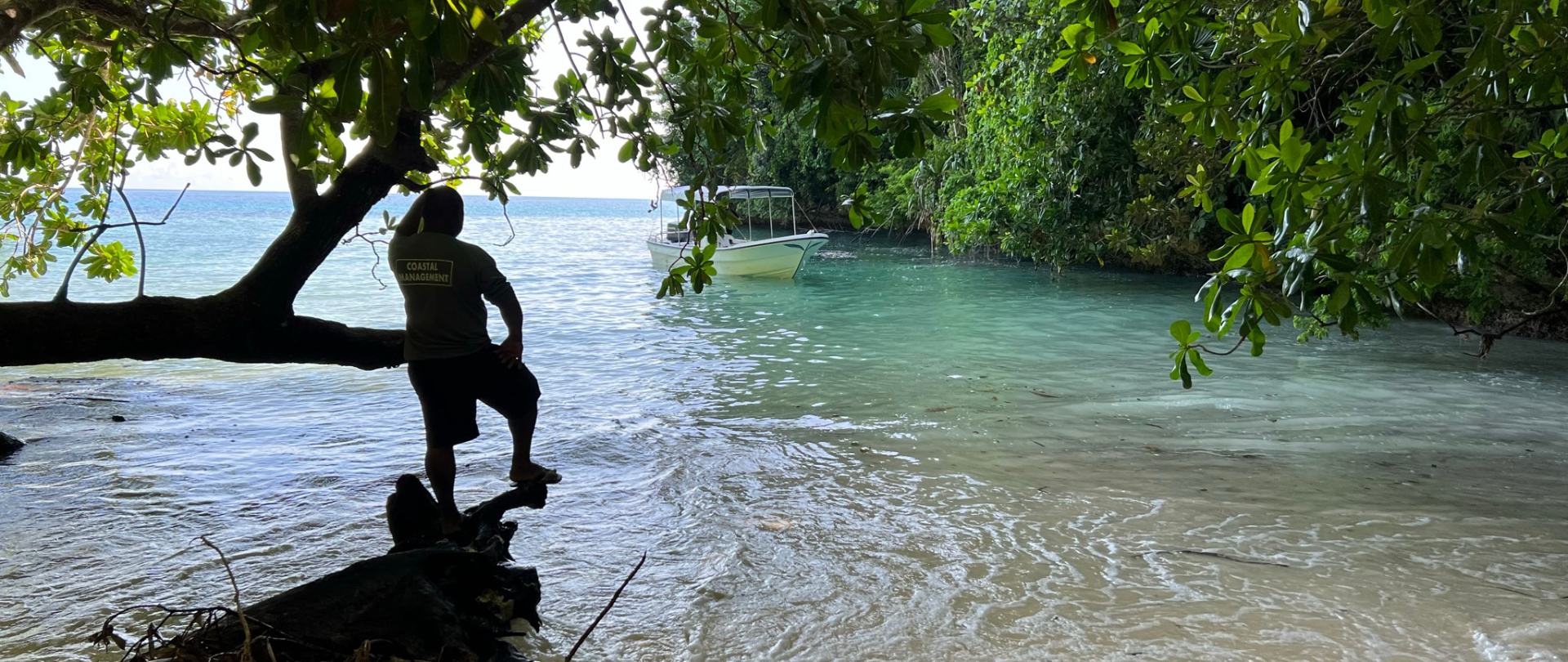
May 19, 2025
Read our position paper on The 3rd United Nations Ocean Conference (UNOC 3) to see why we're attending and what we aim to accomplish!
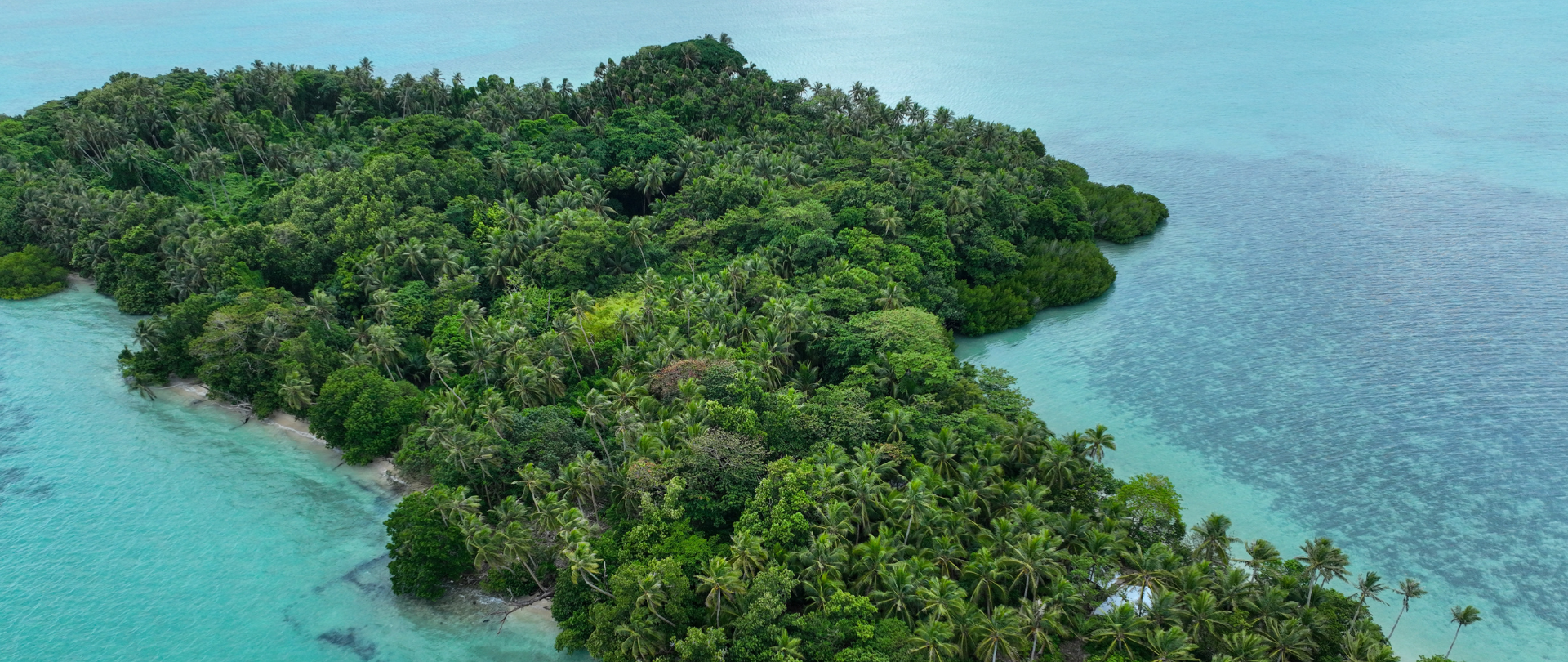
December 4, 2024
Ann Singeo, founder of our partner organization the Ebiil Society, shares her vision for a thriving Palau and a flourishing world of indigenous science!
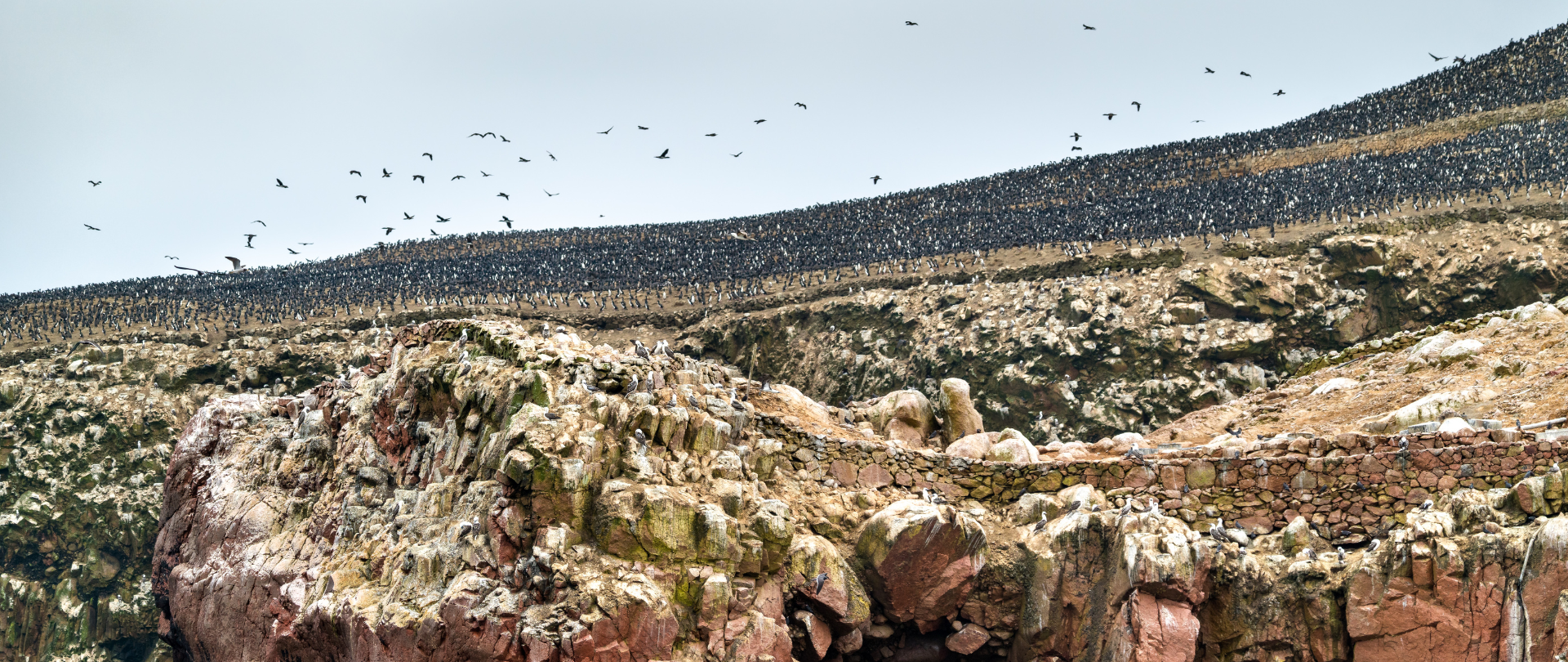
November 22, 2024
This historic agreement aims to protect the marine and coastal areas of the Southeast Pacific.
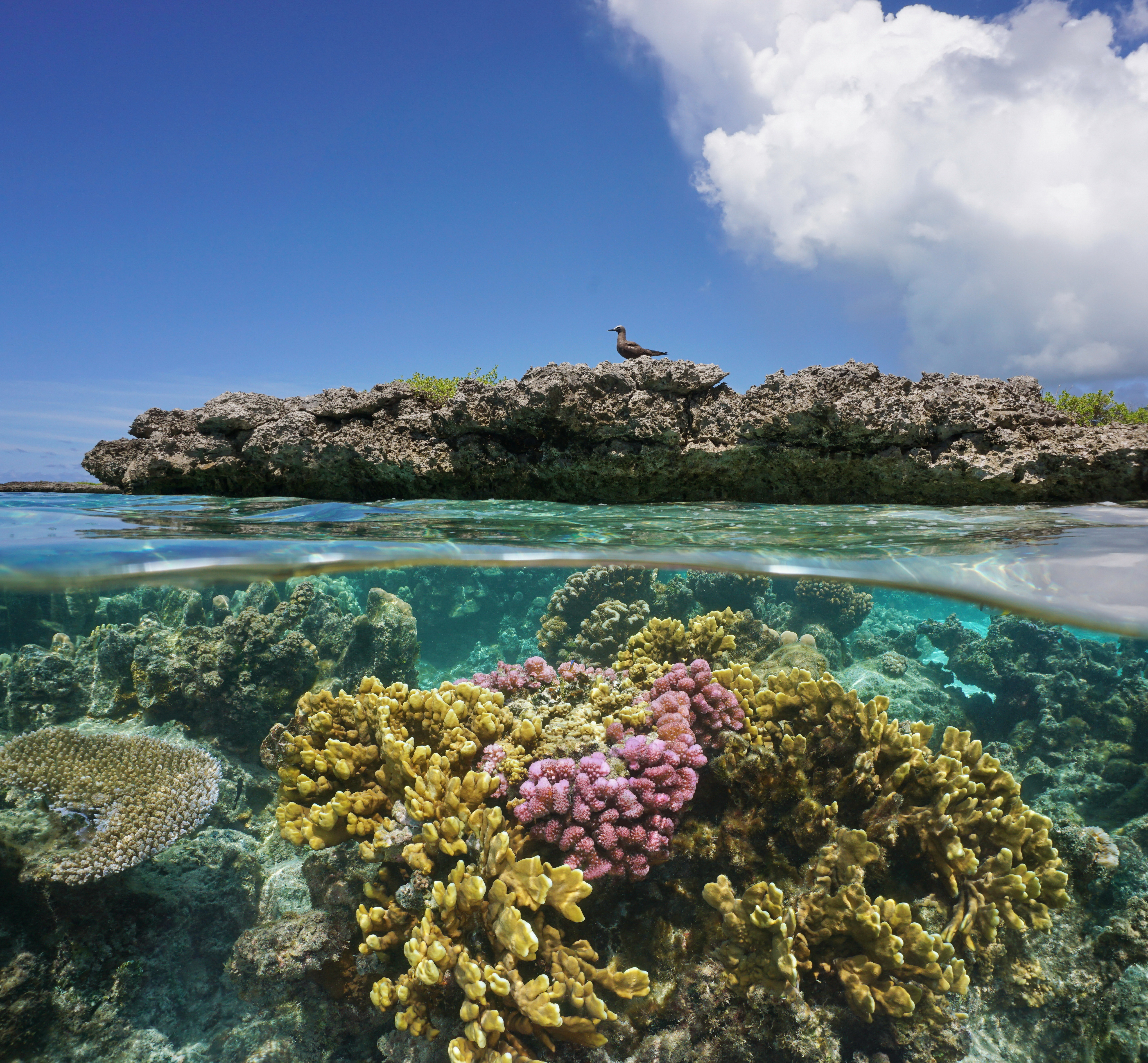
November 18, 2024
Our projects to restore key islets in Nukufetau Atoll forecast climate resilience and community benefits in Tuvalu!
October 3, 2024
Island Conservation and partners have published a new paper quantifying ecosystem resilience on restored islands!
September 10, 2024
Climate Week NYC: what is it and why is it important? Read on to find out why Island Conservation is attending this amazing event!
September 5, 2024
With sea levels on the rise, how are the coastlines of islands transforming? Read on to find out how dynamic islands really are!

December 14, 2023
Join us in celebrating the most amazing sights from around the world by checking out these fantastic conservation photos!