October 29, 2025
Data Shows Endangered Palau Ground Doves Swiftly Recovering After Successful Palauan Island Conservation Effort
Astounding evidence of recovery on Ulong Island in Palau after just one year!
 Island Conservation

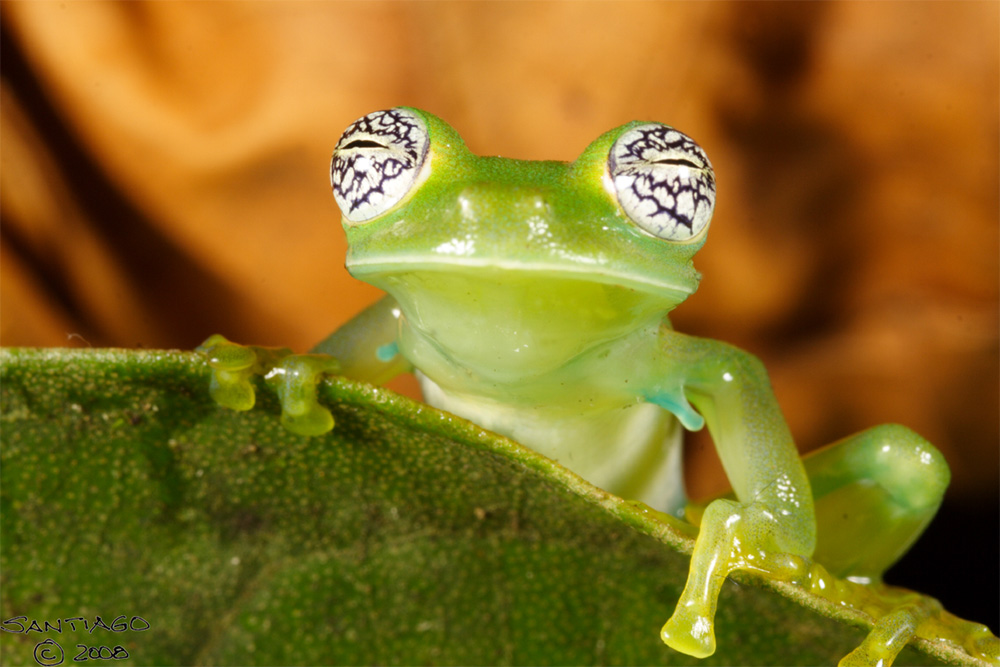
Amphibians are an incredibly diverse group with over 6,600 described species worldwide. Unfortunately, in recent decades, many of these beloved species are vanishing. Over 100 species have been driven to extinction and more than 500 other amphibian species are declining rapidly. One of the leading causes of this decline is a chytrid fungal pathogen called Batrachochytrium
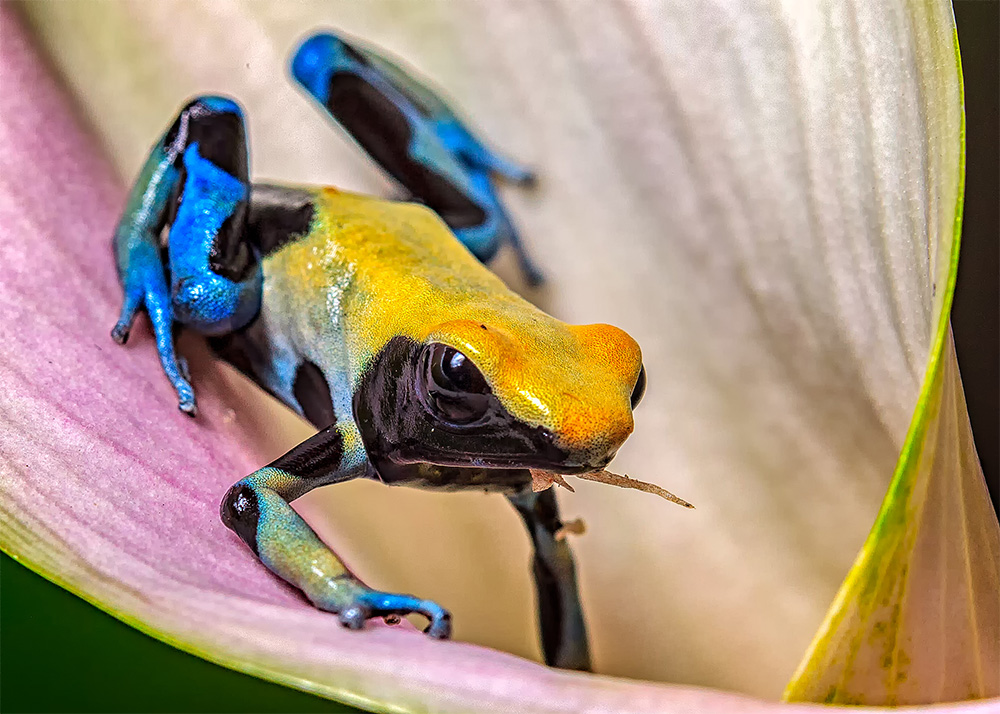
Researchers have been aware of this pathogen for over 20 years, but have only recently begun to understand the severity of B.
There is a myriad of risk factors to consider that make it more likely for an amphibian species to contract chytridiomycosis. Crucial among them, proximity to and time spent in water which is vital for at least a portion of all amphibian life cycles. The body size of an organism also plays a role; amphibians with larger body sizes require more time and reproductive investment to reach maturity leaving populations more
Despite all of this, there is still hope. Recently published research is showing promising results in using pool salt (sodium chloride) in aquatic areas to reduce transmission of the disease. Preliminary research has seen a 70% increase in survival in the areas where this method has been used! Dr. Clulow, the head of the research team who has made this discovery, is currently continuing his research in utilizing this method in Ecuador. Conservationists have also recently released 1,000 captive-bred eggs of the Southern Corroboree Frog back into the wild; a species gravely impacted by chytrid fungus.
As research continues and conservationists begin to develop ways to prevent the spread of Chytrid fungus the future is still hopeful for the more than 500 threatened amphibian species.
Source: Forbes
Featured Photo: A Red-eyed Tree Frog. Credit: Doug Greenberg
Check out other journal entries we think you might be interested in.

October 29, 2025
Astounding evidence of recovery on Ulong Island in Palau after just one year!
May 19, 2025
Read our position paper on The 3rd United Nations Ocean Conference (UNOC 3) to see why we're attending and what we aim to accomplish!
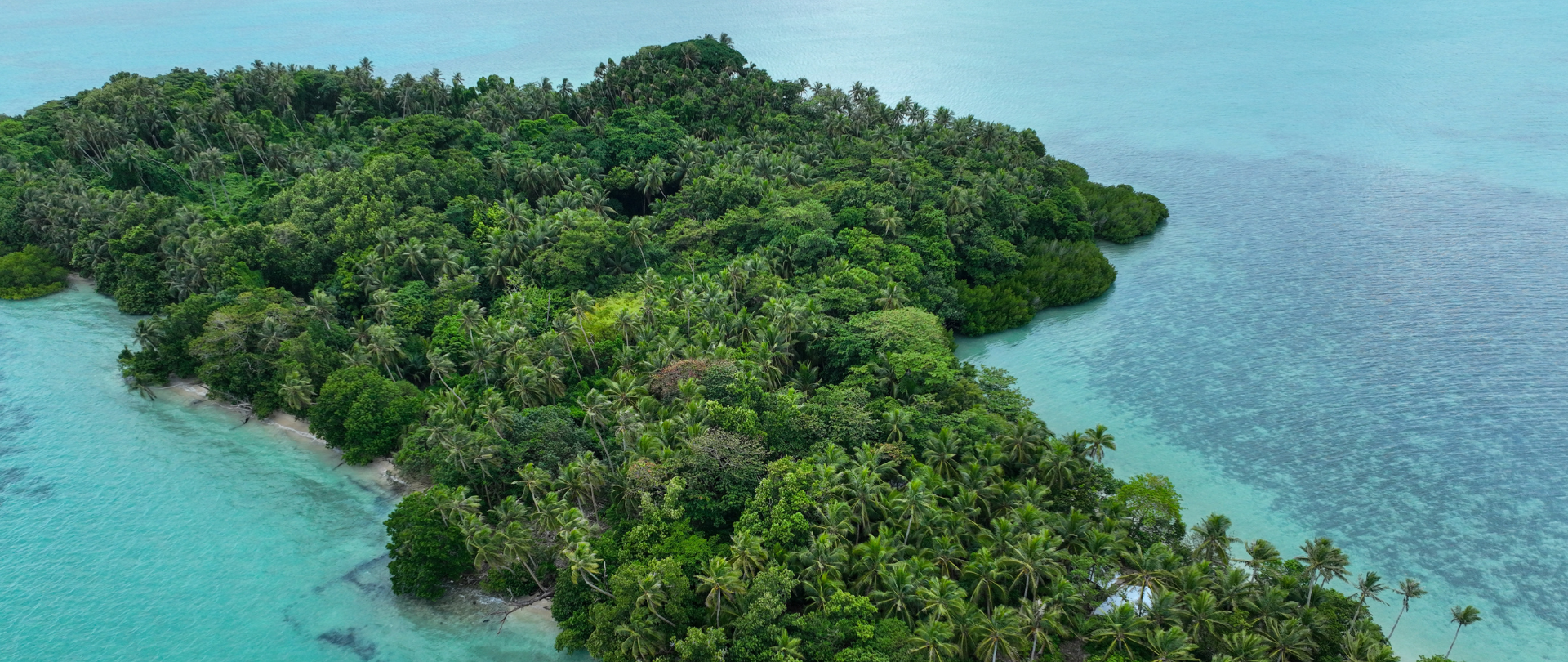
December 4, 2024
Ann Singeo, founder of our partner organization the Ebiil Society, shares her vision for a thriving Palau and a flourishing world of indigenous science!
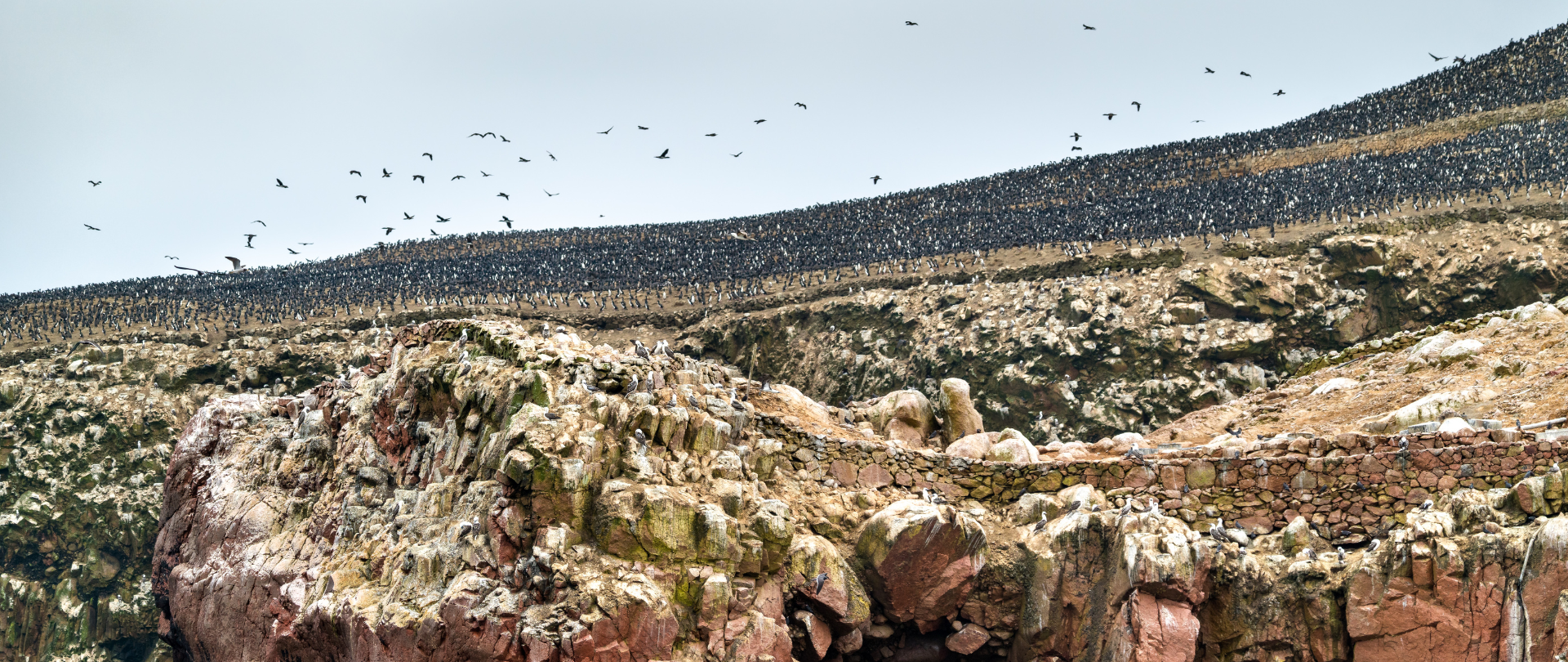
November 22, 2024
This historic agreement aims to protect the marine and coastal areas of the Southeast Pacific.
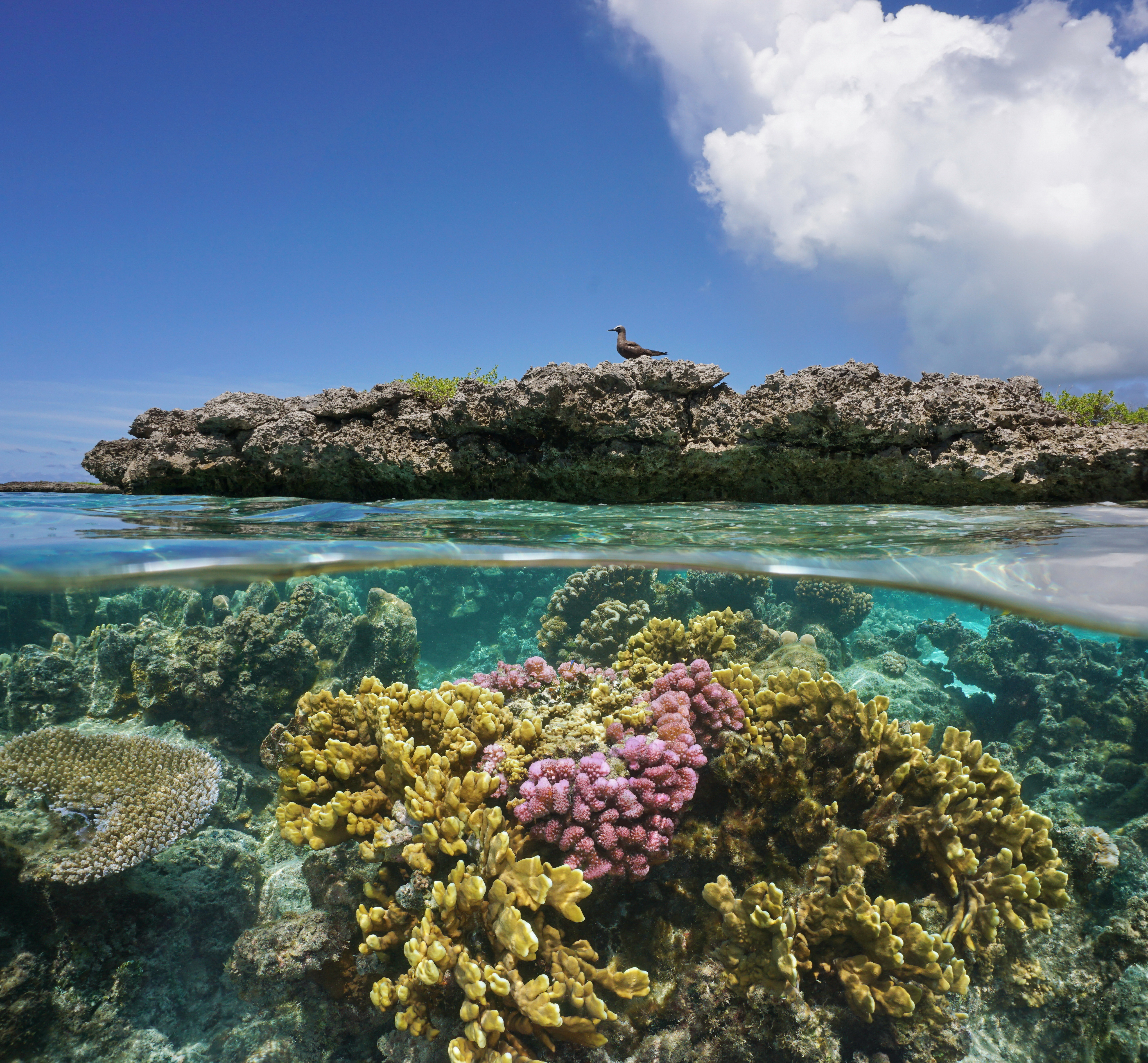
November 18, 2024
Our projects to restore key islets in Nukufetau Atoll forecast climate resilience and community benefits in Tuvalu!
October 3, 2024
Island Conservation and partners have published a new paper quantifying ecosystem resilience on restored islands!
September 10, 2024
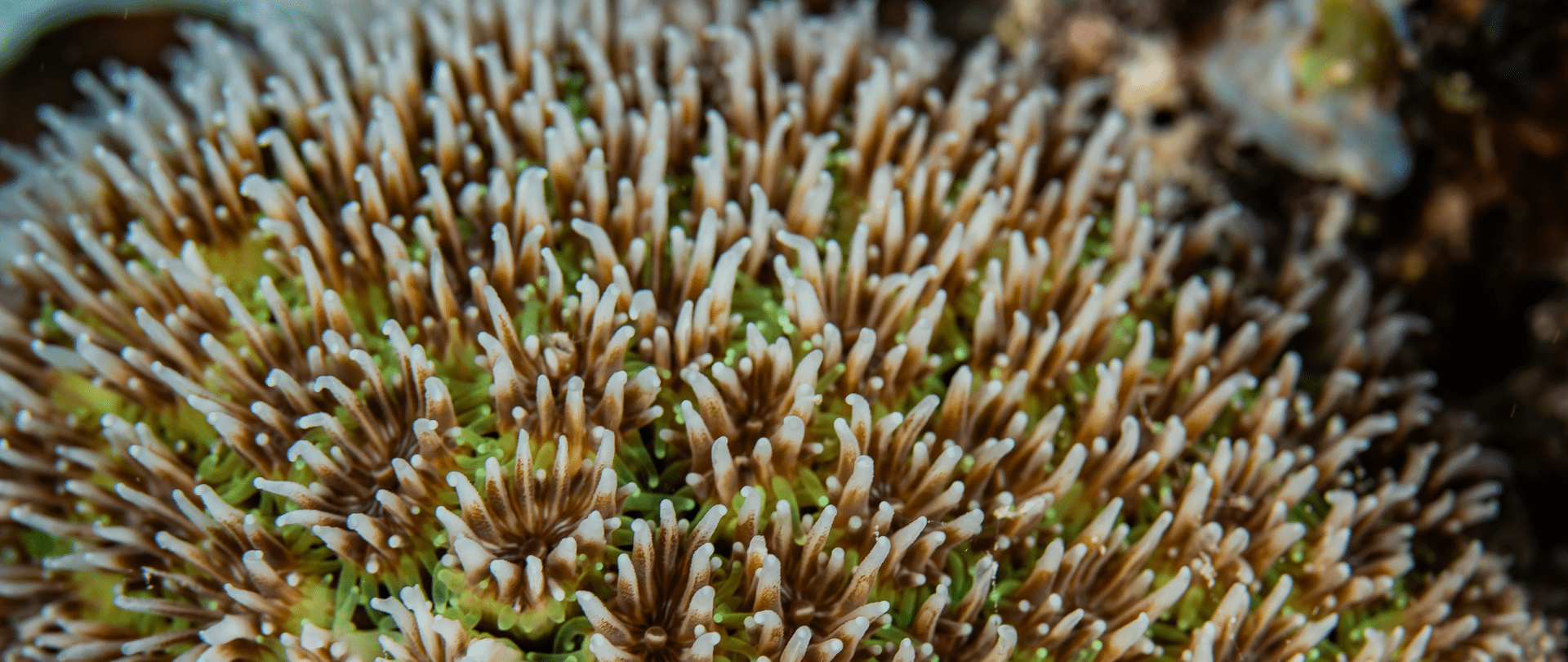
Climate Week NYC: what is it and why is it important? Read on to find out why Island Conservation is attending this amazing event!
September 5, 2024
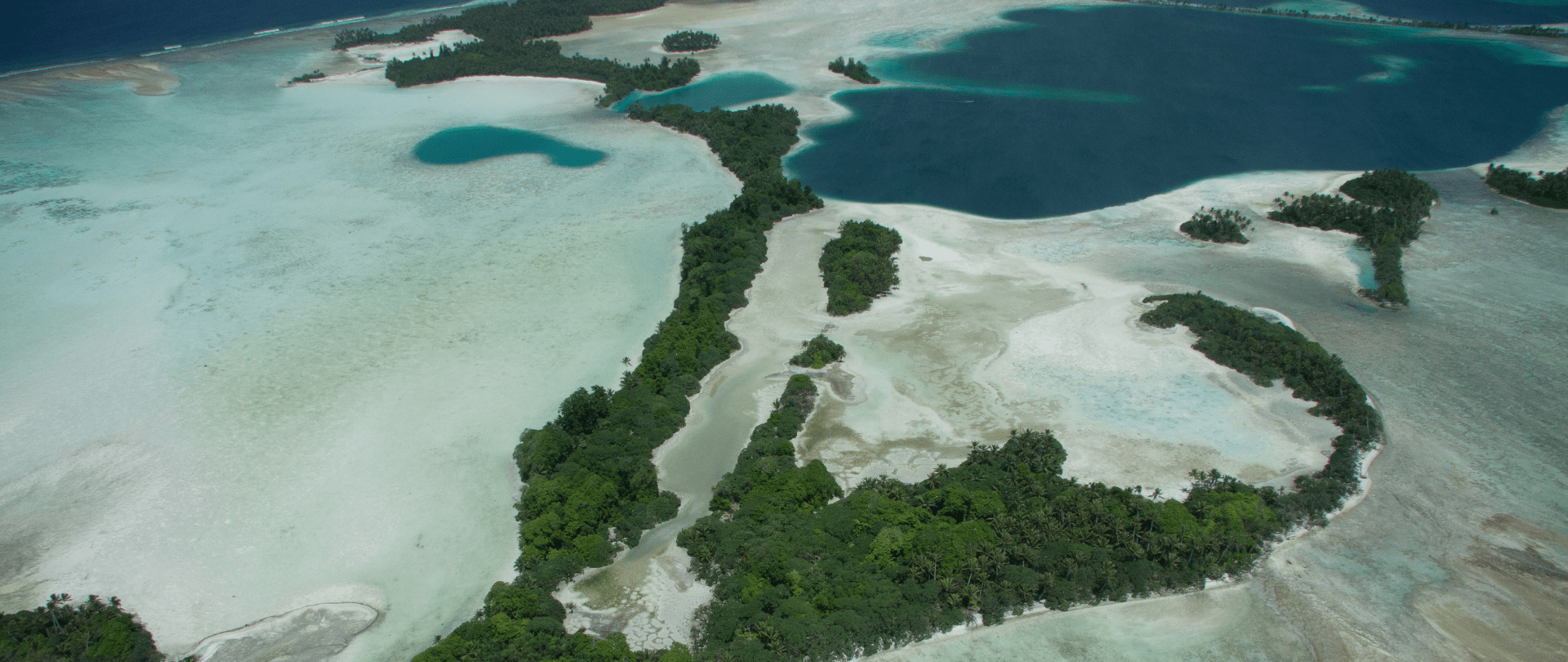
With sea levels on the rise, how are the coastlines of islands transforming? Read on to find out how dynamic islands really are!

December 14, 2023
Join us in celebrating the most amazing sights from around the world by checking out these fantastic conservation photos!
November 28, 2023
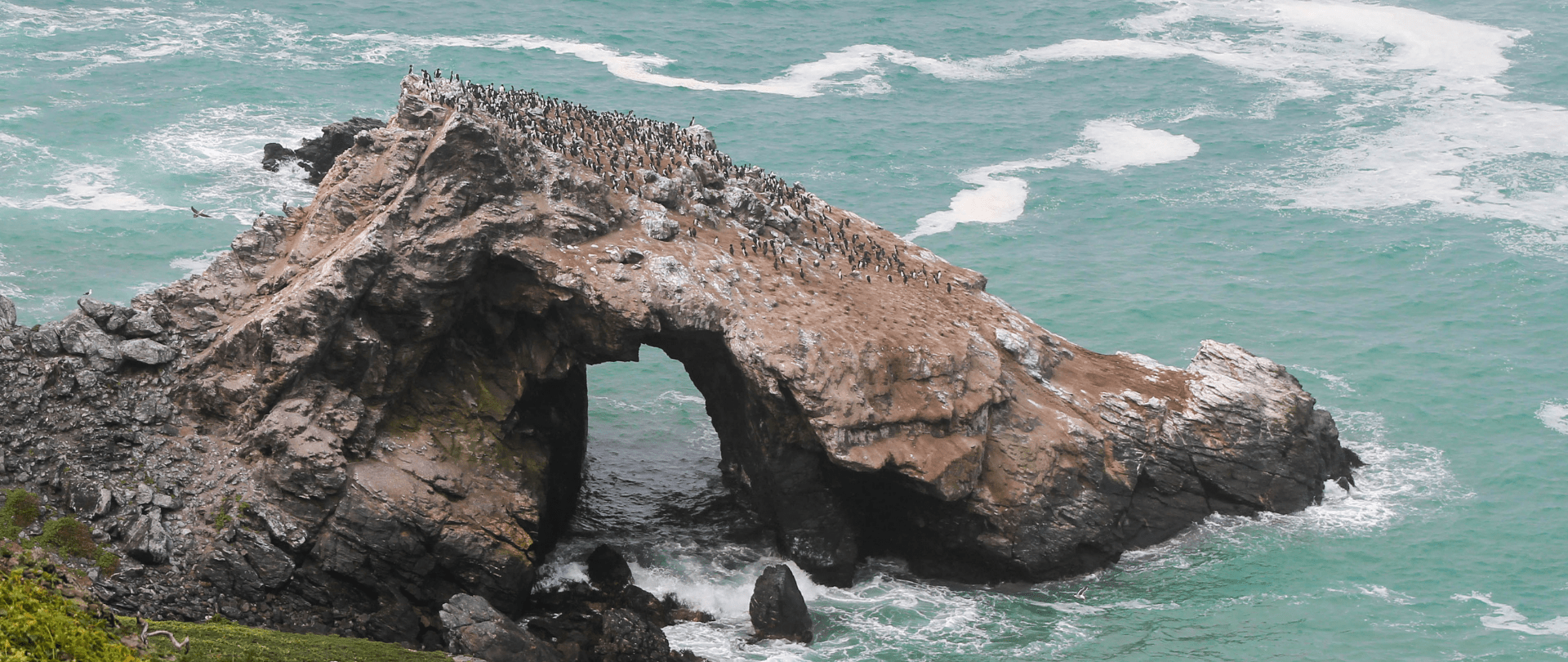
Rare will support the effort to restore island-ocean ecosystems by engaging the Coastal 500 network of local leaders in safeguarding biodiversity (Arlington, VA, USA) Today, international conservation organization Rare announced it has joined the Island-Ocean Connection Challenge (IOCC), a global effort to…