March 25, 2026
What is eDNA (Environmental DNA)?
What is Environmental DNA and how is it helping conservationists around the world? Read Gracie Kroos' explanation!
 Island Conservation
Island Conservation is lucky to have Elke Windschitl on our team! We asked her to tell us what she’s learned in her two years as our Conservation Impact Data Specialist. Read on to learn about the power of data in conservation, and find a special digital download at the end!
AI, machine learning, statistics, and fancy dashboards – it’s all part of my job. But so is data wrangling, scouring for missing field data, pestering my coworkers, data archiving, metadata, and working with communities on data ownership. I’ve been a Conservation Impact Data Specialist at Island Conservation for two years now, but I like to joke that I’m less of a Data Specialist and more of a Data Generalist. As I reflect on my role for the last two years, here are my three biggest takeaways:
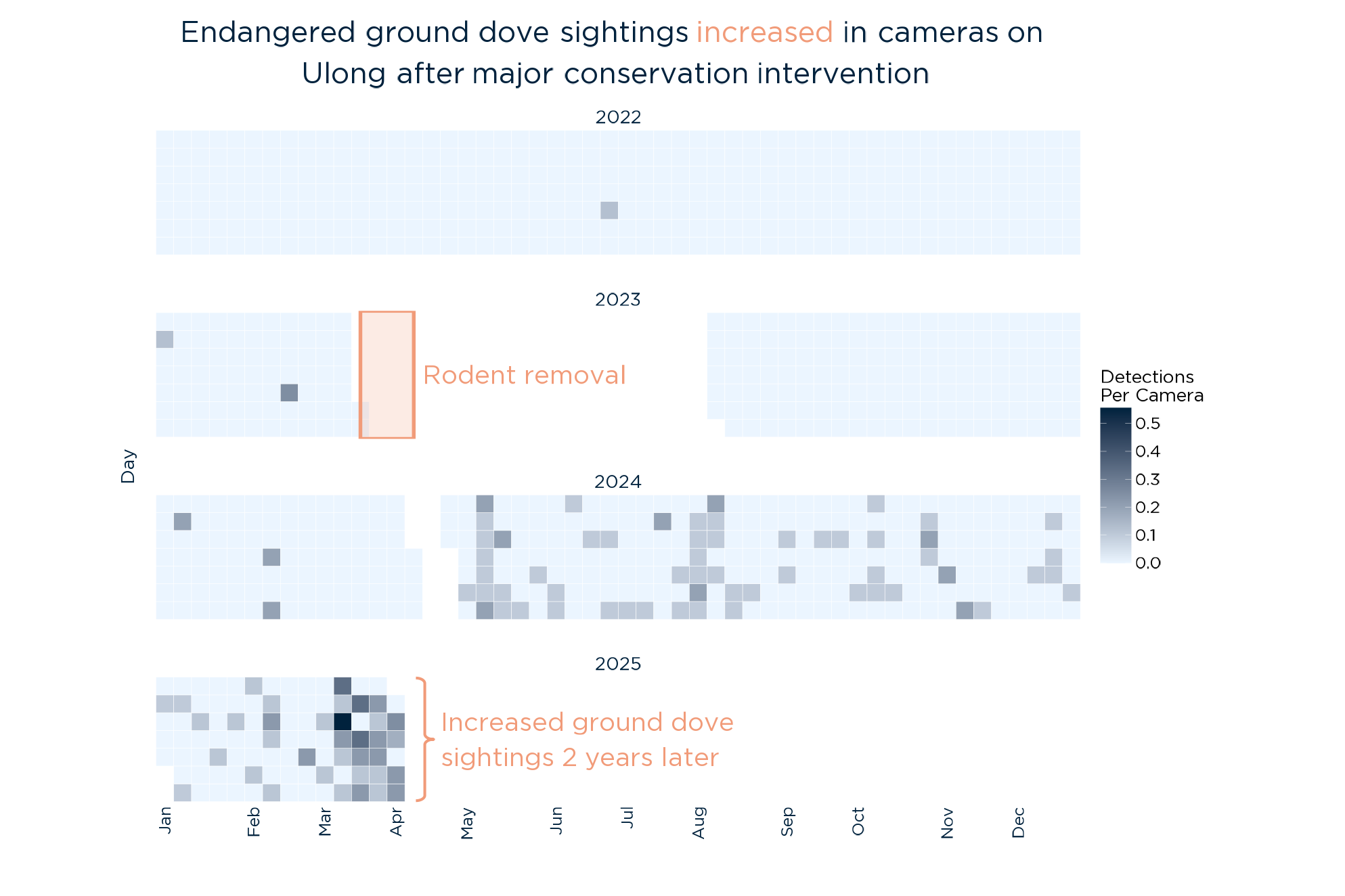
While data can give us valuable insights into what is happening on the ground before and after conservation interventions, storytelling is what connects people to the data. Even a single visualization can guide viewers through the story of the data, rather than just show the numbers. My favorite data story I have created so far has shown the rebound of endangered Palau ground dove activity seen on camera traps on Ulong, Palau.
One thing I’ve learned well from David Will, Senior Director of Impact and Innovation, is that data can change the way we work. While data can show us what is happening, it can also help us make data-informed conservation decisions. With limited conservation dollars to spend, data can help us better identify where to work, when to work, and how to work. For example, newly generated tree cover data from our restoration monitoring framework helped inform where on Isla Pinzón, Galápagos to release reintroduced woodpecker finches in 2024 (conducted under research permits PC-47-22, PC-45-24 and PC-44-25 alongside Durrell Wildlife Conservation Trust, the Konrad Lorenz Research Center for Behavior and Cognition at the University of Vienna, and the Galápagos National Park Directorate).
While data can help us tell stories and make informed decisions, it is also something that needs to be used responsibly. We work with so many different partners and communities globally, and not everyone has the same data literacy, interests, or capacity. As a Western-based organization, it is so important that we consider data governance and ownership. Who owns the data? Who is the steward? What data can we share publicly? What needs to be kept private? What types of data are important to indigenous communities, but overlooked in Western science? These are conversations we work through with partners and communities when planning for impact monitoring data collection.
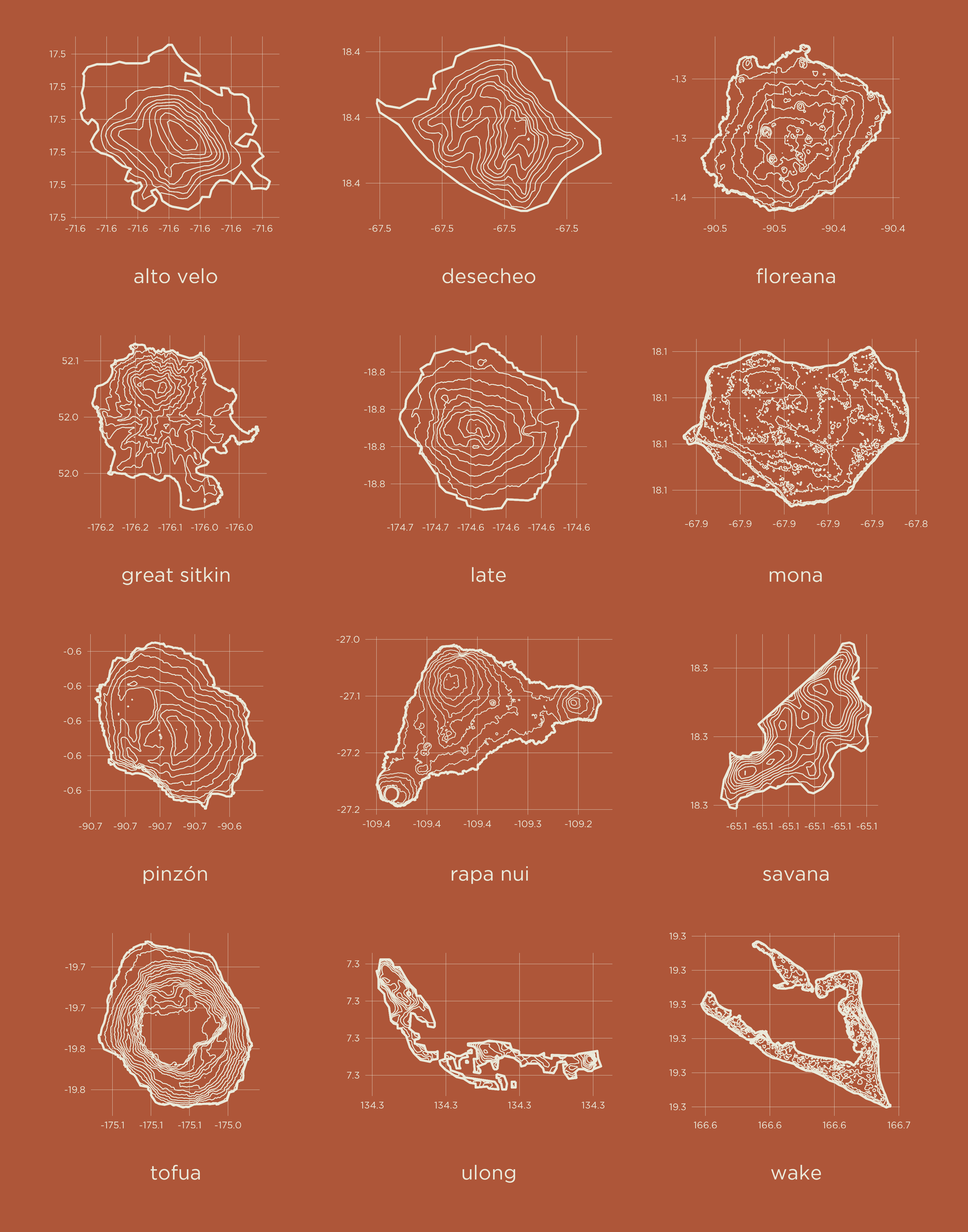
Data science is a powerful tool in the conservation tool kit, one that I’m proud to leverage daily. Data help drive our stories home, improve how we work, and are an important conversation piece with partners and communities. I largely use data for work, but data can also be fun. Here is an island art piece I created to hang above my desk. This print was made from open-source data from the Global Distribution of Islands OSM 2015 and NASADEM in the programming language R.
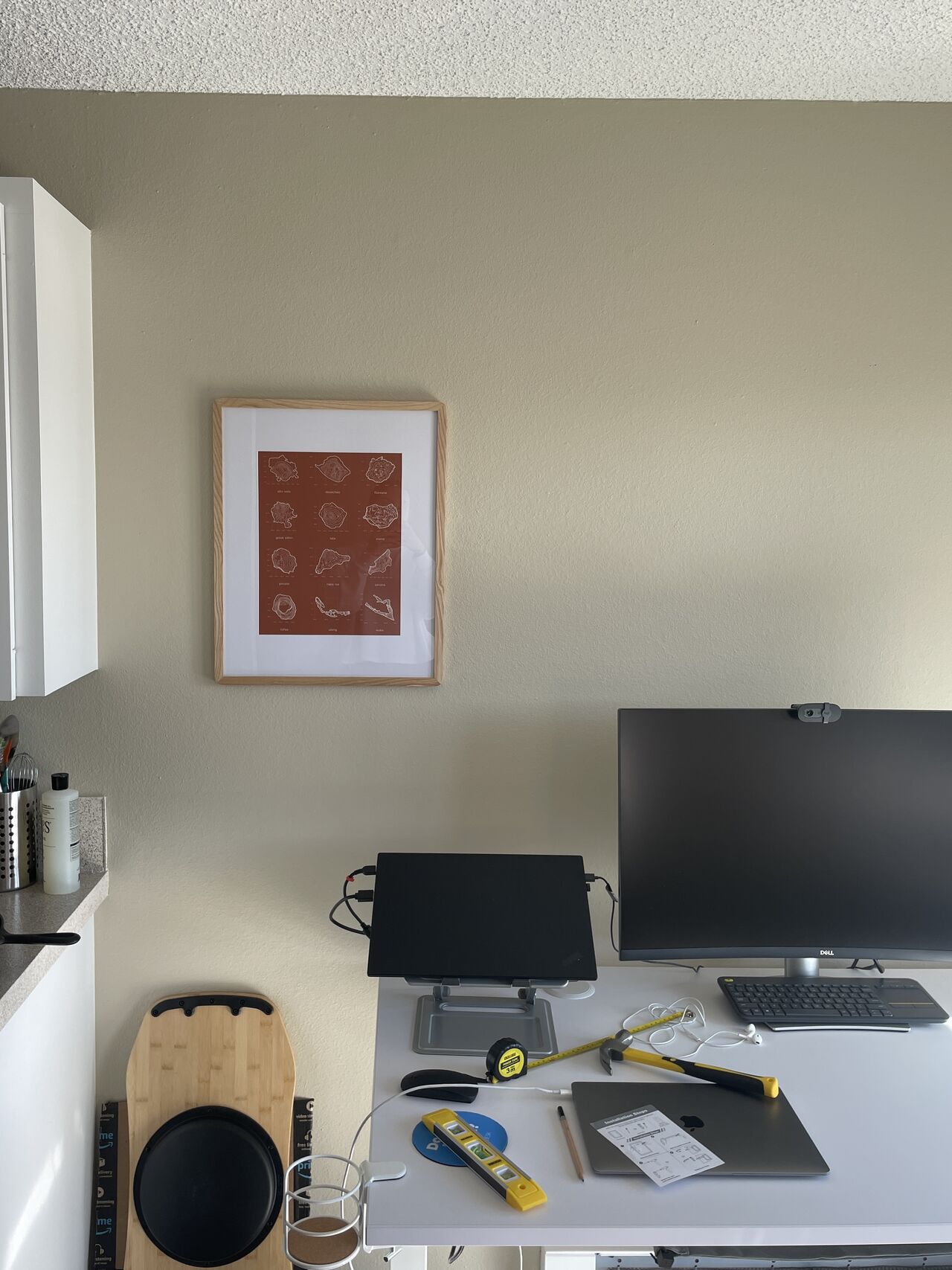
Fill out the quick form below to get your digital download!
Want to download this series of island topographic maps by Elke Windschitl? Enter in your information and hit the download button!
There’s more than one way to make an impact. Join our collective of dedicated supporters by donating today or signing up for our newsletter to stay informed.
Check out other journal entries we think you might be interested in.

March 25, 2026
What is Environmental DNA and how is it helping conservationists around the world? Read Gracie Kroos' explanation!
February 6, 2026
¡Mira el video de Solange y lee una entrevista sobre Robinson Crusoe! Watch Solange's video and read an interview about Robinson Crusoe!

January 22, 2026
Our Senior Director of Impact & Innovation, David Will, explains the importance of the Circular Seabird Economy for nutrient transfer!
December 22, 2025
Elke Windschitl, our Conservation Impact Data Specialist, gives us the lowdown on
December 16, 2025
Read the full ecological story of Floreana Island in the Galápagos from the early settlements to today.
September 17, 2025
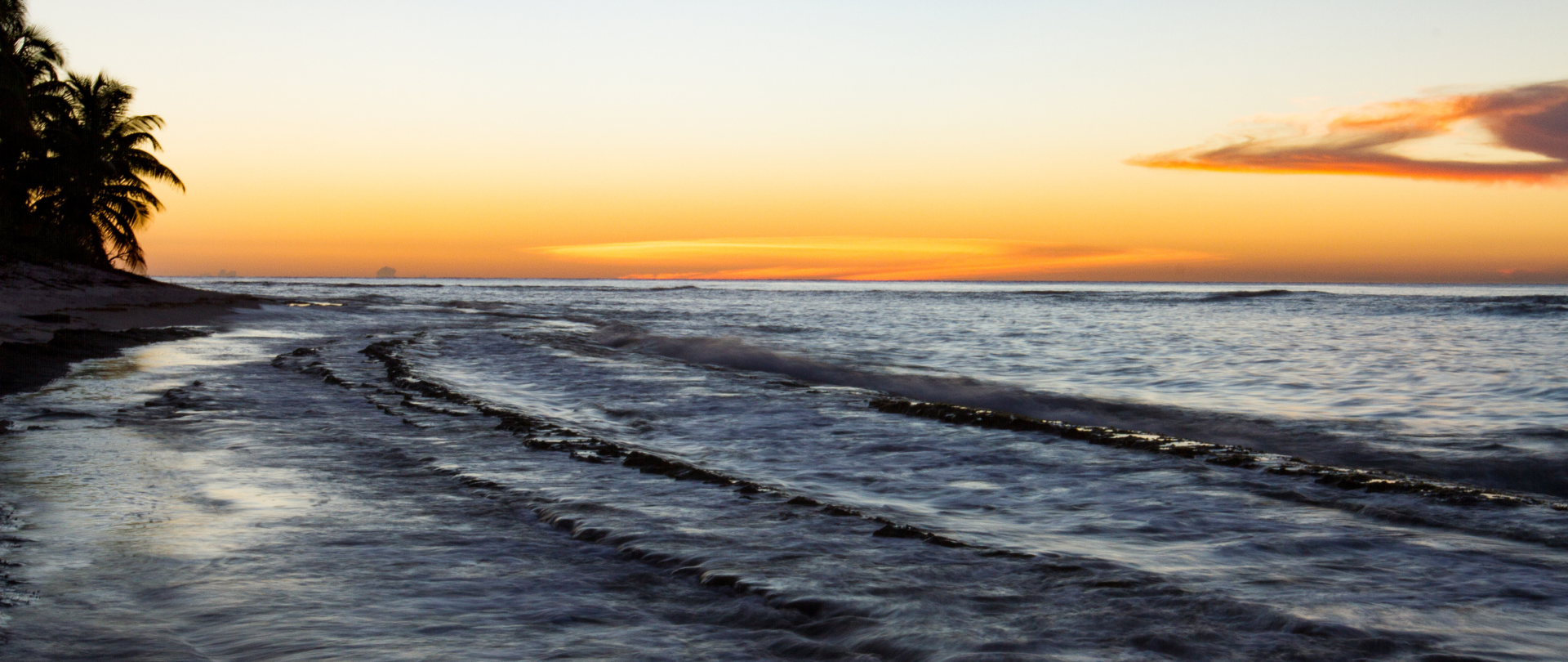
Ted Haffner takes his support for Island Conservation beyond his role on the Advisory Council, journeying to Puerto Rico to experience conservation firsthand!
July 31, 2025
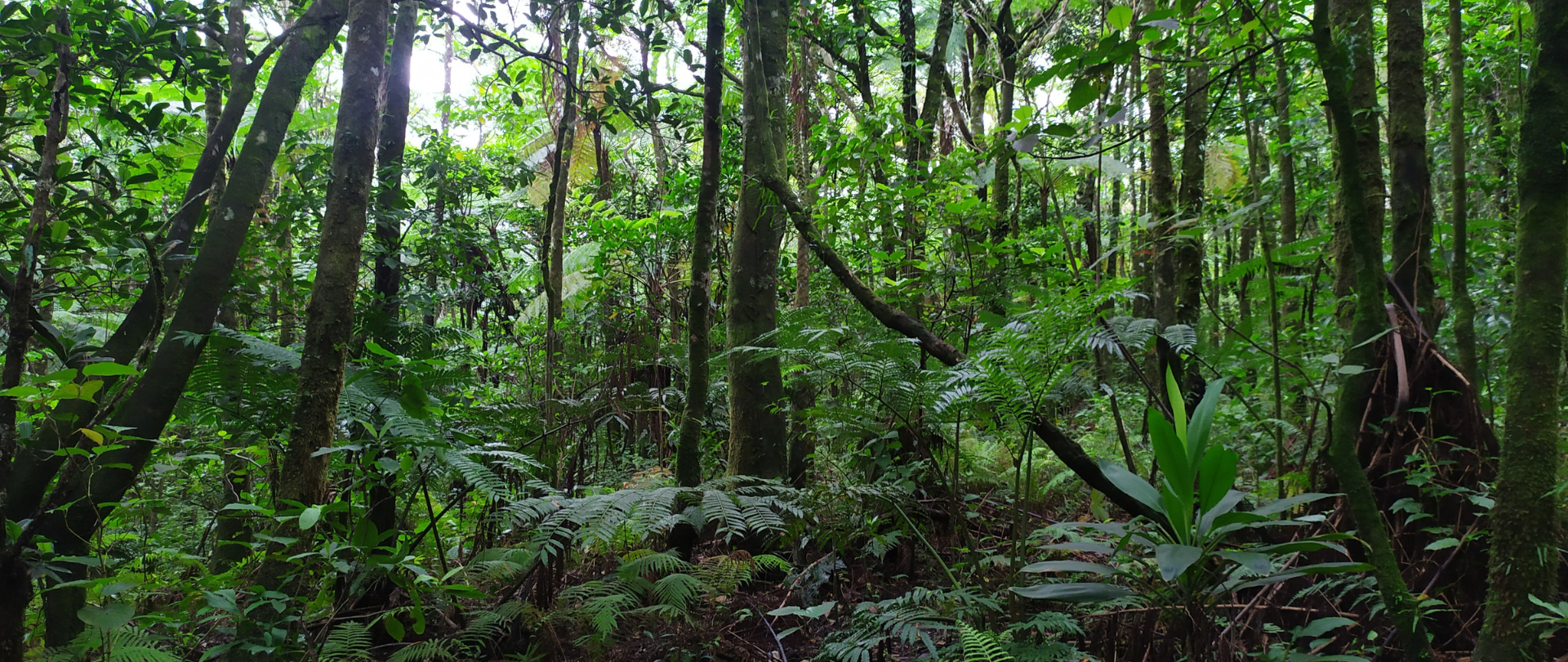
Our Seasonal Monitoring Specialist, Cozette Romero, shares her experience on Tofua in Tonga!
July 7, 2025
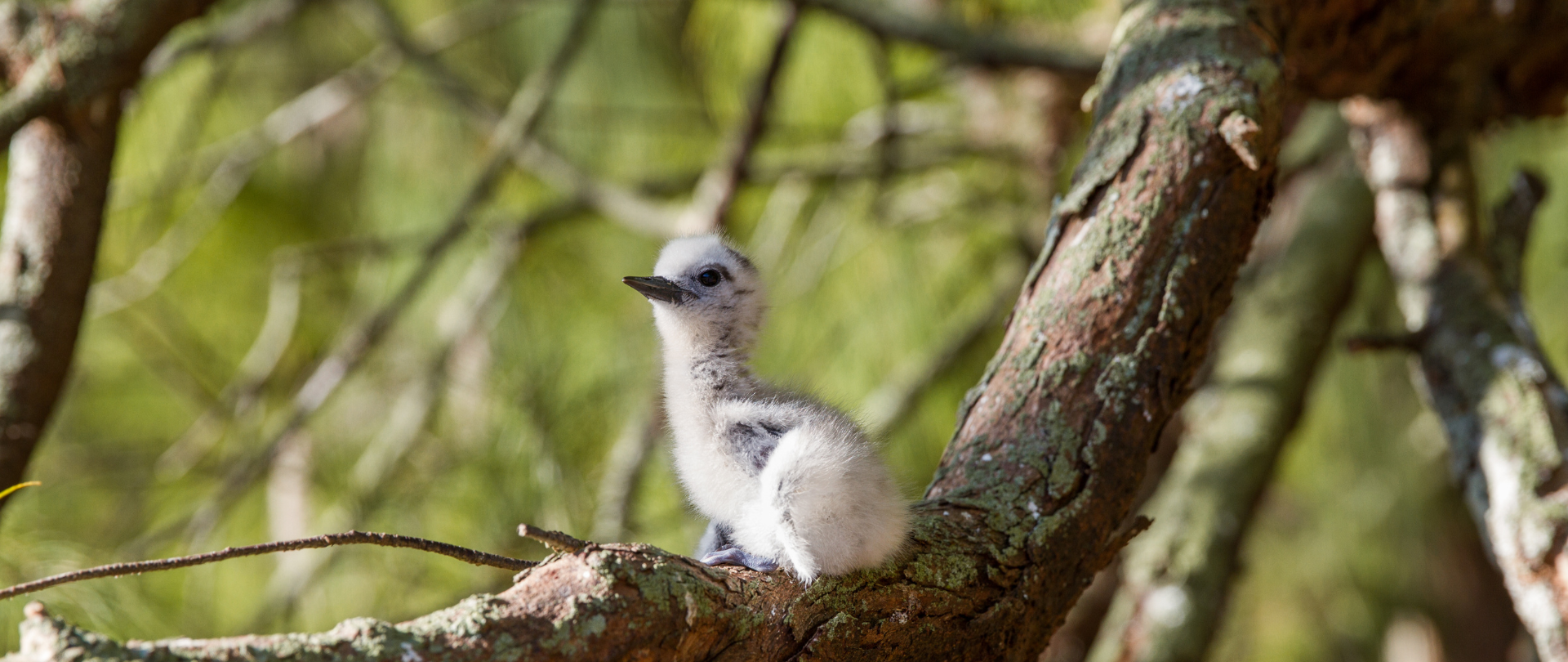
Island Conservation runs on the support of champions like you--and like Balbi Brooks!
June 5, 2025
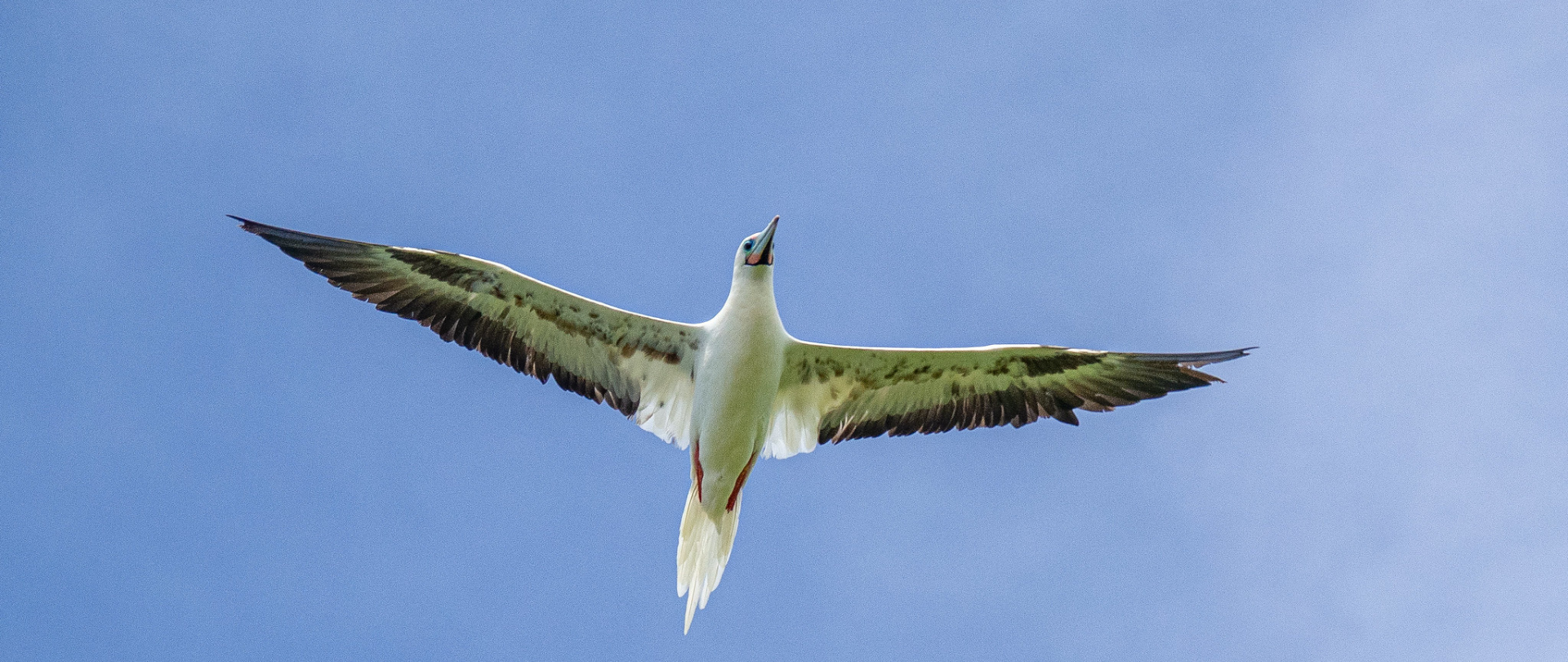
We interviewed legendary surfer Martin Daly about his vision of restoration for the Republic of the Marshall Islands!