
October 29, 2026
Sonsorol: Sharing Their Homes, Sharing Their Hearts
Loyola Darius spent two months living on Sonsorol Island in Palau, organizing with the community and engaging all generations in holistic conservation.
 Island Conservation
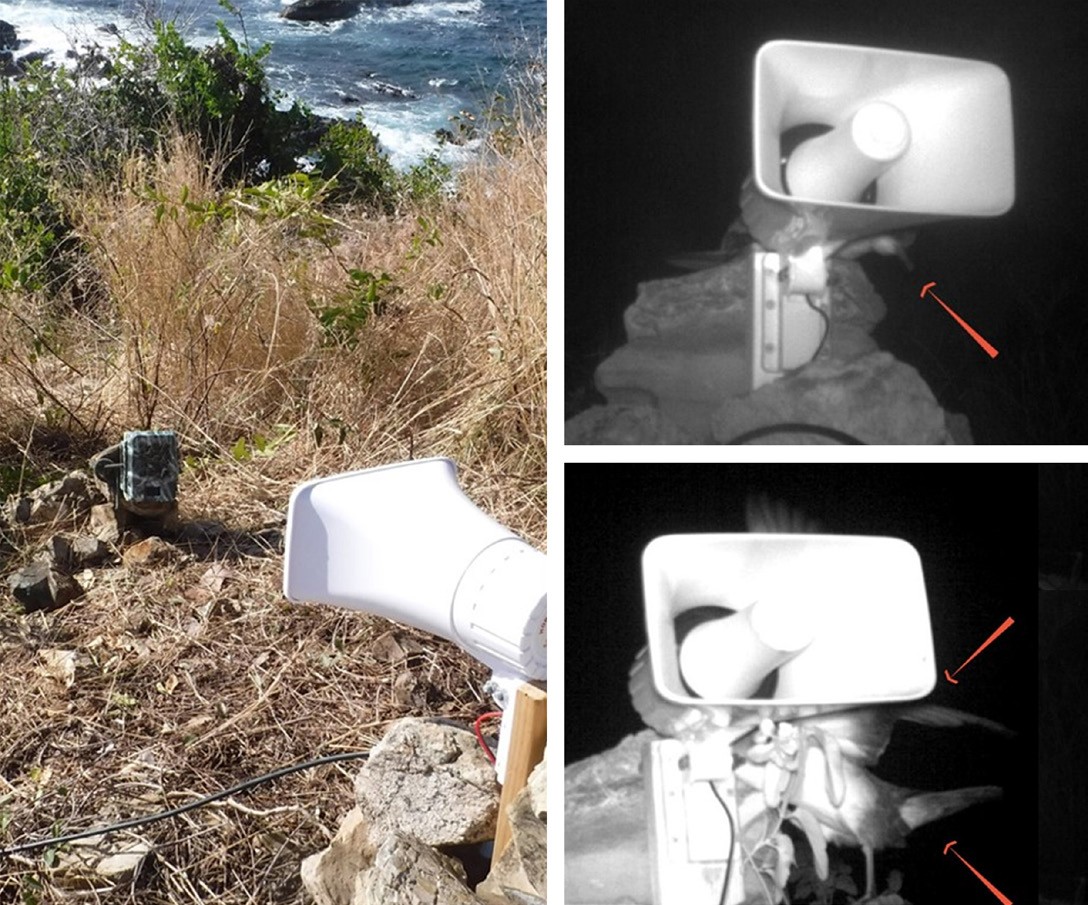
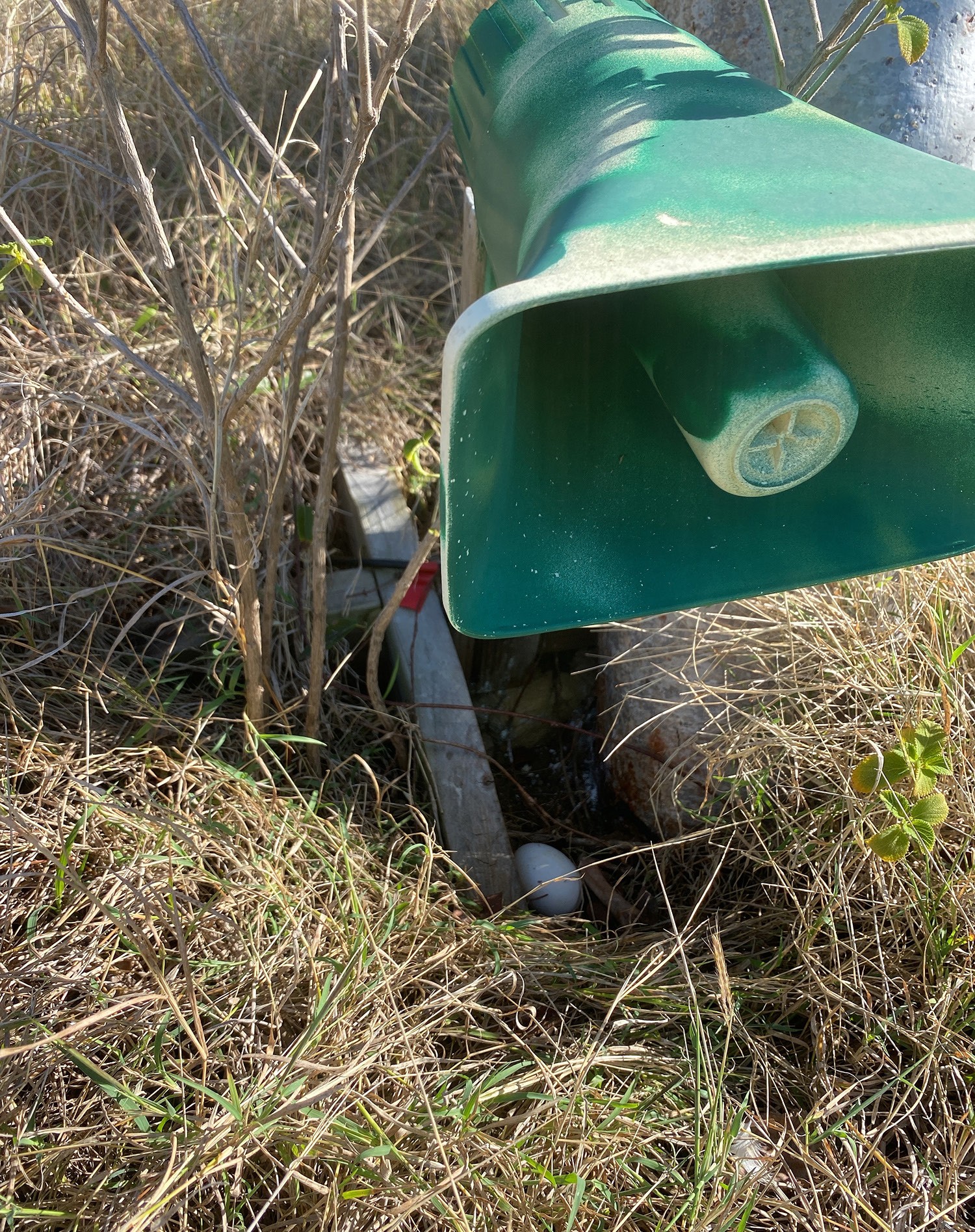
For the first time ever, an Audubon’s Shearwater nest was recorded on Desecheo Island, Puerto Rico. This is the result of a collaboration between the non—profit organization Island Conservation and the U.S. Fish and Wildlife Service to restore the island by removing invasive predators and accelerating the return of native plants and animals.
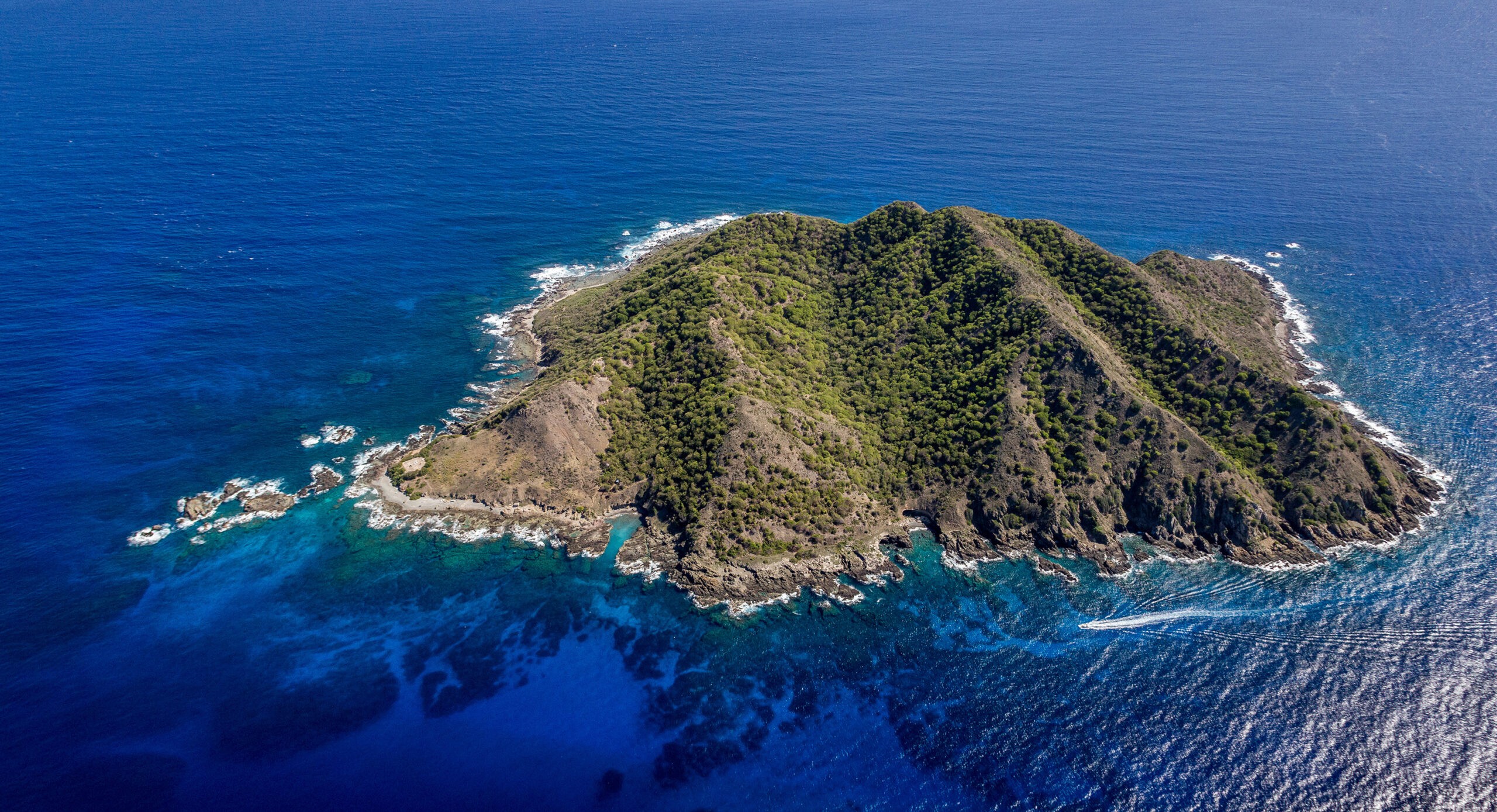
Desecheo Island is located off the northwest coast of Puerto Rico. It was designated a National Wildlife Refuge (NWR) in 1976 and is one of the nine refuges managed by U.S. Fish and Wildlife Service (USFWS) across the Caribbean. Although Desecheo used to be a critical habitat for seabirds, the introduction of invasive mammals led to habitat loss and seabird predation. As a result, five of the seven breeding seabird species disappeared from the island and the two that remained decreased to less than 2% of their original population sizes.
Thanks to the collaboration between the non-profit organization Island Conservation and USFWS, the invasive mammals were successfully eradicated from the island. Once declared free of these invasive species, USFWS, IC, and the non-profit organization Effective Environmental Restoration, Inc. (EER) joined forces for the implementation of biosecurity and social attraction projects. The latter consists of decoys, mirrors, and sound systems that are used to attract seabird species with the goal of re-establishing seabird breeding colonies on Desecheo NWR.
Caribbean Islands NWR Complex Project Leader Silmarie Padron reported: “During a visit to Desecheo NWR in 2023, a single egg was found at the base of a speaker used for social attraction. A few days later, the nesting site was revisited to deploy camera traps and collect feathers. The Smithsonian Feather Identification Laboratory confirmed the feathers to be from an Audubon’s Shearwater (Puffinus lherminieri). This is the first time that an Audubon’s Shearwater nest has been recorded on the island.”
The population of this bird species in the Caribbean is small. In fact, the Audobon’s Shearwater is the least known of all Caribbean seabird species. They are characterized by nest site fidelity and have been disappearing from some former breeding sites. Due to this, the species is classified as Near Threatened. This means that the nest found in Desecheo could indicate not only great news for Desecheo NWR eventually rebecoming a sanctuary for seabirds across the Caribbean but also for the Audobon’s Shearwater’s conservation and survival.
Jose Luis Herrera-Giraldo, Island Conservation Project Manager, stated: “All species are indispensable for ecological homeostasis. The planet depends on them for balance and stability. Nesting seabirds for example, bring nutrients that lead to the health of marine ecosystems and indirectly the rest of the planet. We humans on the other hand, can come together on the road to environmental conservation and protect all these species and their habitats, thereby protecting life on earth as we know it.”
The discovered nest proves the effectiveness and efficacy of social attraction methods and the innumerable benefits of having an island free of invasive mammals. It also gives us hope for the restoration of seabird populations in Desecheo NWR and other refuges across the Caribbean. But most importantly, it demonstrates what can be achieved through collaboration, dedication, and perseverance. Through this story we celebrate being one step closer to the restoration of Desecheo NWR as a habitat for seabirds and all of the people that have made this possible.
Click here to read the original article published in the Journal of Caribbean Ornithology and view relevant images here.
Media Contacts: Sally Esposito, Strategic Communications Director, Island Conservation, sally.esposito@islandconservation.org; Gisela Burgos, Cabo Rojo National Wildlife Refuge Visitor Services Specialist, gisella_burgos@fws.gov or 305-587-7856.
Check out other journal entries we think you might be interested in.
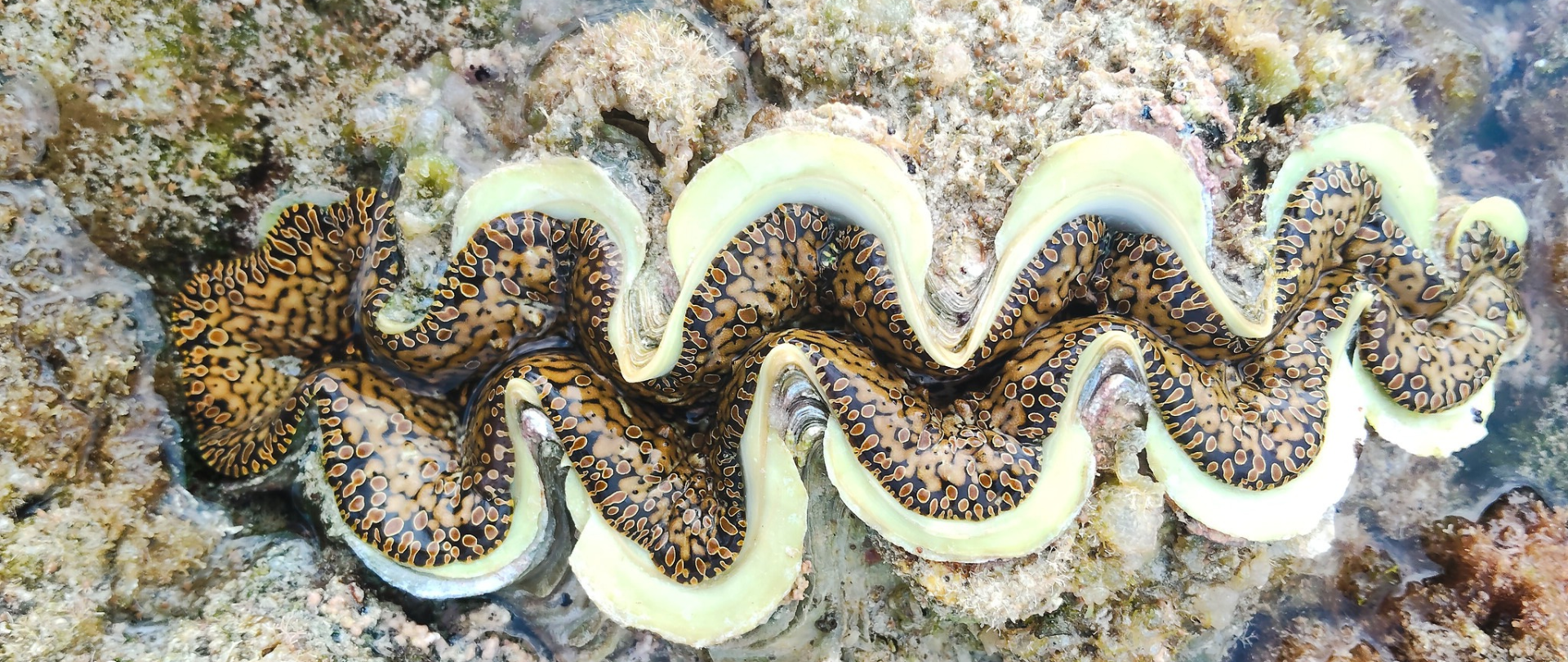
October 29, 2026
Loyola Darius spent two months living on Sonsorol Island in Palau, organizing with the community and engaging all generations in holistic conservation.
October 23, 2026
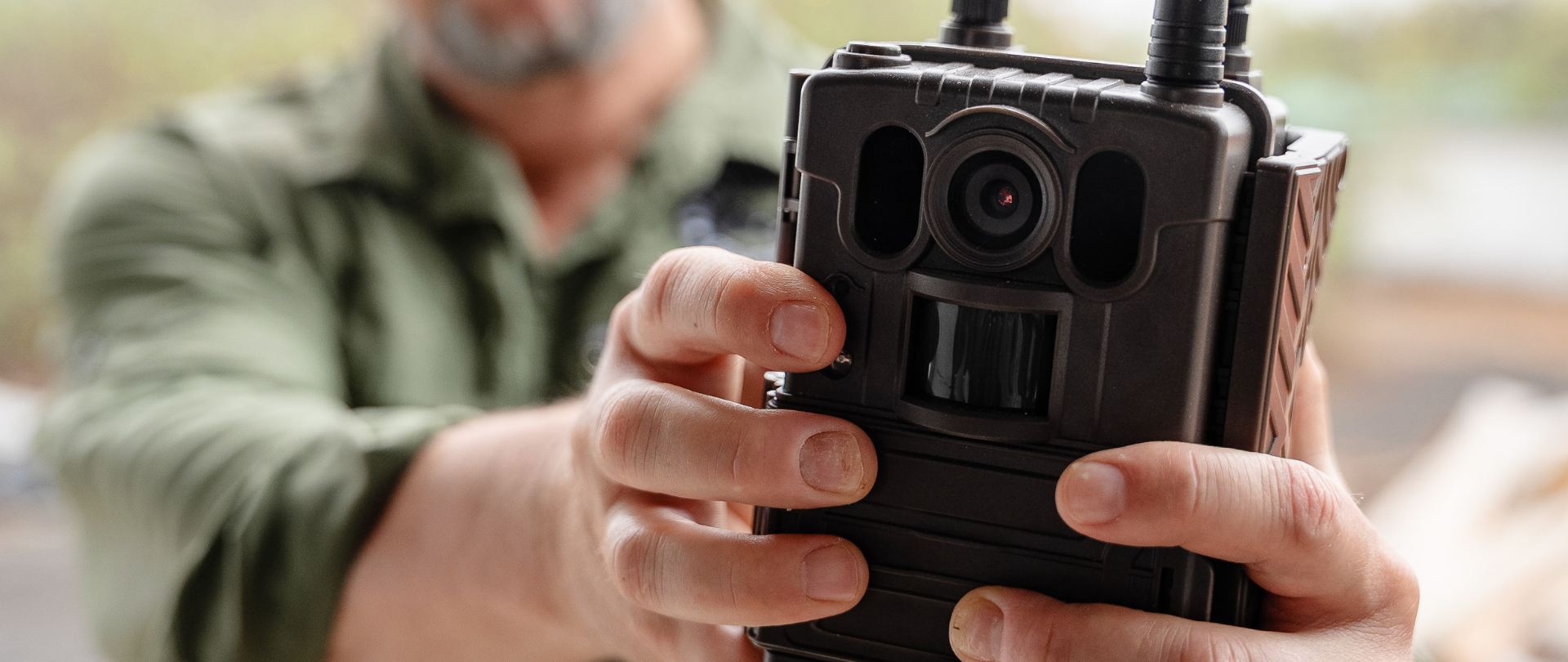
The Smart Islands Monitoring Network was honored by Premios Verdes in Ecuador!
October 20, 2026
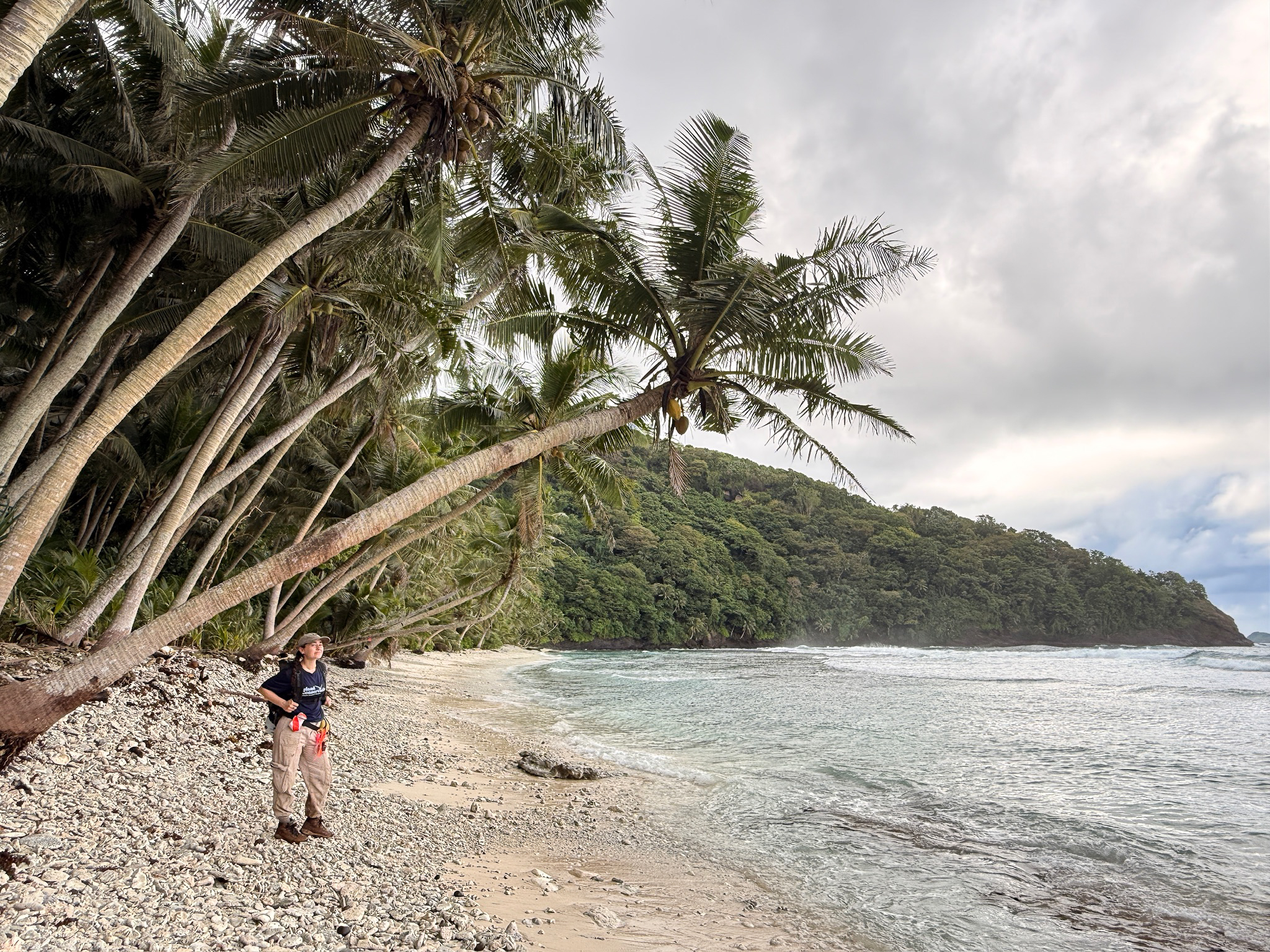
Nu’utele Island shows encouraging signs of ecological recovery, demonstrating how healthy island ecosystems strengthen climate resilience.

October 14, 2026
What makes a donation to Island Conservation such a great investment? Our CEO, Penny Becker, explains in an NPR podcast!
September 17, 2026
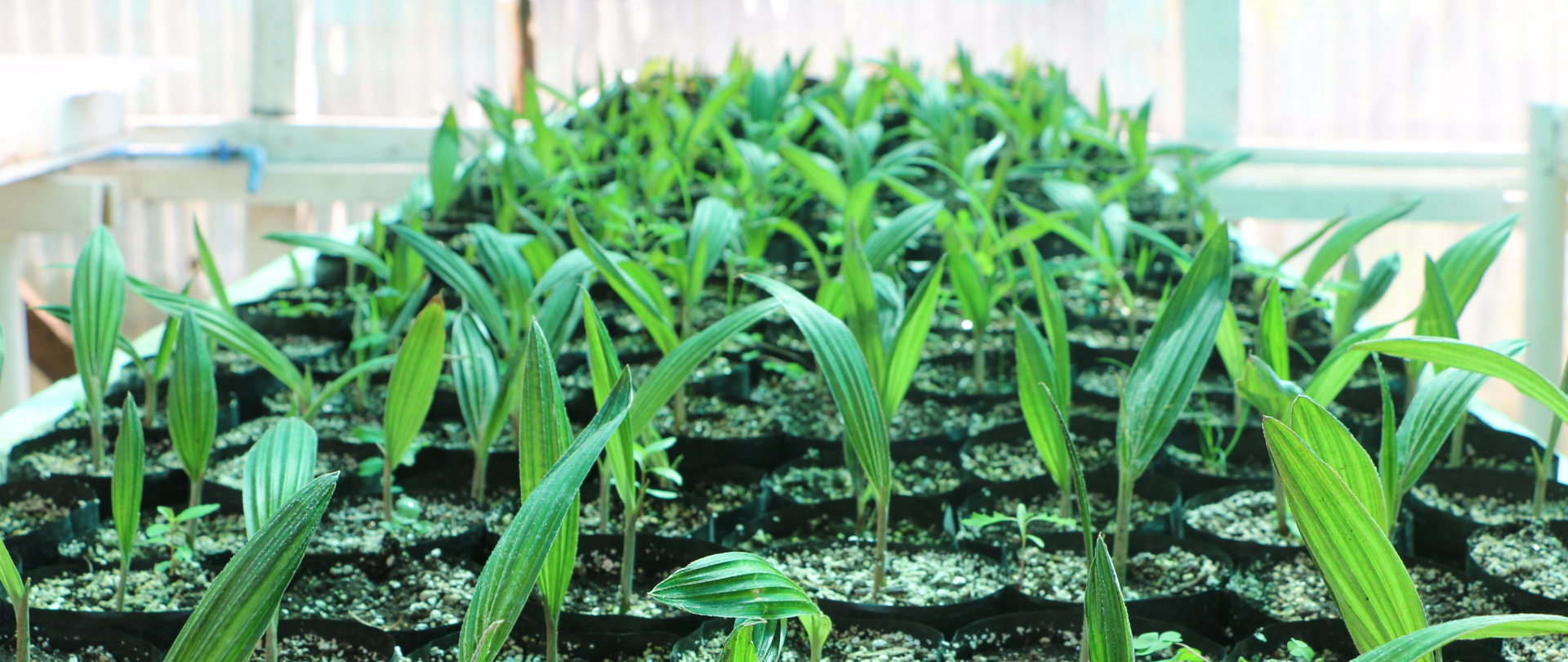
On the island of Robinson Crusoe in Chile, a greenhouse feeds both a community and an islander-led conservation movement!

September 9, 2026
El Niño doesn't create weak ecosystems; it reveals them. Find out how resilient islands can survive and bounce back from stress caused by El Niño!
September 1, 2026
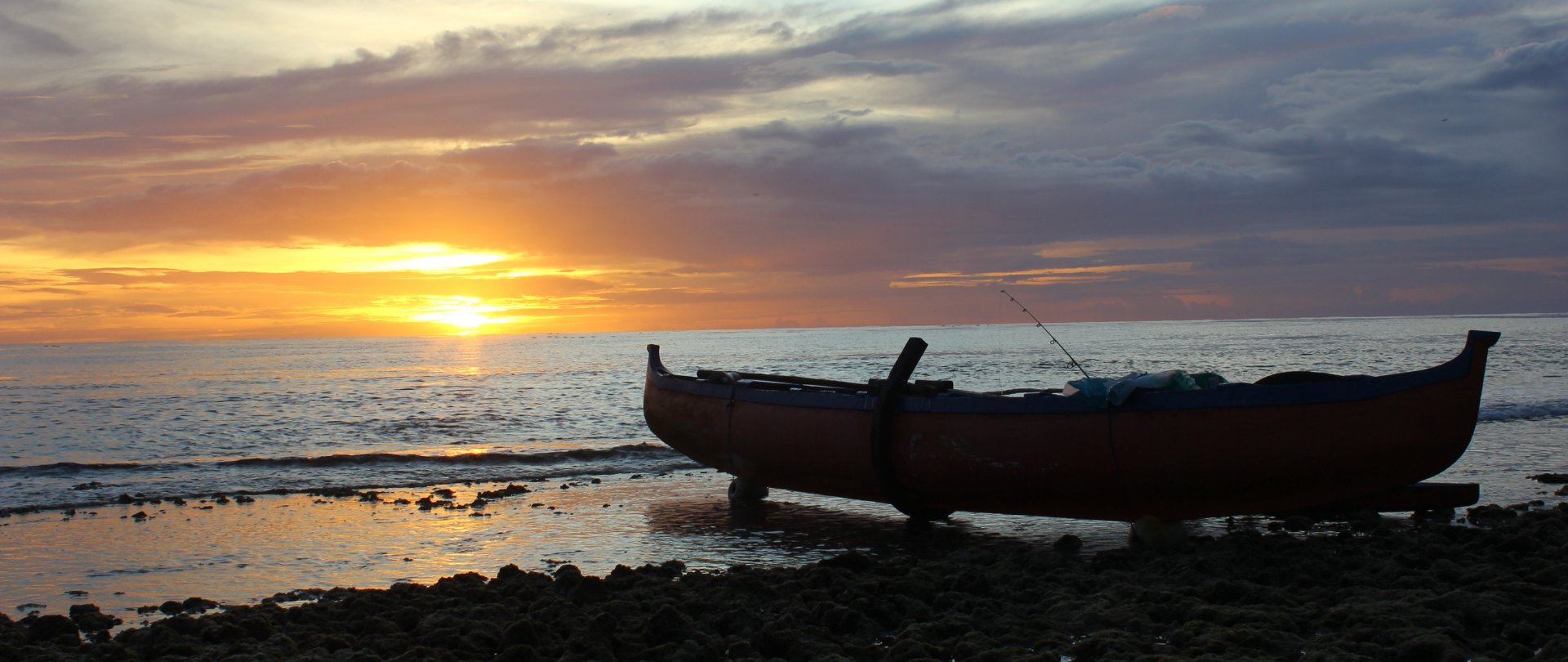
Linden Brown shares the incredible things he saw and experienced while working to restore islands in Sonsorol State, Palau!

August 25, 2026
A new study reveals the role fungi play in the restoration and recovery of rare, resilient atoll ecosystems!
August 18, 2026
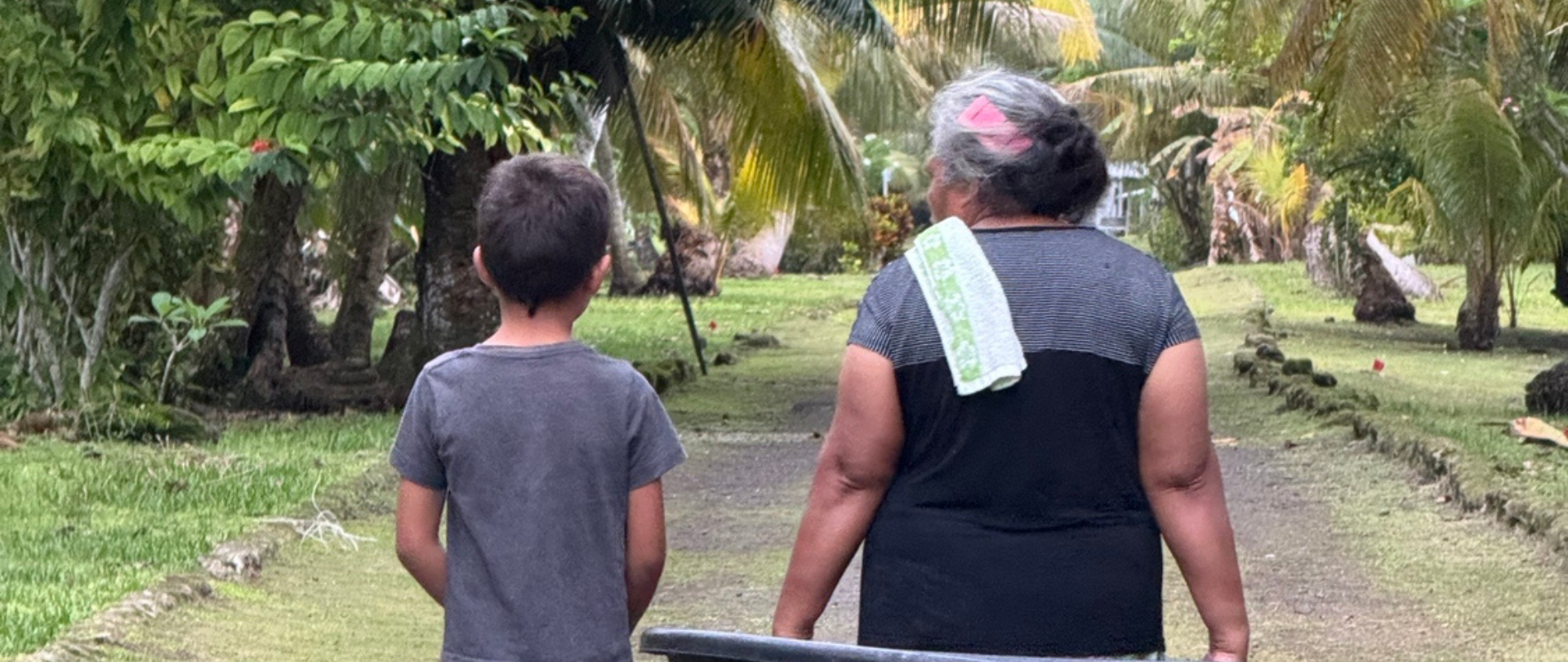
Meet Evelyn, one of the people who holds the wisdom of Sonsorol State, Palau in her lived experiences and stories.

August 12, 2026
The new Phoenix Species Project highlights species on the brink of extinction that are primed for recovery--and a lot of them live on islands!