September 9, 2026
Some Island Ecosystems Are More Resilient to El Niño
El Niño doesn't create weak ecosystems; it reveals them. Find out how resilient islands can survive and bounce back from stress caused by El Niño!
 Island Conservation
In a new study that underscores the multiple benefits of island restoration, scientists have shown how holistically restoring islands can significantly boost seabird populations, which have a positive impact on ecosystem connectivity and resilience. This research, centered around the Chagos Archipelago in the Indian Ocean, demonstrates how connector species such as seabirds can be the key to reviving island and marine ecosystems.
The article, titled “Island restoration to rebuild seabird populations and amplify coral reef functioning,” by Dunn et al was published in Conservation Biology in mid-July. It explains how seabirds act as vital connectors between the land and sea, shuttling essential nutrients between their feeding and breeding grounds. Unfortunately, human-induced degradation has severed these ecological links, with dire consequences for biodiversity and habitat health. The study’s predictive models offer a beacon of hope: through strategic, holistic island restoration, including invasive species removal and native vegetation revival, seabird populations can flourish once again.

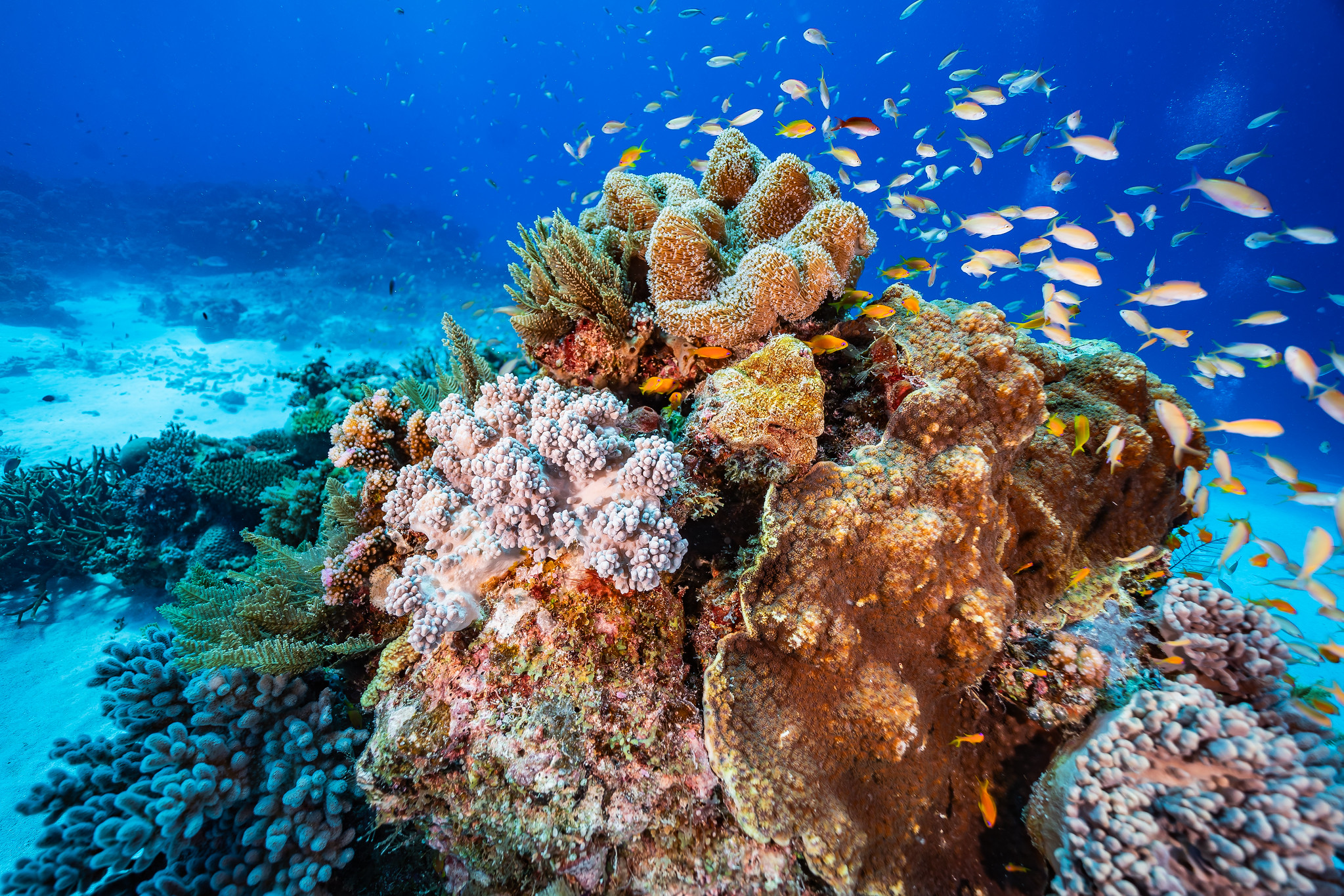
The implications are profound. With over 280,000 breeding pairs of seabirds potentially returning to Chagos, the cascading effects on adjacent ecosystems could be transformative. The anticipated increase in nitrogen, courtesy of seabird guano, is projected to bolster coral growth rates, enhance reef fish biomass, and amplify parrotfish grazing activities, which are vital for coral reef maintenance.
At Island Conservation, we have witnessed the benefits of healthy seabird populations firsthand on many of our projects worldwide. On Palmyra Atoll, for example, removing invasive mammals let seabirds return. The soil, enriched with their guano, supported a 5000% increase in native plant growth.
The study advocates for the integration of seabird-led nutrient flows into island restoration strategies, emphasizing their role in fortifying ecosystems against climate change threats like sea-level rise and coral bleaching. Island Conservation’s commitment to this interconnectivity is made manifest in the Island-Ocean Connection Challenge, co-founded with Scripps Institute of Oceanography and Re:Wild, which aims to restore 40 globally-significant island-ocean ecosystems by 2030.
The call to action—supported by this and other recent studies on connector species—is clear: island restoration must be prioritized, not just for the sake of individual species, but for the holistic health of our planet’s interconnected habitats.
Make a donation today to help holistically restore islands for people and nature worldwide!
Check out other journal entries we think you might be interested in.

September 9, 2026
El Niño doesn't create weak ecosystems; it reveals them. Find out how resilient islands can survive and bounce back from stress caused by El Niño!

August 25, 2026
A new study reveals the role fungi play in the restoration and recovery of rare, resilient atoll ecosystems!

August 12, 2026
The new Phoenix Species Project highlights species on the brink of extinction that are primed for recovery--and a lot of them live on islands!
August 4, 2026
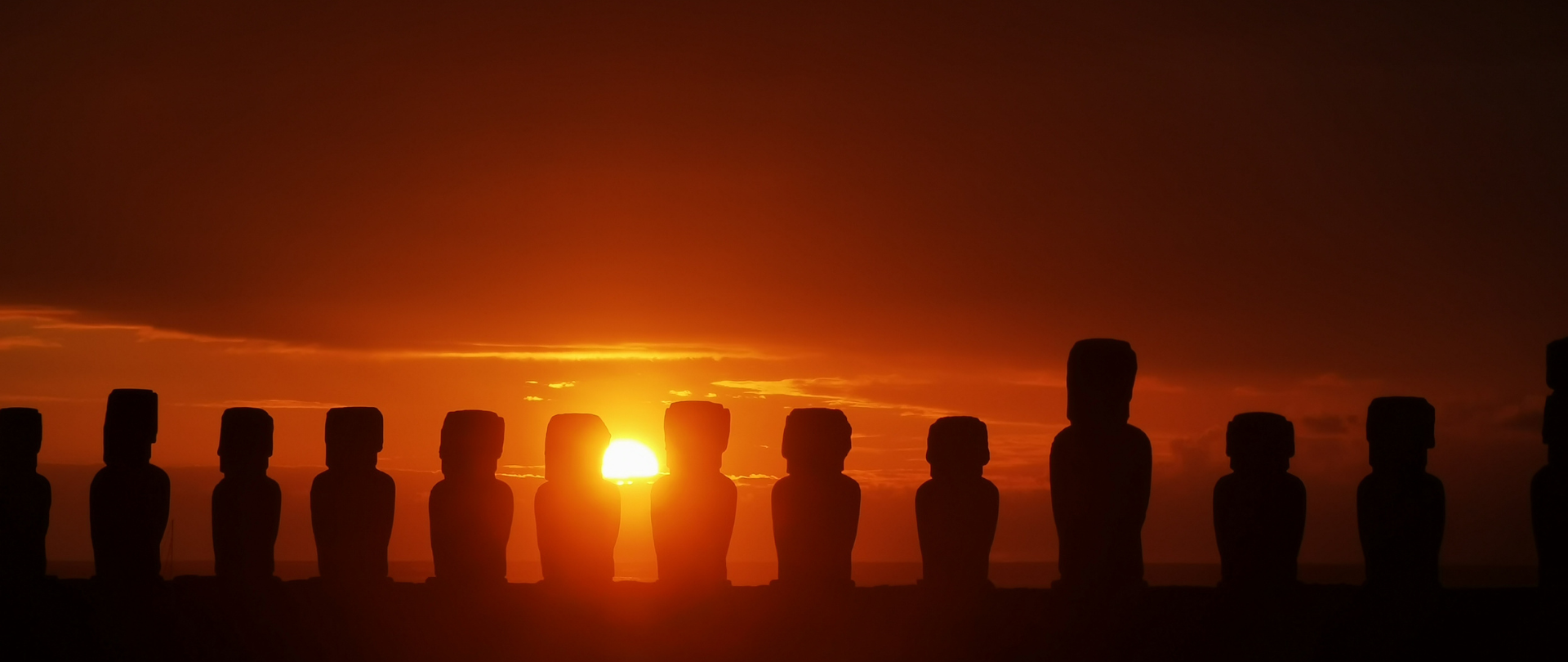
Indigenous-led conservation takes a leap forward with Rapa Nui (Easter Island)'s new partnership with Island Conservation!

July 31, 2026
We interviewed artist Laura Shape to learn about the luminous abstracts she creates from leather sourced from invasive species!

July 28, 2026
Happy World Nature Conservation Day! Read Penny Becker's article published by the Outreach Network for Gene Drive Research.

July 17, 2026
Three different animals show how connector species prop up island-ocean ecosystems!
July 9, 2026
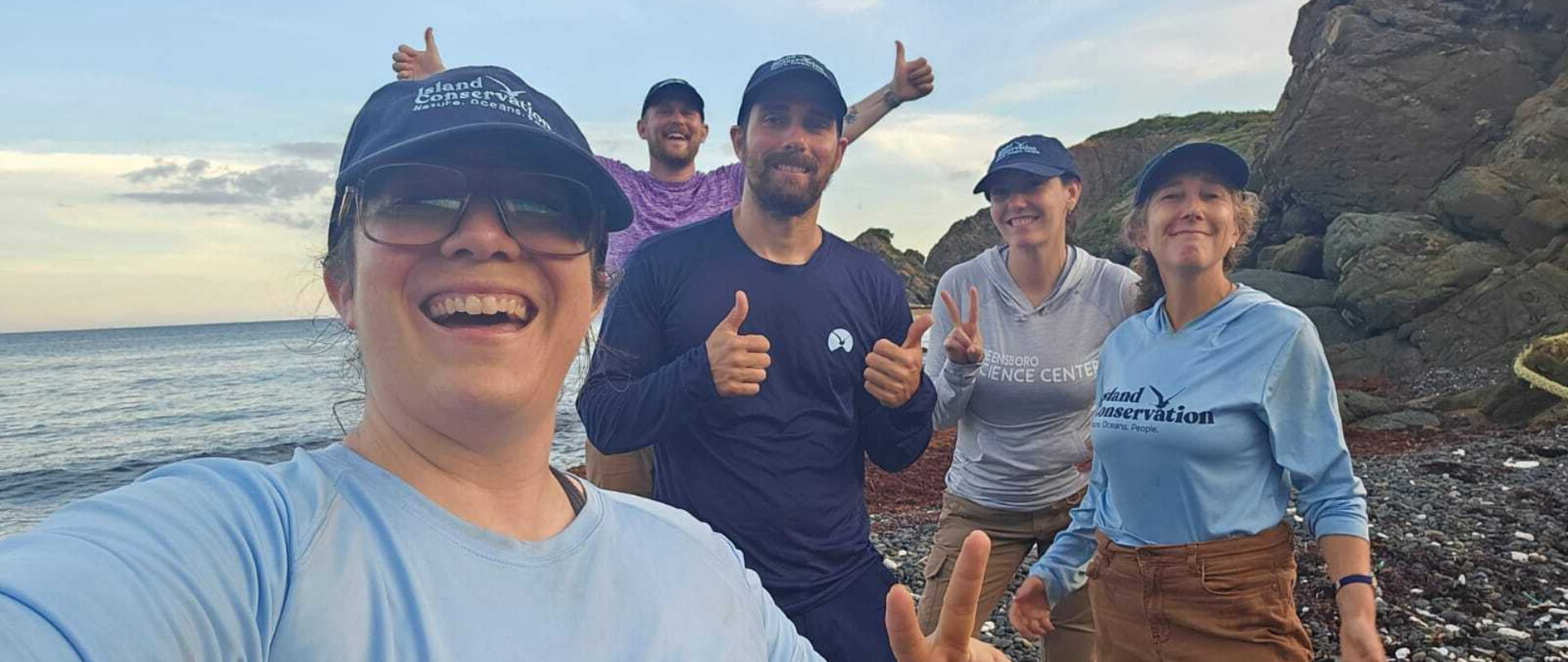
Senior Major Gifts Officer Jen Sachs shares her experience on one of Island Conservation's exciting restoration projects in the US Virgin Islands!
July 2, 2026
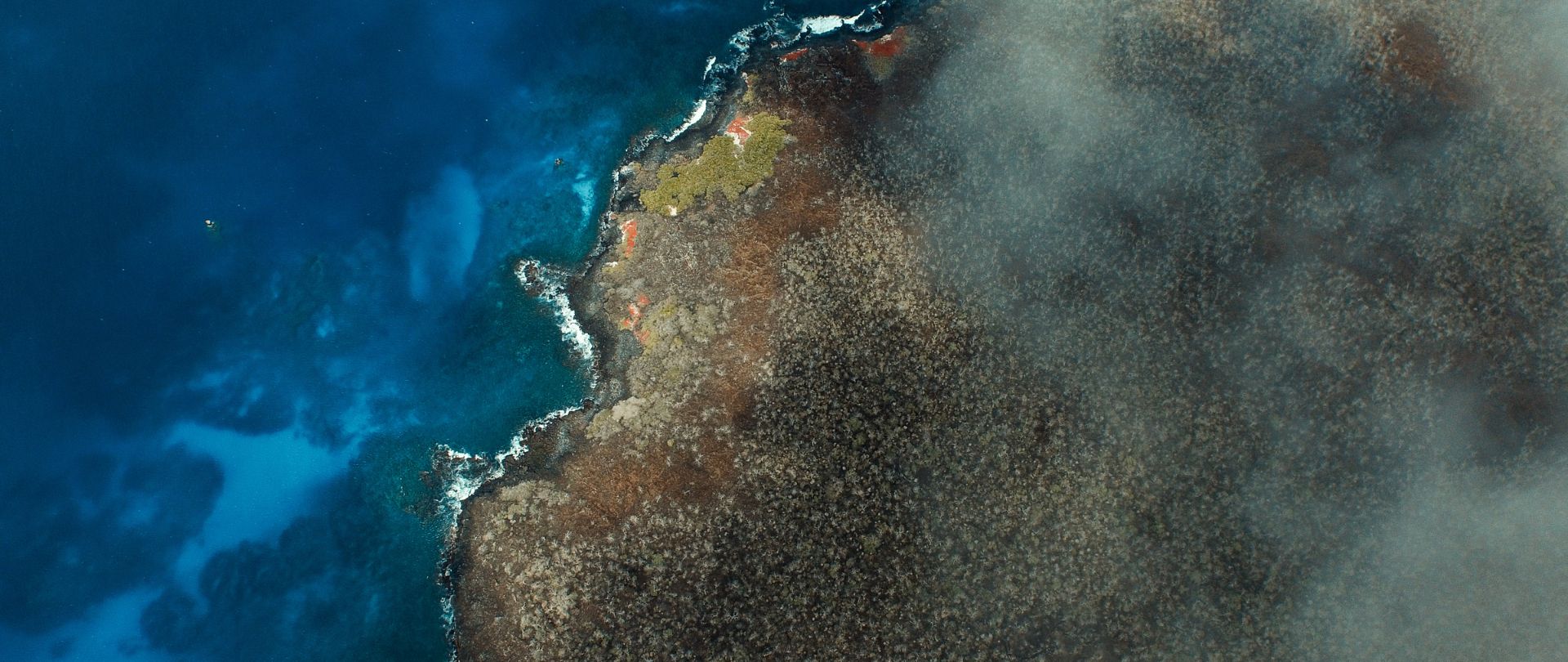
Invasive species have caused over $12 billion in damages to island ecosystems, creating an urgent need for strengthened biosecurity measures!
June 23, 2026
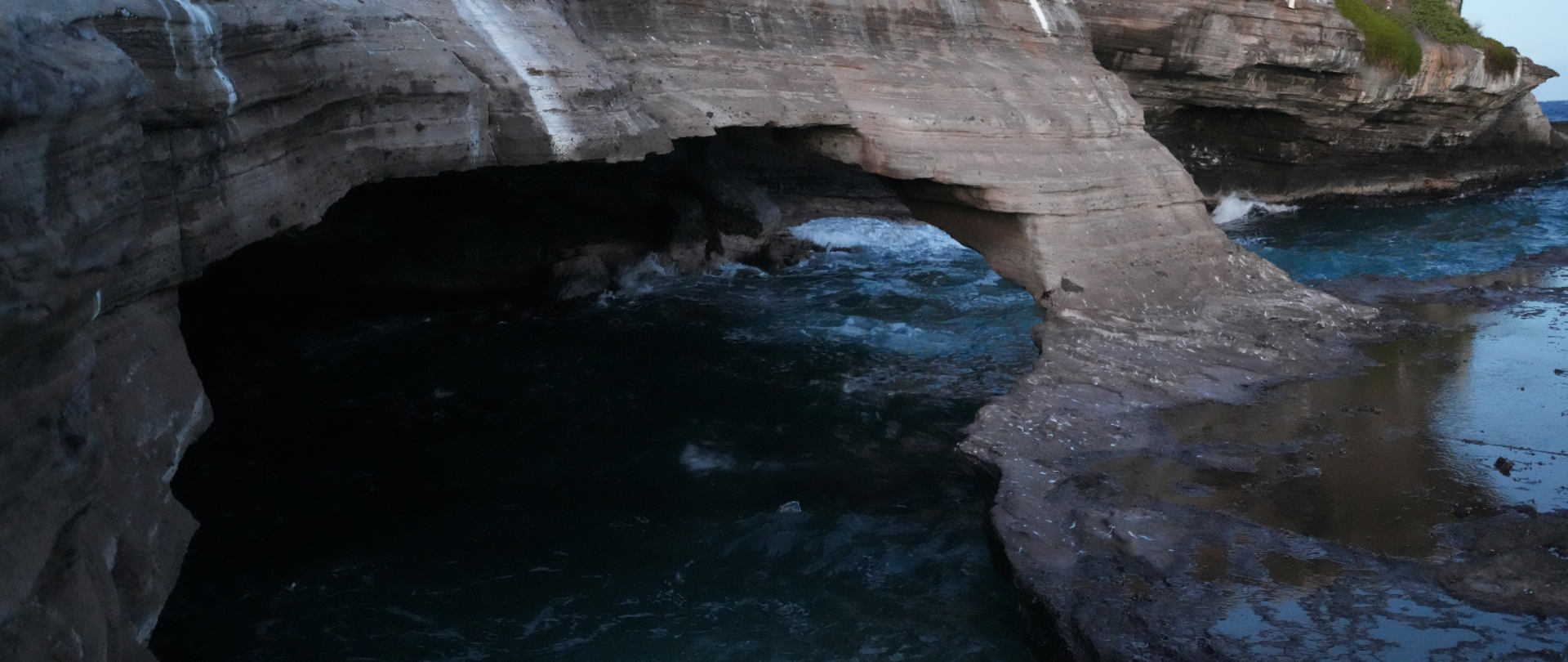
The Island-Ocean Connection Challenge announced four new restoration projects—Lehua, Tavolara, Grand Rouveau, and Zembra—at London Climate Week, expanding its global effort to restore 40 island-ocean ecosystems by 2030!