September 17, 2026
Island Conservation and Robinson Crusoe Island, Chile: Growing Hope Together
On the island of Robinson Crusoe in Chile, a greenhouse feeds both a community and an islander-led conservation movement!
 Island Conservation
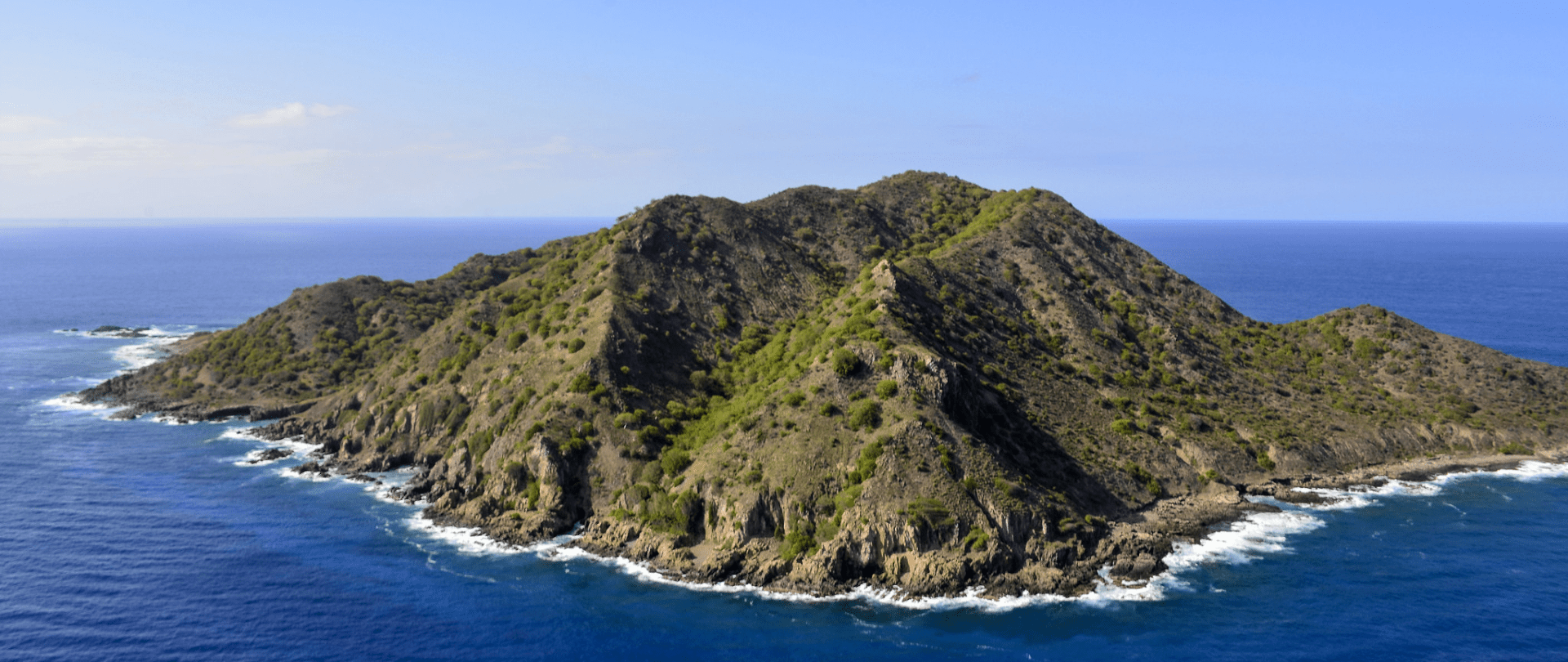
A new article in the Journal of Caribbean Ornithology, published by scientists from the US Fish and Wildlife Service and Island Conservation’s own Cielo Figuerola-Hernández and José L. Herrera-Giraldo, heralds the success of one of our most exciting restoration projects: Desecheo Island, Puerto Rico.

Once a thriving seabird sanctuary, the island faced a dire challenge as invasive species threatened to erase its rich avian legacy. In 2007, Island Conservation partnered with the US Fish and Wildlife Service and dedicated local partners to restore Desecheo’s natural balance. The project to remove invasive mammals, was declared successful in 2017, clearing the way for seabirds to return and restore the vital nutrient flows that connect land and sea.
But we didn’t just wait for the birds to return or augment the populations on their own. With the invasive threat removed, we turned to innovative social attraction techniques to bring them home. By using decoys, mirrors, and sound systems that played bird calls, we were able to simulate a thriving colony on Desecheo—and the birds couldn’t resist!

Sightings of Audubon’s Shearwaters, cavity-nesters that prefer to roost under dense vegetation, occurred fleetingly on motion-sensing cameras. But in 2023, biosecurity inspectors found a single white egg gently nestled at the base of a social attraction speaker. This egg, and the feathers found nearby, confirmed by the Smithsonian Feather Identification Laboratory as belonging to an Audubon’s Shearwater, marked a historic moment. For the first time, this near-threatened species was recorded to nest on Desecheo Island.

This breakthrough is more than just a scientific achievement; it’s a testament to the power of collaboration, innovation, and unwavering commitment to conservation. It’s a story of how a once-imbalanced island is being transformed into a sanctuary where seabirds can thrive once again.
Nesting seabirds bring critical nutrients from the sea to the land, enriching the soil and the local near-shore environments—leading to massive boosts in fish biomass and marine health. With recent evidence confirming the effectiveness of conservation in holistically restoring ecosystems, Island Conservation is proud to partner with USFWS and local partners to accelerate recovery and bring missing species home.
Read the article in Caribbean Ornithology here.
About the partners:
Island Conservation envisions a world filled with vibrant biodiversity, resilient oceans, and thriving island communities. The organization is the only international non-profit conservation organization with the mission to restore islands for nature and people worldwide. Island Conservation is committed to holistic island-marine ecosystem restorations that combine efforts to improve community livelihoods and climate resiliency, manage invasive species, and reestablish native animals and plants. The organization’s work spans the globe, with projects in the Pacific, the Caribbean, and North and South America, and it acts as a technical lead and partner organization in an even wider portfolio. By focusing on interventions that produce outsized impacts, Island Conservation has been part of hundreds of successful, holistic island ecosystem recoveries worldwide.
The United States Fish and Wildlife Service is the only agency in the federal government whose primary responsibility is the conservation and management of fish, wildlife, plants and their habitats for the American people.
Effective Environmental Restoration, Inc. is a minority-owned nonprofit organization based in Puerto Rico. EER has a proven track record of successful invasive species eradication and habitat restoration projects in Puerto Rico and the U.S. Virgin Islands.
Funding for this project provided by USFWS, the National Fish and Wildlife Foundation, the David and Lucile Packard Foundation, the National Geographic Society, and Bell Laboratories, Inc.
Check out other journal entries we think you might be interested in.
September 17, 2026
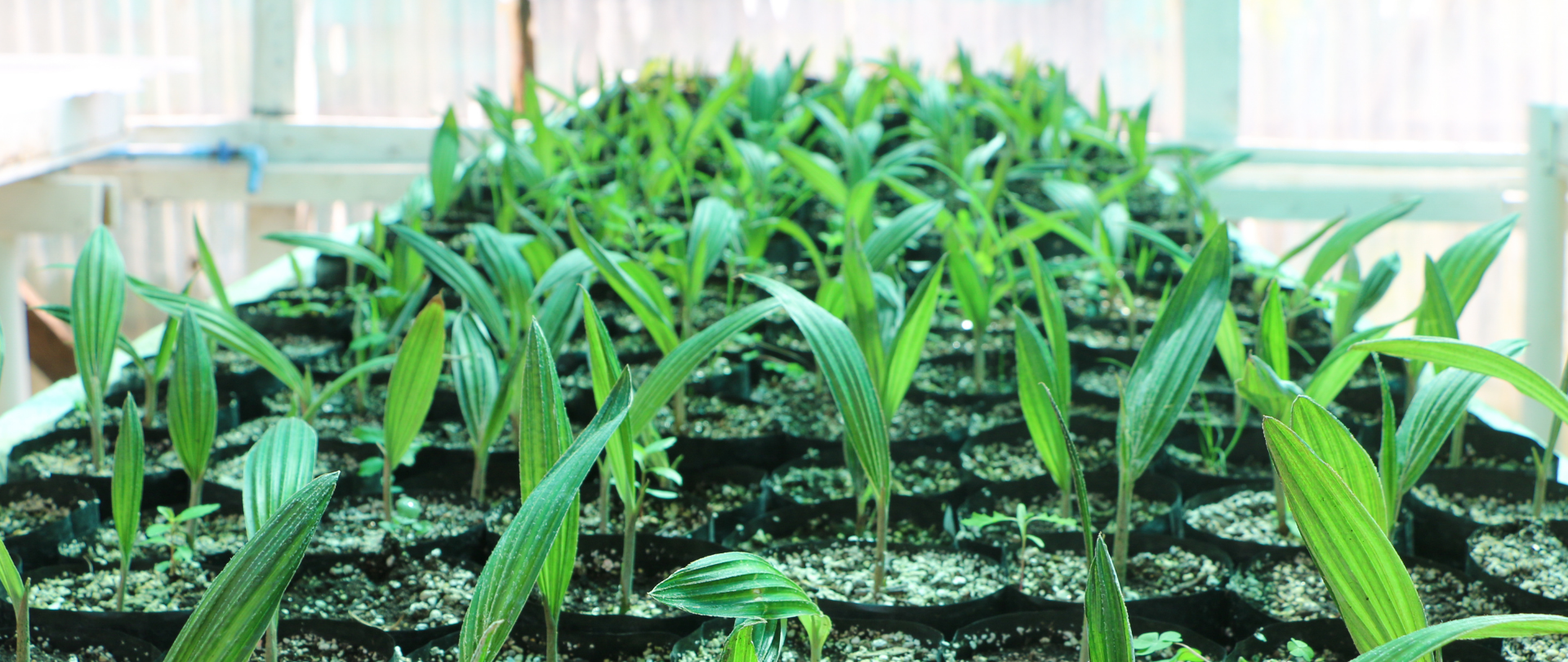
On the island of Robinson Crusoe in Chile, a greenhouse feeds both a community and an islander-led conservation movement!
September 1, 2026
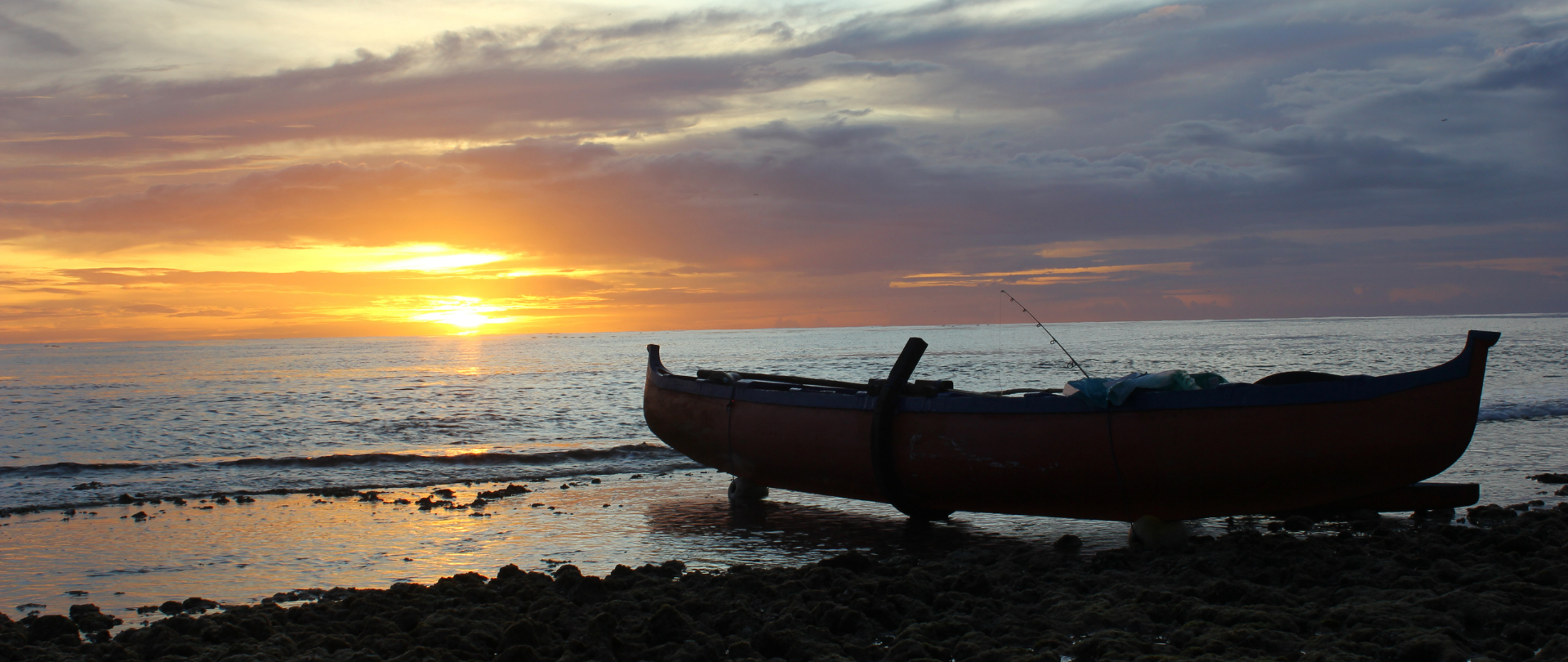
Linden Brown shares the incredible things he saw and experienced while working to restore islands in Sonsorol State, Palau!
August 18, 2026
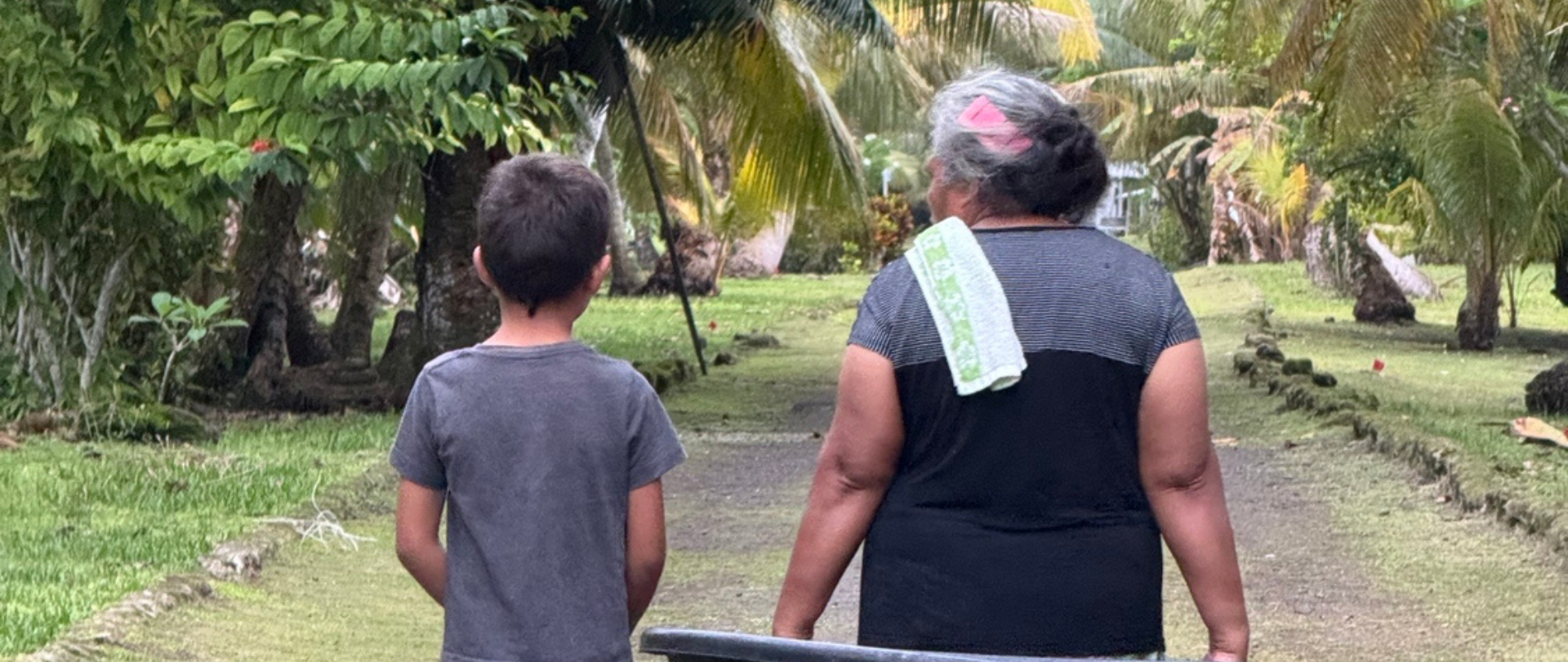
Meet Evelyn, one of the people who holds the wisdom of Sonsorol State, Palau in her lived experiences and stories.
August 4, 2026
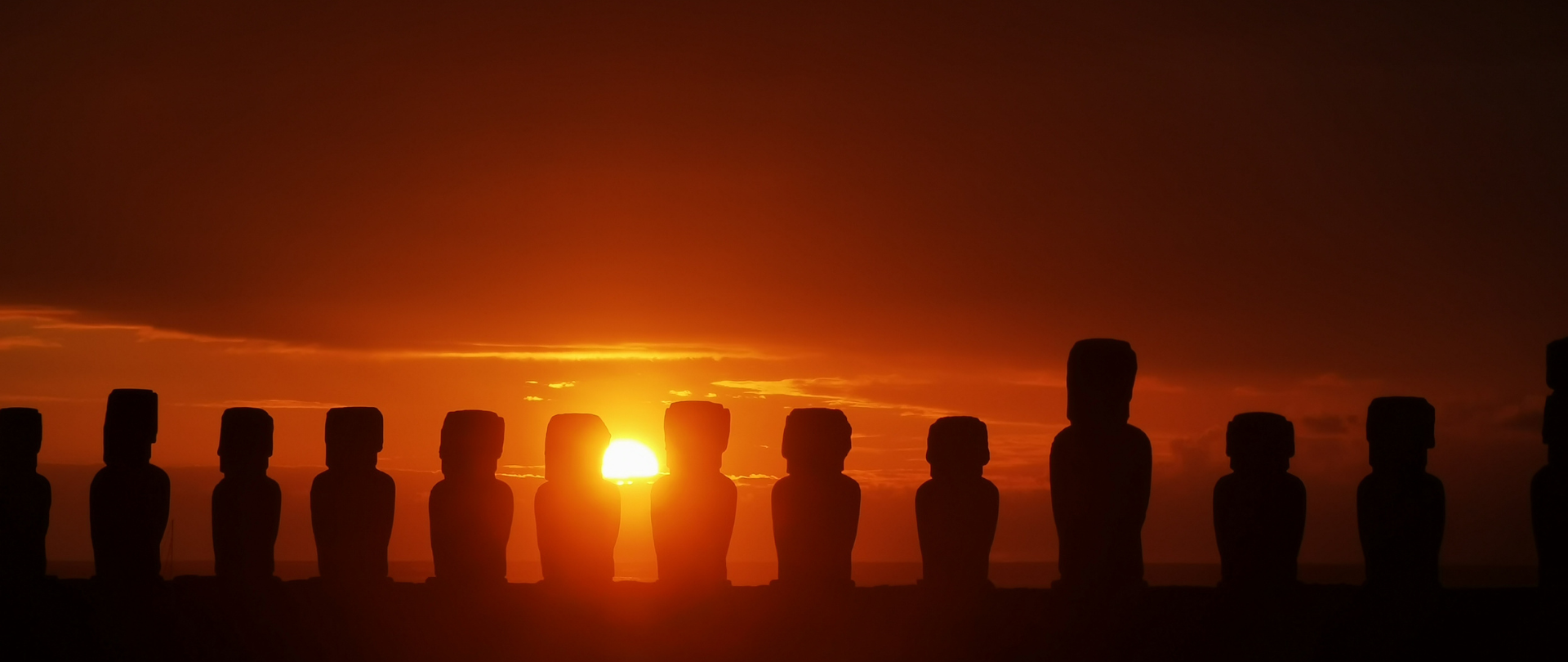
Indigenous-led conservation takes a leap forward with Rapa Nui (Easter Island)'s new partnership with Island Conservation!
July 9, 2026
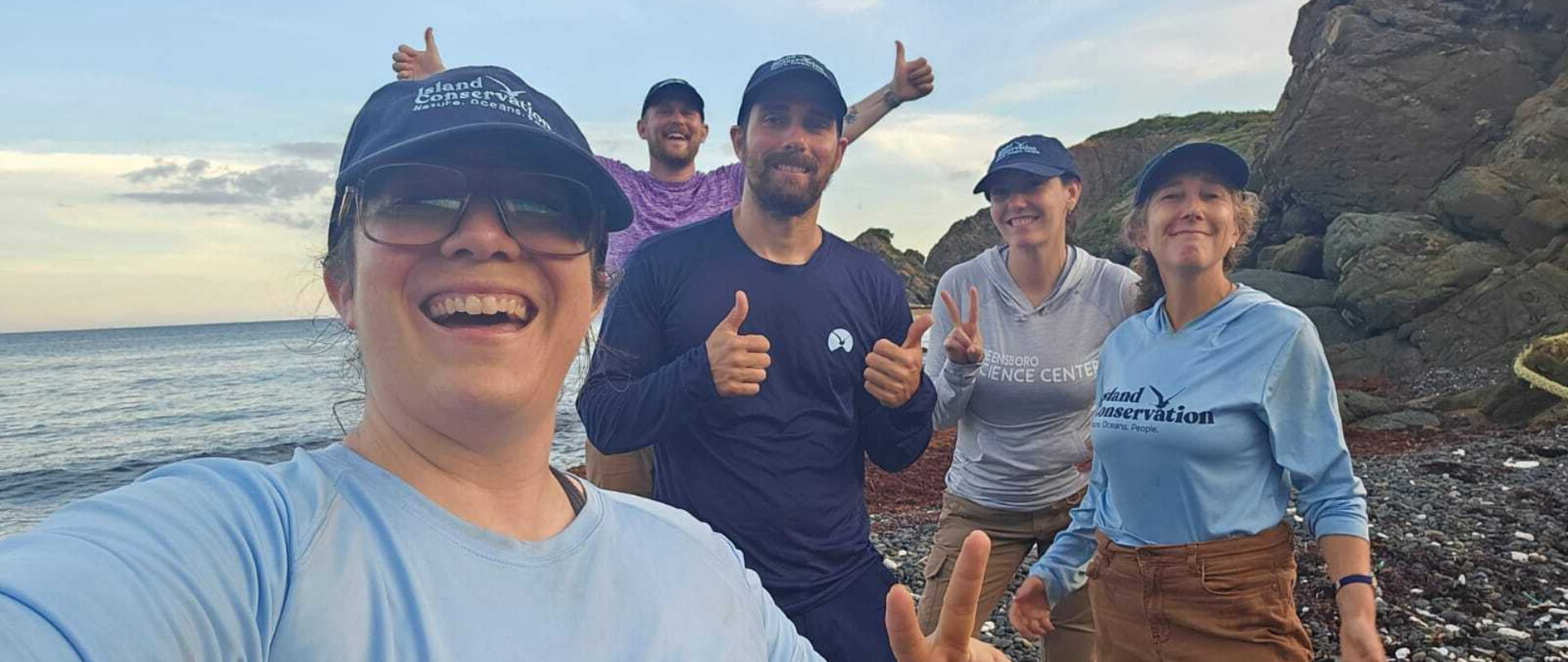
Senior Major Gifts Officer Jen Sachs shares her experience on one of Island Conservation's exciting restoration projects in the US Virgin Islands!
June 23, 2026
The Island-Ocean Connection Challenge announced four new restoration projects—Lehua, Tavolara, Grand Rouveau, and Zembra—at London Climate Week, expanding its global effort to restore 40 island-ocean ecosystems by 2030!
June 18, 2026
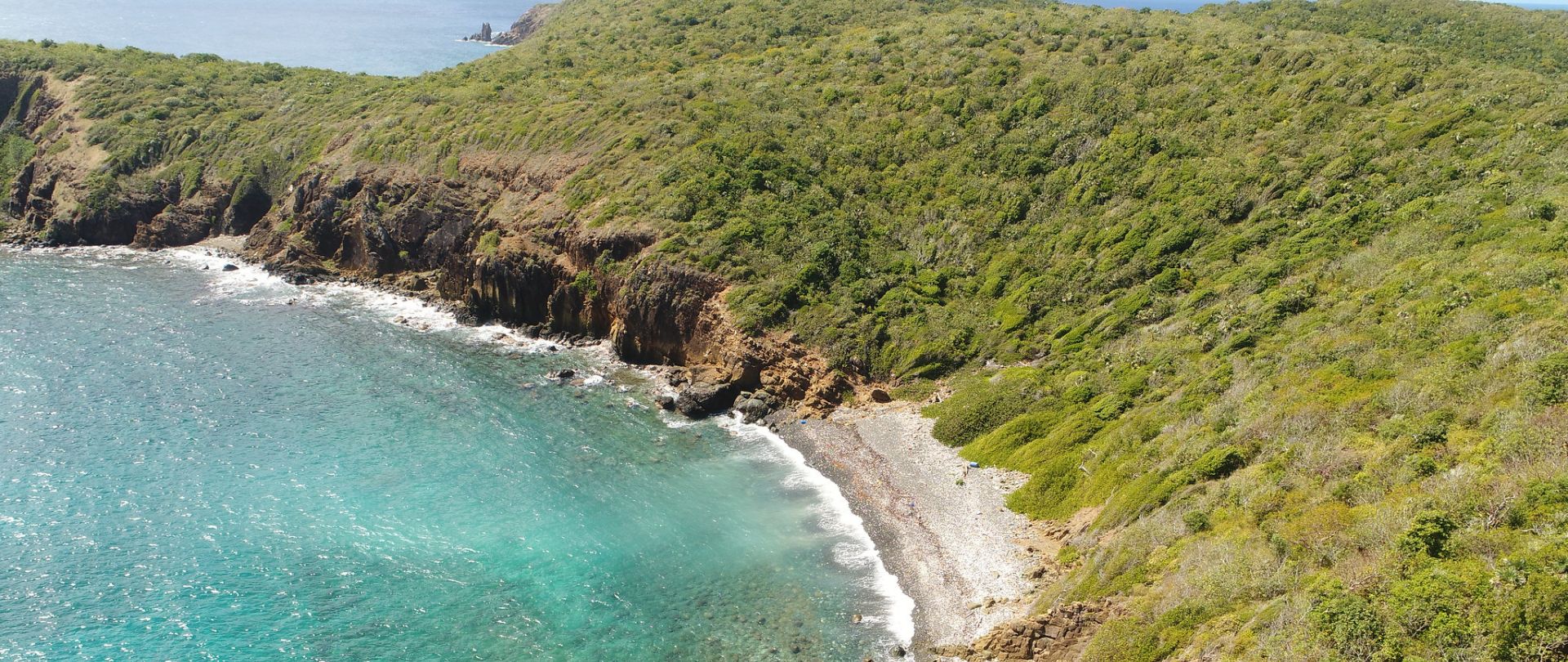
A new project to expand the range of an endangered Tree Boa is one step closer to completion!
June 8, 2026
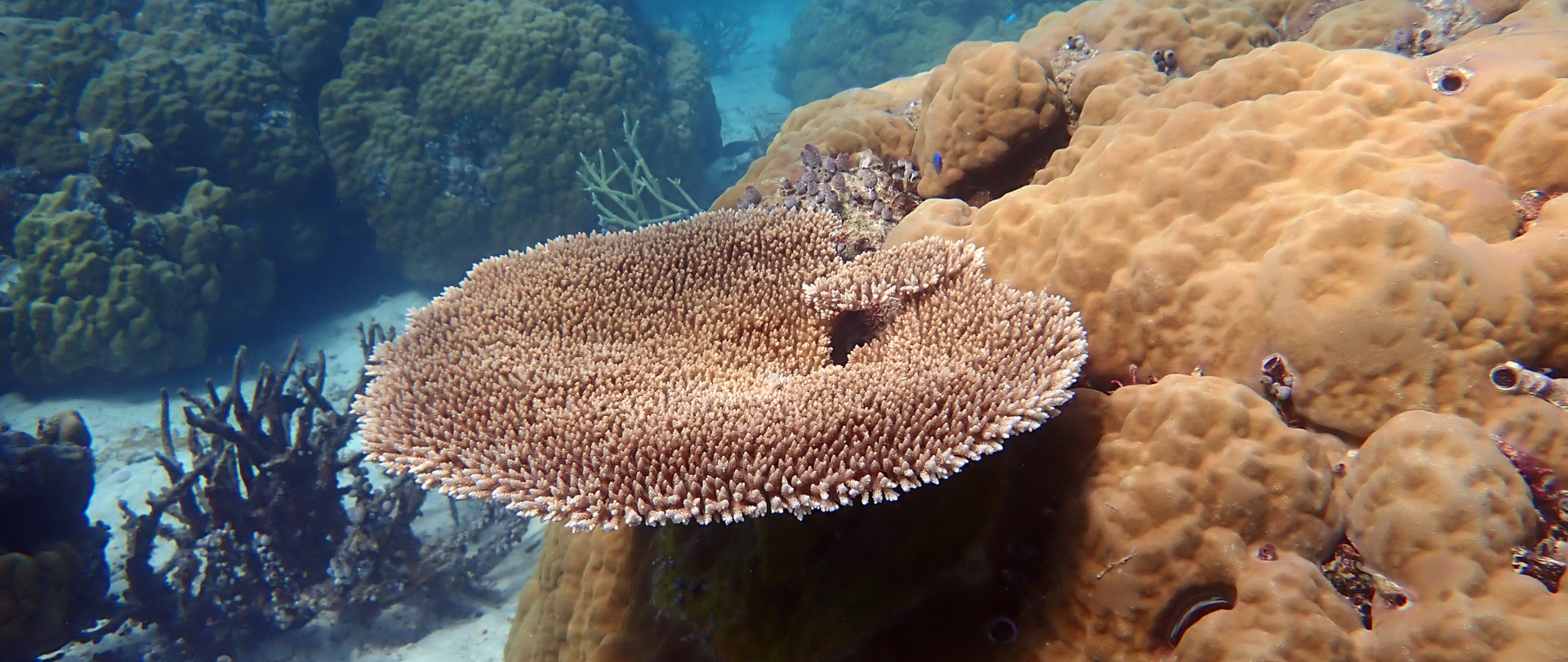
A world-first controlled experiment shows connection between seabird activity and marine health on Ulong Island!
May 20, 2026
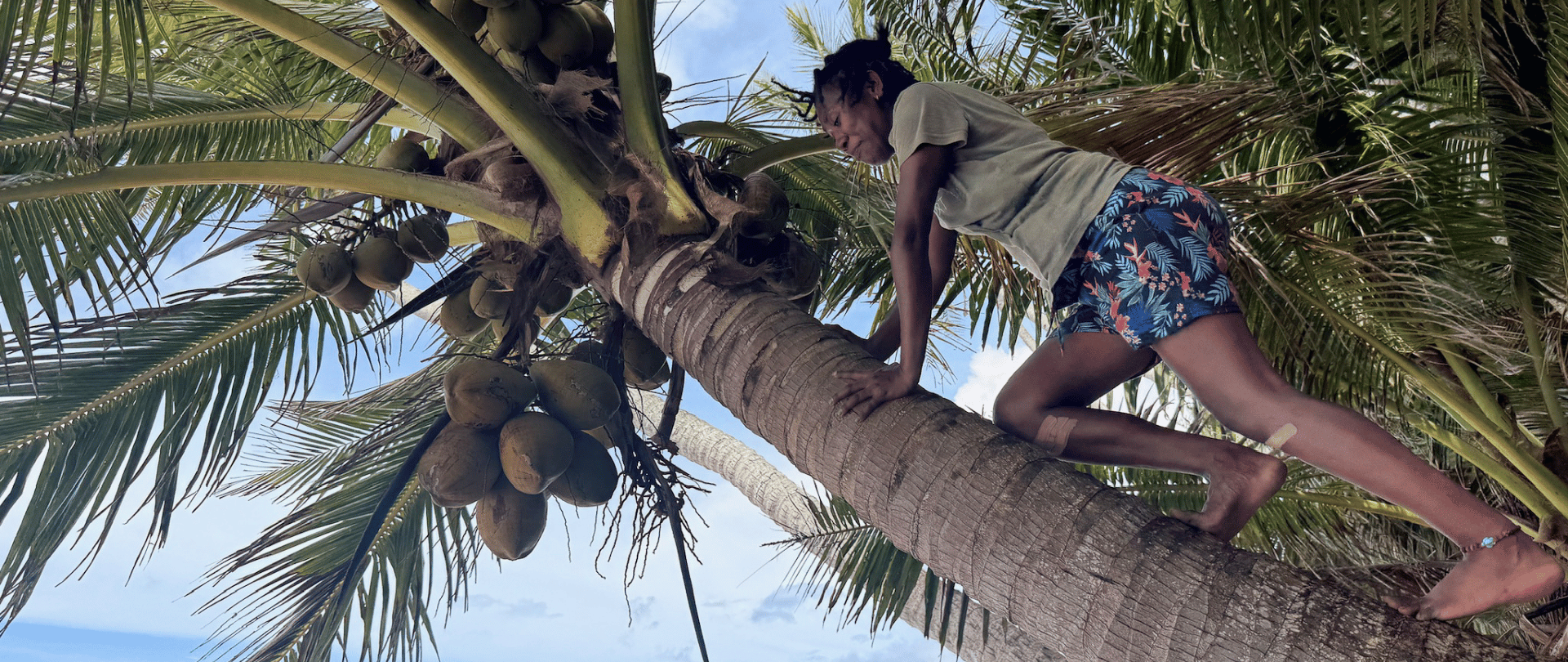
Seasonal Monitoring Specialist Cozette Romero writes about her time working and living on Niulakita in Tuvalu, helping protect the food security and livelihood of an island community!
May 13, 2026
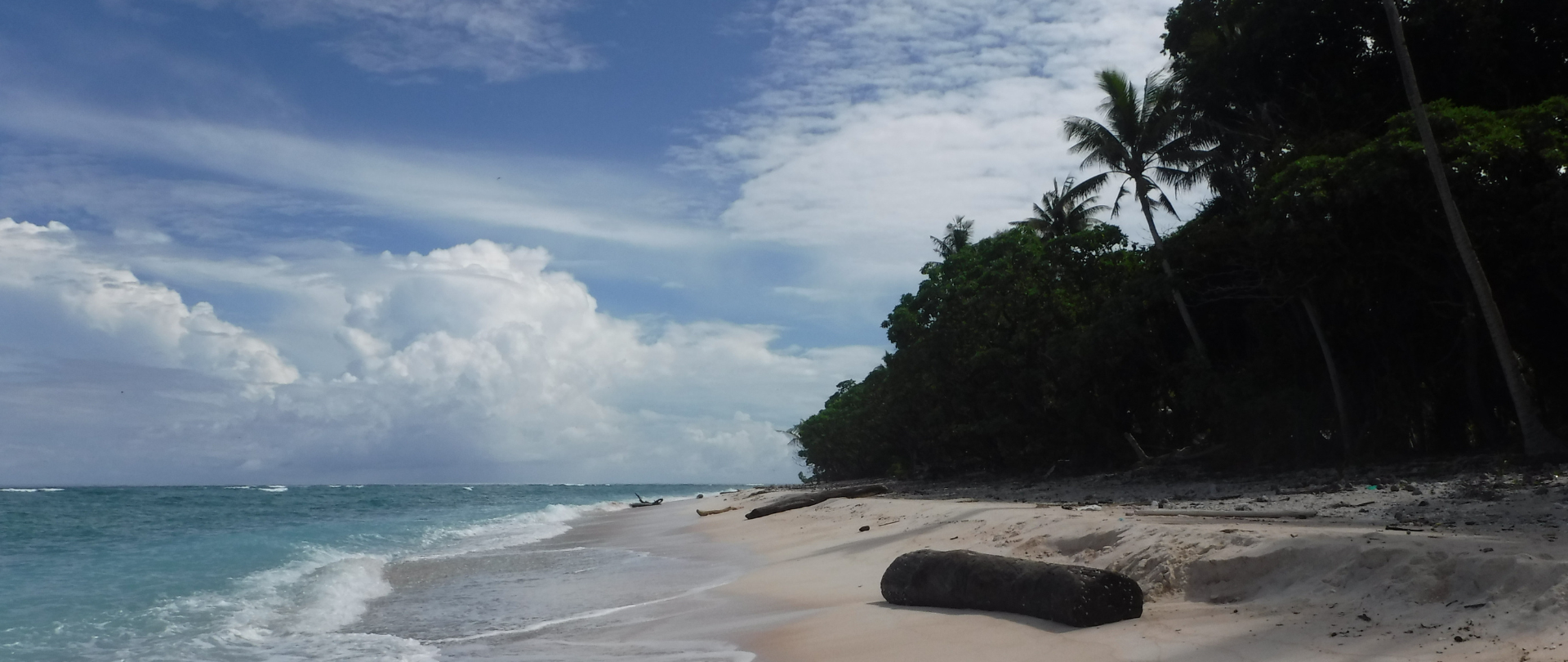
A new project in Sonsorol State, Palau aims to improve livelihoods and climate resilience through holistic environmental restoration!