September 17, 2026
Island Conservation and Robinson Crusoe Island, Chile: Growing Hope Together
On the island of Robinson Crusoe in Chile, a greenhouse feeds both a community and an islander-led conservation movement!
 Island Conservation

The Pacific Regional Invasive Species Management Support Service (PRISMSS) hosted a special event for environmental ministers attending the Secretariat of the Pacific Regional Environment Programme (SPREP) Ministerial High Level Talanoa to celebrate Pacific success toward scaling up the management of invasive species through the Restoring Island Resilience project.
During the event, a panel of experts discussed the climate resilience objectives of the new project and Niue, Tonga and Samoa pledged their support for scaling up invasive species management. Island Conservation’s Head of Operations, Richard Griffiths, who is also the PRISMSS Technical lead for the Predator Free Pacific Programme, was on the panel sharing the Late Island success story and the many benefits that came from the project.
“With the completion of Late, that will be the largest island in the Pacific where invasive rats have been removed. On the island now, seabirds are having the best breeding season that they’ve had for 1000 years. And as those seabird populations recover, so too will those all-important nutrient pathways that nourish the forests, the soils, and also the island’s surrounding reefs.” – Richard Griffiths, Island Conservation Head of Operations
The Climate Change Adaptation Adviser at SPREP Filomena Nelson, was also on the panel shedding light on the interconnectedness of invasive species removal and climate adaptation.
“There’s a clear link between how do we adapt to the impacts of climate change and how do we manage or support eradication of invasive species in our region? There’s a clear link between that. Our natural ecosystems, they provide the first line of defense against storm surges, against flooding events.” – Filomena Nelson, SPREP Climate Change Adaptation Adviser
Filomena Nelson continues to emphasize the positive impacts of funding opportunities like this in providing the countries in the region access to additional financial support to tackle this issue. The Restoring Island Resilience project aims to help Pacific Island nations to scale up the management of invasive species and increase the resilience of island ecosystems and communities.
This event successfully launched the New Zealand Government funded PRISMSS Restoring Island Resilience project, which will run until 2026, and is a big win for the planet. As Richard Griffiths puts it, so long as we can prevent the reintroduction of invasive species, “the benefits from the projects are going to live on forever.”
Check out other journal entries we think you might be interested in.
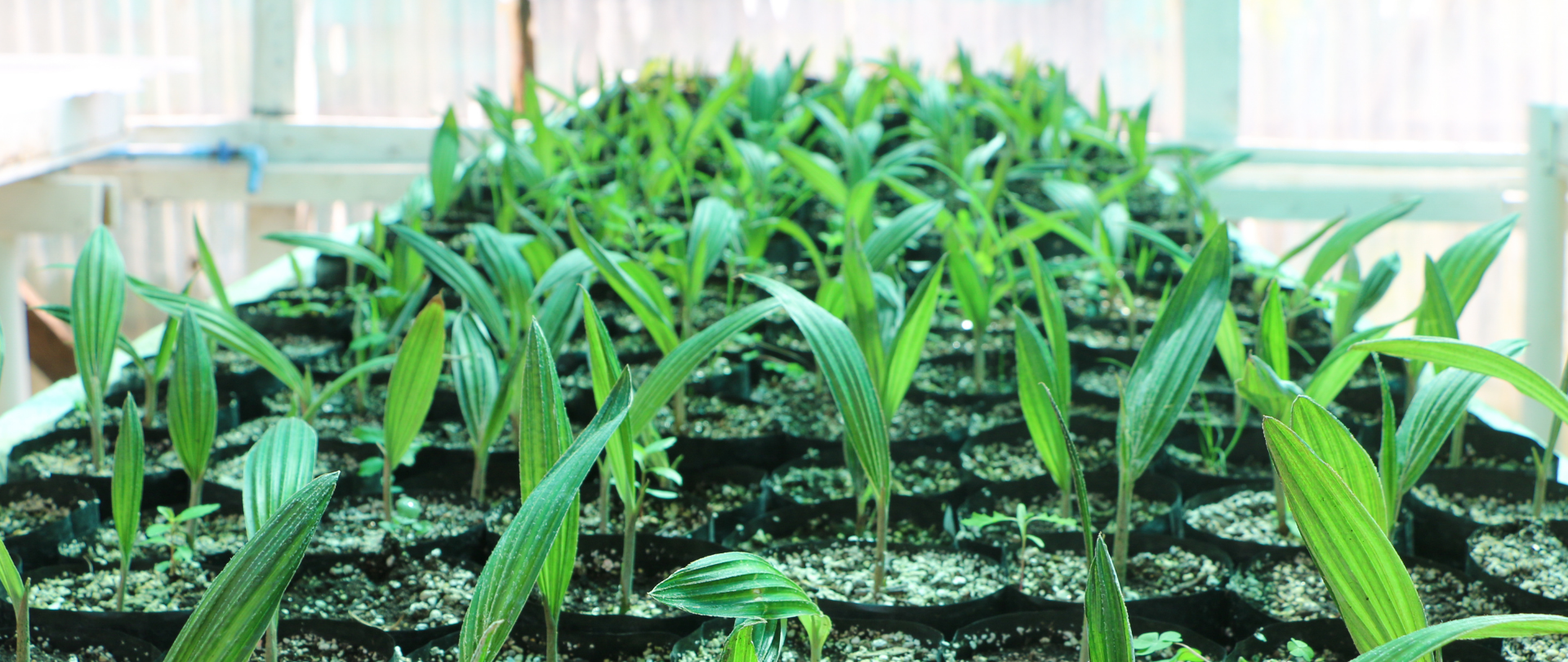
September 17, 2026
On the island of Robinson Crusoe in Chile, a greenhouse feeds both a community and an islander-led conservation movement!
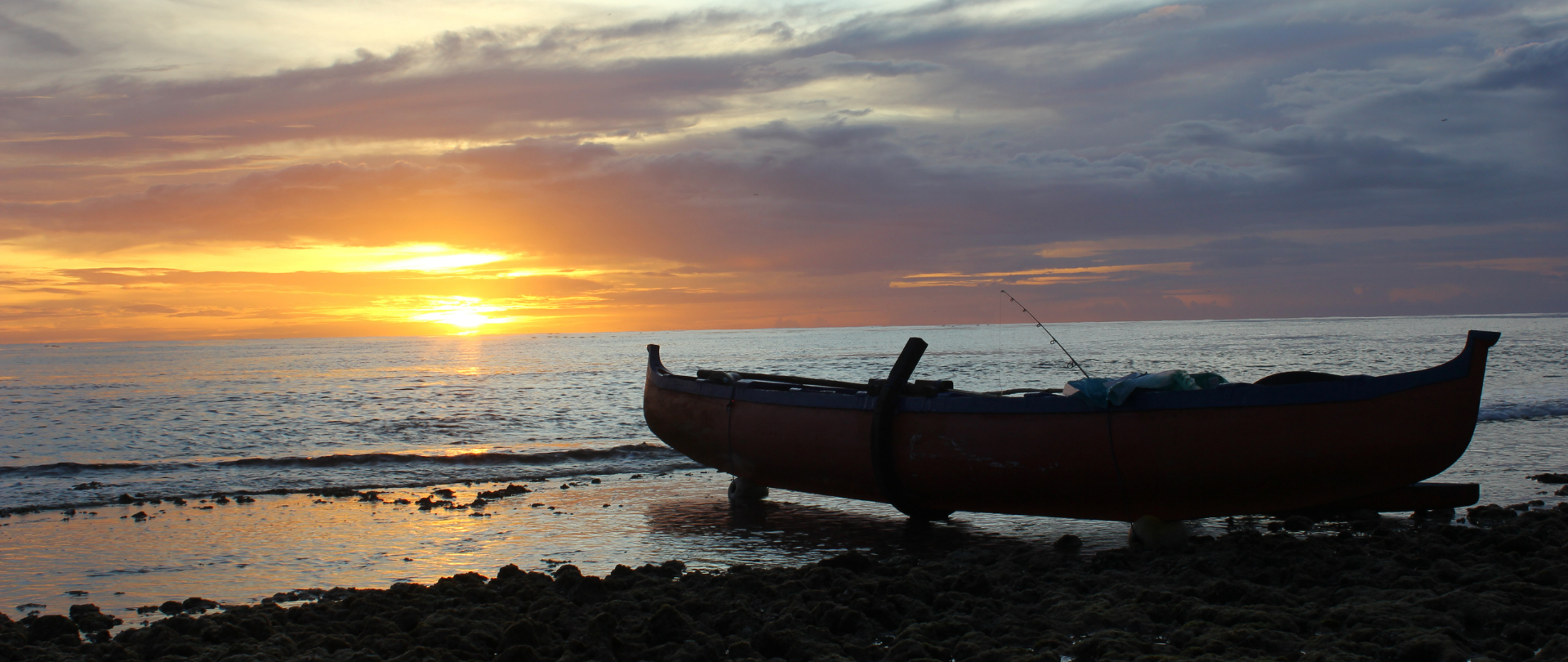
September 1, 2026
Linden Brown shares the incredible things he saw and experienced while working to restore islands in Sonsorol State, Palau!
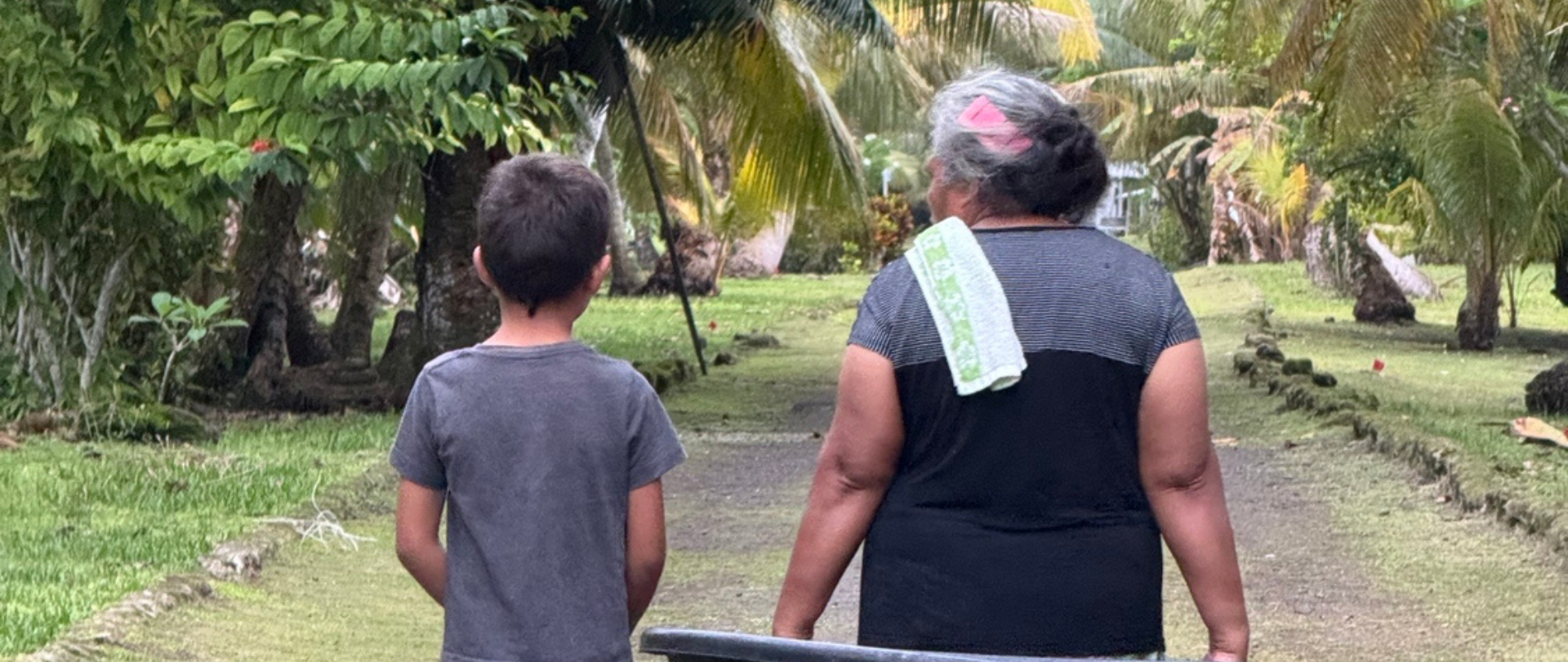
August 18, 2026
Meet Evelyn, one of the people who holds the wisdom of Sonsorol State, Palau in her lived experiences and stories.
August 4, 2026
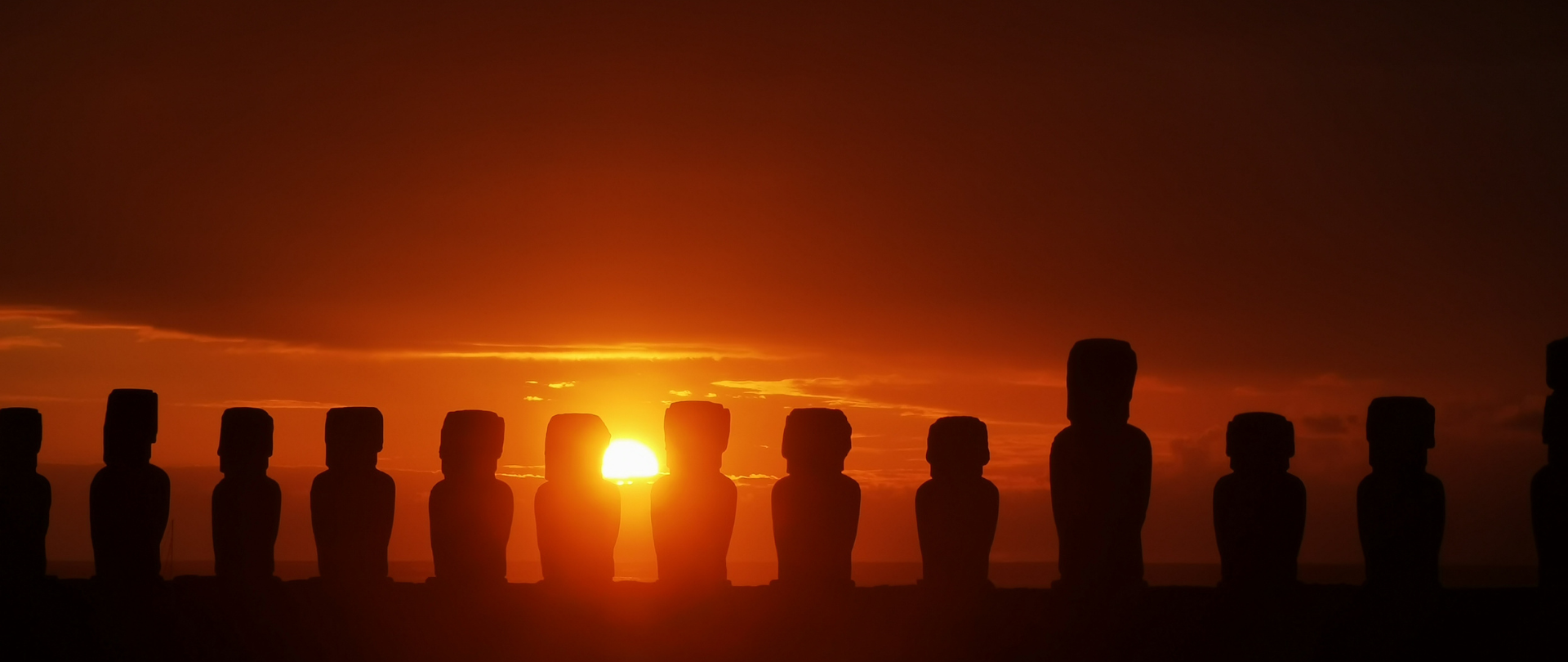
Indigenous-led conservation takes a leap forward with Rapa Nui (Easter Island)'s new partnership with Island Conservation!
July 9, 2026
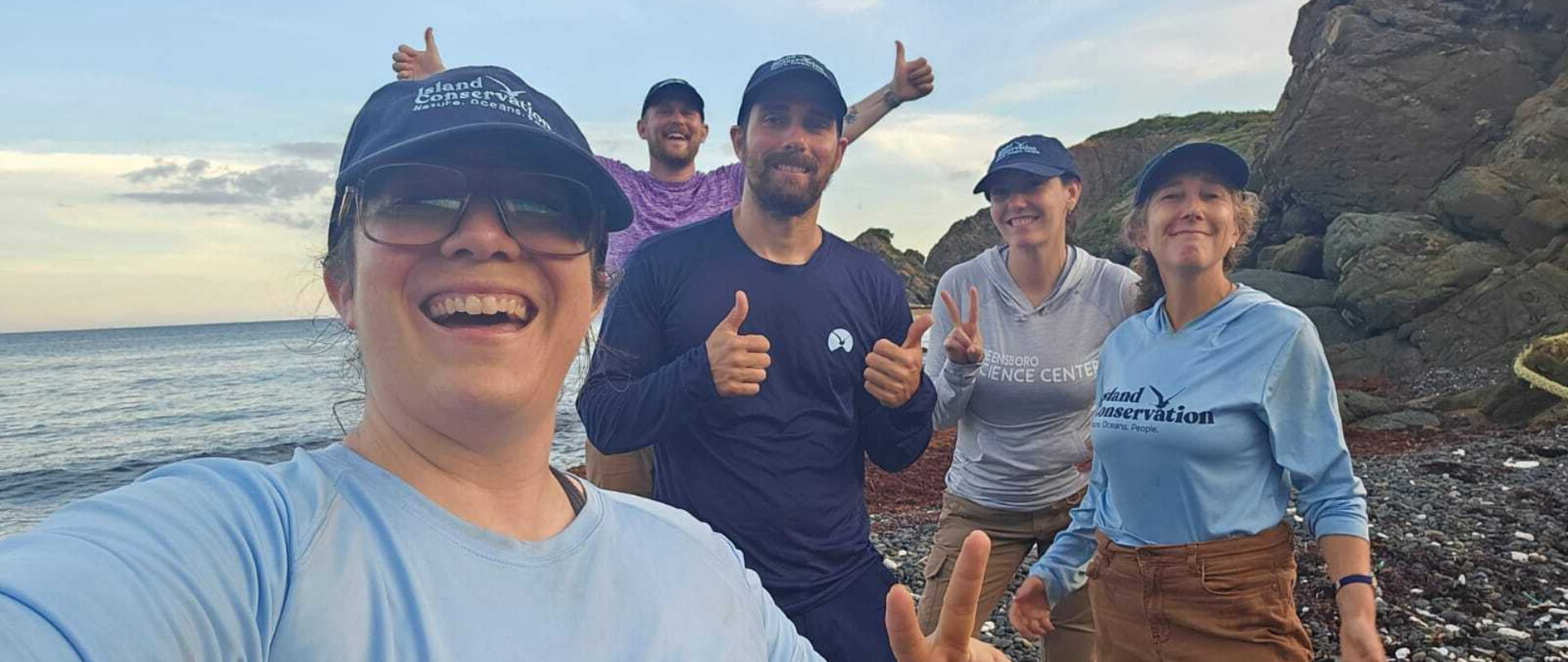
Senior Major Gifts Officer Jen Sachs shares her experience on one of Island Conservation's exciting restoration projects in the US Virgin Islands!
June 23, 2026
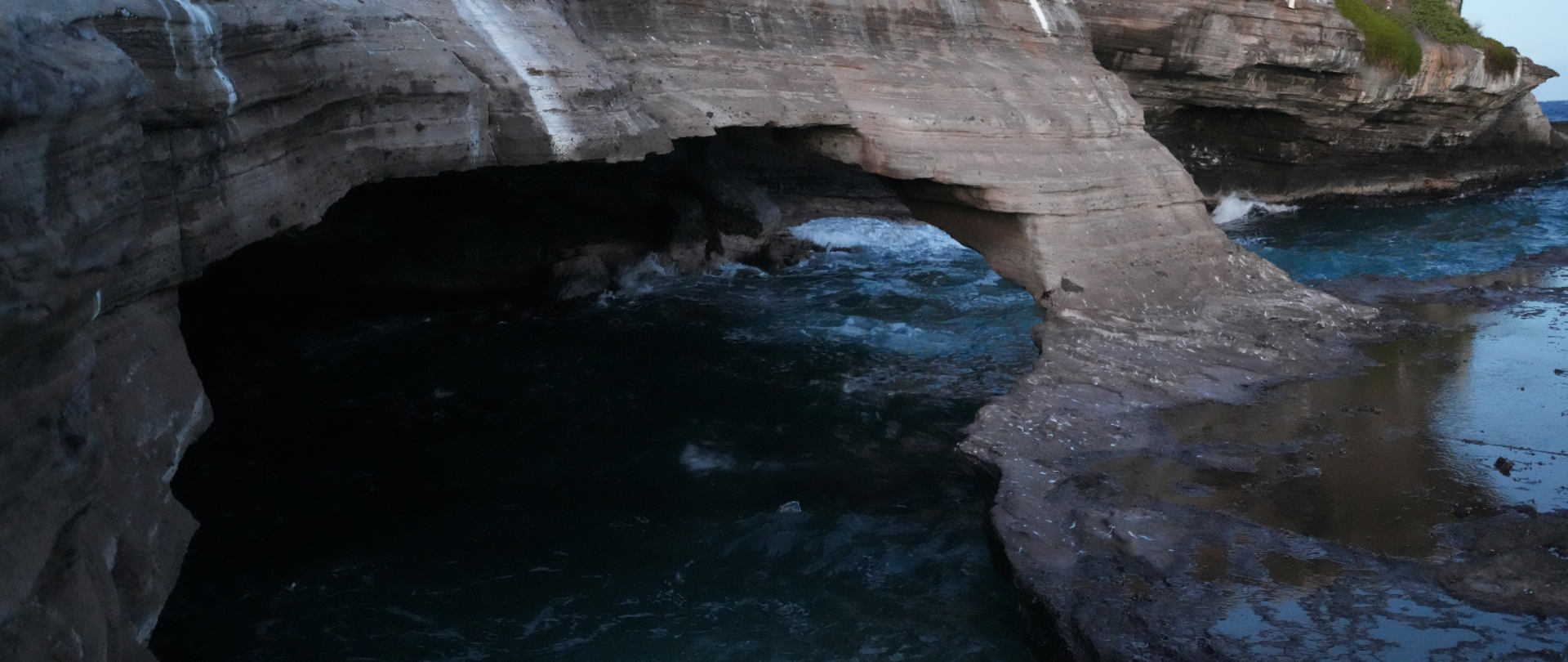
The Island-Ocean Connection Challenge announced four new restoration projects—Lehua, Tavolara, Grand Rouveau, and Zembra—at London Climate Week, expanding its global effort to restore 40 island-ocean ecosystems by 2030!
June 18, 2026
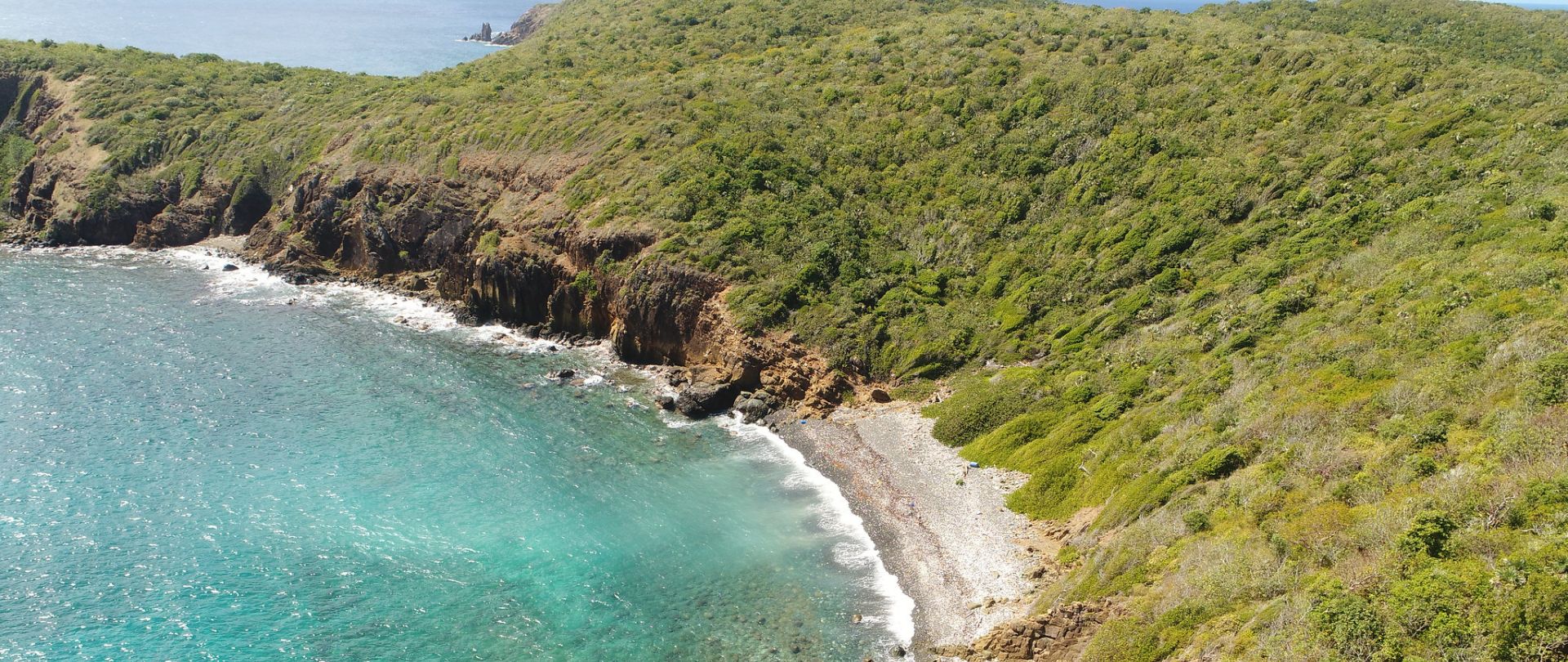
A new project to expand the range of an endangered Tree Boa is one step closer to completion!
June 8, 2026
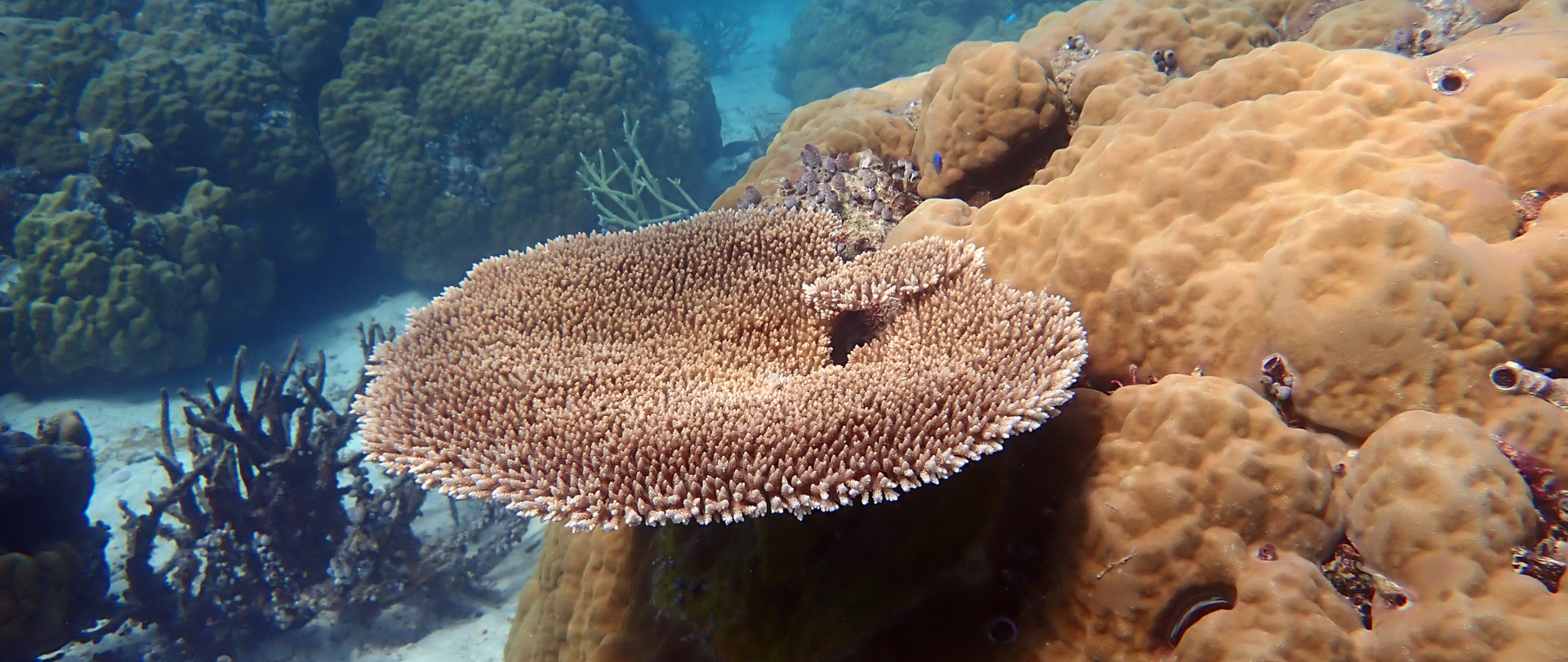
A world-first controlled experiment shows connection between seabird activity and marine health on Ulong Island!
May 20, 2026
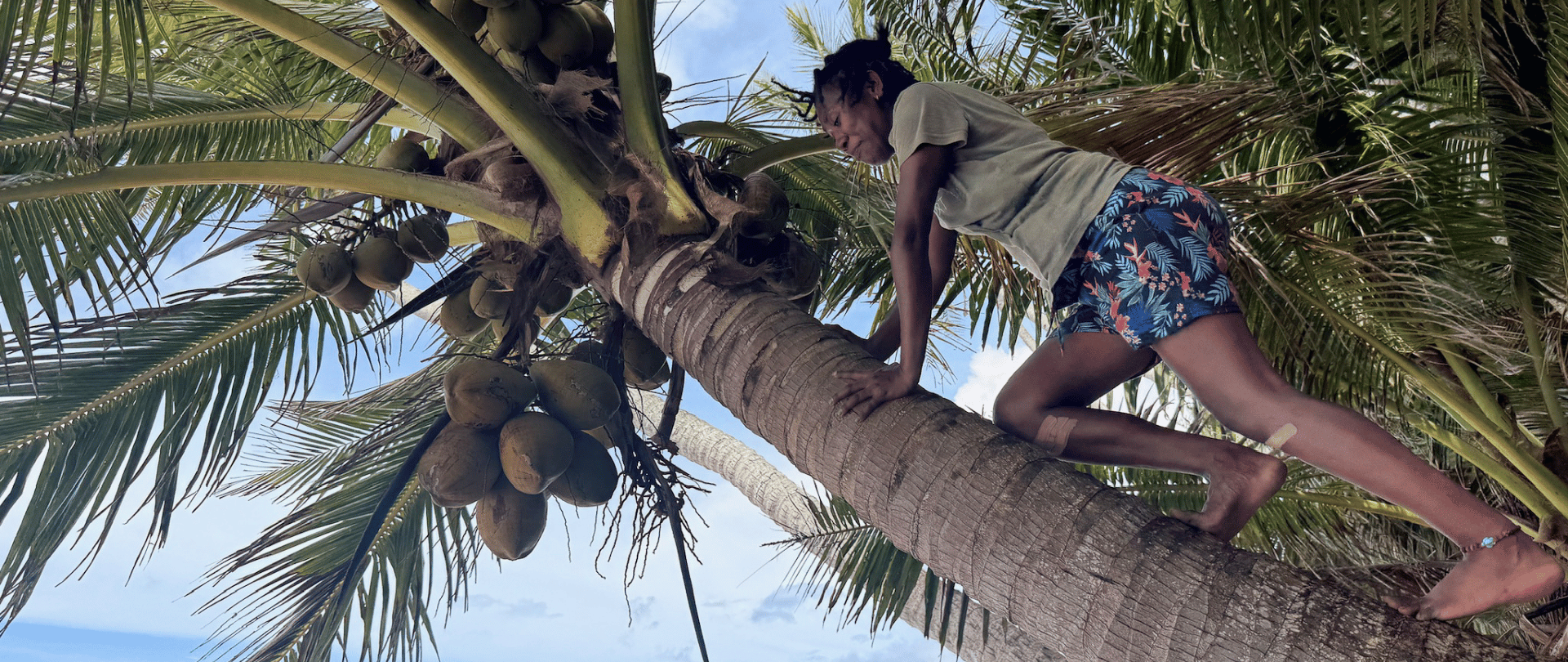
Seasonal Monitoring Specialist Cozette Romero writes about her time working and living on Niulakita in Tuvalu, helping protect the food security and livelihood of an island community!
May 13, 2026
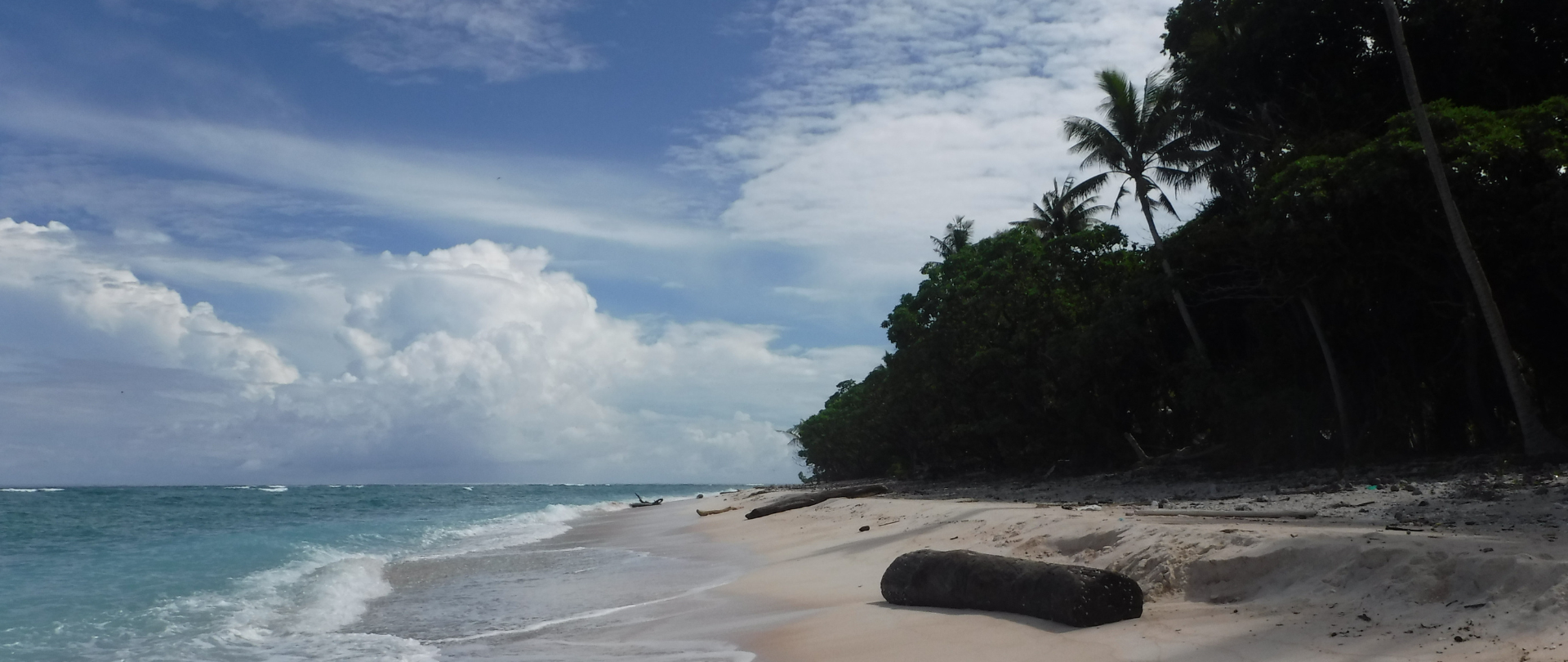
A new project in Sonsorol State, Palau aims to improve livelihoods and climate resilience through holistic environmental restoration!