October 14, 2026
The cost of saving a species
What makes a donation to Island Conservation such a great investment? Our CEO, Penny Becker, explains in an NPR podcast!
 Island Conservation

Two reports published this month reveal the threats species around the world are facing. One report published by the Intergovernmental Science‑Policy Platform on Biodiversity and Ecosystem of the United Nations revealed that one million species of plants and animals are at risk of extinction. Another identified a new species of bat—identical in appearance to another but with slightly different genetic traits, now with climate change, these differences could mean extinction versus survival.
Although the threat of the sixth mass extinction has loomed over us in recent years, these reports seemed to show the gravity of the situation and showed that human activity is the driver of this biodiversity loss.
The UN paper pointed to five leading causes of extinction which have all come about due to human activity. One of these causes is the introduction of invasive species. Whether through the pet trade or by means of accidental introductions, such as the spread of invasive rats around the world, virtually all ecosystems have been impacted by these damaging introductions.
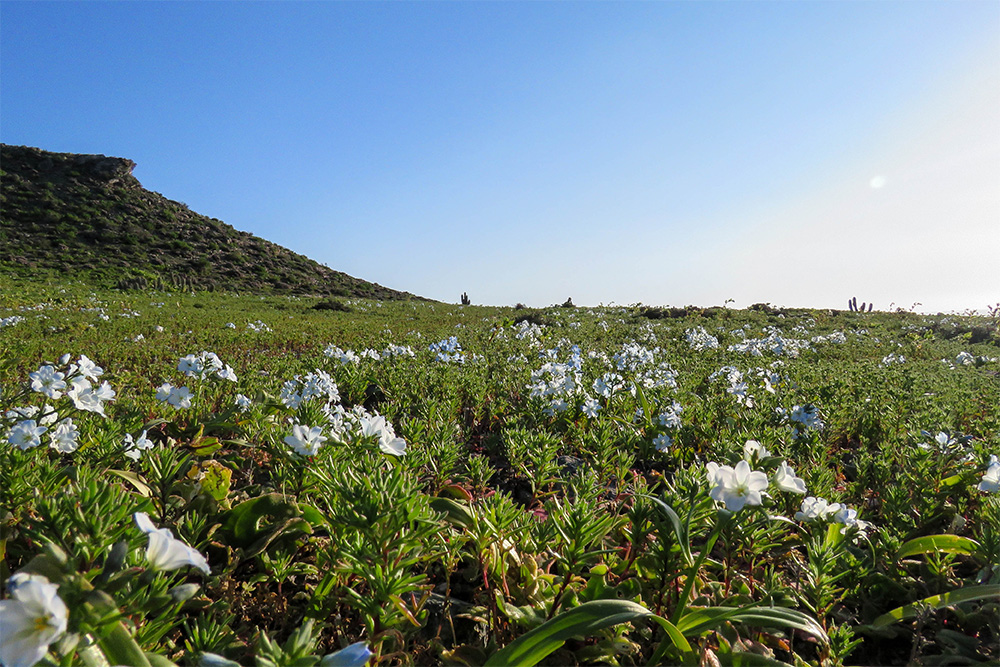
Island ecosystems which are home to 41% of Endangered and Critically Endangered vertebrates in many cases have been hit the hardest by invasive species. Luckily, islands also present a unique circumstance where we can make a positive and lasting change for biodiversity conservation—we can remove invasive species.
Not only do native species recover almost overnight, but creating safe habitat also builds resilience so that as species face threats such as climate change, they have a fighting chance. Island Conservation Director of Conservation, Erin Hagen explains:
As populations continue to grow, there’s often more genetic variability that can develop and persist in those populations, which helps them adjust to any future scenarios, including different climate scenarios.”
Restoring islands does not just mean saving one species, it means providing a safe habitat to give species a chance to adapt and thrive to environmental changes as they occur.
Read the WIRED article here.
Featured photo: Polynesian Ground-dove. Credit: Island Conservation
Check out other journal entries we think you might be interested in.

October 14, 2026
What makes a donation to Island Conservation such a great investment? Our CEO, Penny Becker, explains in an NPR podcast!
September 17, 2026
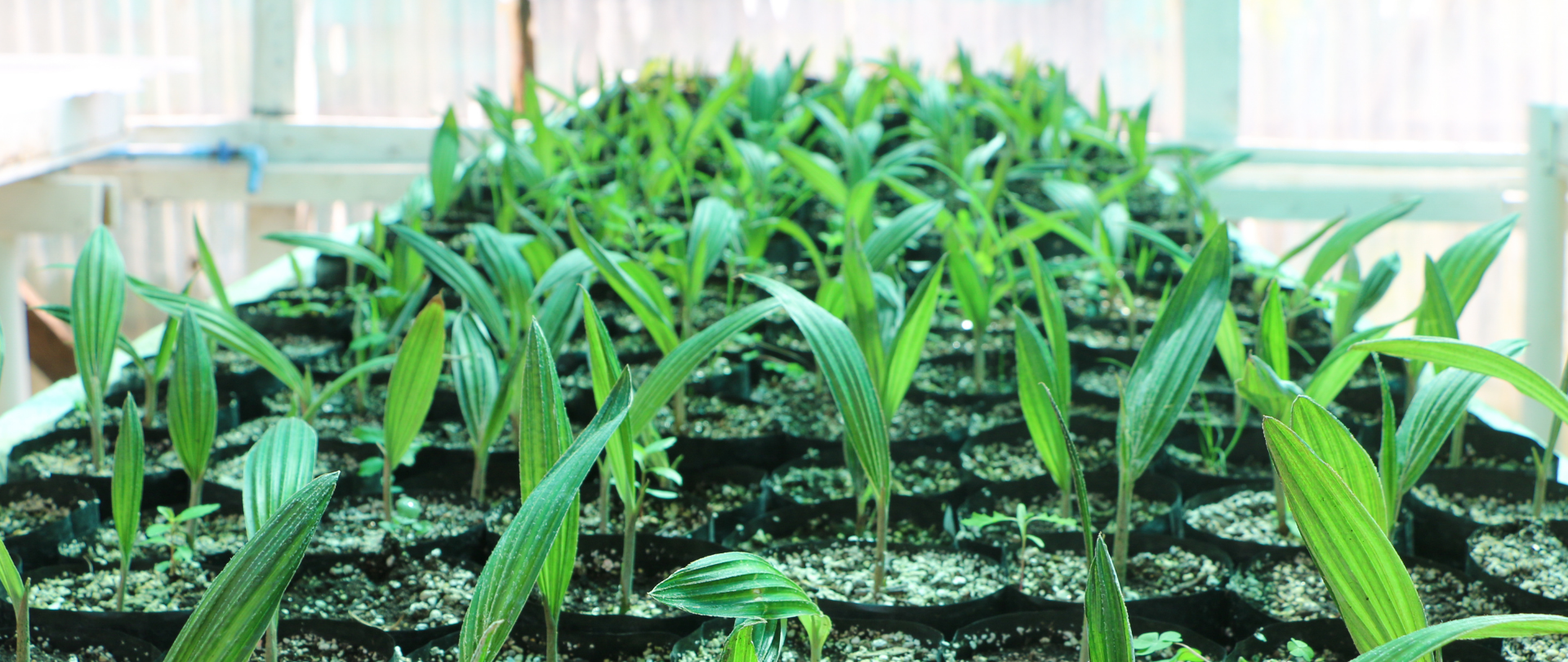
On the island of Robinson Crusoe in Chile, a greenhouse feeds both a community and an islander-led conservation movement!

September 9, 2026
El Niño doesn't create weak ecosystems; it reveals them. Find out how resilient islands can survive and bounce back from stress caused by El Niño!

August 25, 2026
A new study reveals the role fungi play in the restoration and recovery of rare, resilient atoll ecosystems!

August 12, 2026
The new Phoenix Species Project highlights species on the brink of extinction that are primed for recovery--and a lot of them live on islands!
August 4, 2026
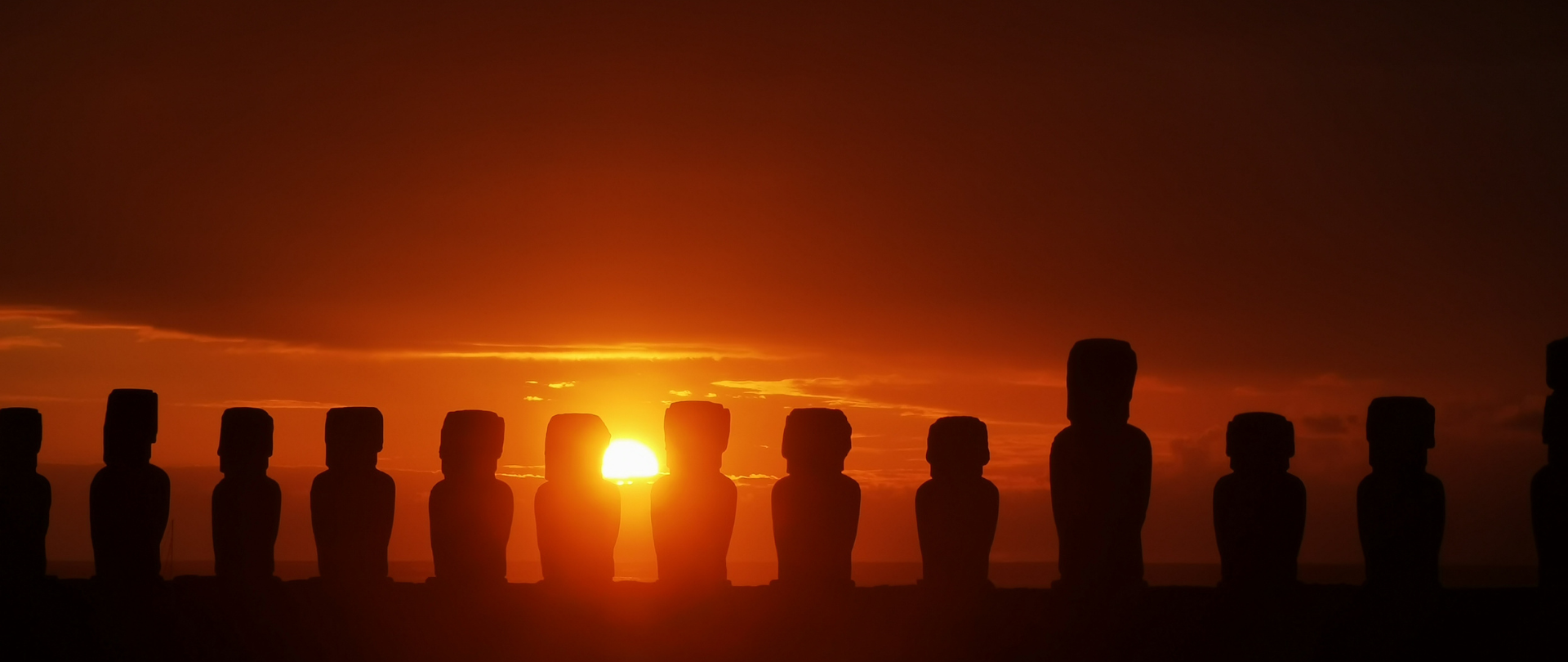
Indigenous-led conservation takes a leap forward with Rapa Nui (Easter Island)'s new partnership with Island Conservation!

July 31, 2026
We interviewed artist Laura Shape to learn about the luminous abstracts she creates from leather sourced from invasive species!

July 28, 2026
Happy World Nature Conservation Day! Read Penny Becker's article published by the Outreach Network for Gene Drive Research.
July 9, 2026
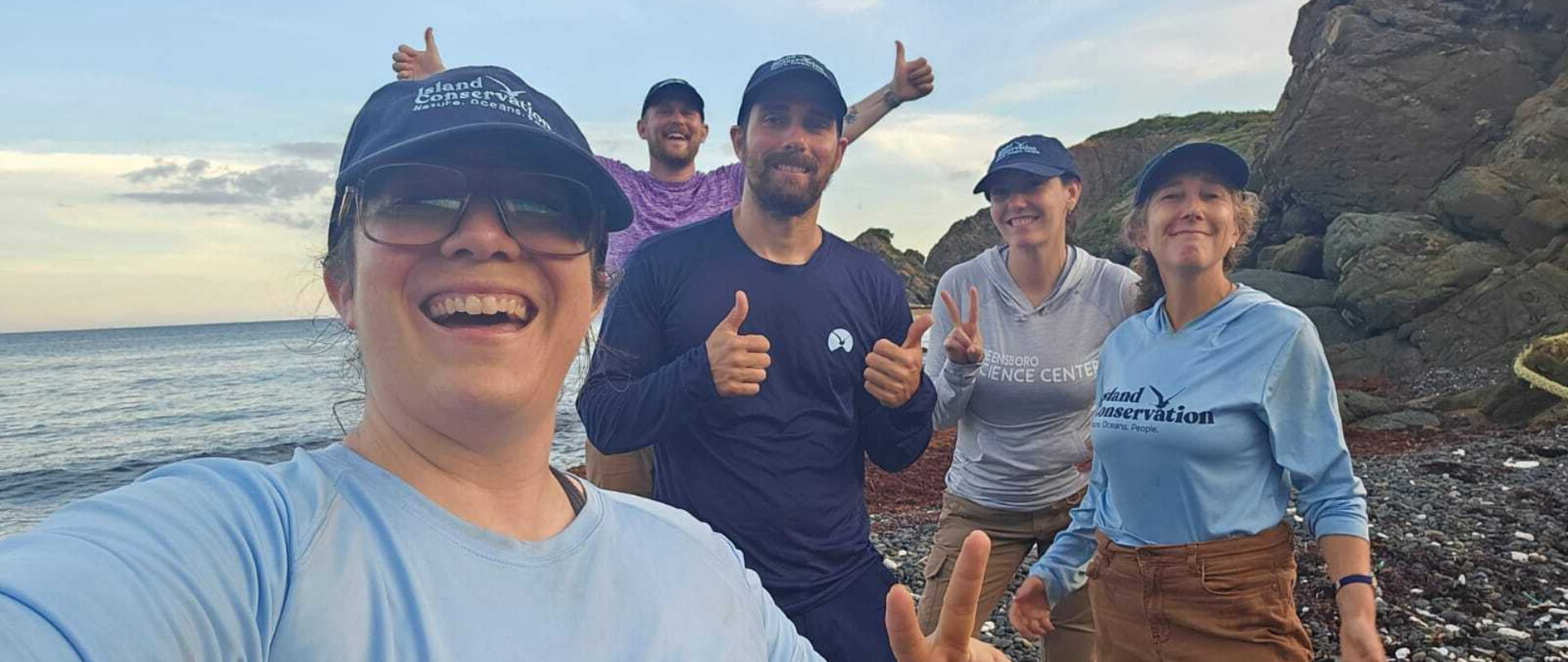
Senior Major Gifts Officer Jen Sachs shares her experience on one of Island Conservation's exciting restoration projects in the US Virgin Islands!
July 2, 2026
Invasive species have caused over $12 billion in damages to island ecosystems, creating an urgent need for strengthened biosecurity measures!