August 4, 2026
Rapa Nui Advances Community-Led Management of Marine Protected Areas with New Conservation Partnerships
Indigenous-led conservation takes a leap forward with Rapa Nui (Easter Island)'s new partnership with Island Conservation!
 Island Conservation

St. Paul Island is a 40 square mile island (100 km2) located off the coast of Alaska in the middle of the Bering Sea. The Pribilof Islands (St. Paul and St. George) are considered one of the most important seabird nesting sites in the Bering Sea. For more than two decades, conservationists have dedicated themselves to protecting the island from the introduction of invasive rats and have been overwhelmingly successful. At least that was the case until late last month when a rat sighting was reported, Steve Delehanty, Refuge Manager for the Alaska Maritime National Wildlife Refuge explained:
The Aleut Community of St. Paul Ecosystem Conservation Office maintains year-round, 365 days a year traps which are checked monthly in strategic locations near the docks at St. Paul, so if a rat comes off a boat hopefully it will be captured right away.”
All these years St. Paul and the surrounding islands have remained free of invasive rats thanks to these conservation efforts. In this time at least six rats have been captured on the island but this is the first time an invasive rat is known to have made it past the traps near the dock.
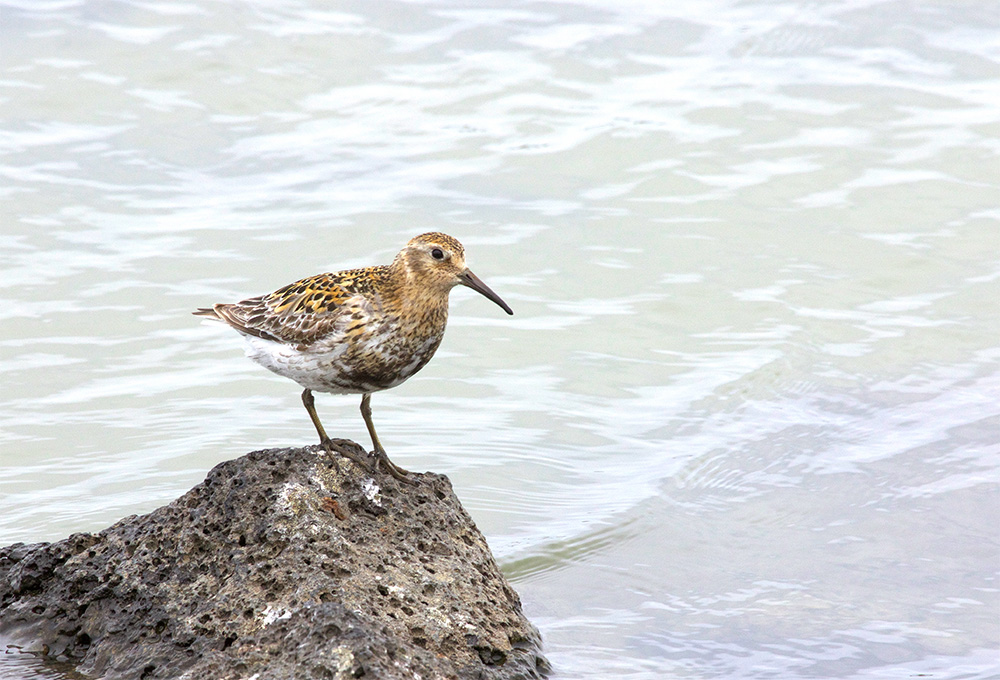
In order to ensure St. Paul Island remains a seabird paradise, Island Conservation, in partnership with the City of St Paul, Tribal ECO, the US Fish and Wildlife Service, and the USDA Wildlife Services, sent a rapid response team to the island to assess the incursion. For now, the biggest concern is the number of rats present. Due to their rapid reproduction rate, there is a big difference between the presence of one rat and two. Delehanty commented:
If there’s more than one rat there and they are breeding, then they’re already having babies. We want to get at it when there are two rats on the island, or six or eight rats, not when there’s 56 rats or a 1,000 rats.”
The team has not found any invasive rodents and will be passing operations to the Tribal Government of St. Paul Island. Island Conservation, the community of Saint Paul, and partners are hopeful that the rapid response to this report will prevent this worst-case scenario and help inform more effective biosecurity measures to prevent future invasive species introductions.
Featured Photo: A Tufted Puffin soaring in the sky. Credit: Ilana Nimz/USFWS
Source: KTOO
Check out other journal entries we think you might be interested in.

August 4, 2026
Indigenous-led conservation takes a leap forward with Rapa Nui (Easter Island)'s new partnership with Island Conservation!
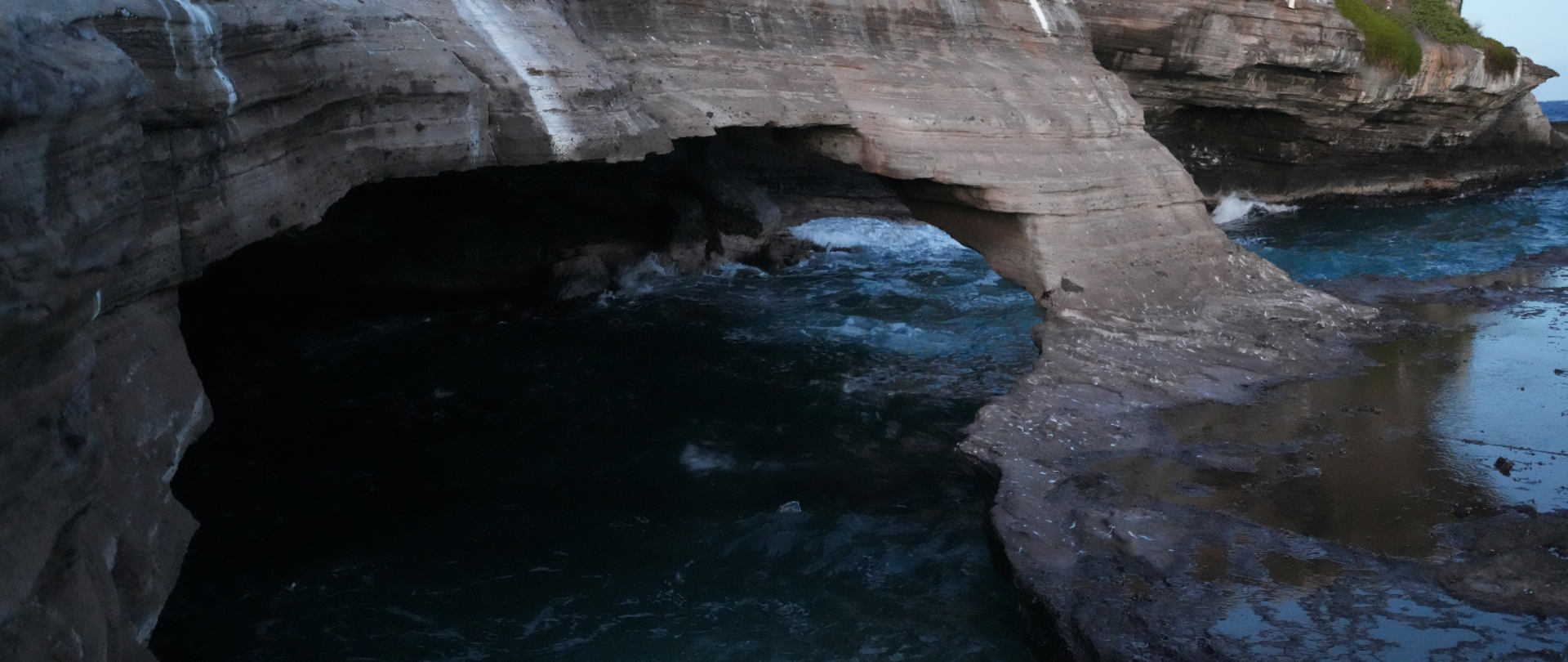
June 23, 2026
The Island-Ocean Connection Challenge announced four new restoration projects—Lehua, Tavolara, Grand Rouveau, and Zembra—at London Climate Week, expanding its global effort to restore 40 island-ocean ecosystems by 2030!
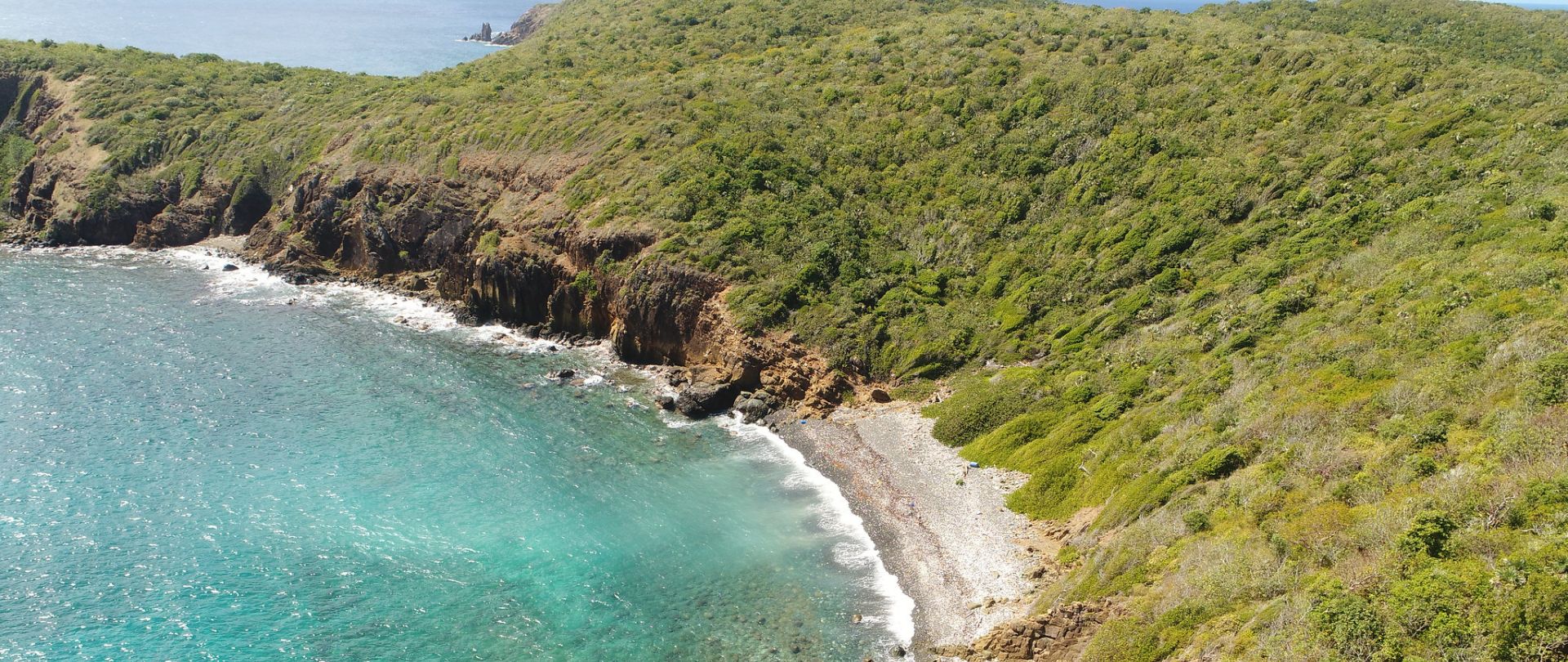
June 18, 2026
A new project to expand the range of an endangered Tree Boa is one step closer to completion!
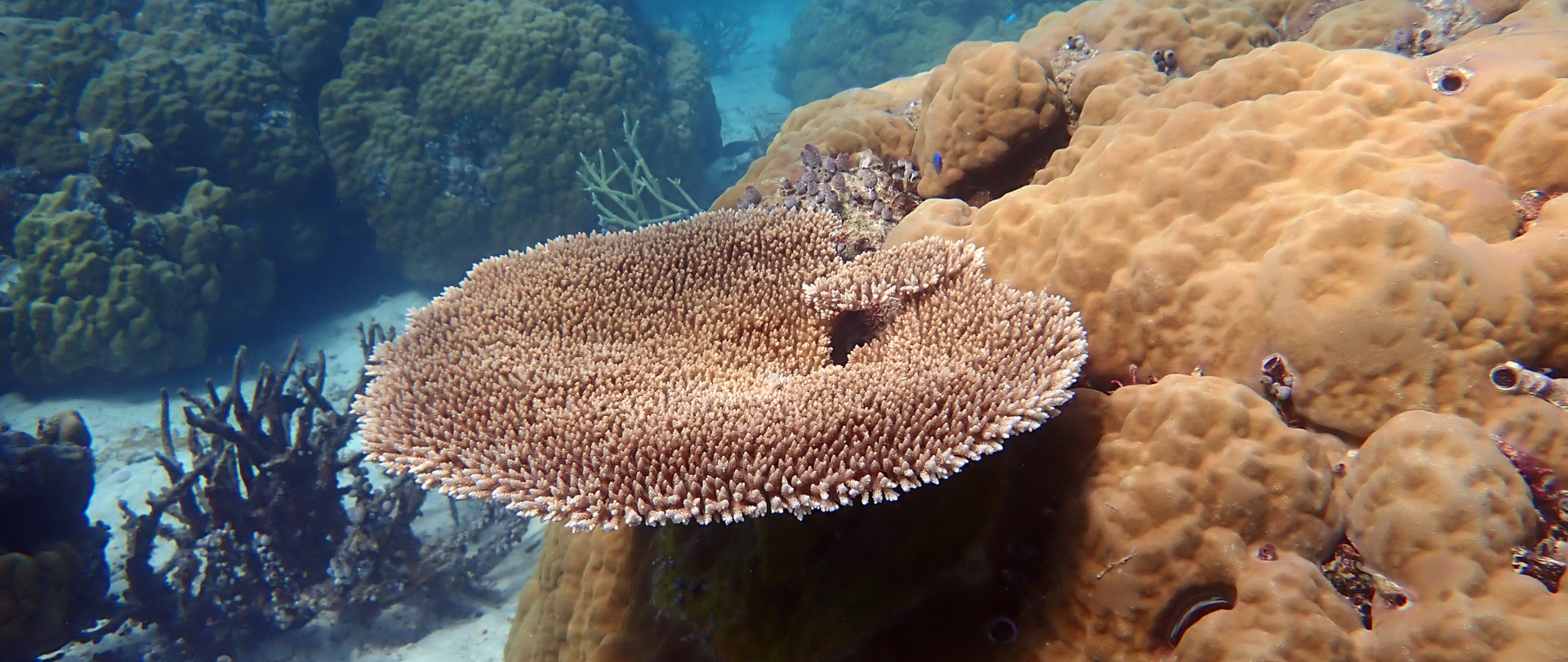
June 8, 2026
A world-first controlled experiment shows connection between seabird activity and marine health on Ulong Island!
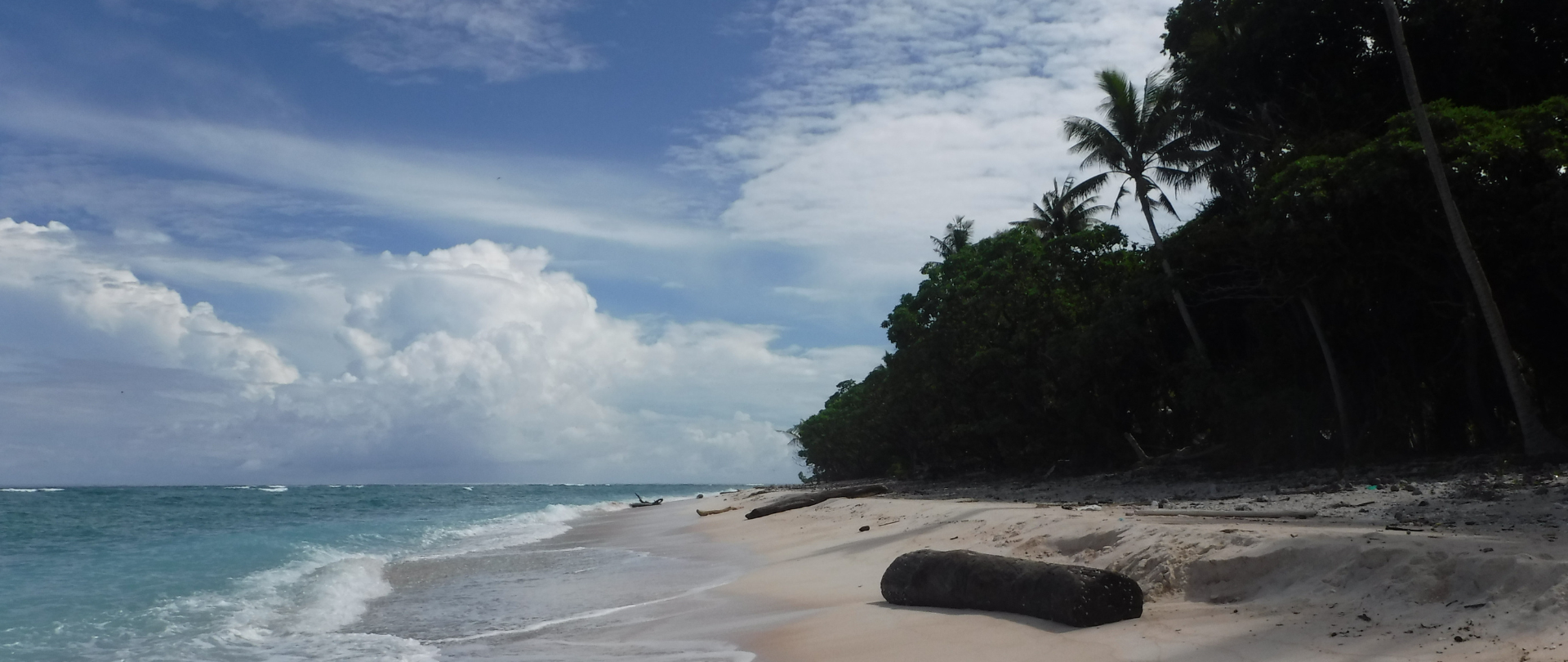
May 13, 2026
A new project in Sonsorol State, Palau aims to improve livelihoods and climate resilience through holistic environmental restoration!
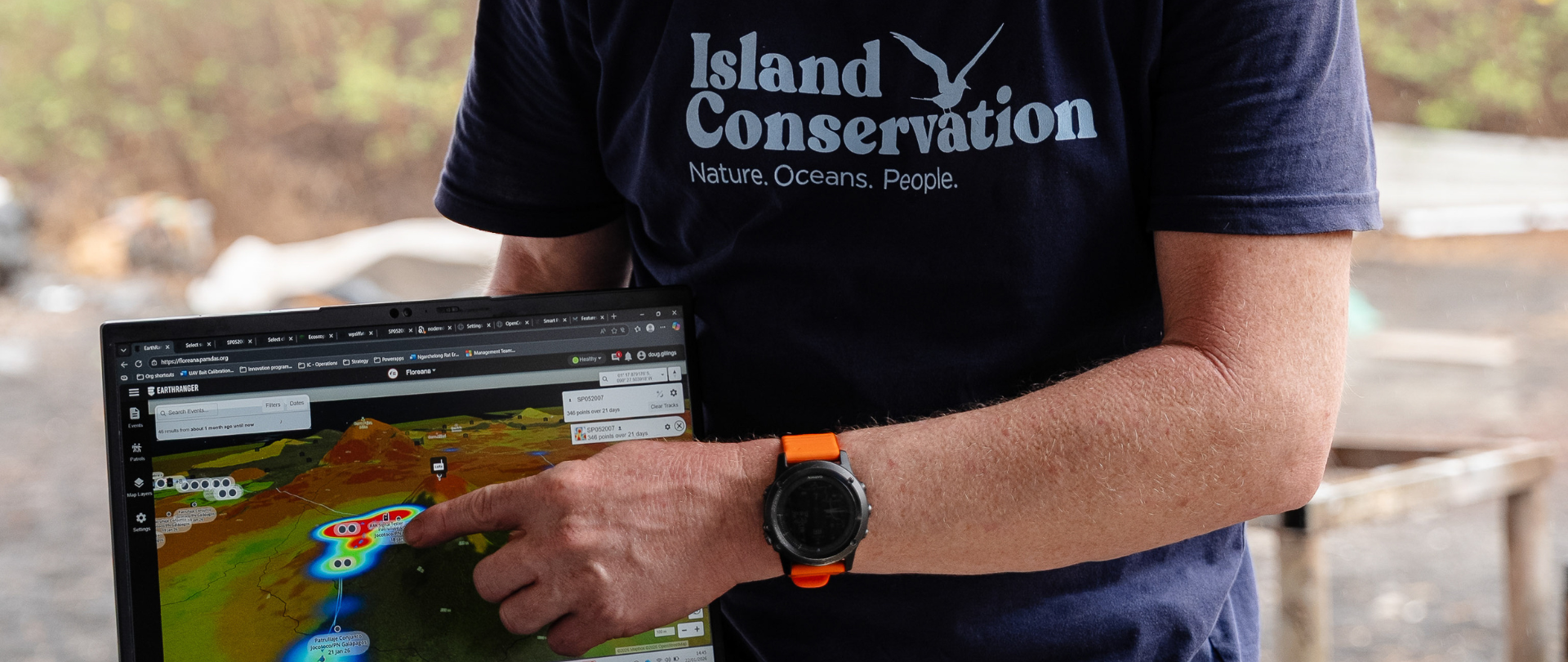
May 5, 2026
Thrilling new tech brings conservation solutions to a remote island in the Galápagos!
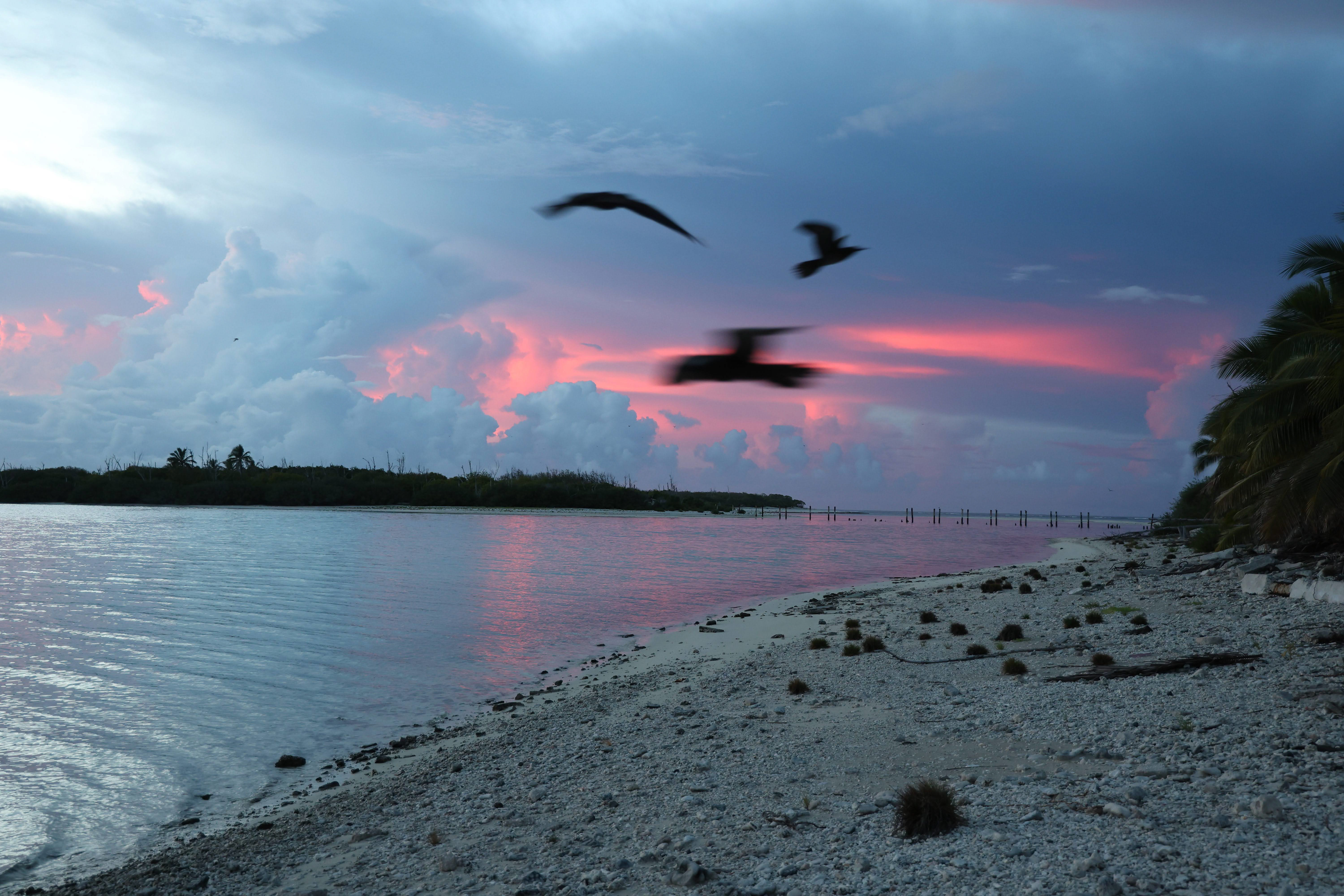
April 14, 2026
A historic moment: Wake Atoll is restored and thriving!
March 10, 2026
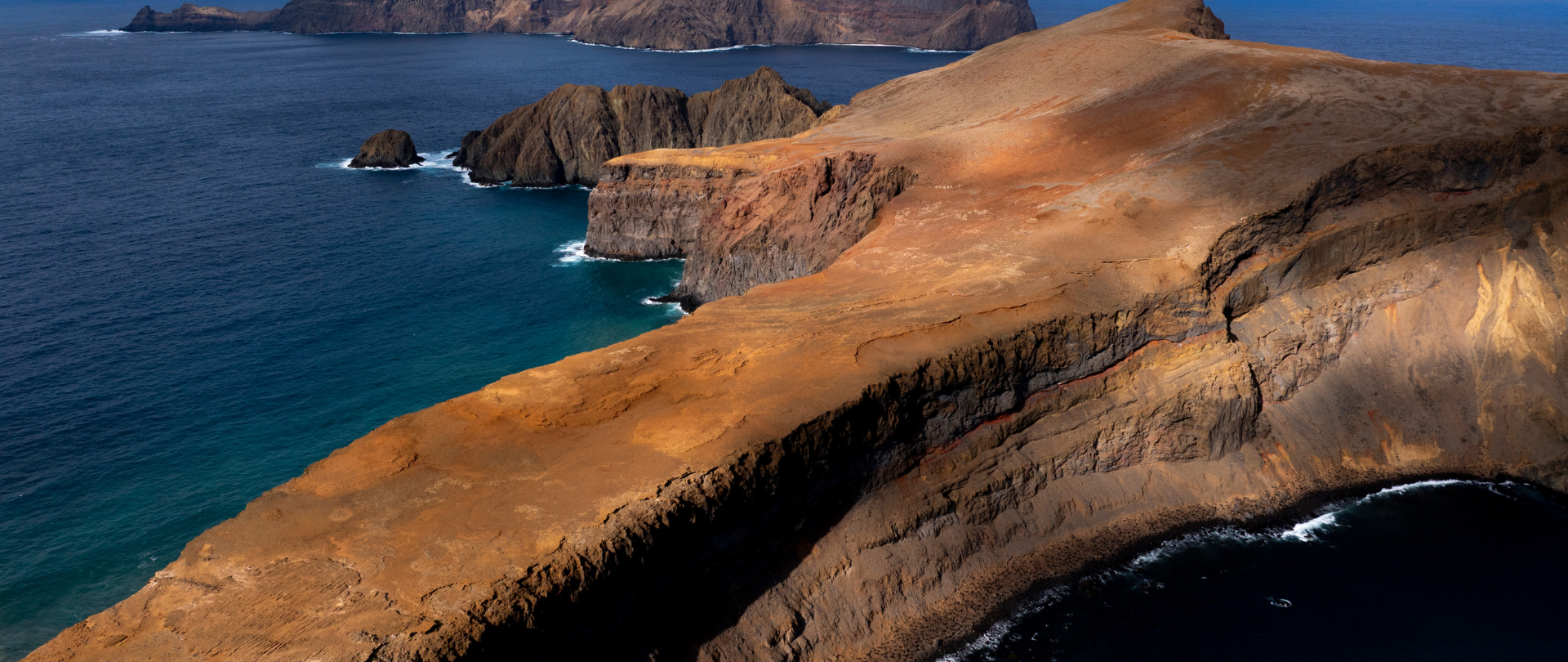
The Juan Fernández Archipelago is part of a new Marine Protected Area that protects the highest concentration of marine species found nowhere else on Earth!
February 20, 2026
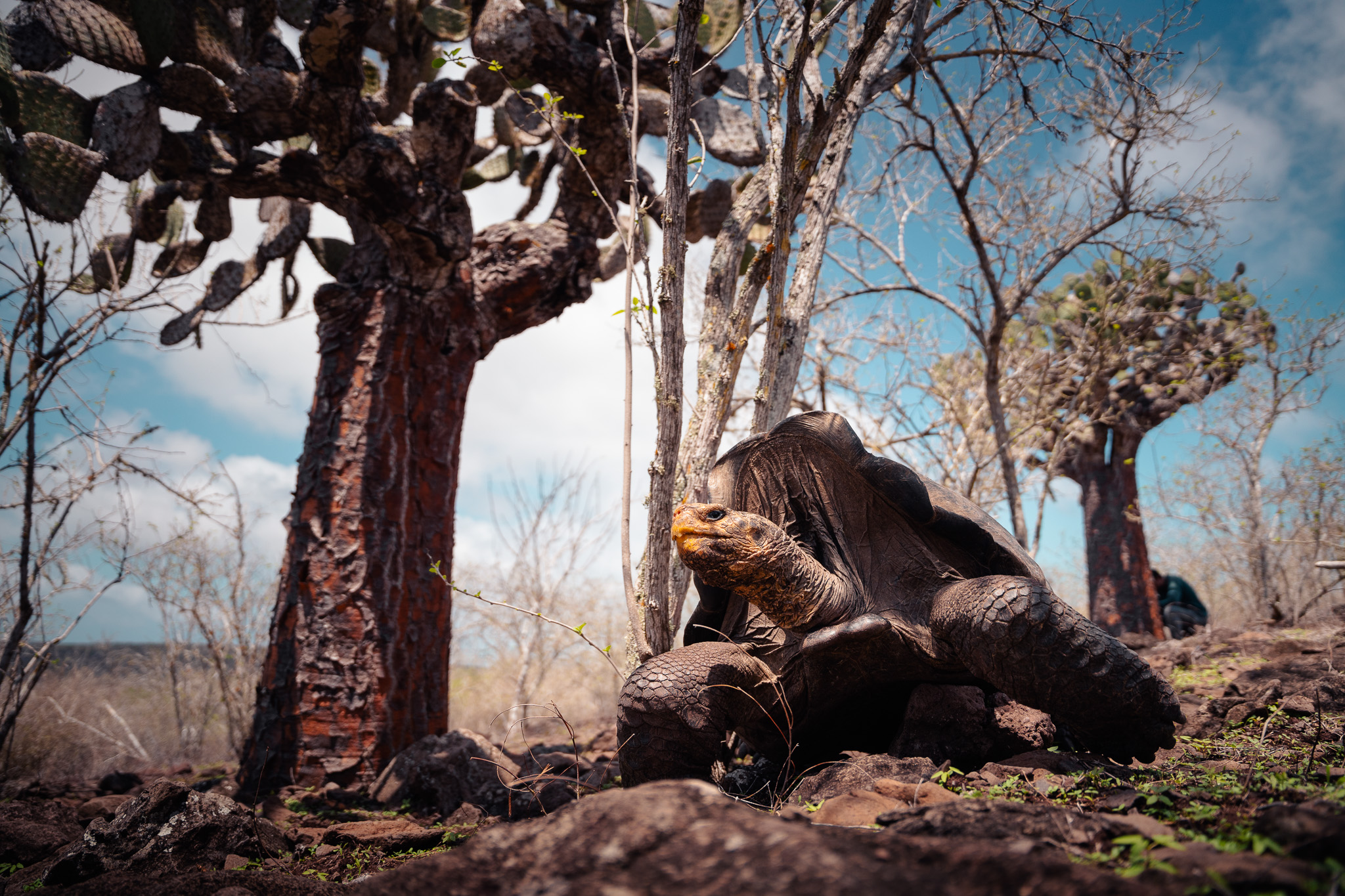
For the first time in more than 180 years, giant tortoises are once again walking the landscapes of Floreana Island!
October 30, 2025
Our proposal for a United Nations-sanctioned Decade of Island Resilience spotlights the power of global small islands!