October 29, 2025
Data Shows Endangered Palau Ground Doves Swiftly Recovering After Successful Palauan Island Conservation Effort
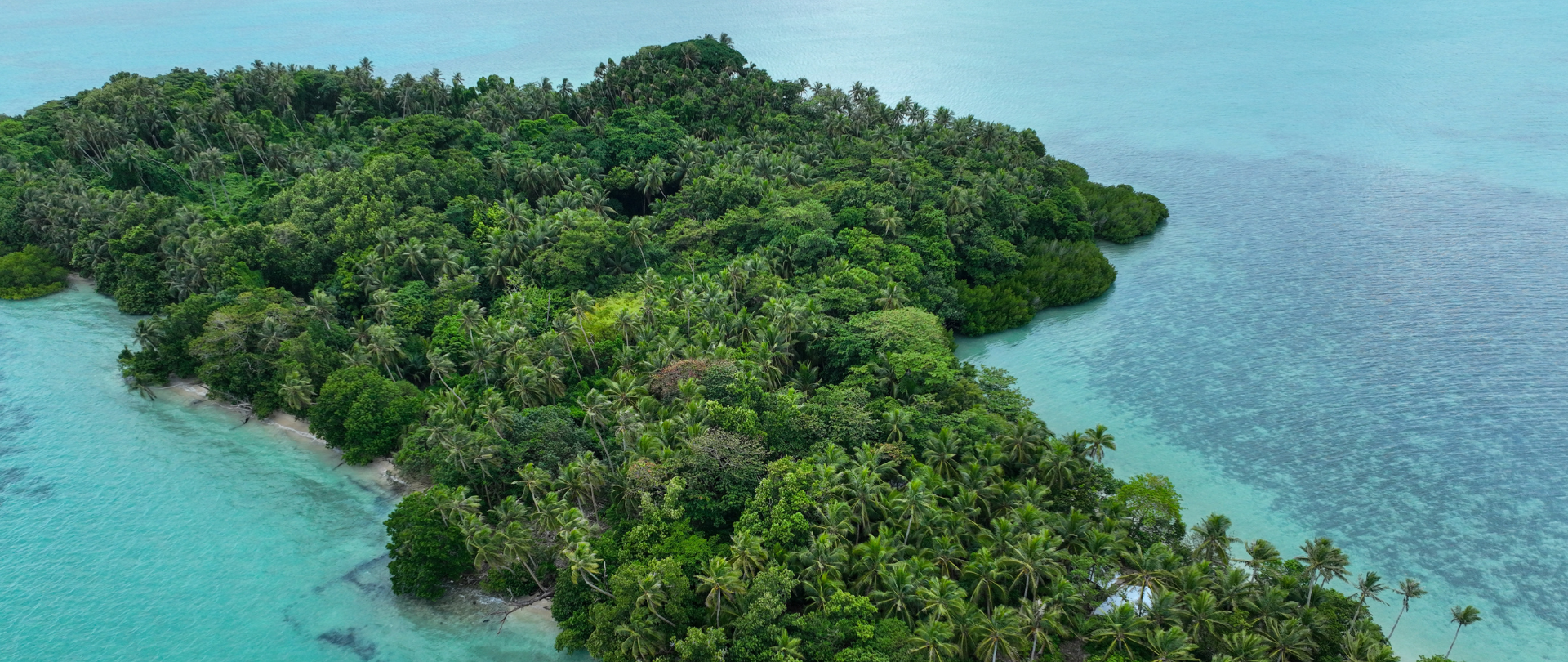
Astounding evidence of recovery on Ulong Island in Palau after just one year!
Published on
May 4, 2017
Written by
Paula
Photo credit
Paula
Often as veterinarians, we tend to focus on the immediate impact we can have on an individual animal’s health. However, through my journey, I have realized that I did not have to only care for any one animal by providing clinical treatment, performing surgery or preventing it suffered from diseases, but I could also have a bigger impact by working in the field of conservation, saving species populations, restoring their ecosystems, and helping human communities cohabit in balance with nature.

As a little girl growing up in Colombia, I dreamed I had the power to help animals. At that moment it wasn’t clear to me how I could do that. But with time, I realized that by becoming a veterinarian, I could indeed do just that.
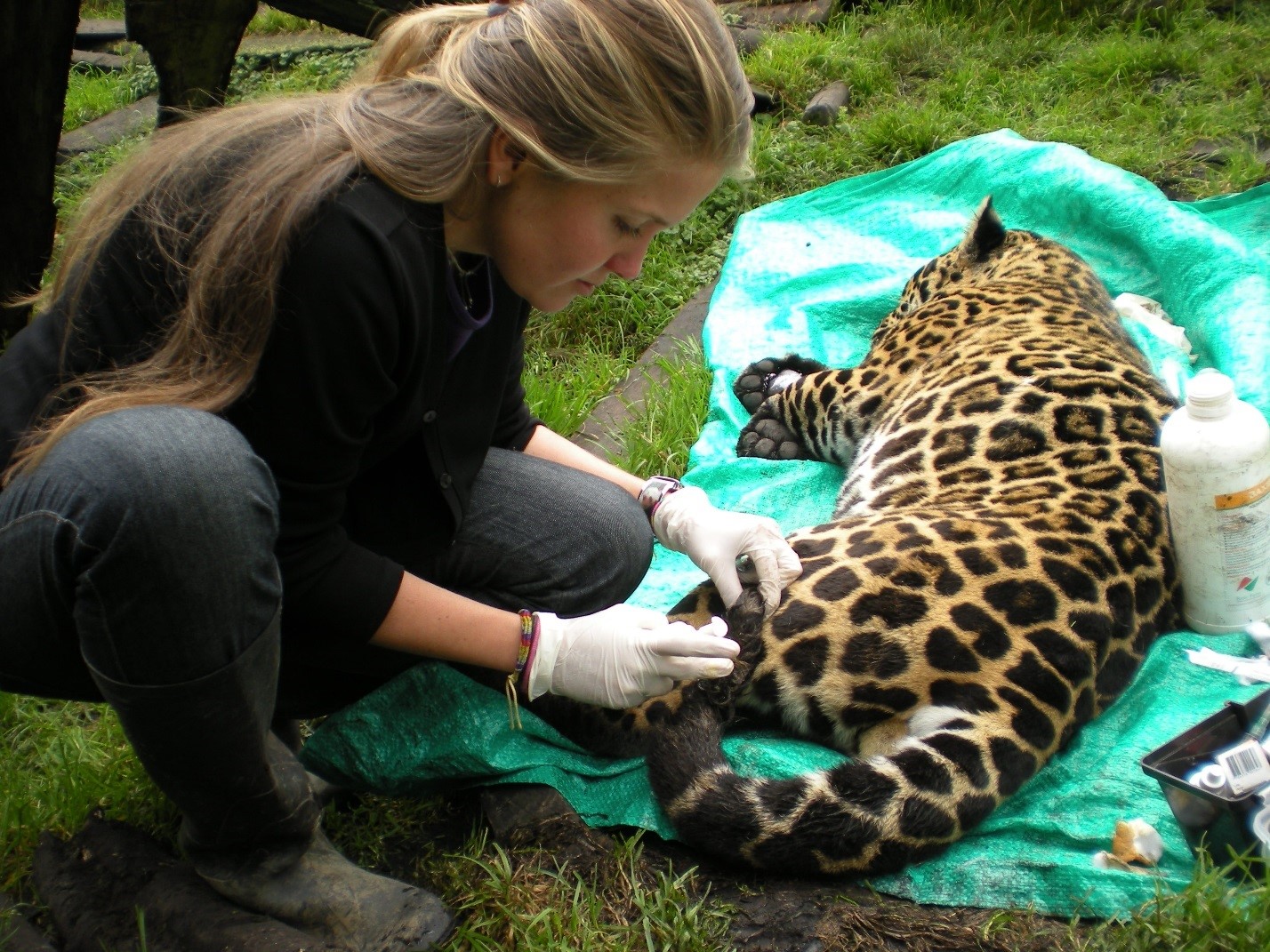
Dr. Claudia Brieva, a wildlife veterinarian and my teacher at veterinary school, opened a world of new possibilities to me. She inspired me to work in a specialized, less-known field, to have a bigger impact. Through her mentorship, I realized that I did not want to work with the cute little puppy or expensive race horse, but instead with the enigmatic jaguar and swift Peregrine Falcon. So, I became a wildlife veterinarian.

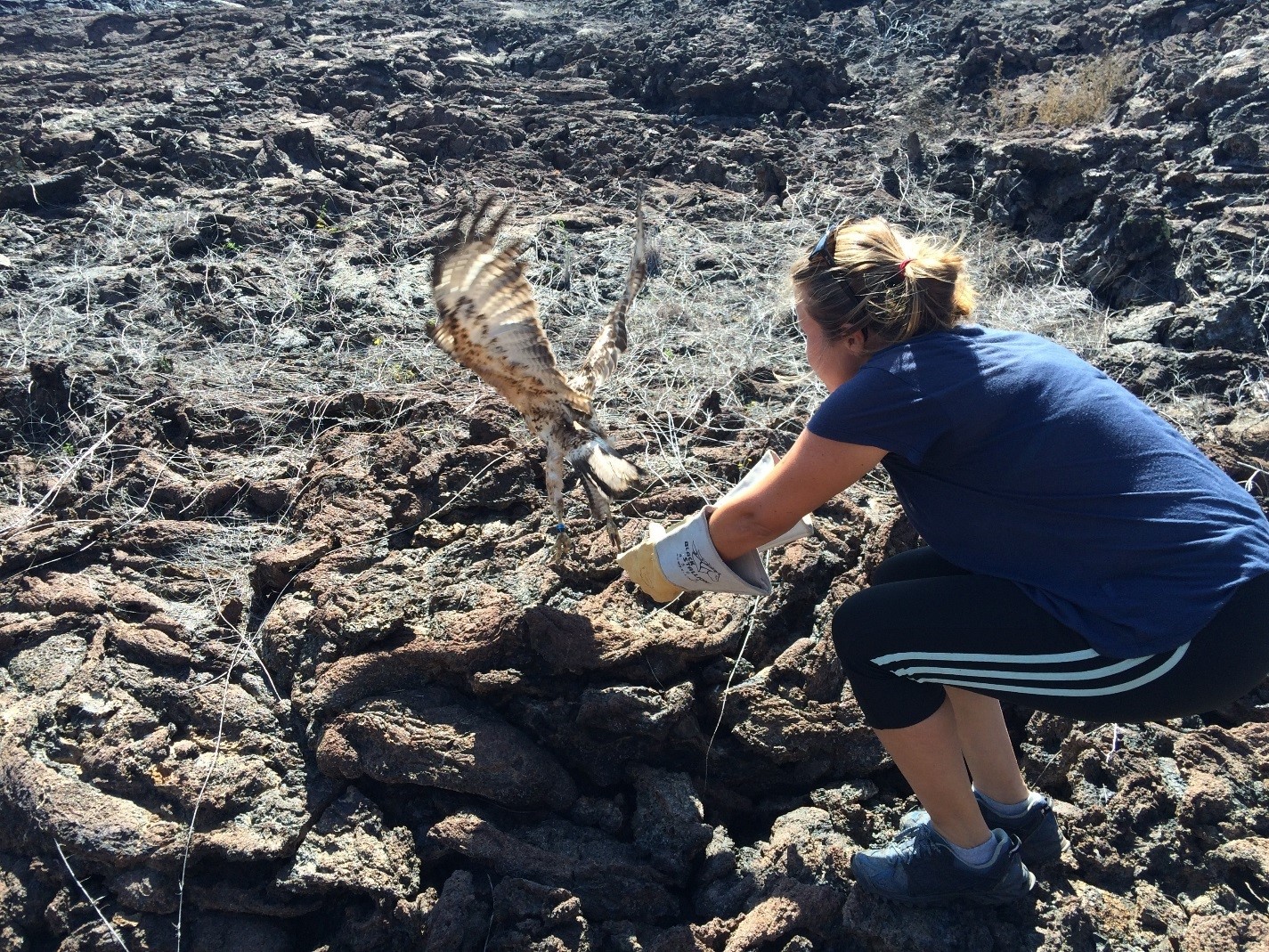
Since that day, my life changed. That decision took me over the years down an incredible path, with many unique experiences, from rehabilitating condors and jaguars in the remote mountains of my home country, Colombia, to helping raptors fly again in the U.S. Midwest, to preventing species extinctions and restoring ecosystems in the Galápagos Islands.

My career path, and those of other successful wildlife veterinarians like Dr. Brieva, are examples of the broadening and important role that wildlife veterinarians have in conservation, but also in the context of our global and changing society. It is also a good representation of what it means to work in the field of conservation medicine and take this approach to global health and biodiversity conservation. With my experience and this story, I look to inspire young veterinarians to dream big and know that the sky is the limit.
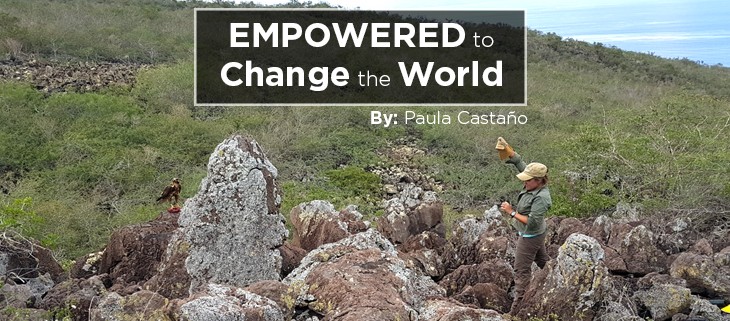
Featured photo: Paula on Pinzón Island. Credit: Wilson Cabrera
Originally published in National Geographic
Check out other journal entries we think you might be interested in.
October 29, 2025
Astounding evidence of recovery on Ulong Island in Palau after just one year!
July 31, 2025
Our Seasonal Monitoring Specialist, Cozette Romero, shares her experience on Tofua in Tonga!
May 19, 2025
Read our position paper on The 3rd United Nations Ocean Conference (UNOC 3) to see why we're attending and what we aim to accomplish!
December 4, 2024
Ann Singeo, founder of our partner organization the Ebiil Society, shares her vision for a thriving Palau and a flourishing world of indigenous science!
November 22, 2024
This historic agreement aims to protect the marine and coastal areas of the Southeast Pacific.
November 18, 2024
Our projects to restore key islets in Nukufetau Atoll forecast climate resilience and community benefits in Tuvalu!
October 3, 2024
Island Conservation and partners have published a new paper quantifying ecosystem resilience on restored islands!
September 10, 2024
Climate Week NYC: what is it and why is it important? Read on to find out why Island Conservation is attending this amazing event!
September 5, 2024
With sea levels on the rise, how are the coastlines of islands transforming? Read on to find out how dynamic islands really are!
August 27, 2024
Three Island-Ocean Connection Challenge projects in the Republic of the Marshall Islands bring hope for low-lying coral atolls!