April 14, 2026
Nature and People Win Thanks to Successful Restoration Collaboration on Wake Atoll
A historic moment: Wake Atoll is restored and thriving!
 Island Conservation

All was well with Española Giant Tortoises (Chelonoidis hoodensis) in the Galápagos–until invasive rats were introduced by pirates and infiltrated the island ecosystem. The presence of rats made reproduction extremely difficult and often unsuccessful for the tortoises. Invasive rats prey on eggs and even tortoise hatchlings.
Thanks to a captive breeding program, however, the Giant Tortoise population on Española is on the road to recovery. In fact, there is one male in particular who did an outstanding job of upholding the species. His name is Diego, and he has fathered an estimated 350-800 Española Tortoises. Washington Tapia, a tortoise preservation specialist at Galapagos National Park, commented:
Around 50 years ago, there were only two males and twelve females of Diego’s species alive on Española, and they were too spread out to reproduce. He has done more than any other tortoise to turn that around—with the help of his mates, of course.
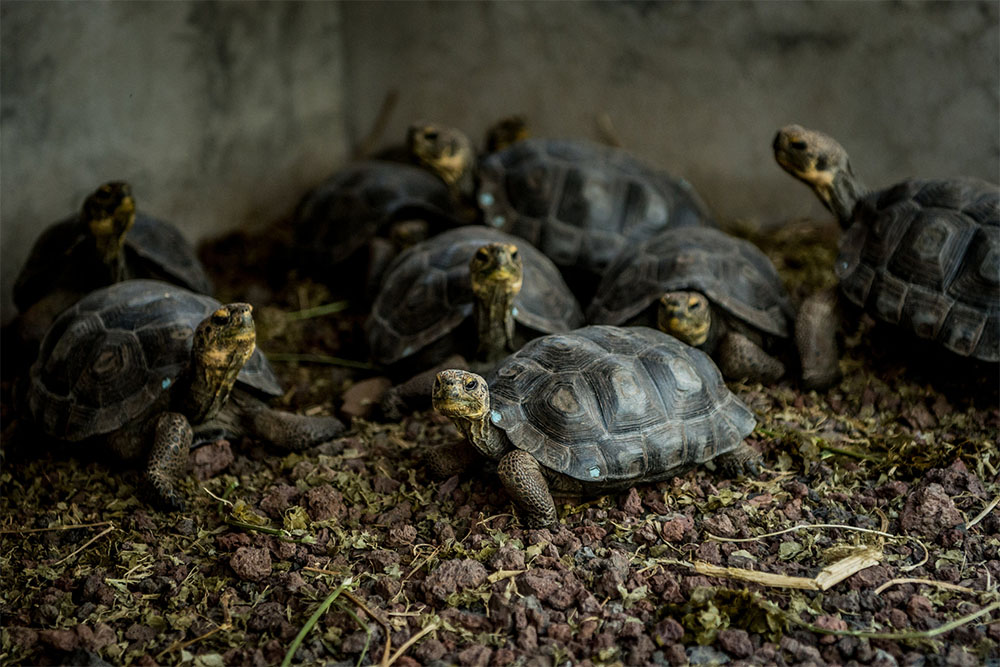
The opportunity to breed in safety proved very beneficial for Española Giant Tortoises with almost 1,000 now thriving on the island. However, there is still a long way to go before these tortoises can safely breed in the wild. Tapia noted:
I wouldn’t say (the species) is in perfect health, because historical records show there probably used to be more than 5,000 tortoises on the island. But it’s a population that’s in pretty good shape—and growing, which is the most important.

One concern is that a “bottleneck effect” will take place where all of these new little-Diego’s will breed together and have low genetic diversity. Although other male Española Tortoises have contributed to the population, Diego’s exceptional numbers are cause for concern. However, Linda Cayot of the Galápagos Conservancy explained that she is not worried:
Every species came from a bottleneck…It’s what happens in the Galápagos.
For the Española Giant Tortoise to be able to survive in the wild, the island must be free of invasive species. Tortoises need safe habitat to breed and raise offspring. With continued captive breeding and eradication of invasive rats, these Giant Tortoises could thrive in their island home.
Featured photo: Diego at the Darwin Research Center in Galápagos. Credit: Kathleen
Source:
Phys.org
New York Times
Check out other journal entries we think you might be interested in.
April 14, 2026
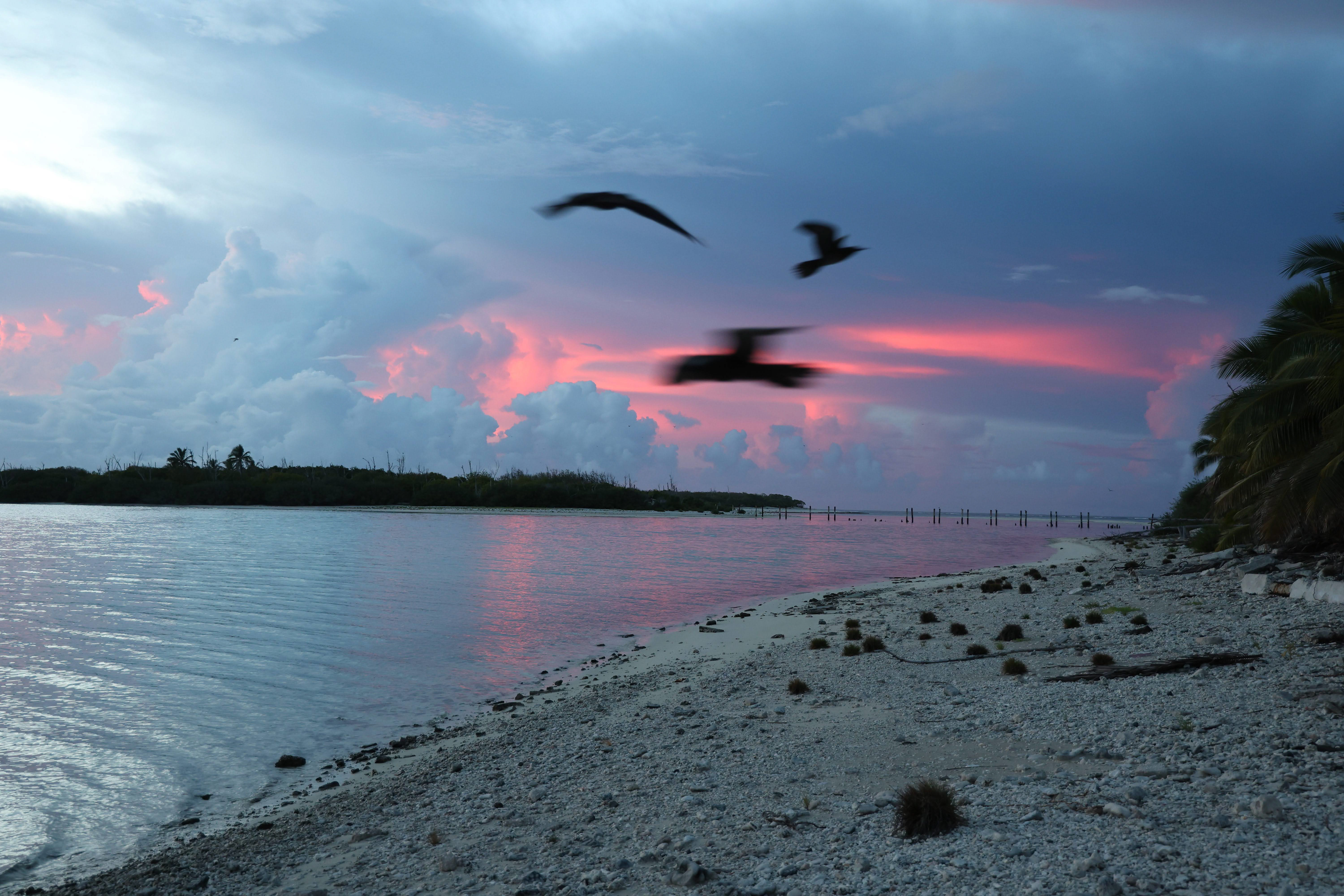
A historic moment: Wake Atoll is restored and thriving!

October 29, 2025
Astounding evidence of recovery on Ulong Island in Palau after just one year!
May 19, 2025
Read our position paper on The 3rd United Nations Ocean Conference (UNOC 3) to see why we're attending and what we aim to accomplish!
December 4, 2024
Ann Singeo, founder of our partner organization the Ebiil Society, shares her vision for a thriving Palau and a flourishing world of indigenous science!
November 22, 2024
This historic agreement aims to protect the marine and coastal areas of the Southeast Pacific.
November 18, 2024
Our projects to restore key islets in Nukufetau Atoll forecast climate resilience and community benefits in Tuvalu!
October 3, 2024
Island Conservation and partners have published a new paper quantifying ecosystem resilience on restored islands!
September 10, 2024
Climate Week NYC: what is it and why is it important? Read on to find out why Island Conservation is attending this amazing event!
September 5, 2024
With sea levels on the rise, how are the coastlines of islands transforming? Read on to find out how dynamic islands really are!

December 14, 2023
Join us in celebrating the most amazing sights from around the world by checking out these fantastic conservation photos!