September 17, 2026
Island Conservation and Robinson Crusoe Island, Chile: Growing Hope Together
On the island of Robinson Crusoe in Chile, a greenhouse feeds both a community and an islander-led conservation movement!
 Island Conservation
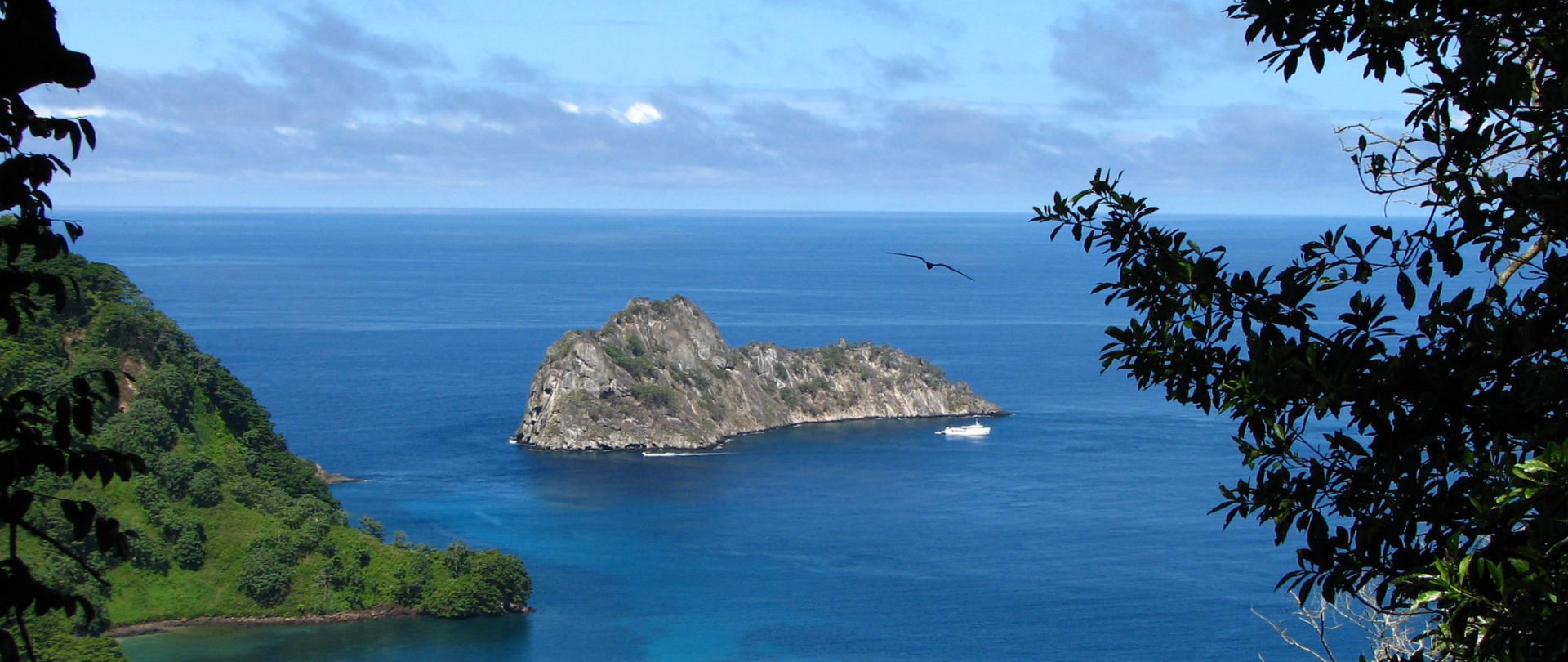
Across the Eastern Tropical Pacific, the waters connecting Cocos Island and the Galápagos form one of the most extraordinary marine corridors on Earth. Migratory sharks, sea turtles, and fish weave through these protected areas, sustaining ecosystems and communities alike. But back in 2020, that corridor faced growing pressures: increasing vessel traffic, limited surveillance capacity, and the rising risk of damaging, introduced invasive species that could quietly unsettle the balance of these treasured ecosystems.
Island Conservation went in search of a partner who would help us take bold action to protect this vital region, and Blue Action Fund (BAF) stepped forward.
Thanks to BAF’s vision and investment, we were able to launch a multi‑year initiative to strengthen conservation across two of the world’s most iconic Marine Protected Areas. Today, we are proud to celebrate the project’s completion, and the new era of marine conservation it heralds for the Eastern Pacific.
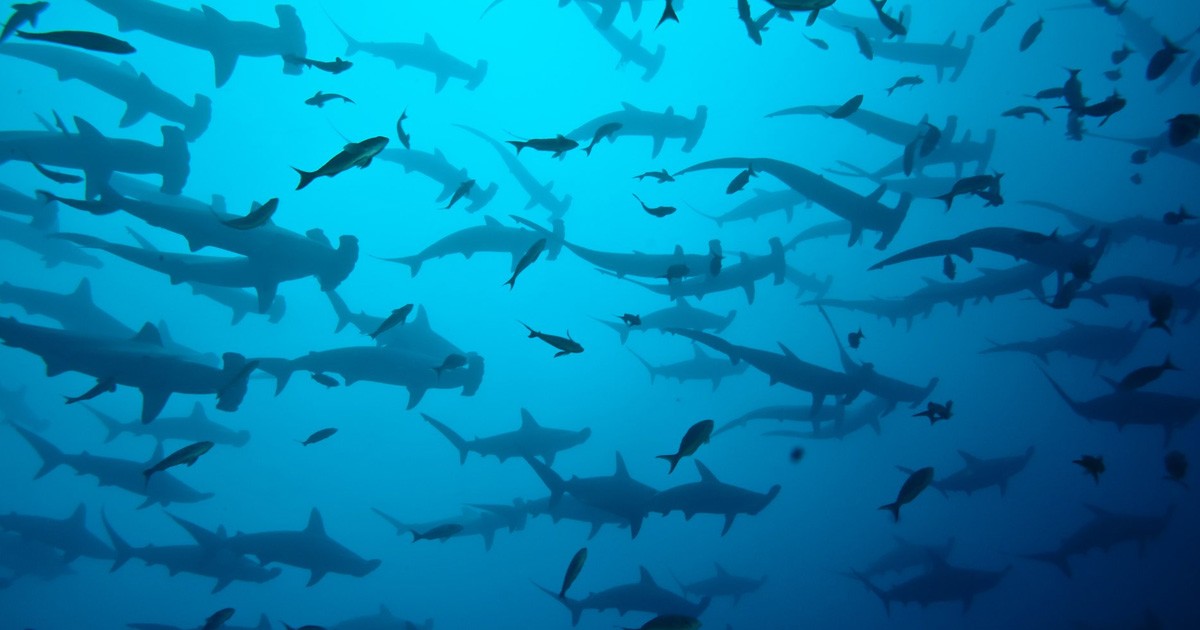
Because of BAF’s support, the conservation community achieved one of the most consequential marine protections in the region’s history: the creation of the Hermandad Marine Reserve, a 60,000‑km² protected area linking Cocos and Galápagos. This expansion secured a vast, continuous migratory corridor for species like Scalloped Hammerhead Sharks, Whale Sharks, Silky Sharks, and Green Sea Turtles. It also strengthened ecological connectivity across an area where nutrient flow, reproduction, and movement patterns are deeply intertwined.
BAF’s investment helped update and expand the tools available to the governments and local agencies safeguarding these waters. Together with partners, we strengthened marine surveillance and monitoring across both the Galápagos Marine Reserve and the Cocos Island National Park. New technologies, upgraded control centers, and increased ranger training now allow authorities to more effectively detect and respond to threats, and this huge leap in capacity will benefit marine wildlife for years to come.
In tandem, the project significantly advanced marine biosecurity, improving the capacity to detect and prevent the arrival of introduced, damaging invasive marine species. These innovations are already helping safeguard reefs, coastal communities, and the delicate food webs that support charismatic species and local livelihoods.

Marine conservation succeeds when island communities are supported and resilient.
Through BAF, our Galápagos-Cocos project strengthened food security and farming systems on Floreana Island, where small‑scale agriculture plays an important role in sustaining local families. Farmers now have improved infrastructure, better water and cattle management practices, and new opportunities to add value to their harvests as the islands move toward a healthier, more secure future.
These actions complement the long‑term ecological restoration efforts on Floreana, home to unique species found nowhere else. As the island transitions into a new era with less pressure from introduced rodents, these community‑centered improvements position Floreana for a brighter future.
Similarly, healthy islands boost healthy oceans. When island ecologies are holistically restored, the nutrients from healthy species populations wash off into the surrounding waters. It’s a positive feedback loop that is now safeguarded by the Hermandad Marine Reserve.
One of the most powerful outcomes of BAF’s support is the long‑term strengthening of trusted relationships among conservation agencies, NGOs, and island communities. WildAid, Jocotoco, the Charles Darwin Foundation, and local authorities all leaned into the work together, combining resources and weaving this project into long‑term programs.
This strategic alignment helps ensure that BAF’s investment continues to generate impact far beyond the grant period. It also demonstrates something Island Conservation takes pride in: our ability to mobilize strong, durable collaborations that amplify every dollar a funder invests.
The project to restore Floreana–the largest conservation project ever undertaken in the Galápagos–is now proceeding as a partnership between our organizations, which are all collaborating to equip the island with bold new conservation technology and bring locally-extinct species back.
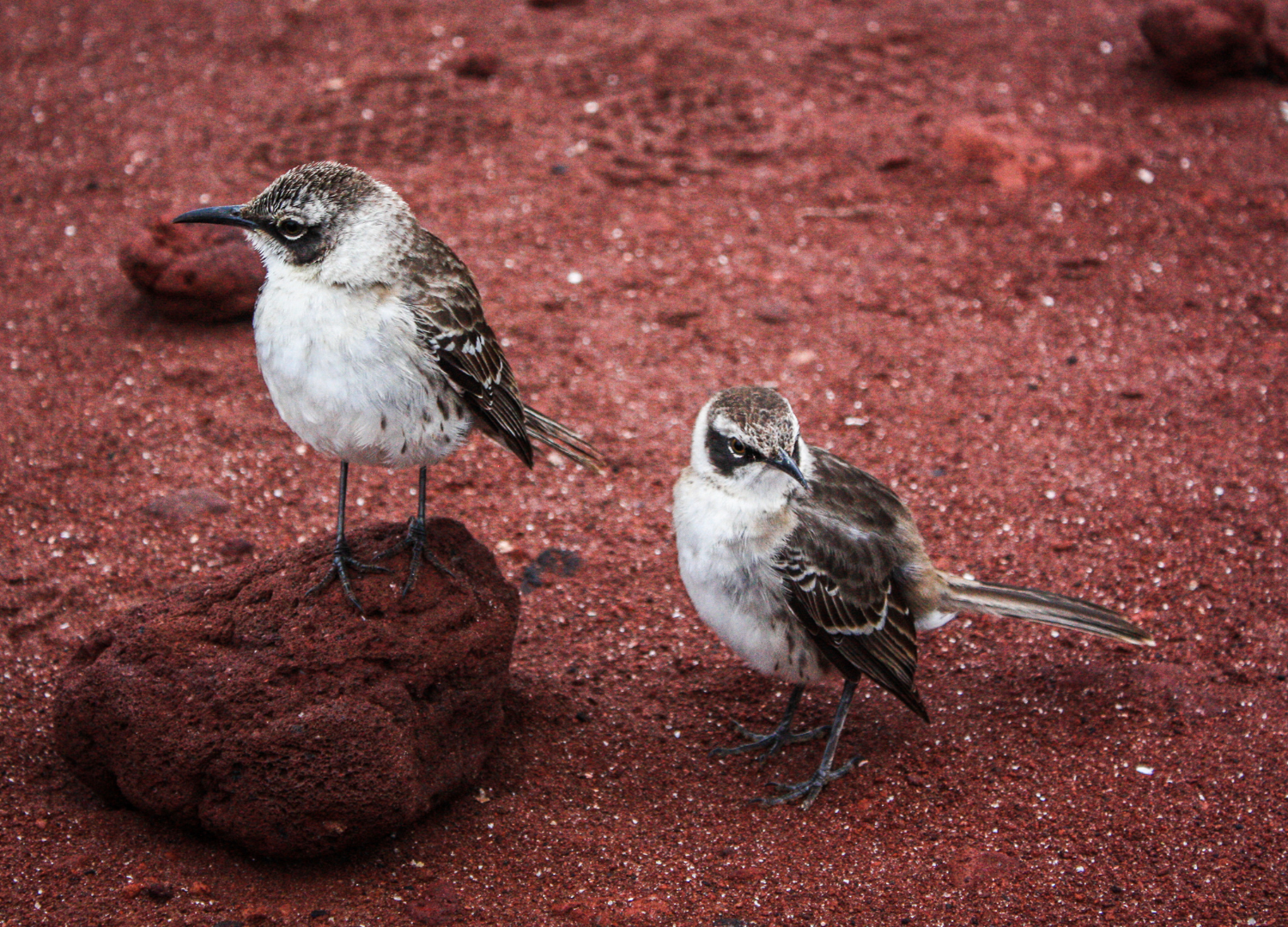
Islands are where conservation investments have some of the most profound and measurable impacts. They are biodiversity hotspots, irreplaceable stepping‑stones for migratory species, and home to local communities whose knowledge and stewardship shape long‑term success. The Galápagos–Cocos project is a powerful reminder that when funders invest in island ecosystems, the ripple effects stretch across oceans.
BAF understood this and made a strategic investment. The results speak for themselves.
Their support expanded marine protection, strengthened governance systems, supported local economies, and advanced ecological resilience across two nations and two of the most important marine protected areas on Earth.
Island Conservation is deeply grateful for BAF’s trust and partnership. In a world where ocean health is rapidly degrading, their commitment fueled a rare success story.
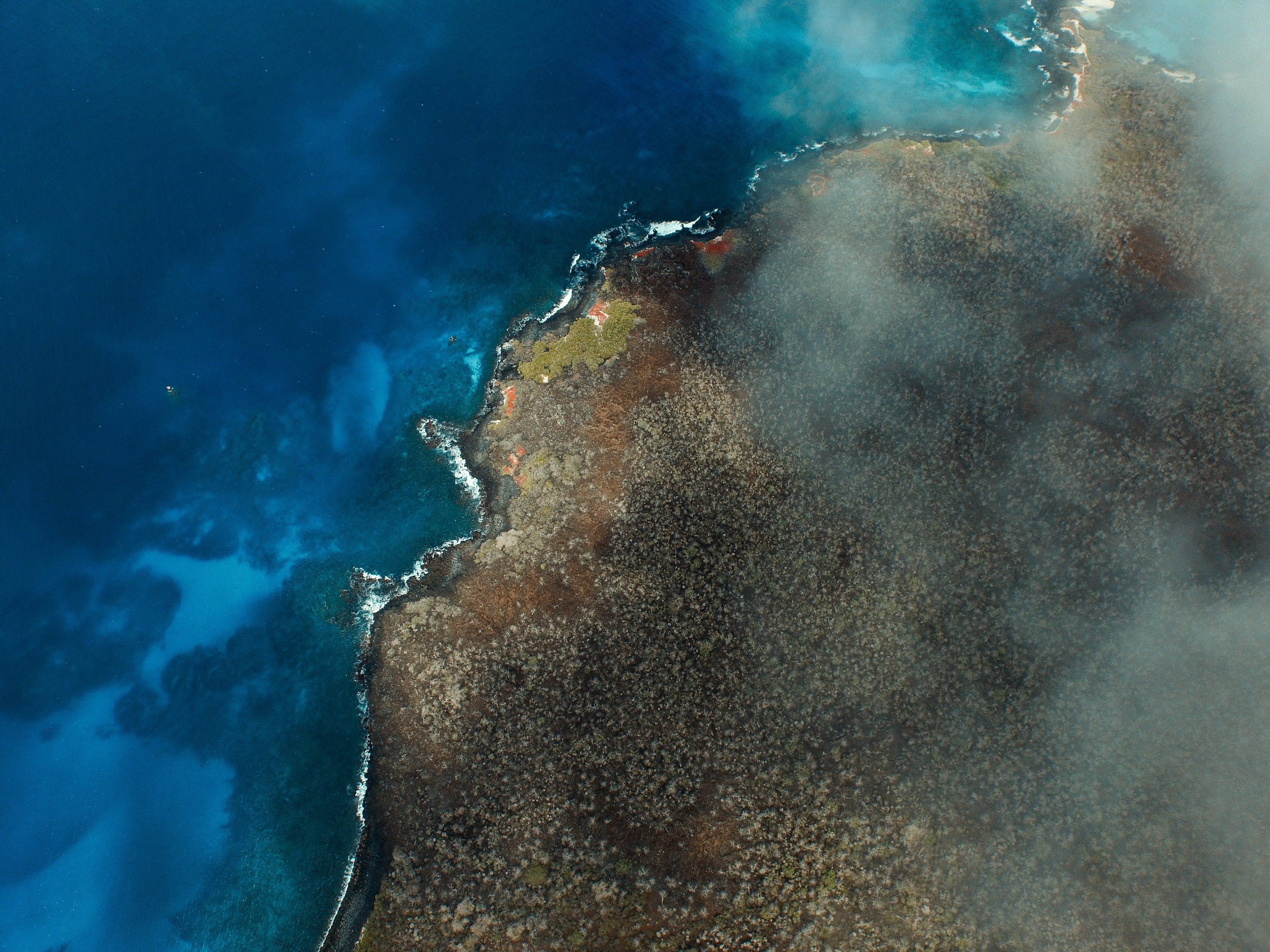
As we celebrate this project, one truth is clearer than ever: high‑impact marine conservation starts with islands. When we protect island ecosystems, both on land and at sea, we safeguard biodiversity, strengthen community resilience, and create pathways for species and people to thrive.
If you are inspired by what this project achieved and want to fuel the next wave of marine protection, we invite you to partner with us.
Your investment can help create the next Hermandad, empower the next community, and secure the future of our ocean’s most precious places.
Together, we can protect the life that connects us all.
There’s more than one way to make an impact. Join our collective of dedicated supporters by donating today or signing up for our newsletter to stay informed.
Check out other journal entries we think you might be interested in.
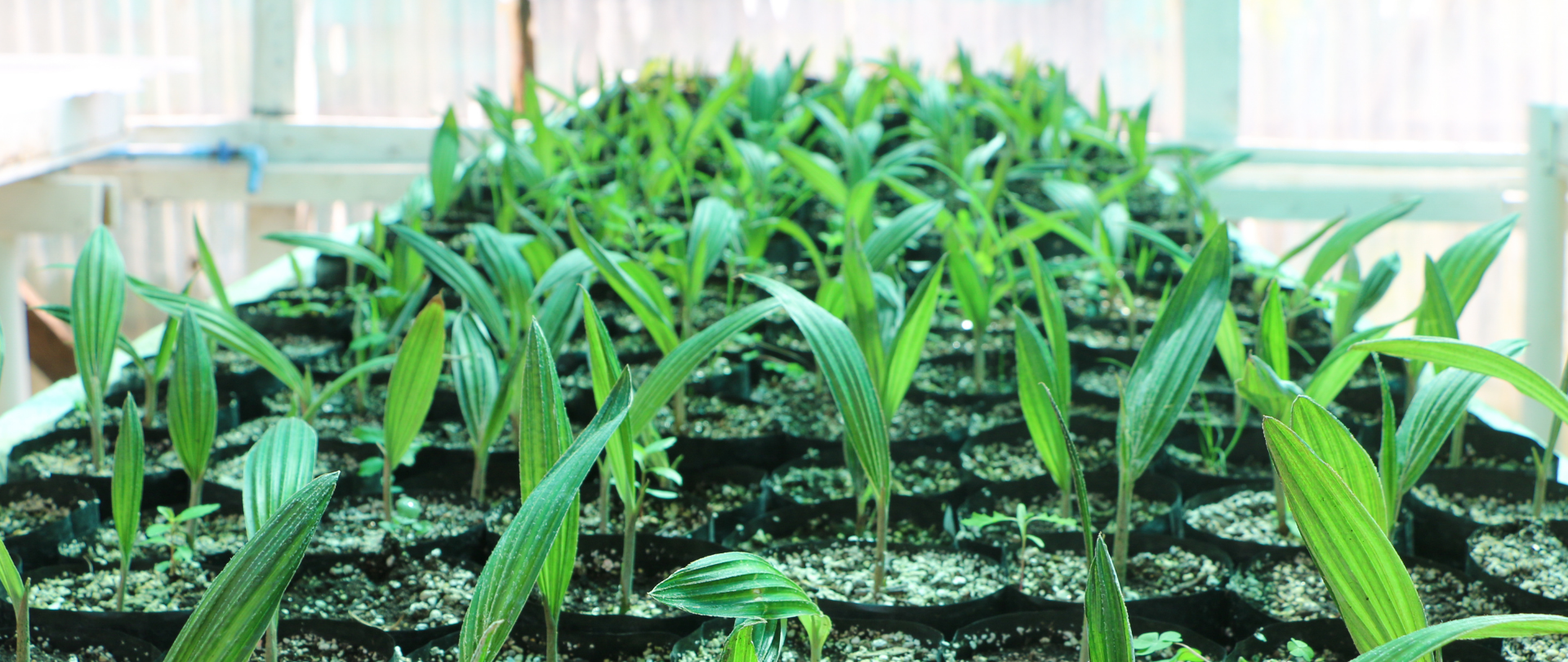
September 17, 2026
On the island of Robinson Crusoe in Chile, a greenhouse feeds both a community and an islander-led conservation movement!

September 9, 2026
El Niño doesn't create weak ecosystems; it reveals them. Find out how resilient islands can survive and bounce back from stress caused by El Niño!
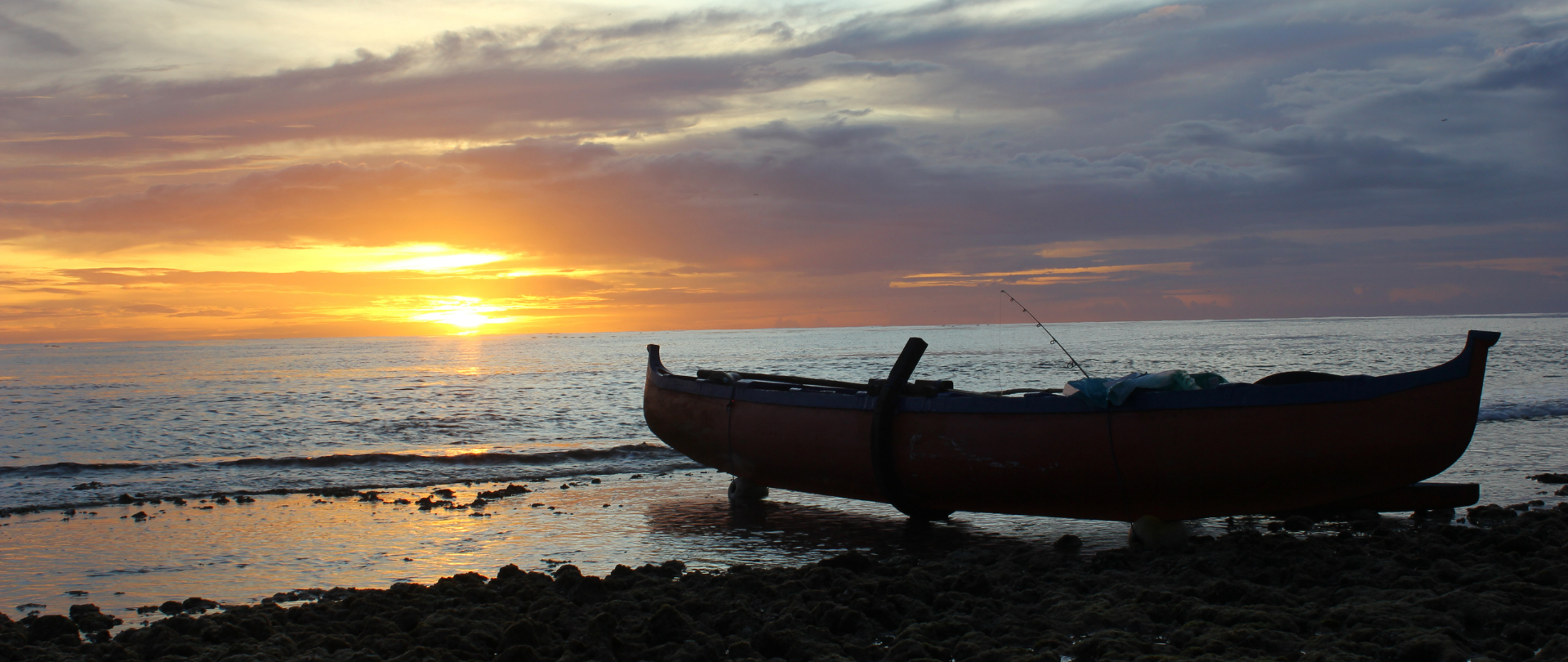
September 1, 2026
Linden Brown shares the incredible things he saw and experienced while working to restore islands in Sonsorol State, Palau!

August 25, 2026
A new study reveals the role fungi play in the restoration and recovery of rare, resilient atoll ecosystems!
August 18, 2026
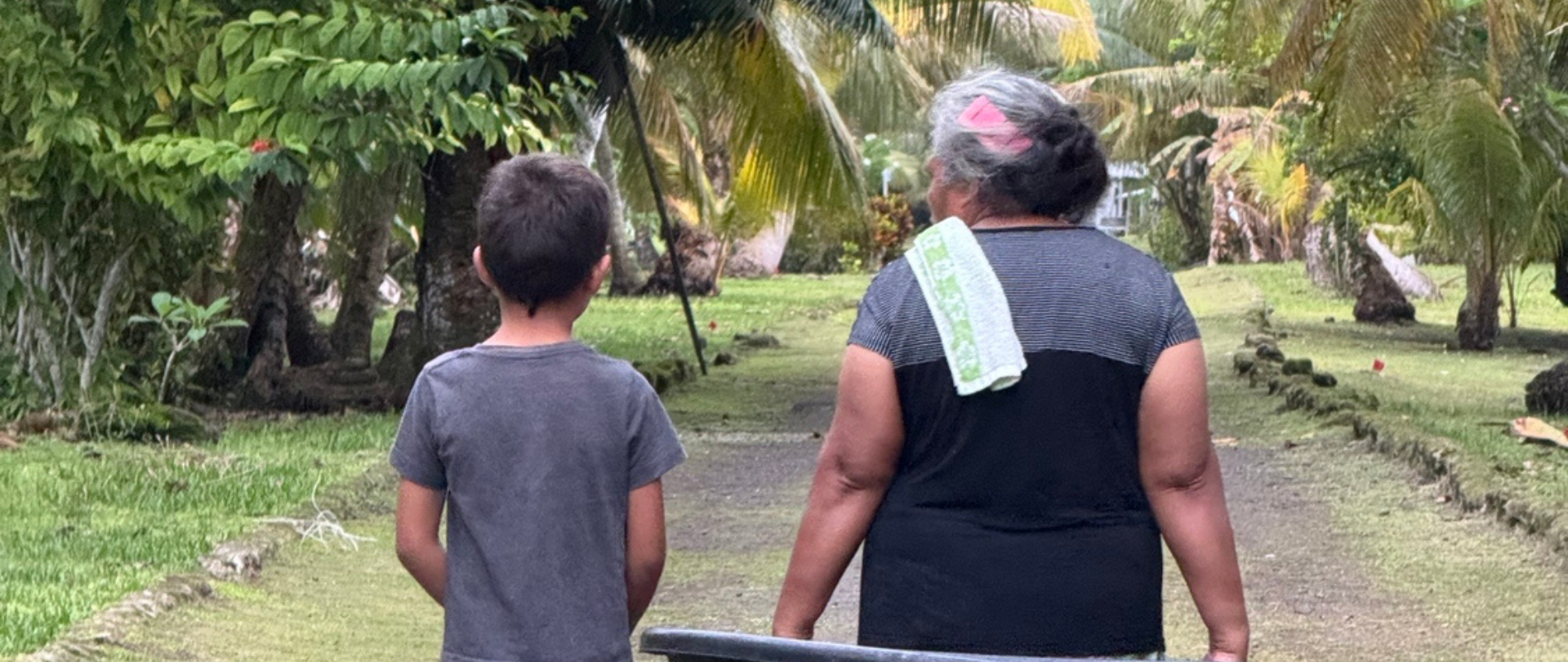
Meet Evelyn, one of the people who holds the wisdom of Sonsorol State, Palau in her lived experiences and stories.

August 12, 2026
The new Phoenix Species Project highlights species on the brink of extinction that are primed for recovery--and a lot of them live on islands!
August 4, 2026
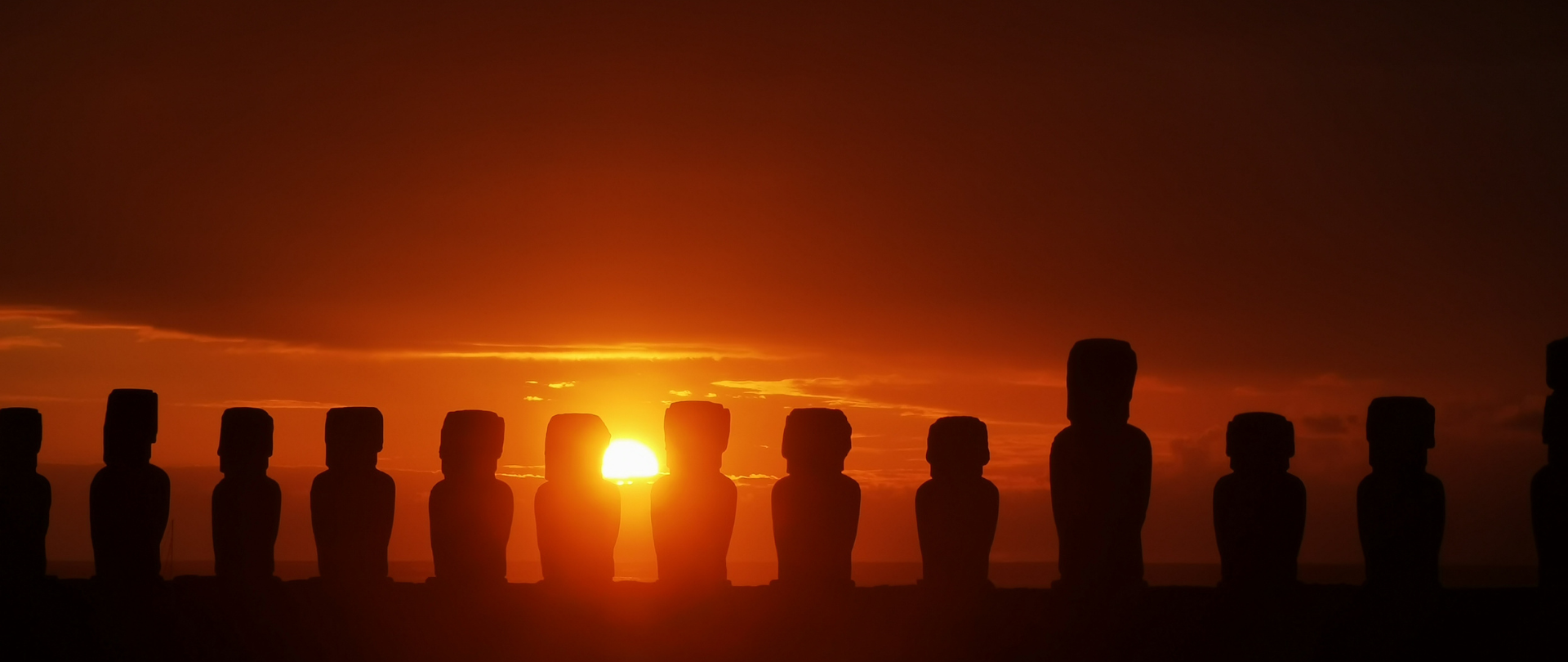
Indigenous-led conservation takes a leap forward with Rapa Nui (Easter Island)'s new partnership with Island Conservation!

July 31, 2026
We interviewed artist Laura Shape to learn about the luminous abstracts she creates from leather sourced from invasive species!

July 28, 2026
Happy World Nature Conservation Day! Read Penny Becker's article published by the Outreach Network for Gene Drive Research.
July 9, 2026
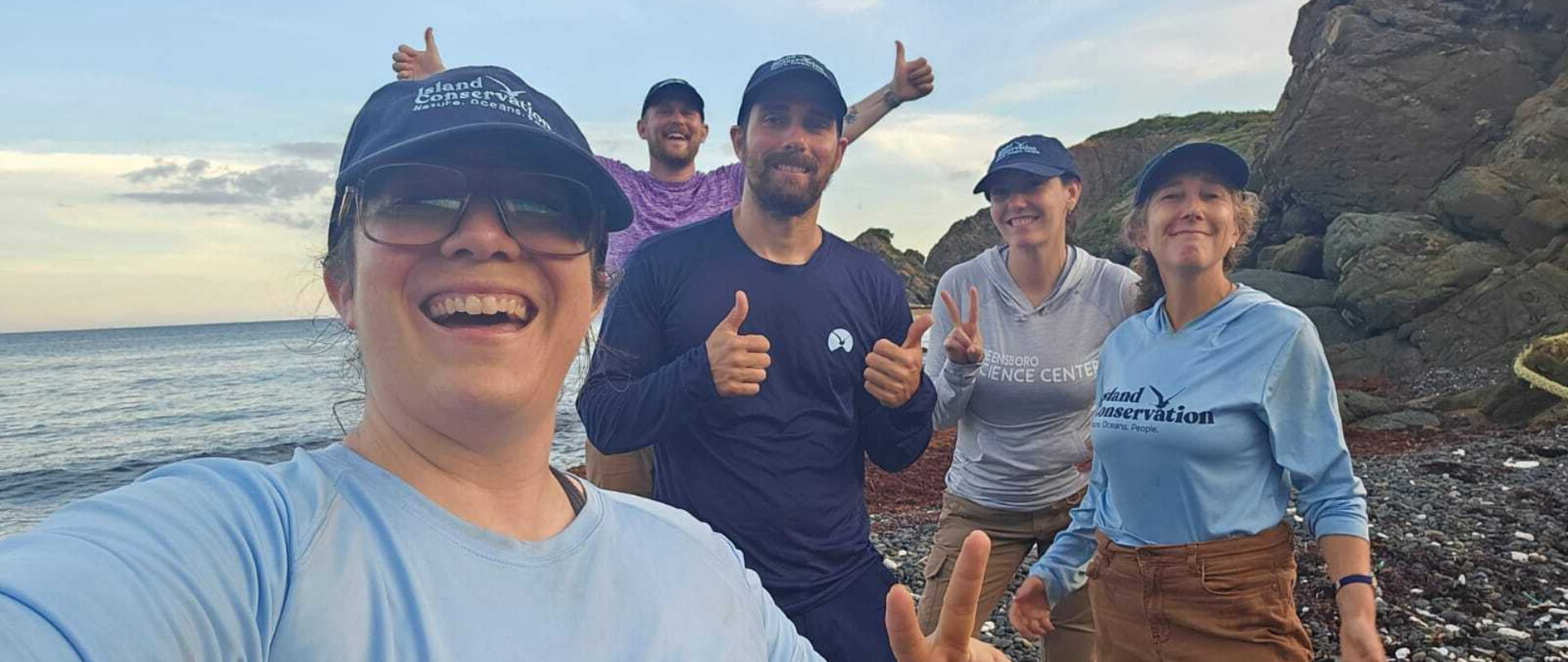
Senior Major Gifts Officer Jen Sachs shares her experience on one of Island Conservation's exciting restoration projects in the US Virgin Islands!