July 17, 2026
What do Coconut Crabs, Blue-Footed Boobies, and Galápagos Marine Iguanas Have in Common?
Three different animals show how connector species prop up island-ocean ecosystems!
 Island Conservation
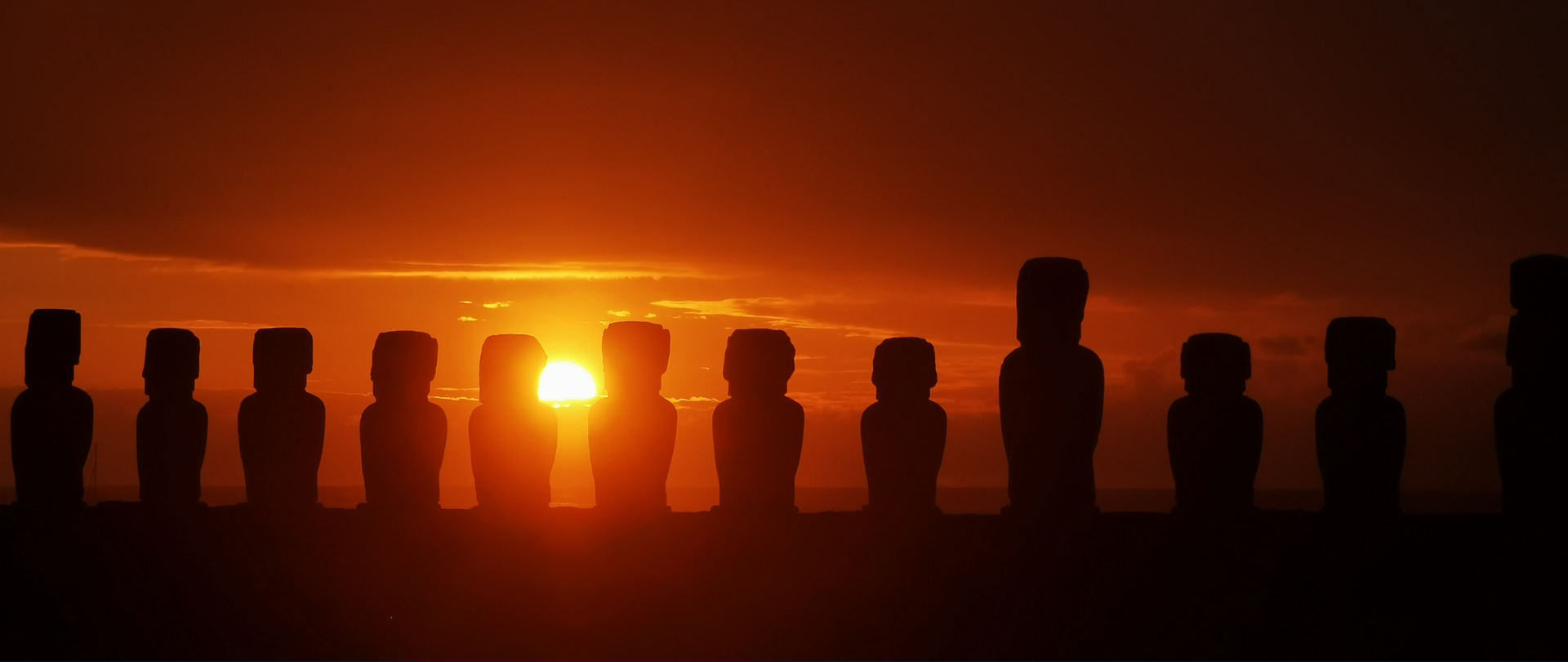
The deforestation of Rapa Nui (Easter Island), Chile, is one of the most dramatic ecological transformations in human history. For a long time, the role of invasive rodents was underplayed in favor of human logging as an explanation for this change. But, in a recent study published in the Journal of Archaeological Science, researchers reassessed the role of introduced Polynesian rats (Rattus exulans) and found that these small mammals may have played a pivotal role in the disappearance of the island’s iconic palm forests.
Within just 47 years of arrival, Polynesian rats reached an estimated population of 11.2 million. Today, Rapa Nui’s human population is 7,750—that’s nearly 1,450 rats for every person on the island. Rats ate up to 95% of the seeds of native palms (Paschalococos disperta), contributing to the loss of 15–19.7 million trees between 1200 and 1650 CE. While humans contributed to forest clearing, rats were the primary force that curtailed the natural rate of tree regeneration.
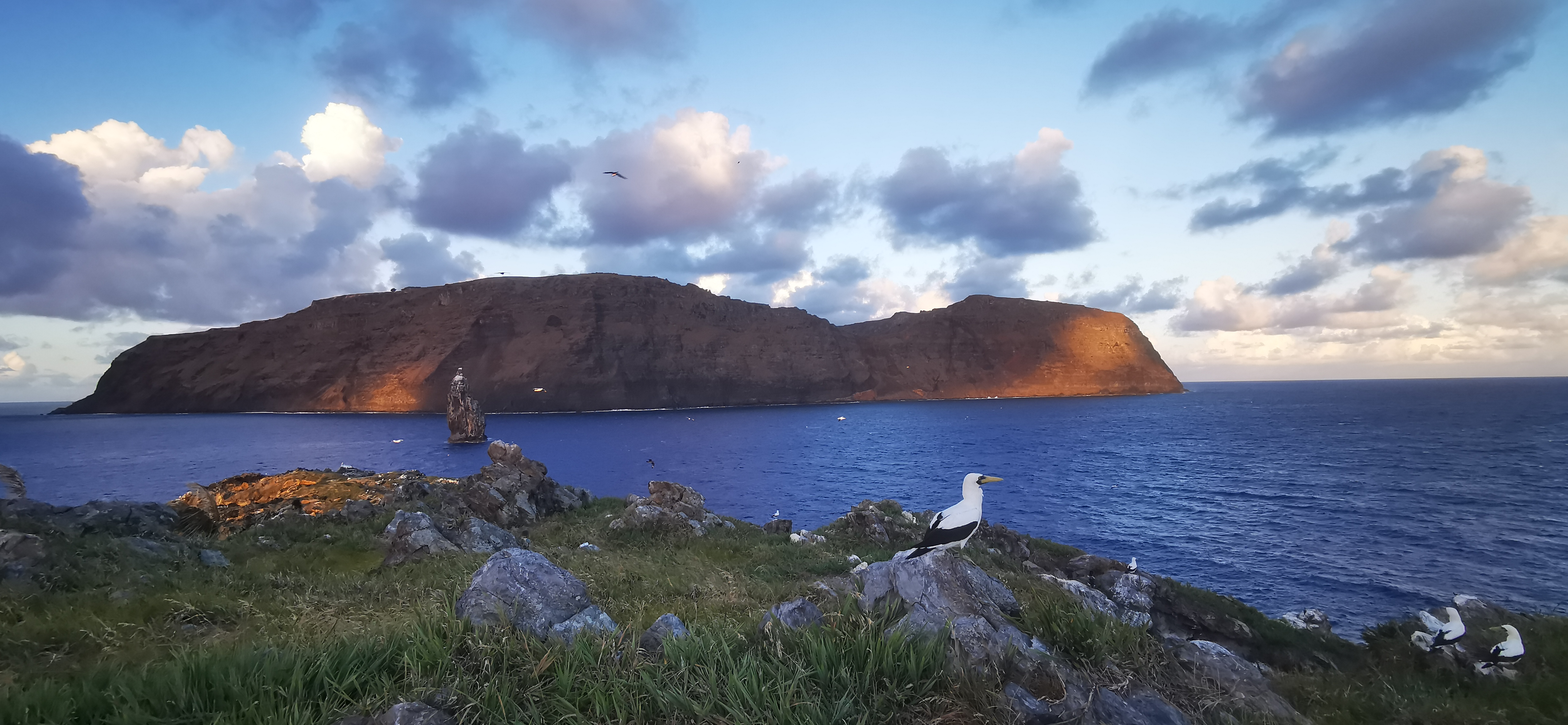
Islands are home to 31% of the world’s plant biodiversity. Rapa Nui illustrates how damaging invasive species can be to this precious resource, triggering cascading ecological collapse. And because island ecosystems evolved in isolation, islands are exceptionally vulnerable to invasive species, which can interrupt the flow of nutrients by eating seeds and seedlings. Similar rat-driven transformations have occurred across the Pacific, reinforcing the urgent need for rigorous biosecurity, rapid response, and restoration strategies. Safeguarding island biodiversity requires an integrated approach that tackles threats both on land and in surrounding marine environments.
At Island Conservation, we have found that removing introduced, damaging invasive species from islands not only prevents biodiversity loss but also restores globally unique carbon stocks, making it a nature-based solution for climate resilience. For example, after invasive mammals were removed from Palmyra Atoll, native Pisonia forest cover increased by 5,000% in four years. Across 1,078 islands studied, eradication efforts collectively protect 940,000 hectares of forest and 53 million metric tons of forest carbon. Although islands are vulnerable to invasive species, they respond quickly when their ecosystems are holistically restored. This means that removing invasive species can help islands regenerate native forests, enhance carbon sequestration, and support climate policy goals.
Terry L. Hunt, Carl P. Lipo
Reassessing the role of Polynesian rats (Rattus exulans) in Rapa Nui (Easter Island) deforestation: Faunal evidence and ecological modeling
Rapa Nui’s recent expansion of its Marine Protected Area reflects a growing commitment to ecosystem-based management. This research reminds us that conservation must be holistic: safeguarding marine life while preventing invasive species introductions on land. Without this integrated approach, conservation outcomes remain incomplete.
Island Conservation’s work in Chile has included helping return native plants to Robinson Crusoe Island in the Juan Fernandez Archipelago. Together with the Islanders, we’ve helped plant more than 4,000 native plants, healing the terrestrial ecosystem. These benefits spread into marine ecosystems. Near islands where invasive species have been removed, such as in the Chagos Archipelago, coral growth rates could increase by 90%.
This new study is one more link in the chain of emerging science that is helping us understand the true cost of invasive species for our planet’s islands and oceans—wisdom that has guided indigenous stewardship of islands for centuries. This knowledge is helping fuel holistic restoration around the world, and Rapa Nui’s Sea Council is leading the charge. By holistically restoring islands, we have the chance to make a lasting impact on climate resilience worldwide.
There’s more than one way to make an impact. Join our collective of dedicated supporters by donating today or signing up for our newsletter to stay informed.
Check out other journal entries we think you might be interested in.

July 17, 2026
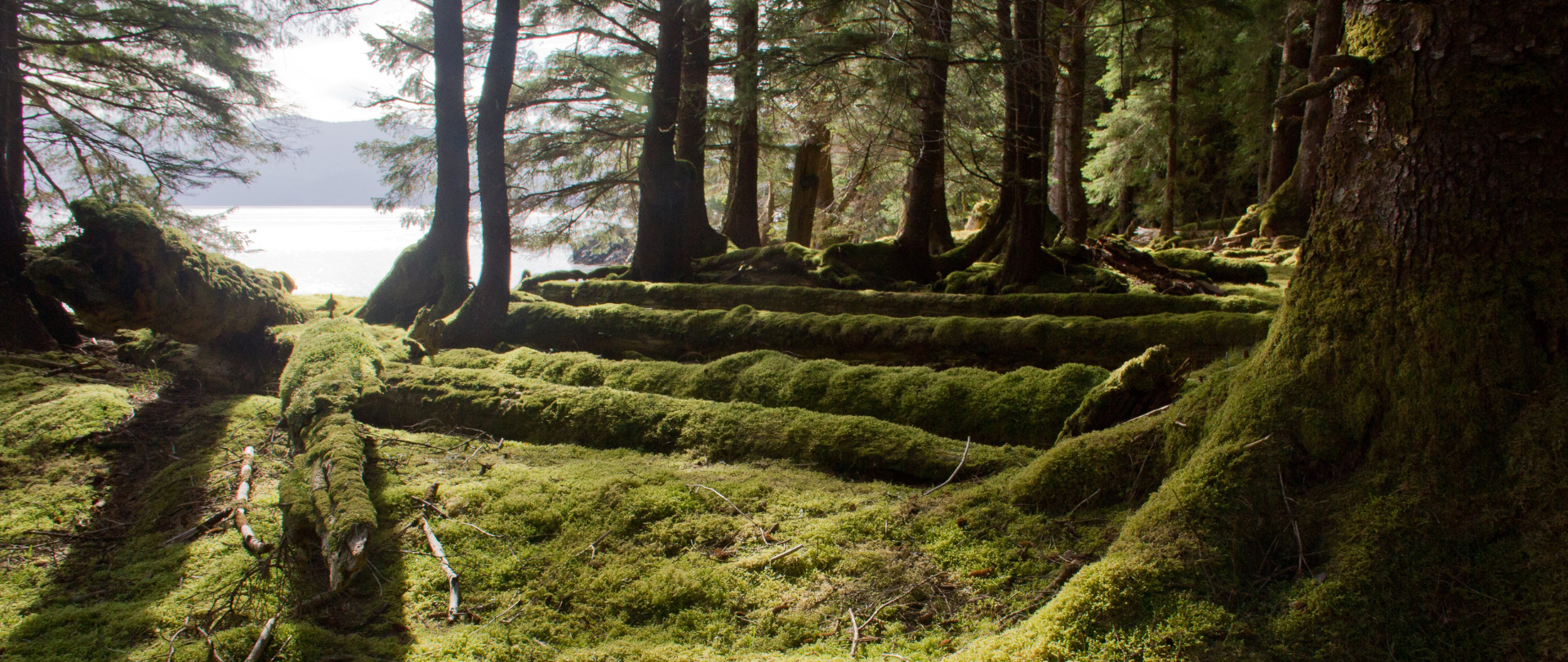
Three different animals show how connector species prop up island-ocean ecosystems!
April 9, 2026
We made a list of easy ways you can show your support for the environment--during April and all year long!
March 3, 2026
What is holistic restoration? Read all about this incredible method to restore ecosystems for people and nature!
February 6, 2026
¡Mira el video de Solange y lee una entrevista sobre Robinson Crusoe! Watch Solange's video and read an interview about Robinson Crusoe!

January 22, 2026
Our Senior Director of Impact & Innovation, David Will, explains the importance of the Circular Seabird Economy for nutrient transfer!

January 15, 2026
Not all Marine Protected Areas are equally effective. A new study shows how high-quality, well-implemented MPAs provide outsized impacts for biodiversity!
December 22, 2025
Elke Windschitl, our Conservation Impact Data Specialist, gives us the lowdown on
December 4, 2025
A new study reveals how seabirds, connector species between land and sea, play a huge role in the health of coral reefs!
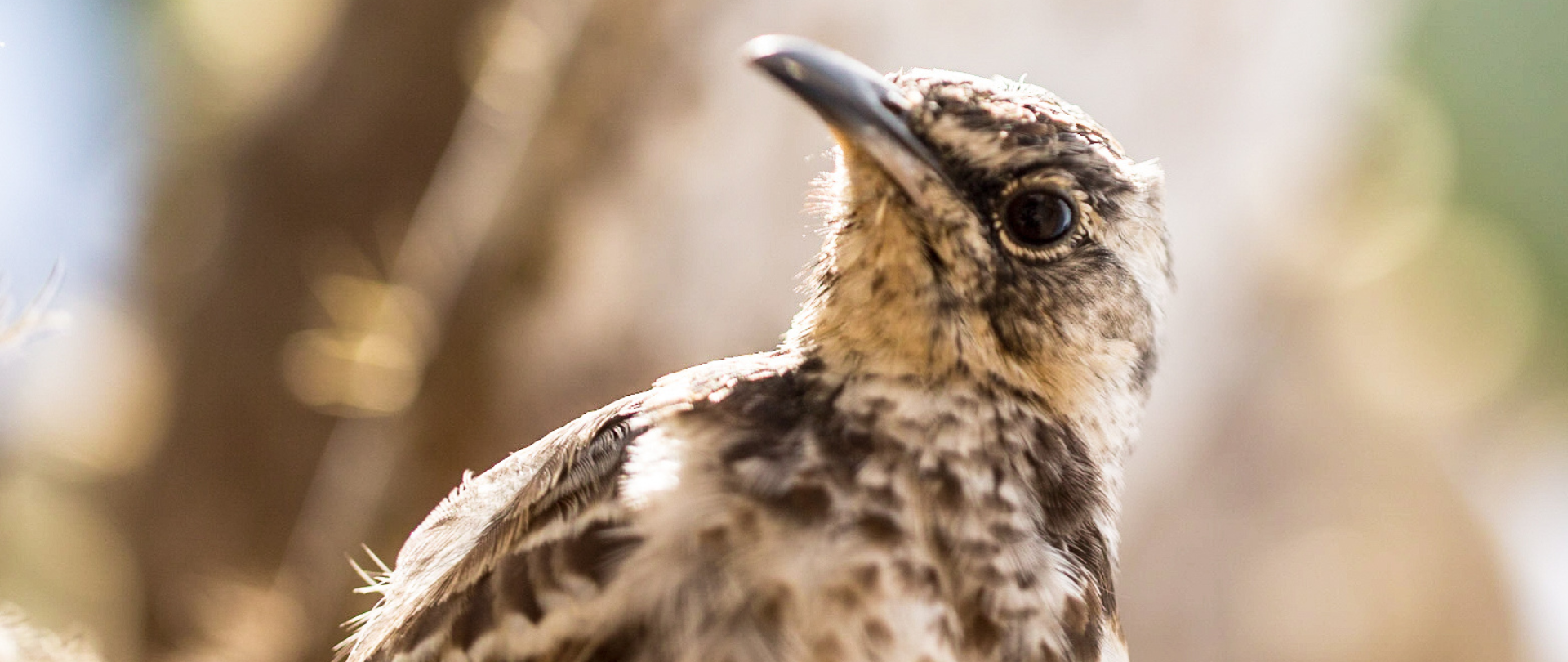
November 21, 2025
Holistic restoration is at work on Floreana Island, where the largest conservation project in the history of the Galápagos is underway!
October 30, 2025
Our proposal for a United Nations-sanctioned Decade of Island Resilience spotlights the power of global small islands!