September 9, 2026
Some Island Ecosystems Are More Resilient to El Niño
El Niño doesn't create weak ecosystems; it reveals them. Find out how resilient islands can survive and bounce back from stress caused by El Niño!
 Island Conservation
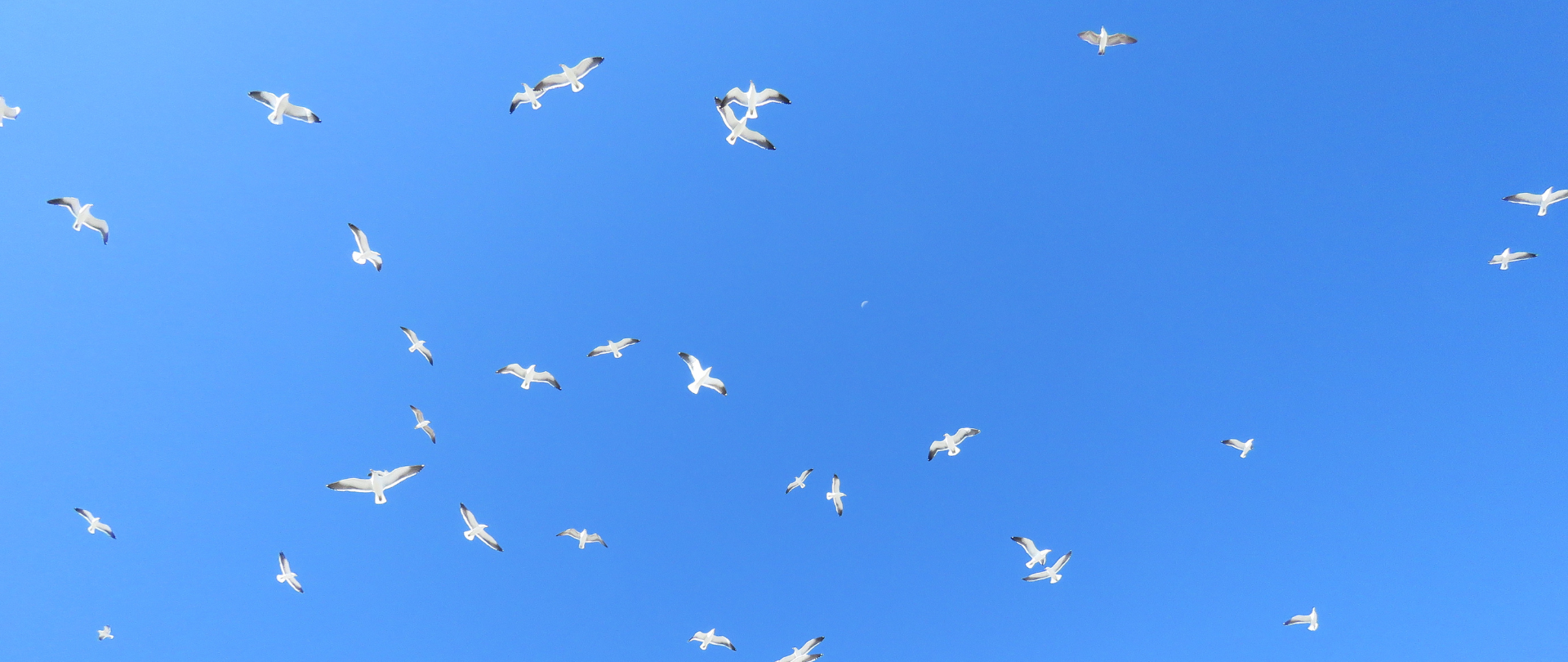
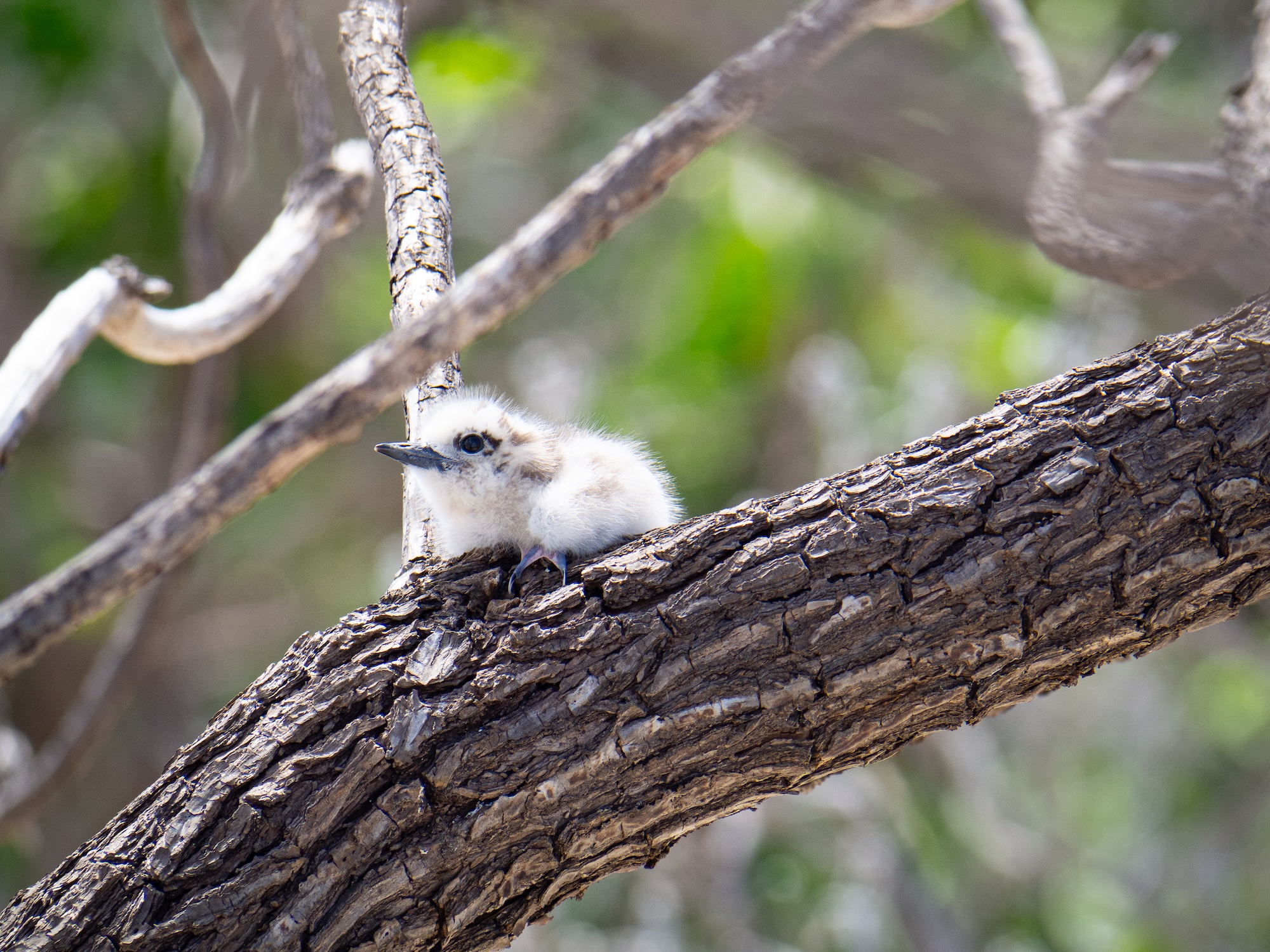
A new global synthesis published today titled The circular seabird economy is critical for oceans, islands and people in Nature Reviews Biodiversity reveals how seabirds act as powerful connectors between marine and terrestrial ecosystems and why protecting seabirds is a powerful opportunity when tackling the triple crises of climate change, failing ocean health, and biodiversity loss. Led by Dr. Holly Jones of Northern Illinois University, with contributions from global experts and conservation leaders including BirdLife International, The Nature Conservancy, Lancaster University, and Island Conservation, the study introduces the concept of the “circular seabird economy”—a natural process where seabirds transfer nutrients from ocean to land and back again, shaping biodiversity and ecosystem health across vast scales.
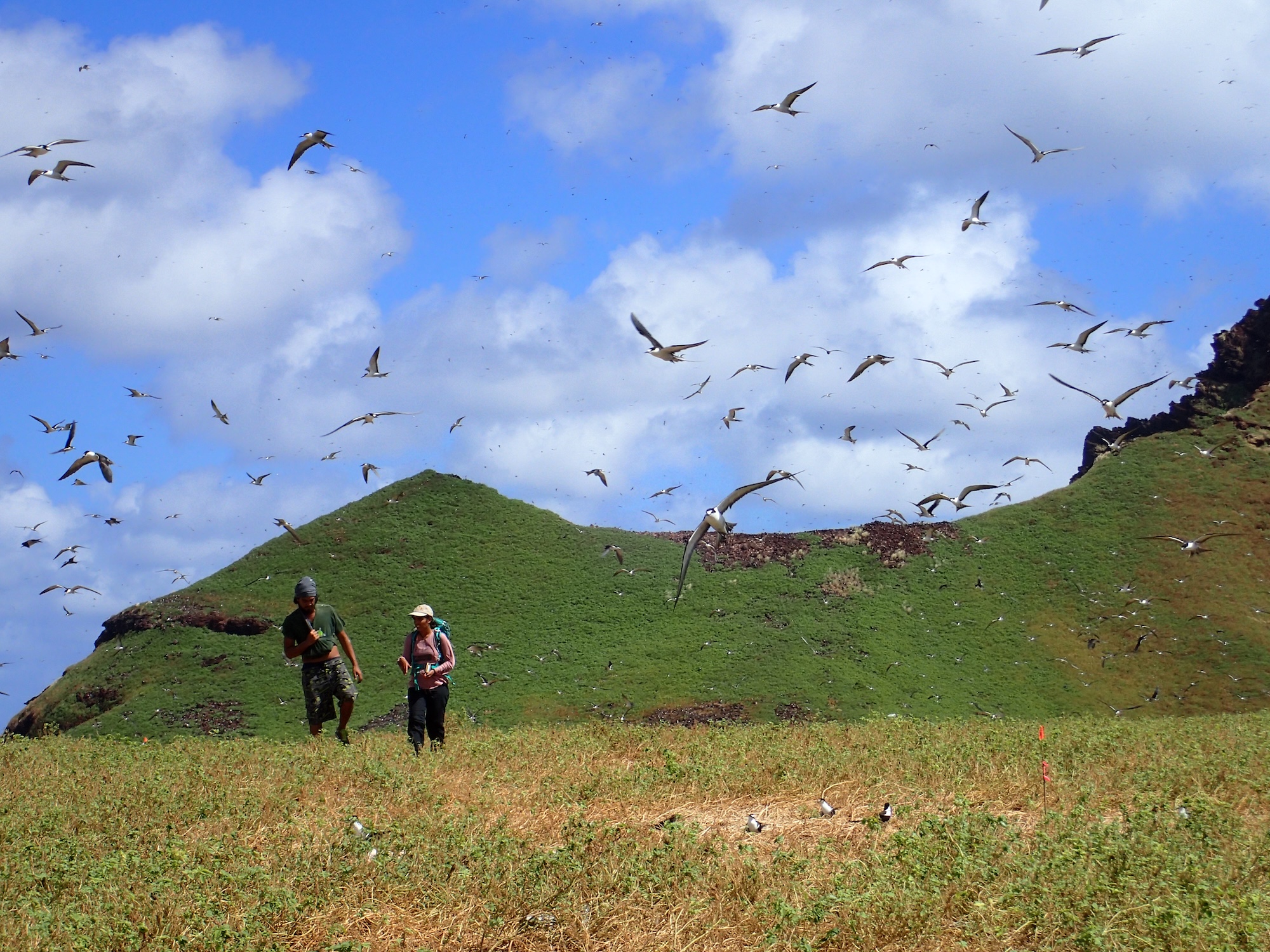
“Seabirds function as biological pumps, consuming prey in the ocean and transferring large quantities of nutrients to their breeding grounds on land,” said Dr. Holly Jones, Presidential Research Professor at Northern Illinois University. “They connect the ocean and islands in ways that are both powerful and measurable.
David Will
Senior Director of Impact and Innovation, Island Conservation
Drawing on decades of research, this paper demonstrates how seabird-derived nutrients, delivered primarily through guano (bird poop), fuel productivity on islands and nearby marine habitats. “These nutrients, when transported back into surrounding waters, support coral growth, bolster fish biomass, and enhance the resilience of marine ecosystems to the effects of climate change,” explains co-author Professor Nick Graham, Lancaster University, UK. “The ecological benefits of these natural nutrient flows are really very dramatic.”
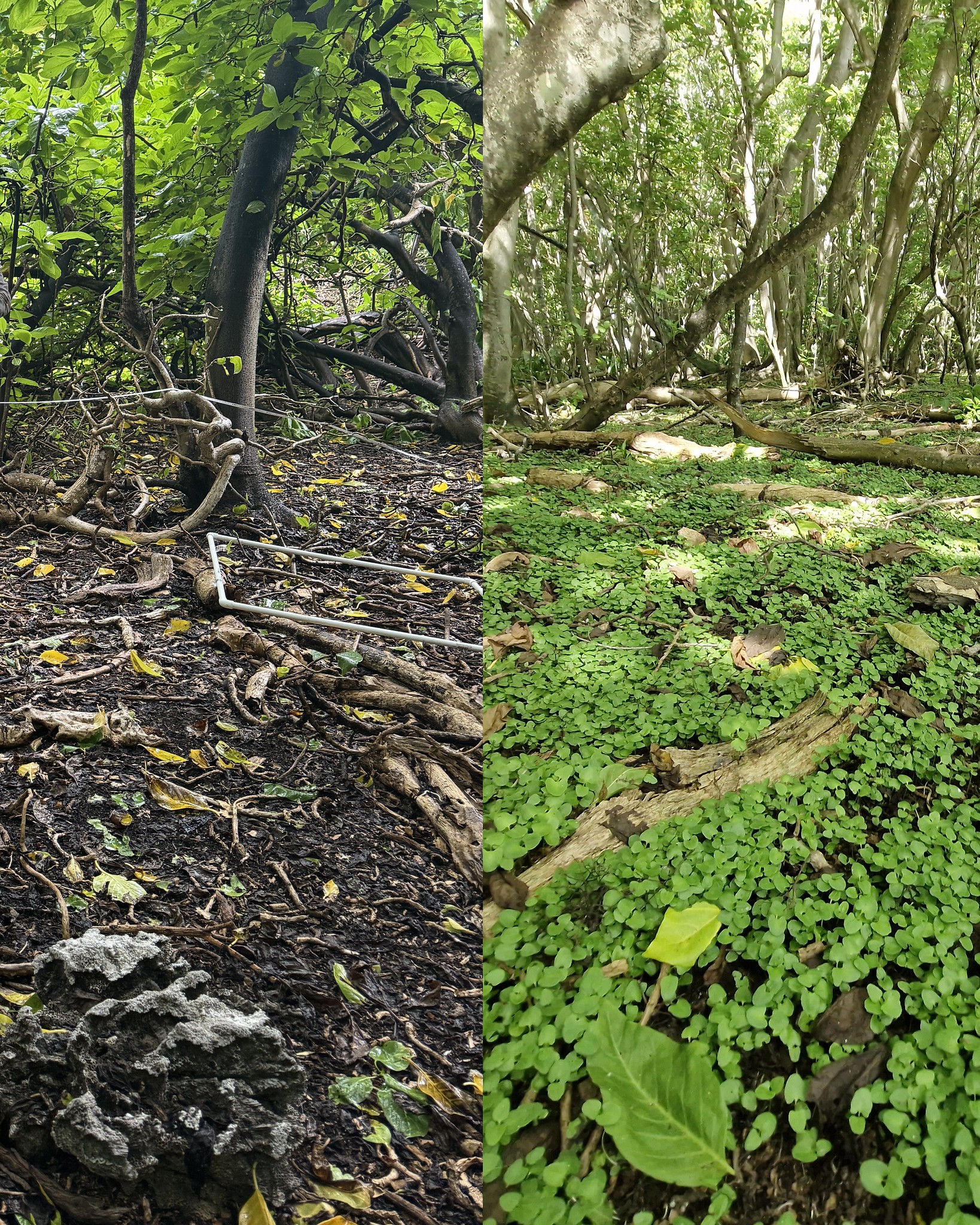
Yet, nearly one-third of seabird species are threatened with extinction and islands, where most seabirds breed, are among the world’s most vulnerable marine biodiversity hotspots. The study identifies ecosystems where mounting evidence where seabirds connect land and sea, like atolls, and also identifies critical knowledge gaps in underrepresented habitats like mangroves, seagrass beds, and oyster reefs – calling for more integrated research across terrestrial and marine systems to fully understand the scope and potential of the circular seabird economy.
“Seabirds influence ecosystems across vast spatial scales, yet many of their marine impacts remain understudied. This paper identifies key knowledge gaps and calls for more integrated research to understand how seabirds support ecosystem function from ridge to reef,” says Casey Benkwitt, Lancaster University.
As threats to seabirds intensify, so does the need for innovative science and inclusive conservation. The study highlights emerging tools, like remote sensing, ecoacoustics, and environmental DNA, that are transforming how we monitor seabird impacts across land and sea. These technologies offer scalable, cost-effective ways to track ecosystem recovery and guide restoration efforts.
“Seabirds are intimately tied to many cultures around the world, yet Indigenous and traditional ecological knowledge have largely been sidelined by dominant forms of science. Future research should seek a more holistic approach that weaves in indigenous perspectives on the circular seabird economy,” says Laura-Li Jeannot, a PhD student at Lancaster University and study co-author.
Understanding how seabirds support the ecosystems people rely on, from fisheries to coastal protection, is essential. By investing in seabird restoration and the science that supports it, we can unlock powerful co-benefits for nature and communities alike.
There’s more than one way to make an impact. Join our collective of dedicated supporters by donating today or signing up for our newsletter to stay informed.
Paper found here.
Photos and b-roll here.
Interviews available upon request.
Sally Esposito, Senior Communications Director, Island Conservation sally.esposito@islandconservation.org
“This synthesis is a one-stop shop for understanding the benefits seabirds provide. It’s also a roadmap for future research—highlighting where we need to dig deeper to understand how seabirds support ecosystem resilience on islands and at sea, especially in the face of climate change.” Nick Holmes, Associate Director for Oceans at The Nature Conservancy in California.
Island Conservation’s mission is to restore islands for nature and people worldwide. We are a United States-based 501(c)(3) charitable organization with a globally distributed team—often made up of local islanders who bring deep knowledge and connection to the places where we work. Together, we collaborate with local communities, government management agencies, and conservation organizations to holistically restore islands by bringing back biodiversity, the foundation of all healthy ecosystems. We do this by removing a primary threat (introduced, damaging invasive species) and accelerating the return of native plants and animals. We utilize innovative technology and techniques to work more efficiently and showcase the many benefits of holistically restored islands for biodiversity, climate resilience, ocean health, and sustainable development across the globe.
The Nature Conservancy is a global conservation organization dedicated to conserving the lands and waters on which all life depends. Guided by science, we create innovative, on-the-ground solutions to our world’s toughest challenges so that nature and people can thrive together. We are tackling climate change, conserving lands, waters and oceans at an unprecedented scale, providing food and water sustainably and helping make cities more resilient. The Nature Conservancy is working to make a lasting difference around the world in 83 countries and territories (39 by direct conservation impact and 44 through partners) through a collaborative approach that engages local communities, governments, the private sector, and other partners. To learn more, visit nature.org or follow @nature_press on X.
Check out other journal entries we think you might be interested in.

September 9, 2026
El Niño doesn't create weak ecosystems; it reveals them. Find out how resilient islands can survive and bounce back from stress caused by El Niño!

August 25, 2026
A new study reveals the role fungi play in the restoration and recovery of rare, resilient atoll ecosystems!

July 28, 2026
Happy World Nature Conservation Day! Read Penny Becker's article published by the Outreach Network for Gene Drive Research.

July 17, 2026
Three different animals show how connector species prop up island-ocean ecosystems!
July 9, 2026
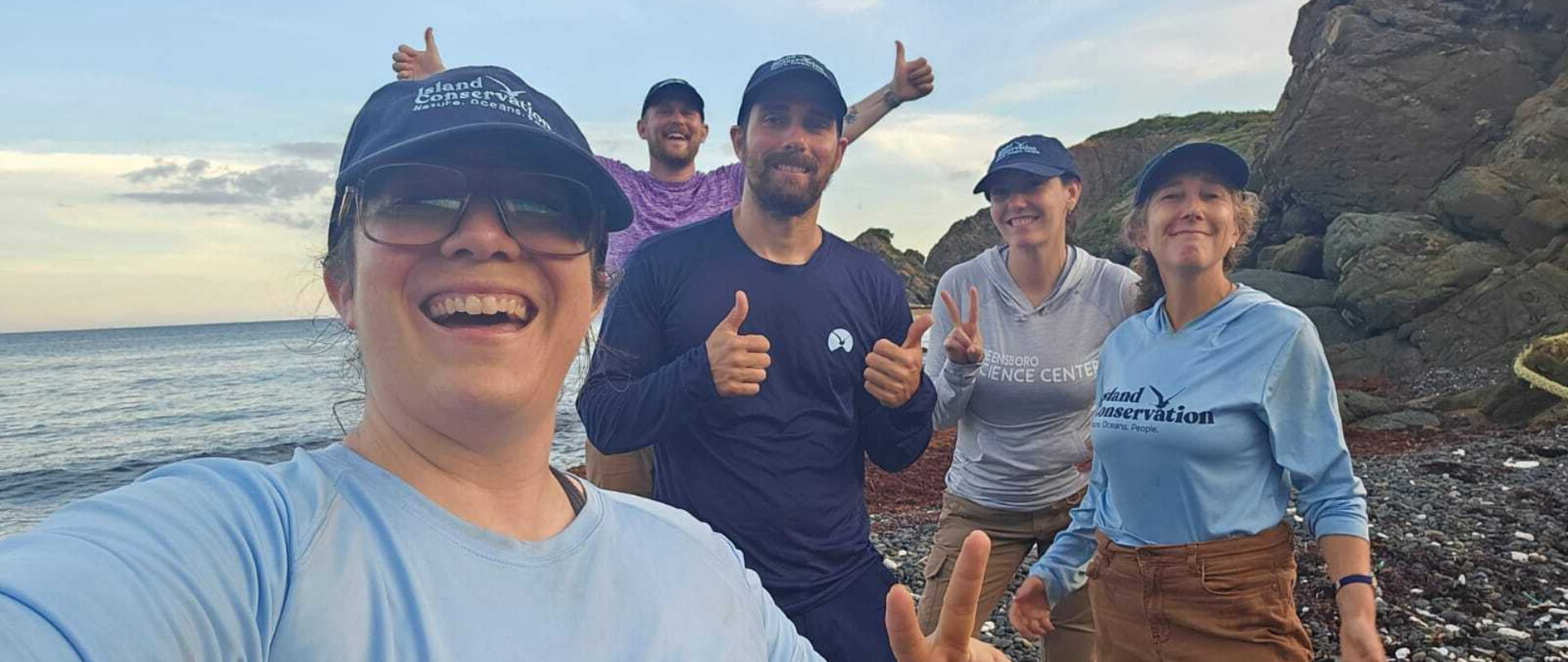
Senior Major Gifts Officer Jen Sachs shares her experience on one of Island Conservation's exciting restoration projects in the US Virgin Islands!
July 2, 2026
Invasive species have caused over $12 billion in damages to island ecosystems, creating an urgent need for strengthened biosecurity measures!
June 23, 2026
The Island-Ocean Connection Challenge announced four new restoration projects—Lehua, Tavolara, Grand Rouveau, and Zembra—at London Climate Week, expanding its global effort to restore 40 island-ocean ecosystems by 2030!
June 8, 2026
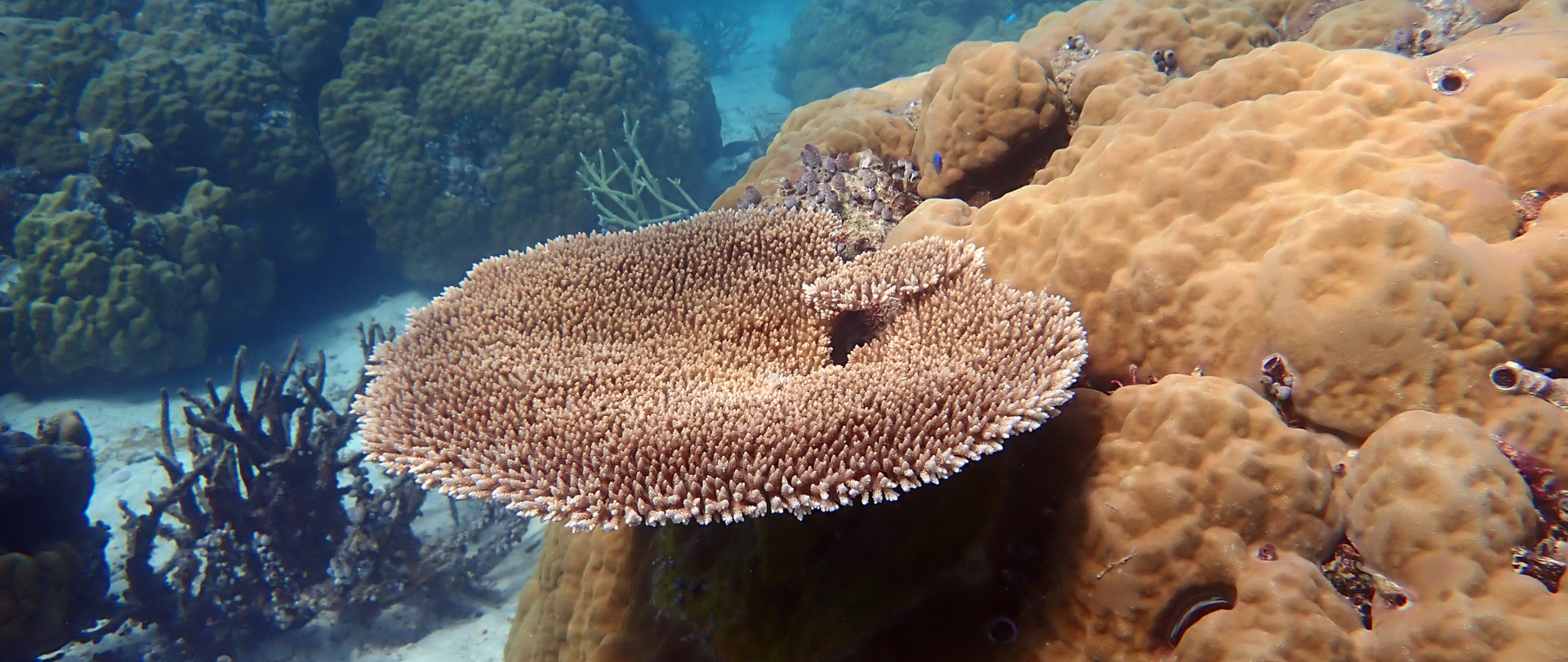
A world-first controlled experiment shows connection between seabird activity and marine health on Ulong Island!
April 14, 2026
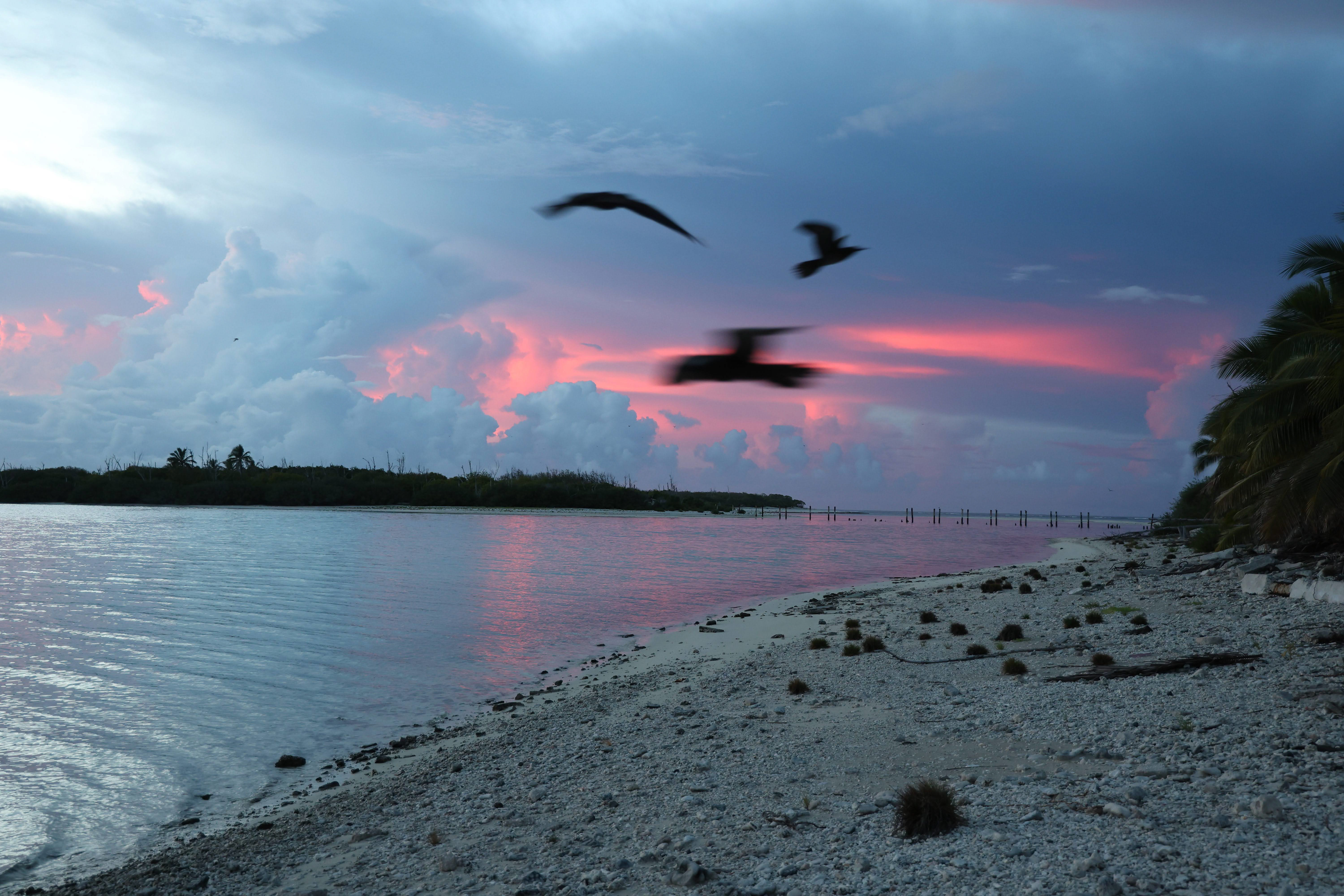
A historic moment: Wake Atoll is restored and thriving!
April 9, 2026
We made a list of easy ways you can show your support for the environment--during April and all year long!