December 4, 2025
New Science: Seabirds on Restored Islands Boost Coral Reef Health
A new study reveals how seabirds, connector species between land and sea, play a huge role in the health of coral reefs!
Published on
August 28, 2025
Written by
Bren Ram
Photo credit
Bren Ram
We’re thrilled to see new scientific research emerging from Lord Howe Island, where we supported work to restore the island by removing harmful invasive species back in 2019.
In July 2025, a new study published in Ecology and Evolution by Megan L. Grant et al. revealed the results of this effort through the rebounding population of Sable Shearwaters. These key connector species bring nutrients to Lord Howe in their guano, which fertilizes the soil, enriches plant life, and even influences the diets of invertebrates.
Lord Howe Island, a UNESCO World Heritage site off the coast of Australia, is home to an extraordinary array of endemic species—plants and animals found nowhere else on Earth. But like many islands, it has faced intense ecological pressure from invasive species. These predators decimated native bird populations, disrupted plant regeneration, and pushed several species to the brink of extinction.

This unique ecosystem has hosted many ambitious restoration projects, from the meticulous removal of African Big-Headed Ants to the rediscovery of the Lord Howe Stick Insect. But the removal of harmful invasive rodents would prove to be one of the most beneficial of all.
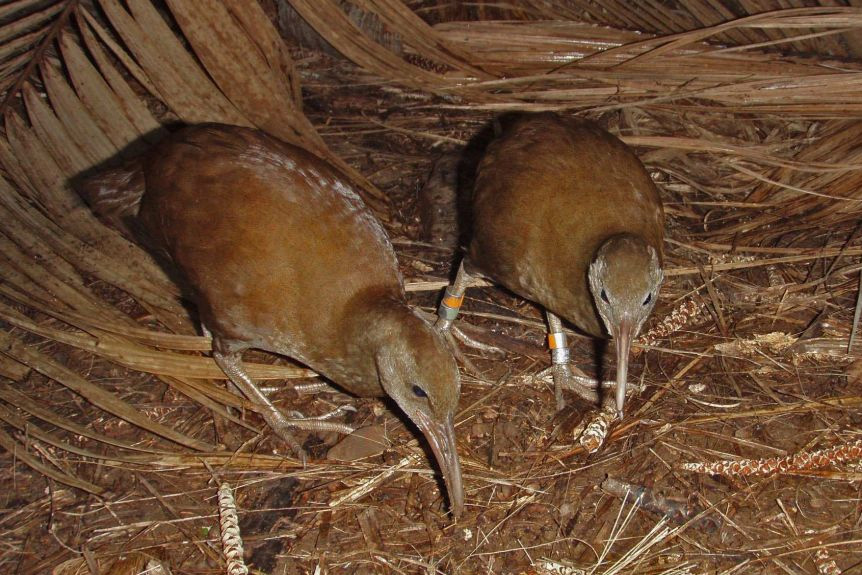
Conservationists implemented extensive monitoring and mitigation plans to safeguard Lord Howe’s rare species, including the endangered Lord Howe Woodhen and Currawong. Over 90% of the Woodhen population was temporarily relocated during the operation and re-released to their healing island home once rats were gone.
The results of this work were dramatic. Post-eradication surveys showed surprisingly steep increases in native bird populations. The Woodhen population more than quadrupled, and other species like the Silvereye and Golden whistler also saw significant gains. Even species with precarious populations, such as the Buff-Banded Rail, rebounded quickly!
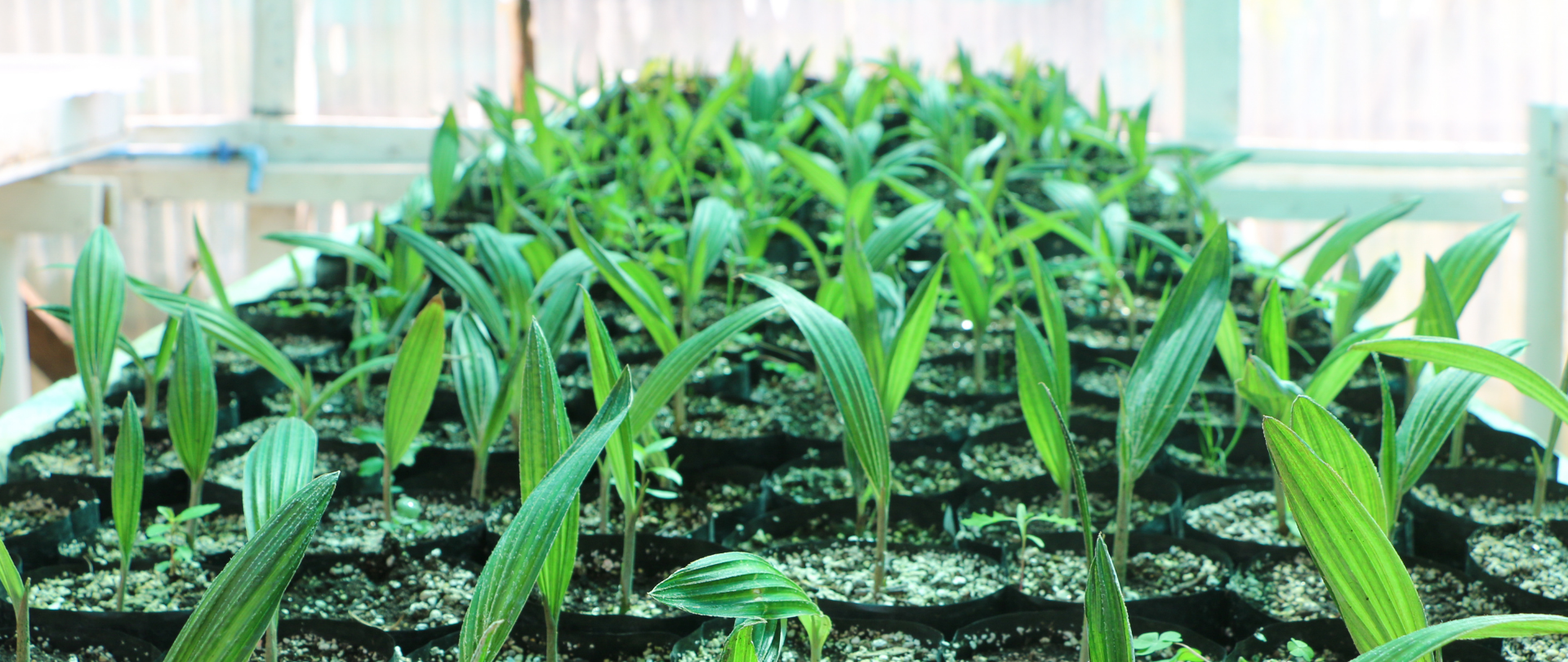
The newly-published Grant et al. (2025) study adds a fascinating layer to this story. It shows how seabirds like the Sable Shearwater contribute to island ecosystems by transporting marine nutrients inland where they can be recycled. Their guano enriches the soil with nitrogen, phosphorus, and potassium—key ingredients for healthy plant growth. This nutrient transfer boosts the vitality of primary producers like the Kentia Palm. The benefits quickly spread across the food web, even affecting the stable isotope signatures of soil invertebrates like Leopard Slugs.
Interestingly, the study found that even abandoned seabird colonies still showed signs of marine-derived nutrients. This suggests a long-lasting ecological imprint and highlights the interconnectedness of island ecosystems with their marine counterparts.

The success on Lord Howe Island was thanks to collaboration and cooperation to manage an incredibly complex project. By combining invasive species management with careful protection of native wildlife, we created the conditions for biodiversity to flourish. The resurgence of seabirds, the rebound of endemic birds, and the revitalization of plant communities all point to the power of holistic restoration. Bringing back biodiversity builds a strong foundation for all interconnected ecosystems!
Although they may seem small and isolated, islands are complex systems where every species plays a role. Seabirds fertilize the soil. Native birds control insect populations. Plants stabilize the terrain. Remove one piece, and the whole puzzle shifts. Restore it, and the ecosystem begins to heal.
Lord Howe Island’s journey offers hope and a blueprint for other island ecosystems facing similar challenges. It shows that science-led, community-supported conservation can reverse ecological decline and spark a biodiversity renaissance.
Because they’re on the front lines of interconnected global crises—climate change, biodiversity loss, and failing ocean health—islands are important laboratories to explore conservation solutions that can affect the entire planet. The more we learn about how nutrients move through these complex ecosystems, the better we’ll be positioned to holistically restore more ecosystems for nature and people worldwide!
There’s more than one way to make an impact. Join our collective of dedicated supporters by donating today or signing up for our newsletter to stay informed.
The partners who supported this project were the Australian Government, the National Landcare Programme, NSW Government, NSW Environmental Trust, the UN Educational, Scientific, and Cultural Organization, and the Taronga Zoo.
Check out other journal entries we think you might be interested in.
December 4, 2025
A new study reveals how seabirds, connector species between land and sea, play a huge role in the health of coral reefs!
November 25, 2025
A new scientific paper is changing the way we understand Rapa Nui (Easter Island)'s ecological history!
November 21, 2025
Holistic restoration is at work on Floreana Island, where the largest conservation project in the history of the Galápagos is underway!
October 30, 2025
Our proposal for a United Nations-sanctioned Decade of Island Resilience spotlights the power of global small islands!
October 29, 2025
Astounding evidence of recovery on Ulong Island in Palau after just one year!
October 26, 2025
A new study shows the power of seabirds to drive entire ecosystems by circulating nutrients between land and sea!
September 30, 2025
Astonishing results from our work to restore sites in the Republic of the Marshall Islands, boosting climate resilience and ocean health!
September 24, 2025
Don't let its comparatively small land area fool you--Tokelau is a world leader in conservation!
September 12, 2025
How can you make the maximum impact on the planet with your donation? Some conservation actions are most cost-effective than others!
September 4, 2025
Incredible collaboration and success in the Juan Fernández Archipelago, with thousands of threatened trees benefiting from bold conservation action!