January 22, 2026
The circular seabird economy is critical for oceans, islands and people
Our Senior Director of Impact & Innovation, David Will, explains the importance of the Circular Seabird Economy for nutrient transfer!
Published on
July 14, 2025
Written by
Bren Ram
Photo credit
Bren Ram
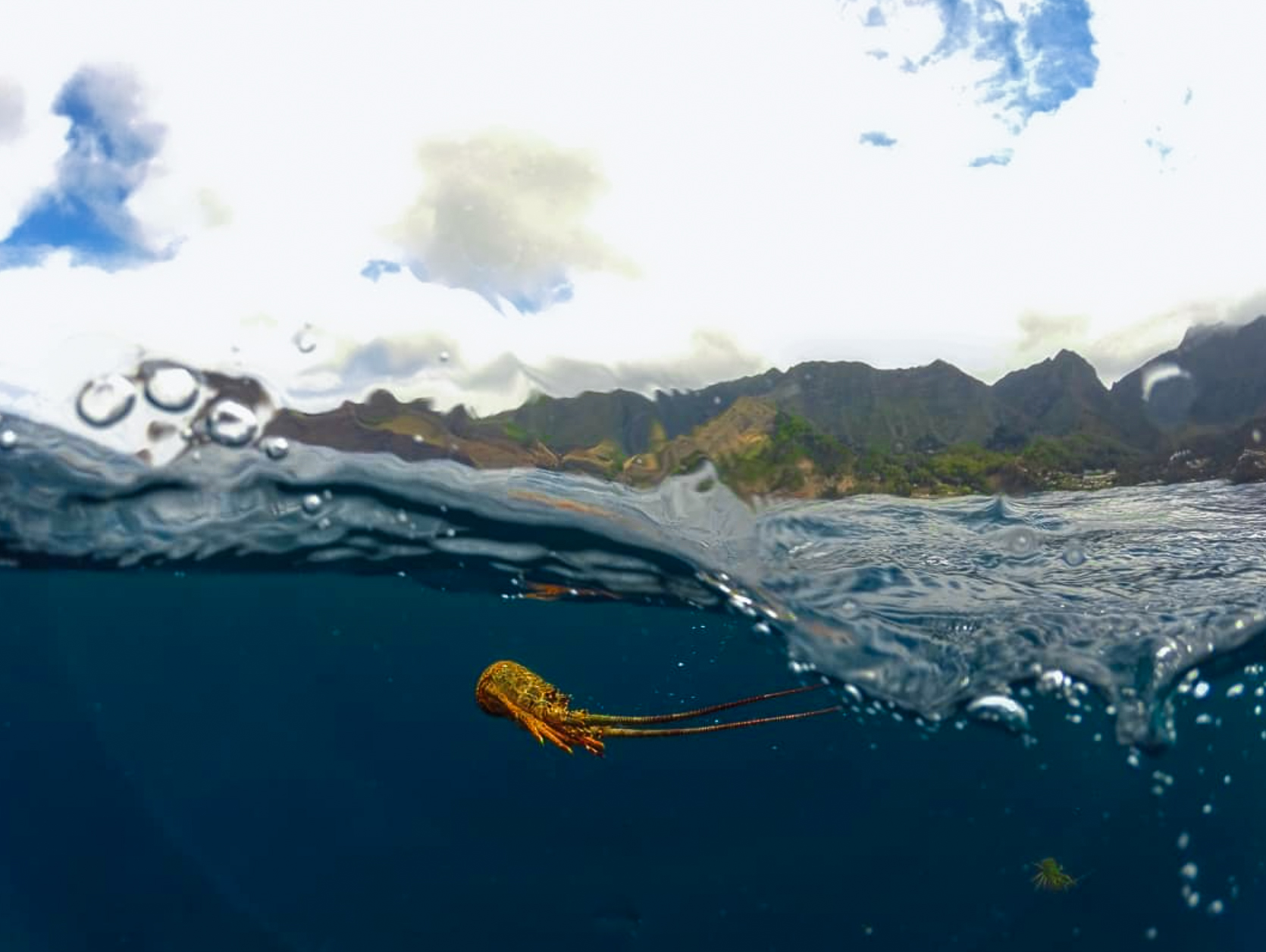
The health of our planet’s ocean impacts every person on Earth. It drives the weather, feeds almost half the world’s population of humans, and acts as a crucial carbon sink and reflective surface to keep our planet cool. But when it comes to protecting the ocean, one crucial piece of the puzzle is often overlooked: islands. These special places, and the people who call them home, play an outsized role in ocean health and stewardship. And one of the most powerful, collaborative tools we have to protect islands and the ocean are Marine Protected Areas (MPAs).
An MPA is a designated section of the ocean where human activity is more carefully managed for the long-term conservation of marine ecosystems, biodiversity, and cultural heritage. MPAs are often described as national parks at sea: places where marine life can thrive, fish populations can recover, and coastal communities can build resilience.
MPAs come in many forms, from fully protected no-take zones to areas that allow sustainable fishing. They are established by governments and can be managed in different ways based on their various needs and features. And each MPA is unique not only in its geography and the biomes it protects, but also in its stated goals and who manages them. Ultimately, though, all MPAs aim to protect ocean health in the long term, benefiting both nature and people.
But protecting square miles of ocean is only part of the picture. MPAs depend on proper implementation and healthy islands, which are key sites of connection between land and sea ecosystems. Seabirds, for example, feed in the ocean and return to islands to nest, depositing nutrient-rich guano. This guano fertilizes island soils and washes into the sea, nourishing coral reefs and marine life.
Restoring islands, and making sure that this nutrient flow continues uninterrupted, can lead to massive benefits for near-shore ecosystems. Research shows that restored islands can support 50% more fish biomass and coral reefs that recover from bleaching up to 4x faster. These benefits ripple outward, making MPAs around restored islands more effective and resilient.

Island communities are on the front lines of climate change, biodiversity loss, and ocean degradation. Well-managed MPAs help protect their food sources, cultural heritage, and livelihoods. By supporting MPAs, we support islanders’ rights to steward their environments and build resilience for future generations. Involvement of Indigenous peoples in the governance and management of MPAs is both essential to achieving conservation goals and a right of Indigenous people.
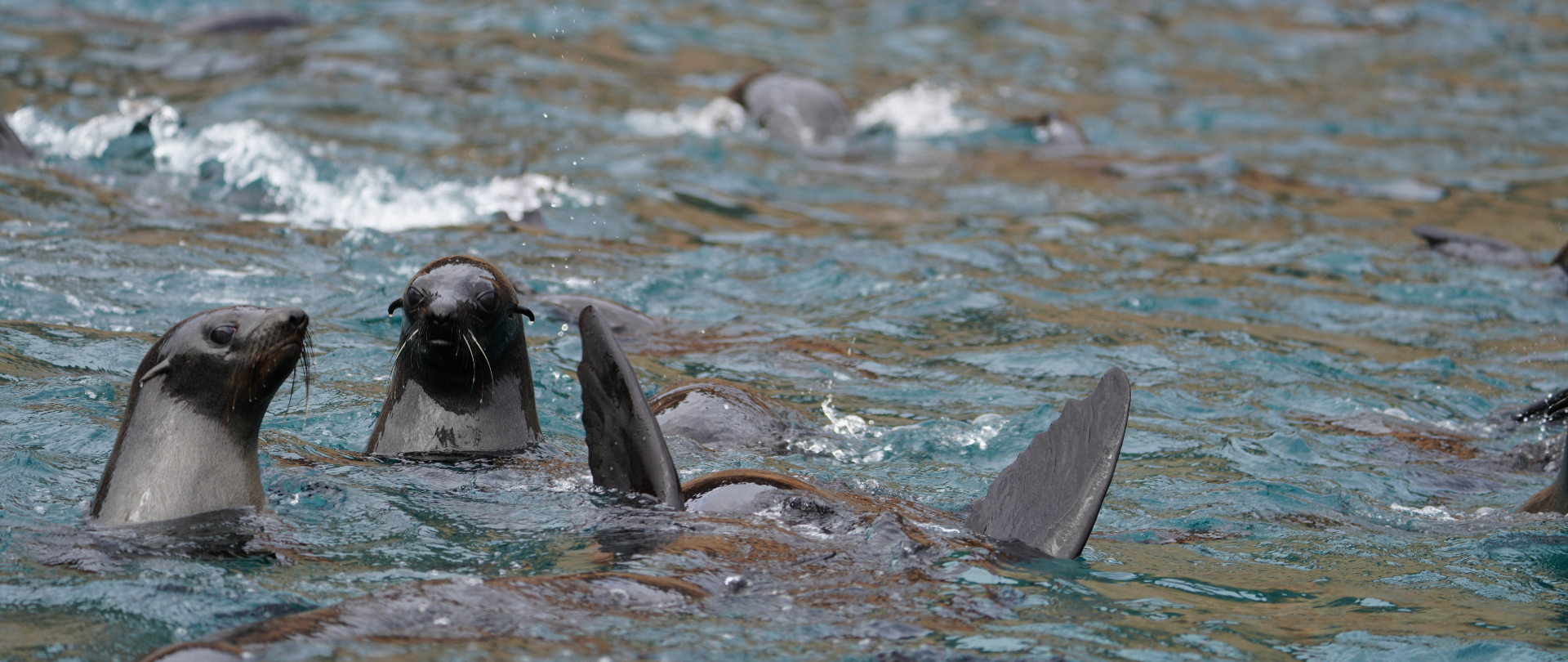
The ocean depends on islands, too: you can’t have a healthy ocean without healthy islands. The land-sea connection is real and powerful. Seabirds, sea turtles, and seals move nutrients, energy, and life between land and sea. Holistically restoring and rewilding islands amplifies the impact of marine conservation, and when islands are better able to support the lives of islanders who live on them, the ocean benefits from their stewardship too.
MPAs help fish stocks rebound, protect endangered species, and build climate resilience. They also support sustainable livelihoods for island communities that depend on a healthy ocean. By protecting the ocean, we protect ourselves—our food, our culture, and our future.
You can be part of this global mission. Support Island Conservation and the Island-Ocean Connection Challenge by making a donation today to help restore island-ocean ecosystems for nature and people worldwide, and keep up with our team by subscribing to our newsletter!
Check out other journal entries we think you might be interested in.
January 22, 2026
Our Senior Director of Impact & Innovation, David Will, explains the importance of the Circular Seabird Economy for nutrient transfer!
January 15, 2026
Not all Marine Protected Areas are equally effective. A new study shows how high-quality, well-implemented MPAs provide outsized impacts for biodiversity!
December 22, 2025
Elke Windschitl, our Conservation Impact Data Specialist, gives us the lowdown on
December 4, 2025
A new study reveals how seabirds, connector species between land and sea, play a huge role in the health of coral reefs!
November 25, 2025
A new scientific paper is changing the way we understand Rapa Nui (Easter Island)'s ecological history!
November 21, 2025
Holistic restoration is at work on Floreana Island, where the largest conservation project in the history of the Galápagos is underway!
October 30, 2025
Our proposal for a United Nations-sanctioned Decade of Island Resilience spotlights the power of global small islands!
October 26, 2025
A new study shows the power of seabirds to drive entire ecosystems by circulating nutrients between land and sea!
September 12, 2025
How can you make the maximum impact on the planet with your donation? Some conservation actions are most cost-effective than others!
August 28, 2025
A new paper reveals the benefits of holistic restoration on Australia's Lord Howe Island!