October 29, 2025
Data Shows Endangered Palau Ground Doves Swiftly Recovering After Successful Palauan Island Conservation Effort
Astounding evidence of recovery on Ulong Island in Palau after just one year!
 Island Conservation
Endemism
Many islands are home to species found nowhere else on Earth. If invasive species begin to disturb such islands’ ecosystem balances, the native species being negatively affected have no alternative home or additional populations, and could swiftly go extinct.

Specialists have Limitations
Many native island species are considered evolutionary “specialists.” They occupy specific ecological niches. They may have highly specialized diets or behaviors that enable them to survive in the extreme environments that islands often are. Invasive species tend to be generalists—they can survive in a variety of conditions and habitats. If a pair of rodents makes it to an island ecosystem, they may quickly deplete the limited food supply that a native species relies on, or take over its habitat and make its own home there.

Defenseless
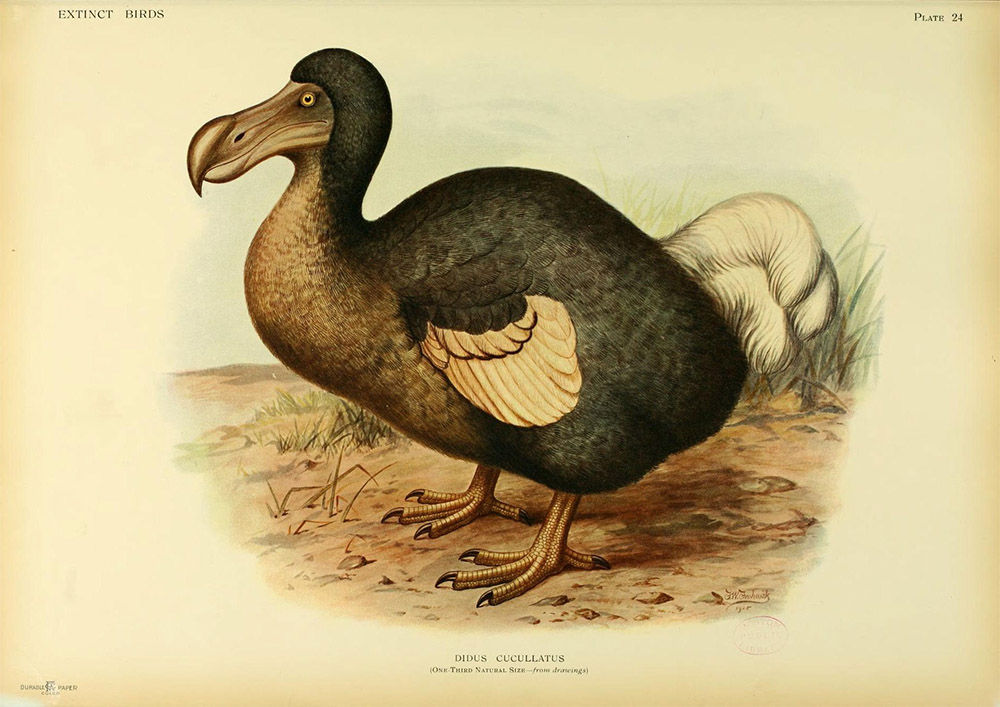
Many island species evolved in the absence of predators, meaning they don’t have defense mechanisms that other species might have, such as flight, camouflage, poison, or weaponry. If invasive predators enter an island species’ habitat, the native species are not equipped to cope with the new threat.
Bound by Water
If a pair of rodents is accidentally introduced to a mainland ecosystem, the native species of the region will try to adapt and may open up their range to avoid the unwanted predator. On an island, the only available habitat is limited to the terrain bounded by water. Even species that are able to swim or fly have evolved to return to these islands year after year. On an island, even one pair of rodents can quickly proliferate, thoroughly infiltrating what was once safe, healthy habitat for native species.

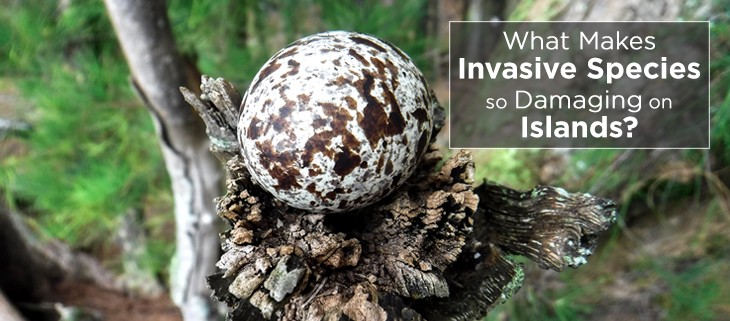
Featured Photo: White Tern Egg, Midway Atoll. Credit: Wes Jolley/Island Conservation
Check out other journal entries we think you might be interested in.

October 29, 2025
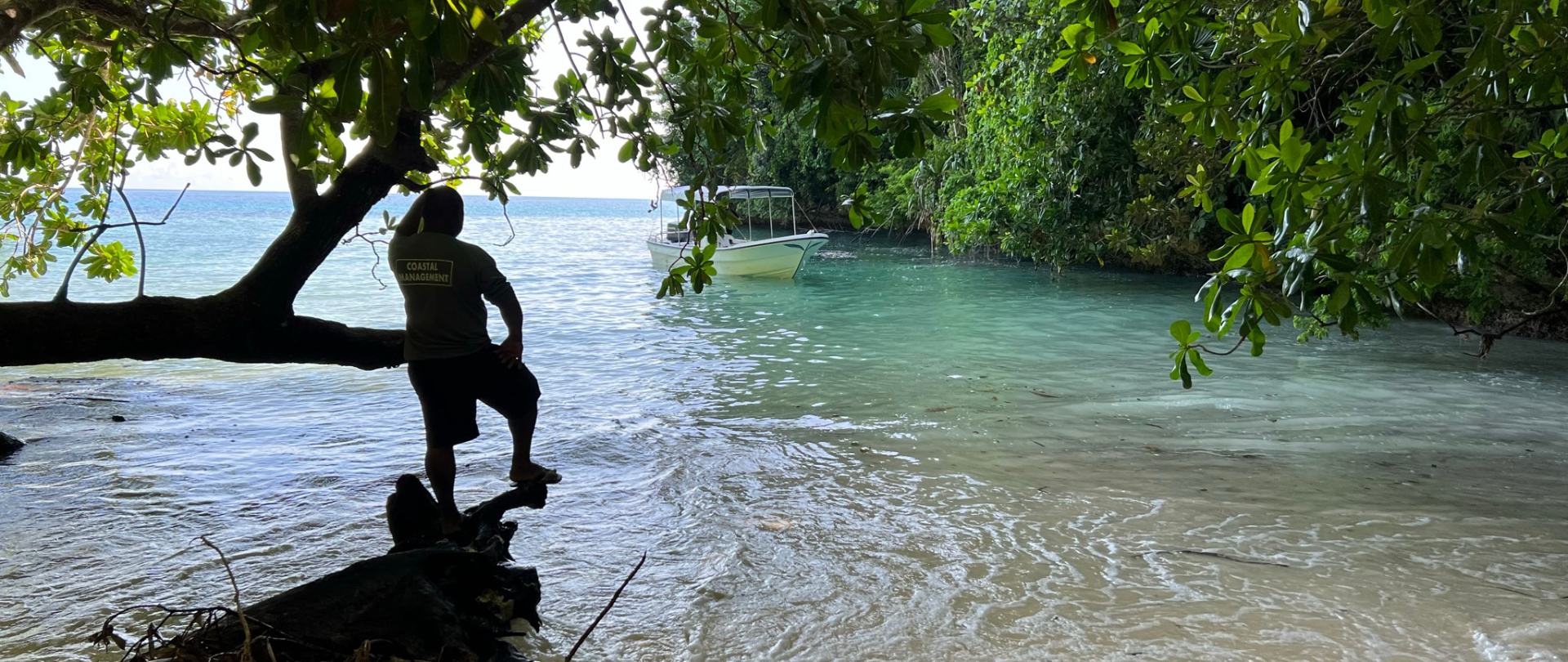
Astounding evidence of recovery on Ulong Island in Palau after just one year!
May 19, 2025
Read our position paper on The 3rd United Nations Ocean Conference (UNOC 3) to see why we're attending and what we aim to accomplish!
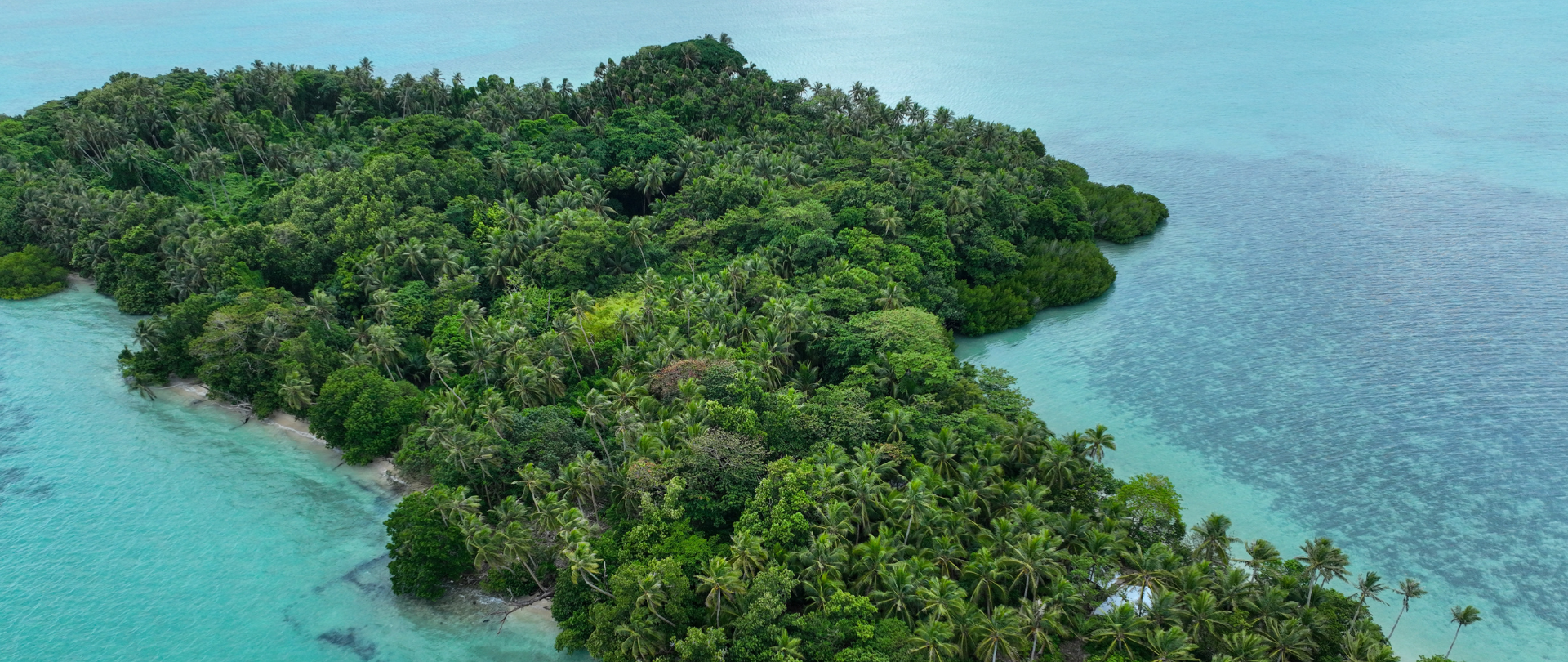
December 4, 2024
Ann Singeo, founder of our partner organization the Ebiil Society, shares her vision for a thriving Palau and a flourishing world of indigenous science!
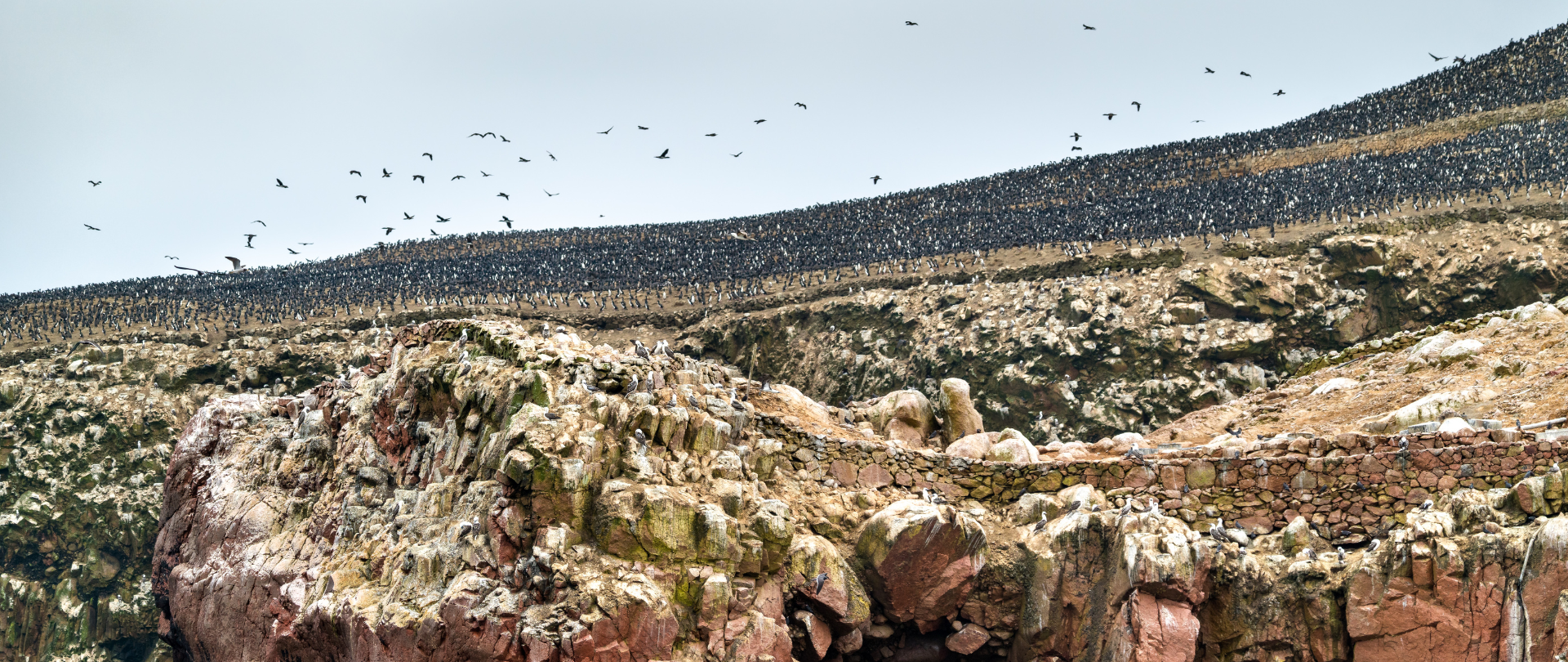
November 22, 2024
This historic agreement aims to protect the marine and coastal areas of the Southeast Pacific.
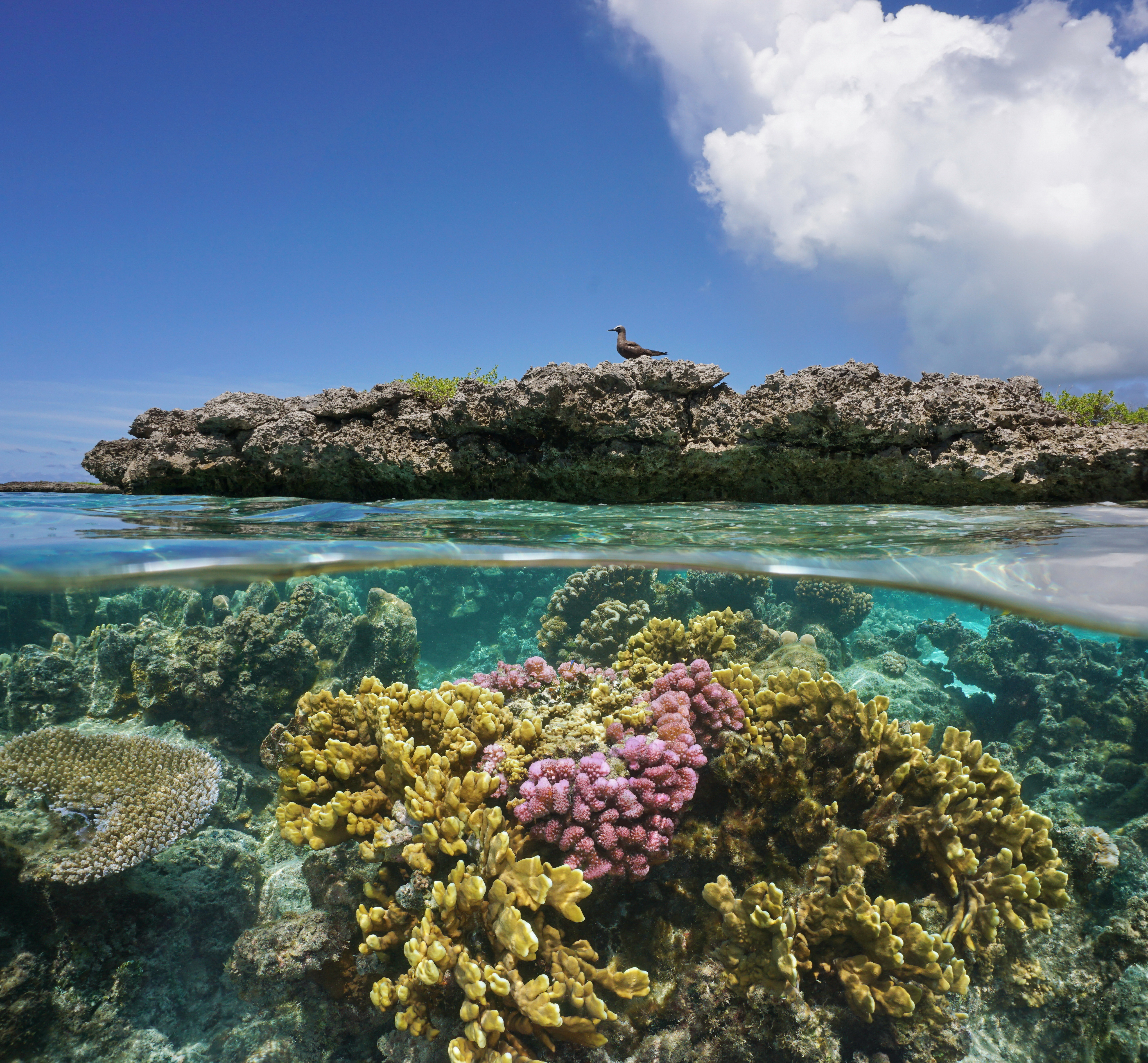
November 18, 2024
Our projects to restore key islets in Nukufetau Atoll forecast climate resilience and community benefits in Tuvalu!
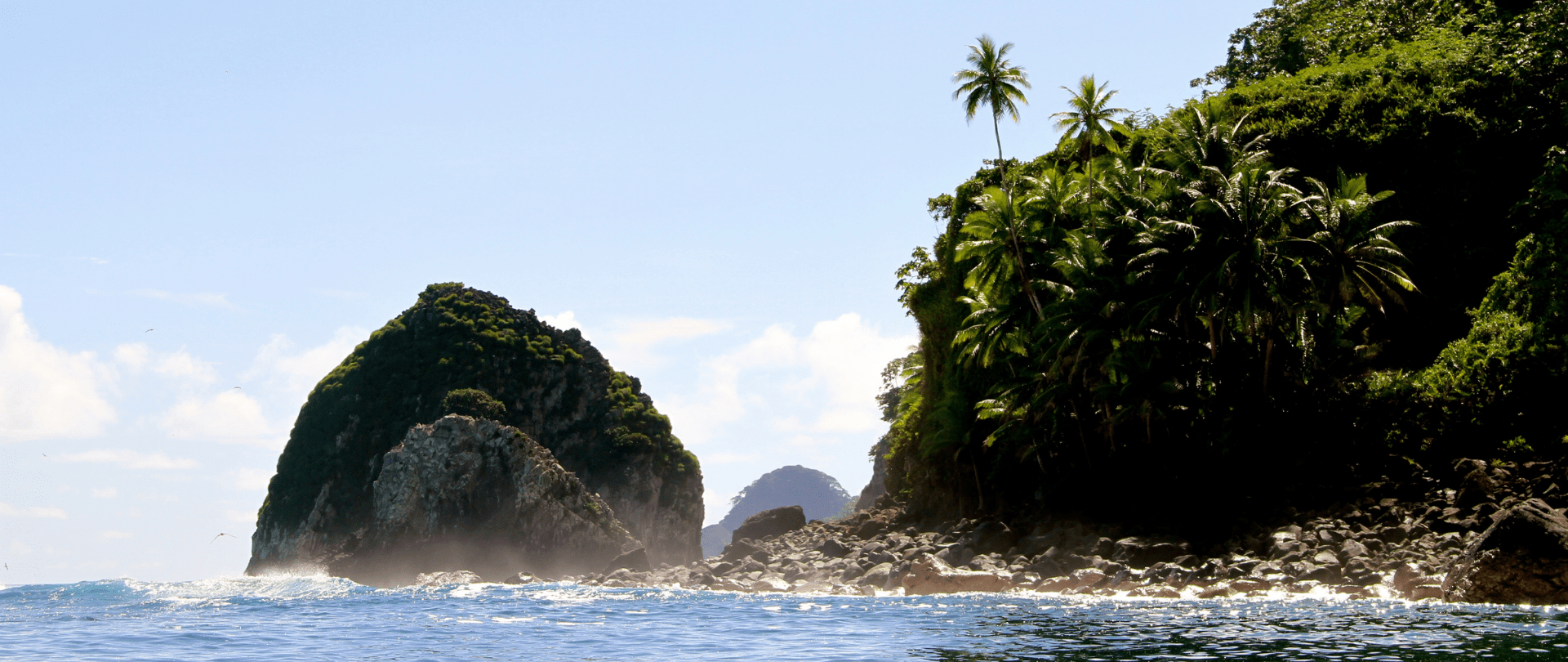
November 5, 2024
Island Conservation attended the 16th meeting of the Conference of the Parties to the Convention on Biological Diversity!
October 3, 2024
Island Conservation and partners have published a new paper quantifying ecosystem resilience on restored islands!
September 10, 2024
Climate Week NYC: what is it and why is it important? Read on to find out why Island Conservation is attending this amazing event!
September 5, 2024
With sea levels on the rise, how are the coastlines of islands transforming? Read on to find out how dynamic islands really are!
December 14, 2023
Join us in celebrating the most amazing sights from around the world by checking out these fantastic conservation photos!