February 25, 2026
A Homecoming for Floreana
Roger McDonough from our partners at Galápagos Conservancy explains the process behind raising hybrid tortoises for Floreana!
 Island Conservation
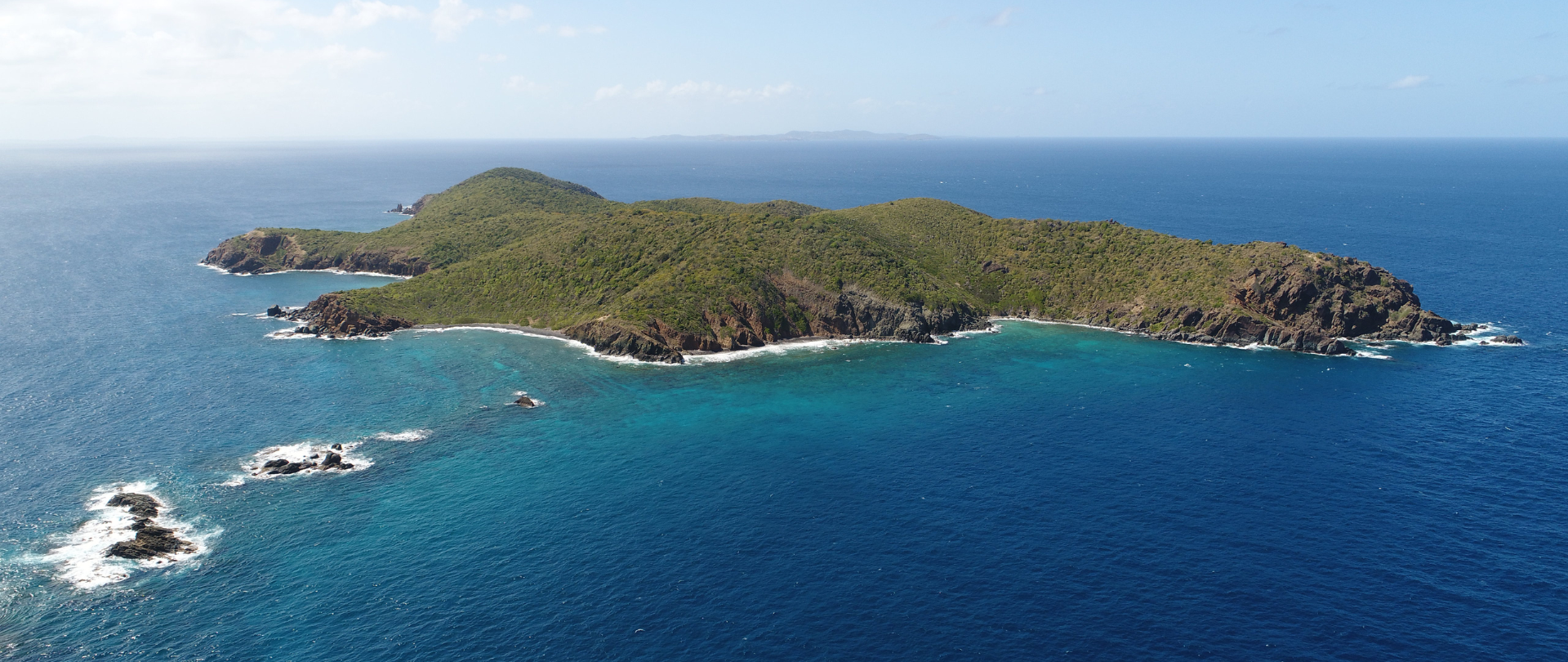
Nestled just 2 to 3 miles west of St. Thomas Island in the US Virgin Islands, Savana Island is a stunning ecological gem. This subtropical dry forest, part of the Puerto Rico Geographic Bank, is home to a diverse array of flora and fauna. However, one species is conspicuously absent: the Virgin Islands Tree Boa.
The Virgin Islands Tree Boa, a beautiful and elusive snake, once thrived across the Virgin Islands. Unfortunately, its habitat has been severely fragmented due to vegetation clearing and the introduction of invasive mammals, particularly the black rat (Rattus rattus). These invasive predators pose a significant threat to the boa, preying on its eggs, juveniles, and even adults. To bring the VI Tree Boa to Savana Island and help expand its historical range, it is crucial to eliminate these invasive rats.
In April 2021, Island Conservation staff conducted a site visit to Savana Island. Using motion-sensing cameras, tomahawk live traps, heavy-duty plastic chew tags, and ultrasonic recorders, they determined that all 72 hectares (178 acres) of the island were infested with black rats. This discovery underscored the urgent need for action.
Efforts to introduce the VI Tree Boa to new areas within its historic range have seen great success on other islands, and Savana Island is poised to be the next success story. The removal of black rats from Savana Island is a monumental step towards creating a safe refuge for this endangered snake. This ambitious project is a collaborative effort involving Island Conservation, the Division of Fish and Wildlife in the Department of Planning and Natural Resources from the US Virgin Islands, the US Fish and Wildlife Service, and the US Department of Agriculture.
The restoration project is set to begin in May/April of 2025, utilizing cutting-edge aerial conservation techniques.
But removing invasive rats from Savana Island is about more than saving the VI Tree Boa. This project will enhance the entire terrestrial and marine ecosystem, benefiting seabirds, native reptiles, plants, land crabs, and nearshore reefs.
Island Conservation is currently the world’s only international non-profit organization dedicated solely to restoring islands. We’re leading the restoration effort, guided by our principles to use holistic, nature-based solutions. Around the world, we combine improving community livelihoods, managing invasive species, and reintroducing native species to create resilient island ecosystems.
Savana Island and its surrounding area are locally important for biodiversity to thrive. The island boasts dense forests of native Silver Thatch Palm (Coccothrinax barbadensis), stands of Pink Trumpet Trees, (Tabebuia heterophylla), and dry shrublands of West Indian Lantana (Lantana camara). These ecological and aesthetic qualities give Savana Island special territorial and international significance for restoration and rewilding.
They also make it a perfect habitat for the VI Tree Boa. Our ultimate goal is to remove the snake from the Endangered Species list. In order for that to happen, we need to establish three additional populations that show a stable or increasing trend of growth. These new populations need to be in protected habitats free from invasive mammals and minimally impacted by sea level rise–and Savana fits the bill!
Moreover, this project will serve as a stepping stone for the USFWS, which aims to establish additional VI Tree Boa populations in the Culebra National Wildlife Refuge in Puerto Rico by eradicating rats from two elevated offshore cays (small, low islands)—Culebrita and Luis Peña. Fixing the links in the chain of the VI Tree Boa’s range will help its population become more resilient to the pressures that have brought the species to the brink.
Savana isn’t just an ideal habitat for the VI Tree Boa–it’s a part of the Caribbean’s natural heritage. This project represents a significant commitment from all partners involved and sets a precedent for future conservation efforts in the region.
Support the holistic restoration of Savana Island today by making a donation, and join our newsletter for updates from the project!
Check out other journal entries we think you might be interested in.
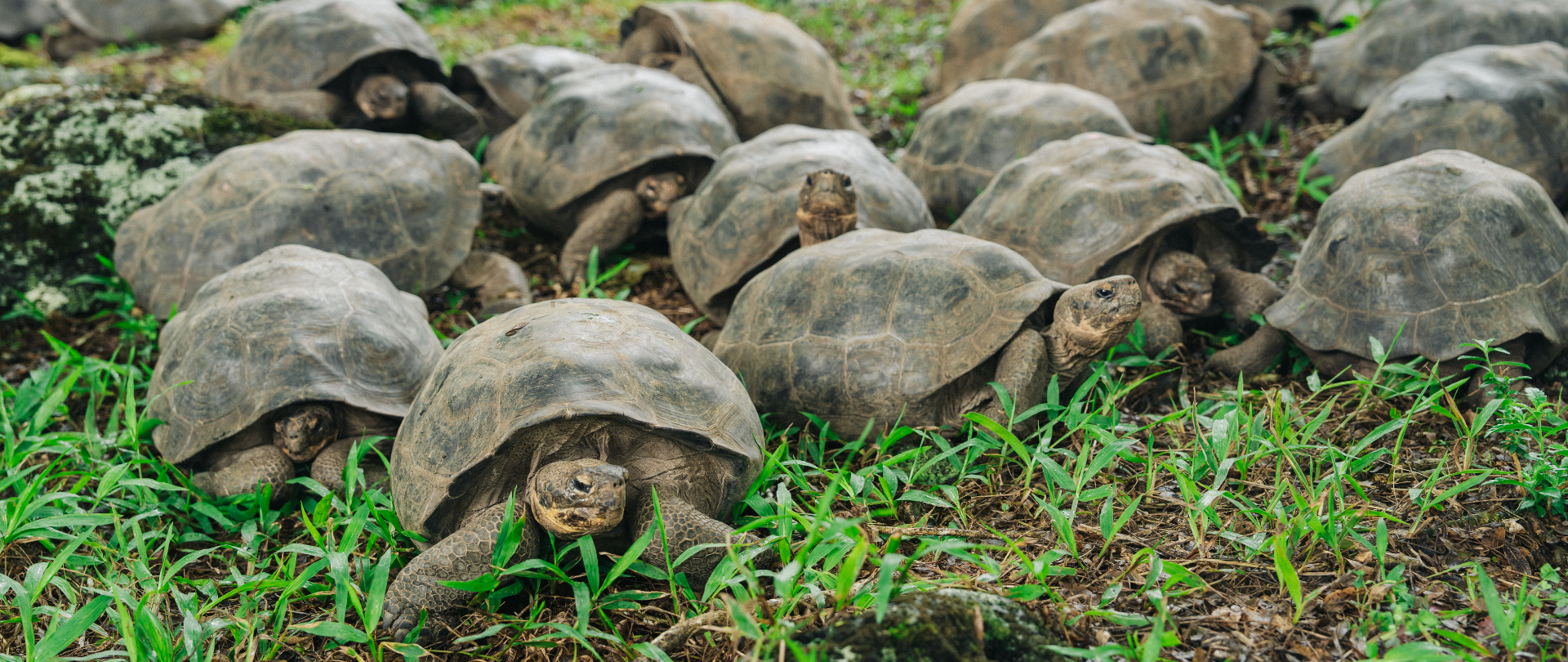
February 25, 2026
Roger McDonough from our partners at Galápagos Conservancy explains the process behind raising hybrid tortoises for Floreana!
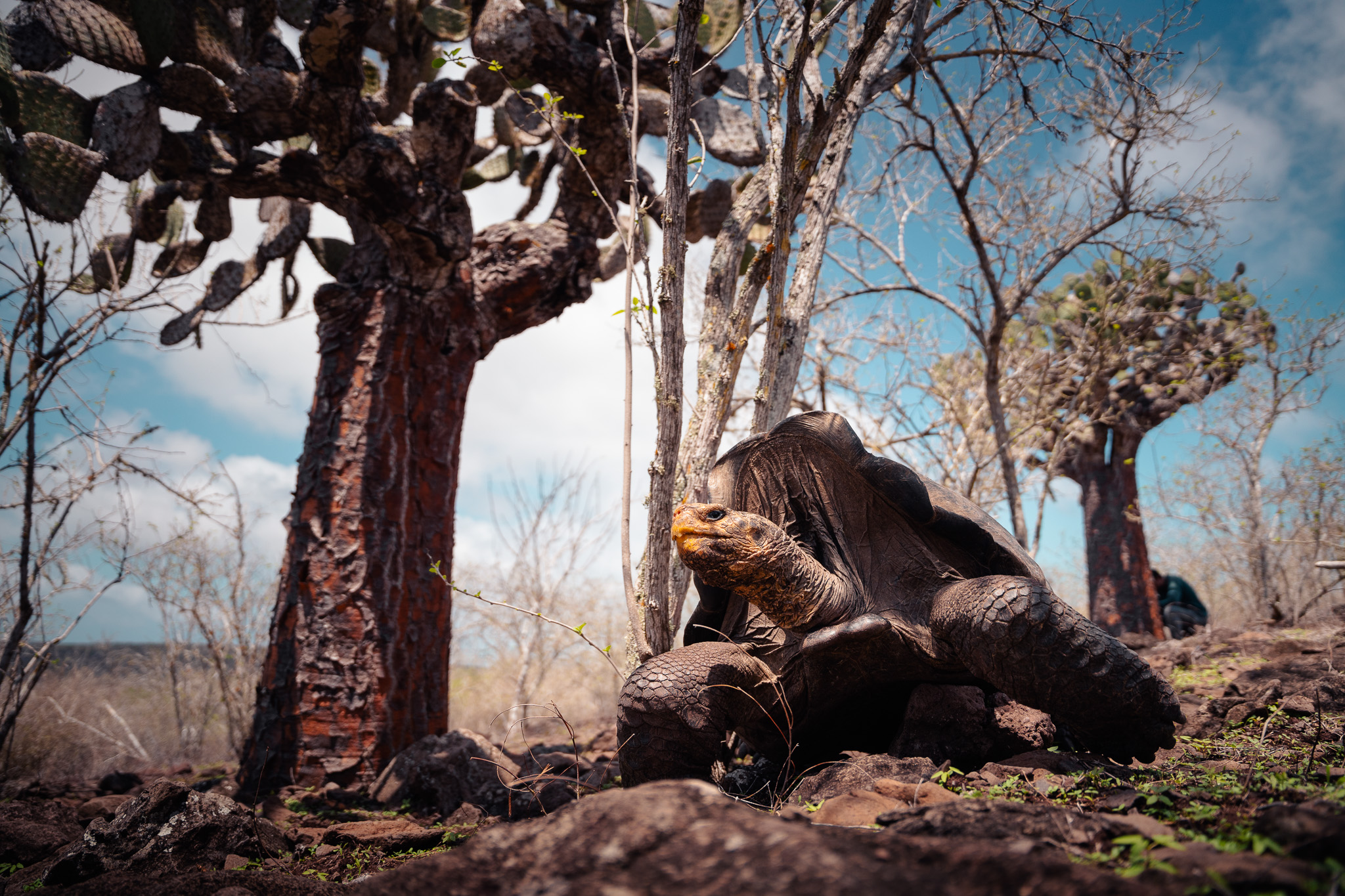
February 20, 2026
For the first time in more than 180 years, giant tortoises are once again walking the landscapes of Floreana Island!
February 6, 2026
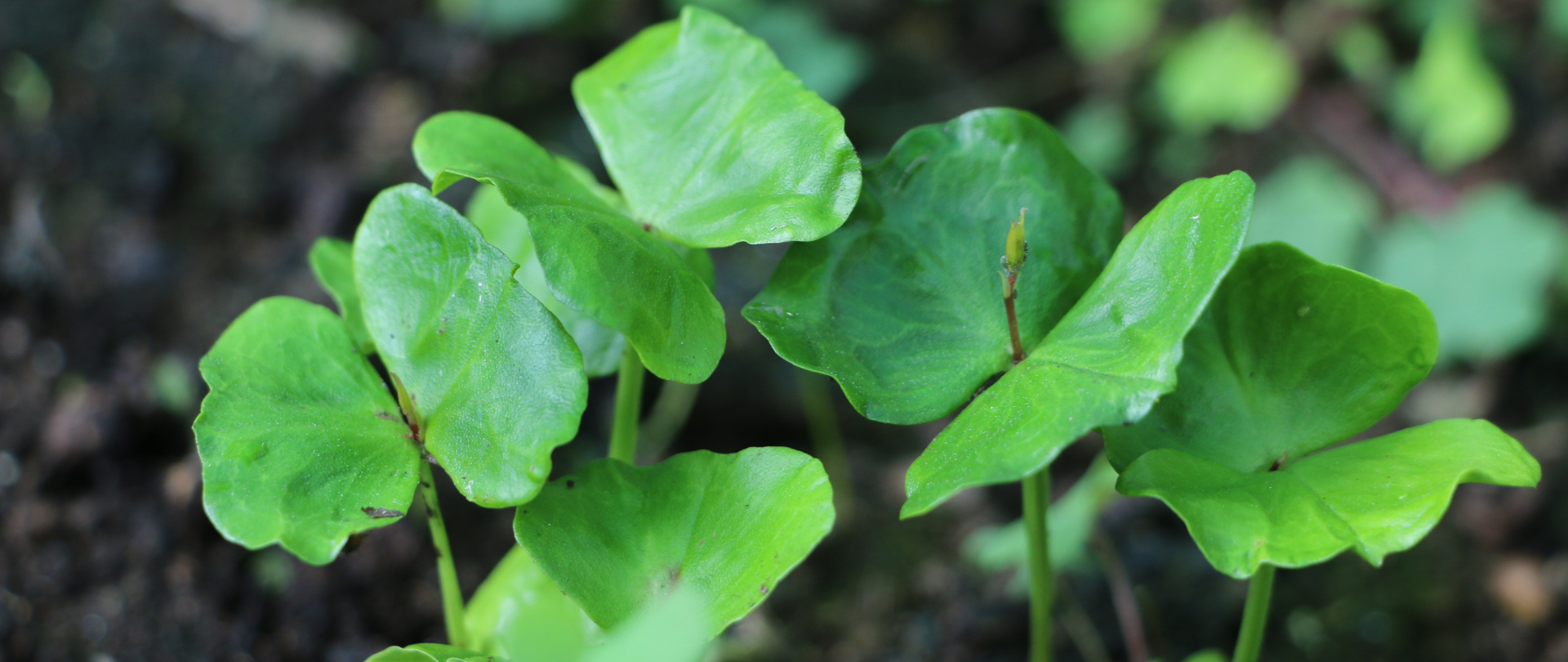
¡Mira el video de Solange y lee una entrevista sobre Robinson Crusoe! Watch Solange's video and read an interview about Robinson Crusoe!
January 28, 2026
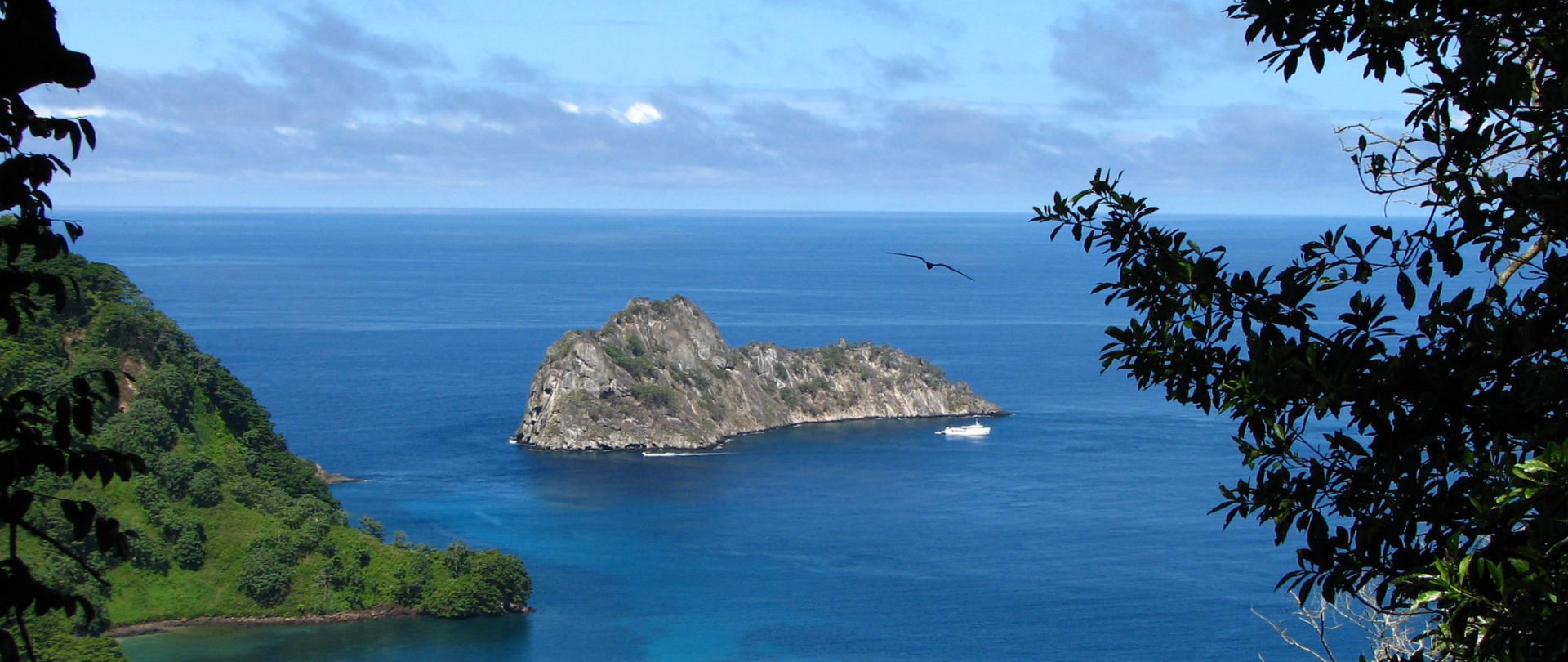
We worked with Blue Action Fund to expand marine protection in the Eastern Pacific--read about our success!
January 9, 2026
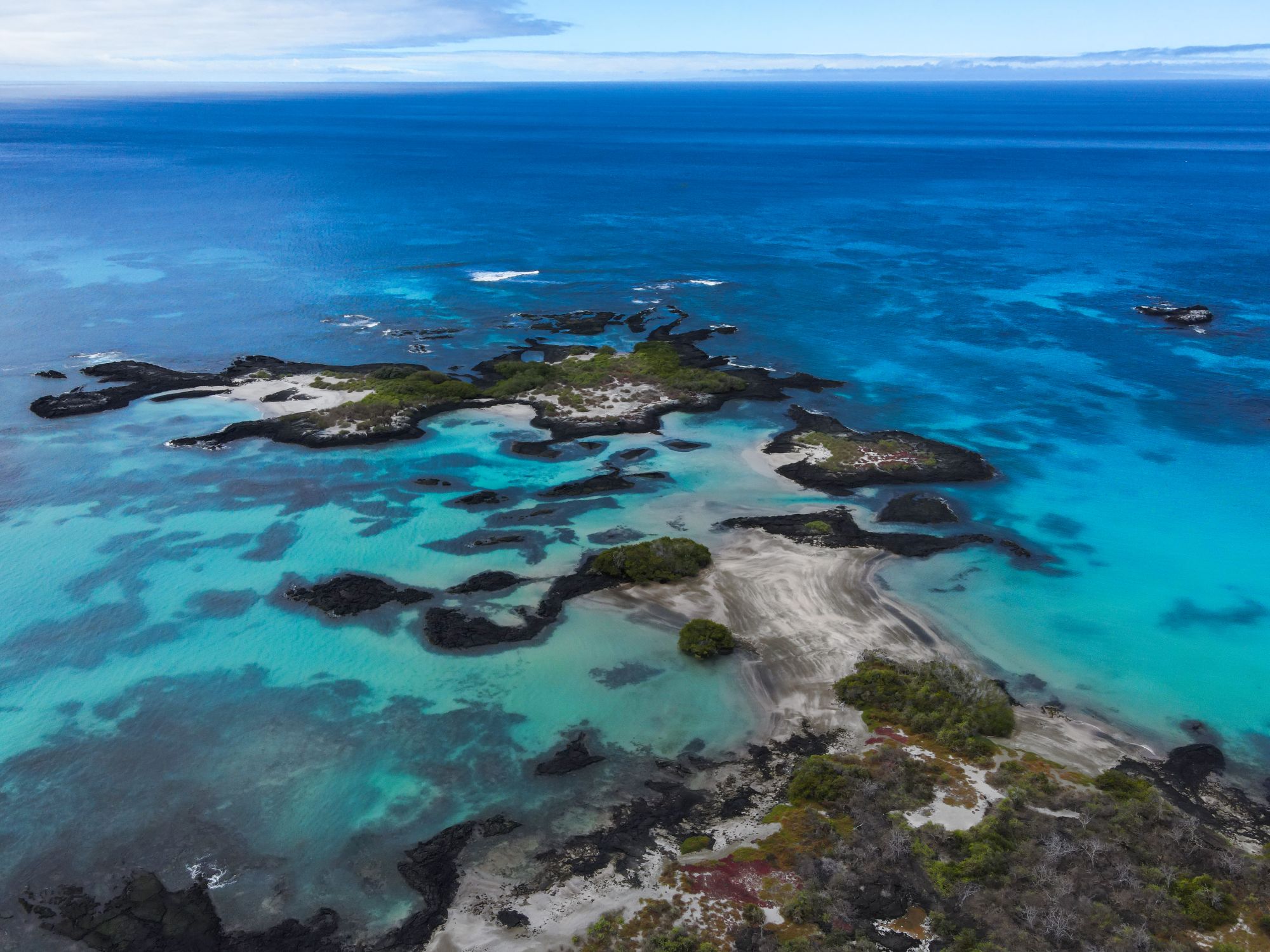
A new podcast episode explains the full benefits of holistic restoration on Floreana Island!
December 16, 2025
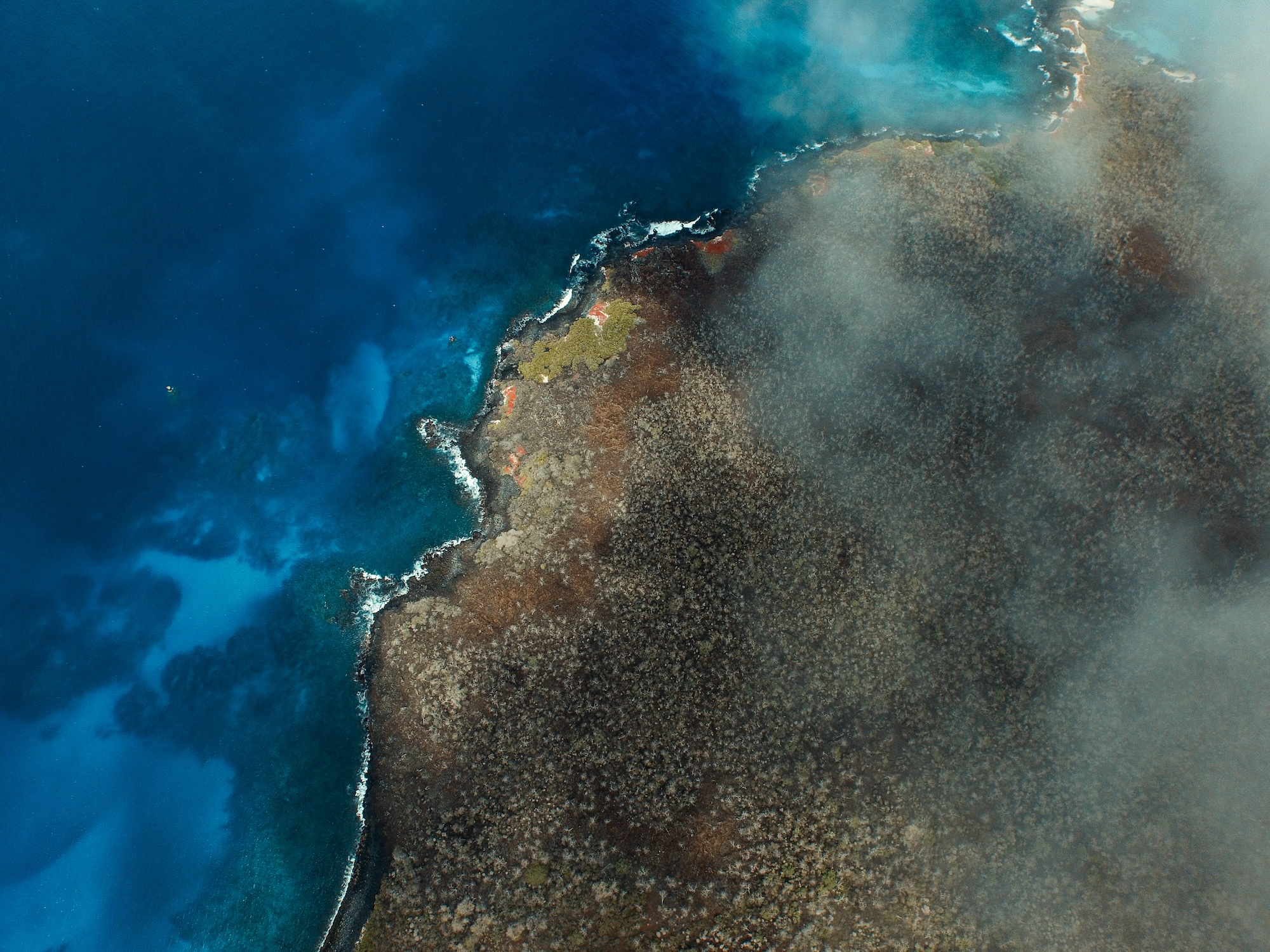
Read the full ecological story of Floreana Island in the Galápagos from the early settlements to today.
November 21, 2025
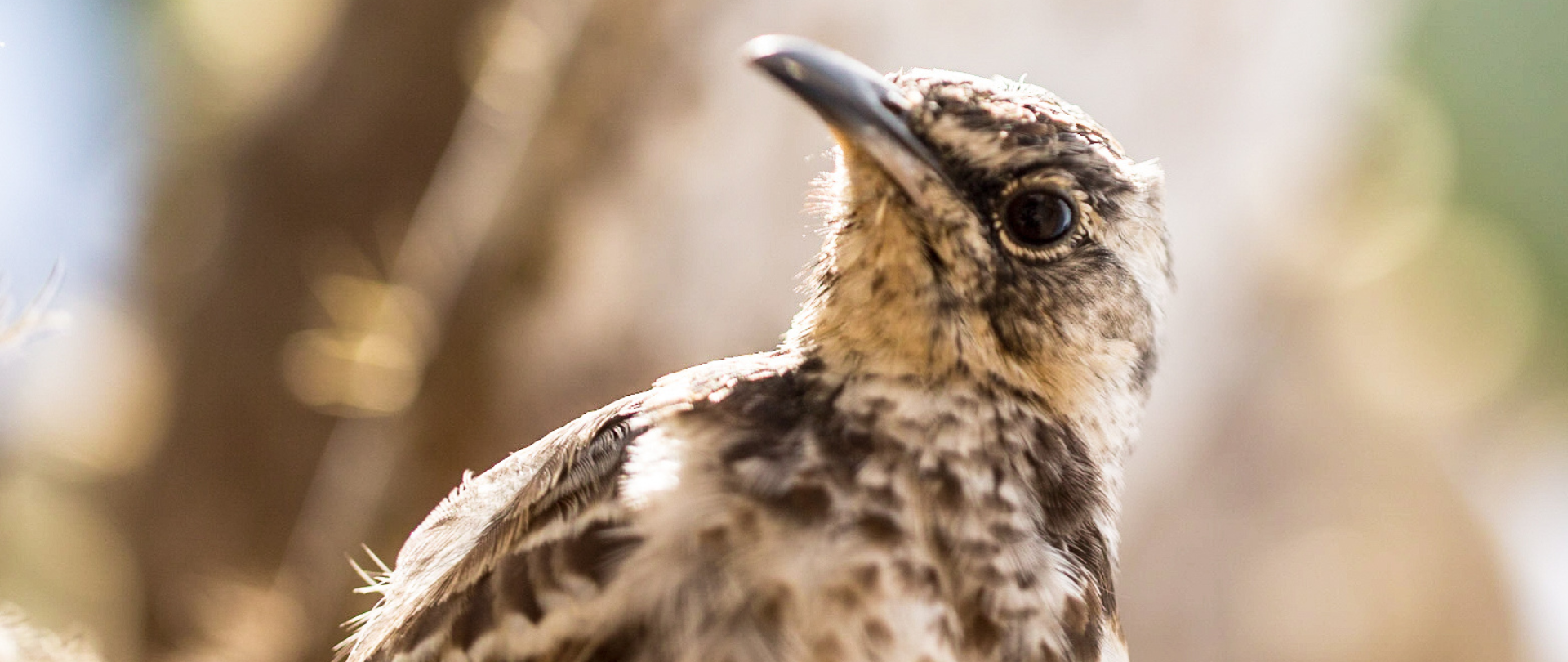
Holistic restoration is at work on Floreana Island, where the largest conservation project in the history of the Galápagos is underway!

October 29, 2025
Astounding evidence of recovery on Ulong Island in Palau after just one year!
September 30, 2025
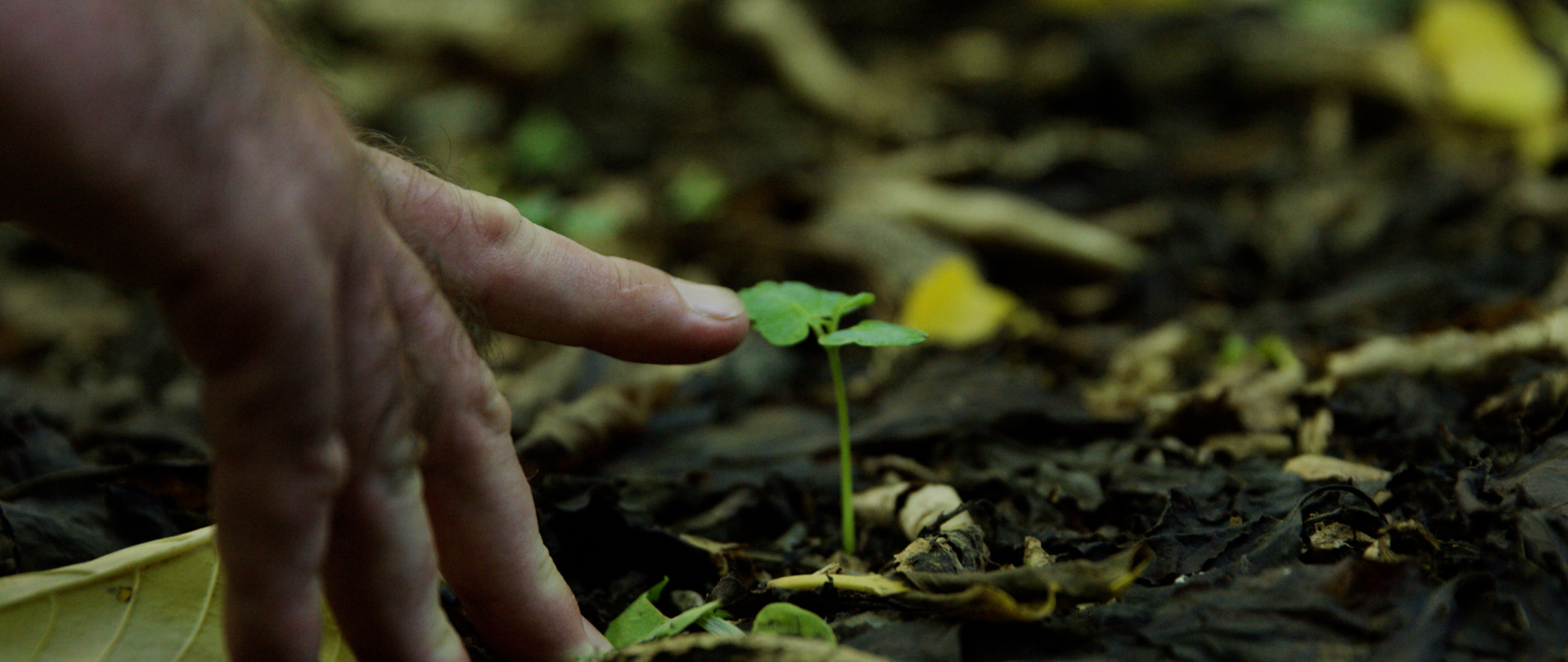
Astonishing results from our work to restore sites in the Republic of the Marshall Islands, boosting climate resilience and ocean health!
September 24, 2025
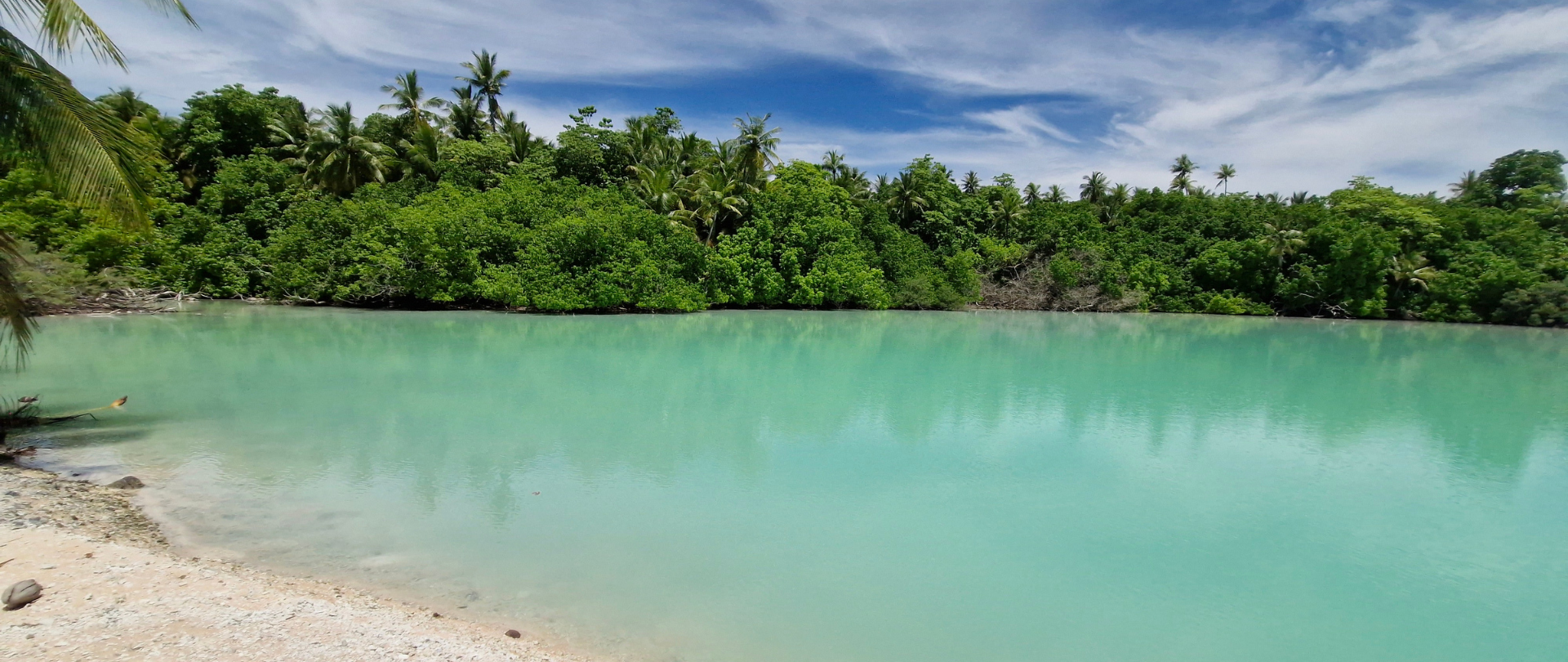
Don't let its comparatively small land area fool you--Tokelau is a world leader in conservation!