January 28, 2026
Island Conservation and Blue Action Fund Celebrate Success in Marine Protection for the Eastern Pacific
We worked with Blue Action Fund to expand marine protection in the Eastern Pacific--read about our success!
 Island Conservation
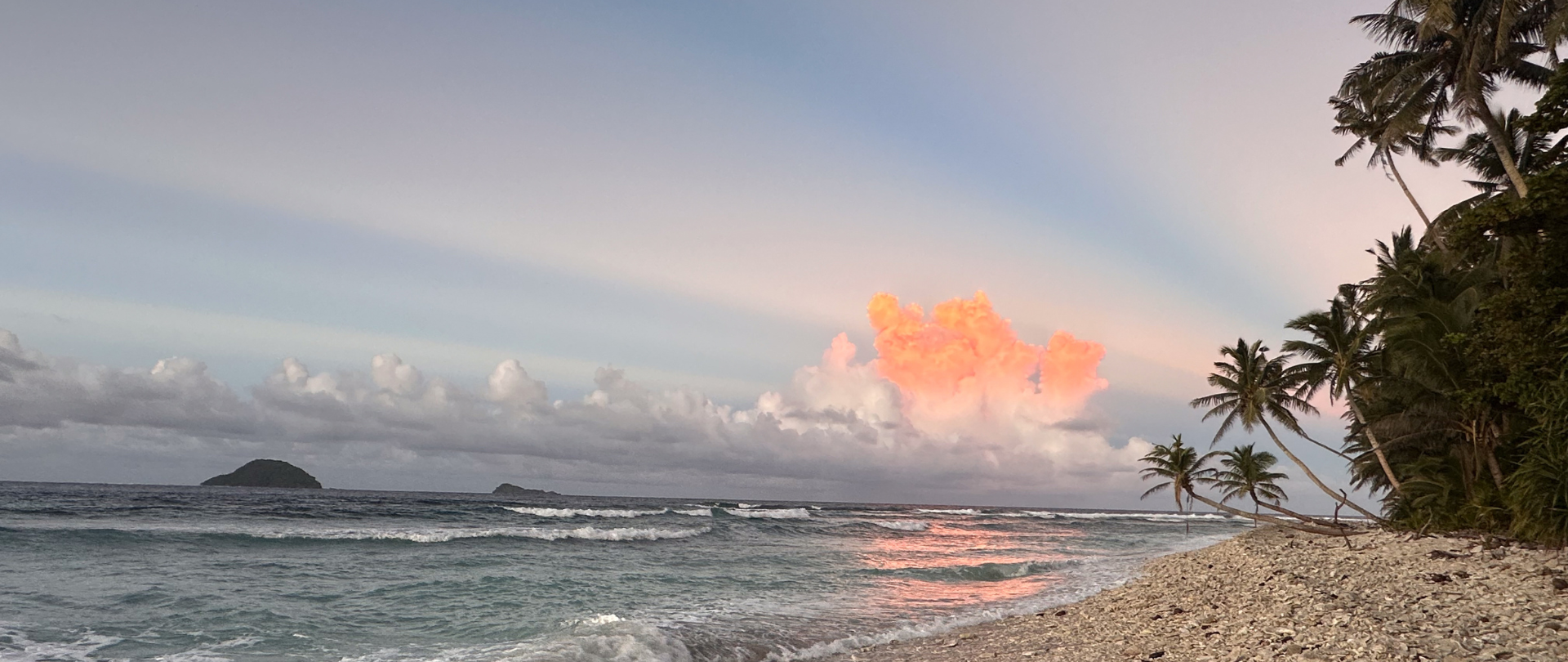
In the heart of Samoa, a powerful story of collaboration is unfolding, bringing together communities, governments, and conservation experts to protect one of the Pacific’s ecological treasures: Nu‘utele Island.
Island Conservation, the Ministry of Natural Resources and Environment (MNRE), BirdLife International, and the Secretariat of the Pacific Regional Environment Programme (SPREP), under the Pacific Regional Invasive Species Management Support Service (PRISMSS), has launched a bold restoration initiative to rebuild the natural systems that sustain life on and around the island. Harmful, destructive feral pigs and invasive rats pose a serious threat to native wildlife—especially seabirds, whose nesting grounds have been disrupted for decades. By removing these invasive species, the project aims to restore and protect native seabirds, the island’s near-pristine forest, and surrounding coral reef ecosystems, creating a ripple effect of ecological recovery.
Healthy seabird populations play a vital role in nutrient cycling, enriching the soil and feeding nearby reefs. With invasive species gone, native plants and animals can return, seabirds can safely nest again, and the flow of nutrients from ocean to land can resume—boosting fish populations and coral resilience.
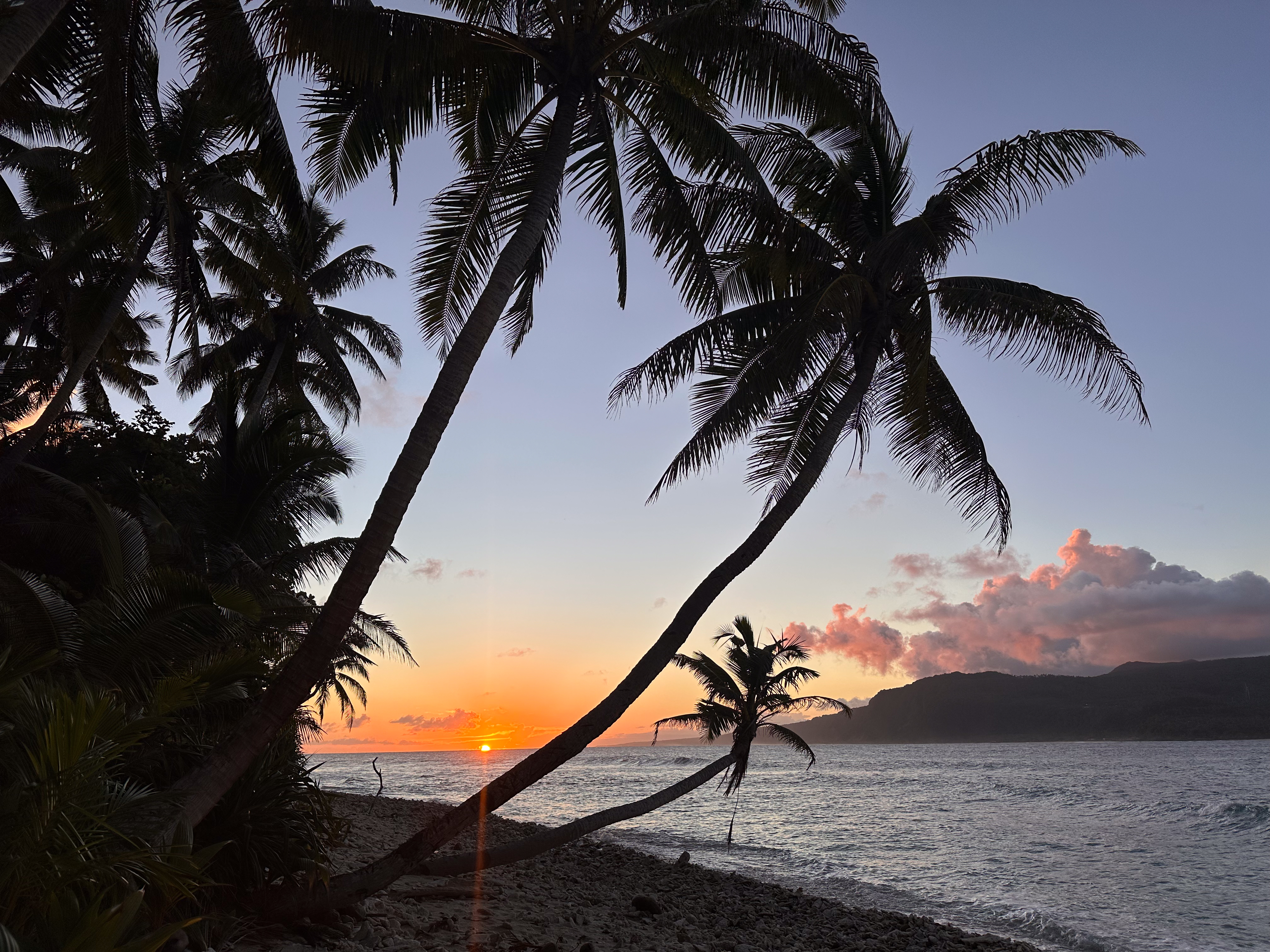
MNRE is the project lead, guiding community consultations and decision-making. Island Conservation provides technical expertise, while BirdLife and SPREP-PRISMSS contribute regional knowledge and support. “Together, we’re applying lessons learned from past efforts and committing to long-term monitoring and potential species reintroductions on Nu’utele, including the culturally significant Maomao bird,” said Richard Griffiths, Island Conservation’s Head of Operations–Pacific.
Nu’utele is known for its unique biodiversity and considered one of the nation’s Key Biodiversity Areas for the conservation of threatened birds, such as the Friendly Ground Dove, Maomao, Boobies, Terns, and marine species such as the Hawksbill Sea Turtle. It also hosts some of Samoa’s rarest endemic plants. It is critical we protect these ecological ecosystems before it is too late.
The effort was part of the PRISMSS Restoring Island Resilience (RIR) Predator Free Pacific (PFP) programme, which aims to protect and restore island ecosystems by removing invasive species, with the operation enabled through financial support to the PRISMSS RIR from New Zealand’s Ministry of Foreign Affairs and Trade (NZMFAT) and the United Kingdom’s International Development.
Stay tuned as we share updates from the field, celebrate milestones, and spotlight the incredible people making this work possible! You can be one of them—join our newsletter and make a donation today!
Check out other journal entries we think you might be interested in.
January 28, 2026
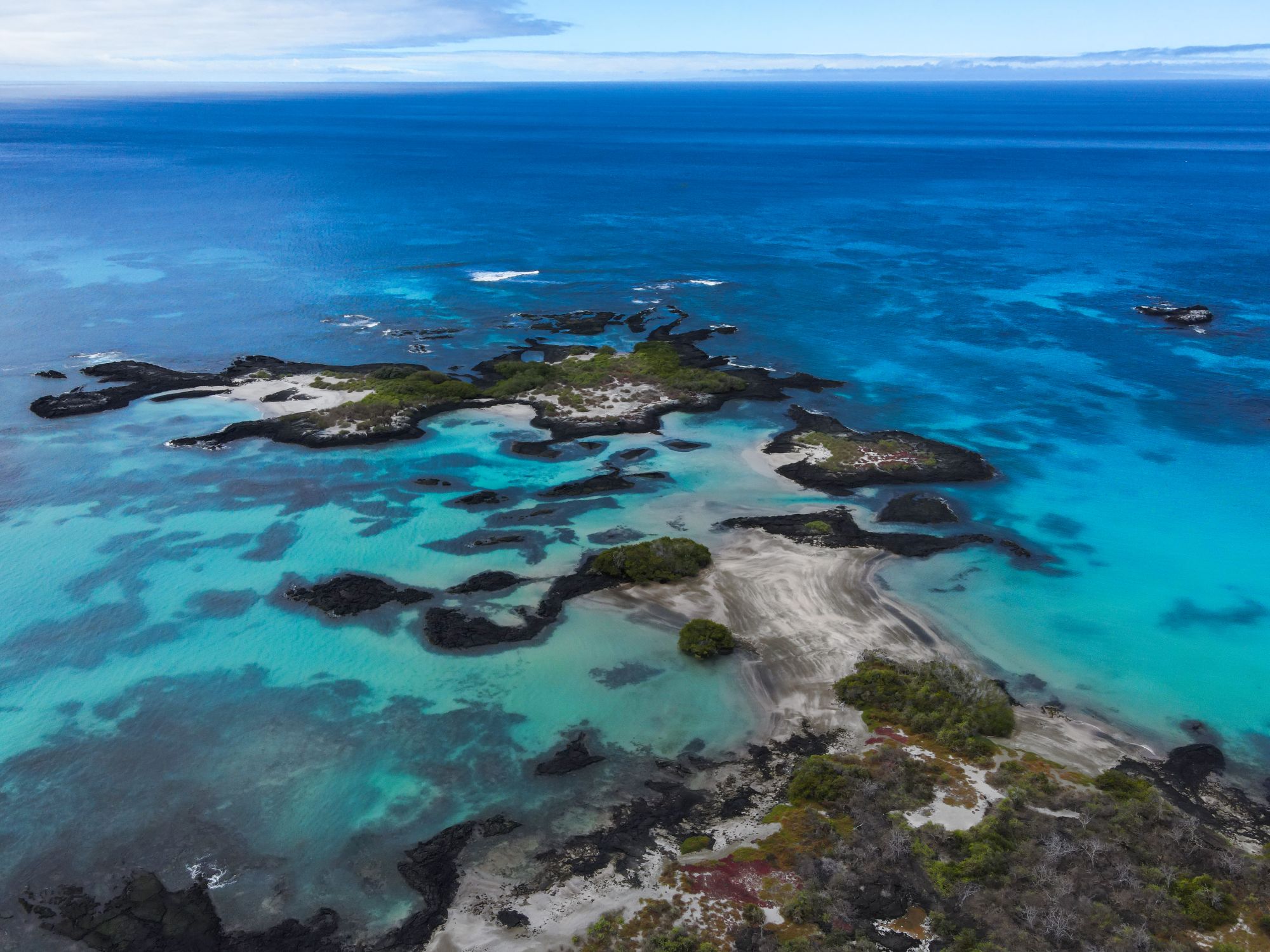
We worked with Blue Action Fund to expand marine protection in the Eastern Pacific--read about our success!
January 9, 2026
A new podcast episode explains the full benefits of holistic restoration on Floreana Island!
December 16, 2025
Read the full ecological story of Floreana Island in the Galápagos from the early settlements to today.
November 21, 2025
Holistic restoration is at work on Floreana Island, where the largest conservation project in the history of the Galápagos is underway!

October 29, 2025
Astounding evidence of recovery on Ulong Island in Palau after just one year!
September 30, 2025
Astonishing results from our work to restore sites in the Republic of the Marshall Islands, boosting climate resilience and ocean health!
September 24, 2025
Don't let its comparatively small land area fool you--Tokelau is a world leader in conservation!
September 4, 2025
Incredible collaboration and success in the Juan Fernández Archipelago, with thousands of threatened trees benefiting from bold conservation action!

August 28, 2025
A new paper reveals the benefits of holistic restoration on Australia's Lord Howe Island!
August 7, 2025
Sonsorol State, Palau is a unique, vibrant group of islands with a rich history. We're excited to partner with the community to help achieve their vision of a Sonsorol free from harmful invasive species!