October 29, 2025
Data Shows Endangered Palau Ground Doves Swiftly Recovering After Successful Palauan Island Conservation Effort
Astounding evidence of recovery on Ulong Island in Palau after just one year!
 Island Conservation
For distribution Dec. 14, 2022
Click here for the release in Spanish
Link to photos, b-roll video
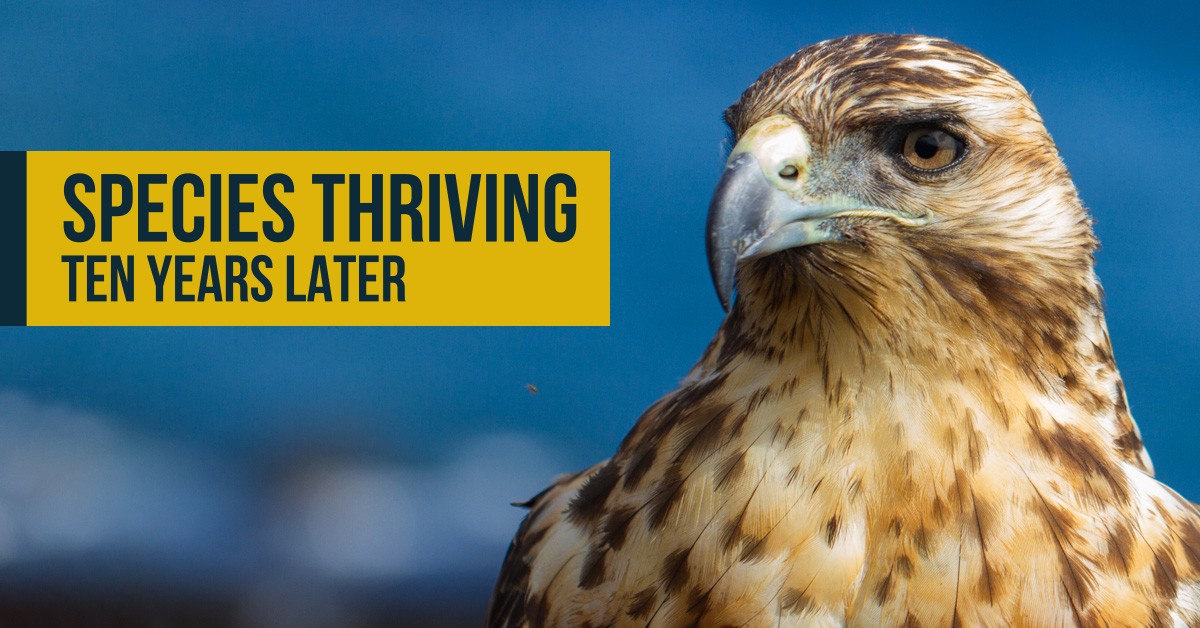
Scientists document never-before recorded Galapagos Rails (Pachays) and locally extinct Cactus Finches and geckos thriving in their restored island habitats free of invasive predators
Preliminary results from a recent trip to Rábida and Pinzón Islands, Galapagos by scientists and park rangers to monitor wildlife recovery ten years after the removal of invasive rodents reveal much positive change, particularly in the stability of the islands’ natural ecosystems. The researchers discovered a return of ecosystem processes providing safe habitat for native plants and animals that had never been recorded on the island before, were there in very low populations or were considered locally extinct when invasive rats were presence.
One of the most relevant findings is that a healthy and growing population of Galapagos Rails (known locally as Pachays) was found in the upper part of Pinzón Island, an endemic bird never before reported on this island. The researchers believe that it could have migrated from Santiago Island, Galapagos and found Pinzón Island to be the ideal habitat to establish itself. Likewise, the frequent sightings of Cactus Finches, a species considered locally extinct for more than four decades, was reported. On Rábida Island, a healthy population of geckos, known only from subfossil records dating back more than five thousand years, have recolonized the island.
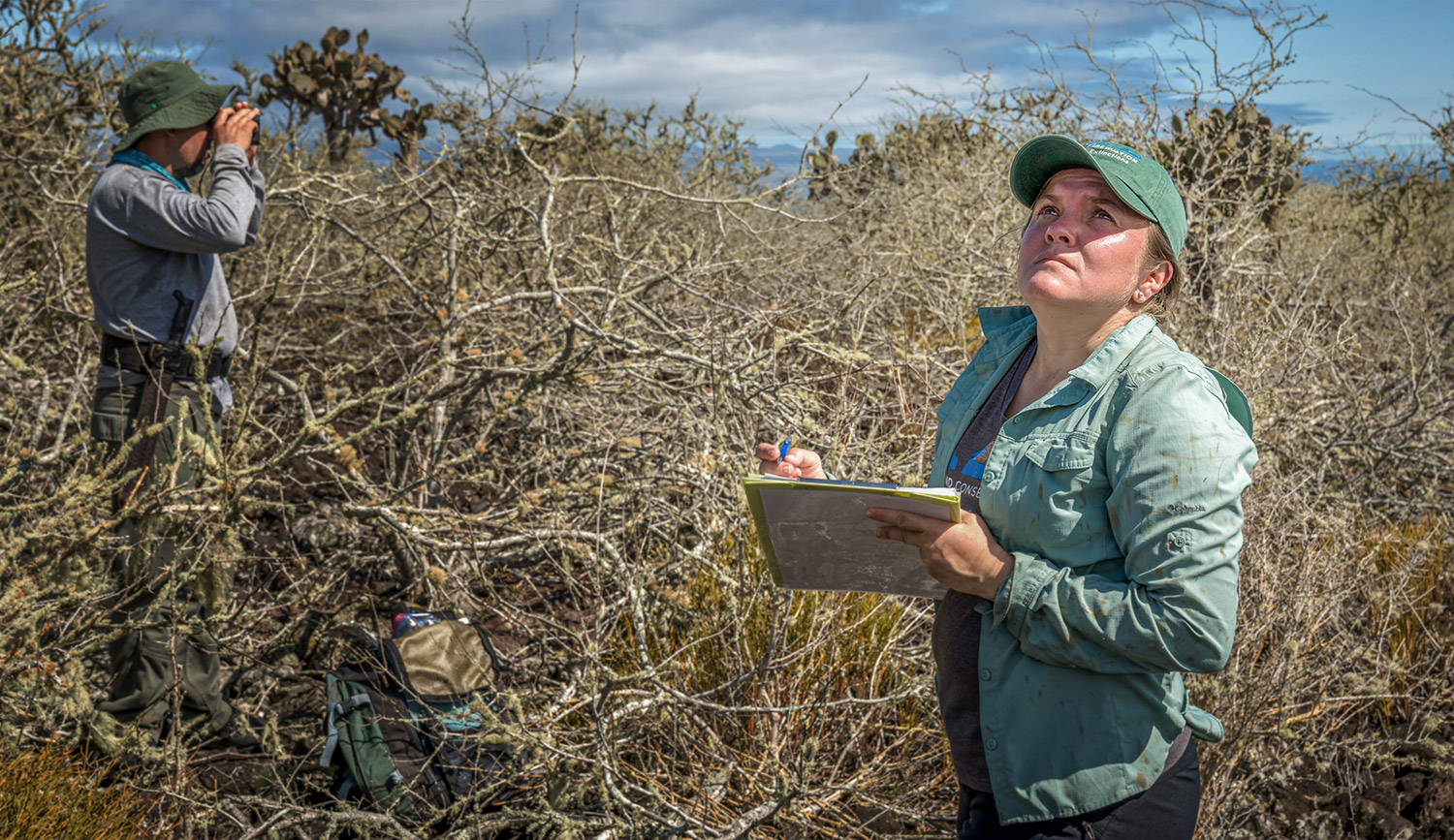
For decades, invasive rodents devoured native species and destroyed the natural ecosystems on Pinzón and Rábida Islands, located in the center of the Galapagos Archipelago. Ten years after the removal of invasive rodents, a technical team led by park rangers from the Galapagos National Park Directorate and Island Conservation, with support from the Jocotoco Foundation and the University of Idaho, carried out an ecological evaluation to record plant and animal recovery on the islands.
“The management measures implemented on these islands in recent decades have been effective and today we can see the results. The islands have once again become the habitat of endemic species of great importance to the ecosystem. On Pinzón, the Giant Tortoises returned to nest after more than 150 years. Because of our work to remove invasive rodents, the population now reproduces naturally without human intervention.”
Danny Rueda Córdova, director of the Galapagos National Park
The technical team arrived on the islands on November 21, 2022, and, over the course of 8 days, evaluated reptiles, land and sea birds, snails, and plant cover on both Pinzón and Rábida Islands. Various methods were used to monitor and count the presence of endemic or native species to estimate their population sizes. Over the coming months, a team of scientists will use these data to determine the degree of ecological restoration that these two islands currently maintain by comparing it to similar data collected prior to removal of invasive rodents.
“It is extraordinary to see the change that has taken place on these two islands in the last decade without the presence of rodents, which affected the reproduction of many species of reptiles and birds. It is inspiring to see how new species establish themselves and how species that were present, such as the Galapagos Hawks, reproduce successfully and are colonizing new territories and fulfilling their role as top predators, maintaining the balance of the islands’ ecosystem.”
Paula Castaño, native species manager at Island Conservation
In addition to Island Conservation, Galapagos National Park and Jocotoco, research leads and collaborators on this effort to date include:
Conservation Action Lab, UC Santa Cruz (Don Croll & Kelly Zilliacus)
University of Idaho (Christine Parent)
Conservation Metrics (Matthew McKown)
The Raptor Center (Julia Ponder)
Charles Darwin Foundation
Karl Campbell (now with Re:wild)
Nick Holmes (now with The Nature Conservancy)
Resources:
Link to photos, b-roll video
Interviews available
Media Contact:
Sally Esposito
Island Conservation, Interim Strategic Director of Communications
Sally.Esposito@islandconservation.org +1 706-969-2783
Check out other journal entries we think you might be interested in.

October 29, 2025
Astounding evidence of recovery on Ulong Island in Palau after just one year!
July 22, 2025
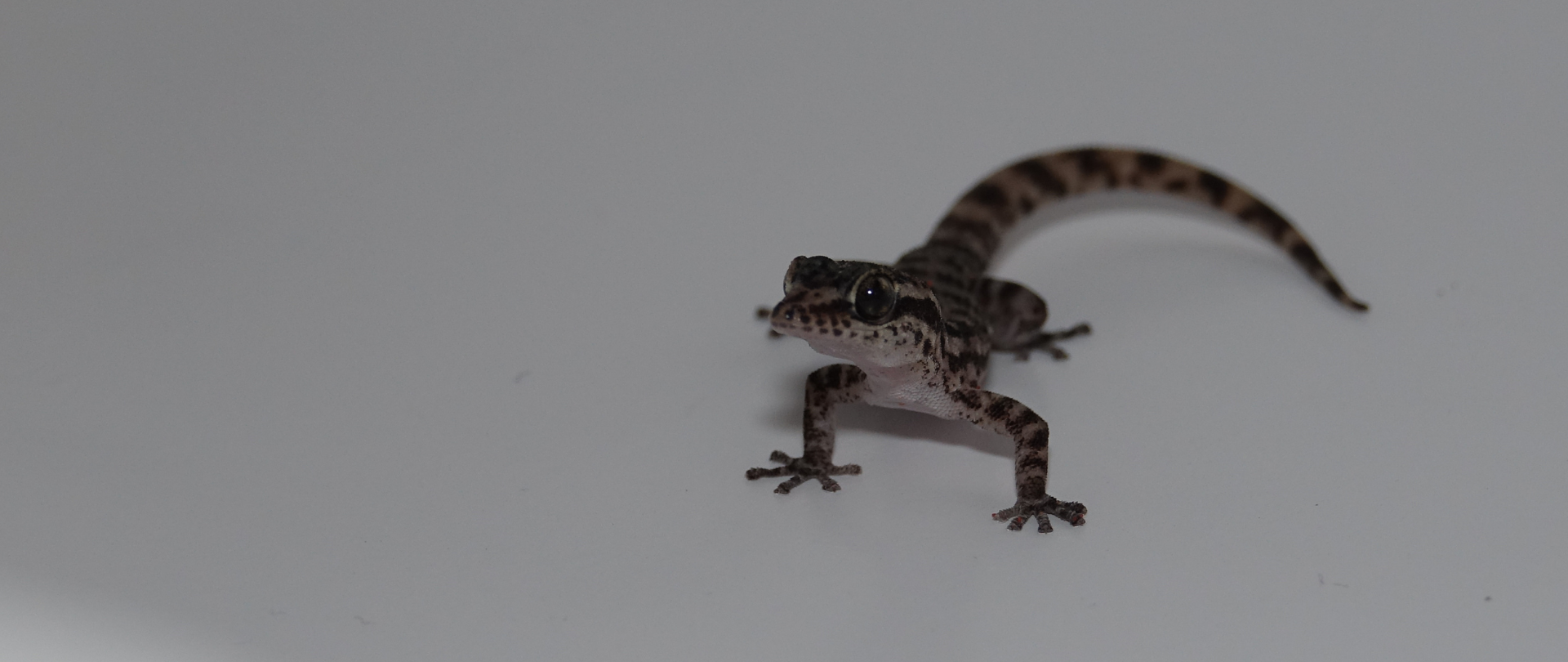
A species once thought extinct just made its comeback. A study published in PLOS ONE confirms the Leaf-toed Gecko has been rediscovered on Rábida Island in the Galápagos.
July 17, 2025
Great news from Tuvalu--our projects to restore Nukufetau Atoll, Tepuka, and Falefatu were successful!

June 17, 2025
Two new islands join the Island-Ocean Connection Challenge, linking terrestrial and marine conservation for maximum impact!
June 13, 2025
Our partner Conservation X Labs has joined the IOCC, committing to deploying transformative technology to protect island ecosystems!
May 19, 2025
Read our position paper on The 3rd United Nations Ocean Conference (UNOC 3) to see why we're attending and what we aim to accomplish!
March 11, 2025
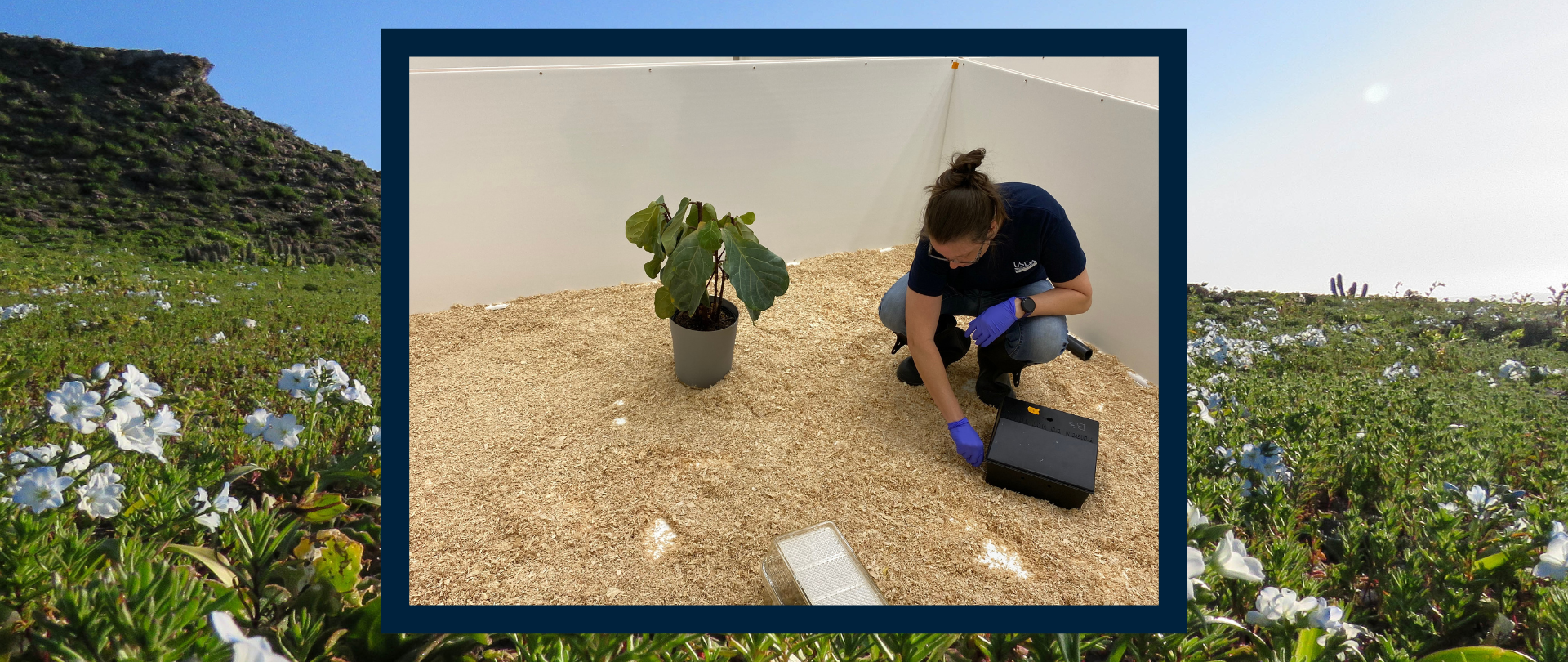
New environmental DNA technology can help protect vulnerable island ecosystems from destructive invasive species.
February 27, 2025
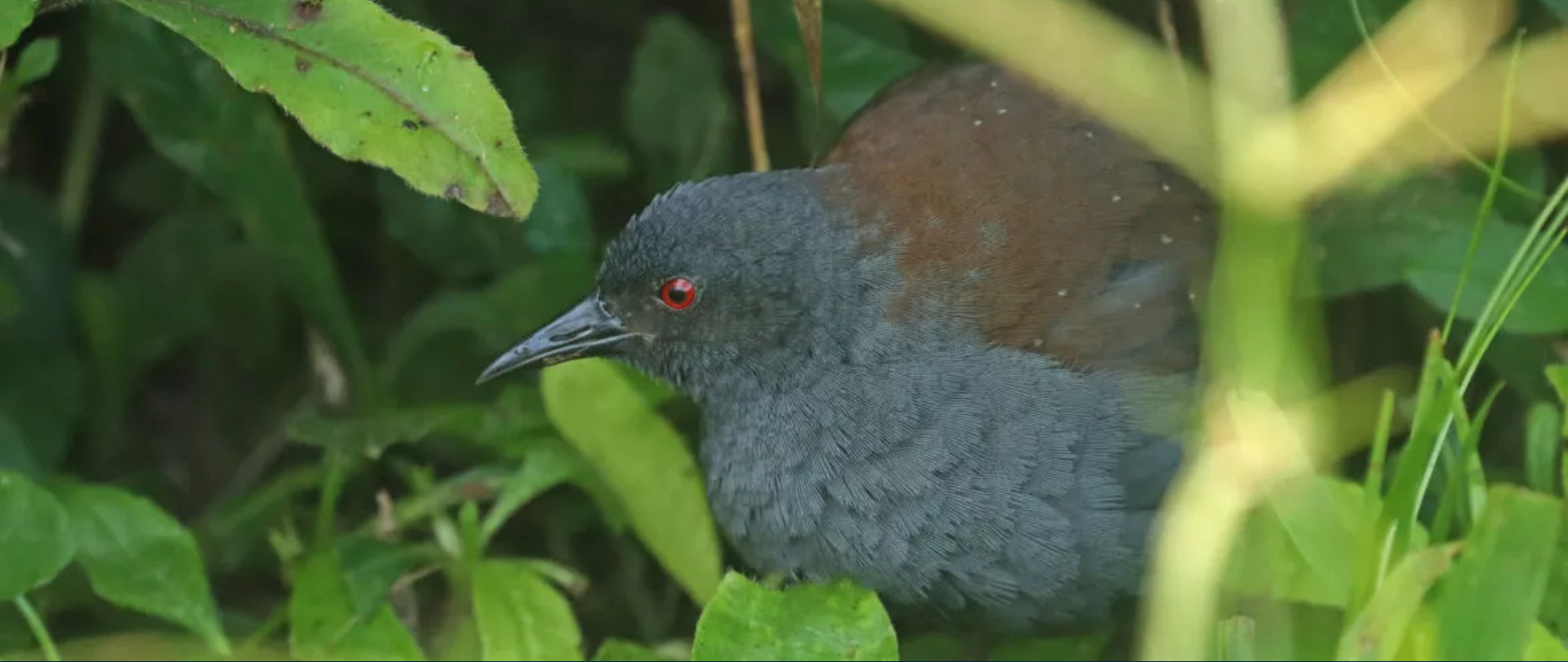
A locally-extinct species of ground-dwelling bird was found on Floreana Island!
February 20, 2025
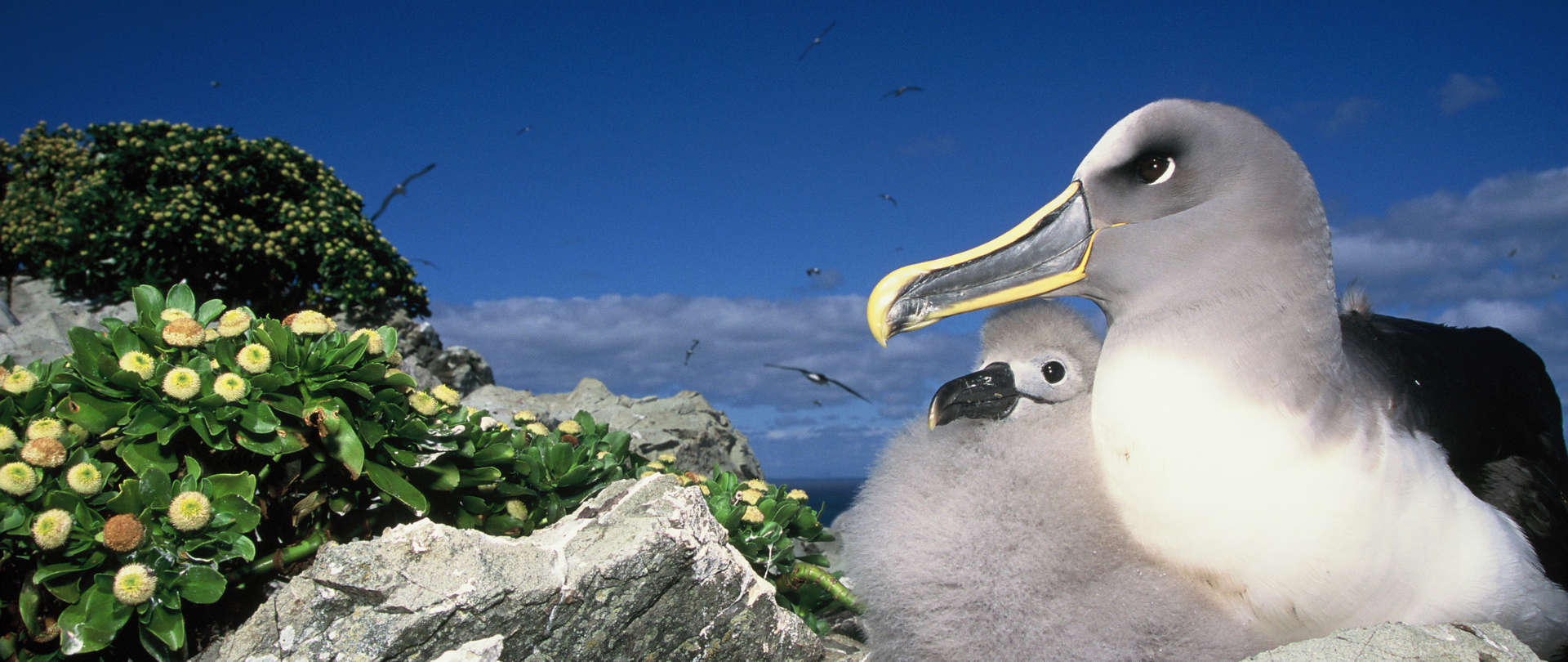
February 20, 2025, Bluff, New Zealand – The international conservation initiative, Island-Ocean Connection Challenge (IOCC), led by Island Conservation, Re:wild, and UC San Diego’s Scripps Institution of Oceanography, proudly welcomes three of New Zealand’s most ecologically rich islands into its…