October 29, 2025
Data Shows Endangered Palau Ground Doves Swiftly Recovering After Successful Palauan Island Conservation Effort
Astounding evidence of recovery on Ulong Island in Palau after just one year!
 Island Conservation
The world’s oceans are in great peril. To help conservation and to reverse the trends of oceanic degradation, we must innovate and employ every available tool. More help is on the way. Today, Revive & Restore, a California-based non-profit conservation organization, announced the release of an “Ocean Genomics Horizon Scan.” This report provides a first-of-its-kind assessment of genomic and biotech innovations to complement, enhance, and accelerate today’s marine conservation strategies.
Revive & Restore is raising $15 million to fund ten “Big Ideas” that demonstrate the power of these technologies and address a significant conservation challenge. Each of these Big Ideas is led by a team of passionate scientists and identifies a clear technology development path with achievable milestones on a two-to-three-year timeline.
Oceans face a myriad of threats, including overharvesting, pollution, habitat degradation, and climate change (e.g. increasing temperatures, acidification, storm events), which compounds many other marine threats. Conventional marine conservation measures are critically important, but the pace of change in the oceans requires the consideration of transformative innovations.
Biotechnology has great potential to help solve pressing conservation challenges by identifying potential vulnerability or resilience to climate change and by driving innovation (e.g., synthetic replacement of wildlife products) to directly remove threats to both wildlife and ecosystems.
Our report is solution-focused and provides a framework of genomic-based innovations for marine conservation,” said Ryan Phelan, executive director of Revive & Restore.
Some important innovations identified in the report include:
Drawing upon over a year of research and in-depth consultations with more than 100 world experts (e.g. marine biologists, conservationists, and technologists), the report assesses current threats to marine biodiversity for which new genomic tools could be transformative; highlights pioneering conservation applications of genomic technologies; and identifies innovations that could provide novel solutions for marine conservation.
The report is available to support the conservation community and foundations and to increase public awareness, encourage discussion, and further the adoption of an innovative new toolkit for conservation. The full 200-page, web-enabled Ocean Genomics Horizon Scan can be accessed at www.reviverestore.org/ocean.
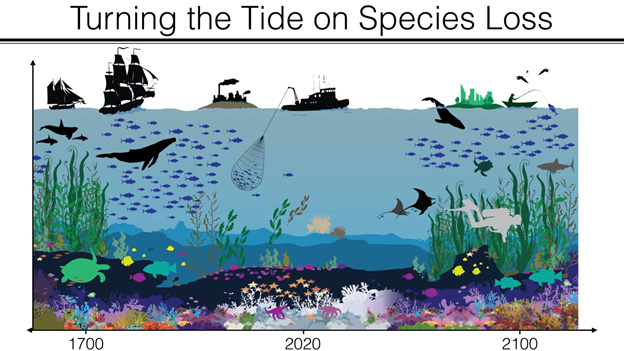
The goal of developing new genomic tools is to ‘turn the tide’ on species loss and extinction, not just to better document the loss and decline,” said Phelan. “This is a call to action to all ocean conservationists, genomics innovators, funders, and supporters to find new partnerships and initiatives to make this new toolbox a reality.”
Media Contact:
Ryan Phelan – Executive Director, Revive & Restore
ryan@reviverestore.org
415-289-1000
Sally Esposito – Director of Communications, Island Conservation
sally.esposito@islandconservation.org
706-969-2783
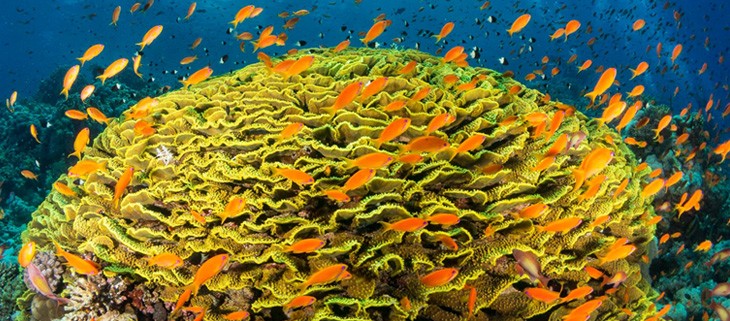
Featured photo: Coral reef in the Red Sea, Egypt. Credit: Alfredo
Check out other journal entries we think you might be interested in.

October 29, 2025
Astounding evidence of recovery on Ulong Island in Palau after just one year!
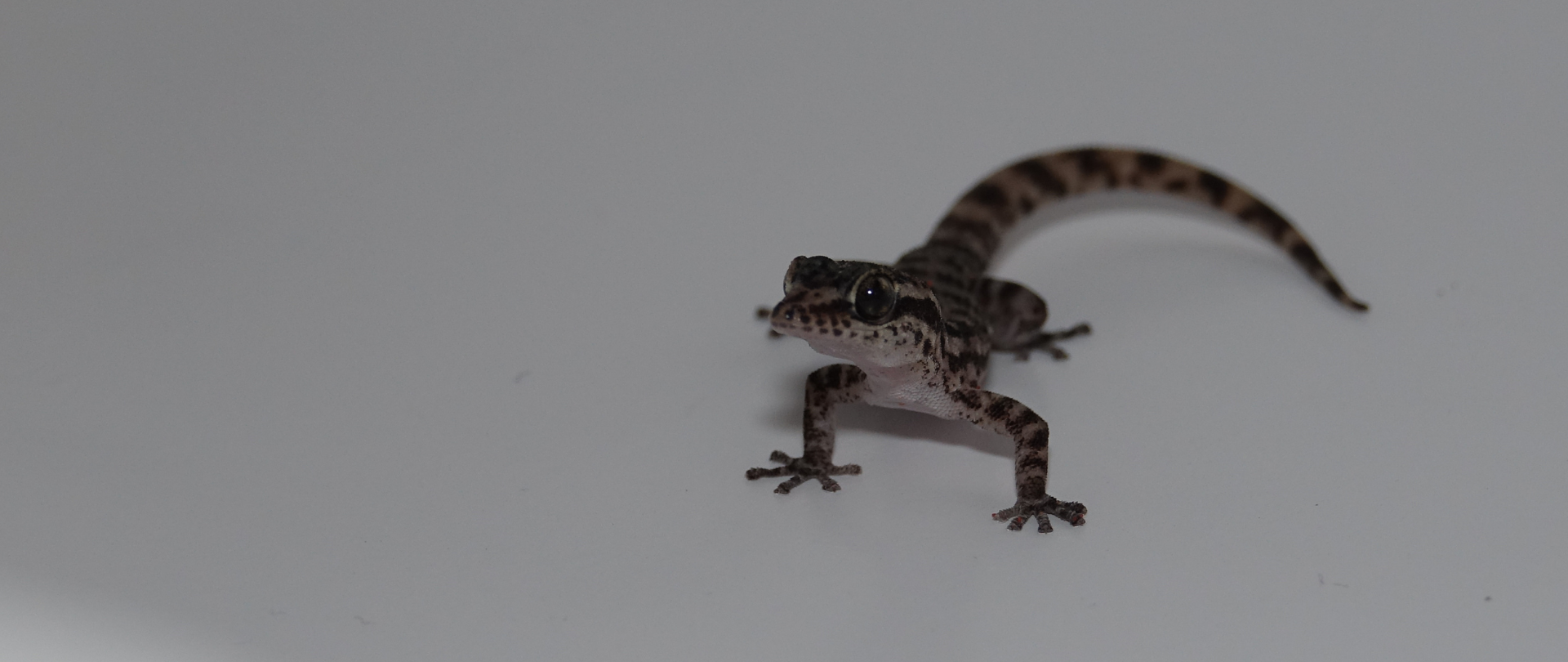
July 22, 2025
A species once thought extinct just made its comeback. A study published in PLOS ONE confirms the Leaf-toed Gecko has been rediscovered on Rábida Island in the Galápagos.
July 17, 2025
Great news from Tuvalu--our projects to restore Nukufetau Atoll, Tepuka, and Falefatu were successful!

June 17, 2025
Two new islands join the Island-Ocean Connection Challenge, linking terrestrial and marine conservation for maximum impact!

June 13, 2025
Our partner Conservation X Labs has joined the IOCC, committing to deploying transformative technology to protect island ecosystems!
May 19, 2025
Read our position paper on The 3rd United Nations Ocean Conference (UNOC 3) to see why we're attending and what we aim to accomplish!
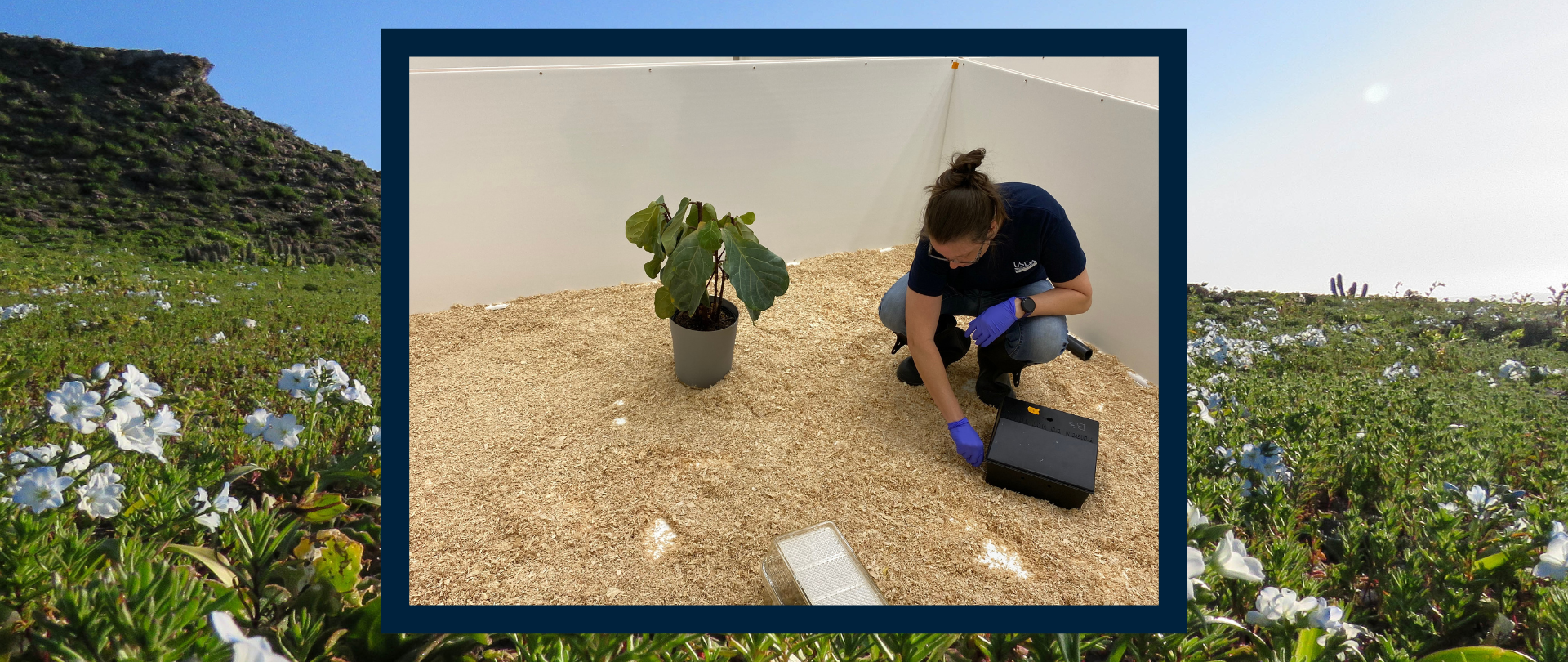
March 11, 2025
New environmental DNA technology can help protect vulnerable island ecosystems from destructive invasive species.
February 27, 2025
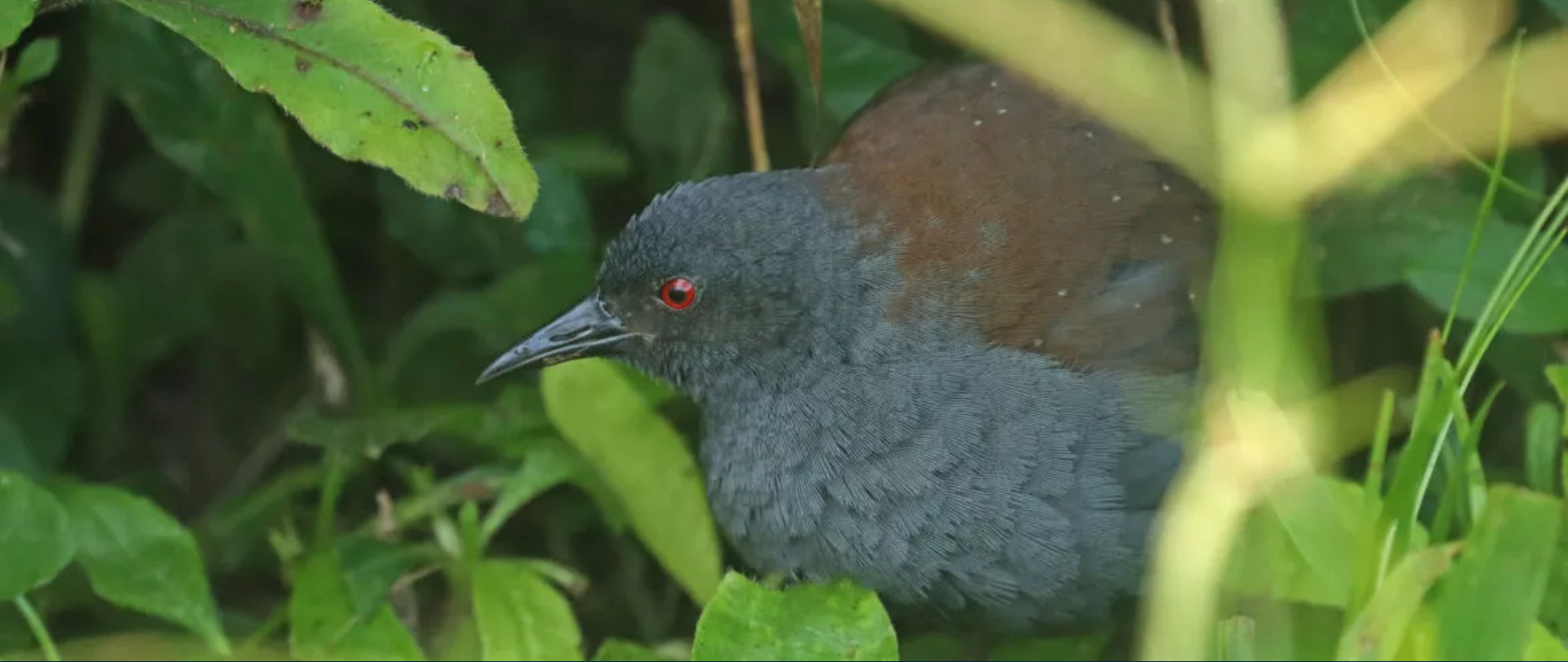
A locally-extinct species of ground-dwelling bird was found on Floreana Island!
February 20, 2025
February 20, 2025, Bluff, New Zealand – The international conservation initiative, Island-Ocean Connection Challenge (IOCC), led by Island Conservation, Re:wild, and UC San Diego’s Scripps Institution of Oceanography, proudly welcomes three of New Zealand’s most ecologically rich islands into its…