August 4, 2026
Rapa Nui Advances Community-Led Management of Marine Protected Areas with New Conservation Partnerships
Indigenous-led conservation takes a leap forward with Rapa Nui (Easter Island)'s new partnership with Island Conservation!
Published on
October 3, 2019
Written by
Island Conservation
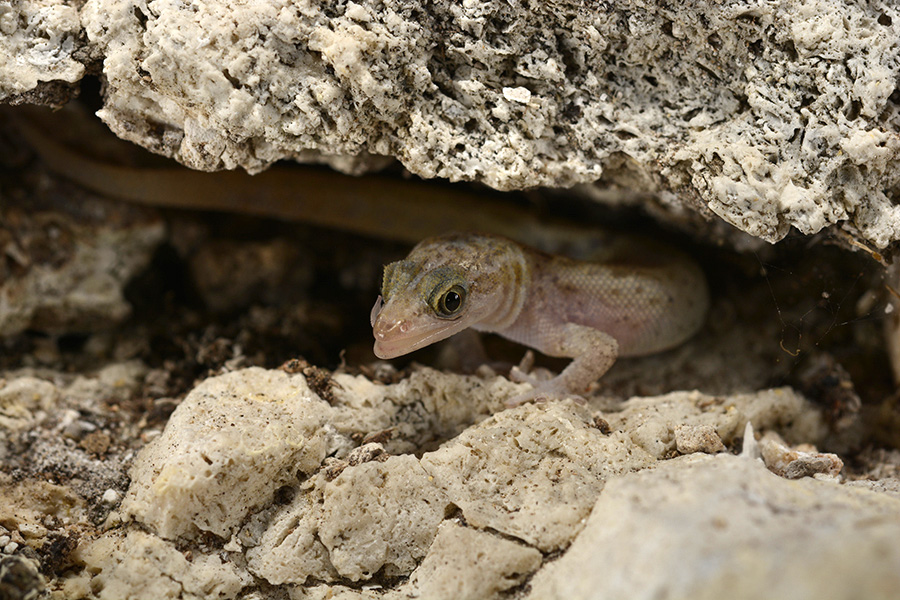
The Monito Gecko, a small reptile, endemic to Monito Island, Puerto Rico, has officially been delisted under the Endangered Species Act (ESA), joining the ranks of the Bald Eagle and the Brown Pelican.
Since 1982, the Monito Gecko has been protected under the Endangered Species Act (ESA), threatened with extinction largely due to predation by invasive rats. To protect Monito Island’s unique fauna including the Monito Gecko, the Department of Natural and Environmental Resources of Puerto Rico (PR-DNER) worked to remove invasive rats from the island. In 2014, PR-DNER and the USFWS officially declared Monito Island free of invasive rats—eliminating the geckos’ greatest threat to survival.

In 2016, Island Conservation joined the USFWS and PR-DNER on a monitoring trip to Monito Island to determine the population of the Monito Gecko. Today, there are an estimated 7,600 geckos on the Island—a population stable enough to warrant delisting, making the Monito Gecko the first Caribbean endemic species to be delisted under the Endangered Species Act.
Since the creation of the Endangered Species Act in 1973, it has successfully prevented the extinction of at least 99% of species listed as of 2013, but very few species have been removed from the list because of recovery. The Monito Gecko is now one of these few species along with Bald Eagles and other iconic wildlife that has been protected and ultimately removed from the ESA list due to conservation and habitat protection.
This action is the most recent recovery success of a species thanks to the collaboration of conservation agencies and organizations, and demonstrates how well the ESA works in wildlife protection.”
Bryan Arroyo, Deputy Director of the USFWS
An adult Monito Gecko is only about an inch and a half long and would fit on your index finger and still have spare space. Its name comes from Monito Island which it is endemic to, a karso rock covered in dry, forest, shrub vegetation.
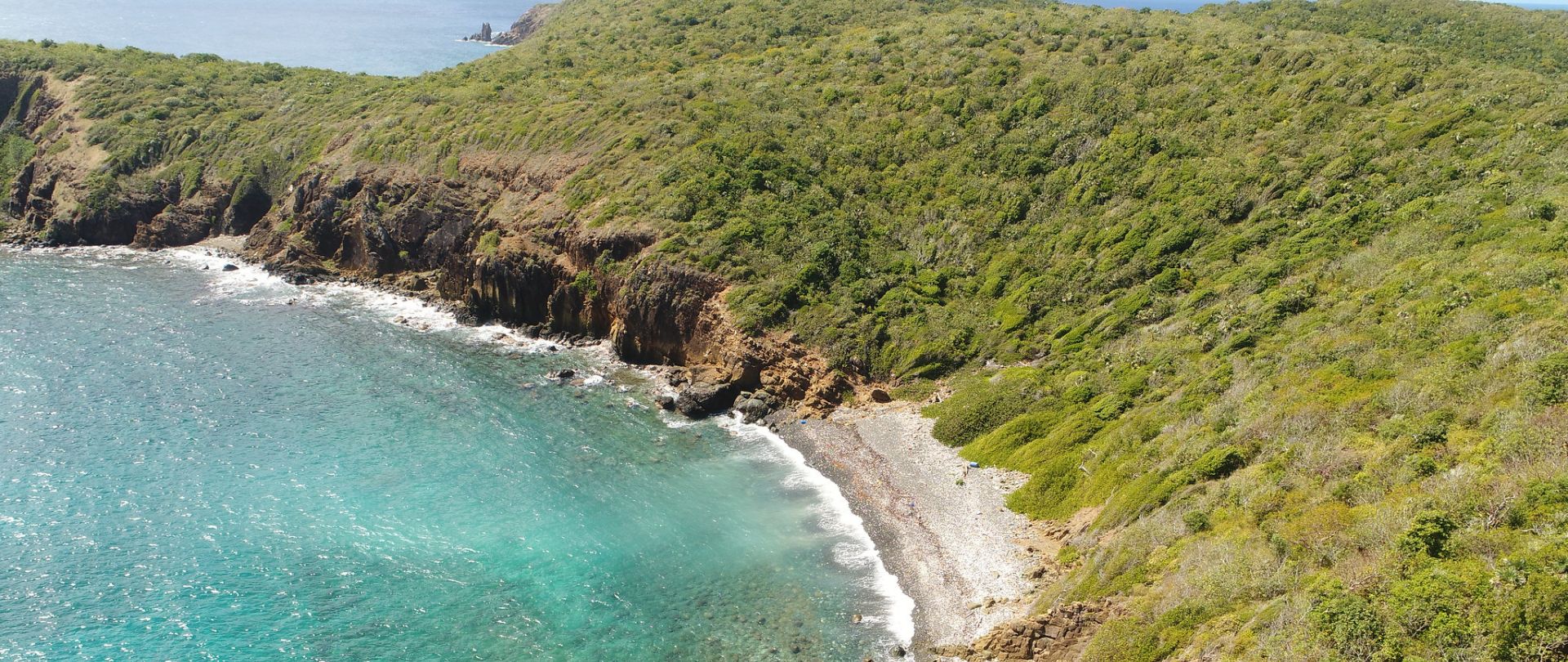
Monito Island as a nature reserve, designed to protect native wildlife and vegetation. In addition, to the Monito Gecko, the Island is home to one of the largest seabird colonies in the Caribbean. Along with this, two other unique, endangered species: the Lady Bird of Puerto Rico and the prickly cactus pear.
The USFWS, DRNA and other groups will continue to monitor the gecko population to ensure long-term viability and maintain biosecurity protocols to prevent the reinvasion of rats.
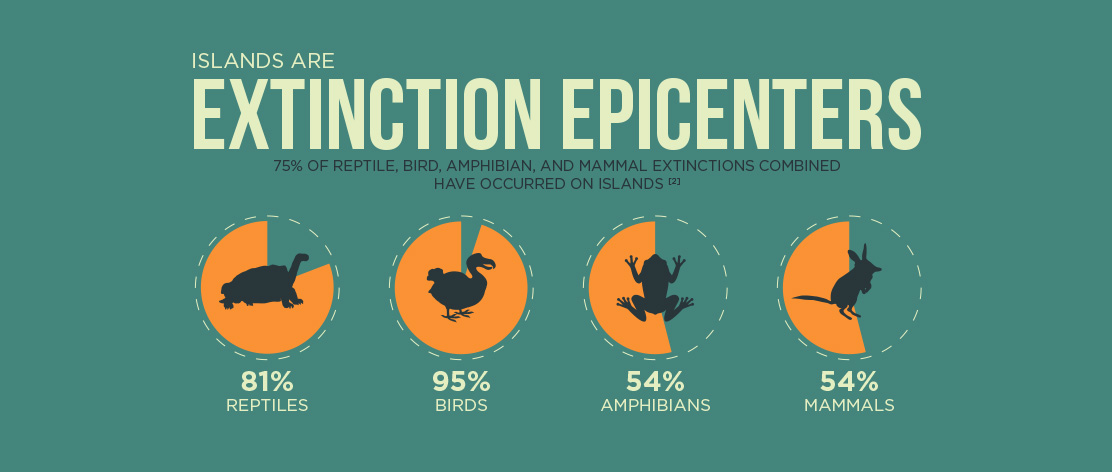
Islands represent both a unique conservation need and opportunity. Islands total only a small fraction of our planet’s land area and host a disproportionately higher rate of extinction and endangerment per unit area than continents. For this reason, investing limited conservation funds on islands provides a high return on investment.

Invasive alien species are a major driver of species extinctions on islands, particularly invasive mammals.
Islands offer hope that we can prevent extinctions and protect biodiversity.
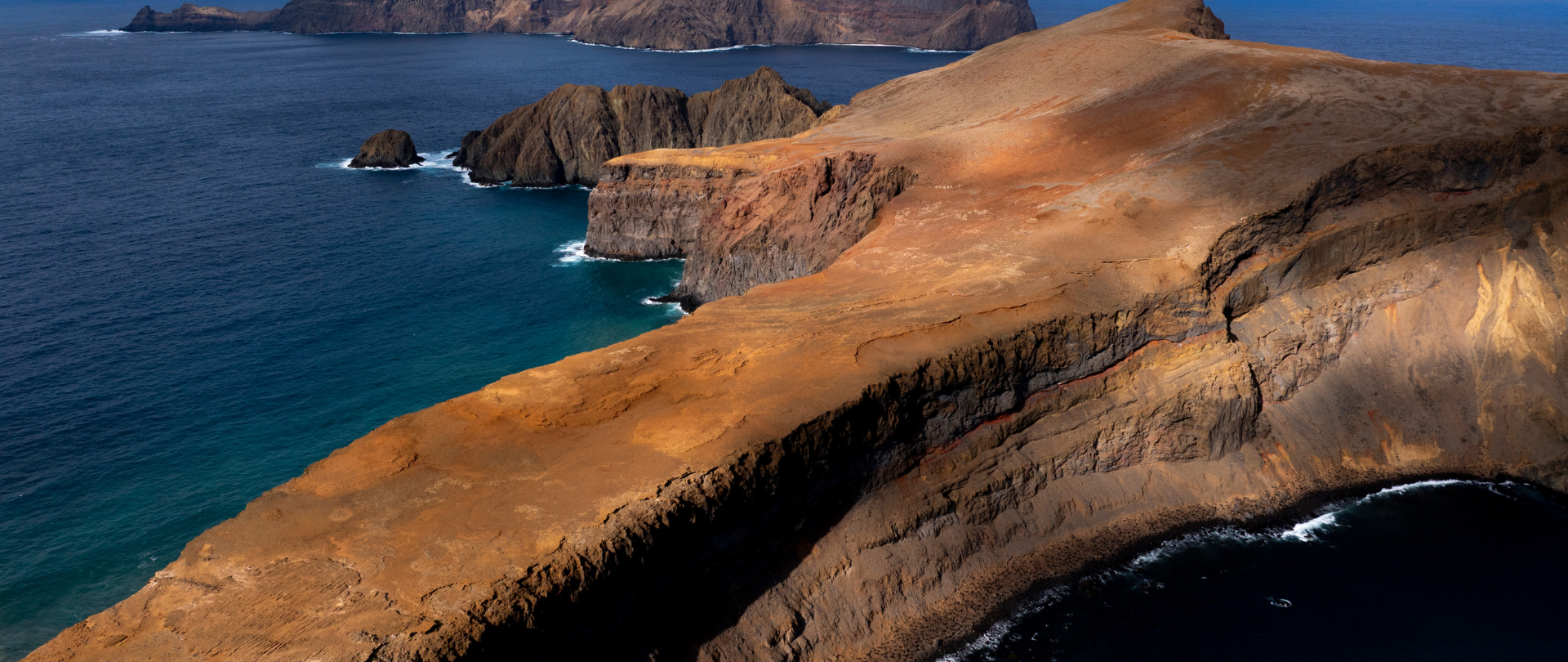
Featured photo: Monito Island. Credit: USFWS
Check out other journal entries we think you might be interested in.
August 4, 2026
Indigenous-led conservation takes a leap forward with Rapa Nui (Easter Island)'s new partnership with Island Conservation!
June 23, 2026
The Island-Ocean Connection Challenge announced four new restoration projects—Lehua, Tavolara, Grand Rouveau, and Zembra—at London Climate Week, expanding its global effort to restore 40 island-ocean ecosystems by 2030!
June 18, 2026
A new project to expand the range of an endangered Tree Boa is one step closer to completion!
June 8, 2026
A world-first controlled experiment shows connection between seabird activity and marine health on Ulong Island!
May 13, 2026
A new project in Sonsorol State, Palau aims to improve livelihoods and climate resilience through holistic environmental restoration!
May 5, 2026
Thrilling new tech brings conservation solutions to a remote island in the Galápagos!
April 14, 2026
A historic moment: Wake Atoll is restored and thriving!
March 10, 2026
The Juan Fernández Archipelago is part of a new Marine Protected Area that protects the highest concentration of marine species found nowhere else on Earth!
February 20, 2026
For the first time in more than 180 years, giant tortoises are once again walking the landscapes of Floreana Island!
October 30, 2025
Our proposal for a United Nations-sanctioned Decade of Island Resilience spotlights the power of global small islands!