March 3, 2026
What is holistic restoration?
What is holistic restoration? Read all about this incredible method to restore ecosystems for people and nature!
 Island Conservation

Marine biodiversity is the lifeblood of our planet. Oceans regulate climate, provide food security, and sustain millions of species—including humans. Yet, marine ecosystems are deeply threatened by mounting threats from overfishing, pollution, and climate change. To reverse biodiversity loss, we must act decisively, and Marine Protected Areas (MPAs) are one of the most powerful tools we have. A new study in the Nature Partner Journal Ocean Sustainability reveals that high-quality, well-implemented Marine Protected Areas are vital for achieving international biodiversity goals.
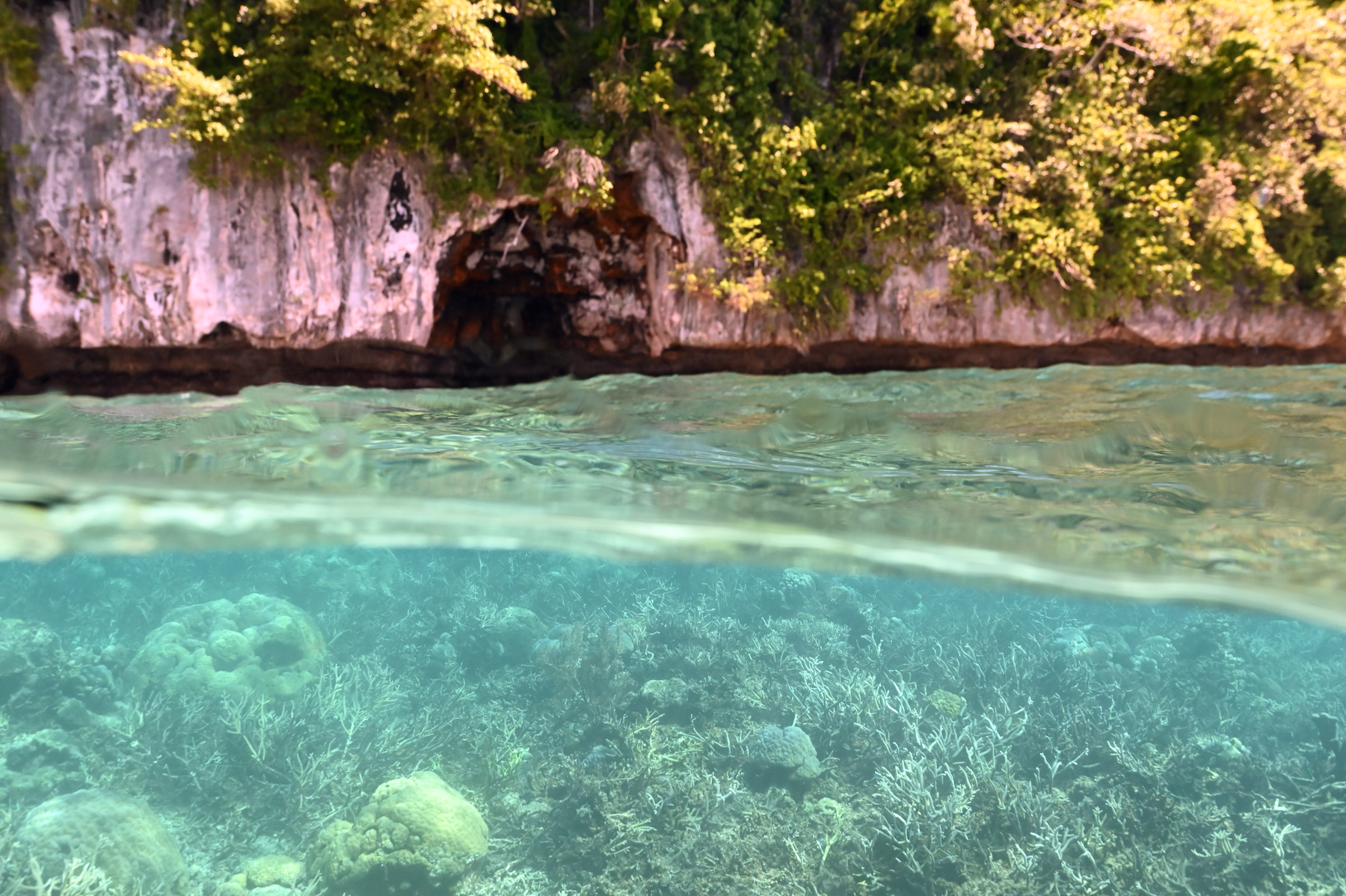
The global 30×30 target—protecting 30% of land and sea by 2030—offers hope for nature and people. But protecting the square miles is only part of the story. In “Quality of marine protected areas is critical to achieving global biodiversity targets,” Fabrice Stevenson et al. argue that quality is more important than quantity. High-quality MPAs, implemented with terrestrial restoration, create resilient ecosystems that deliver benefits far beyond their boundaries.
In the article, the authors evaluated the effectiveness of MPAs using key indicators such as:
The findings are clear: strictly or fully protected MPAs outperform weaker protections, delivering measurable gains for biodiversity and people.
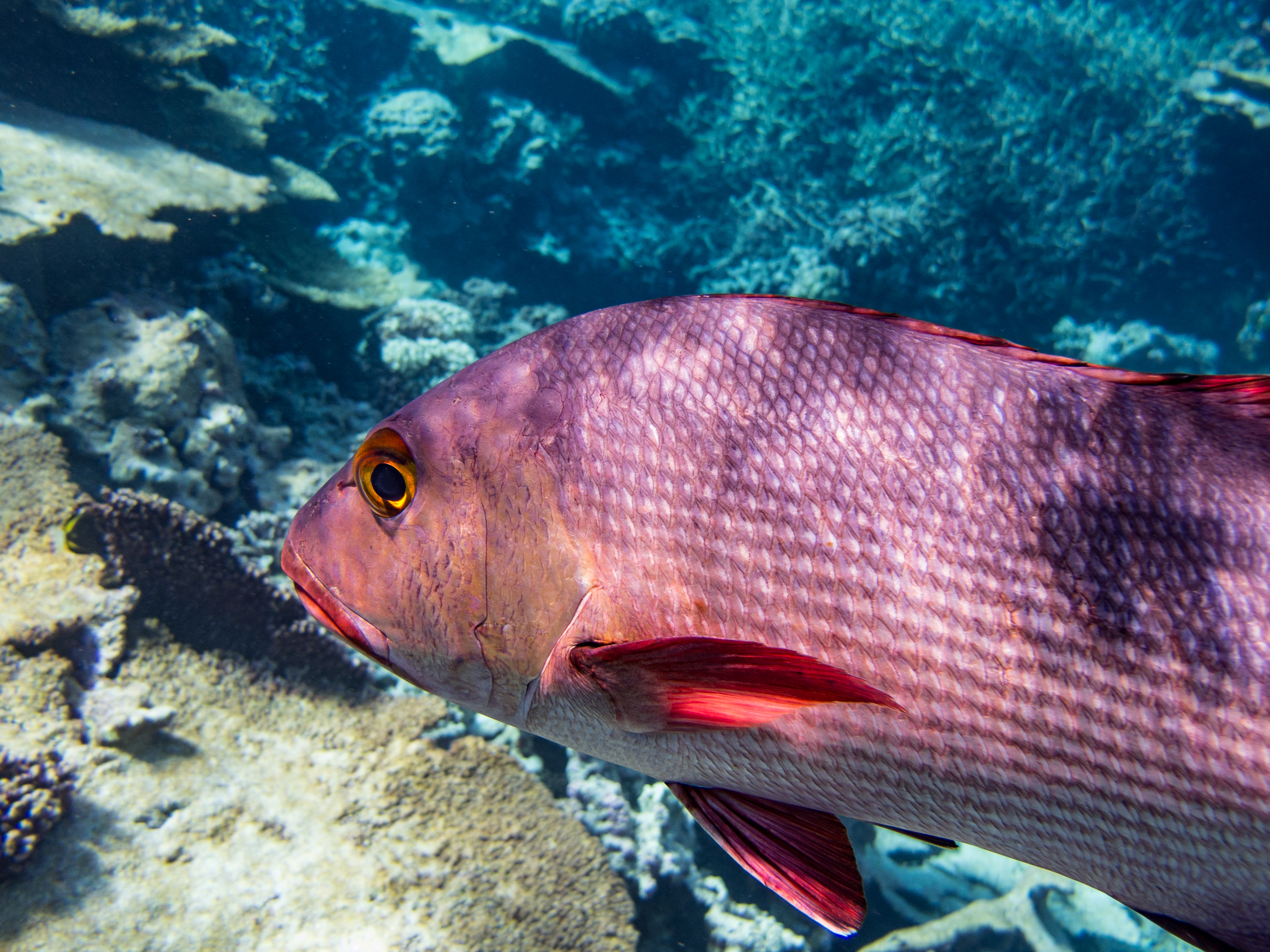
When MPAs are well-designed and enforced, they create a positive feedback loop:
These benefits extend beyond conservation to strengthen communities and economies while safeguarding the natural systems we all depend on.
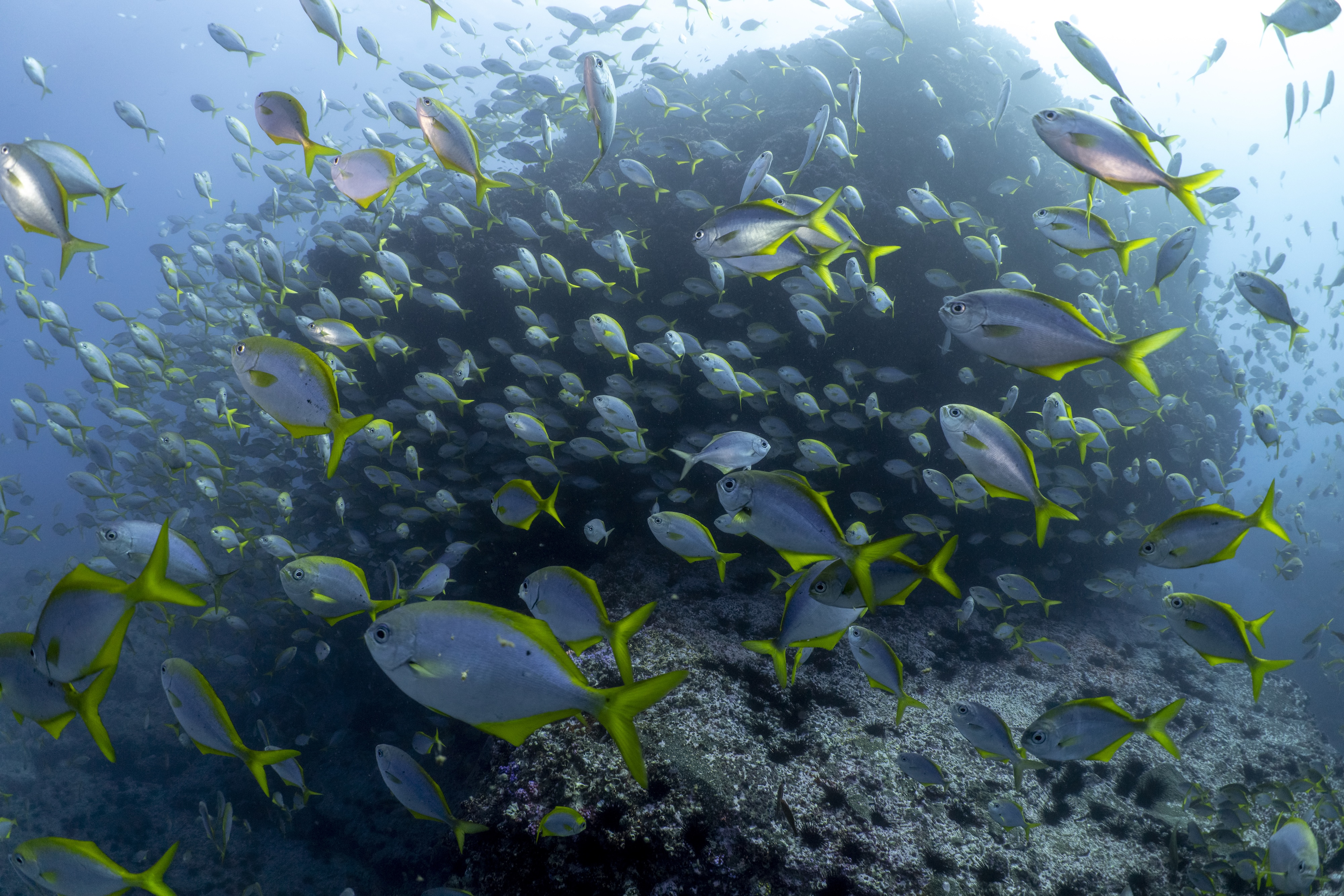
To meet global biodiversity targets, we must combine marine protection with terrestrial restoration. Islands are at the heart of this effort. By restoring island habitats and establishing robust MPAs around them, we can create interconnected networks of resilience that protect species, ecosystems, and human well-being.
At Island Conservation, we know that protecting islands and their surrounding seas is key to reversing biodiversity loss. More and more, we’re extending our scope beyond the shore to strengthen the linkages between terrestrial and marine ecosystems to improve resilience for people and nature. Part of that is supporting high-quality MPAs around the world. Many of the islands where we work, including Robinson Crusoe Island, Chile, Kamaka Island, French Polynesia, and Bikar Atoll, Republic of the Marshall Islands, are part of MPAs that help connect recovery on land to recovery at sea.
If we want to meet biodiversity goals in the long term, we must support and invest in well-administered, high-quality MPAs. These areas safeguard conservation successes so they last long into the future!
There’s more than one way to make an impact. Join our collective of dedicated supporters by donating today or signing up for our newsletter to stay informed.
I am a text block. Here is where you can put information about project partners or staff. You can change this back to 1 column in formats by clicking the ‘twho column’ button again. The Critical Ecosystem Partnership Fund (CEPF) is a joint initiative of l’Agence Française de Développement, Conservation International, the European Union, the Fondation Hans Wilsdorf, the Global Environment Facility, the Government of Japan and the World Bank. The CEPF Phase II investment (August 2021–July 2026) in the Caribbean Islands Biodiversity Hotspot is financed through the Critical Ecosystem Partnership Fund – Caribbean Hotspot Project of the World Bank, using funds provided by the Government of Japan.
Check out other journal entries we think you might be interested in.
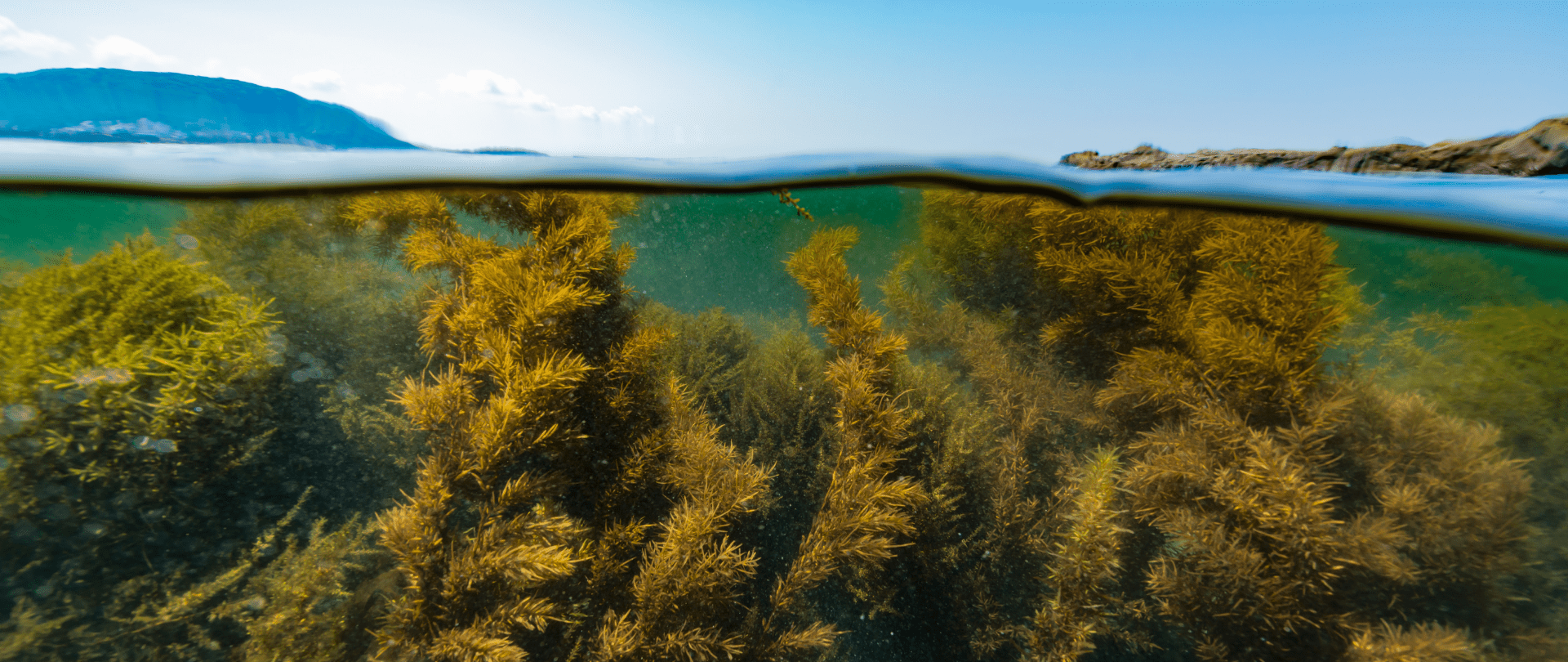
March 3, 2026
What is holistic restoration? Read all about this incredible method to restore ecosystems for people and nature!
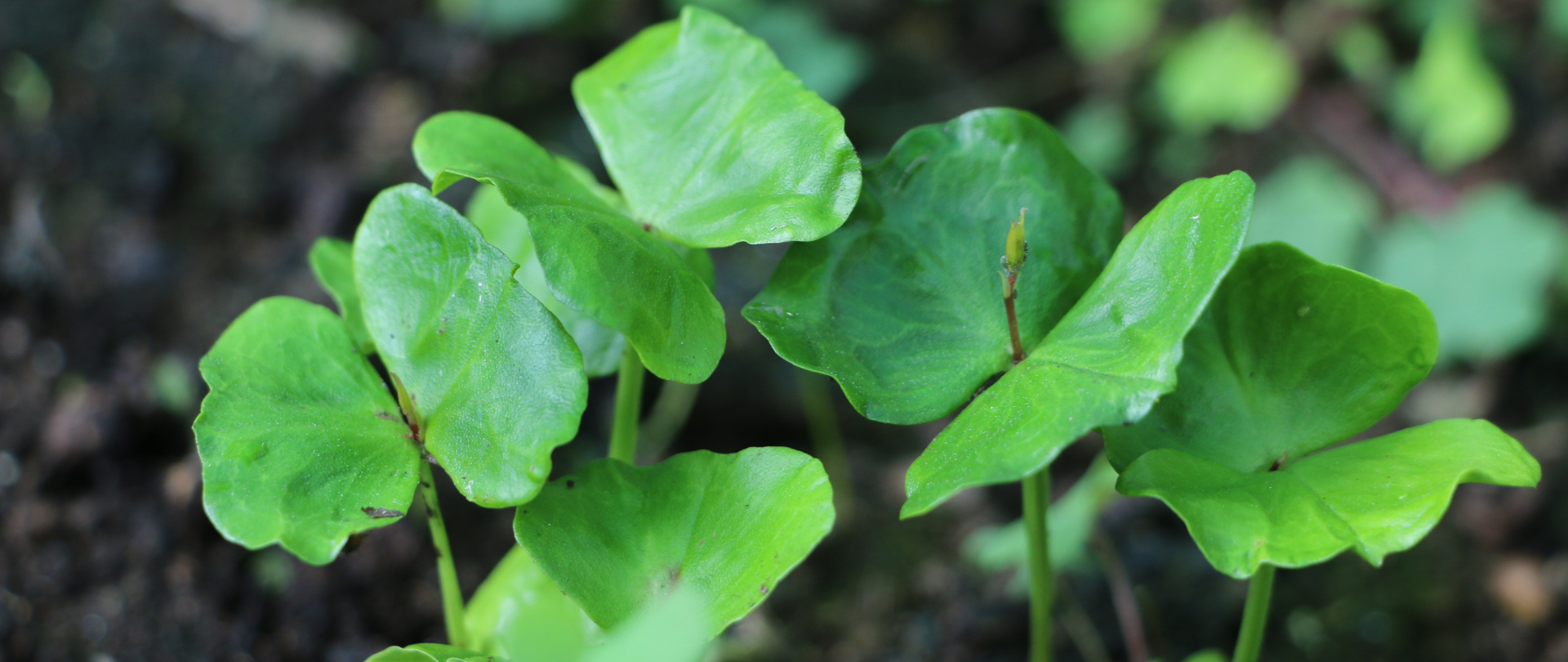
February 6, 2026
¡Mira el video de Solange y lee una entrevista sobre Robinson Crusoe! Watch Solange's video and read an interview about Robinson Crusoe!
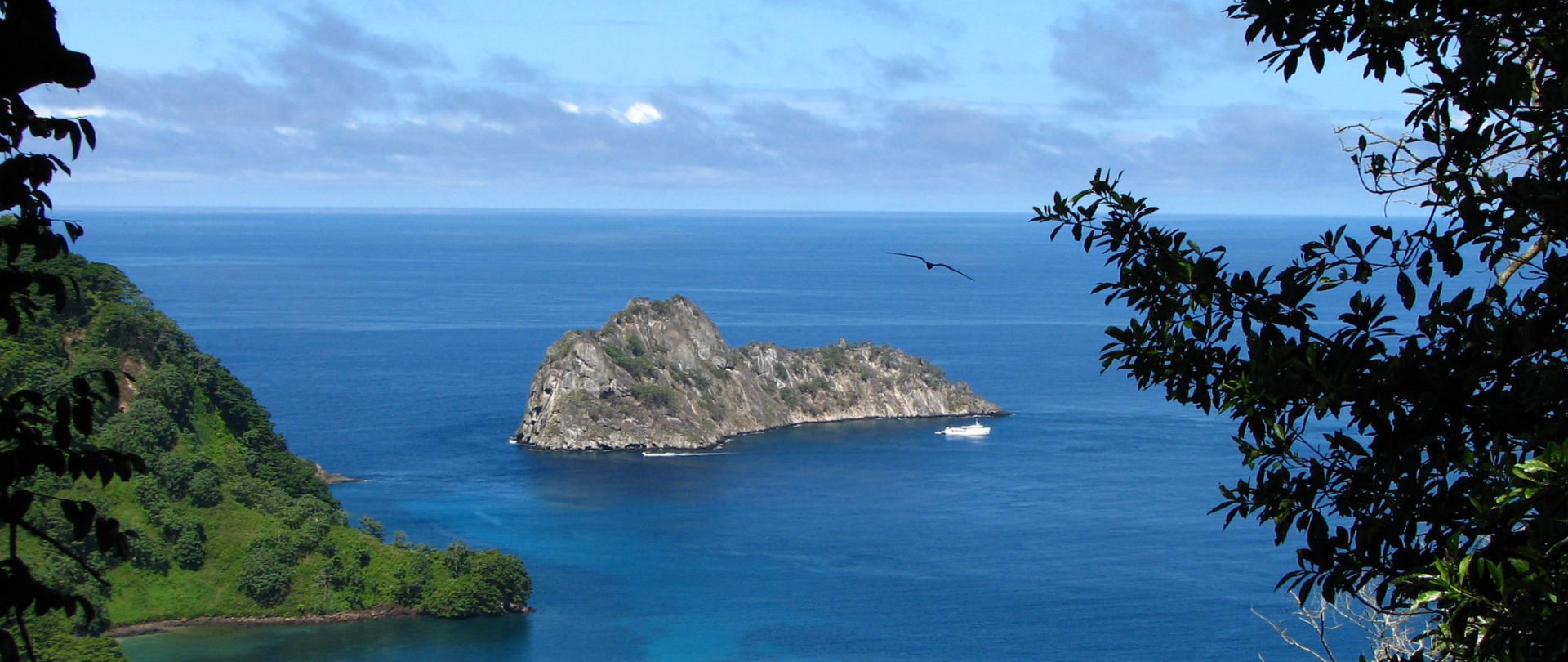
January 28, 2026
We worked with Blue Action Fund to expand marine protection in the Eastern Pacific--read about our success!

January 22, 2026
Our Senior Director of Impact & Innovation, David Will, explains the importance of the Circular Seabird Economy for nutrient transfer!
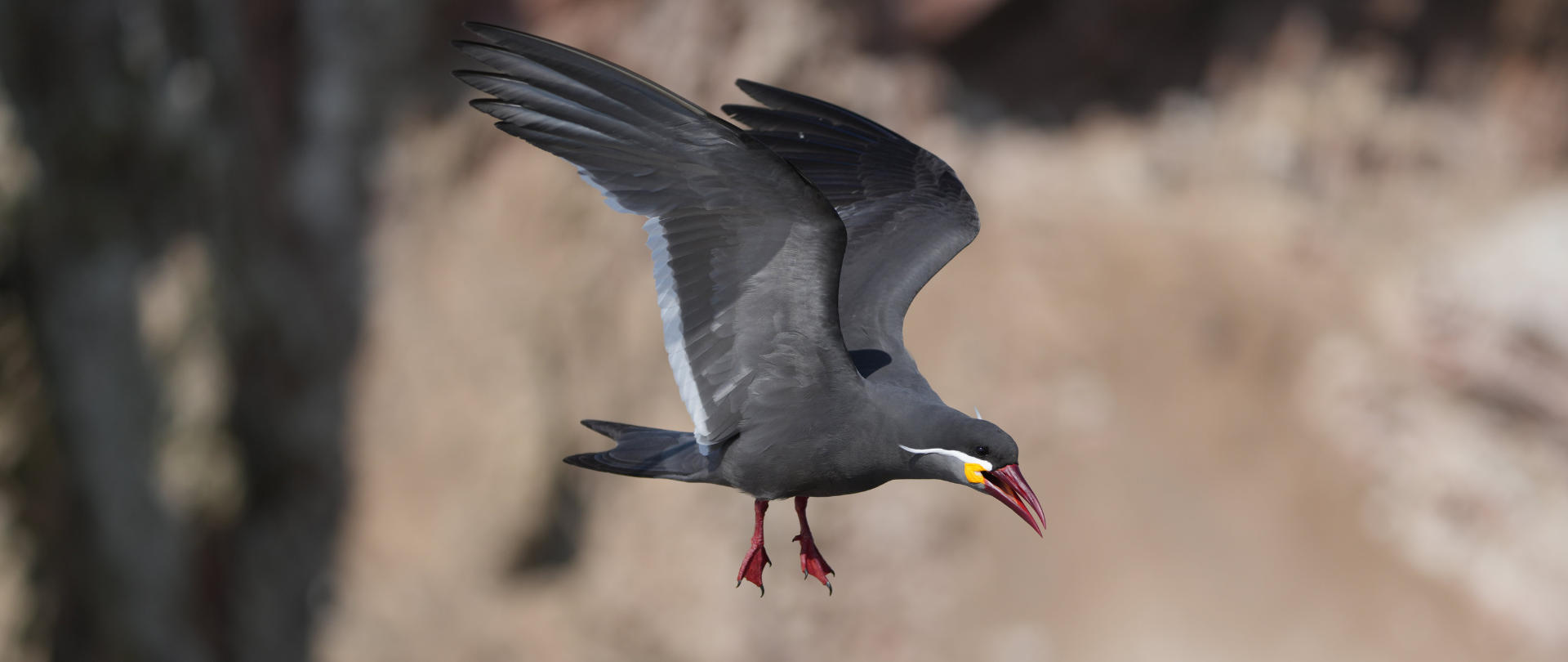
December 30, 2025
Our roundup of the best photos from our team out in the field this year! On to 2026!
December 22, 2025
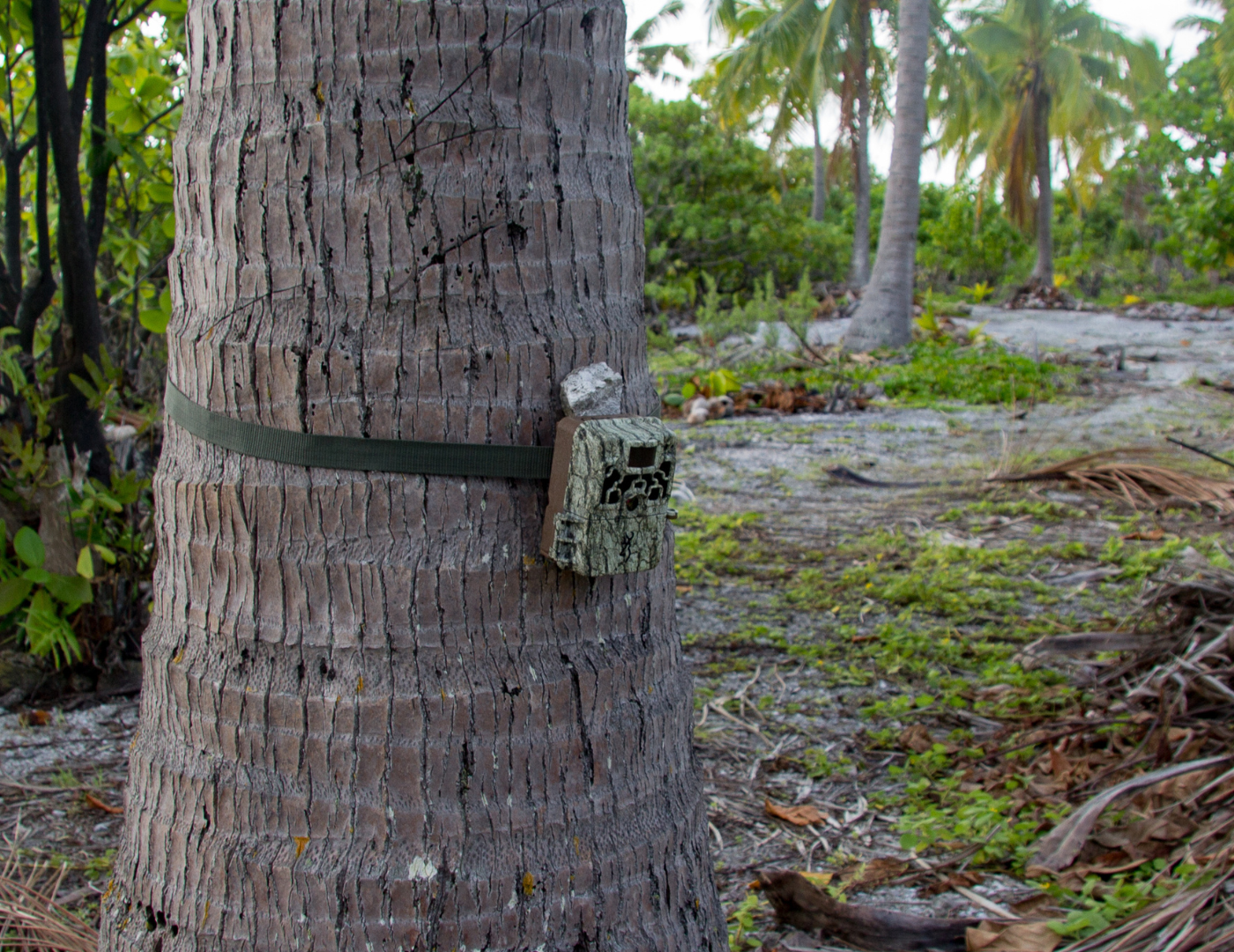
Elke Windschitl, our Conservation Impact Data Specialist, gives us the lowdown on
December 4, 2025
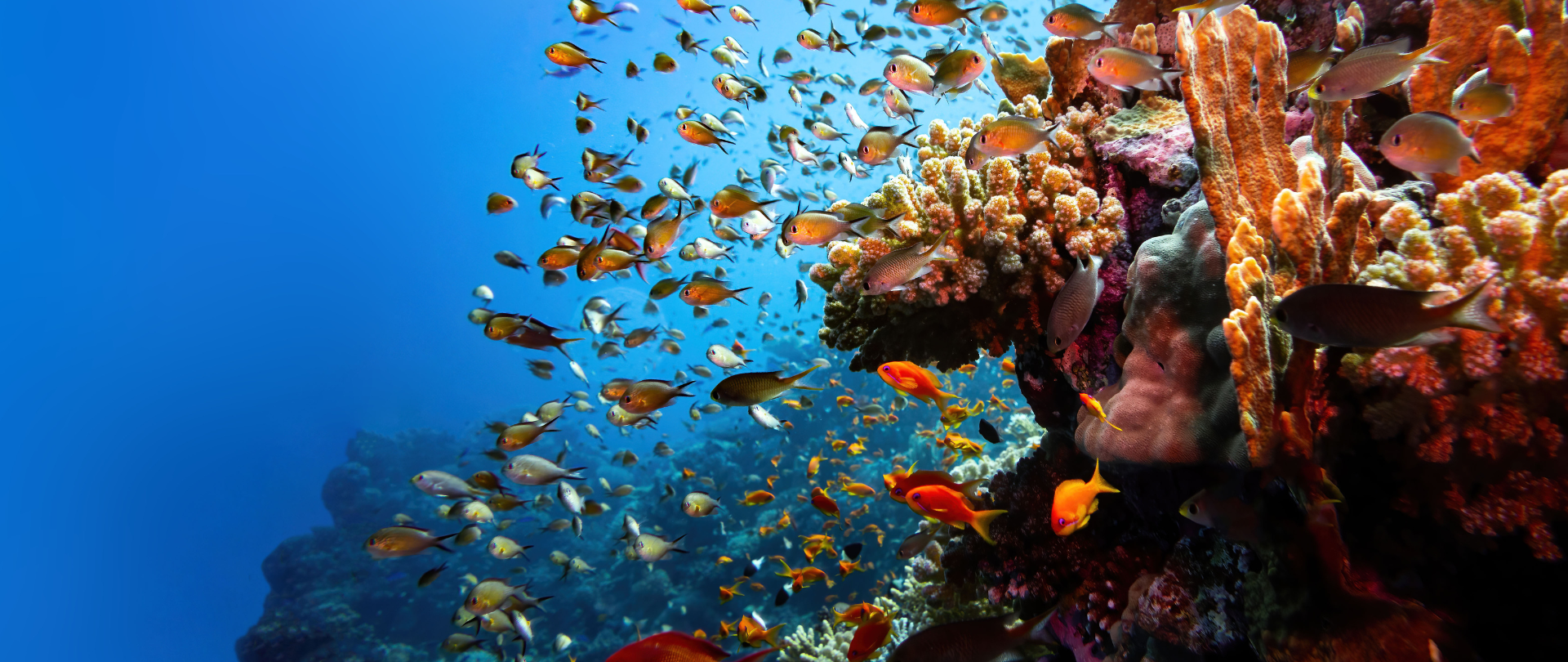
A new study reveals how seabirds, connector species between land and sea, play a huge role in the health of coral reefs!
November 25, 2025
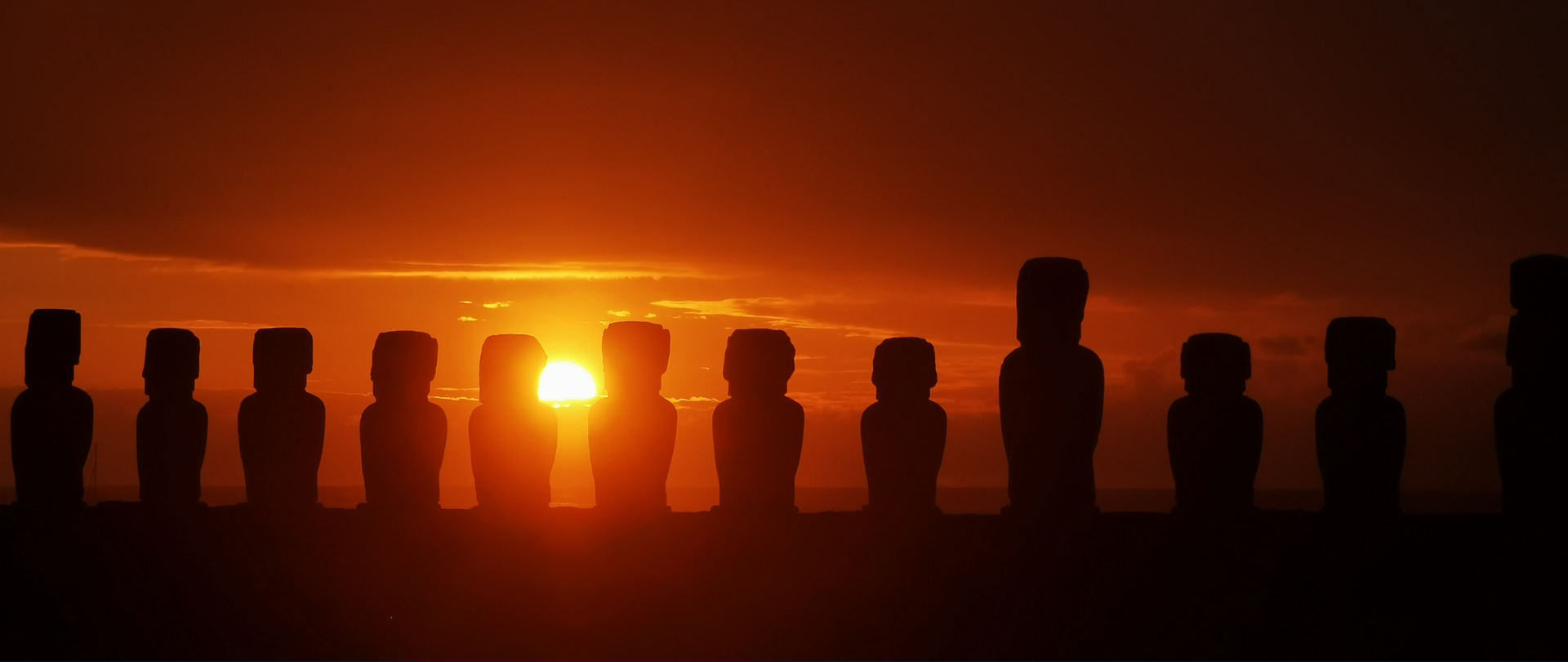
A new scientific paper is changing the way we understand Rapa Nui (Easter Island)'s ecological history!
November 21, 2025
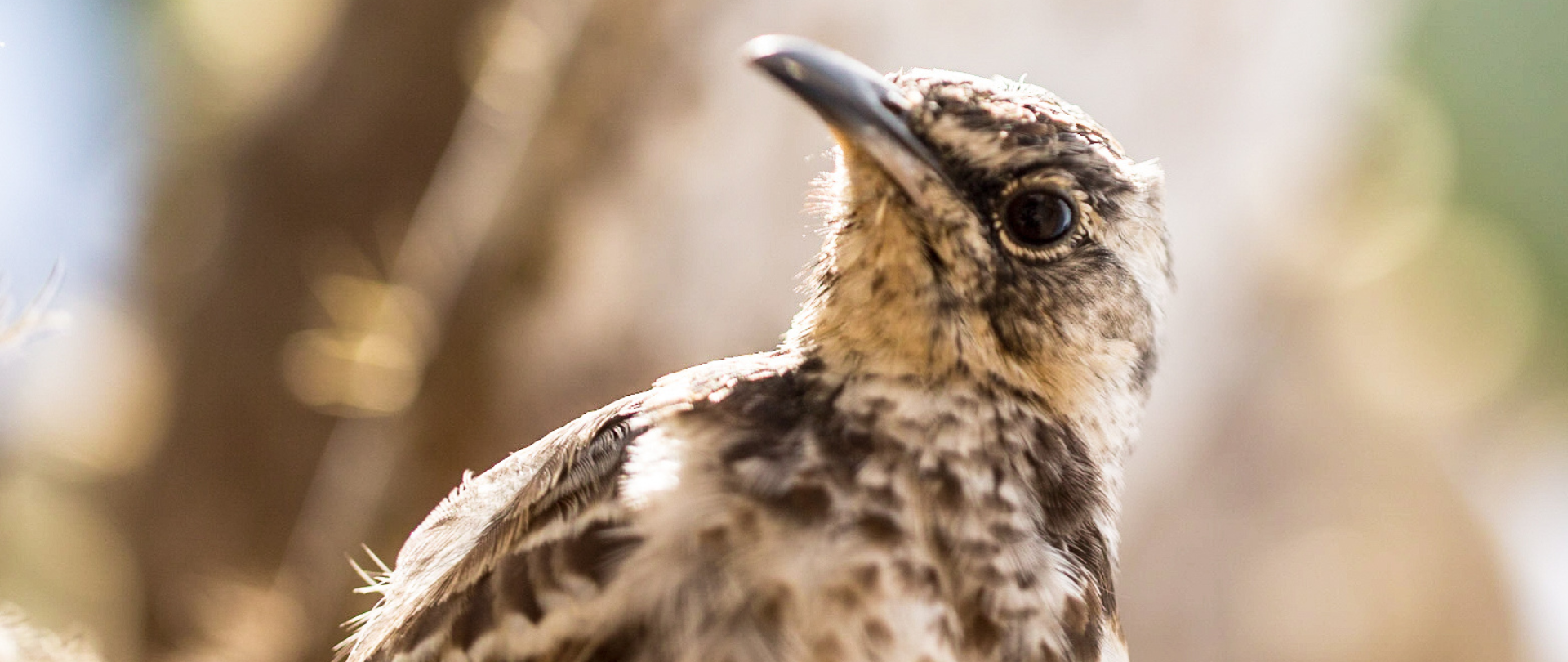
Holistic restoration is at work on Floreana Island, where the largest conservation project in the history of the Galápagos is underway!
October 30, 2025
Our proposal for a United Nations-sanctioned Decade of Island Resilience spotlights the power of global small islands!