August 4, 2026
Rapa Nui Advances Community-Led Management of Marine Protected Areas with New Conservation Partnerships
Indigenous-led conservation takes a leap forward with Rapa Nui (Easter Island)'s new partnership with Island Conservation!
 Island Conservation
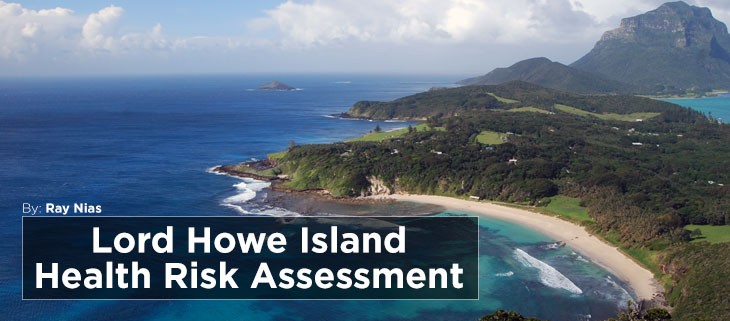
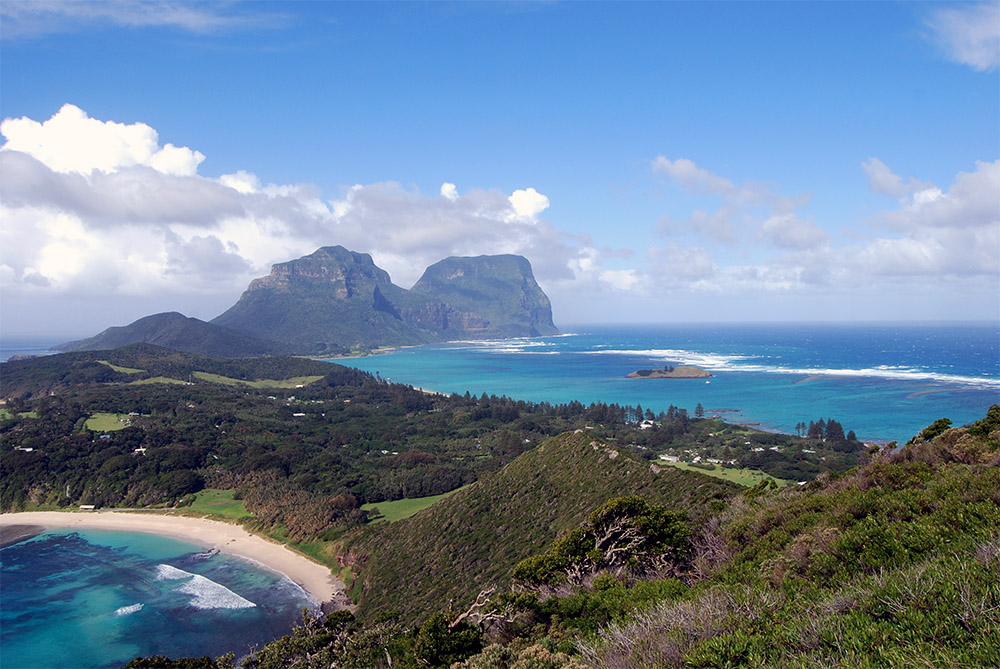
Subject to final approvals, a combined ground and aerial application of rodenticide is planned for Australia’s World Heritage-listed Lord Howe Island in 2018 to completely remove all invasive rats and mice. The rodents were introduced many years ago and now pose an ongoing and serious threat to the biodiversity of the island, its World Heritage status, and the health of the local inhabitants and tourists.
In order to reassure the local island population of around 350 people that the baiting application does not represent a human health risk, the Chief Scientist of New South Wales (NSW) commissioned and oversaw an independent quantitative risk assessment of potential exposure pathways to different segments of the community. An Expert Panel convened to oversee the development of and to review the Human Health Risk Assessment. The report prepared by consultants Ramboll Environ under the oversight of the NSW Chief Scientist and Engineer demonstrates that the exposure to the rodenticide brodifacoum “from all potential sources are below those likely to result in adverse health effects.”
The report states that “The Human Health Risk Assessment looked at a number of potential exposure pathways of the rodenticide to humans, including exposure through soil, air (dust), sediment, surface water, tank water, and food sources such as seafood and locally grown fruits and vegetables. Potential risks from these pathways were then considered for those most sensitive, which included toddlers, school children, pregnant women, and adults spending large amounts of time outside.”

Rodent eradication Project Manager Andrew Walsh said that “the process undertaken by the consultant and the expert panel was very thorough. The outcome of the assessment should help allay any concerns that the baiting operation, planned for winter 2018, in any way represents a risk to human health. This is great news for island residents.
Check out other journal entries we think you might be interested in.

August 4, 2026
Indigenous-led conservation takes a leap forward with Rapa Nui (Easter Island)'s new partnership with Island Conservation!
June 23, 2026
The Island-Ocean Connection Challenge announced four new restoration projects—Lehua, Tavolara, Grand Rouveau, and Zembra—at London Climate Week, expanding its global effort to restore 40 island-ocean ecosystems by 2030!
June 18, 2026
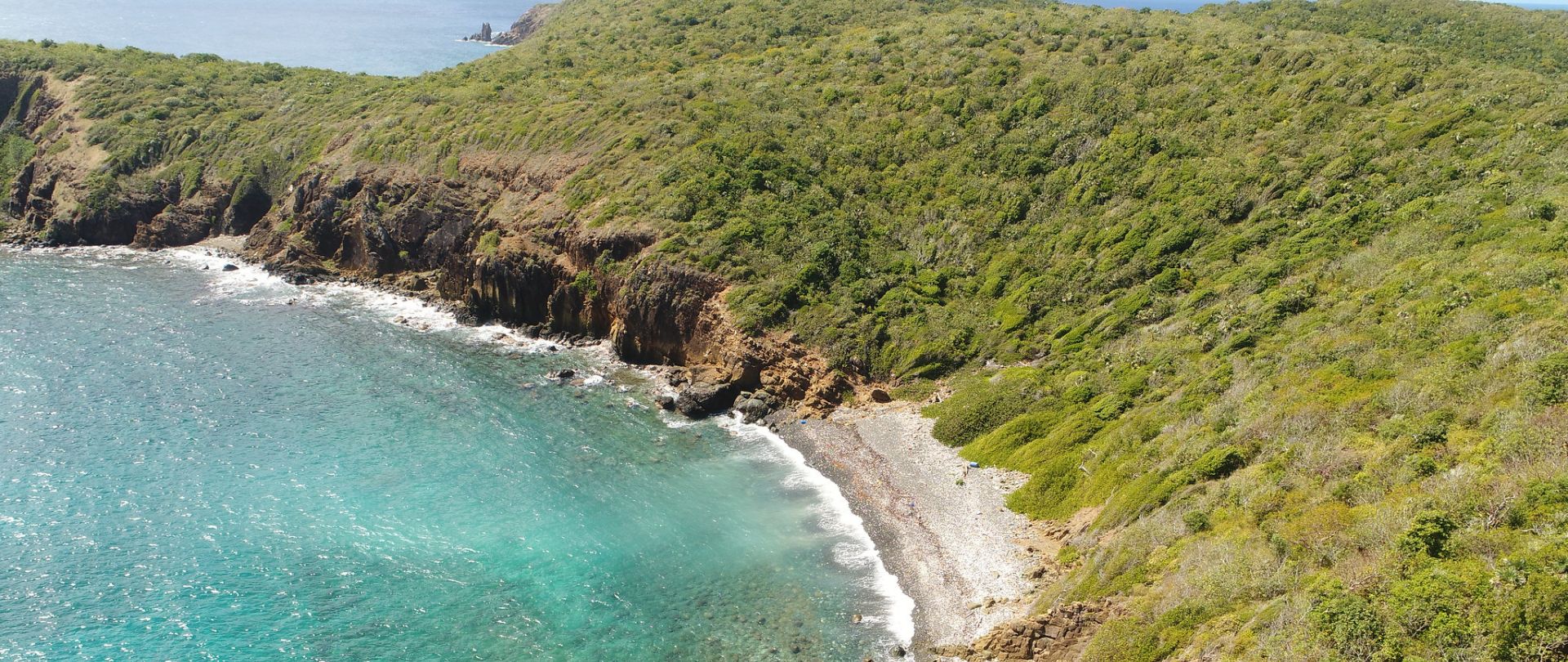
A new project to expand the range of an endangered Tree Boa is one step closer to completion!
June 8, 2026
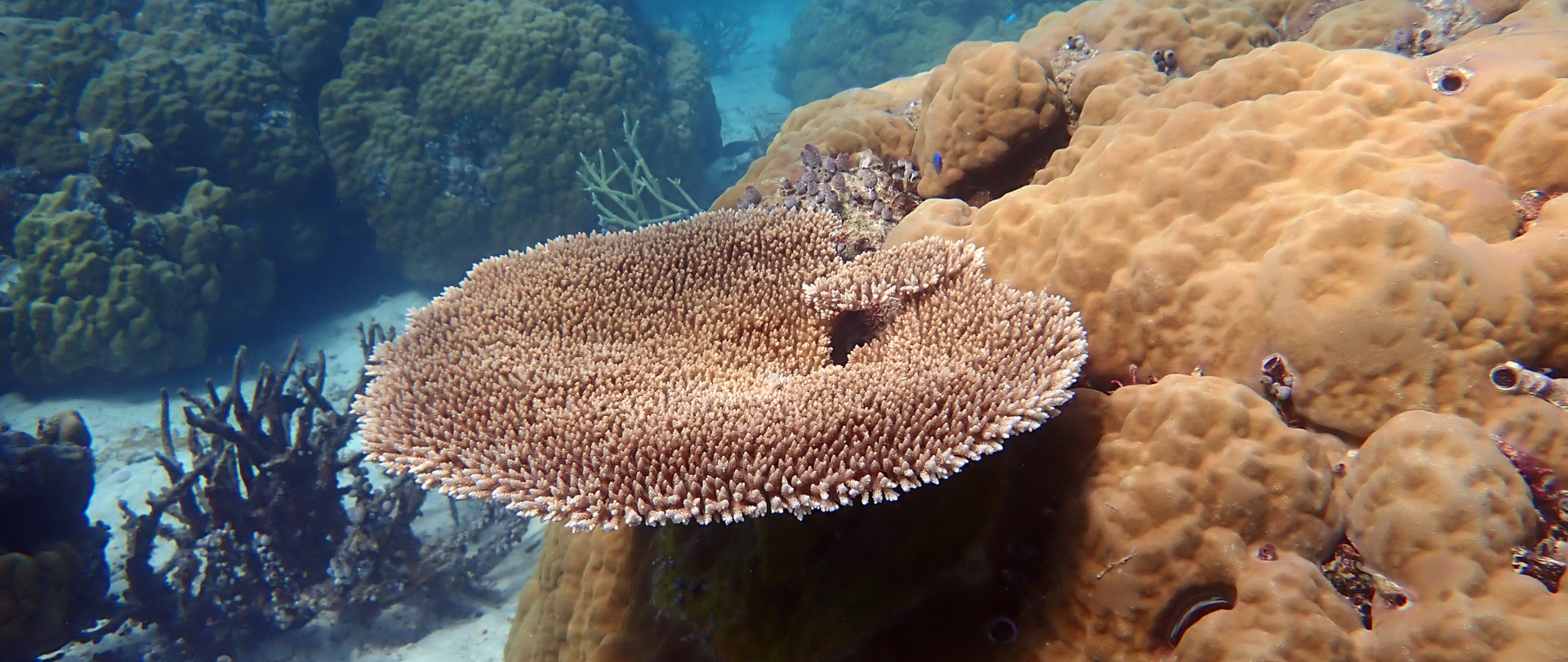
A world-first controlled experiment shows connection between seabird activity and marine health on Ulong Island!
May 13, 2026
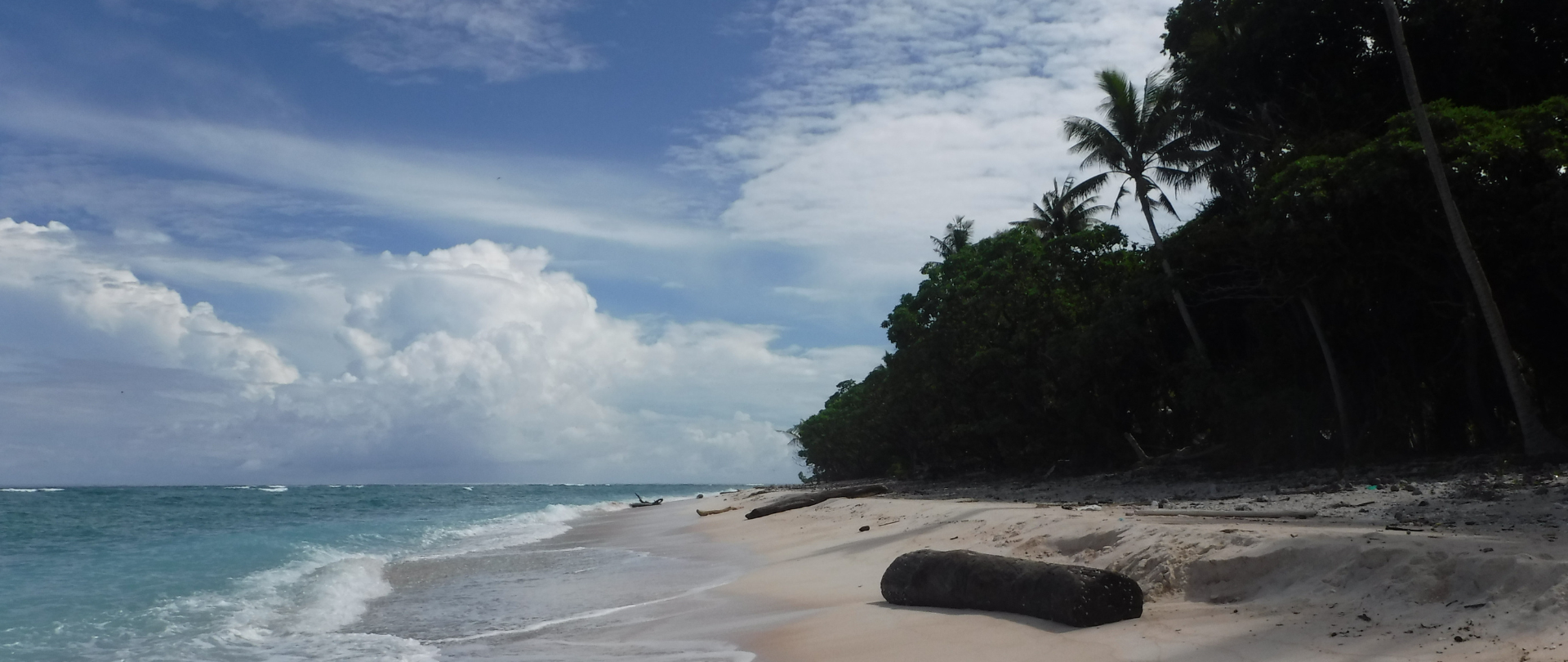
A new project in Sonsorol State, Palau aims to improve livelihoods and climate resilience through holistic environmental restoration!
May 5, 2026
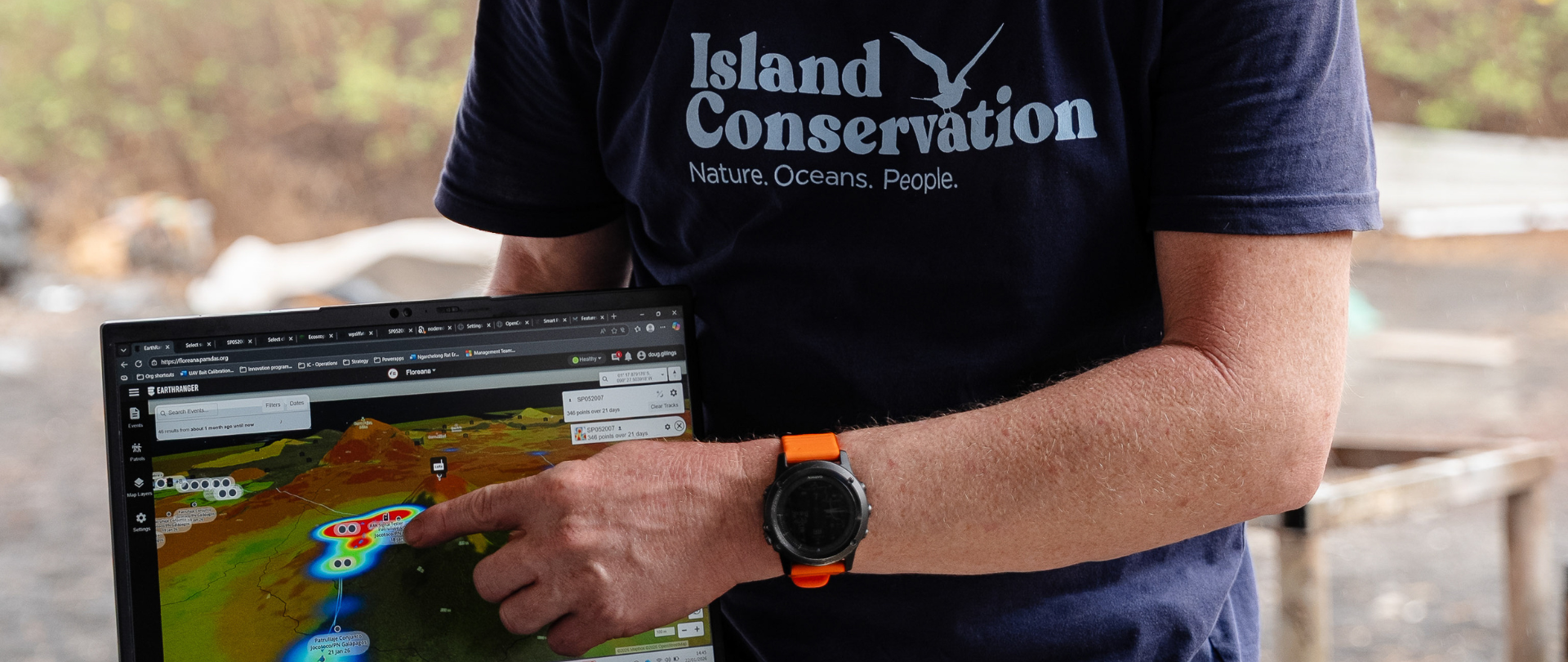
Thrilling new tech brings conservation solutions to a remote island in the Galápagos!
April 14, 2026
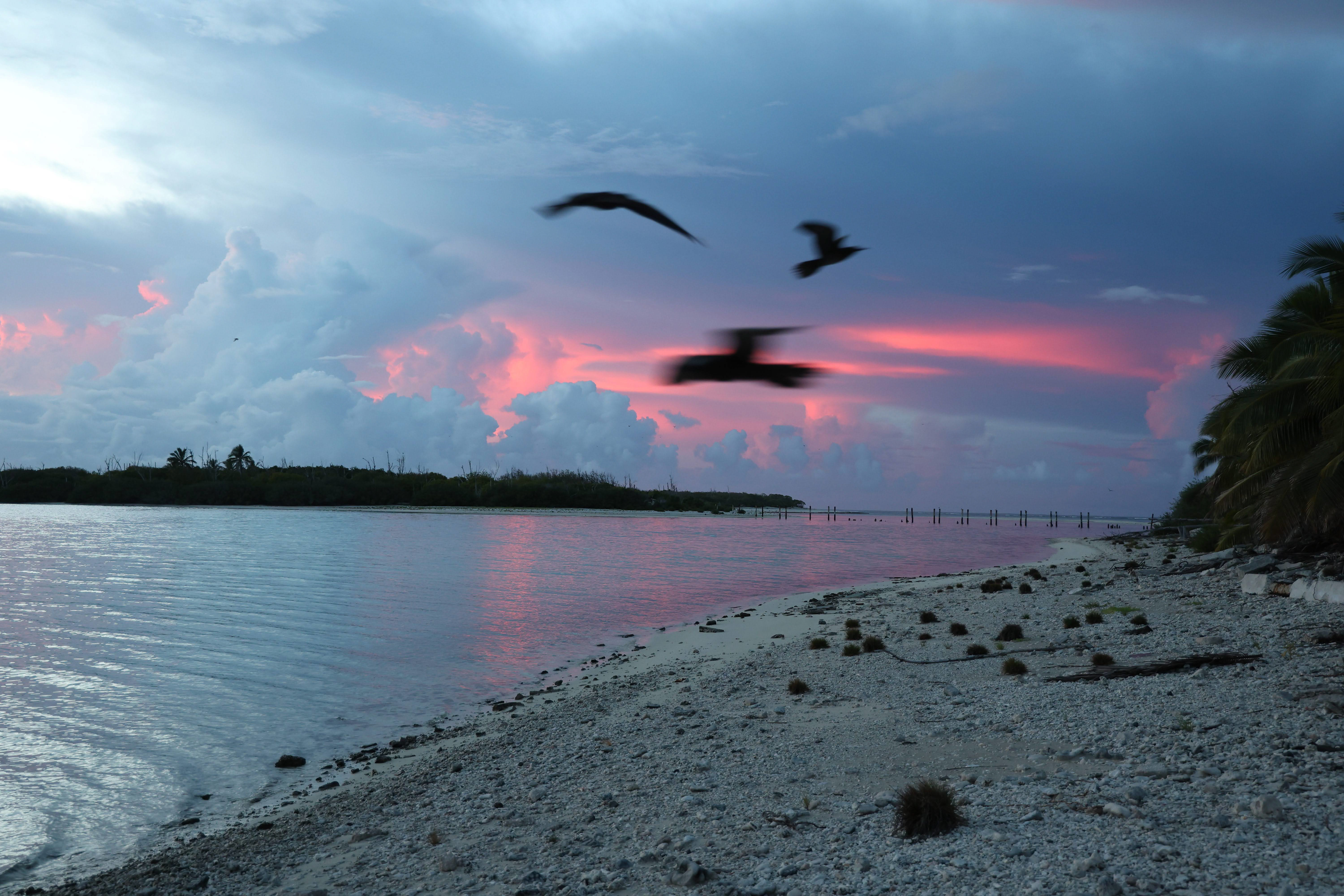
A historic moment: Wake Atoll is restored and thriving!
March 10, 2026
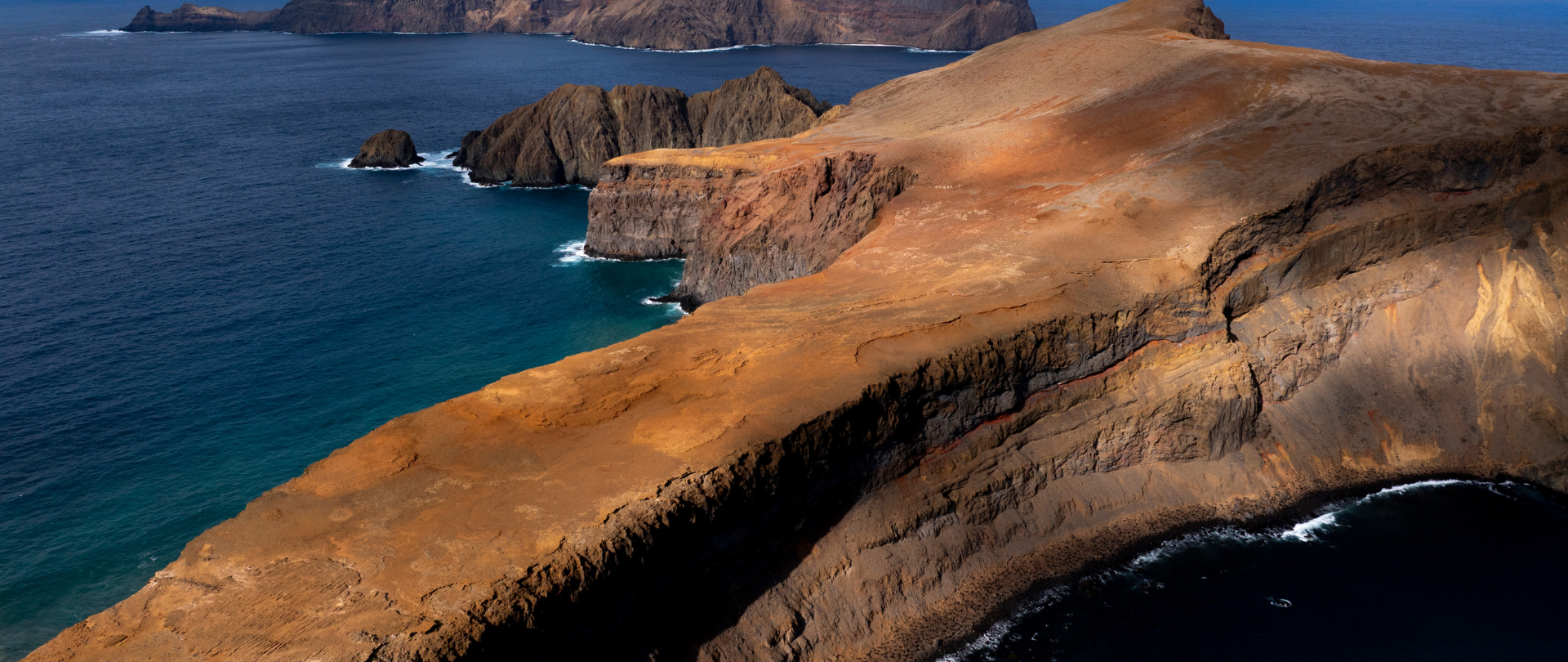
The Juan Fernández Archipelago is part of a new Marine Protected Area that protects the highest concentration of marine species found nowhere else on Earth!
February 20, 2026
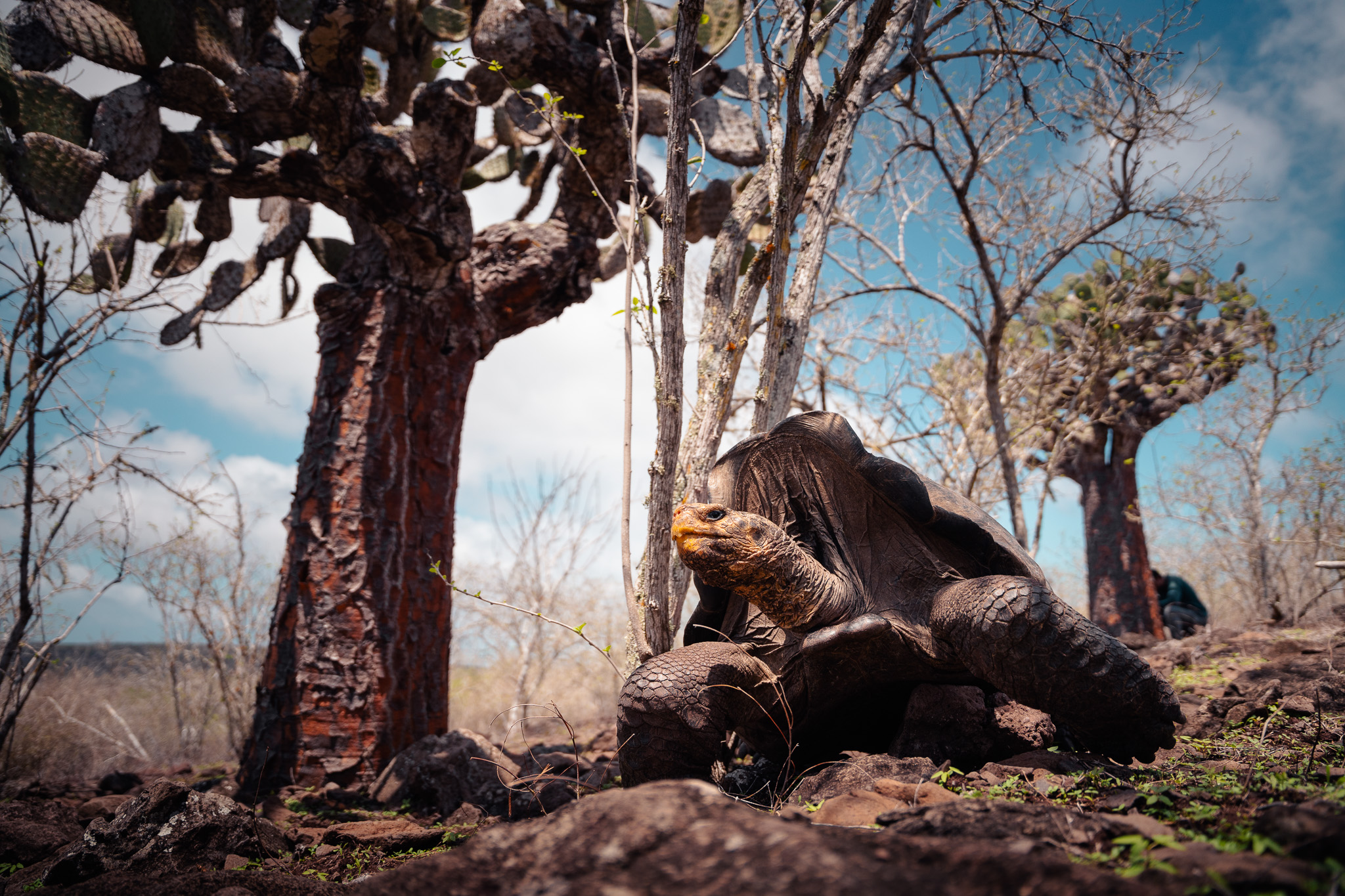
For the first time in more than 180 years, giant tortoises are once again walking the landscapes of Floreana Island!
October 30, 2025
Our proposal for a United Nations-sanctioned Decade of Island Resilience spotlights the power of global small islands!