January 28, 2026
Island Conservation and Blue Action Fund Celebrate Success in Marine Protection for the Eastern Pacific
We worked with Blue Action Fund to expand marine protection in the Eastern Pacific--read about our success!
 Island Conservation
by Amy Levine, Conservation Impact Director
Just last week, a handful of us from Island Conservation, the Vava’u Environmental Protection Association, SPREP, and the Tonga Department of Environment, had the privilege of observing firsthand what is shaping up to be one of the newest documented conservation success stories: Late Island in the southwest Pacific Kingdom of Tonga.
As highlighted by New Zealand Geographic journalist, Kate Evans, in a recent Radio New Zealand episode, Island Conservation and our partners undertook a monumental restoration project by removing invasive rats in July 2023 – one of the largest of its kind ever in the Pacific Ocean. Since then, the project implementation and monitoring teams have been eagerly awaiting the opportunity to document success.
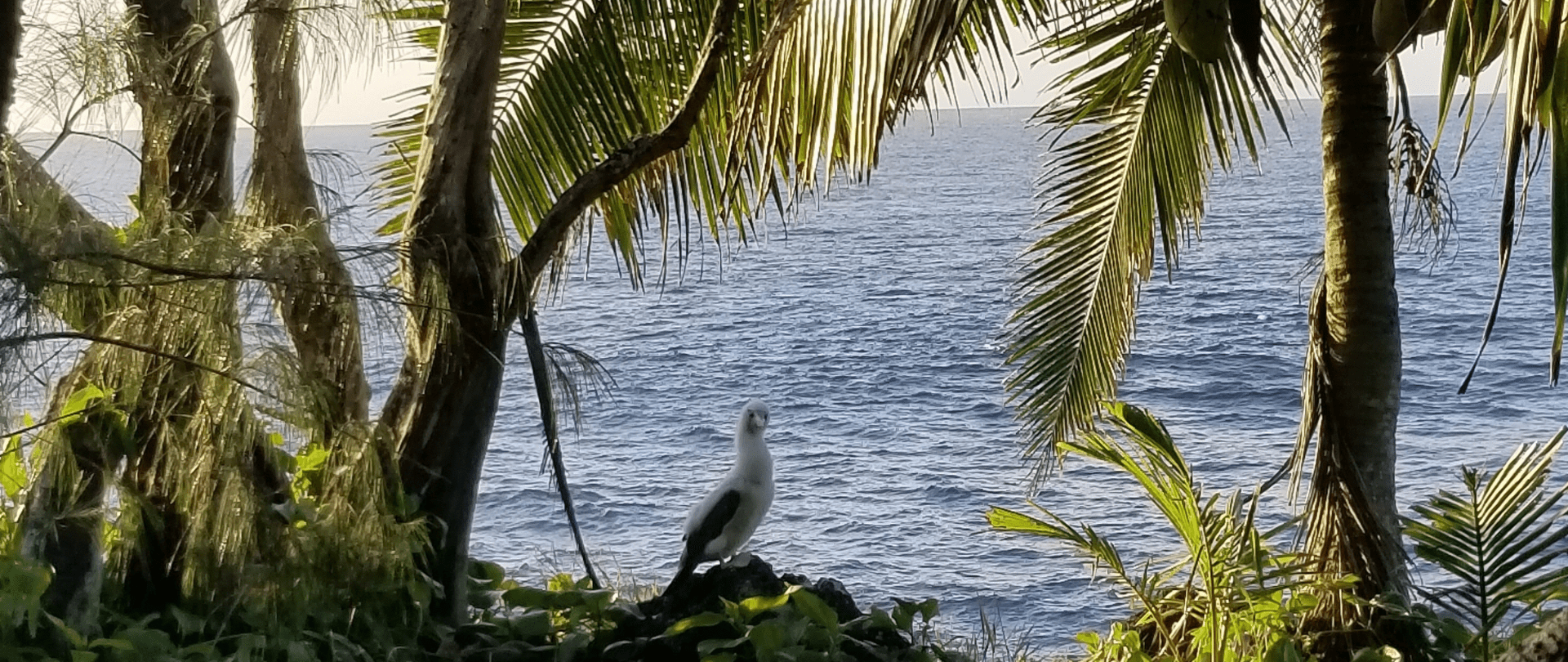
Upon approaching the island after a 35-mile boat ride, we immediately noticed what appeared to be significantly larger seabird populations; hundreds of boobies, noddies, frigatebirds and terns circling the island – a stark contrast to the smaller numbers observed in 2023. We also saw and heard more land birds, crabs, and lizards than before.
We did find ourselves wondering if the larger numbers observed this year was all in our heads – was it just wishful thinking? But after quickly crunching some numbers from bird point-count surveys conducted in 2023 (before the operation) and again in 2024, our earliest evidence is showing more than double the number of birds on Late just nine short months following rat removal.

Late is just one battlefront in the ongoing war against biodiversity loss. Conservationists worldwide are striving to implement effective strategies to protect species and ecosystems for the benefit of nature and people, alike. A recent paper in the journal Science sheds light on the efficacy of conservation actions across the globe, offering valuable insights into the most successful approaches.
For us at Island Conservation, the research conducted by Dr. Penny Langhammer and her colleagues confirms that our work to restore island ecosystems through invasive species removal and other restoration interventions, such as species reintroductions, is just the type of conservation action the world needs to effectively improve biodiversity and ecosystem health.
The findings of the Langhammer et al. analysis reaffirm the importance of our efforts, with the study showing that 66% of the closely monitored conservation interventions evaluated have had measurable positive impacts. The most notable success stories were observed following conservation actions such as habitat restoration and invasive species control. These interventions not only improved biodiversity but also slowed declines, highlighting their importance in mitigating the ongoing biodiversity crisis. Restoring degraded habitats, including via invasive species removal, will therefore be critically important actions.

Bird point counts are just one measure of success, however, and out of an abundance of caution, we will continue to monitor the island in a variety of ways in the coming years. Over the course of our week on Late, we not only re-deployed biodiversity monitors, including camera traps and acoustic recorders, programmed to continuously assess native species population dynamics, we also set out rat detection systems to gauge the success of the operation. These systems picked up zero signs of continued rat presence, which makes it seem very likely that the island will soon be declared free of invasive rats.
Once the island is declared rat-free, the partnership plans to implement another conservation intervention: the reintroduction of threatened endemic species such as the Malau (Tongan Megapode). This unique land bird roosts atop Tonga’s volcanic islands, warming their eggs not via body heat but rather by the heat of these islands’ steam vents. There are currently only two populations of this species in the world, so establishing a third population on Late Island would be yet another incredible win for conservation–and more evidence that conservation works!
While we recognize the need for continued monitoring, these early signs of recovery highlight the resilience of nature and the potential for effective conservation actions to drive positive change. The quickly rebounding native species populations on Late serves as yet another beacon of hope, demonstrating our collaborative conservation efforts really do result in tangible impacts safeguarding our planet’s biodiversity for future generations.
This project was made possible thanks to support from PRISMSS and Predator-Free Pacific.
Check out other journal entries we think you might be interested in.
January 28, 2026
We worked with Blue Action Fund to expand marine protection in the Eastern Pacific--read about our success!

January 22, 2026
Our Senior Director of Impact & Innovation, David Will, explains the importance of the Circular Seabird Economy for nutrient transfer!
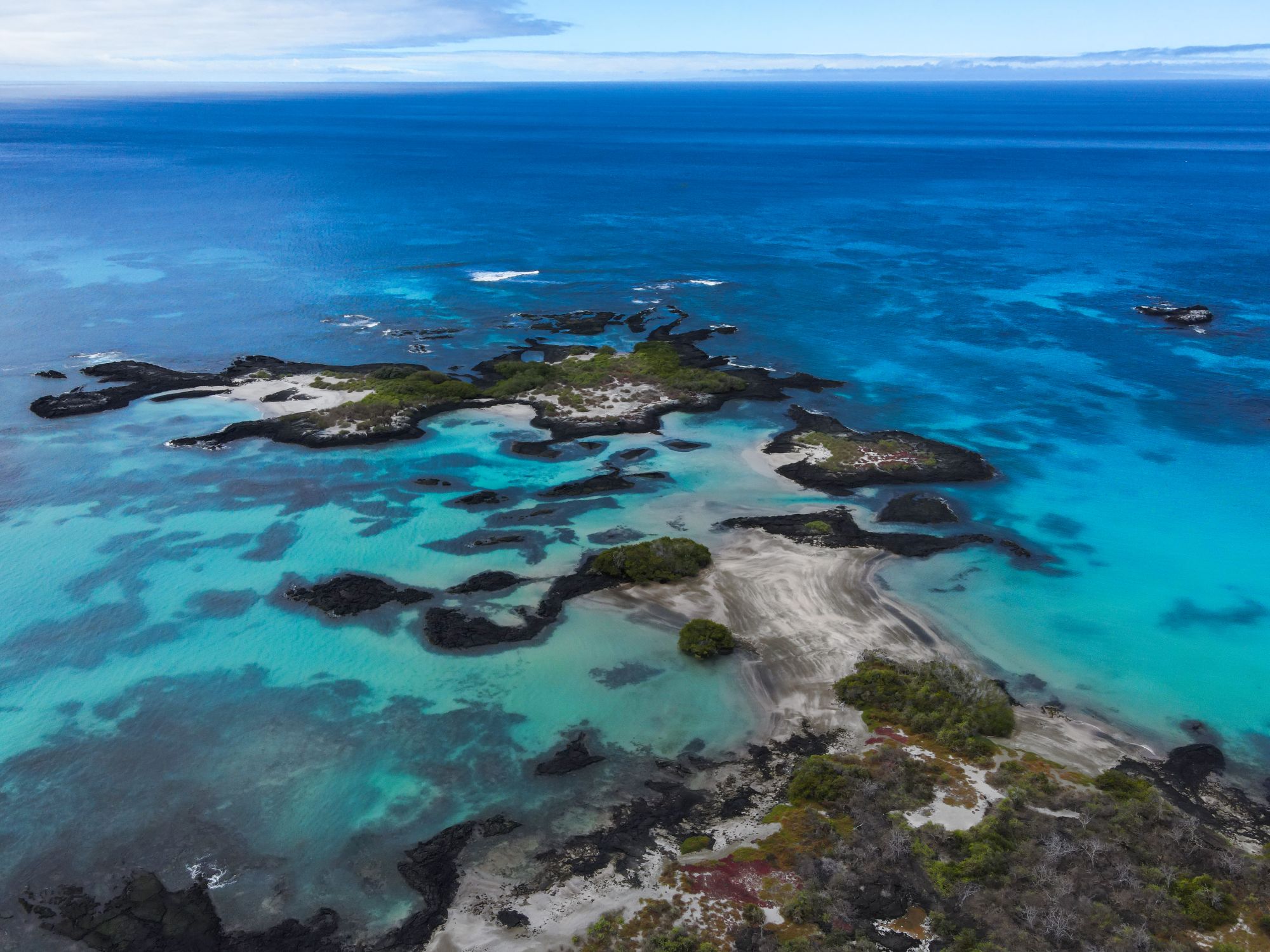
January 9, 2026
A new podcast episode explains the full benefits of holistic restoration on Floreana Island!
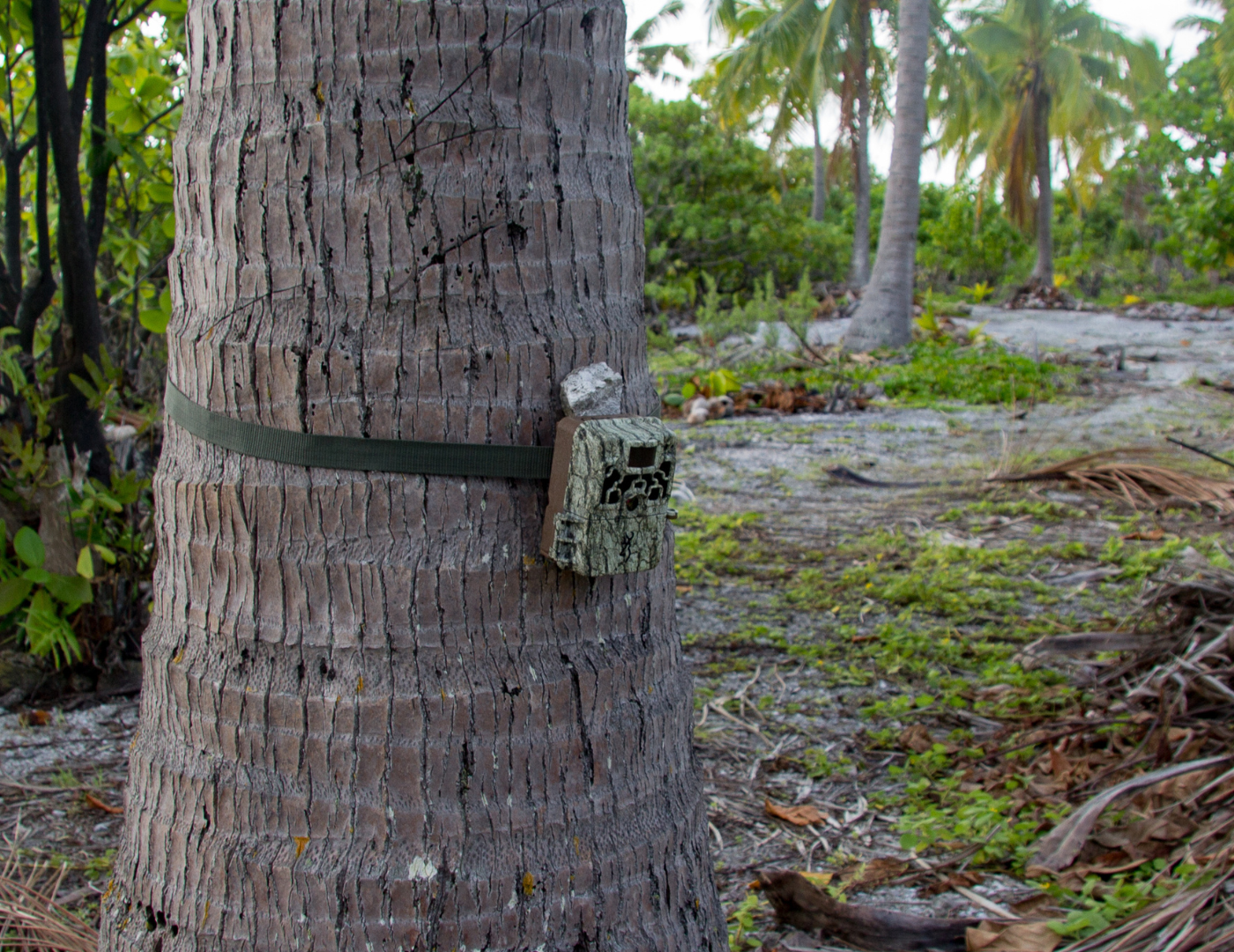
December 22, 2025
Elke Windschitl, our Conservation Impact Data Specialist, gives us the lowdown on
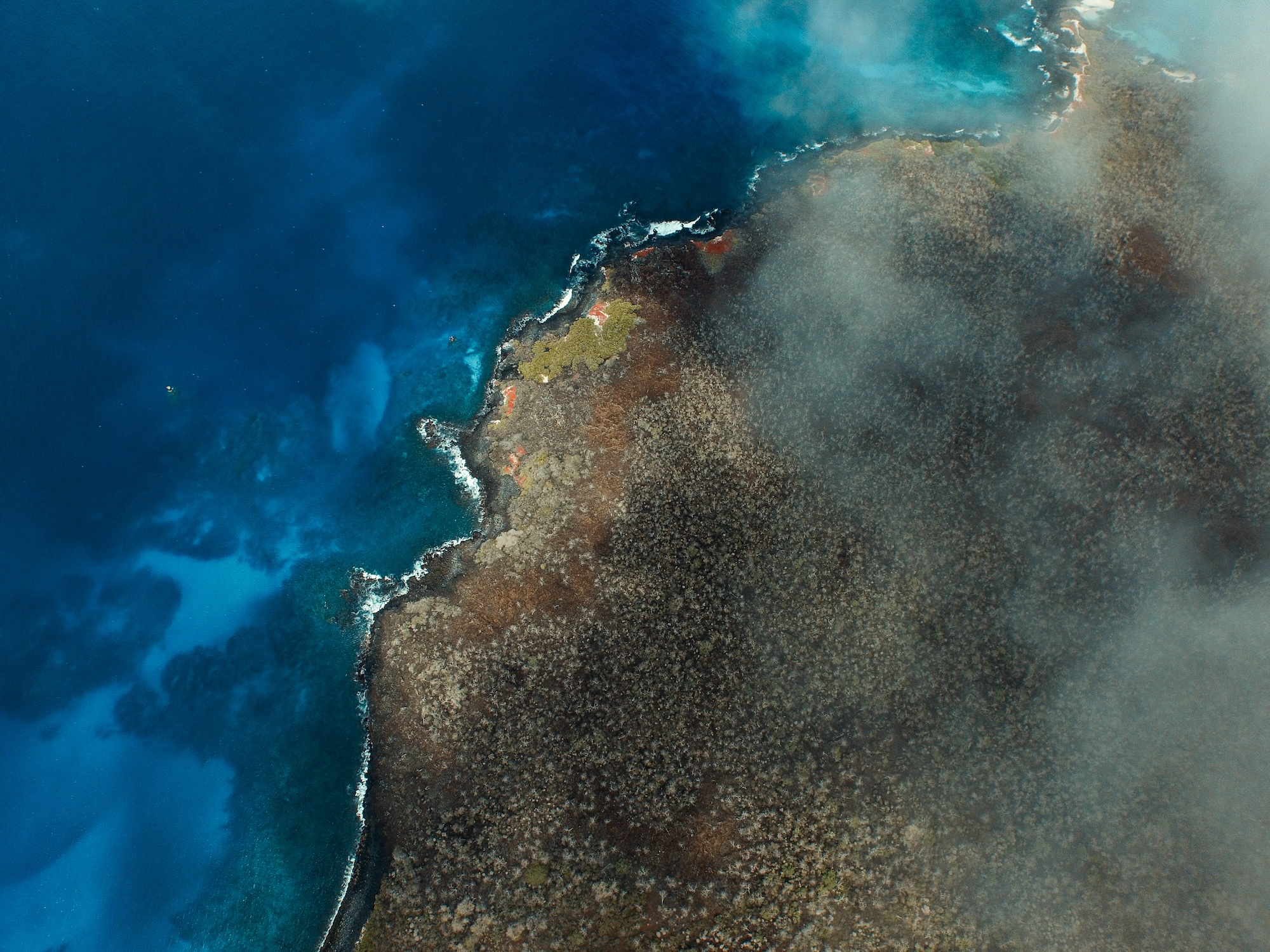
December 16, 2025
Read the full ecological story of Floreana Island in the Galápagos from the early settlements to today.
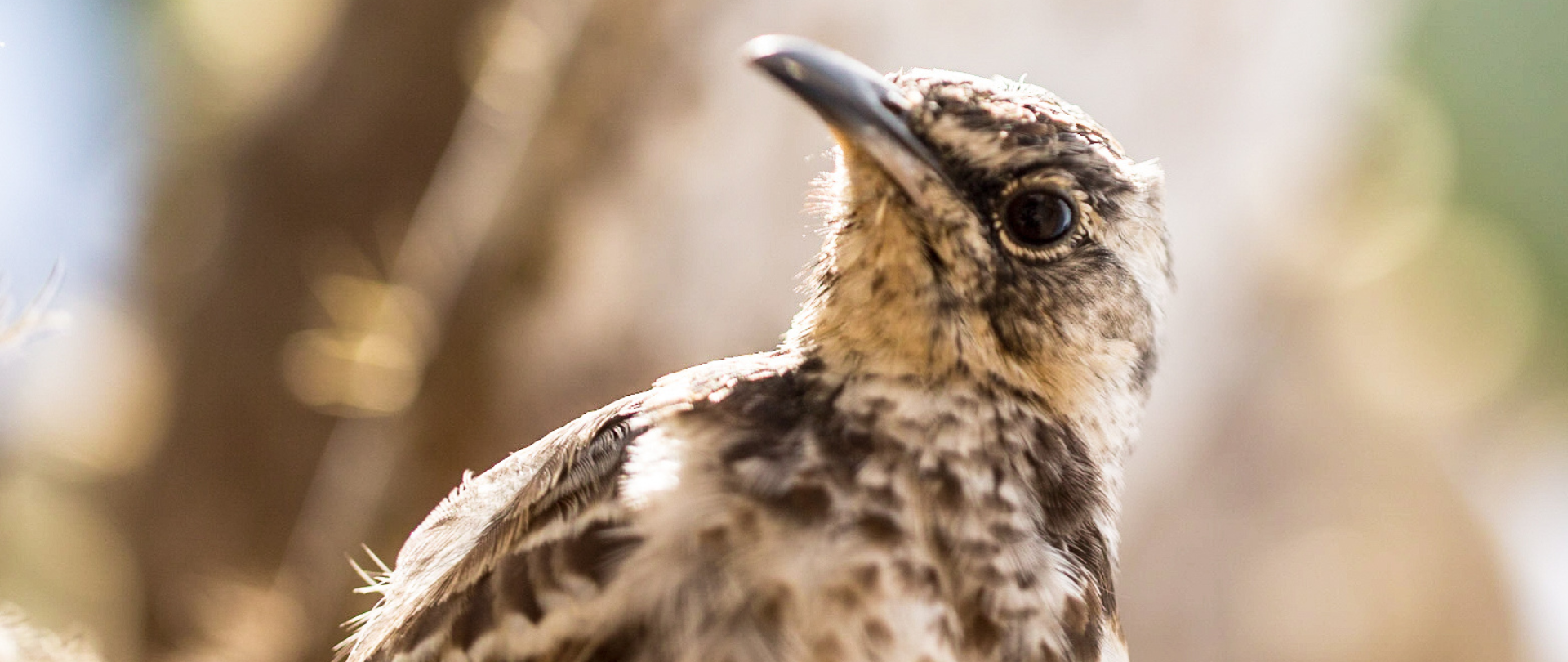
November 21, 2025
Holistic restoration is at work on Floreana Island, where the largest conservation project in the history of the Galápagos is underway!

October 29, 2025
Astounding evidence of recovery on Ulong Island in Palau after just one year!
September 30, 2025
Astonishing results from our work to restore sites in the Republic of the Marshall Islands, boosting climate resilience and ocean health!
September 24, 2025
Don't let its comparatively small land area fool you--Tokelau is a world leader in conservation!