February 25, 2026
A Homecoming for Floreana
Roger McDonough from our partners at Galápagos Conservancy explains the process behind raising hybrid tortoises for Floreana!
 Island Conservation
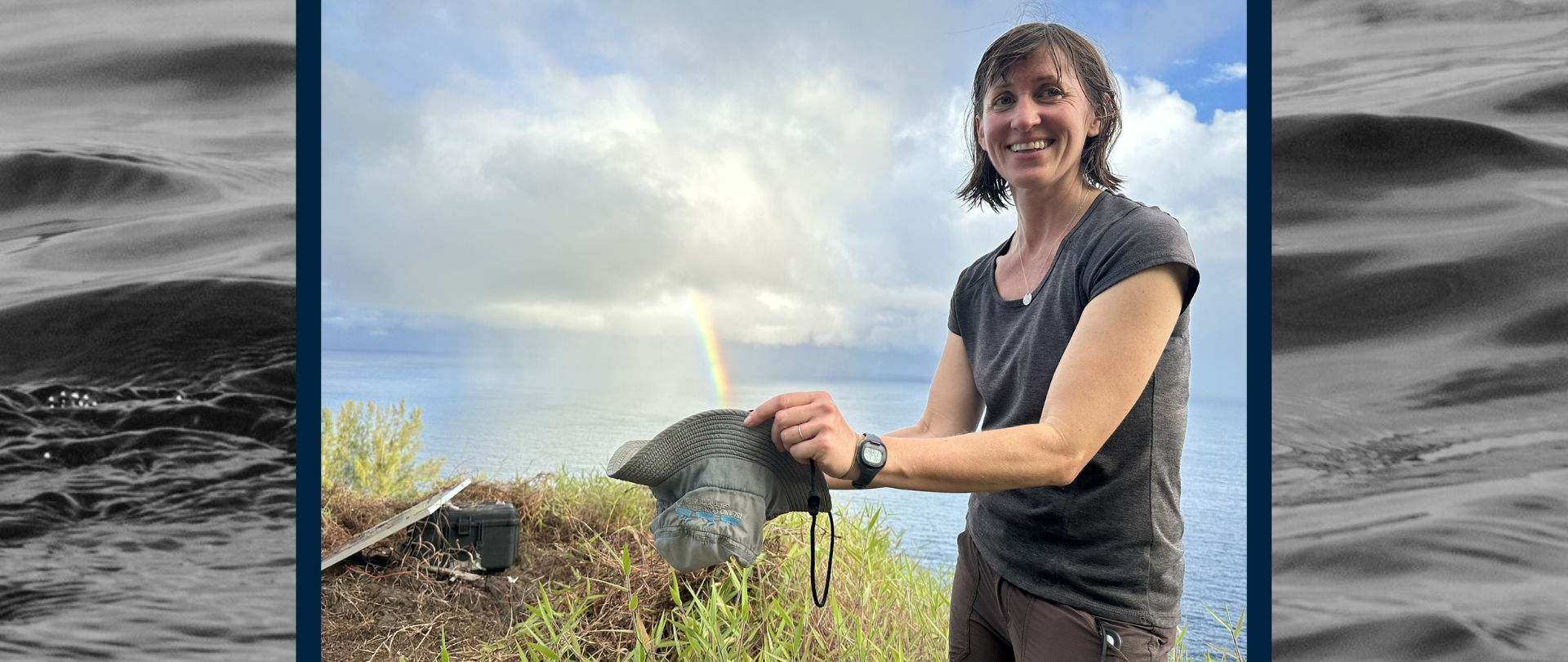
Thrilling news: endangered birds are being spotted on Kamaka!
Kamaka in the Gambier Islands of French Polynesia has been the site of one of our most exciting and successful projects. Supported by the Island-Ocean Connection Challenge (IOCC), and in partnership with Société d’Ornithologie de Polynésie (also known as “SOP Manu”), the Reasin family, and the Mangareva Community, Island Conservation used drones in an ambitious project to remove invasive rodents. Now, endangered birds are returning, thanks to social attraction methods that let them know the island is safe for them. Our Conservation Science Program Manager, Coral Wolf, answers key questions about the project and its recent successes!
Congratulations on this project’s success! Can you tell us more about the species we are protecting on Kamaka? What is unique and special about them?
The Polynesian Storm-petrel – also called the White-throated Storm-petrel (Nesofregetta fuliginosa) — is an IUCN Red List Endangered, ground-nesting seabird which once was widespread across the south Pacific. It is a small, dark-plumaged seabird that feeds on crustaceans, cephalopods (e.g., squid) and small fish from the ocean’s surface. Like many colony nesting seabird species, they play a critical role in island ecosystem function. The Polynesian Storm-petrel brings vital nutrients to islands through its guano and discarded fish, which in turn nurture the island and cascade down into the surrounding marine ecosystem, nourishing fish and corals. Their nests consist of crevices in and beneath coral and tunnels under dense vegetation.
Polynesian Storm-petrels have been severely impacted and their populations have dwindled due to invasive species that threaten this important seabird species with extinction. Their current breeding range is restricted to the Republic of Kiribati, French Polynesia, and the Pitcairn Islands, and they do not occur where there are cats or rats. These invasive predators have devastating impacts on storm-petrel populations due to this species’ small size and accessible nest sites, driving this and other native, rare, and endemic bird species to the brink of extinction.
With only 250-1,000 mature individuals estimated to remain in the wild, a 2020 action plan for the species (Pierce et al. 2020) identified the French Polynesian island of Kamaka (Gambier Archipelago) as priority restoration sites that provide an outstanding opportunity to establish an additional secure breeding population and significantly aid the global recovery of the species.

What social attraction methods are in use on Kamaka to attract Polynesian Storm-petrels?
Each social attraction site consists of a solar-powered sound system (i.e., acoustic playback units and two speakers) that broadcasts the sounds we previously recorded at the nearby Manui Island storm-petrel colony and three motion-sensing cameras to document seabird activity. We also built — based off of dimensions that our partners Pacific Rim Conservation have used for another storm-petrel species — and installed four artificial burrows that have the potential to both facilitate monitoring and improve nesting habitat.
What did it feel like to get the first email from our partners at SOP Manu containing photos of Polynesian Storm-petrels?
It was thrilling! We had been cautiously optimistic birds could potentially begin visiting the island quickly as we knew they were spending time in the area with some individuals nesting on Manui Island; but to see such immediate results of our labors got us all celebrating. Following that first email, and further review of the SD cards from the motion-sensing cameras, the news continued to roll in and just got better and better: not only did individuals begin visiting at the start of the nesting season but they continued prospecting throughout the season AND we observed two individuals entering and spending time in the nest boxes we were trialing!
What is your favorite aspect of this project?
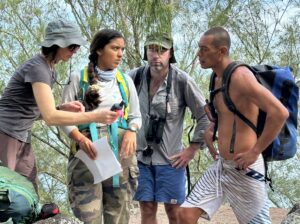
I am so grateful I’ve gotten the chance to collaborate with an amazing team to make real, tangible conservation gains for this species. Working in the field can be challenging but spending time with such a tremendously invested and hardworking group — SOP Manu staff, the island’s owner, Island Conservation staff, and even an IC board member volunteer – was such a joy. Between the collaborative troubleshooting of equipment installation, the delicious meals, the enthusiastic seabird surveys, and the sweaty hikes weighed down by heavy equipment but accompanied by great conversation and hearty laughs, I felt so buoyed by the team. I am looking forward to the day we can schedule a reunion, and this time cheers to finding Polynesian Storm-petrels chicks helping this species reclaim their island home.
Our project on Kamaka is generously funded by the National Fish and Wildlife Foundation, The David and Lucile Packard Foundation, and conservation supporters like you!
Check out other journal entries we think you might be interested in.
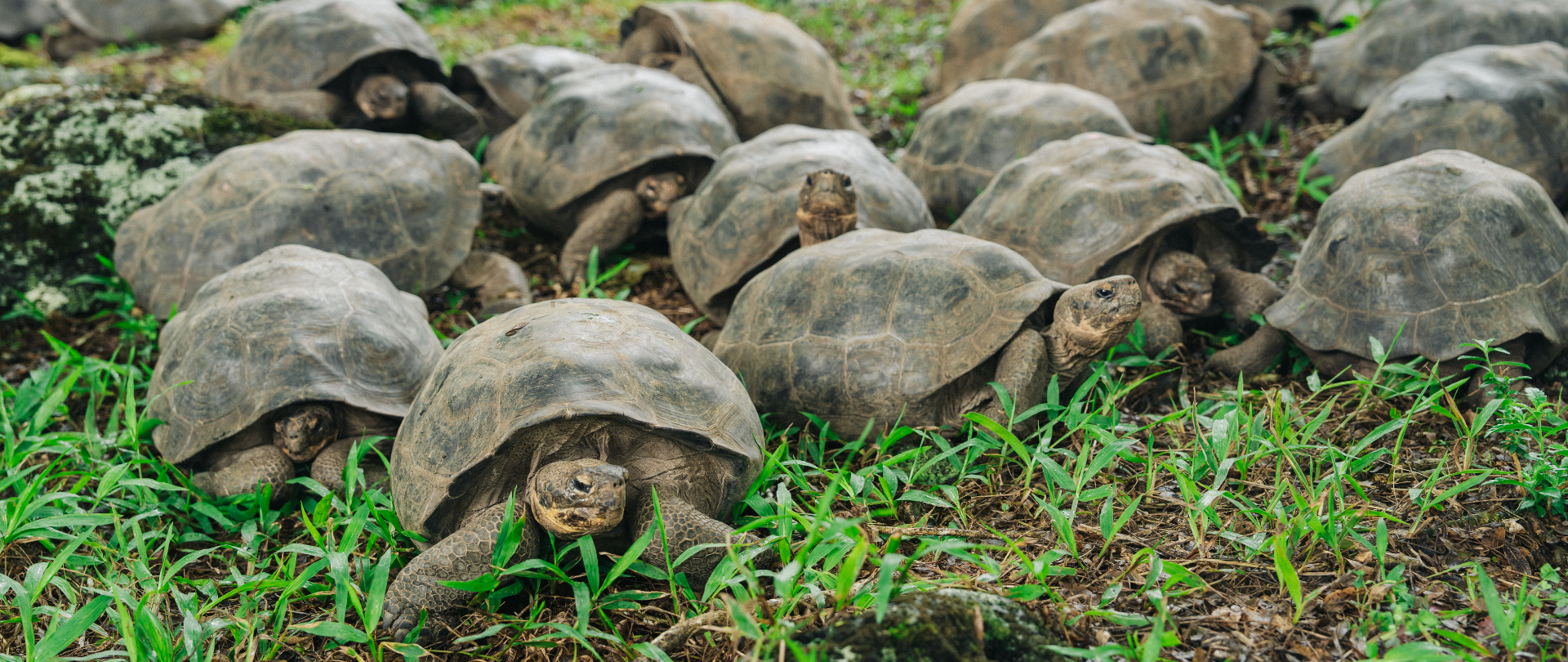
February 25, 2026
Roger McDonough from our partners at Galápagos Conservancy explains the process behind raising hybrid tortoises for Floreana!
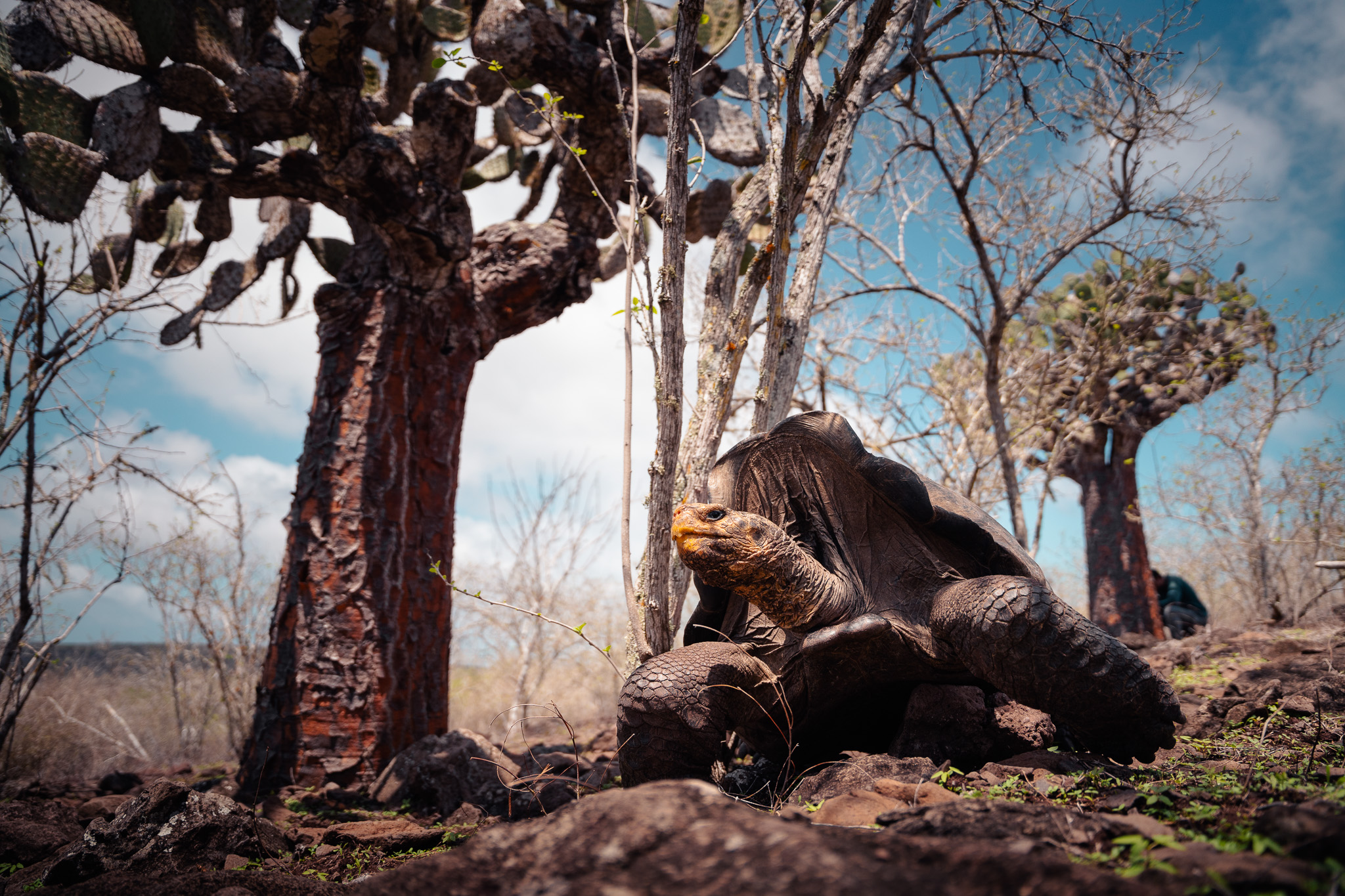
February 20, 2026
For the first time in more than 180 years, giant tortoises are once again walking the landscapes of Floreana Island!
February 6, 2026
¡Mira el video de Solange y lee una entrevista sobre Robinson Crusoe! Watch Solange's video and read an interview about Robinson Crusoe!
January 28, 2026
We worked with Blue Action Fund to expand marine protection in the Eastern Pacific--read about our success!
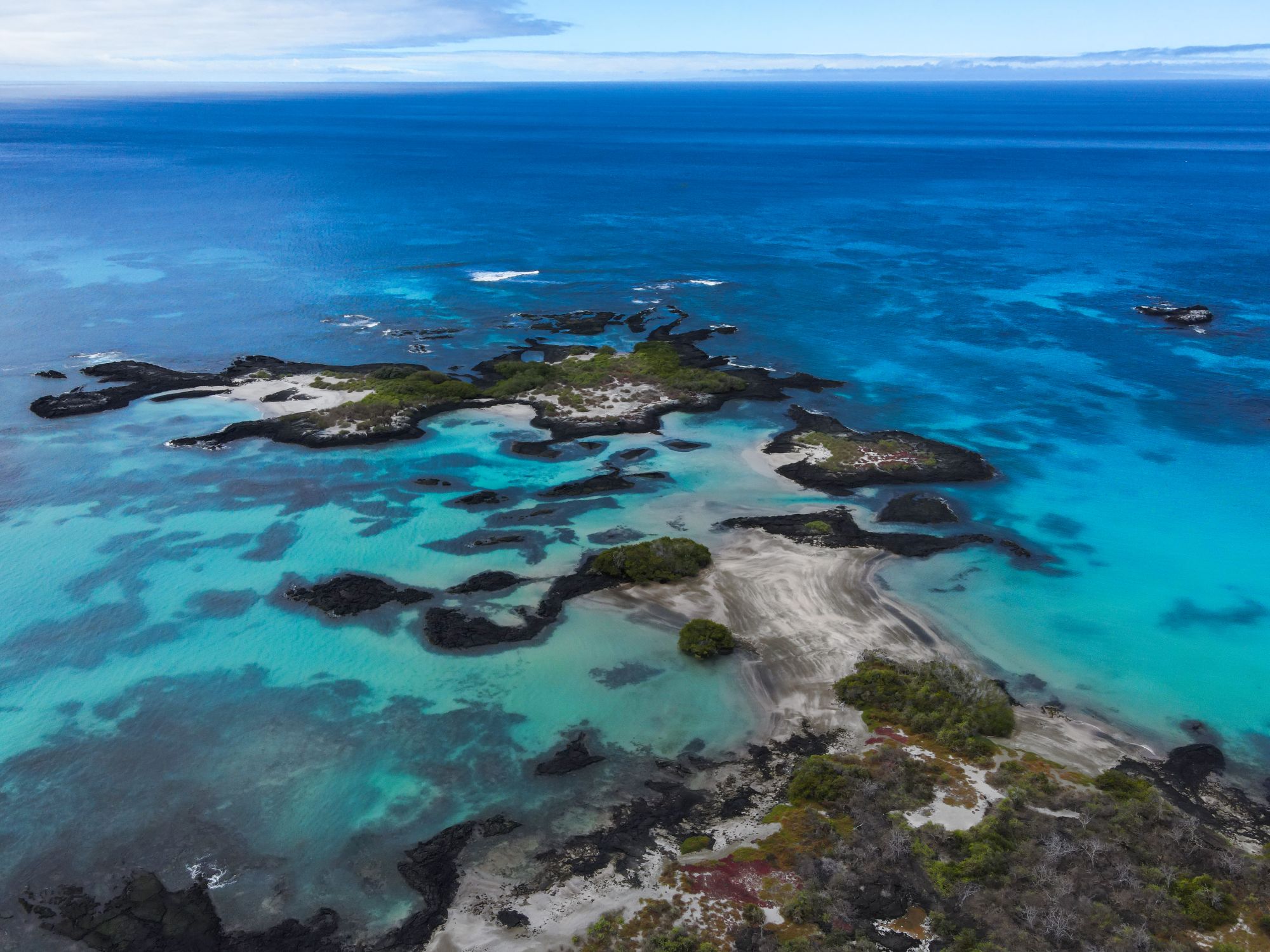
January 9, 2026
A new podcast episode explains the full benefits of holistic restoration on Floreana Island!
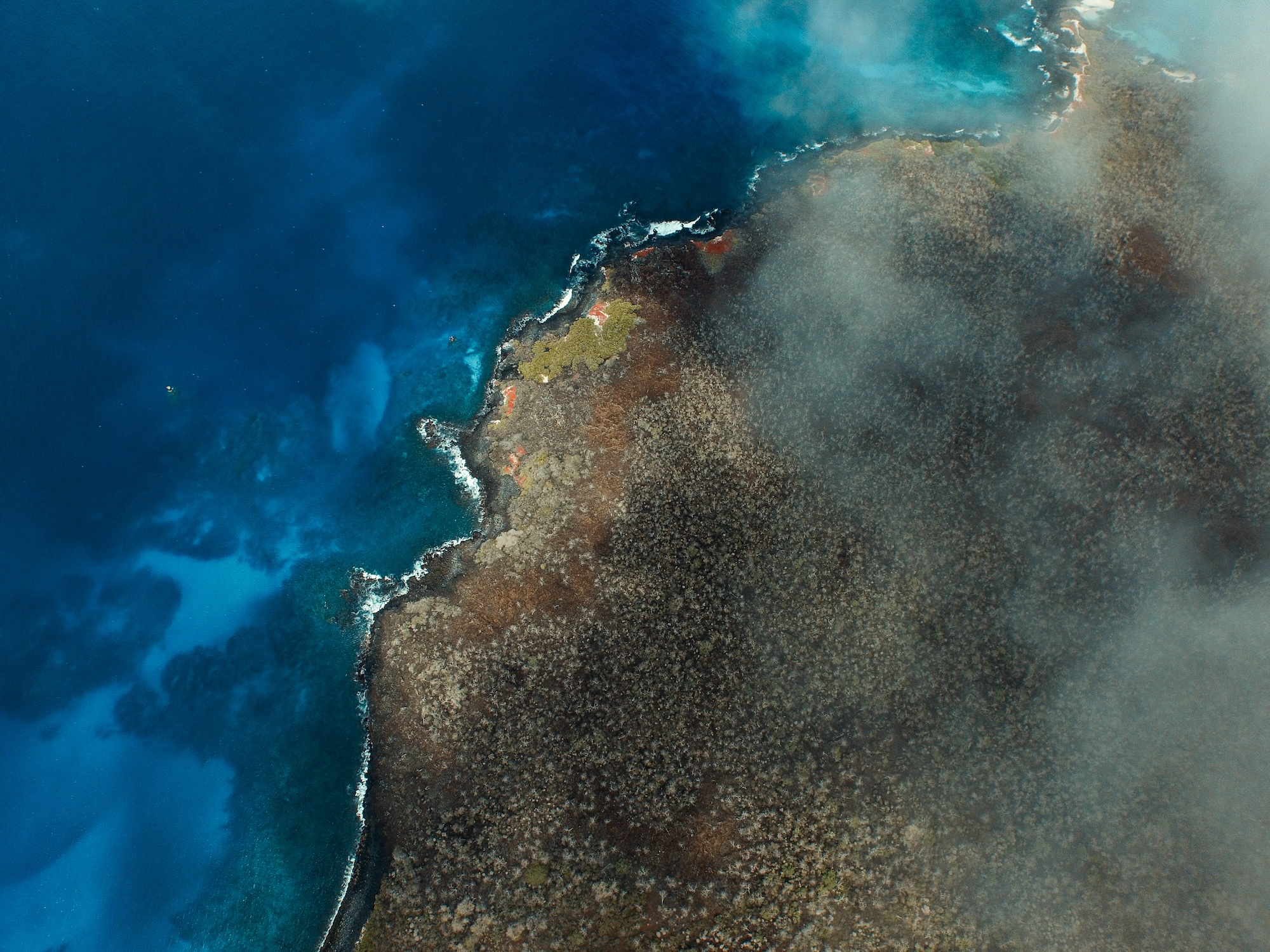
December 16, 2025
Read the full ecological story of Floreana Island in the Galápagos from the early settlements to today.
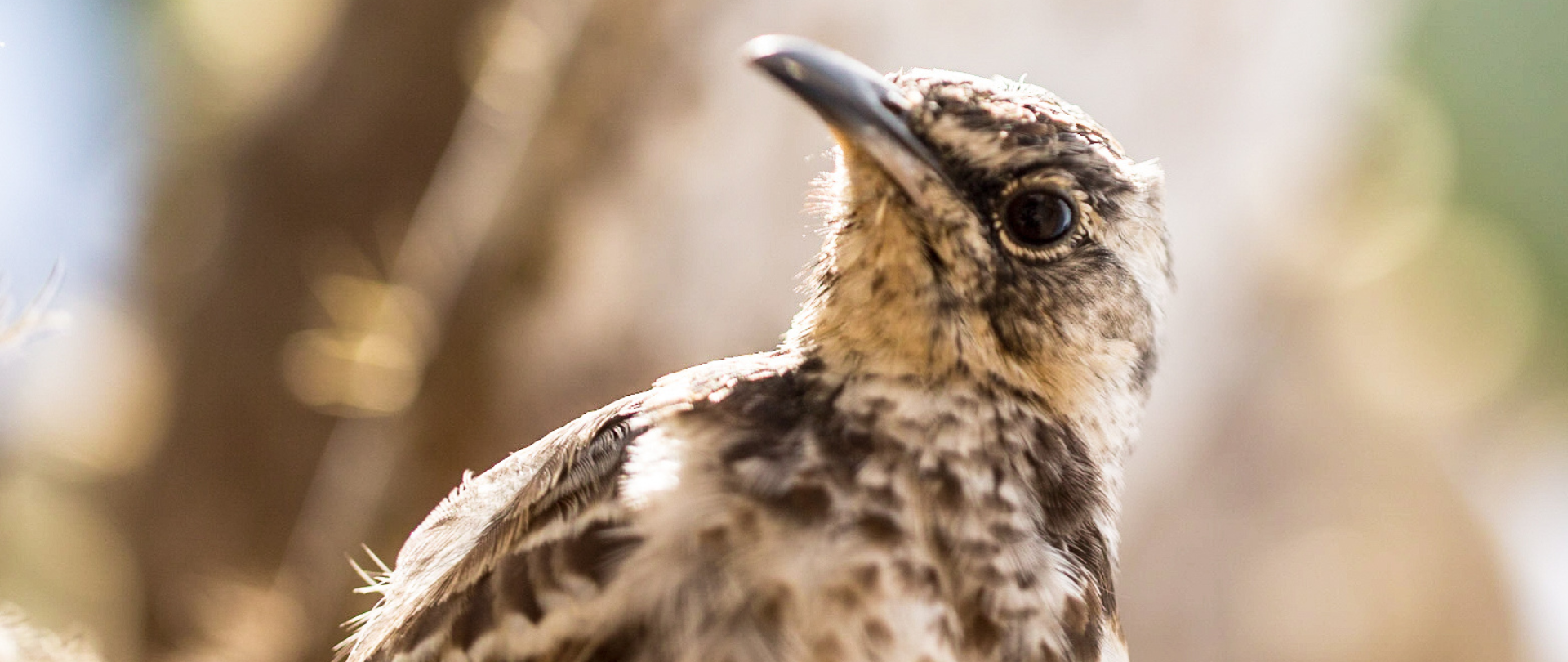
November 21, 2025
Holistic restoration is at work on Floreana Island, where the largest conservation project in the history of the Galápagos is underway!

October 29, 2025
Astounding evidence of recovery on Ulong Island in Palau after just one year!
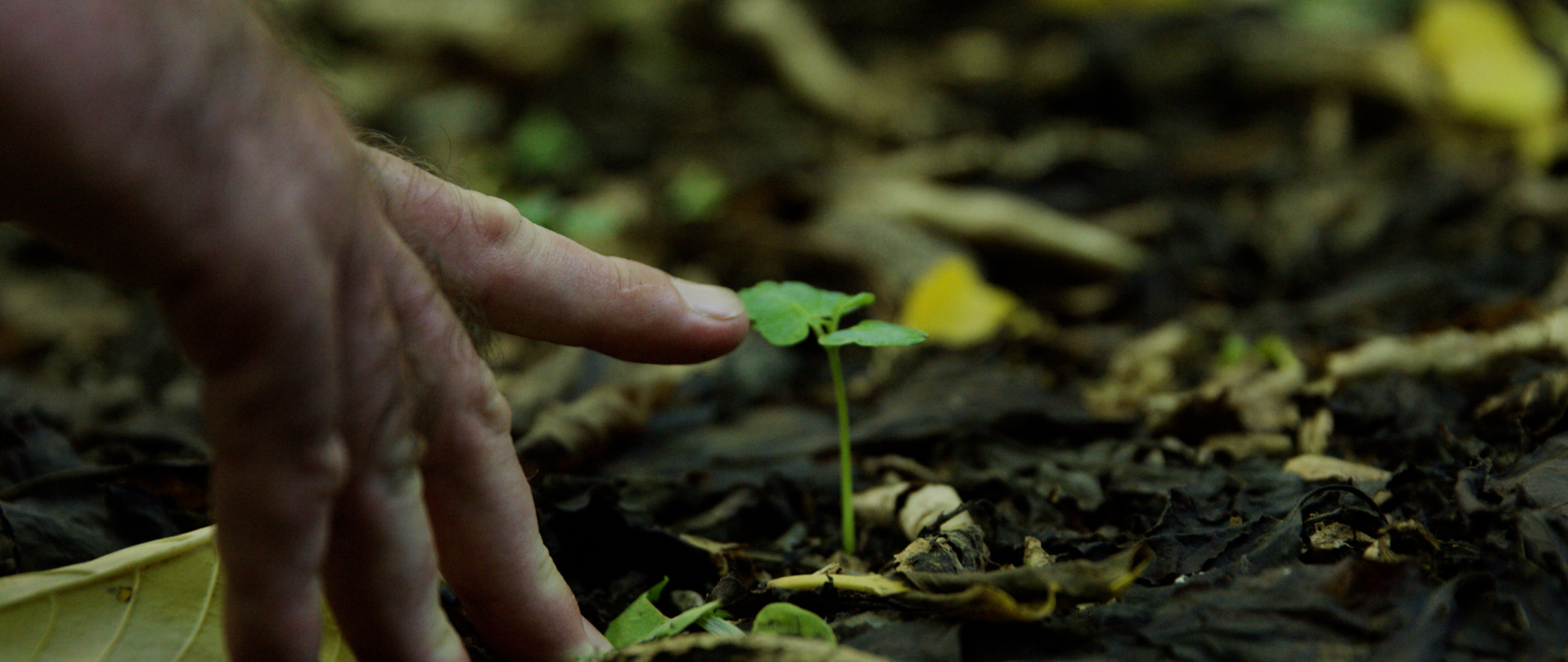
September 30, 2025
Astonishing results from our work to restore sites in the Republic of the Marshall Islands, boosting climate resilience and ocean health!
September 24, 2025
Don't let its comparatively small land area fool you--Tokelau is a world leader in conservation!