December 16, 2025
Eden vs. Reality: The True Story of Floreana’s Ecological Drama
Read the full ecological story of Floreana Island in the Galápagos from the early settlements to today.
 Island Conservation
This op-ed by Dr. Penny Becker, Dr. Stuart Sandin, and Wes Sechrest was originally published by the IPS News Bureau in May 2025.
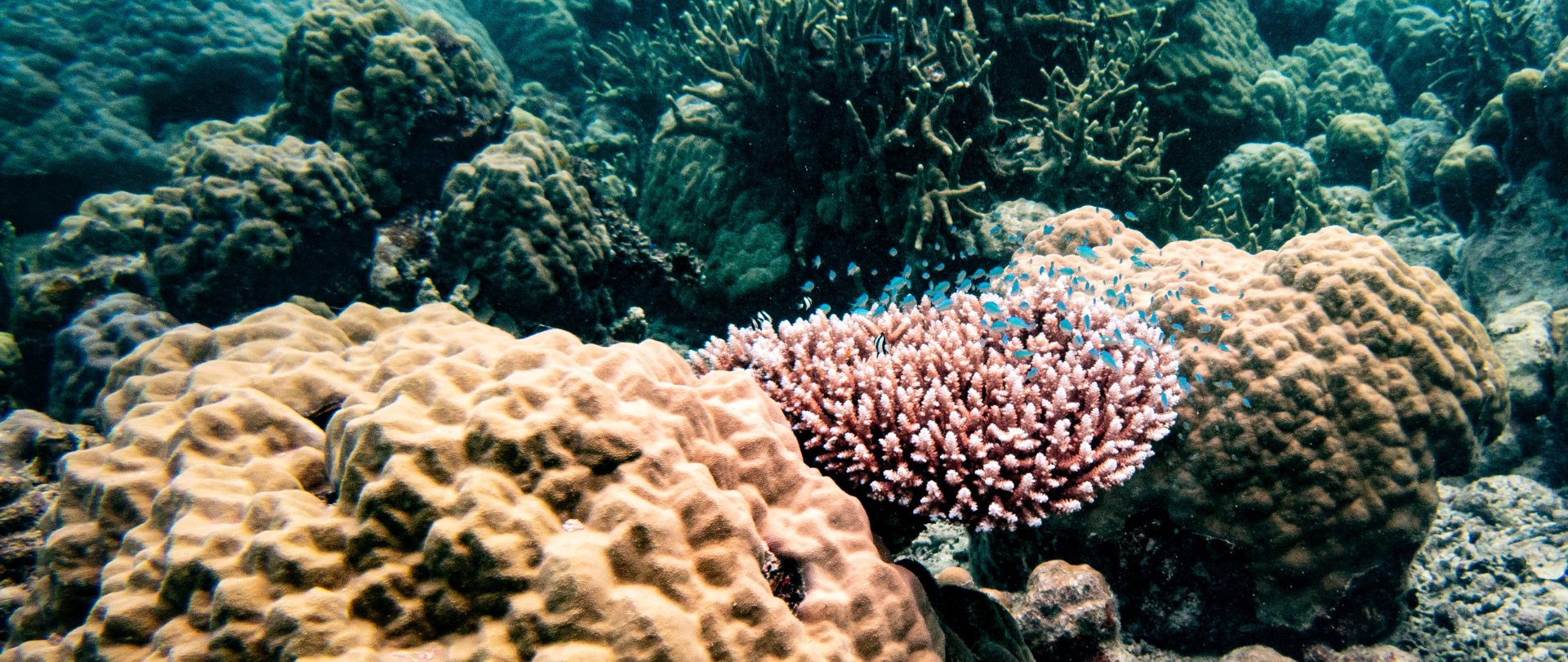
Photo credit: Nathaniel Holloway of Scripps Institution of Oceanography.
SEATTLE, Washington / SAN DIEGO, California / AUSTIN, Texas, May 26 (IPS) – As the world confronts escalating climate impacts, biodiversity loss, and ocean degradation, islands stand as critical test cases—not just as sites of vulnerability, but as living laboratories of resilience, restoration, and innovation. Too often, they are framed as victims of global circumstances, awaiting salvation from external forces.
But they have long been proving grounds for ecological restoration, climate adaptation, and scalable conservation solutions that both draw from and help protect Indigenous and local knowledge, cultural practices, and local economies of island communities.
From the Republic of Seychelles’ pioneering blue bonds, which finance marine protection in the Westen Indian Ocean, to New Zealand’s ambitious Predator Free 2050 initiative restoring native bird populations and ecosystems, to the Galapagos Islands improving livelihoods and rewilding species on the brink of extinction, islands have time and again demonstrated that large-scale ecological recovery is both possible and rapid.

Their contained ecosystems allow for swift, measurable results, making them ideal places to refine and implement nature-based strategies that can be expanded globally.
The interconnectedness of islands and oceans is deeply understood by Indigenous communities, whose knowledge systems have emphasized this direct relationship for centuries. Holistic island restoration directly benefits ocean health, as terrestrial ecosystems play a vital role in nutrient cycling that support marine biodiversity and ecosystems – for instance, seabirds return nutrients to land from marine environments of hundreds or even thousands of miles away.
Removing human-introduced, damaging invasive species from islands, for instance, dramatically improves native wildlife populations, bolsters coral reef health, and enhances local food security.
That’s why Island Conservation, Scripps Institution of Oceanography at UC San Diego, and Re:wild came together to found the Island-Ocean Connection Challenge (IOCC) in 2022. We launched this initiative to learn from and partner with Indigenous Peoples and local communities, whose wisdom bridges the gap between island, coastal, and marine ecosystem management, recognizing the profound link between terrestrial and ocean restoration.
By collaborating with island communities, their governments, NGOs, scientists, and funders, we aim to holistically restore 40 globally significant island-ocean ecosystems from ridge-to-reef by 2030. Twenty island-ocean ecosystems, from Palau to New Zealand to France and more, have already joined the challenge. And, to date, fifty IOCC partners have pledged to help advance this global vision and island restoration portfolio.
The IOCC’s work is based on the irrefutable evidence of impact we gathered from projects across the globe. Consider these success stories: on Palmyra Atoll (in the Pacific’s Northern Line Islands), removing invasive predatory rats led to a 5,000 percent increase in native trees, which strengthened surrounding coral reef ecosystems that now host more Manta Rays.
On Loosiep Island in the Federated States of Micronesia, restoration interventions improved traditional agriculture practices, reducing reliance on imported food. And in French Polynesia, the Critically Endangered Polynesian Storm-petrel has returned to nest on Kamaka Island for the first time in 100 years—less than two years after ecosystem restoration efforts began.
Around the world, these revitalized habitats capture more carbon, provide more storm resilience, and protect unique endemic plant communities, support healthier local fisheries, and enrich marine ecosystems. These restored islands demonstrate the power of nature’s resilience when native species are once again given the chance to thrive and rewild their ecosystems.
These wins are more than just community conservation and environmental victories—they’re stories of hope: tangible solutions to the triple planetary crisis of climate change, biodiversity loss and ocean degradation. Studies have shown that restored islands can capture millions of metric tons of carbon, resist coastal erosion, bolster food security for local communities, nurture up to fifty percent more fish, and grow coral reefs up to four times faster.
These successes on islands are scalable; the discrete geographic scale of islands allows for systematic restoration efforts with impacts that reach far beyond their shores.
For those who care about ocean health, investing in terrestrial restoration is critical. The fate of marine ecosystems is tied to the health of island environments and vice-versa. For those who care about island communities and nature, investing in adjacent ocean ecosystem restorations is also undebatable. Ignoring these connections risks overlooking one of the most effective levers for ocean and island resiliency. Visible gains for local communities foster greater engagement in ocean protection efforts.
The capacity of large oceanic island states and territories to model solutions for global crises is outsized. By shifting our perspective of islands as hubs of innovation, restoration, and resilience we can truly harness the power of “our sea of islands”, unlocking their full potential—not just to safeguard their own futures, but to inform the recovery and health of our entire planet.
The choice is clear: invest in island-ocean system resilience with local communities now, or lose irreplaceable biodiversity, cultural heritage, and proven solutions to our most pressing global challenges. The world’s island communities are ready to lead. There is no better time than now to step up for islands.
Dr. Penny Becker is CEO, Island Conservation; Dr. Stuart Sandin is Biological Oceanography Professor, Center for Marine Biodiversity and Conservation, Scripps Institution of Oceanography; & Wes Sechrest is CEO, Re:wild
Check out other journal entries we think you might be interested in.
December 16, 2025
Read the full ecological story of Floreana Island in the Galápagos from the early settlements to today.

October 29, 2025
Astounding evidence of recovery on Ulong Island in Palau after just one year!
October 26, 2025
A new study shows the power of seabirds to drive entire ecosystems by circulating nutrients between land and sea!
September 30, 2025
Astonishing results from our work to restore sites in the Republic of the Marshall Islands, boosting climate resilience and ocean health!
September 12, 2025
How can you make the maximum impact on the planet with your donation? Some conservation actions are most cost-effective than others!
September 4, 2025
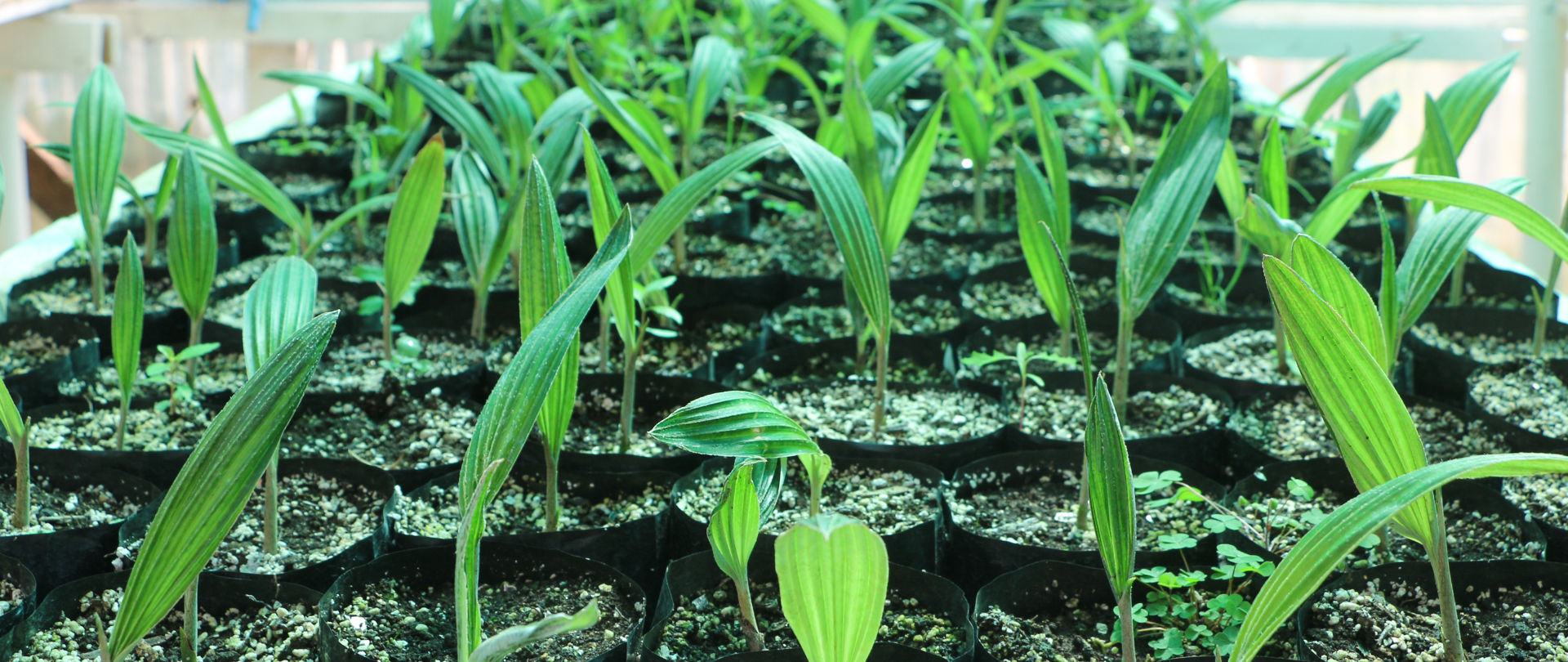
Incredible collaboration and success in the Juan Fernández Archipelago, with thousands of threatened trees benefiting from bold conservation action!
July 22, 2025
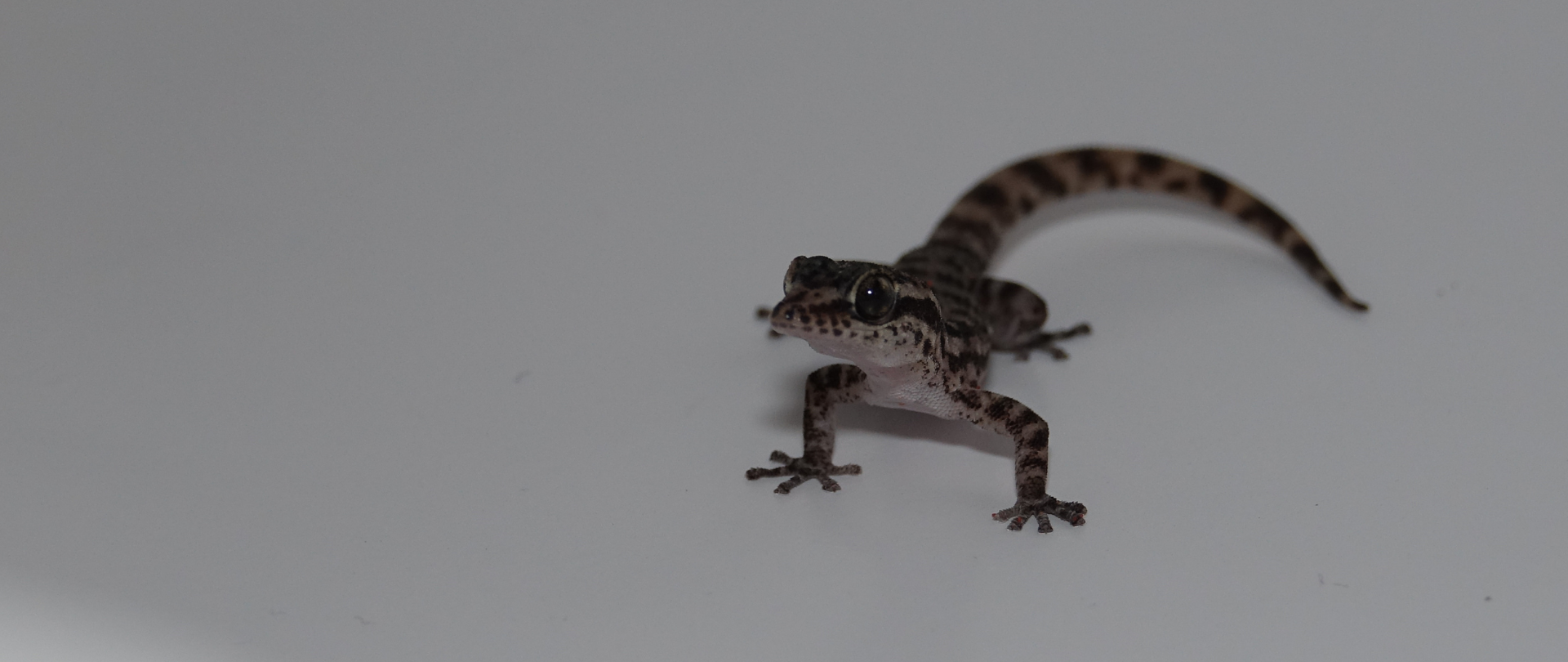
A species once thought extinct just made its comeback. A study published in PLOS ONE confirms the Leaf-toed Gecko has been rediscovered on Rábida Island in the Galápagos.
February 27, 2025
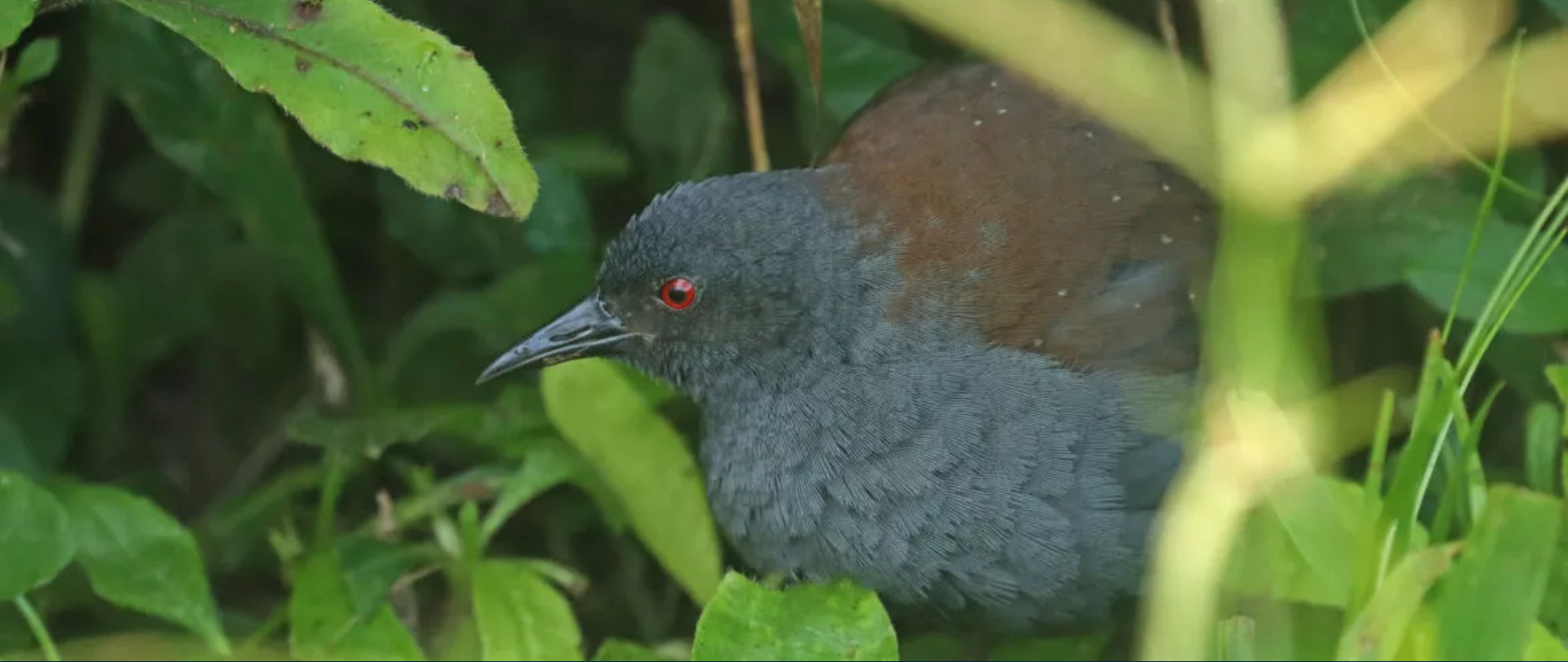
A locally-extinct species of ground-dwelling bird was found on Floreana Island!
January 15, 2025
We're joining the Global Rewilding Alliance, a network of environmental organizations around the world!
January 6, 2025
Some truly good news to brighten your day. Enjoy these stories of people helping to heal the natural world--and succeeding!