October 29, 2025
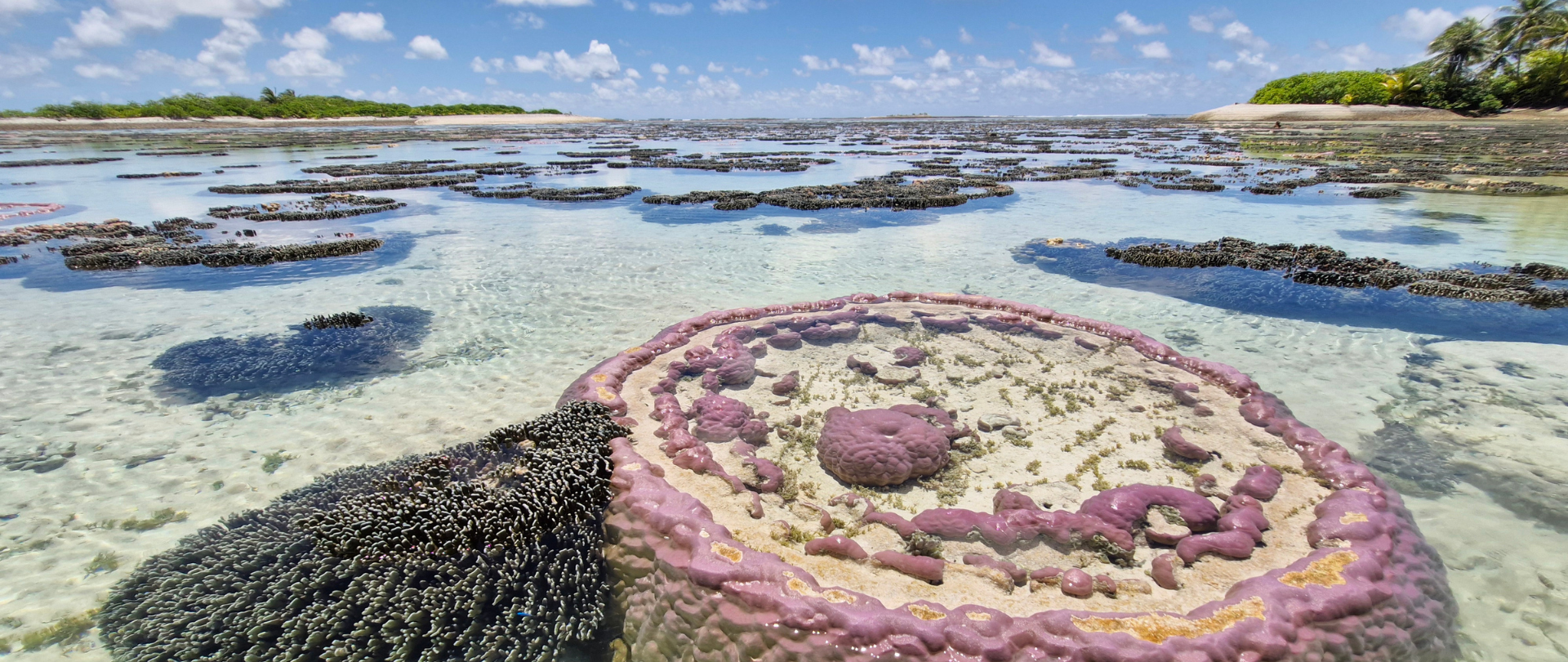
Data Shows Endangered Palau Ground Doves Swiftly Recovering After Successful Palauan Island Conservation Effort
Astounding evidence of recovery on Ulong Island in Palau after just one year!
 Island Conservation
15 May 2013
In this Nature new feature Invasive Species:The 18-km2 rat trap,Henry Nicholls takes an in-depth look at Island Conservation’s restoration work with partners in the Galápagos Archipelago to save threatened species from extinction. The article focuses on our most recent project on Pinzón Island in the Galápagos to protect the Extinct in the Wild Giant Pinzón Tortoise. Nichols also explores all the components that are necessary for a successful outcome, and the history of invasive species removals in the region.
The Galápagos Archipelago is known for its extraordinarily rich abundance and diversity of native and plants and animals found nowhere else in the world, such as the Giant Tortoise and Marine Iguana. Invasive species present on islands in the archipelago are threatening the Galápagos’ rare species, pushing many to the brink of extinction. To date, seven vertebrate species have become extinct, while 40% of the still existing 96 species are endangered – with invasive species as the primary threat.
Island Conservation began working to protect species in the Galápagos Archipelago in 2008. In 2011, In support of work led by the Galápagos National Park, Island Conservation, Charles Darwin Foundation, The Raptor Center, and Bell Laboratories removed invasive rats from the islands of Rábida, North Plaza, three Beagle islets, and three of the Bainbridge Rocks to protect 12 unique Galapagos species considered by the International Union for Conservation of Nature to be threatened with extinction. The project was confirmed a success in December 2012.
Click here to read the article
Want to read more stories from the Galápagos? Check out this article featured in the Galápagos Conservation Trust’s Galápagos Matters magazine on pages 8-10 written by Brad Keitt, Island Conservation’s Director of Conservation. Continuing reading on the next page about our wonderful partner Julia Ponder from the Raptor Center at the University of Minnesota as she talks about what it is like to care for 60 Galápagos Hawks. Read on here!
Check out other journal entries we think you might be interested in.

October 29, 2025
Astounding evidence of recovery on Ulong Island in Palau after just one year!
July 22, 2025
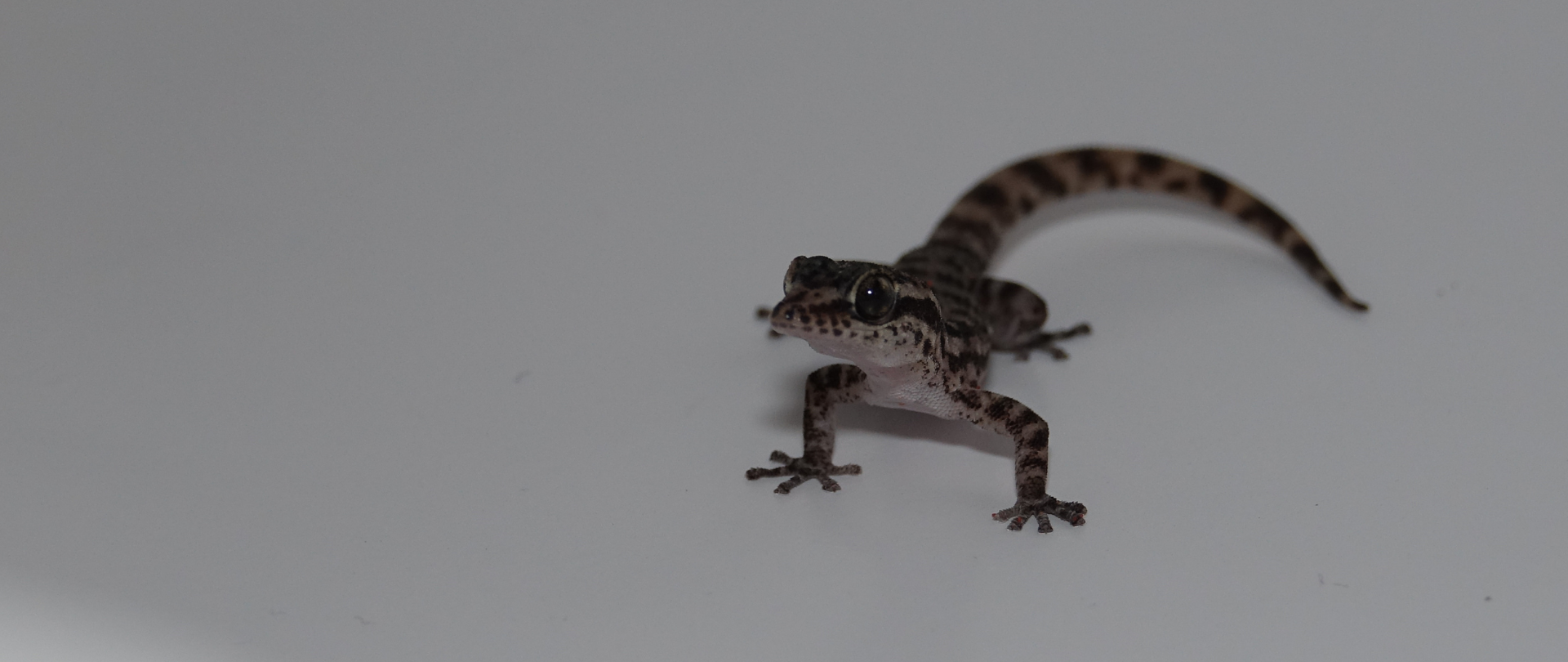
A species once thought extinct just made its comeback. A study published in PLOS ONE confirms the Leaf-toed Gecko has been rediscovered on Rábida Island in the Galápagos.
July 17, 2025
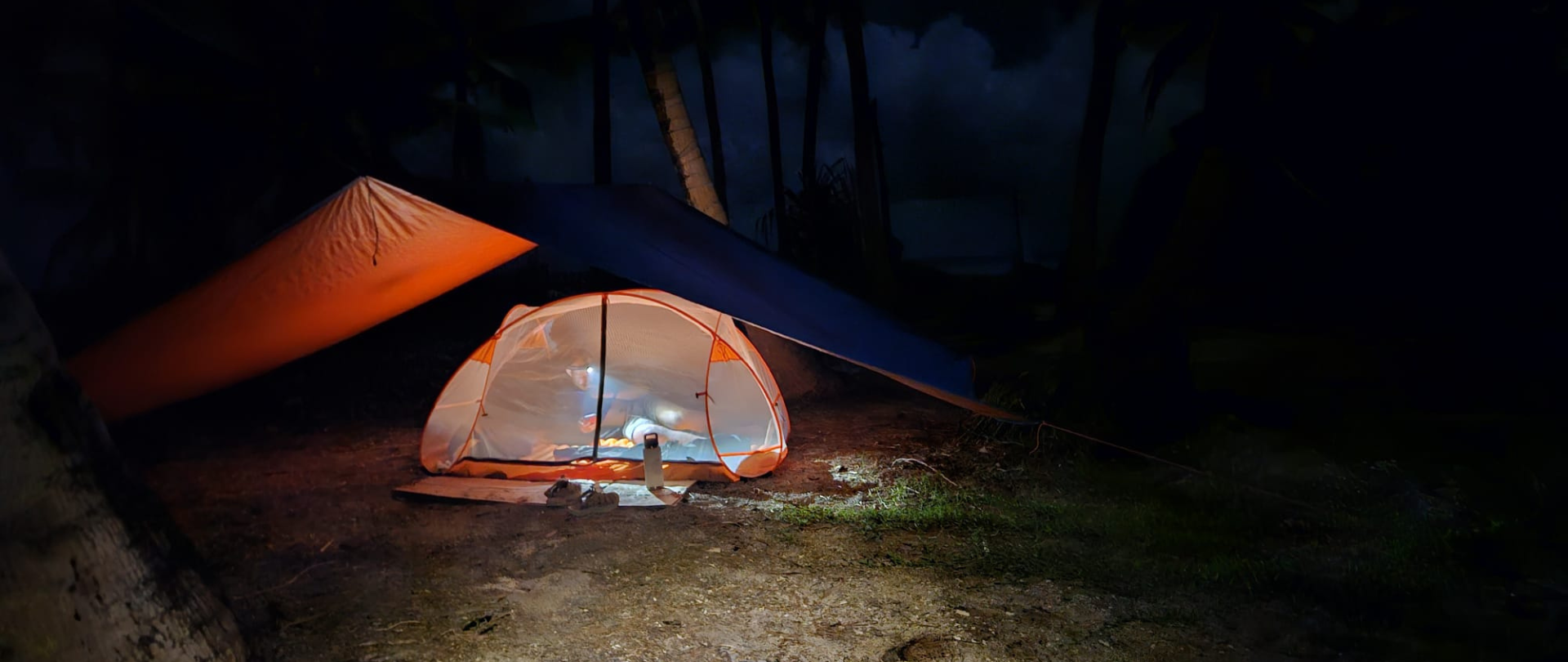
Great news from Tuvalu--our projects to restore Nukufetau Atoll, Tepuka, and Falefatu were successful!

June 17, 2025
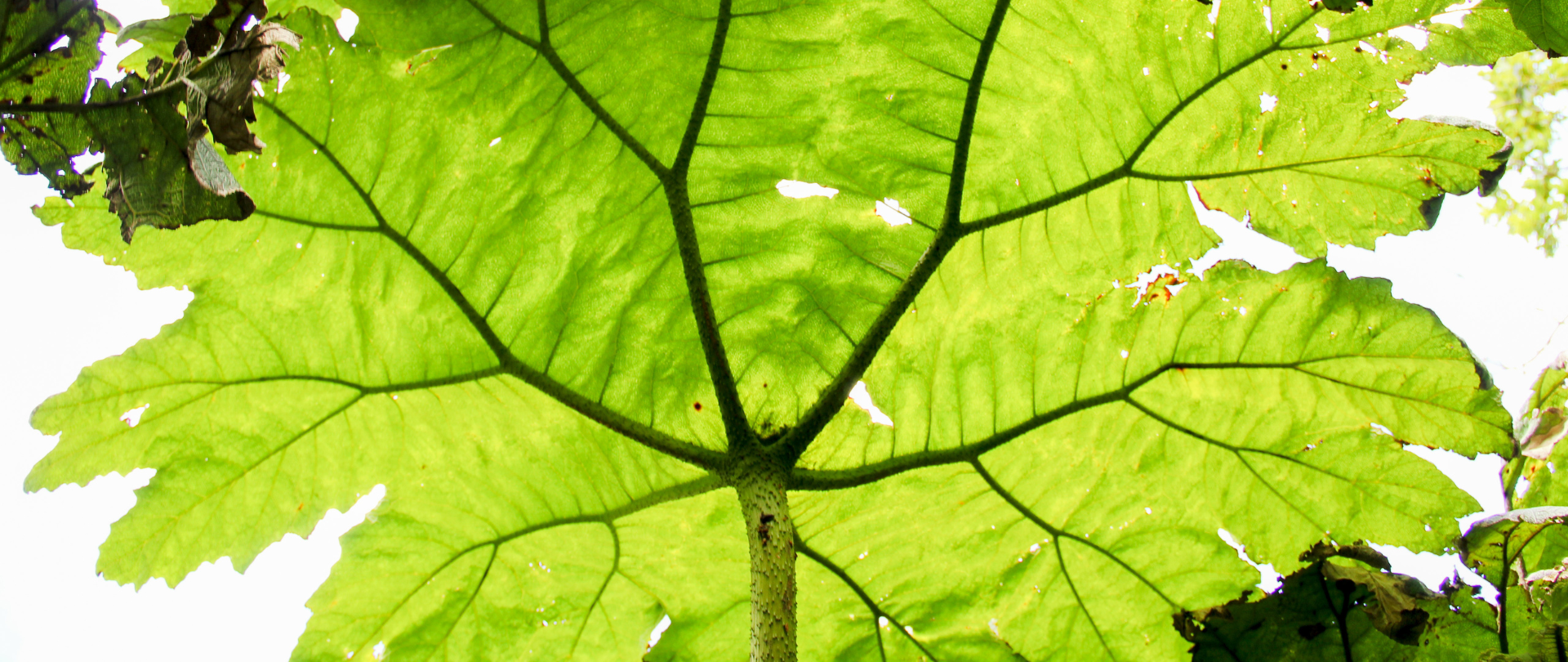
Two new islands join the Island-Ocean Connection Challenge, linking terrestrial and marine conservation for maximum impact!
June 13, 2025
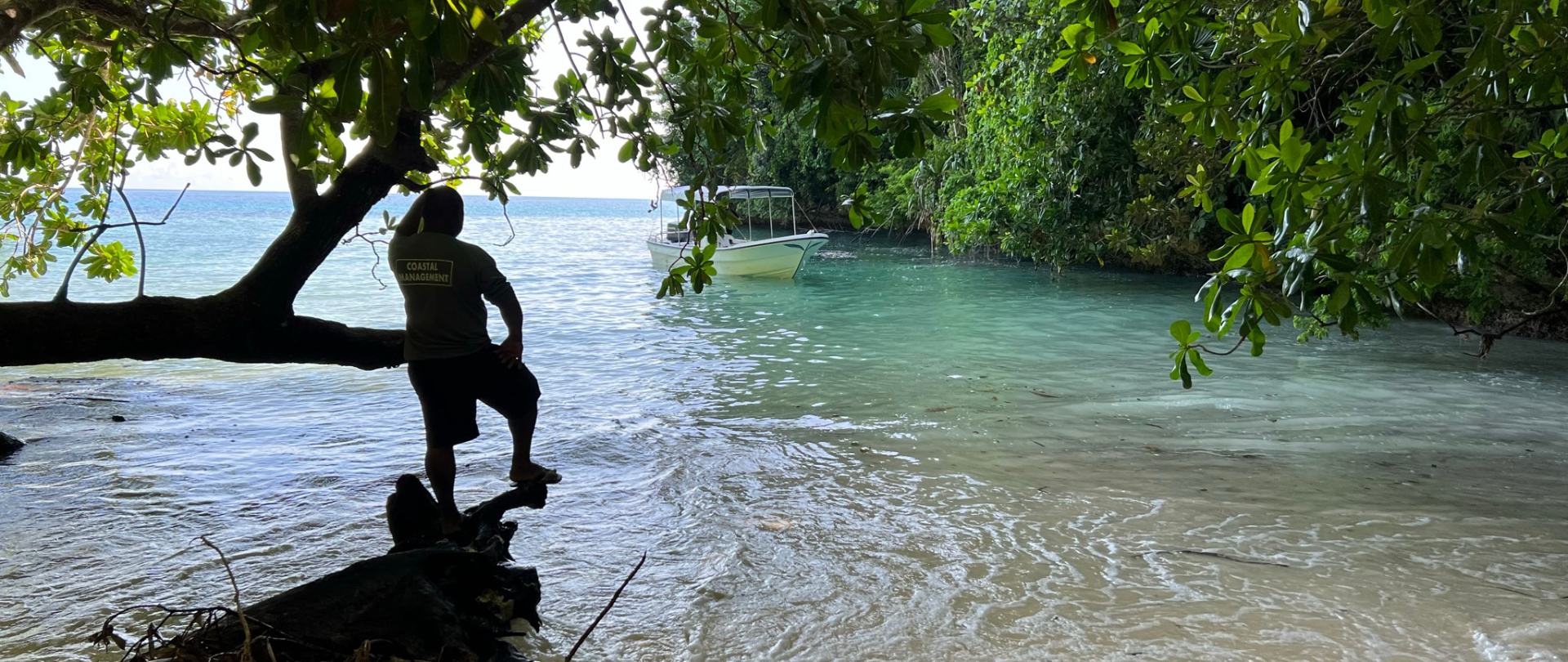
Our partner Conservation X Labs has joined the IOCC, committing to deploying transformative technology to protect island ecosystems!
May 19, 2025
Read our position paper on The 3rd United Nations Ocean Conference (UNOC 3) to see why we're attending and what we aim to accomplish!
March 11, 2025
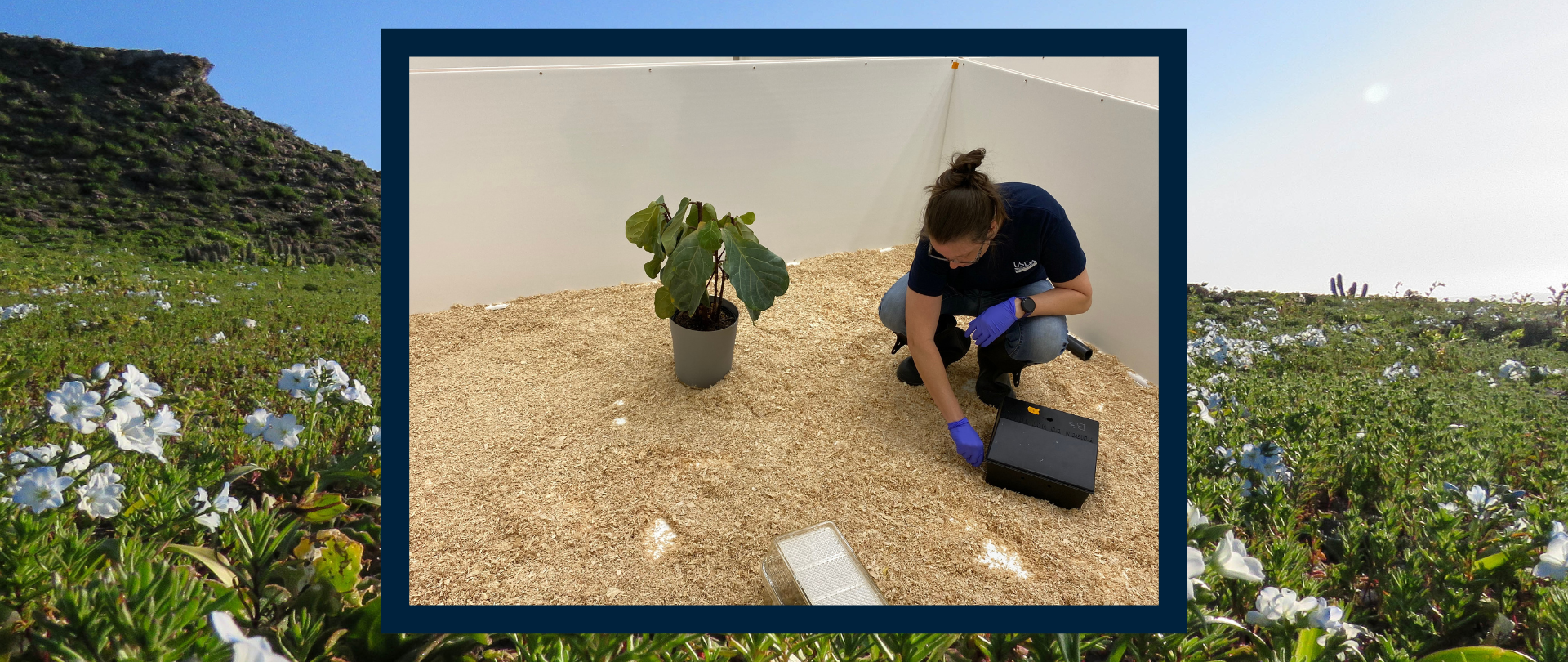
New environmental DNA technology can help protect vulnerable island ecosystems from destructive invasive species.
February 27, 2025
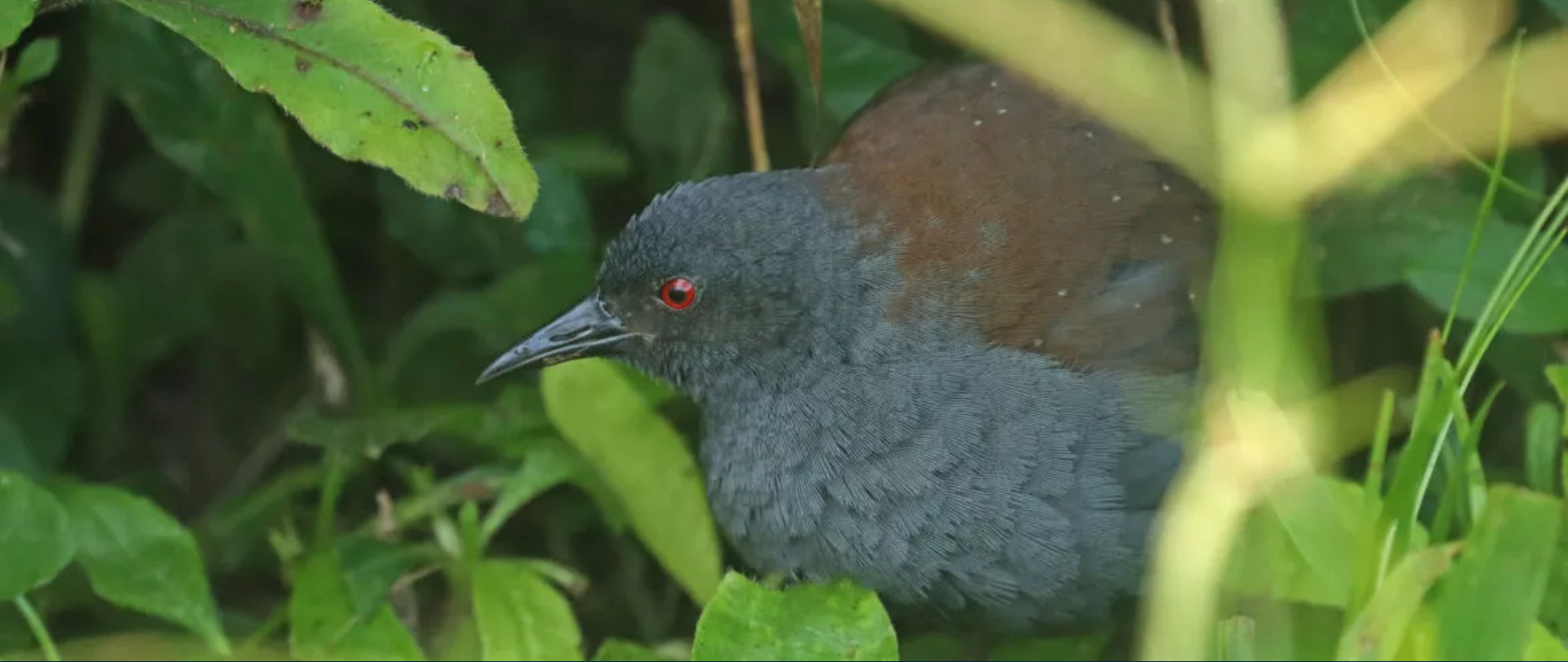
A locally-extinct species of ground-dwelling bird was found on Floreana Island!
February 20, 2025
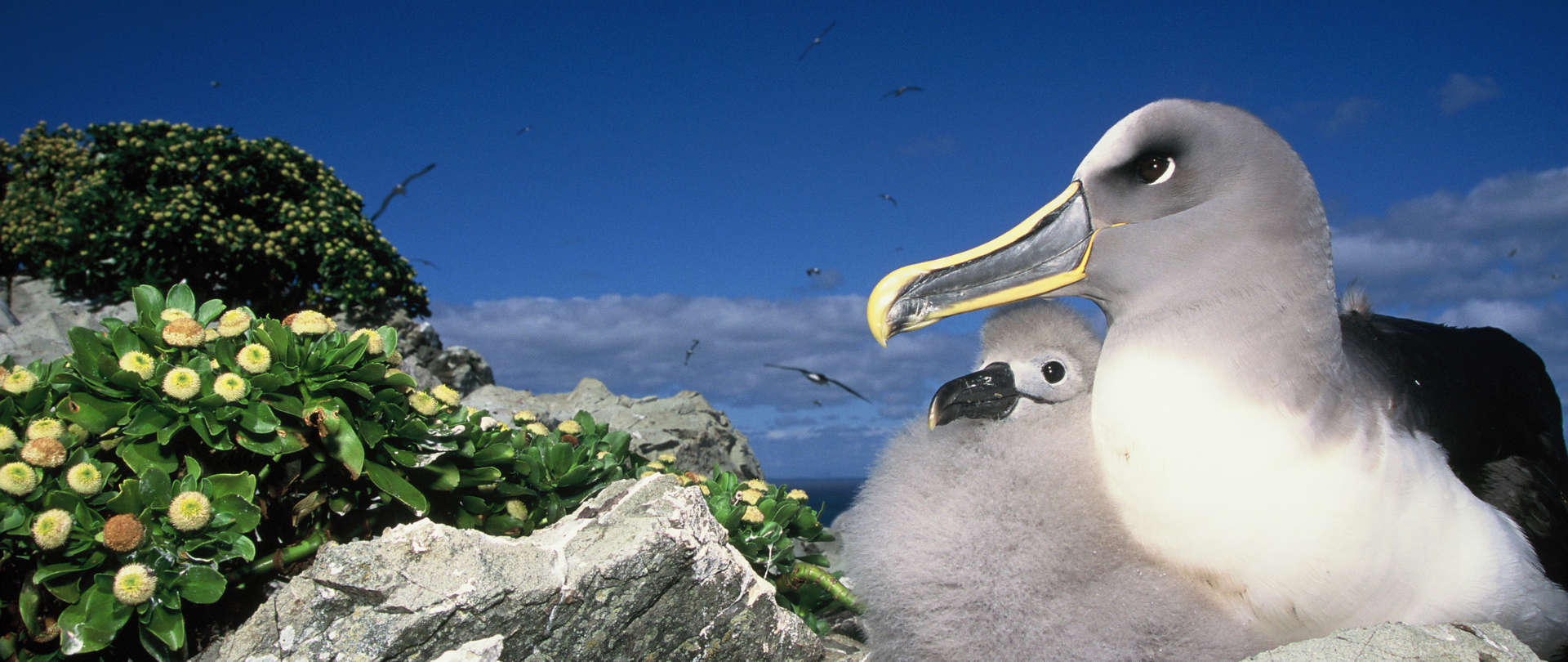
February 20, 2025, Bluff, New Zealand – The international conservation initiative, Island-Ocean Connection Challenge (IOCC), led by Island Conservation, Re:wild, and UC San Diego’s Scripps Institution of Oceanography, proudly welcomes three of New Zealand’s most ecologically rich islands into its…