January 22, 2026
The circular seabird economy is critical for oceans, islands and people
Our Senior Director of Impact & Innovation, David Will, explains the importance of the Circular Seabird Economy for nutrient transfer!
 Island Conservation
The link between invasive species and the spread of disease—to humans, animals, and plants—is no secret. Malaria, Zika, West Nile Fever, and more are all carried across the globe by invasive species that proliferate in vulnerable ecosystems. But a new paper in Nature Communications shows the depth of the connection between invasive species and disease, climate change, and biodiversity loss.
Zoonotic diseases are diseases that are caused when pathogens spread from animals to people. Avian flu, SARS, and COVID-19 are all examples of zoonotic diseases that have posed significant threats to the global economy, public health, and social stability. The authors of “Biological invasions facilitate zoonotic disease emergences” observe that, although there seems to be a connection between invasive alien species and zoonotic events, no one has conducted a global synthesis of how these species impact these diseases—especially not one that considers a broad variety of kinds of animals.
Zhang et al. used a global database of more than 10,000 different zoonotic events, dating back to the 1300s, to figure out the causal linkage between established invasive alien species and diseases that spread to humans. After accounting for a variety of biases, they were able to estimate this link by measuring the effect of alien species introductions on the number of zoonosis events.
There are two main ways to establish the relationship between invasive alien species and zoonosis events: spatial analysis and temporal analysis. That is, if zoonotic diseases are emerging in places where invasive alien species have recently been introduced, we can reasonably say that these species were a major factor in disease spread. Indeed, analysis of Zhang et al.’s huge dataset confirmed these correlative relationships, making it clear that invasive species are a driver of disease.

First—we learned what kinds of animals are most likely to spread zoonotic disease: rodents and birds. Rodents are some of the most prolific invasive species in the world, which helps account for the high rate of disease spread we can attribute to them. Regarding birds, the authors note that certain species that are highly associated with habitat loss tend to spread more disease.
This supports another of the study’s findings: the link between invasive species, zoonotic disease, and biodiversity loss. Changes in land use, combined with rising temperatures, make native species’ habitats less hospitable to them. Biodiversity, or the variety of species found in an ecosystem, decreases when invasive species out-compete native ones, or when climate change transforms habitats. When native species decline, more vacant niches become available to invasive species.
What this reveals is a vicious cycle: invasive species contribute to biodiversity loss, which makes it easier for invasive species to take hold. These conditions provide more and more opportunities for diseases to jump between animals and humans. Climate change can only make these conditions worse: rising temperatures, the authors write, can expand the ranges of different diseases by making new regions habitable to them and to the invasive alien species that carry them.
This new, science-based understanding of zoonotic disease and invasive species makes it clear that restoring and rewilding key habitats is the key not just to preventing extinctions, but also to halt the spread of disease. We work on islands, which are simultaneously Earth’s most biodiverse habitats and also its most threatened. On islands, invasive species account for over 90% of global extinctions and make land uninhabitable for native species, such as seabirds.
Our work to restore and rewild islands stops the spread of rodents and makes it safe for birds to nest in their native habitats. In addition to stopping zoonotic disease, restoring and rewilding islands promotes healthier reefs, nutrient flows, and climate justice. Your support can make a difference—help us capture the multiple benefits of conservation today!
Check out other journal entries we think you might be interested in.

January 22, 2026
Our Senior Director of Impact & Innovation, David Will, explains the importance of the Circular Seabird Economy for nutrient transfer!

January 15, 2026
Not all Marine Protected Areas are equally effective. A new study shows how high-quality, well-implemented MPAs provide outsized impacts for biodiversity!
December 22, 2025
Elke Windschitl, our Conservation Impact Data Specialist, gives us the lowdown on
December 4, 2025
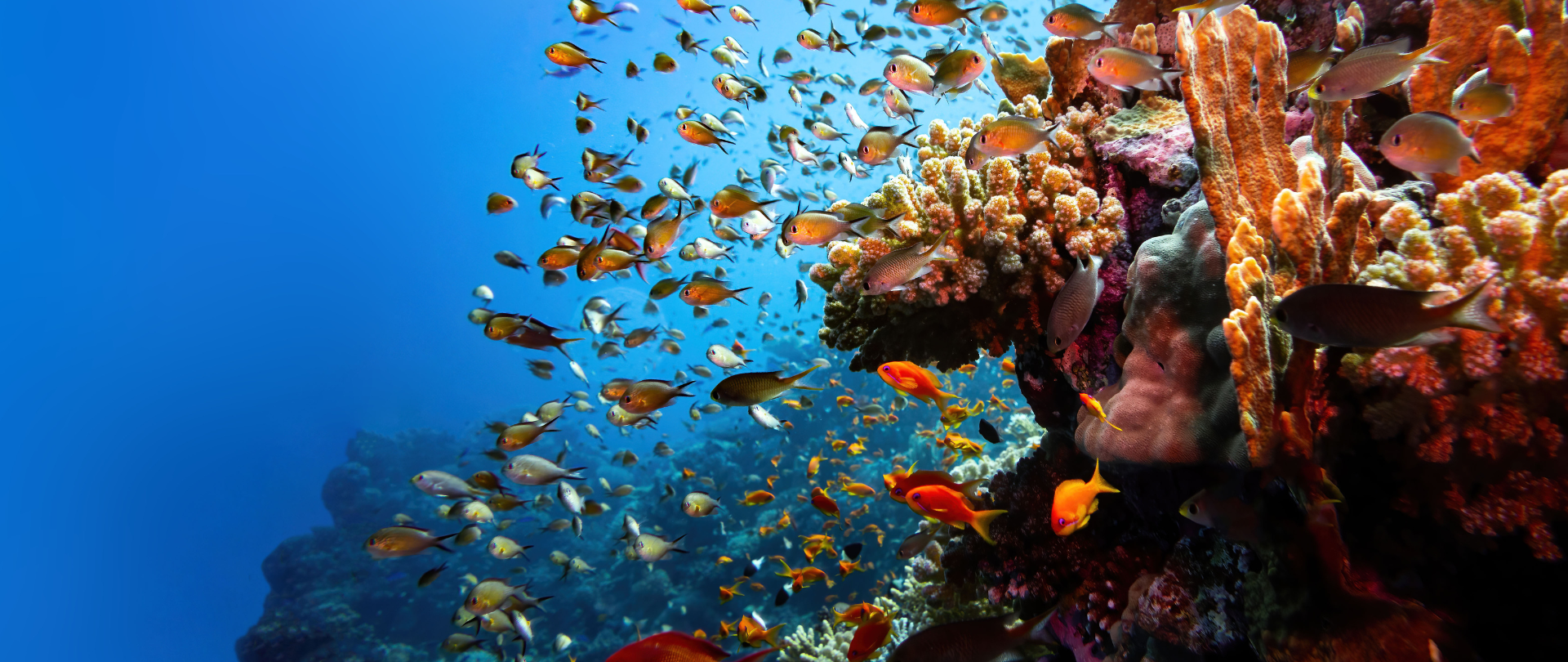
A new study reveals how seabirds, connector species between land and sea, play a huge role in the health of coral reefs!
November 25, 2025
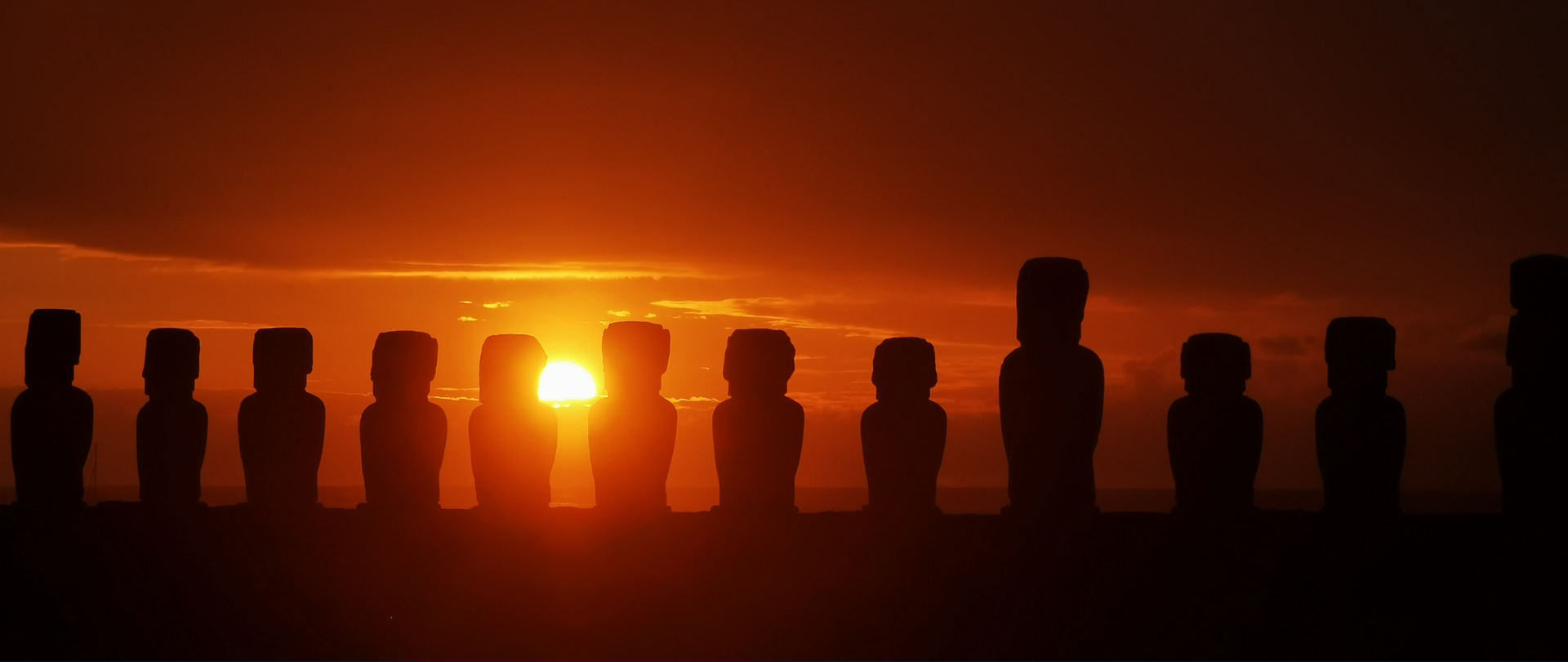
A new scientific paper is changing the way we understand Rapa Nui (Easter Island)'s ecological history!
November 21, 2025
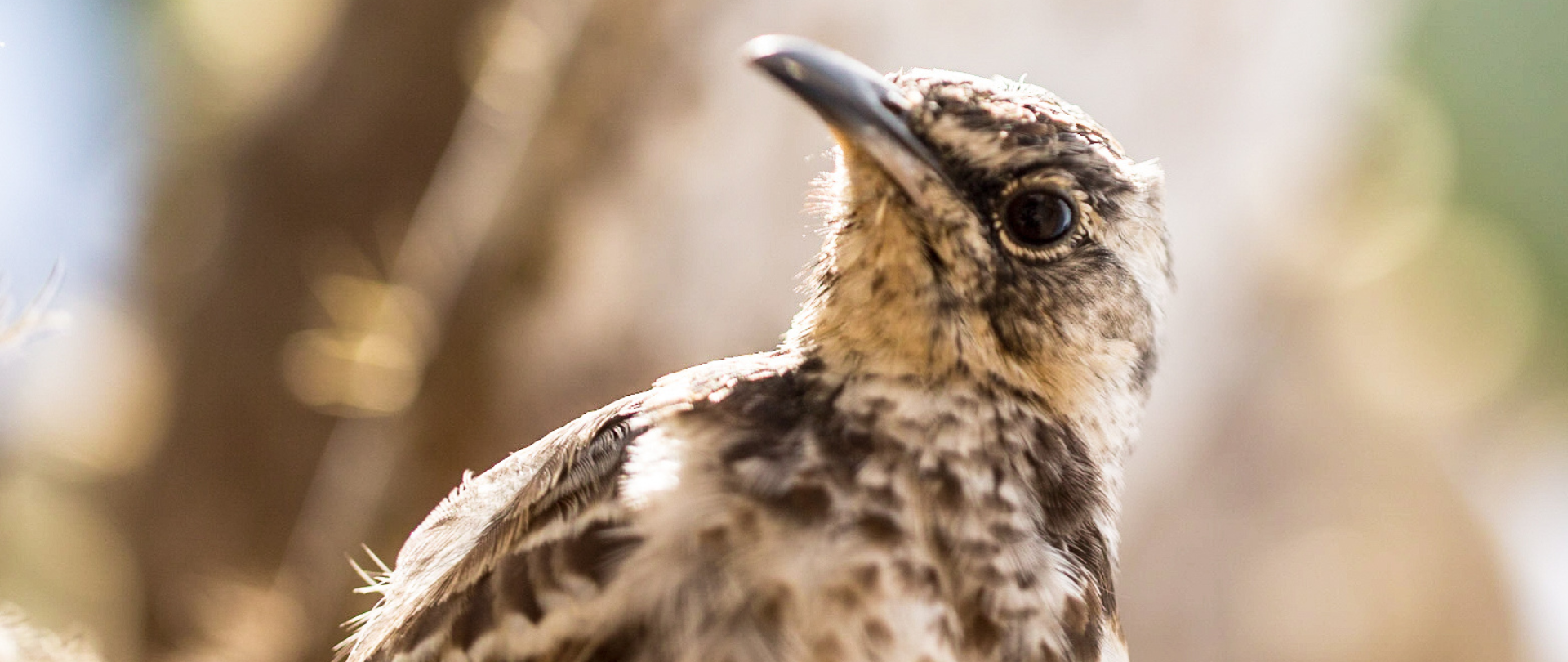
Holistic restoration is at work on Floreana Island, where the largest conservation project in the history of the Galápagos is underway!
October 30, 2025
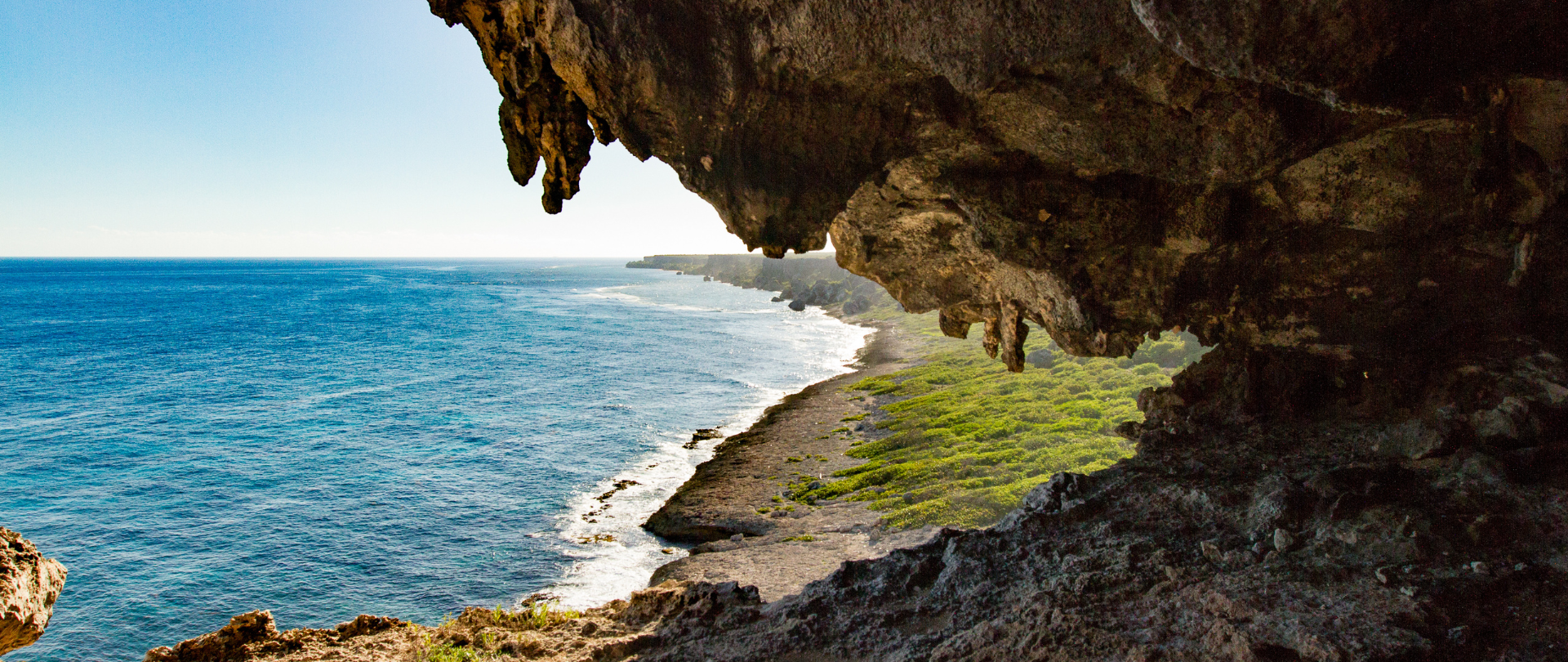
Our proposal for a United Nations-sanctioned Decade of Island Resilience spotlights the power of global small islands!
October 26, 2025
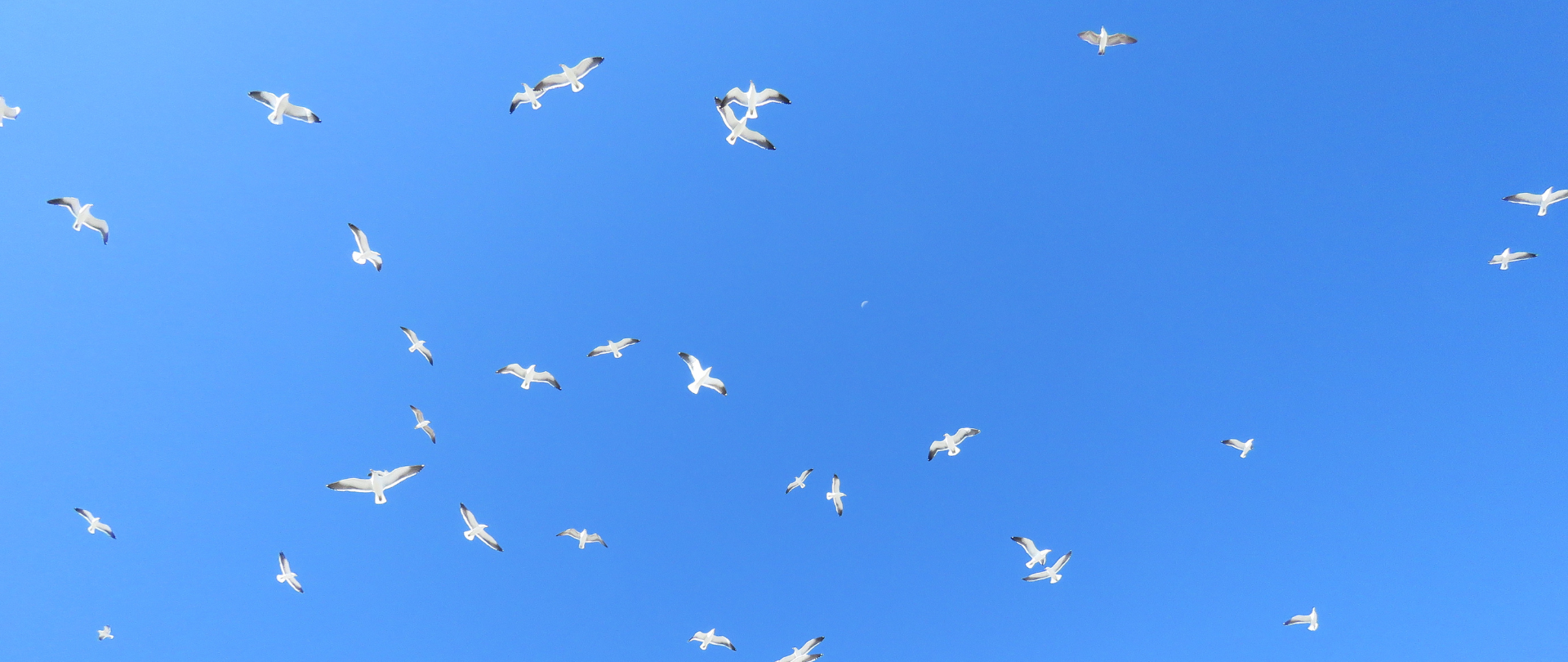
A new study shows the power of seabirds to drive entire ecosystems by circulating nutrients between land and sea!
September 12, 2025
How can you make the maximum impact on the planet with your donation? Some conservation actions are most cost-effective than others!

August 28, 2025
A new paper reveals the benefits of holistic restoration on Australia's Lord Howe Island!