December 22, 2025
Remote Sensing on Islands: Seeing Ecosystems Through Data
Elke Windschitl, our Conservation Impact Data Specialist, gives us the lowdown on
 Island Conservation
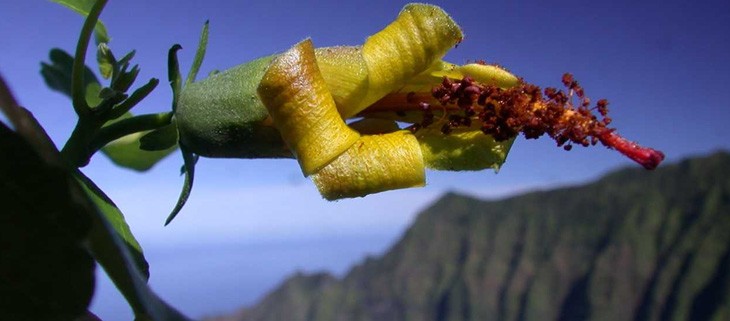
The Hibiscadelphus woodii is a flowering plant species endemic to Hawaii. Hibiscadelphus literally translates to “brother of Hibiscus,” aptly named for its similar appearance and close taxonomic relationship. The plant was last seen alive in 2009 and has since been presumed extinct due to the impacts of invasive species and rock slides. However, with the help of drone technology and the National Tropical Botanical Garden it has been once again rediscovered in the wild!
The plant was recently found on a vertical cliff face and this remarkable new development demonstrates the ingenuity of drone technology in its ability to reach and survey areas of land largely inaccessible by humans. Dr. David Lorence, director of science and conservation for the garden, said:
This incredible rediscovery was made possible by our staff using drone technology and was supported by a grant from the Mohamed bin Zayed Species Conservation Fund. Drone technology greatly facilitates botanical surveys in rough terrain areas.”
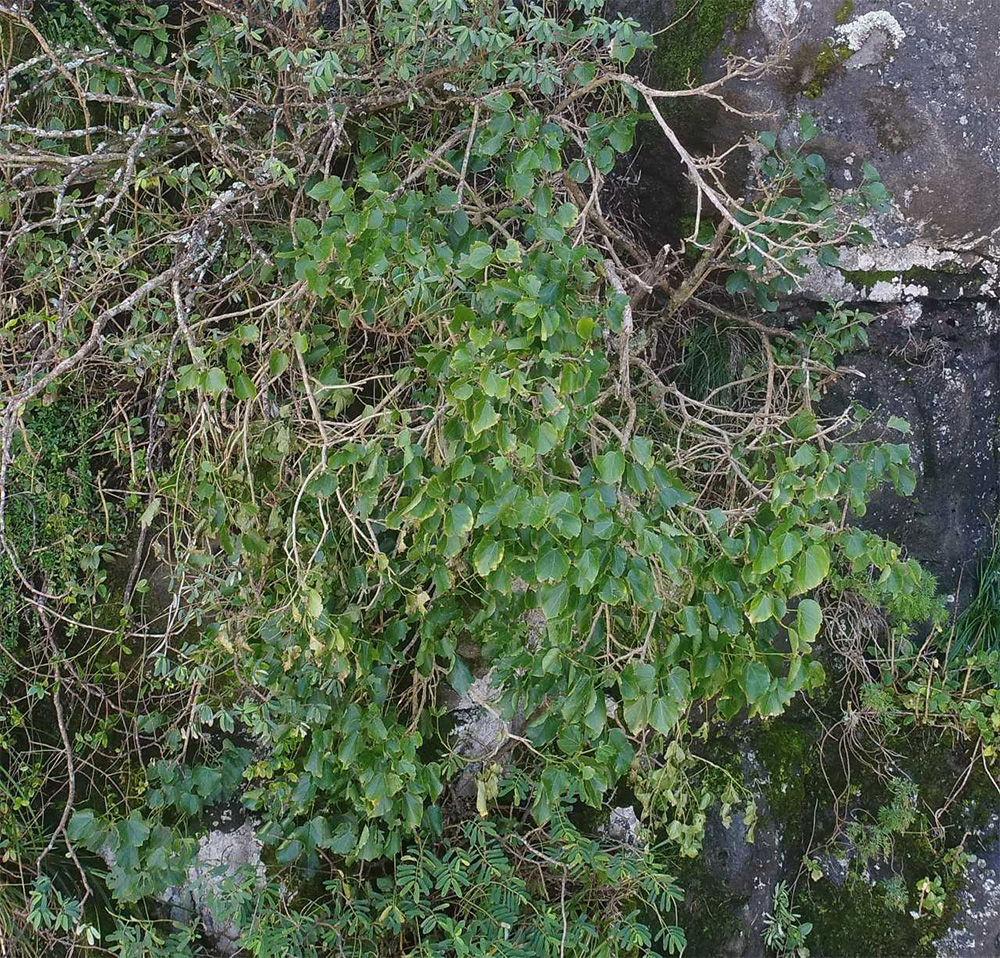
The rediscovery offers renewed hope for other rare plant and animal species thought to be extinct which may in fact still exist in hard or impossible to access areas. Ben Nyberg, GIS coordinator and drone specialist for NTBG, said:
Drones are unlocking a treasure trove of unexplored cliff habitat.”
There have already been similar discoveries. Back in 2017, the NTBG set out to locate the Critically Endangered Laukahi. The drone, scaling sharp mountain peaks, was able to discover 10 Laukahi plants, adding to the previous count of only 25.

Drones are proving to be vital in other areas of conservation as well. Island Conservation recently used drones to remove invasive rats from two islands within the Galapagos Archipelago. Using drones allows for greater maneuverability in hard to reach areas than a helicopter and can also be a more cost-effective approach for small and mid-sized islands around the world.
Conservationists can rejoice as this innovative technology provides a powerful emblem of hope for wildlife conservation. The use of this technology for conservation helps to inform the restoration and management approaches, bringing innumerable species back from the brink.
Source: CNN
Featured Photo: A flowering Hibiscadelphus woodii
Credit: Ken Wood/National Tropical Botanical Garden
Check out other journal entries we think you might be interested in.
December 22, 2025
Elke Windschitl, our Conservation Impact Data Specialist, gives us the lowdown on

October 29, 2025
Astounding evidence of recovery on Ulong Island in Palau after just one year!
June 13, 2025
Our partner Conservation X Labs has joined the IOCC, committing to deploying transformative technology to protect island ecosystems!
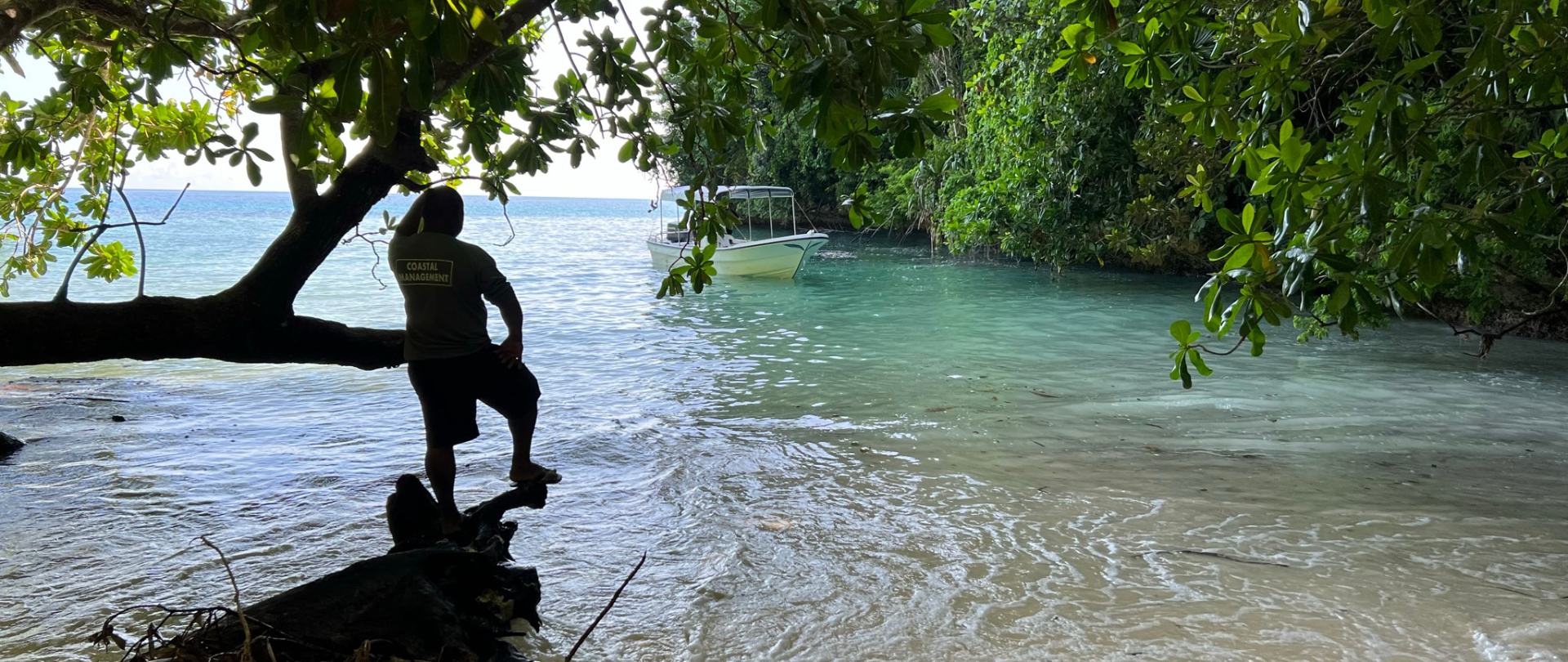
May 19, 2025
Read our position paper on The 3rd United Nations Ocean Conference (UNOC 3) to see why we're attending and what we aim to accomplish!
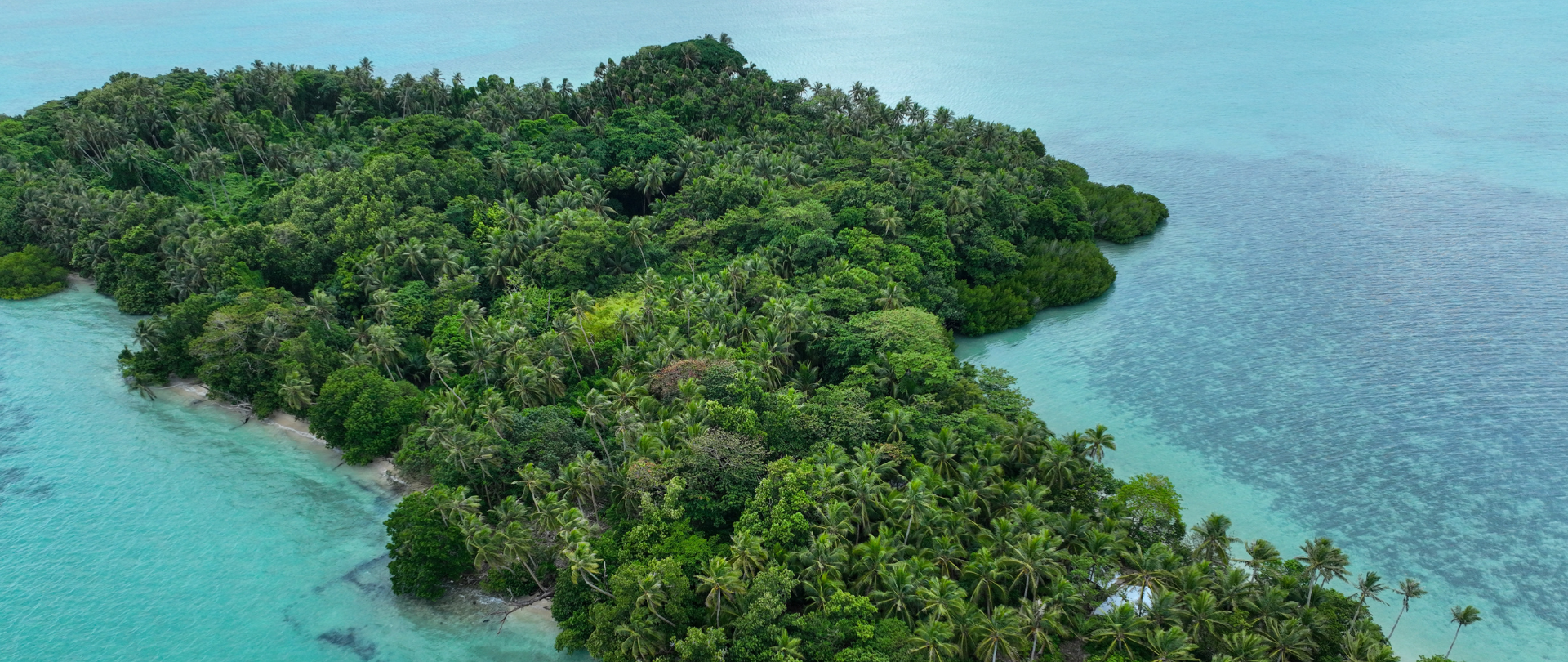
December 4, 2024
Ann Singeo, founder of our partner organization the Ebiil Society, shares her vision for a thriving Palau and a flourishing world of indigenous science!
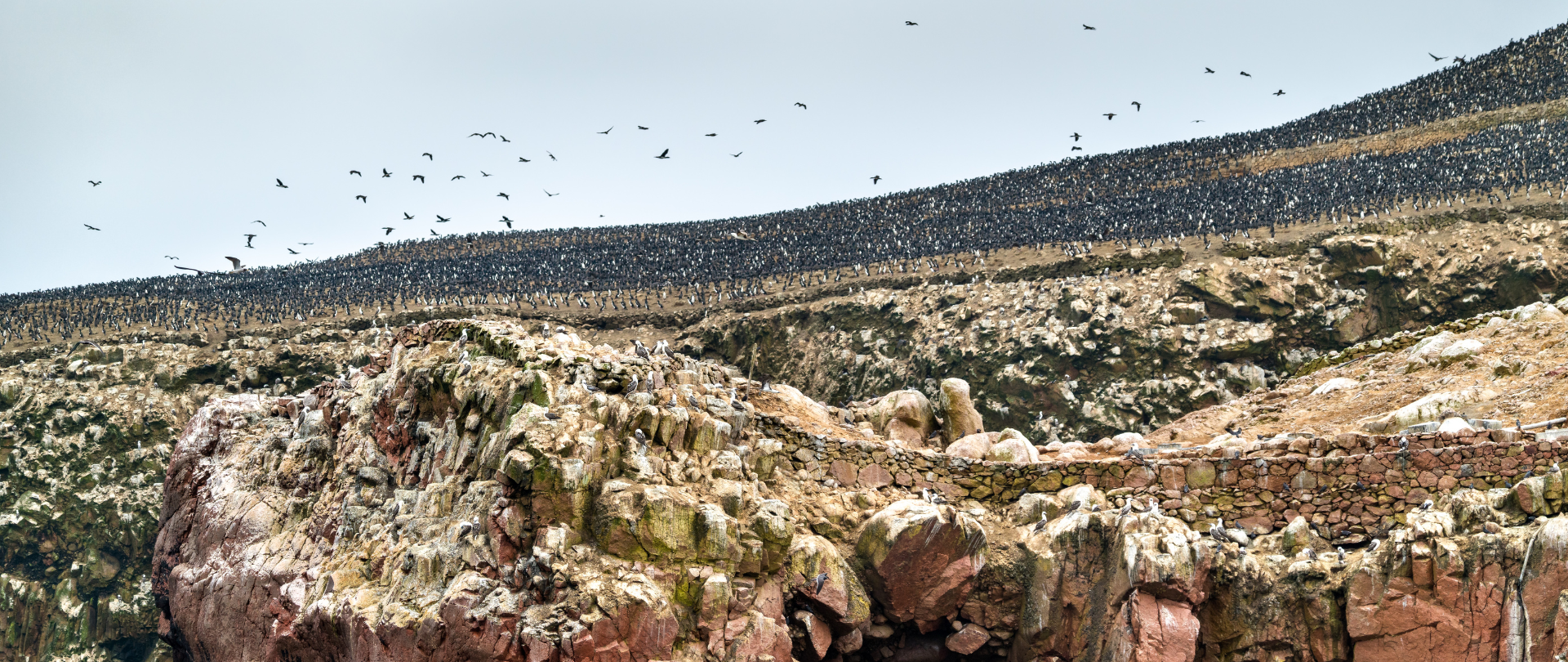
November 22, 2024
This historic agreement aims to protect the marine and coastal areas of the Southeast Pacific.
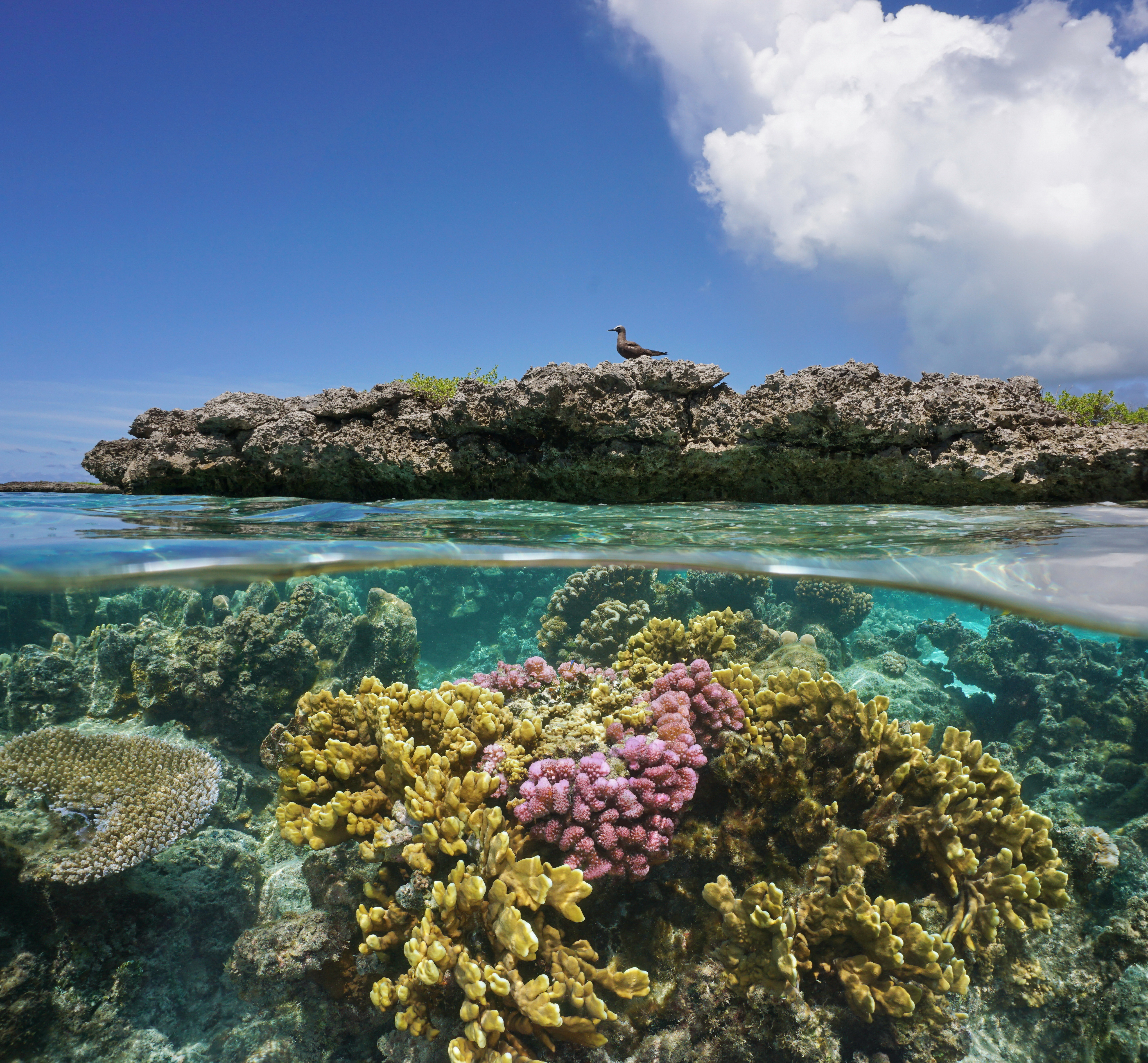
November 18, 2024
Our projects to restore key islets in Nukufetau Atoll forecast climate resilience and community benefits in Tuvalu!
October 3, 2024
Island Conservation and partners have published a new paper quantifying ecosystem resilience on restored islands!
September 10, 2024
Climate Week NYC: what is it and why is it important? Read on to find out why Island Conservation is attending this amazing event!
September 5, 2024
With sea levels on the rise, how are the coastlines of islands transforming? Read on to find out how dynamic islands really are!